
Some stores are more than just places to shop; they’re time capsules of Canadian life. Whether it was the smell of freshly printed Sears catalogues, the familiar sound of a Zellers announcement, or the thrill of walking into a Toys “R” Us at Christmas, these stores defined childhoods, family weekends, and teenage hangouts. Though many are gone or transformed, they live on in memory as symbols of a simpler time before online shopping took over. Here’s a look back at 18 Canadian stores that will make you feel nostalgic.
Zellers
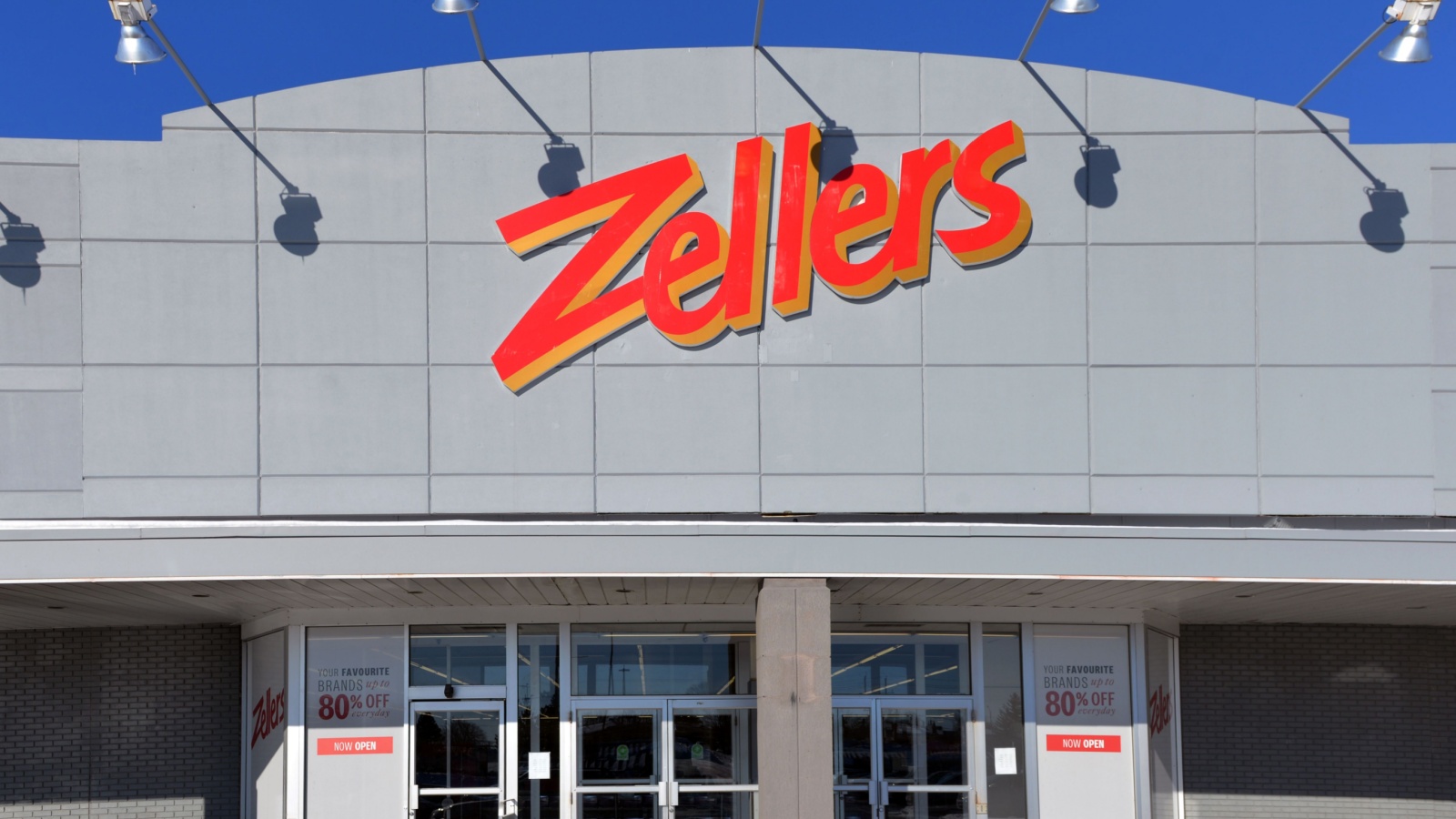
Zellers wasn’t just a discount store; it was practically an institution. Known for its slogan “Where the lowest price is the law,” Zellers offered everything from clothing and kitchenware to toys and electronics. Families loved the in-store diner, where grilled cheese sandwiches and fries were a rite of passage. The red-and-white aisles had a uniquely Canadian charm, and its mascot “Zeddy the bear” became a childhood favourite. Although most locations closed by 2013, many Canadians still hold a soft spot for it, especially as Hudson’s Bay experiments with reviving Zellers pop-ups that tap directly into that warm nostalgia.
Eaton’s
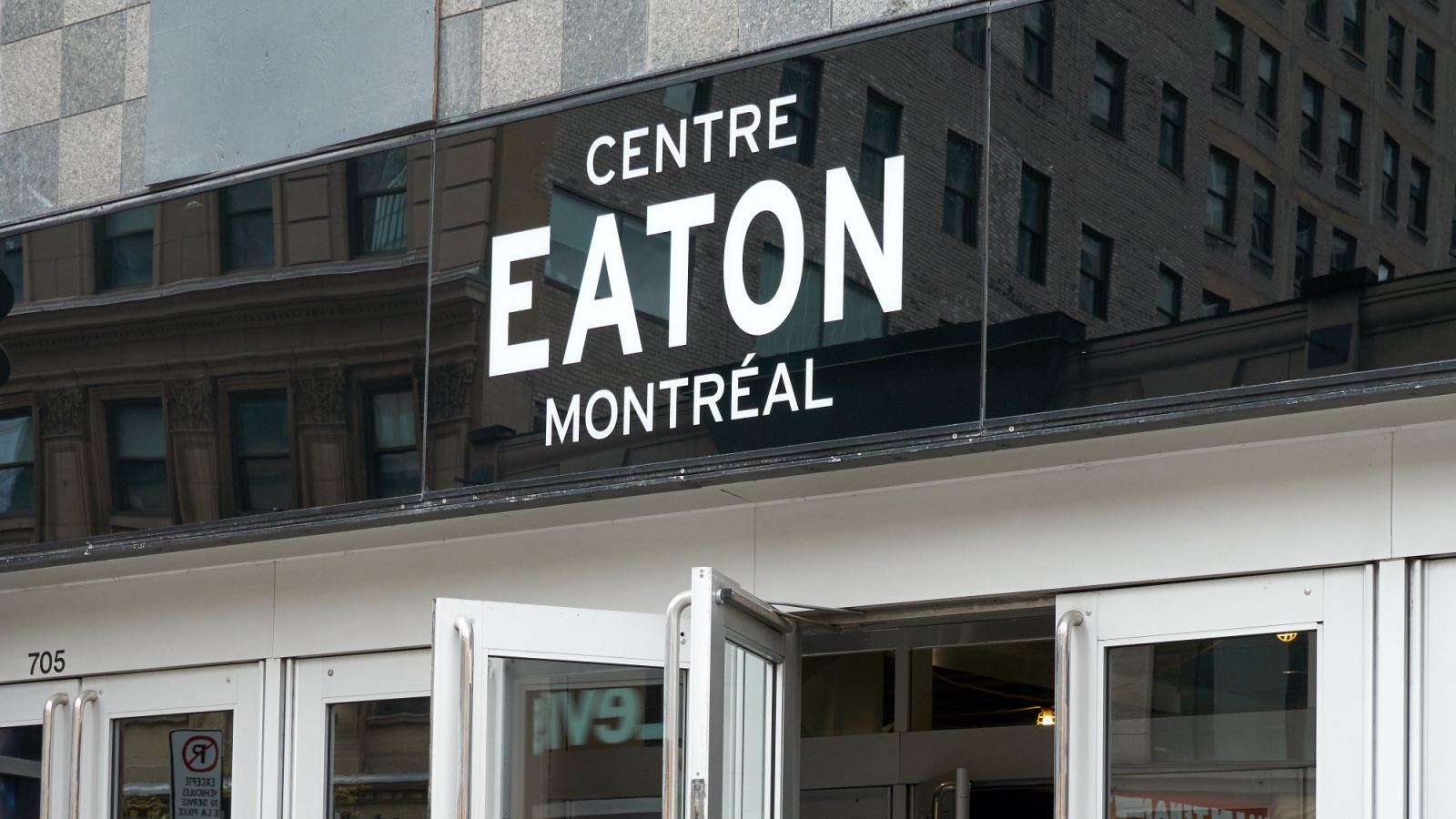
The T. Eaton Company was once the crown jewel of Canadian retail. Founded in 1869, Eaton’s grew into a nationwide empire that shaped shopping itself. Its glossy catalogues were staples in Canadian homes, serving as both wish lists and window shopping for families far from major cities. Eaton’s was also known for elegant department store displays that made Christmas shopping magical. But with changing times and fierce competition, it filed for bankruptcy in 1999. Even now, Eaton’s name evokes a sense of sophistication and pride from a time when downtown department stores were destinations, not just errands.
Woolco
Before Walmart conquered Canada, there was Woolco. This chain of discount department stores offered low prices on household goods, fashion, and electronics, drawing in families every weekend. It was bright, busy, and full of energy, the kind of place where you could buy everything from toys to tools in one trip. When Walmart entered the Canadian market in 1994, it bought most Woolco locations, marking the end of an era. Many shoppers still remember Woolco’s sales events and wide aisles, where parents filled carts while kids begged for a stop at the snack bar on the way out.
BiWay
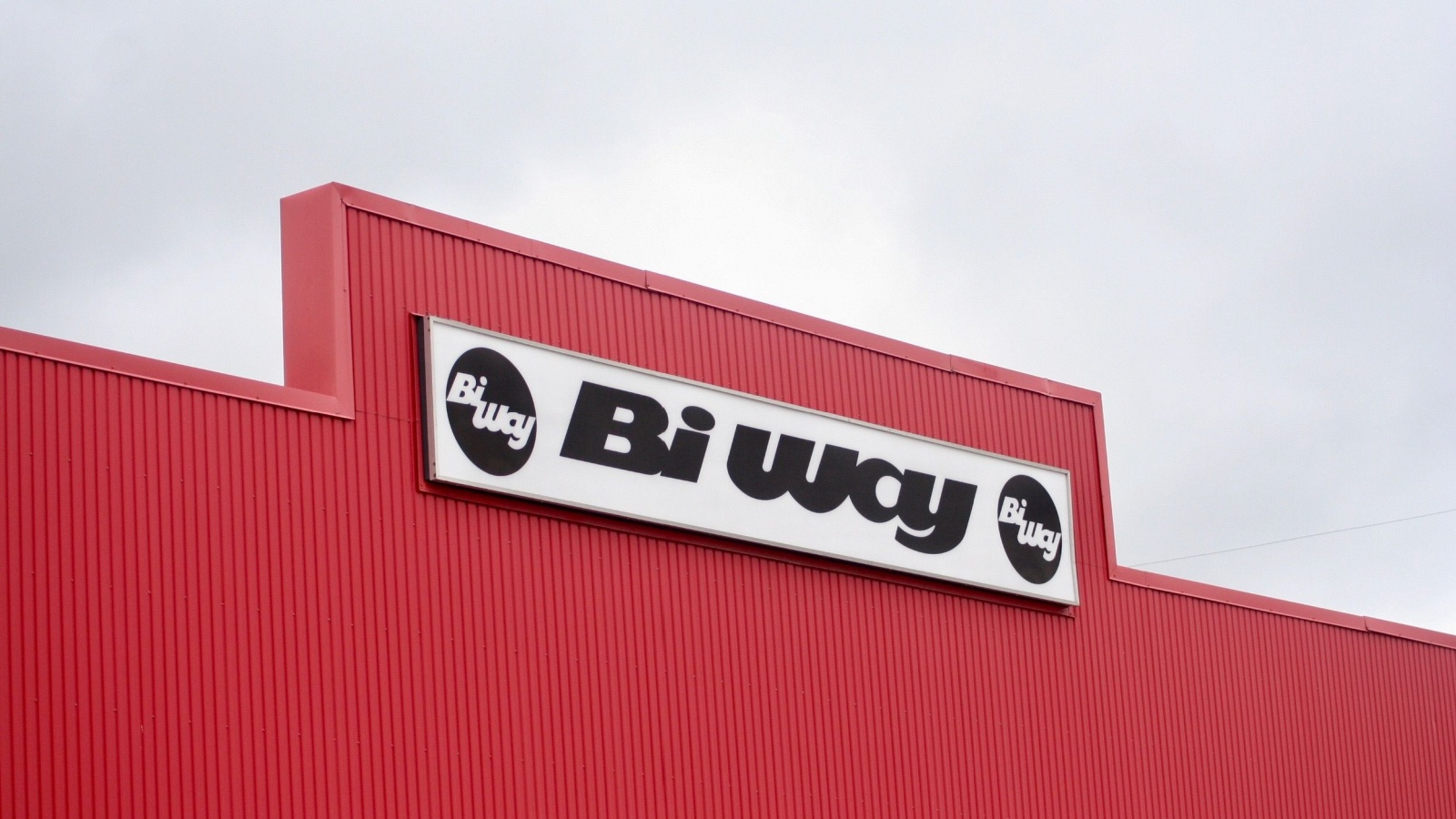
BiWay was the ultimate no-frills shopping experience. With its simple blue signage and rock-bottom prices, it catered to families looking for everyday bargains. The store carried everything from socks to school supplies, often stacked in bins rather than displayed neatly. It wasn’t glamorous, but it was reliable, and its affordability made it a fixture in working-class neighborhoods. When it closed in 2001, many Canadians mourned the loss of its practicality. In recent years, there have been attempts to revive BiWay under a new name, BiWay $10 Store, showing that nostalgia and value still go hand in hand.
Consumers Distributing
This store was decades ahead of its time, basically Amazon before the internet. Customers flipped through a thick catalogue, filled out order forms, and waited while staff fetched items from the back. The concept was efficient and oddly exciting, combining the thrill of catalog shopping with in-store pickup. At its peak in the 1980s, it had over 500 locations. However, long wait times and rising competition from self-serve stores led to its closure in 1996. Despite its flaws, many Canadians fondly remember the anticipation of hearing their order number called from behind the counter.
RadioShack
For tech-curious Canadians, RadioShack was paradise. It was the go-to place for hobby electronics, computer parts, and the latest gadgets before big-box retailers took over. Staff members were known for their technical know-how, helping customers build stereos or fix transistor radios. The stores were packed with unique finds, from remote-controlled cars to early mobile phones. After being rebranded as The Source in 2004, much of its quirky charm was lost. RadioShack represented a time when tinkering with technology was hands-on, and discovering new devices felt like uncovering treasure in a boxy, fluorescent-lit wonderland.
Kresge’s
Kresge’s was one of those beloved “five-and-dime” stores where you could grab anything from candy to cookware without emptying your wallet. It had an old-school charm, with lunch counters that served hot dogs and milkshakes alongside aisles of affordable goods. For many small towns, Kresge’s was both a store and a social hub. The chain eventually evolved into Kmart in Canada, but its local roots never quite left people’s memories. Long after its closure, the Kresge name still conjures up the feel of a friendly, community-driven store where shoppers were greeted by name.
Target Canada
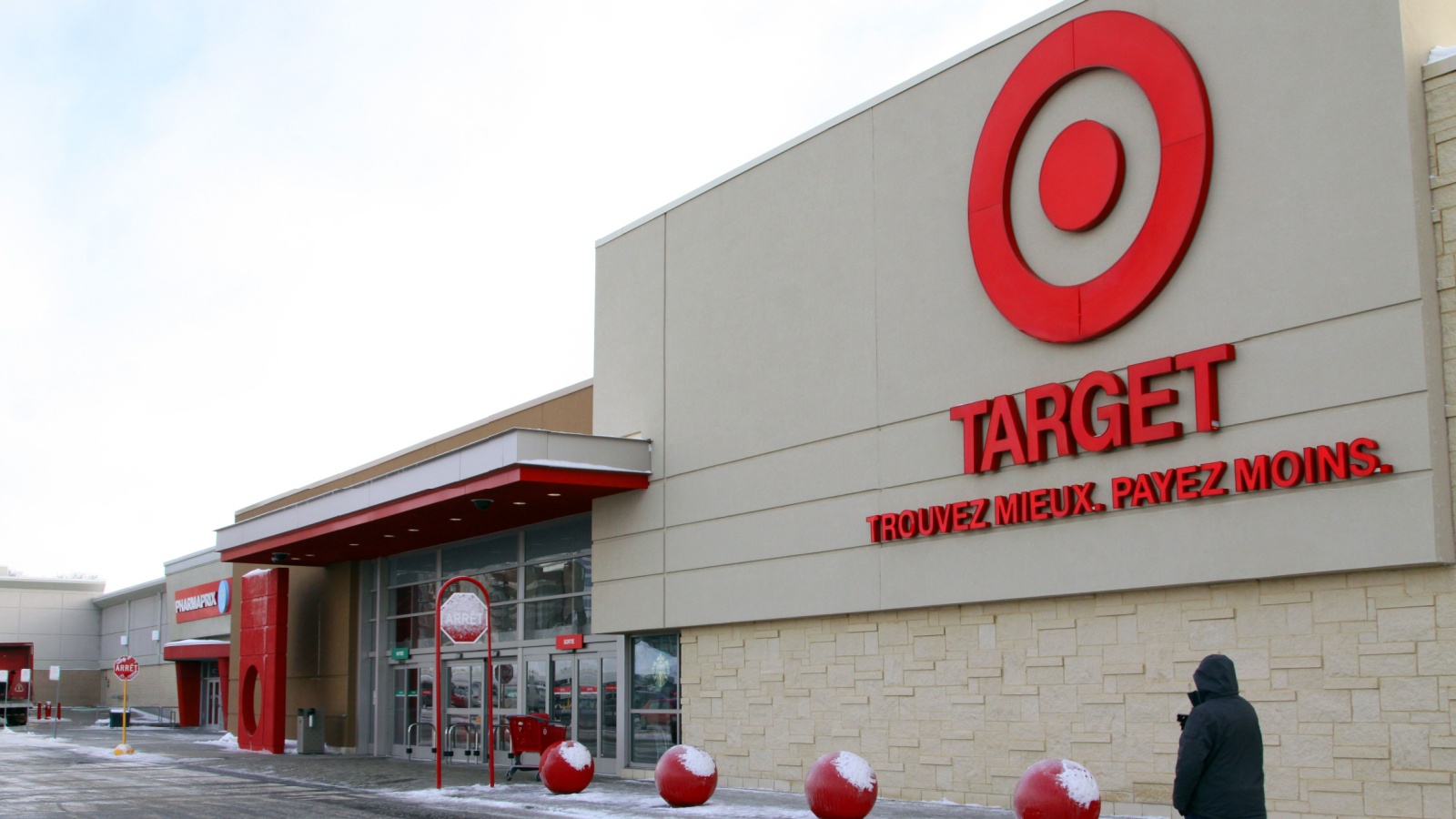
Target’s brief stint in Canada is infamous, but for some, it’s still bittersweet nostalgia. Opening in 2013 with massive anticipation, the chain promised the same affordable chic that made it a U.S. favorite. Unfortunately, empty shelves and supply chain disasters led to its closure just two years later. Yet many remember its bright stores, trendy décor, and stylish home goods that stood out from typical discount chains. For shoppers who longed for an American-style retail experience without crossing the border, Target Canada’s failure remains one of the biggest “what could have been” moments in retail history.
Sears Canada
‘
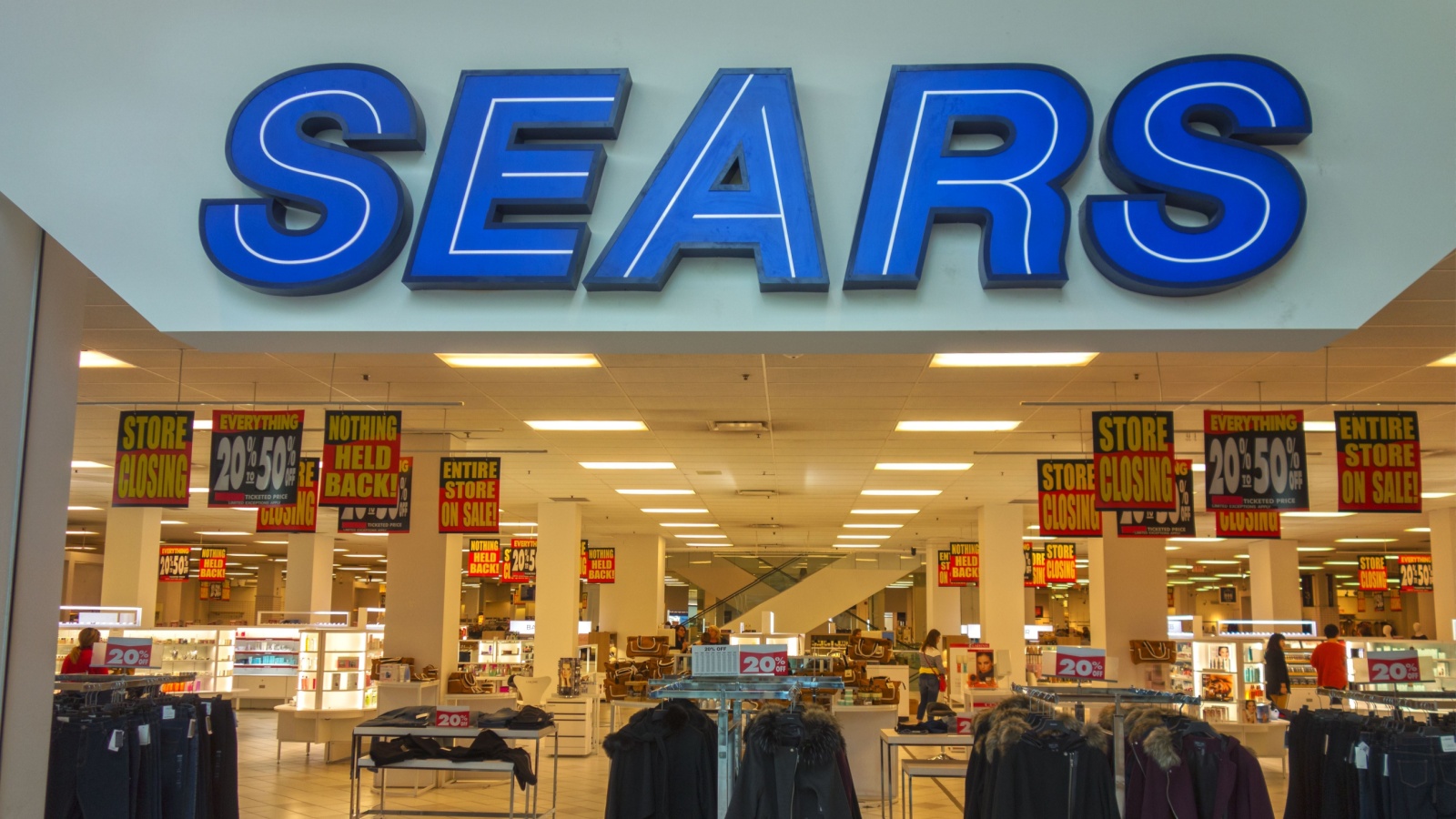
For decades, Sears was synonymous with family shopping trips and hefty catalogues filled with everything from lawnmowers to lingerie. It employed thousands and anchored malls across the country. But declining sales and a slow response to online competition led to its demise in 2017. Beyond retail, Sears had emotional significance, it was where many families bought their first fridge, first bike, or even back-to-school outfits. The brand’s collapse marked the end of an era when department stores were trusted household names, not relics of the past. Many Canadians still miss its dependable service and annual sales.
Honest Ed’s
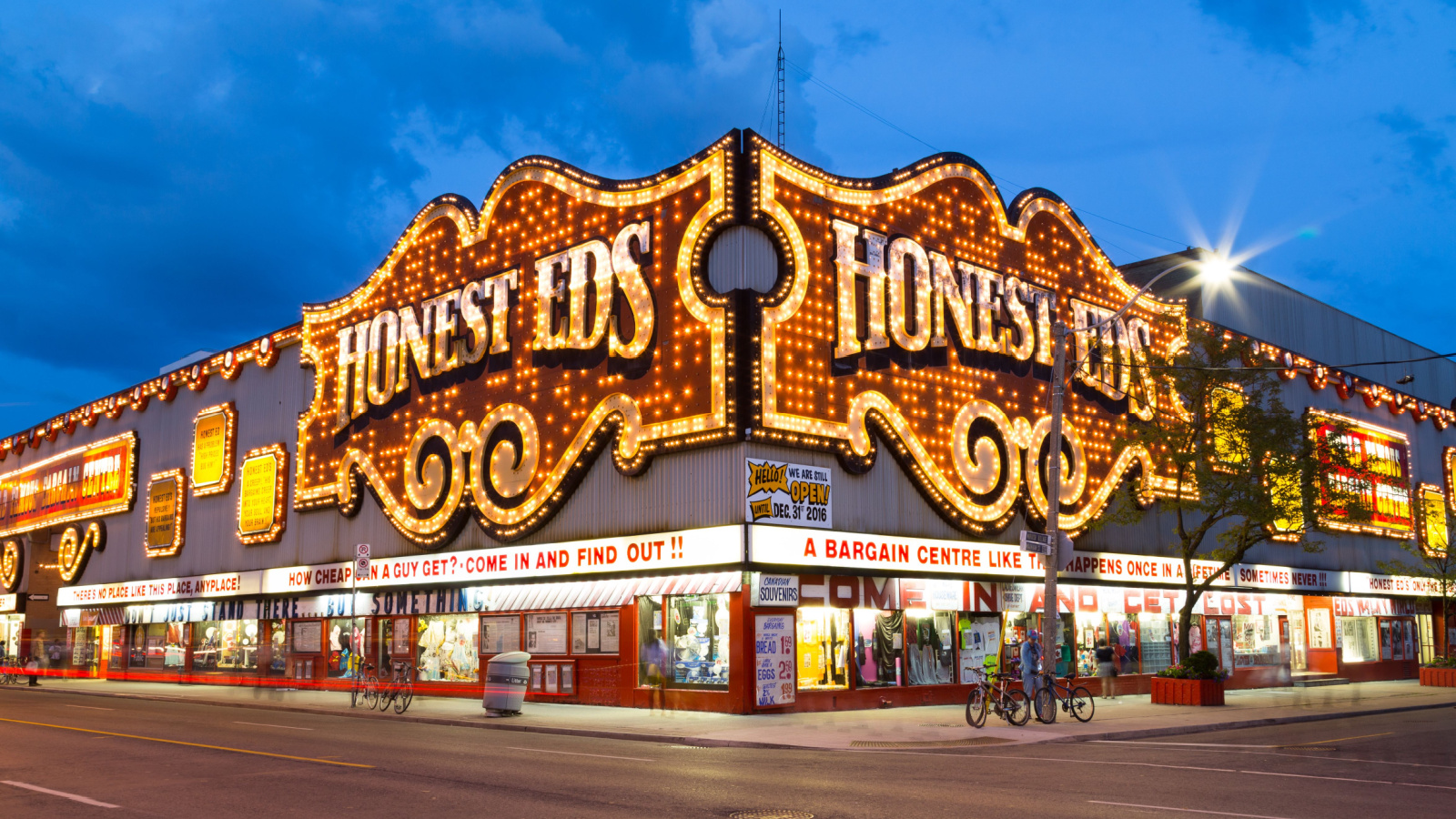
Few stores were as iconic as Honest Ed’s in Toronto. Covered in thousands of flashing bulbs and pun-filled signs, it was the city’s most eccentric bargain store. Opened by entrepreneur Ed Mirvish in 1948, it sold everything at rock-bottom prices, from dishes to discount suits. Locals loved the fun, chaotic atmosphere, and its hand-painted signs became part of the city’s visual identity. Honest Ed’s closed in 2016 to make way for redevelopment, but its memory endures as a symbol of community, generosity, and retail with personality — something today’s sterile shopping centres rarely replicate.
Future Shop
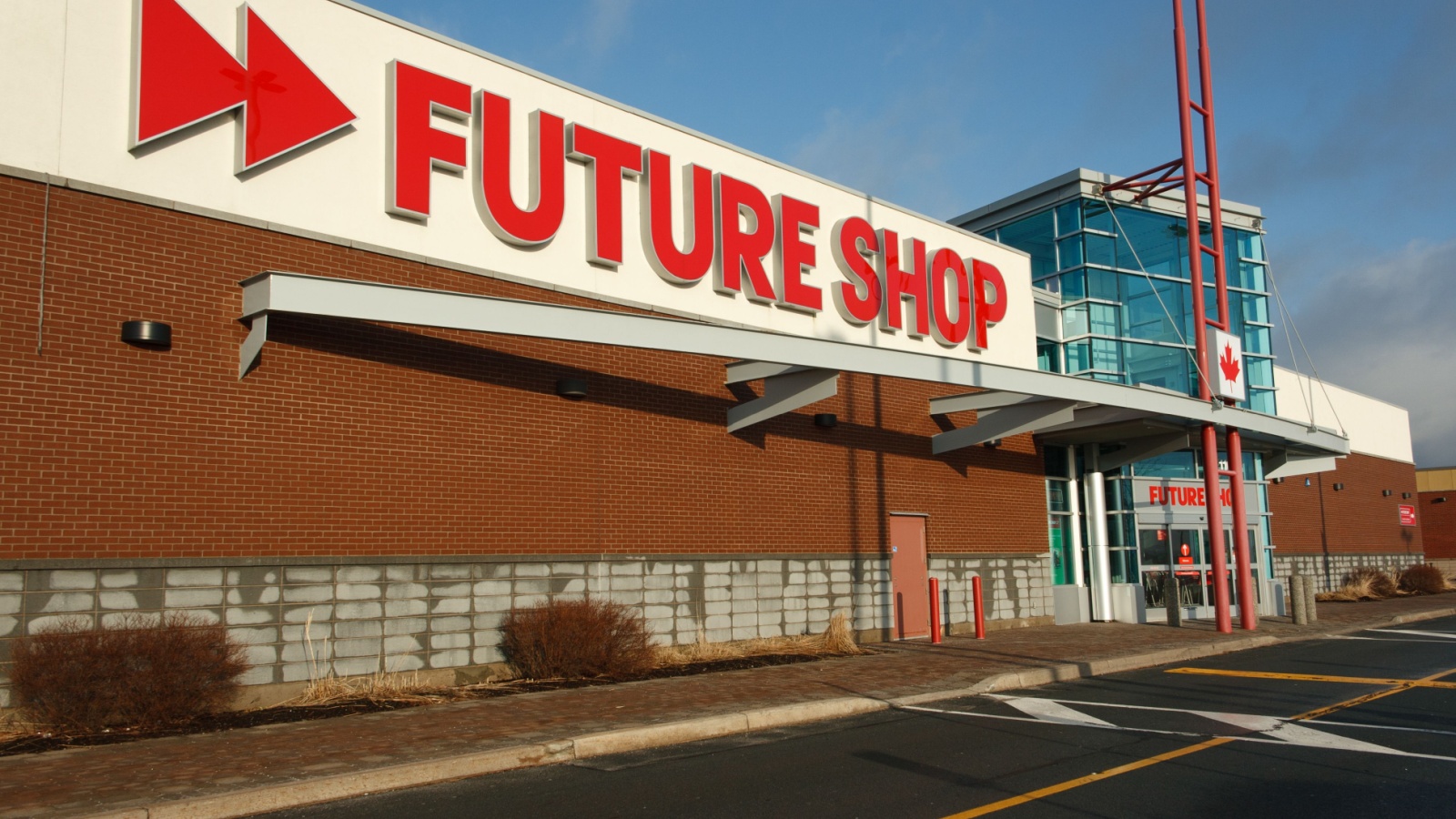
Before Best Buy dominated electronics retail, Future Shop was the Canadian go-to for gadgets. Known for its bold red branding and tech-savvy staff, it was a paradise for anyone buying their first laptop, gaming console, or flat-screen TV. Founded in 1982, Future Shop grew to more than 130 stores nationwide before being absorbed by Best Buy in 2015. Many Canadians still remember its bustling Boxing Day sales and the thrill of exploring aisles filled with the latest tech. Future Shop represented the optimism of the early digital age, and the excitement that came with it.
Jacob
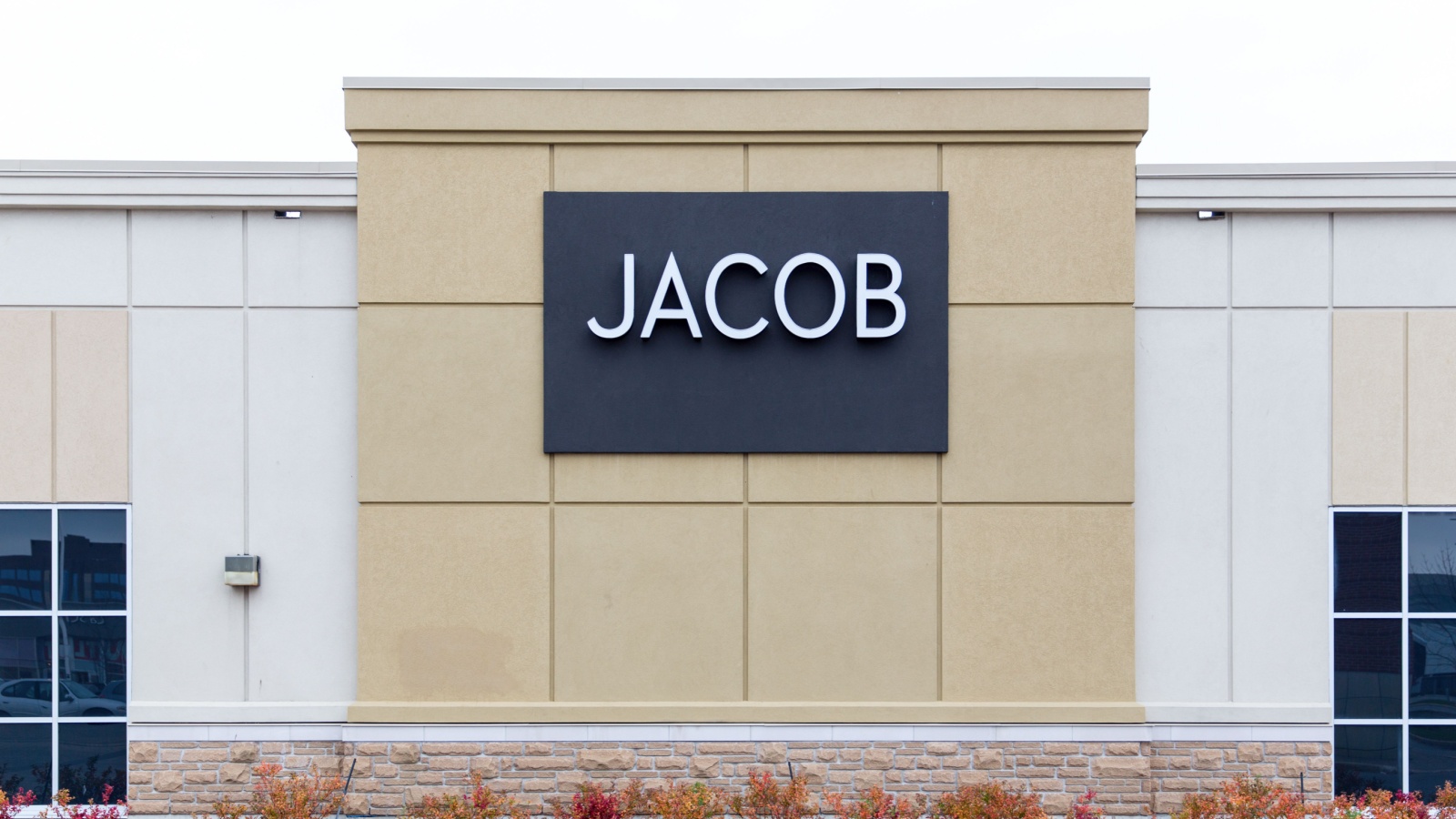
Jacob was once a mall fashion staple, offering chic and affordable women’s clothing. It stood out for its tailored designs and polished aesthetic that appealed to young professionals. The Montreal-based brand had a loyal customer base who appreciated its focus on Canadian design and quality. However, with the rise of fast fashion giants, Jacob couldn’t keep up and closed in 2014. Many shoppers remember it as their first source for stylish office wear or special occasion dresses. Today, its minimalist elegance and accessible luxury still inspire nostalgia among those who grew up shopping its collections.
San Francisco Store

Anyone who wandered through a mall in the 1990s likely remembers the San Francisco Store, a quirky gift shop filled with novelties, posters, and slightly rebellious merchandise. From lava lamps and rock band T-shirts to gag gifts, it was the perfect stop for teenagers and anyone shopping for something weird or fun. The store’s distinct scent and dim lighting made it a sensory experience in itself. When it closed in the early 2000s, mall culture lost one of its most eccentric icons. San Francisco Store embodied a carefree era of retail that celebrated personality over perfection.
Sam the Record Man
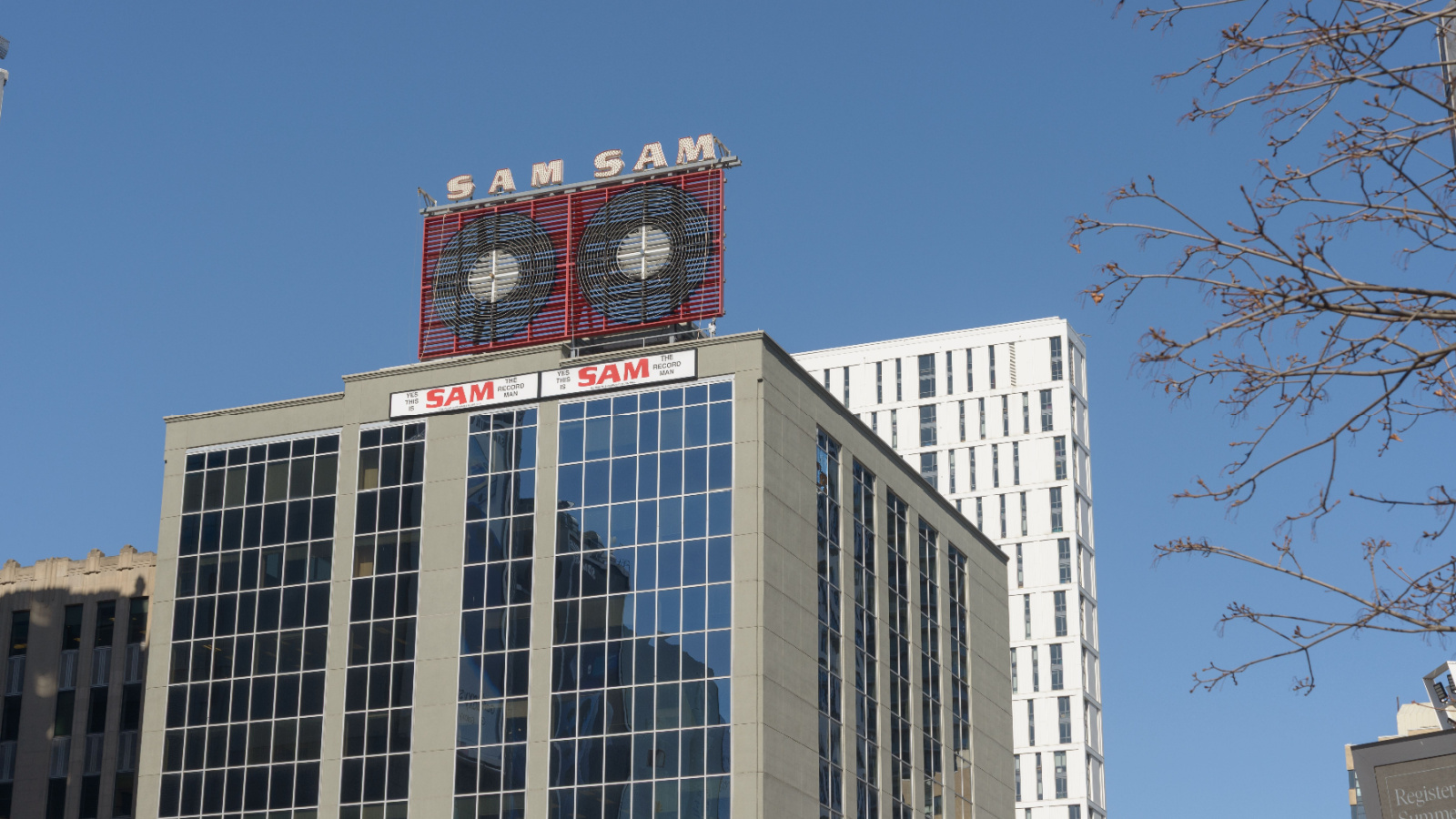
Music lovers still get misty-eyed at the memory of Sam the Record Man’s glowing neon signs on Toronto’s Yonge Street. Founded in 1937, the store became legendary for its massive collection of records and its commitment to supporting Canadian music. Browsing its aisles felt like flipping through musical history. It closed in 2007, but the neon records have since been restored as heritage symbols. For generations, Sam’s was more than a record store, it was where fans discovered their first LP, met local artists, and fell in love with music in its purest form.
Bargain Harold’s
This discount chain was a familiar sight across Ontario during the 1980s and early 1990s. With its bright red signs and simple layout, Bargain Harold’s offered low prices on essentials, toys, and home goods. It wasn’t fancy, but it had heart, its founder Harold Kamin built the business from scratch, and customers appreciated its friendly, no-nonsense atmosphere. As big-box stores began to dominate, Bargain Harold’s couldn’t compete and eventually shuttered. For many, it remains a reminder of a time when local discount chains had character and served their neighborhoods with pride and affordability.
Tower Records Canada
Though short-lived in Canada, Tower Records was a haven for music collectors. With massive locations filled with CDs, vinyl, and music magazines, it catered to audiophiles who took their browsing seriously. The Toronto location was especially popular among concert-goers and industry insiders. Its global reputation for music expertise made it feel like an international destination within Canada. As digital downloads rose, Tower Records couldn’t survive, closing in the early 2000s. But its legacy remains tied to an era when discovering new music meant flipping through album covers, not scrolling through playlists.
Fairweather
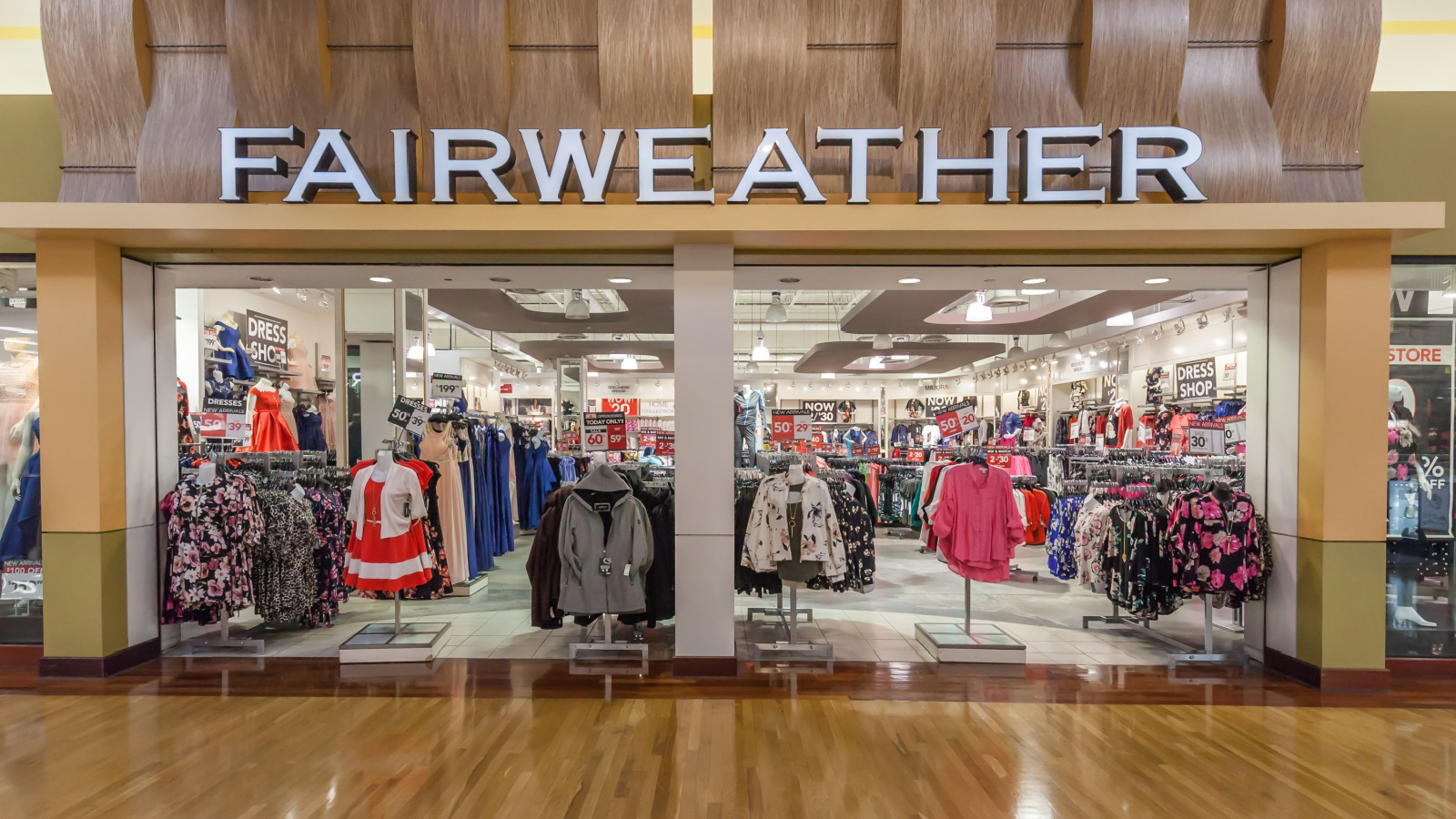
Fairweather was once one of the top women’s clothing retailers in Canada, known for fashionable and affordable apparel. It specialized in business casual and party wear that appealed to working women and students alike. During its peak, Fairweather stores were fixtures in nearly every mall. Though some locations remain, its influence has faded significantly since the 1990s. Many people remember shopping there for their first job interview outfits or dresses for high school dances. It represents a transitional phase of Canadian mall fashion, stylish, accessible, and distinctly tied to the golden age of retail.
Tip Top Tailors (Classic Era)
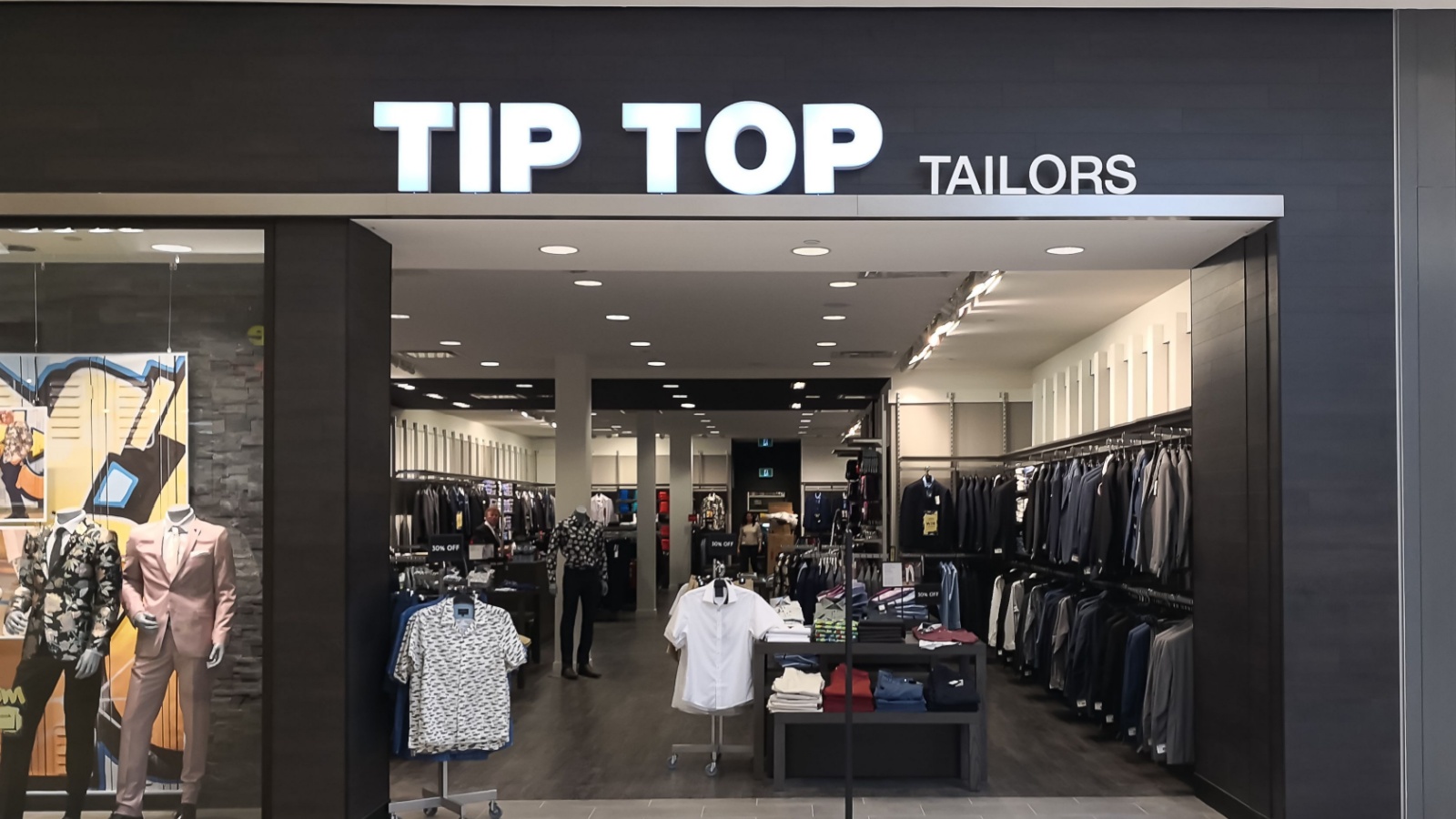
While Tip Top Tailors still exists today, its original incarnation had a very different reputation. Founded in 1909, it once represented premium Canadian craftsmanship in men’s formalwear. Early stores offered made-to-measure suits and personalized service, a far cry from today’s mass retail feel. The brand’s Art Deco headquarters in Toronto remains a historic landmark. For generations of men, Tip Top was synonymous with milestones, graduations, weddings, and first jobs. Though modernized, the original store evokes nostalgia for an era when shopping for a suit was a proud, memorable experience rather than a quick transaction.
22 Groceries to Grab Now—Before another Price Shock Hits Canada

Food prices in Canada have been steadily climbing, and another spike could make your grocery bill feel like a mortgage payment. According to Statistics Canada, food inflation remains about 3.7% higher than last year, with essentials like bread, dairy, and fresh produce leading the surge. Some items are expected to rise even further due to transportation costs, droughts, and import tariffs. Here are 22 groceries to grab now before another price shock hits Canada.
22 Groceries to Grab Now—Before another Price Shock Hits Canada
