
A cough in a grocery aisle does not feel quite as ordinary as it once did. Years after the most disruptive stages of COVID-19, Canadians have largely returned to crowded restaurants, workplaces, arenas and family gatherings, but the pandemic left some surprisingly durable changes in how respiratory illness is handled.
Not every precaution survived. Floor arrows disappeared, distancing circles faded and few households still disinfect every package arriving at the door. Other behaviours became far more normal, from staying home while visibly sick to carrying sanitizer or wearing a mask in certain situations. These 18 cold-and-flu habits Canadians kept after the pandemic — and the ones they largely dropped — show how public-health routines evolved once emergency measures ended.
Kept: Staying Home When Sick Became More Socially Acceptable

Before 2020, arriving at work with a heavy cold could almost be treated as proof of dedication. The pandemic challenged that culture by repeatedly reinforcing one basic infection-control message: people experiencing symptoms of a respiratory illness should reduce close contact with others when possible. Canadian public-health guidance continues to recommend staying home when sick, particularly during the period when symptoms are most significant. That principle applies well beyond COVID-19 and can reduce opportunities for influenza, RSV and other respiratory viruses to spread.
The practice is hardly universal. Workers without paid sick leave, employees with inflexible schedules and parents juggling childcare may have little choice about leaving home. Still, attitudes changed. Someone coughing through a meeting or showing up visibly ill at a family dinner is more likely to attract concern than admiration. The old assumption that everyone should simply “push through” a respiratory illness has become harder to defend after Canadians spent years learning how easily infections move through workplaces, classrooms and households.
Kept: Working From Home Became a Sick-Day Middle Ground

One of the pandemic’s most durable workplace changes was the normalization of remote work for jobs that can be performed outside an office. Statistics Canada has documented how working from home surged during COVID-19 and subsequently declined without returning to its pre-pandemic level. Hybrid arrangements are now an established part of many professional workplaces, giving some employees an option that barely existed at scale before 2020.
That has quietly changed cold-and-flu season. A worker with mild symptoms may be able to skip the commute, avoid a packed elevator and participate in meetings from home rather than choosing between a traditional sick day and bringing an infection into the office. Remote work is obviously unavailable to nurses, construction workers, retail employees, restaurant staff and many others, so it cannot function as a universal public-health solution. But where it exists, it has created a practical third option. For some Canadians, “too sick for the office but well enough to answer email” is now an ordinary workplace category.
Kept: Hand Sanitizer Never Really Disappeared
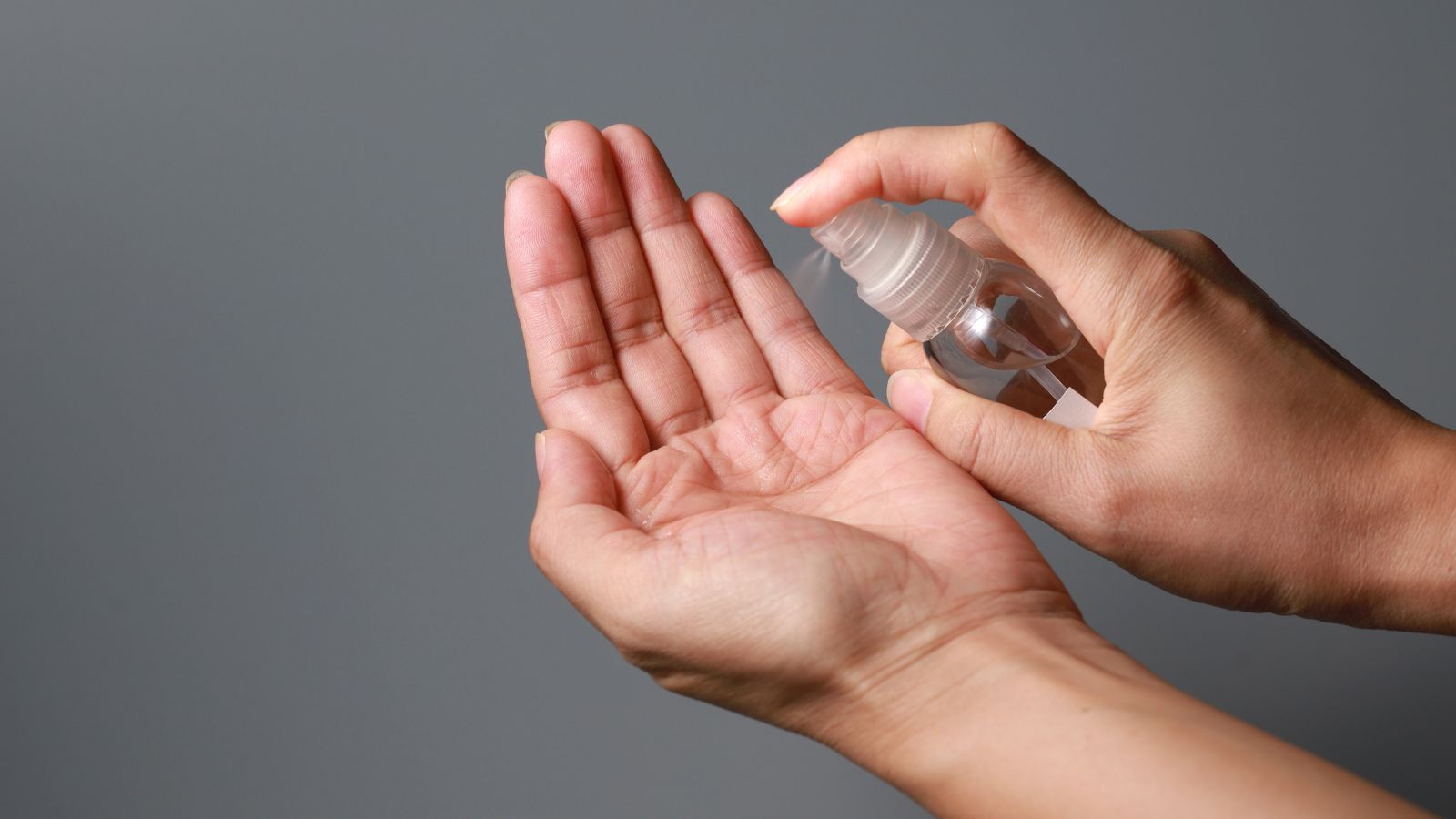
Few products became more closely associated with the pandemic than the small bottle of alcohol-based hand sanitizer. Demand became so intense in 2020 that breweries, distilleries and other Canadian manufacturers temporarily shifted production to help address shortages. The emergency buying frenzy eventually vanished, but sanitizer itself remained unusually visible in Canadian daily life.
Dispensers can still be found at many clinics, office entrances, reception desks, stores and public facilities, while travel-sized bottles continue to turn up in handbags, vehicles and backpacks. Public-health guidance has long emphasized hand hygiene as an important way to reduce the spread of infections, with soap and water preferred in many circumstances and alcohol-based sanitizer useful when a sink is unavailable. Canadians generally are no longer sanitizing their hands after every minor encounter, but the product moved from specialized health-care settings into everyday routines. Cold-and-flu season now arrives in a country where carrying sanitizer no longer looks unusually cautious.
Kept: Handwashing Became More Deliberate

Handwashing obviously did not begin with COVID-19, but the pandemic turned an ordinary hygiene lesson into one of the most repeated public-health messages in the country. Canadians were reminded to use soap and water, wash thoroughly and pay particular attention after coughing, sneezing, blowing their nose or spending time in shared environments. Those recommendations remain relevant because respiratory infections can sometimes spread when contaminated hands reach the nose, mouth or eyes.
What has faded is the almost ritualistic handwashing of the pandemic’s earliest months. What appears to have lasted is greater awareness of when clean hands matter. Parents encourage children to wash after arriving home from school, workplaces keep hygiene supplies closer to common areas, and many people instinctively head for the sink after using public transit or caring for someone who is sick. Handwashing is not a substitute for ventilation, vaccination or staying home while ill, but it remains one of the simplest infection-control practices Canadians carried out of the pandemic era.
Kept: Coughing Into an Elbow Became Second Nature

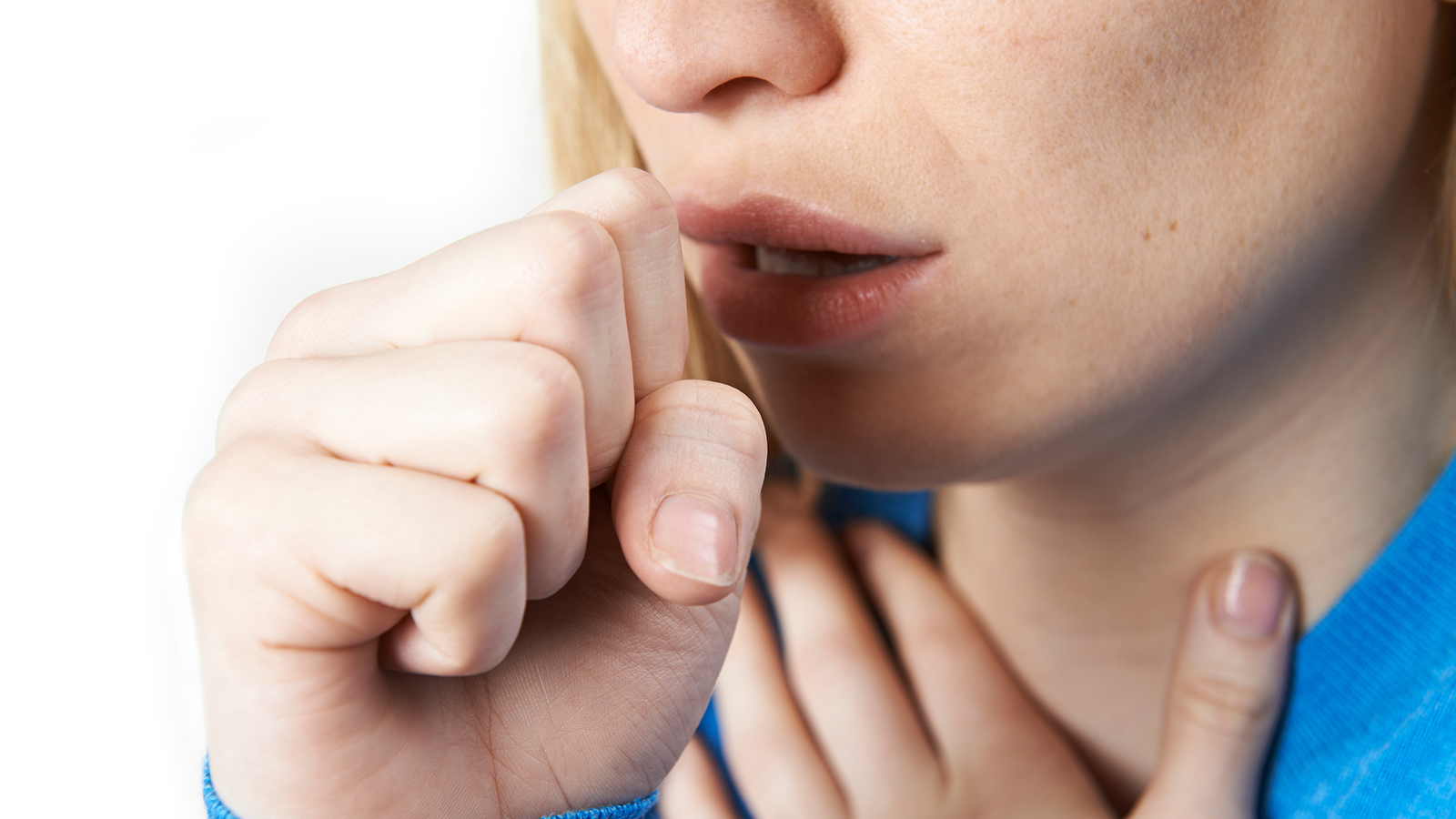
“Cover your cough” was familiar advice long before COVID-19, yet pandemic messaging made respiratory etiquette almost impossible to overlook. Public-health authorities continue to recommend coughing or sneezing into a tissue or the bend of the arm rather than directly into the hands. Used tissues should be discarded promptly, followed by hand cleaning. The goal is straightforward: reduce the number of infectious respiratory particles and contaminated droplets spread into the immediate environment.
The behavioural change is most noticeable because the alternative now looks conspicuously outdated. Coughing openly across a table or sneezing directly into both hands can draw uncomfortable glances in a way it might not have a decade ago. Schools reinforce the elbow technique with young children, while adults have had years of repetition. It is a small habit compared with vaccination or staying home when sick, but it illustrates how pandemic-era messaging became embedded in ordinary etiquette. For many Canadians, the “vampire cough” into a bent elbow requires almost no thought anymore.
Kept: Masks Became a Situational Tool

Routine masking has largely disappeared from everyday Canadian life, but masks themselves did not return to being an unfamiliar medical object. Public-health guidance still recognizes a well-fitting respirator or mask as one layer people can use to reduce respiratory-virus transmission, particularly in crowded indoor spaces or when someone is sick, recovering, at greater risk of severe illness or trying to protect a vulnerable person.
That represents a significant cultural change from pre-2020 Canada. Someone wearing an N95 on an airplane, in a pharmacy waiting room or on packed public transit may stand out, but the behaviour is widely understood. Some patients arrive at clinics masked when they have a cough. Cancer patients and immunocompromised Canadians may use high-quality respirators more routinely. Others bring masks out only during a bad respiratory-virus season. Universal masking did not endure, but Canadians gained a new optional tool. The mask shifted from something associated mainly with particular workplaces and medical environments to something individuals can deploy according to circumstances.
Kept: Indoor Air Became Part of the Cold-and-Flu Conversation
Before the pandemic, a stuffy conference room was usually treated as a comfort problem. COVID-19 pushed ventilation into the public-health conversation by demonstrating the importance of respiratory particles that accumulate in poorly ventilated indoor spaces. Health Canada has since emphasized ventilation and filtration as measures that can help improve indoor air quality and reduce exposure to airborne contaminants.
The result has been a quieter but potentially lasting change. Schools have discussed ventilation systems and portable filtration units, homeowners have learned what HEPA filters do, and businesses are more likely to think about air exchange when managing indoor spaces. Few households are measuring carbon dioxide levels every time visitors arrive, and ventilation rarely receives the attention it did during the height of the pandemic. Still, “open a window” now has greater significance during cold-and-flu season. Canadians learned that cleaning hands and wiping tables address only part of respiratory-infection risk; what people are collectively breathing indoors matters too.
Kept: People Became More Careful Around Vulnerable Relatives
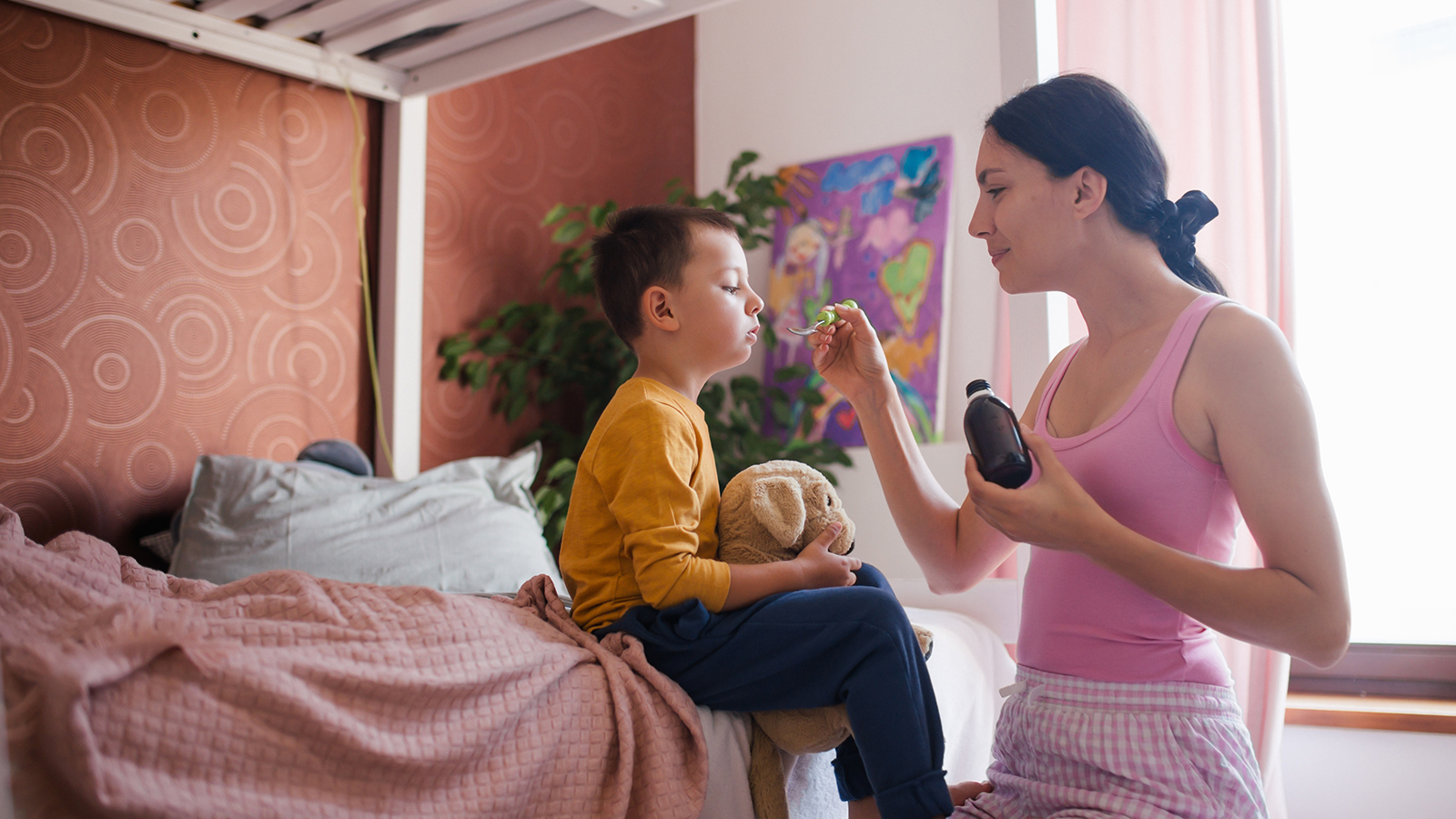
A mild respiratory infection can be an inconvenience for a healthy adult but much more serious for an older person, a newborn or somebody whose immune system is weakened. COVID-19 made differences in vulnerability unusually visible, but the principle applies to influenza, RSV and other respiratory infections as well. Canadian public-health guidance continues to emphasize additional precautions when interacting with people at greater risk of severe disease.
That lesson changed some family routines. A grandchild with a fever may postpone a visit to grandparents rather than simply arriving with a box of tissues. Someone recovering from an illness might wear a mask while helping an elderly parent or choose to meet later. Families welcoming a newborn often ask sick relatives to delay visiting. These choices are not universal and can be difficult when relatives provide essential caregiving. Still, the pandemic strengthened the idea that cancelling a visit because of respiratory symptoms can be an act of consideration rather than an overreaction. That social calculation is now more familiar to Canadian families.
Kept: Seasonal Vaccination Became a Bigger Part of the Fall Routine

Canada already had a long-established influenza immunization program before COVID-19, but the pandemic dramatically expanded public discussion about vaccines, eligibility, timing and protection against respiratory disease. Flu vaccination continues to be recommended annually for eligible Canadians, while COVID-19 vaccine recommendations have evolved as population immunity, circulating variants and vaccine formulations changed.
The lasting habit is not necessarily higher vaccination in every group. Canadian influenza vaccination coverage has historically fallen well short of universal uptake, and enthusiasm for repeated COVID-19 doses has varied substantially. What changed is how prominent the conversation became. Pharmacies advertise respiratory-season appointments, families may discuss flu and COVID protection at the same time, and provincial campaigns tend to arrive as autumn infections begin circulating. For many Canadians, vaccination is now another item in fall planning alongside replacing furnace filters and finding winter coats. The pandemic did not create seasonal immunization, but it made respiratory vaccination far more visible in everyday life.
Dropped: Wearing a Mask Everywhere Indoors
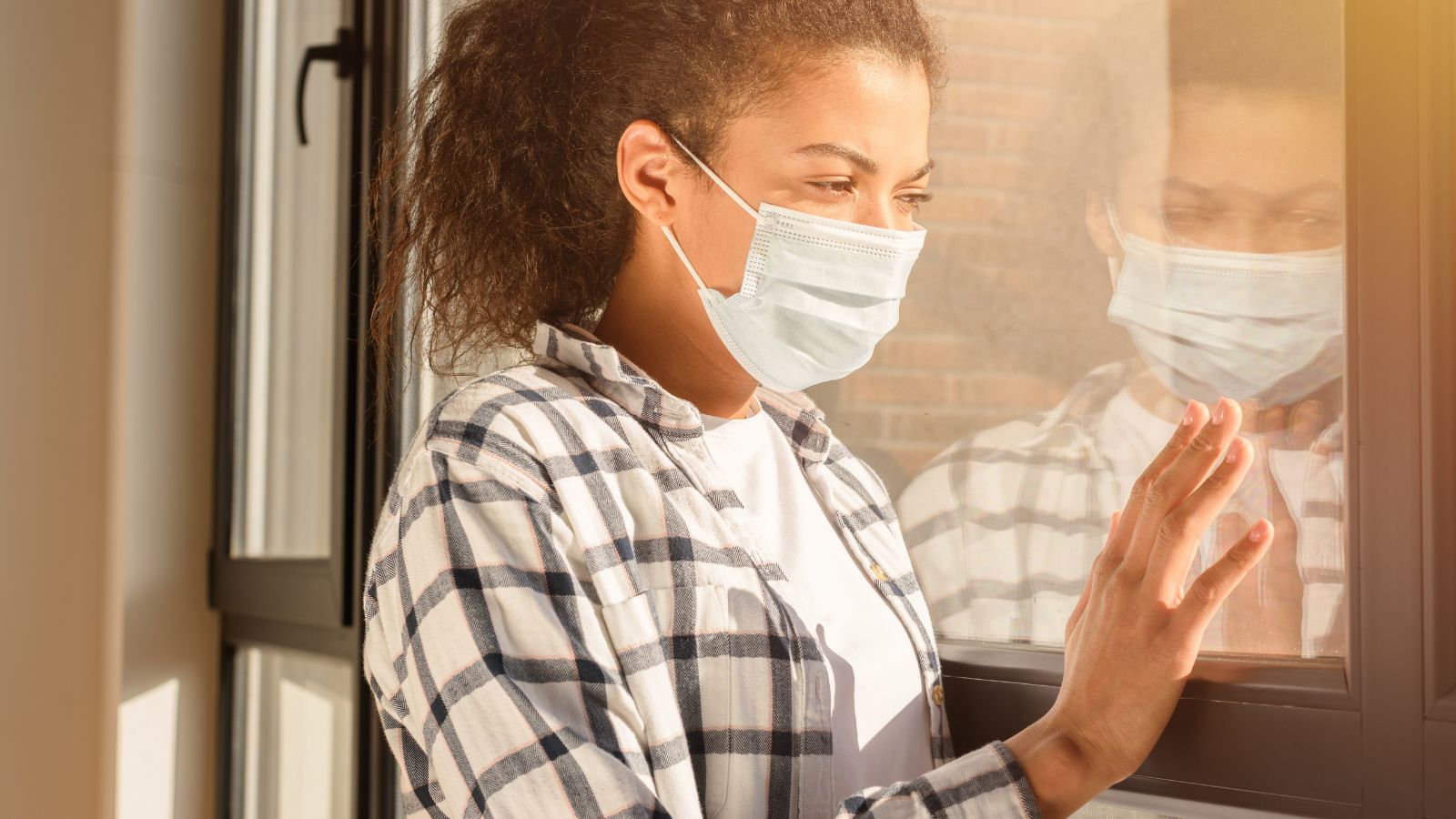
For lengthy stretches of the pandemic, putting on a mask before entering a store, school, airport or workplace became as routine as carrying a wallet. Provincial and local mandates varied in scope and timing, but masks were required in many Canadian public settings during key phases of COVID-19. Once emergency restrictions were lifted, that universal routine rapidly weakened.
Today, masks remain useful in specific circumstances, but blanket public masking is no longer the social norm across most of Canada. Restaurants, shopping centres and entertainment venues once again contain overwhelmingly uncovered faces. That does not mean masking proved pointless; research supports the role of well-fitting masks and respirators as one component of respiratory infection prevention. Instead, Canadians moved from population-wide rules toward individual risk decisions. A person may mask before visiting a hospital but not while shopping for groceries. Someone might wear an N95 on a crowded flight while leaving it at home for a restaurant. The habit survived, but its universal version largely did not.
Dropped: The Automatic Two-Metre Bubble
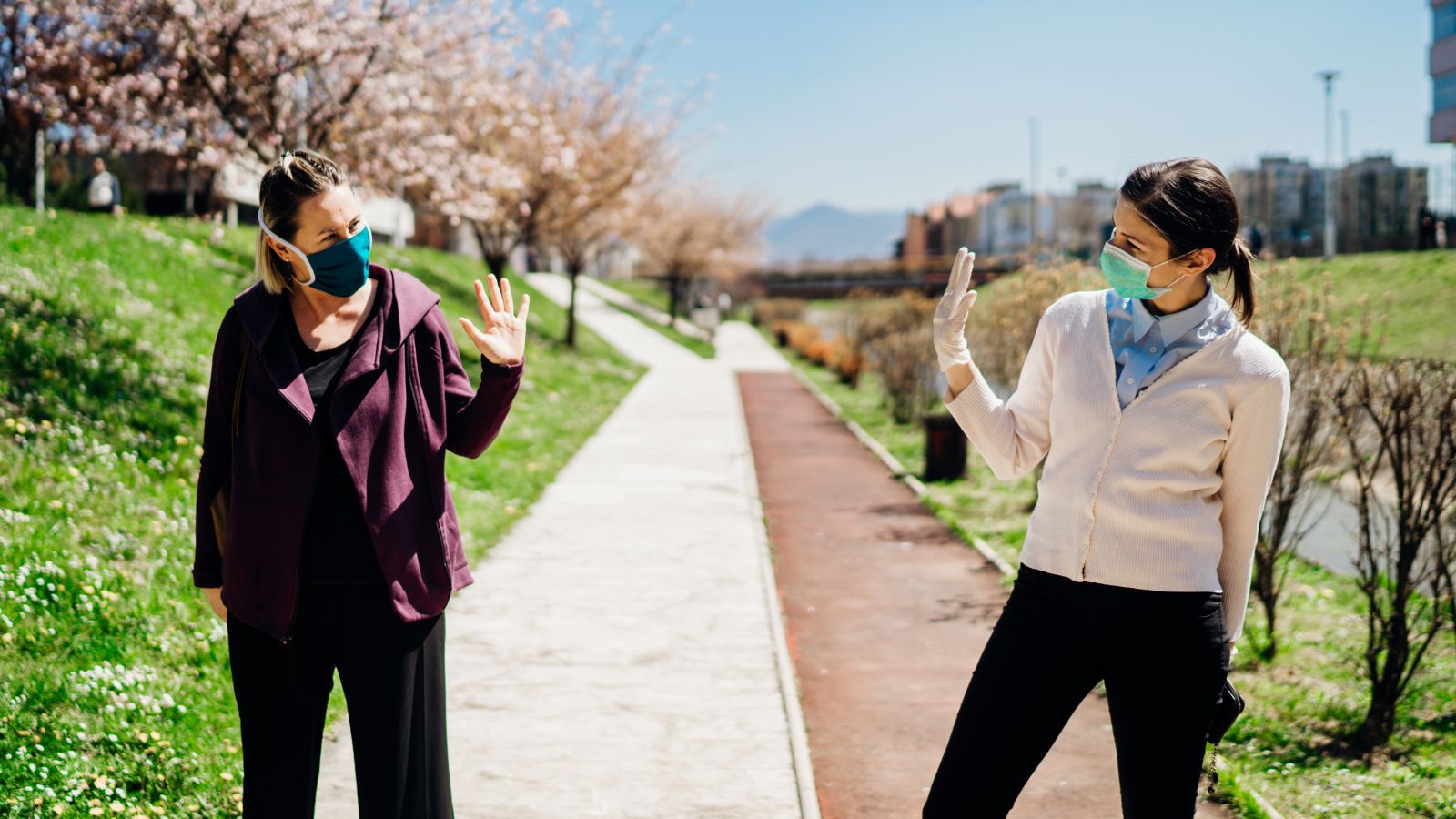
Physical distancing became one of the defining visual features of the early pandemic. Canadians queued outside grocery stores, waited on circles painted onto floors and rearranged chairs to preserve roughly two metres of separation. The measure reflected an early effort to reduce opportunities for close-range transmission at a time when vaccines were unavailable and scientific understanding of SARS-CoV-2 was still developing.
That personal bubble has largely collapsed. Packed concerts, full elevators, busy airports and shoulder-to-shoulder sporting events again look much as they did before 2020. Even so, the experience left a subtle residue. Someone coughing heavily in a checkout line may prompt others to take a small step back, and people may instinctively create more room around a visibly sick stranger. Scientific understanding also evolved toward greater recognition of airborne transmission, making ventilation, filtration and high-quality masks especially important indoors. Canadians largely dropped rigid two-metre spacing as a universal rule while keeping a more informal awareness that prolonged close contact can matter.
Dropped: Disinfecting Every Grocery Item
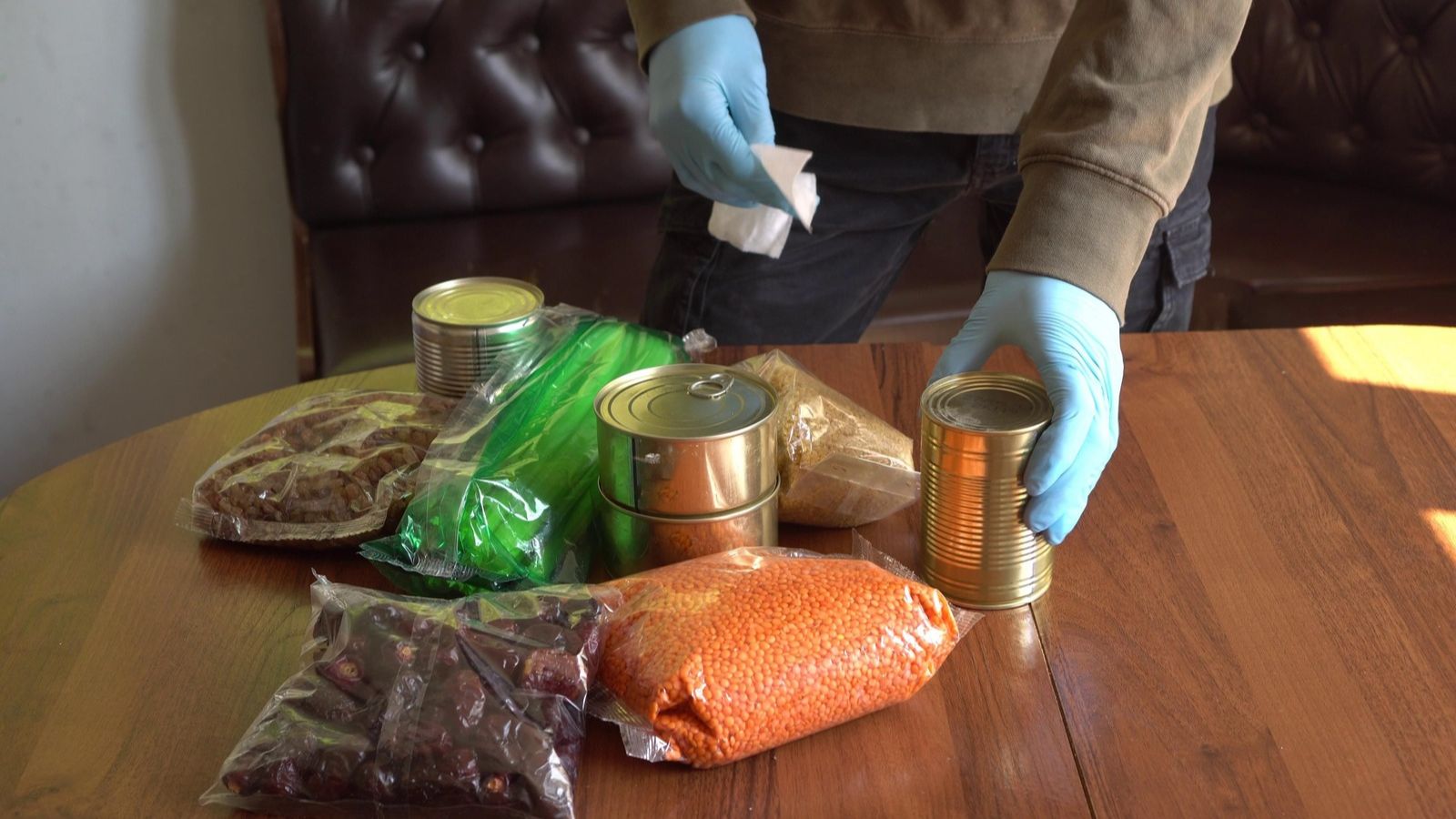
Few early-pandemic memories seem stranger now than groceries receiving an elaborate decontamination treatment. Some households wiped cans, washed packaging and left parcels untouched before bringing them fully into the home. Those behaviours grew during a period when scientists were still determining how efficiently the novel coronavirus spread from contaminated surfaces.
Evidence eventually made the picture clearer. SARS-CoV-2 transmission occurs predominantly through respiratory particles, while transmission from touching contaminated surfaces is considered much less important. That did not make basic food hygiene or handwashing unnecessary, but it dramatically weakened the rationale for treating every cereal box like a hazardous object. Canadians gradually stopped wiping each purchase with disinfectant and returned to ordinary kitchen practices. The episode remains a useful reminder of how public behaviour can change while evidence is still emerging. During future cold-and-flu seasons, cleaning frequently touched surfaces can still be sensible in certain circumstances, but individually sanitizing an entire cart of packaged groceries is no longer a mainstream precaution.
Dropped: Deep-Cleaning Every Surface in Sight
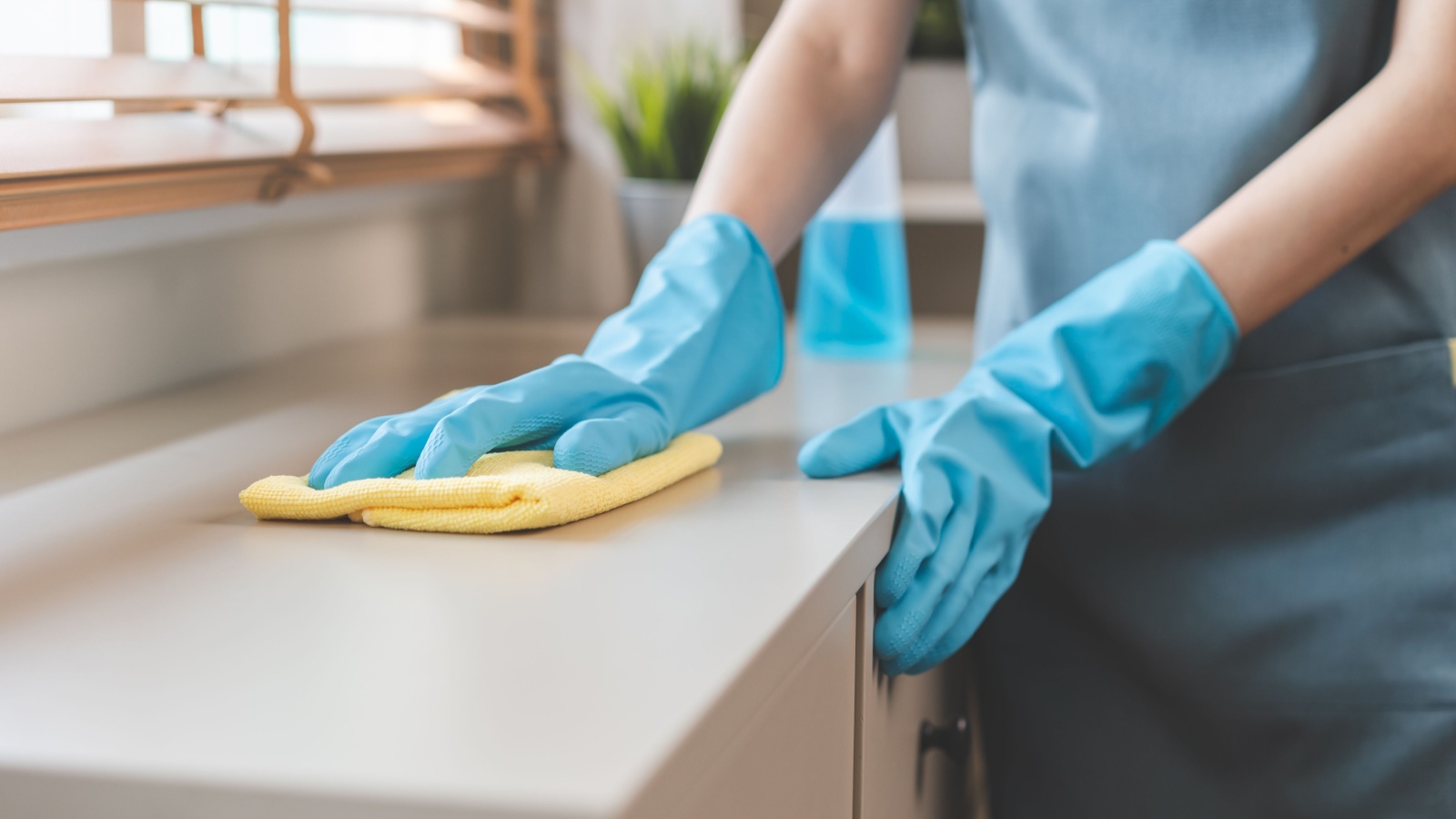
Door handles, countertops, elevator buttons, desks and payment terminals received extraordinary attention during the pandemic’s first year. Some businesses advertised frequent “deep cleaning” as a central safety measure, and households went through disinfecting wipes at a remarkable pace. Surface cleaning had the advantage of being visible: customers could watch an employee sanitize a counter even though the larger transmission risk might be moving through the air.
Research on COVID-19 eventually placed far greater emphasis on respiratory transmission than on contaminated surfaces. Public-health advice accordingly became more balanced, distinguishing routine cleaning from circumstances requiring disinfection. That change carried into wider respiratory-virus habits. Canadians still clean shared bathrooms, kitchen counters and commonly touched objects, particularly when someone in the household is sick, but the compulsive wiping of every object has largely faded. The lesson was not that surfaces never matter. Rather, infection prevention works best when effort is proportionate to how a pathogen actually spreads instead of concentrating on the precaution that is easiest to see.
Dropped: Rapid-Testing Before Every Minor Social Event

At one stage of the pandemic, a small plastic rapid-antigen cassette could determine whether Christmas dinner, a workplace meeting or a weekend visit went ahead. Provincial programs distributed enormous numbers of COVID-19 rapid tests, while households kept boxes in cupboards and tested before gatherings or after possible exposures. The practice provided a layer of information when community transmission was high, particularly when combined with other precautions.
That routine has diminished considerably. Testing policies changed, publicly distributed kits became less prominent in many jurisdictions, and Canadians no longer generally take a COVID-19 test before every birthday dinner or casual visit. Tests can still have value in particular circumstances, especially for people eligible for antiviral treatment or those trying to understand whether COVID-19 may explain their symptoms. But testing has shifted from a near-ritual in some households to an occasional tool. For everyday respiratory illness, Canadians have largely returned to a simpler question: if someone is clearly sick, does the gathering need to happen today?
Dropped: Temperature Checks and Entrance Screeners
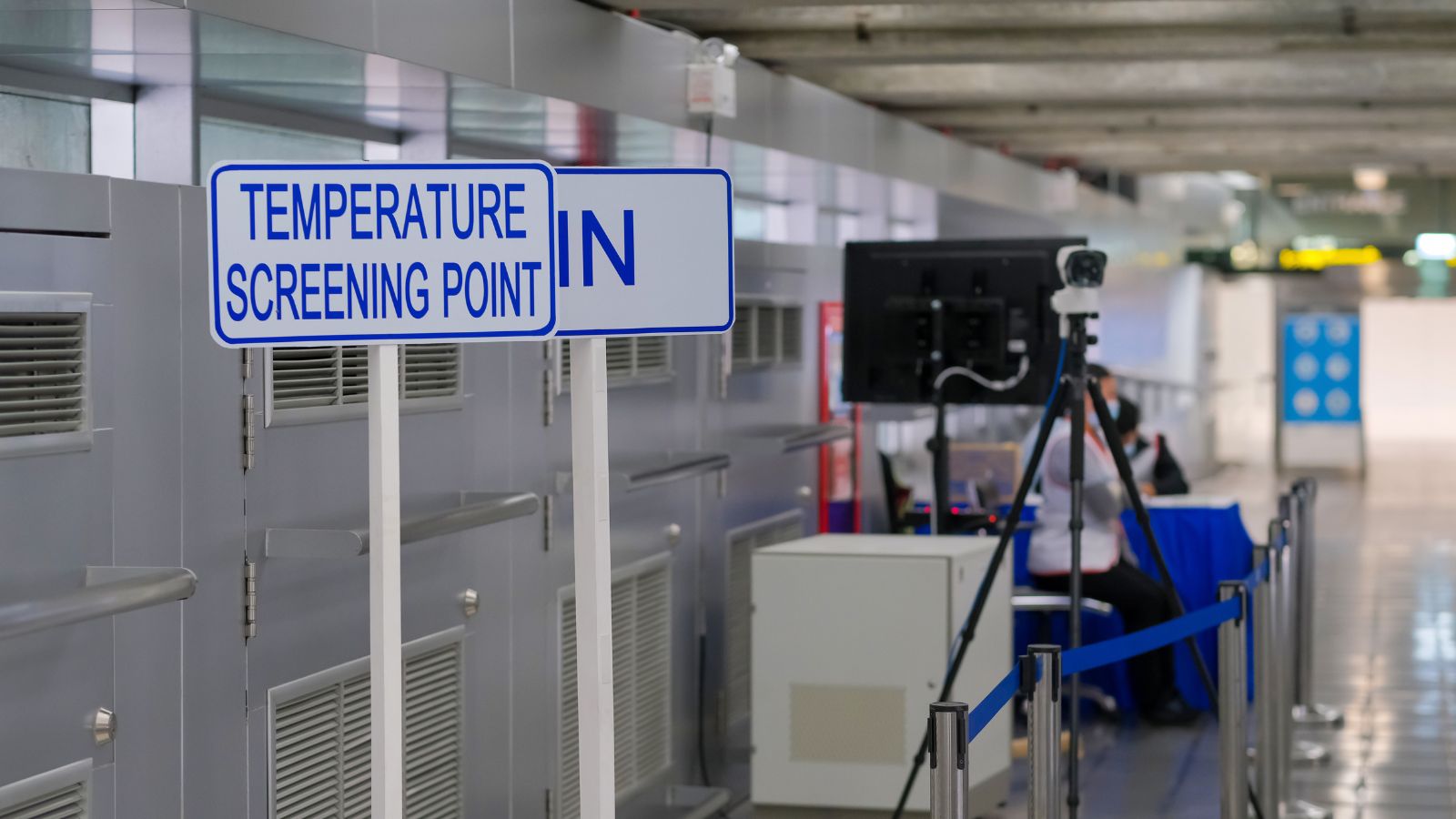
For a period, entering an office, clinic, restaurant or other facility could involve a miniature health assessment. Employees answered screening questions, visitors confirmed they had no listed symptoms and some locations pointed contactless thermometers at people’s foreheads. These measures were highly visible attempts to keep potentially infectious individuals out of shared spaces.
Routine entrance screening has largely disappeared from ordinary Canadian life. One reason is practical: people can transmit respiratory infections without having a fever, and a normal temperature cannot prove that somebody is infection-free. Symptom questions also became less useful when repeated mechanically by people who knew exactly which answers allowed entry. Screening can still make sense in specialized health-care or outbreak circumstances, but it is no longer part of a typical trip to work or a restaurant. What survived was the broader principle behind it: people who feel genuinely unwell should reconsider entering crowded spaces. The formal checkpoint vanished, while personal responsibility became the more common filter.
Dropped: One-Way Grocery Aisles and Floor Arrows
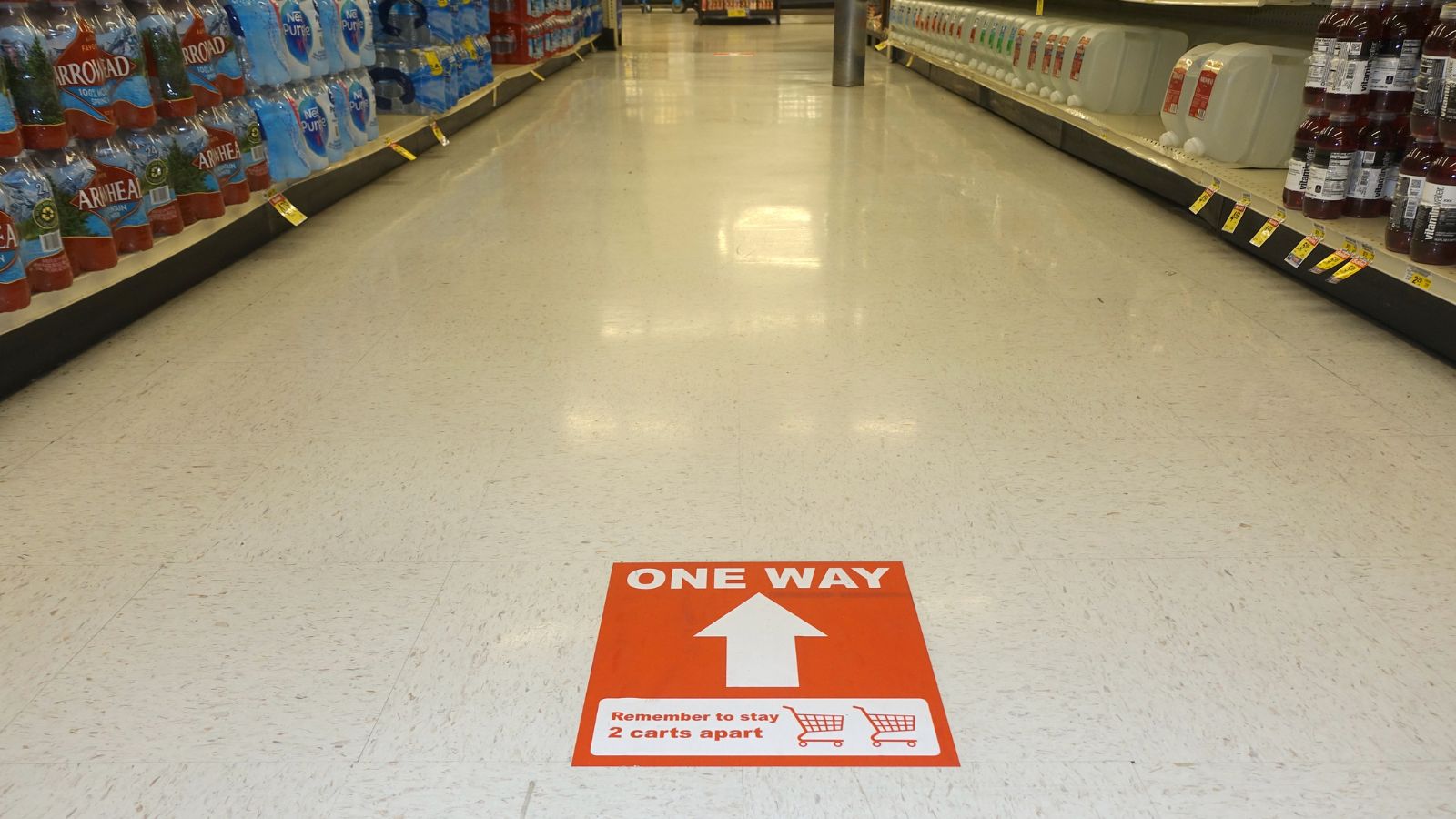
Canadian stores transformed almost overnight in 2020. Adhesive arrows directed shoppers down one-way grocery aisles, stickers marked where customers should stand and entrance signs displayed maximum occupancy. Some supermarkets stationed employees near doors to manage lineups while shoppers performed awkward U-turns after realizing they had entered an aisle from the wrong direction.
Very little of that choreography survived. Floor stickers wore away, one-way signs were removed and customers returned to navigating stores according to convenience rather than directional rules. The disappearance reflects the end of broad emergency distancing requirements as well as a better understanding of respiratory transmission. Briefly passing another shopper is not the same exposure as spending extended time in a poorly ventilated room with an infectious person. Retailers still have reason to manage crowding during outbreaks or unusually busy periods, but the elaborate traffic systems of 2020 are now mostly a historical marker. For many Canadians, faded circles on an old shop floor are among the last physical traces of that period.
Dropped: Avoiding Handshakes, Hugs and Ordinary Social Contact

Pandemic etiquette temporarily rewrote the mechanics of greeting another person. Handshakes vanished from business meetings, hugs disappeared from many family visits and people experimented with waves, elbow bumps and other contact-free greetings. The change reflected both formal distancing recommendations and widespread uncertainty about how the virus was spreading.
Most of those social restrictions did not last. Handshakes returned to offices and conferences, relatives began hugging again and Canadians resumed the weddings, festivals, sporting events and holiday gatherings that depend on close physical interaction. Improved understanding of transmission helped shift attention away from fleeting contact and toward factors such as proximity, duration, ventilation and respiratory particles. Still, the pandemic left one useful qualification: affection is easier to postpone when somebody is obviously ill. Families are more likely to understand why a sick relative might skip a hug or cancel a visit. Canadians largely reclaimed ordinary social contact without entirely forgetting that respiratory symptoms occasionally justify a little extra space.
Dropped: Treating Plexiglass as a Universal Solution

Plexiglass barriers appeared almost everywhere during the pandemic. Grocery cashiers, bank employees, receptionists and pharmacy workers suddenly conducted conversations through transparent sheets. The barriers offered a straightforward concept: place something solid between two people and respiratory droplets would have a harder time travelling directly from one face to another.
The science became more complicated as airborne transmission received greater attention. A barrier may block some larger particles in particular face-to-face situations, but it cannot clean the air in a room, and poorly designed partitions can interfere with normal airflow. That made plexiglass a much less complete solution than it initially appeared. Many barriers have since been removed, although some businesses kept them for reasons ranging from splash protection to employee preference. The lasting public-health lesson is broader. Protecting people from respiratory infections requires thinking about the entire indoor environment—ventilation, filtration, crowding, symptoms and individual protection—not simply placing a sheet of plastic between two people and assuming the problem has been solved.
16 Costco Canada Habits That Could Be Costing Shoppers More Than They Save

The Executive Membership can feel like an obvious upgrade because the 2% annual reward sounds straightforward. For households that spend heavily at Costco Canada, the extra fee may be easy to justify. But the habit becomes costly when shoppers upgrade first and calculate later. A Gold Star Membership costs less, while Executive costs more and only pays off if eligible annual spending is high enough to offset the difference.
16 Costco Canada Habits That Could Be Costing Shoppers More Than They Save
