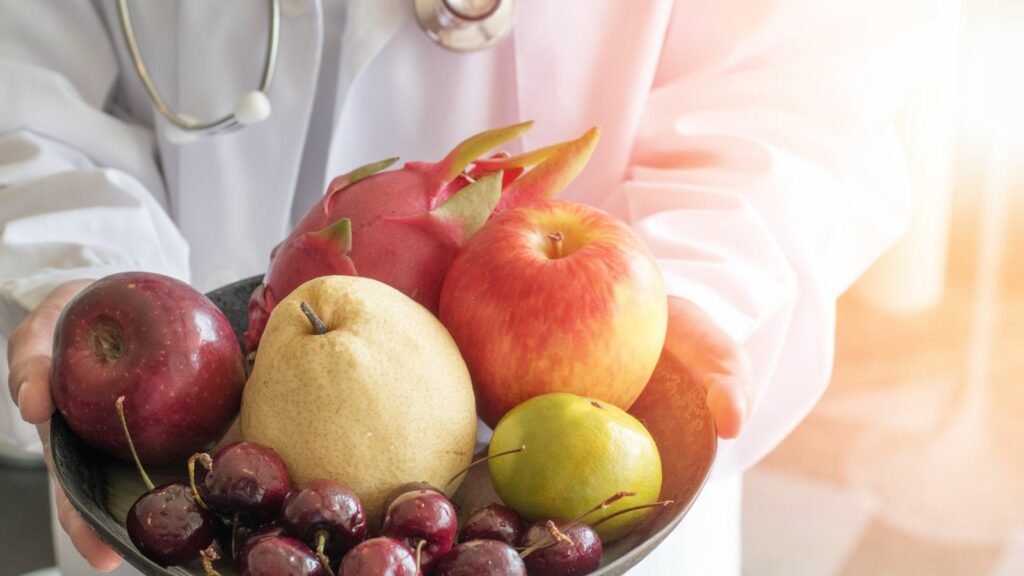
Returning to Canada after a winter getaway can feel exciting until you reach customs. Many travelers pack food souvenirs without realizing how strict the entry rules are. Even normal snacks or harmless gifts can cause delays if they fall under restricted categories. Border officers are trained to watch for items that may introduce pests, bacteria, or soil into the country. Here are 18 foods you can’t bring back into Canada after your winter vacation.
Fresh Meat from Any Country
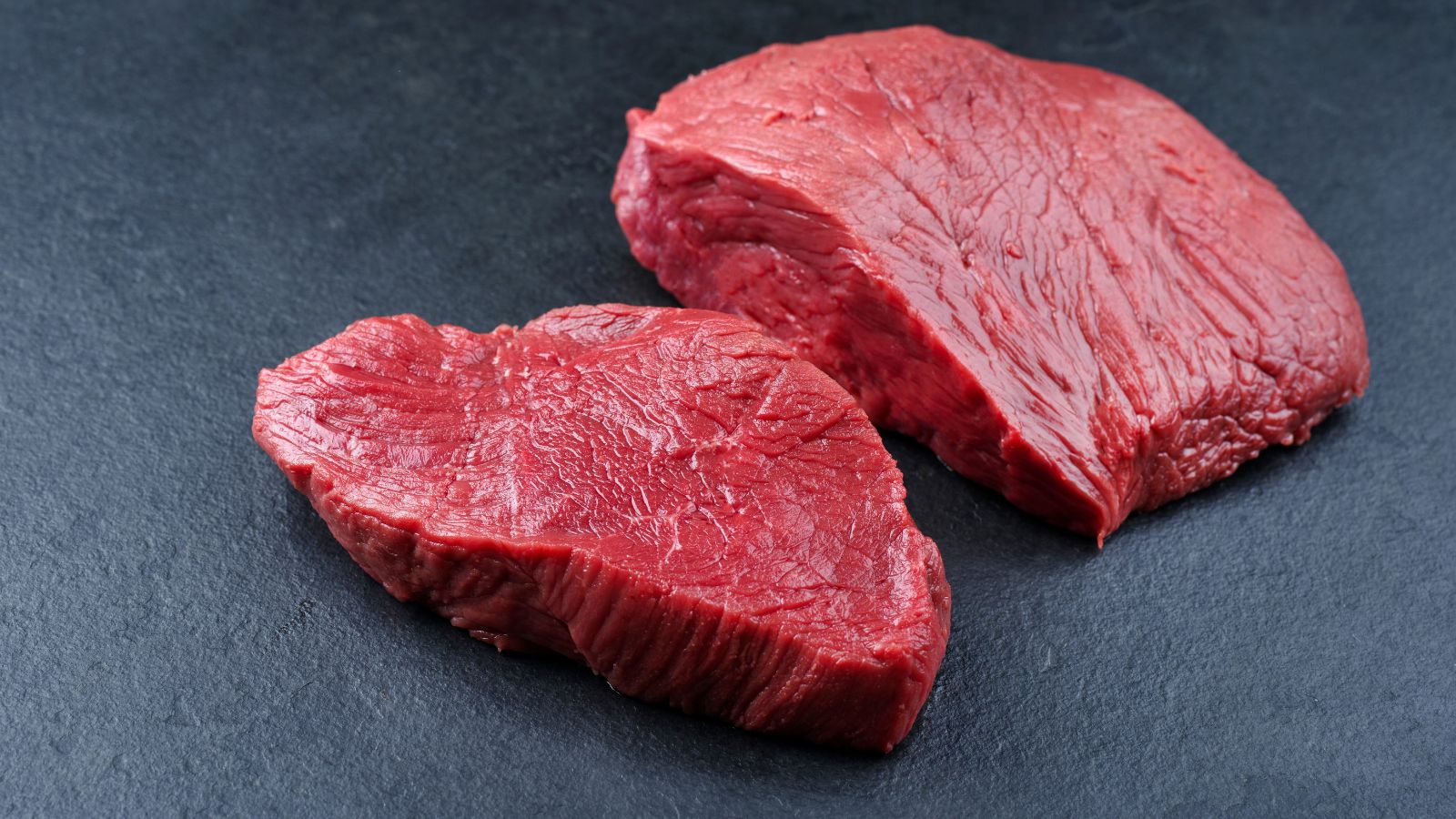
Fresh meat is one of the most common items seized at Canadian borders because travelers underestimate the rules. Raw beef, pork, chicken, lamb, and other uncooked proteins carry potential disease risks like African swine fever and avian flu. Even store-sealed packaging from reputable shops abroad will not change the restriction. The risk lies in virus transmission to livestock across the country. Packages taken from resorts and supermarkets get flagged immediately during screening. Customs won’t allow travelers to take raw steak, poultry cuts, or other fresh meat home under any circumstances.
Homemade Cooked Meats
Cooked meat from family kitchens, local markets, restaurant buffets, and hotel meals cannot cross the border. Although travelers assume cooking eliminates risk, customs can’t verify storage or preparation standards. Leftovers wrapped tightly or vacuum sealed still count as homemade and are removed during inspection. This also applies to cultural foods prepared by relatives abroad and specialties meant as gifts. Customs classifies cooked meat without commercial identification as unknown origin, which makes it automatically unsafe. Many travelers lose dishes like ham roasts, slow-cooked beef, and curry-based meats, even when they come in sealed plastic packaging from loved ones.
Fresh Fruits
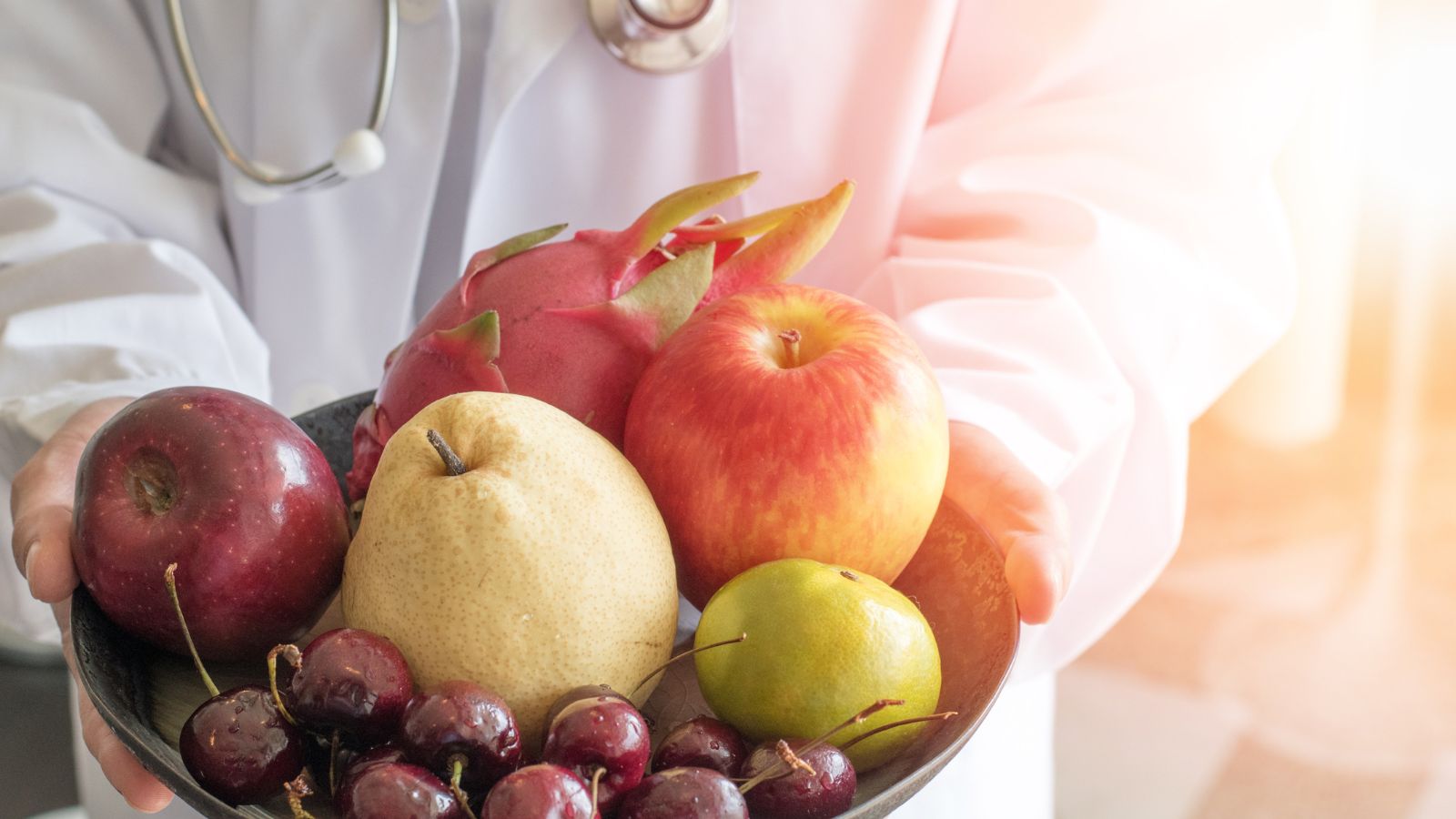
Fresh fruits pose a major threat to crops due to microscopic insects hidden on the skin and in the stems. Oranges, apples, strawberries, mangoes, bananas, and many others risk transferring pests that Canadian agriculture is unprepared for. Even fruits purchased from airports and packaged neatly are not safe to bring through unless they meet specific regulations, which vacationers rarely obtain. A single apple forgotten in a backpack can trigger secondary screening and cause delays. Customs officers are trained to spot fruit in luggage quickly. Canada protects its farms and orchards by blocking all unapproved fruit, even if it looks perfect.
Fresh Vegetables
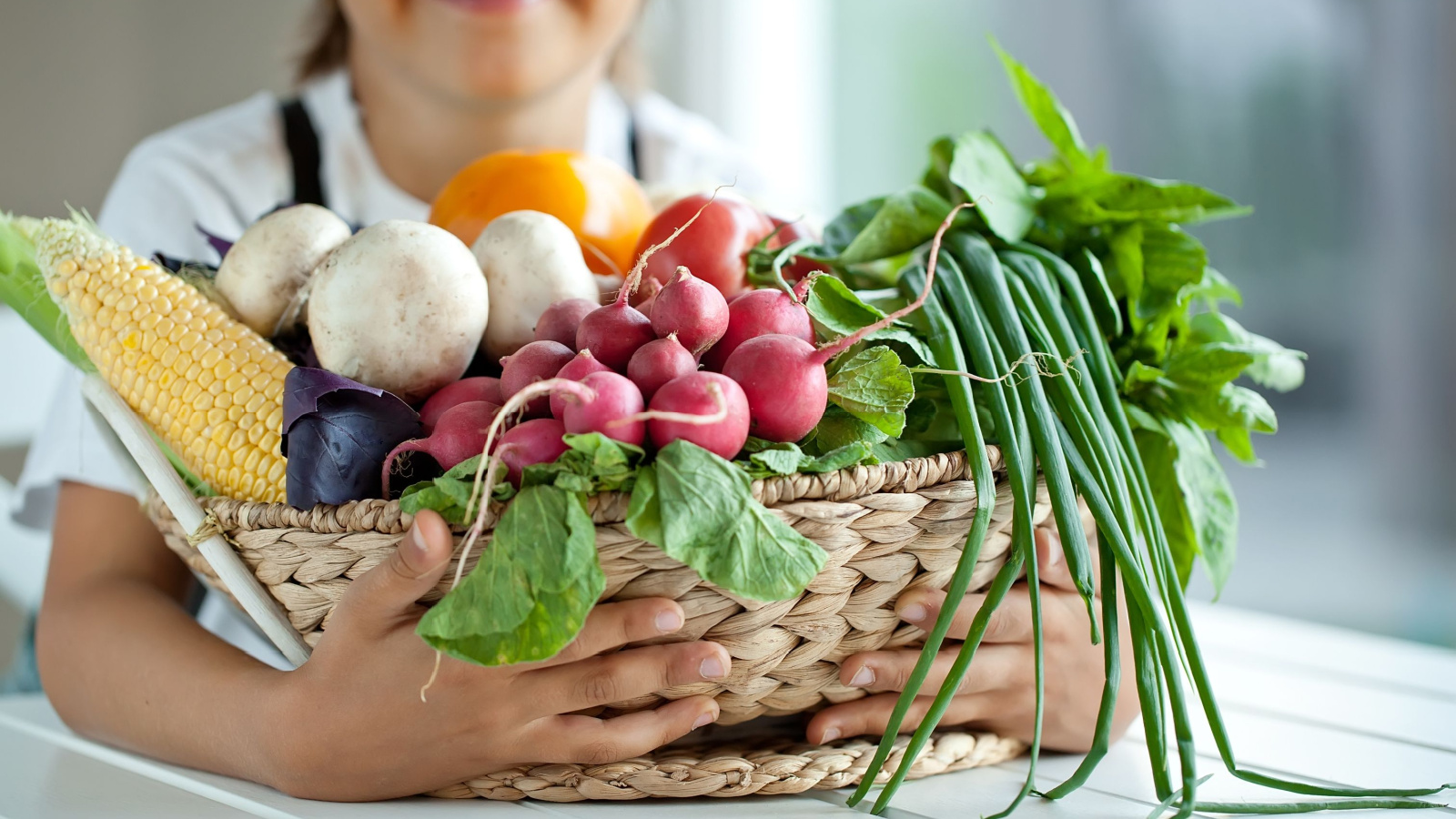
Fresh vegetables are treated as high-risk items due to soil contamination and plant disease transmission. Items like peppers, carrots, onions, potatoes, cucumbers, leafy greens, and other produce cannot enter Canada without strict inspection paperwork. Dirt or plant parasites can damage crops nationwide, and the contamination isn’t always visible. Travelers frequently pack vegetables as snacks for long flights or as ingredients for homemade meals, only to have them taken at customs. Anything with roots or soil residue is flagged immediately. Unlike packaged snacks, vegetables come with unpredictable plant pathogens that authorities refuse to risk introducing into Canadian agricultural regions.
Unpasteurized Dairy
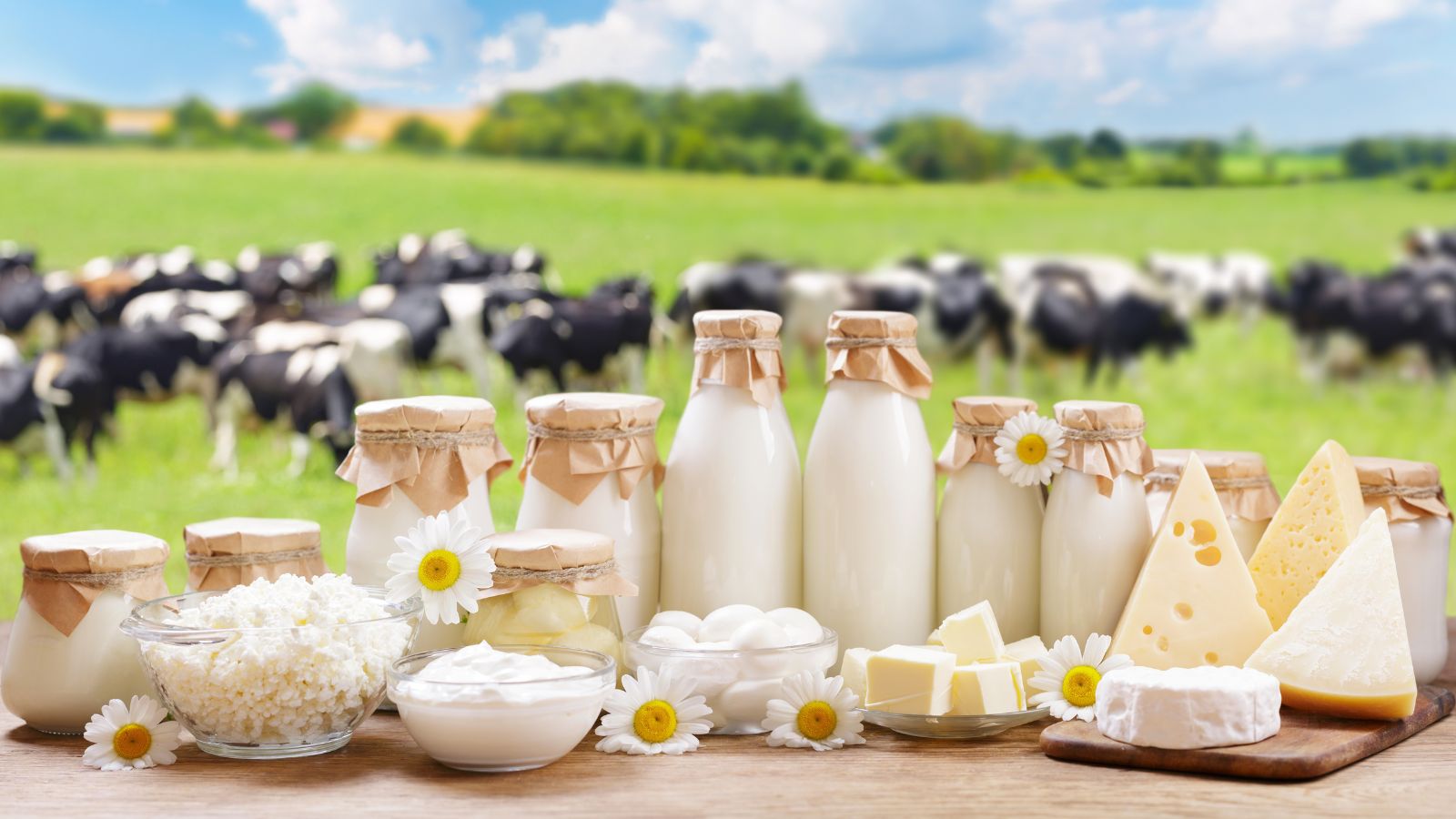
Unpasteurized dairy remains prohibited because of high bacterial activity in raw milk products. Traditional cheeses made without pasteurization, such as raw Parmesan, farmhouse cheese, and fresh soft cheese from markets abroad, are frequently confiscated. Even when labelled artisanal or organic, these products can carry harmful bacteria that customs must block by default. Tourists often pack them as special regional treats or gifts, unaware that raw dairy is classed as unsafe for travel. Pasteurized dairy sometimes receives special conditions, but unpasteurized dairy does not qualify. Canadian customs removes these items immediately to protect public health and the dairy industry.
Fresh Eggs
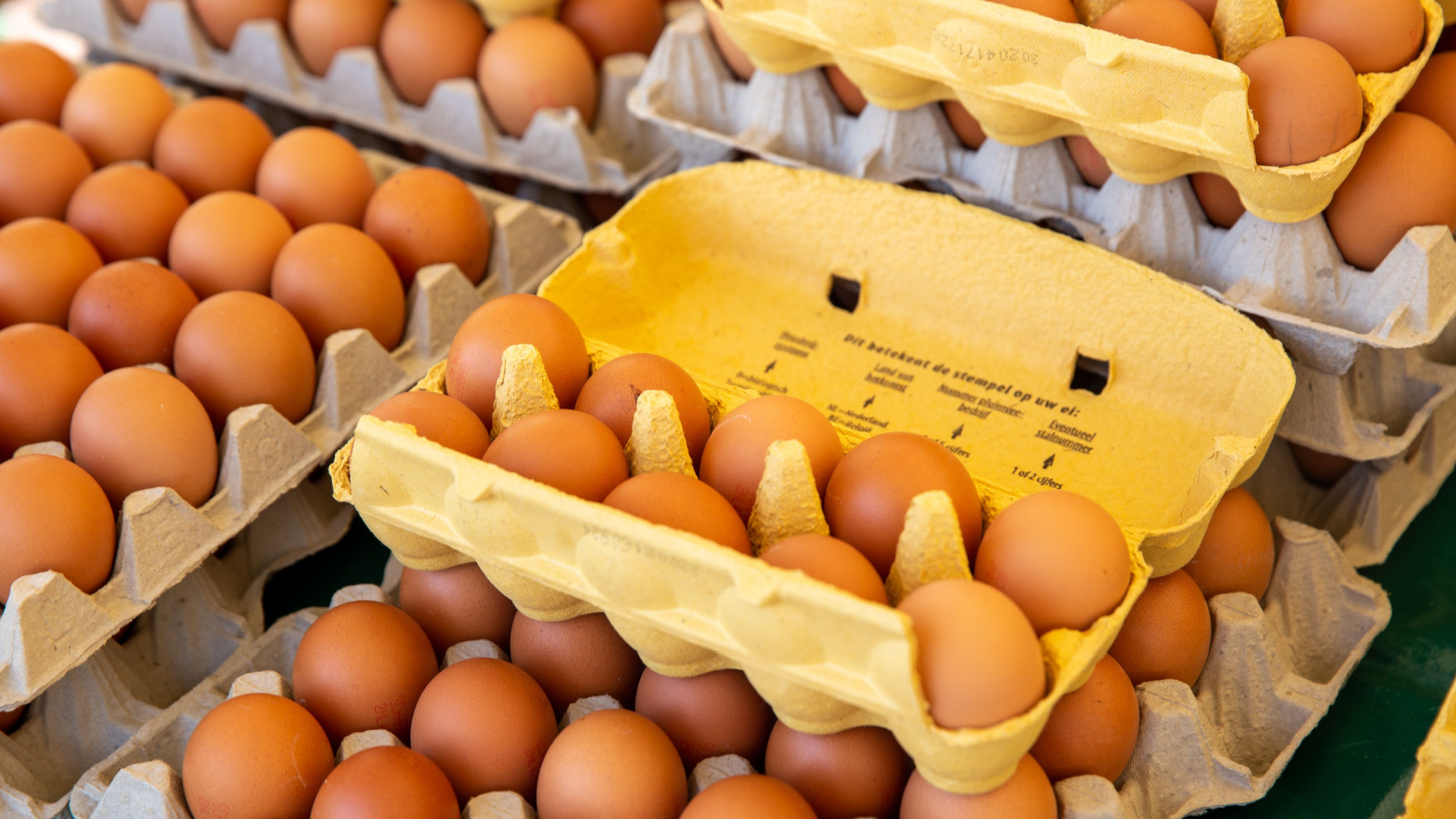
Fresh eggs cannot enter Canada due to strict controls surrounding avian disease and Salmonella. People often pack eggs purchased from countryside markets or restaurants abroad, not realizing they count as prohibited goods. Even eggs packaged in clean, sealed containers are rejected without certification that travelers don’t usually have. The rule applies whether the eggs come from chickens, ducks, or other birds. Airport scanners identify eggs quickly, and customs officers dispose of them on the spot. Travelers sometimes lose expensive gourmet eggs or culturally significant food gifts, but safety regulations always take priority over personal travel souvenirs.
Raw Honey

Raw honey is banned because it can contain spores and bacteria harmful to Canadian bees and agricultural pollination systems. While many tourists see honey as a safe, sealed souvenir, customs identifies raw honey as a biological risk. Labels that include words like unfiltered or wild harvest often lead directly to seizure. Even honey in decorative jars meant for gifting falls under the restriction if unprocessed. Commercially processed honey has some exceptions, but raw honey is never permitted through border screening. This rule supports long-term protection for domestic hives and farms that rely heavily on pollination from healthy bee populations.
Fresh Fish Not Commercially Packaged
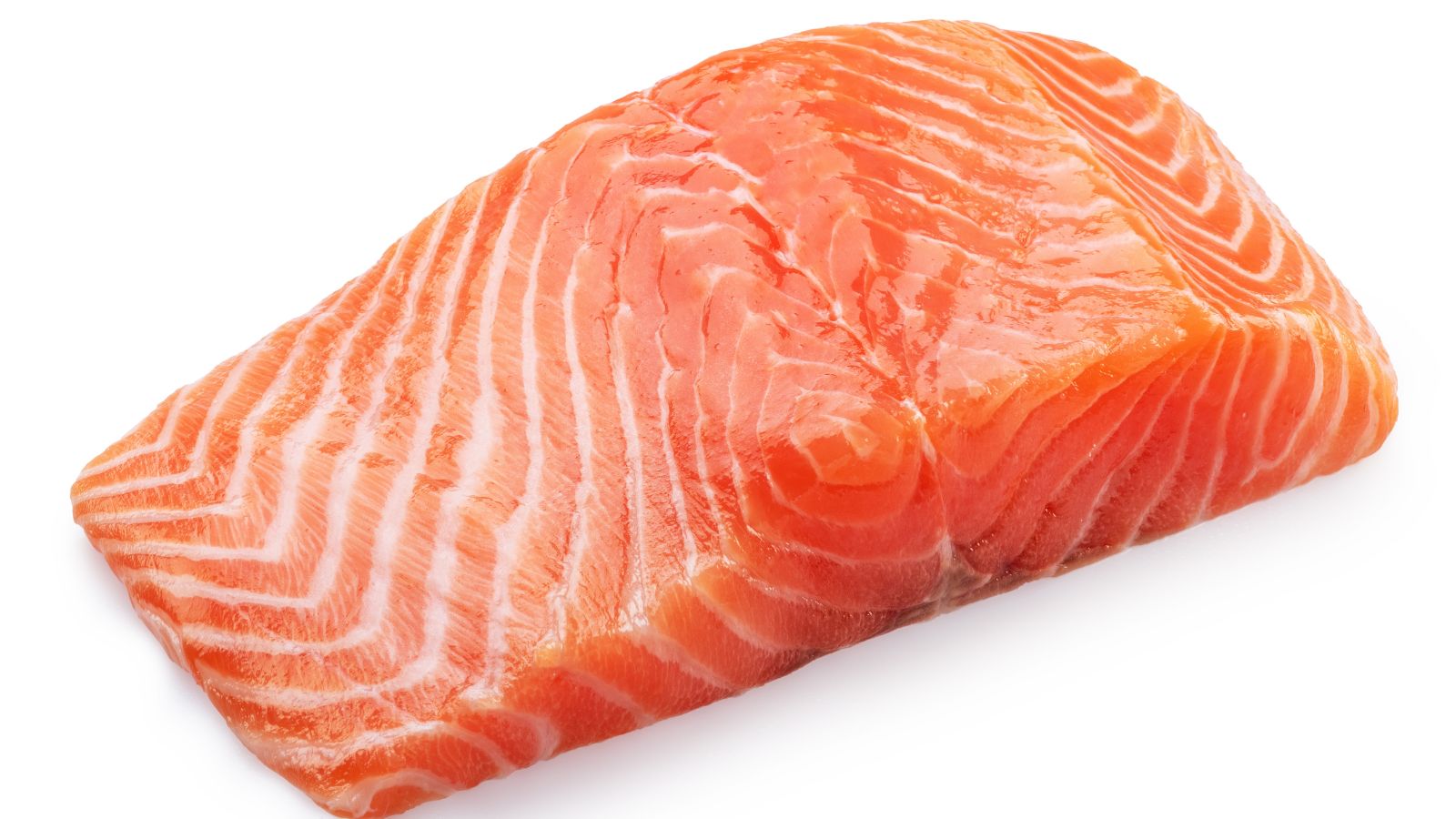
Fresh fish from fishing trips or local markets abroad gets seized unless processed under licensed commercial conditions. Travelers returning from beach destinations often pack fish on ice, thinking it will stay fresh for cooking at home. Customs rejects it instantly because raw tissue can transmit marine parasites and diseases. For approval, the product must be processed, labeled, and sealed by a certified commercial supplier, something casual travelers rarely have access to. Even if the seafood is cleaned, filleted, and wrapped professionally by a dockside vendor, it won’t pass screening without proper documentation. Fresh fish remains highly regulated.
Cured Meats Without Full Documentation
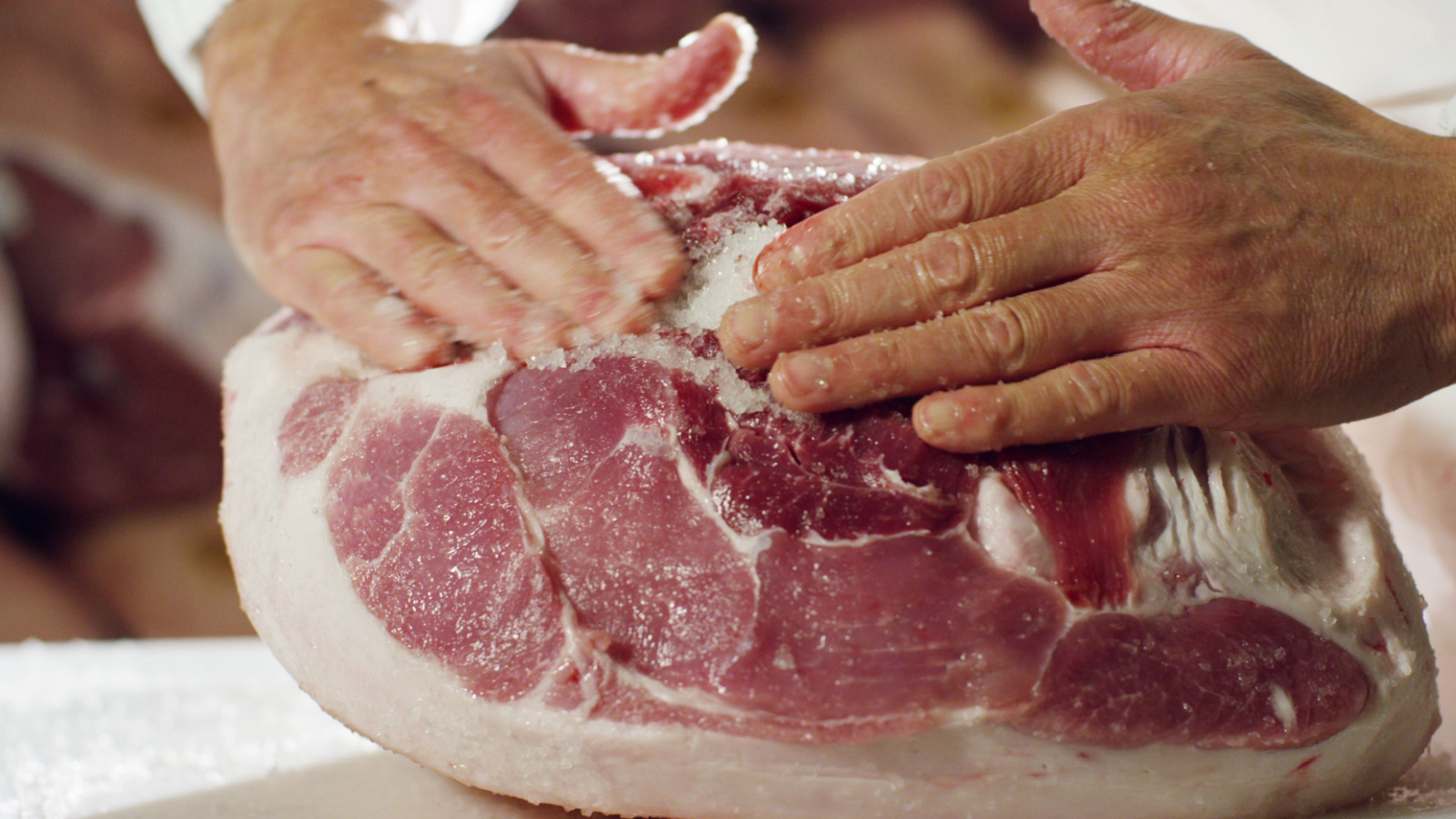
Cured meats like prosciutto, salami, biltong, jamón, and dry-aged sausage appear safe but are banned without proper paperwork. These foods can contain pathogens that survive the curing process. Labels from local producers often fail to meet Canada’s import requirements, so customs confiscates them quickly. Even premium cuts from European gourmet shops need certification that isn’t provided during normal transactions. People frequently purchase these for family gatherings or holiday gifts, only to lose them during inspection. Cured meats may seem shelf stable, but without approved documentation, they are classified as unverified animal products and cannot enter the country.
Home-Baked Goods Containing Meat or Dairy
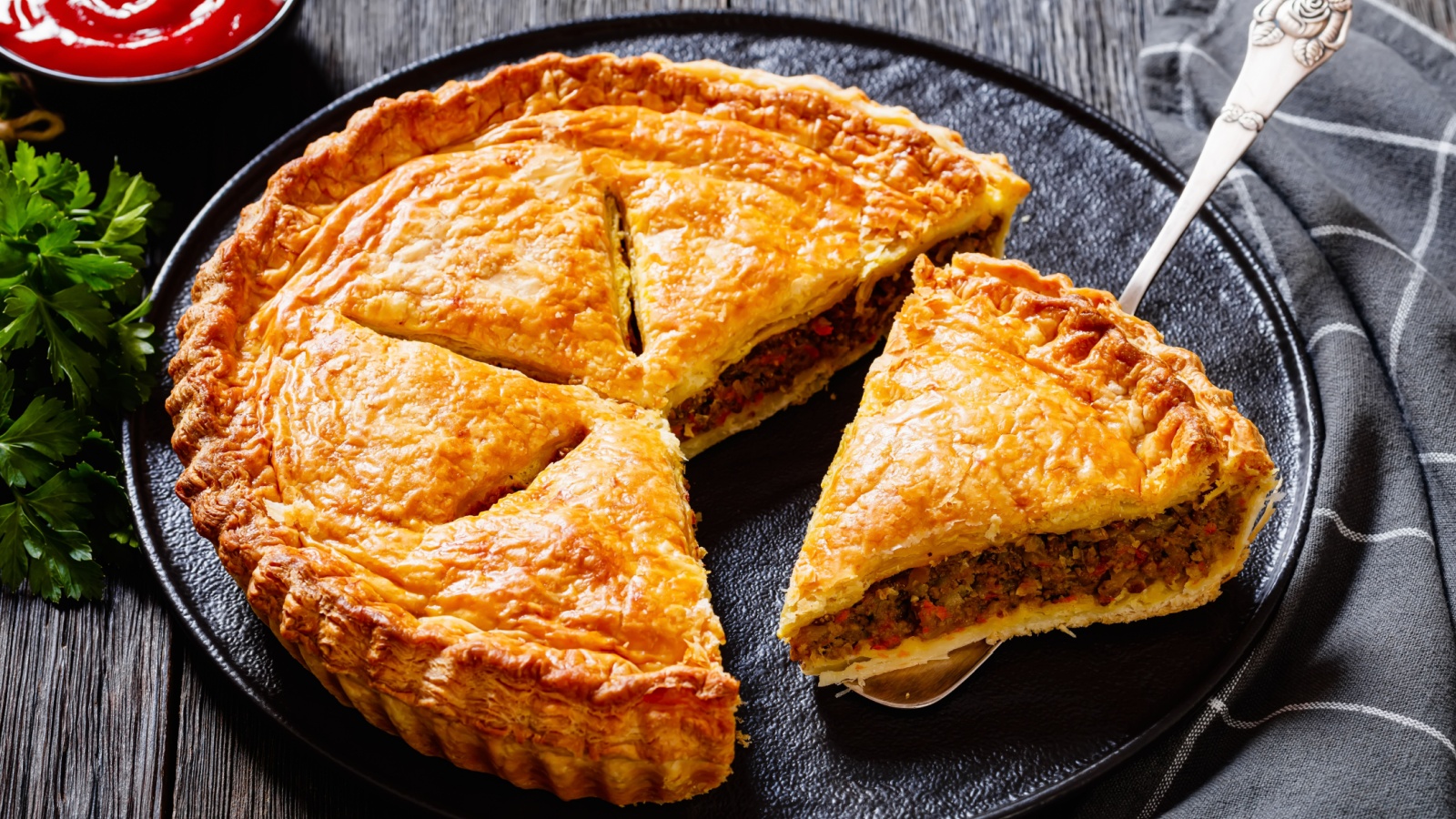
Baked items containing meat or dairy are considered unsafe because they spoil quickly and contain perishable protein. Customs removes meat pies, savory pastries, stuffed buns, quiches, empanadas, and similar items. Even when cooked thoroughly and wrapped nicely, these foods still require commercial packaging to be accepted. Travelers often prepare them as snacks or pack them from relatives’ homes abroad, hoping to enjoy them later. Unfortunately, border agents cannot determine preparation quality or ingredient handling. Anything handmade falls under unsafe goods, and the risk is high enough that these bakery items are always taken away during screening.
Baby Formula or Milk Not in Commercial Packaging
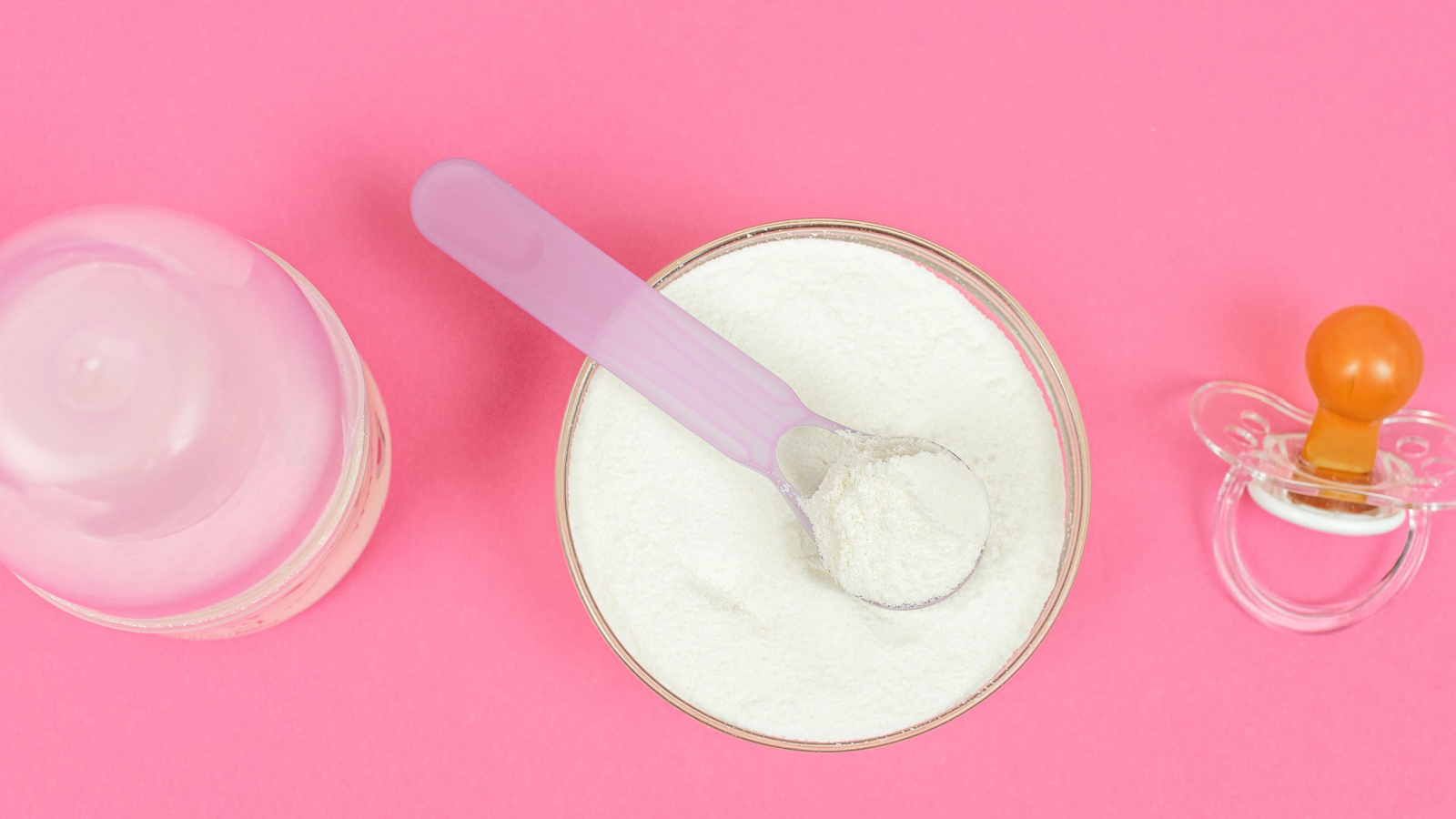
Baby food and formula are heavily monitored due to contamination risks for infants. Any milk or formula must be sealed in commercial packaging with labels clearly showing all ingredients, expiry dates, and manufacturing details. Prepared bottles, loose powdered formula, and opened tins get rejected immediately because customs cannot verify their safety. Parents often carry homemade or transferred formula for travel convenience, unaware that border rules prohibit it. Even products that appear clean and secure are treated as unsafe once the seal is broken. Canada prioritizes infant safety, so unsealed or homemade baby formula cannot enter under any circumstances.
Dried Meat Snacks Without Approved Labels
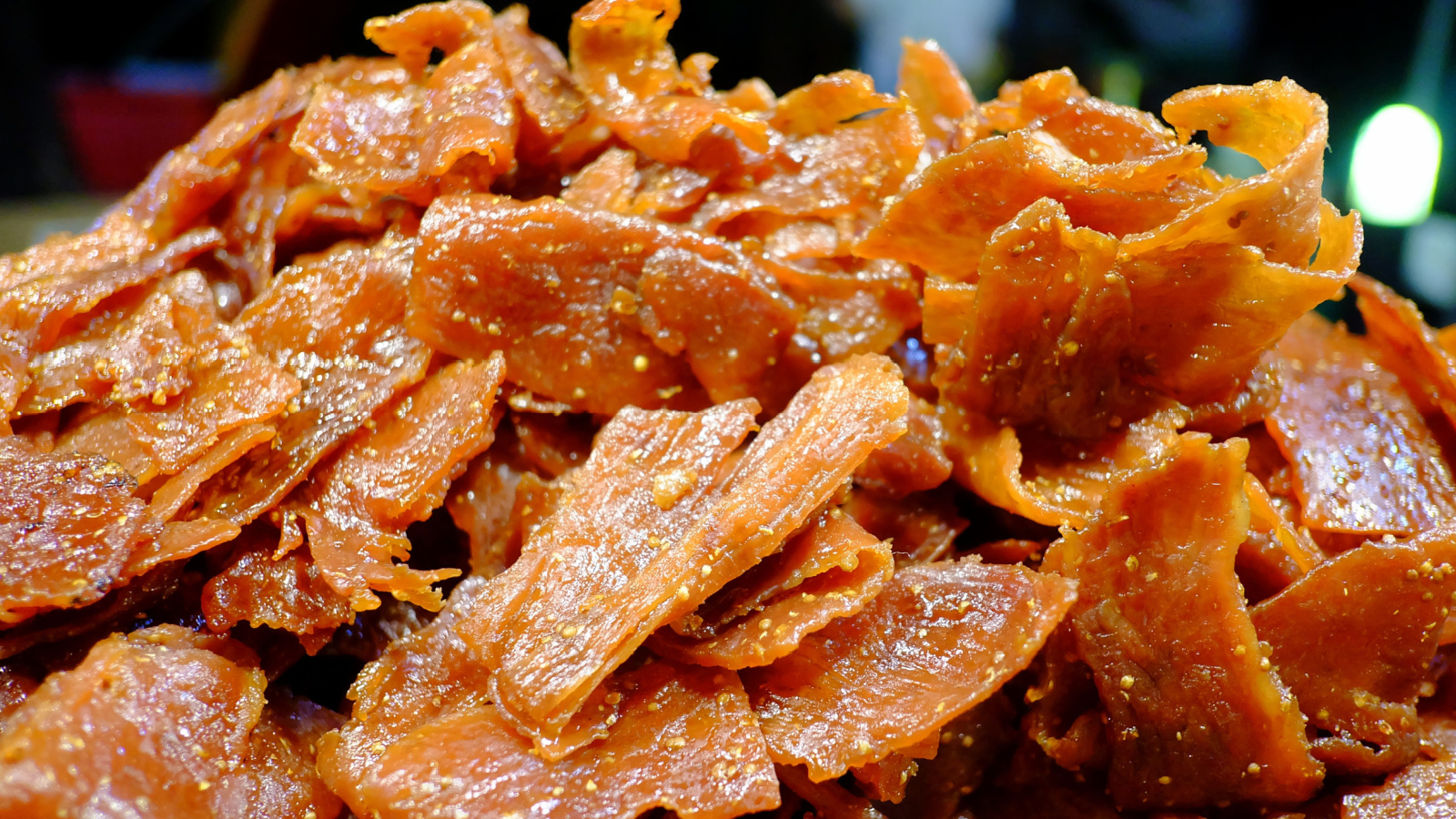
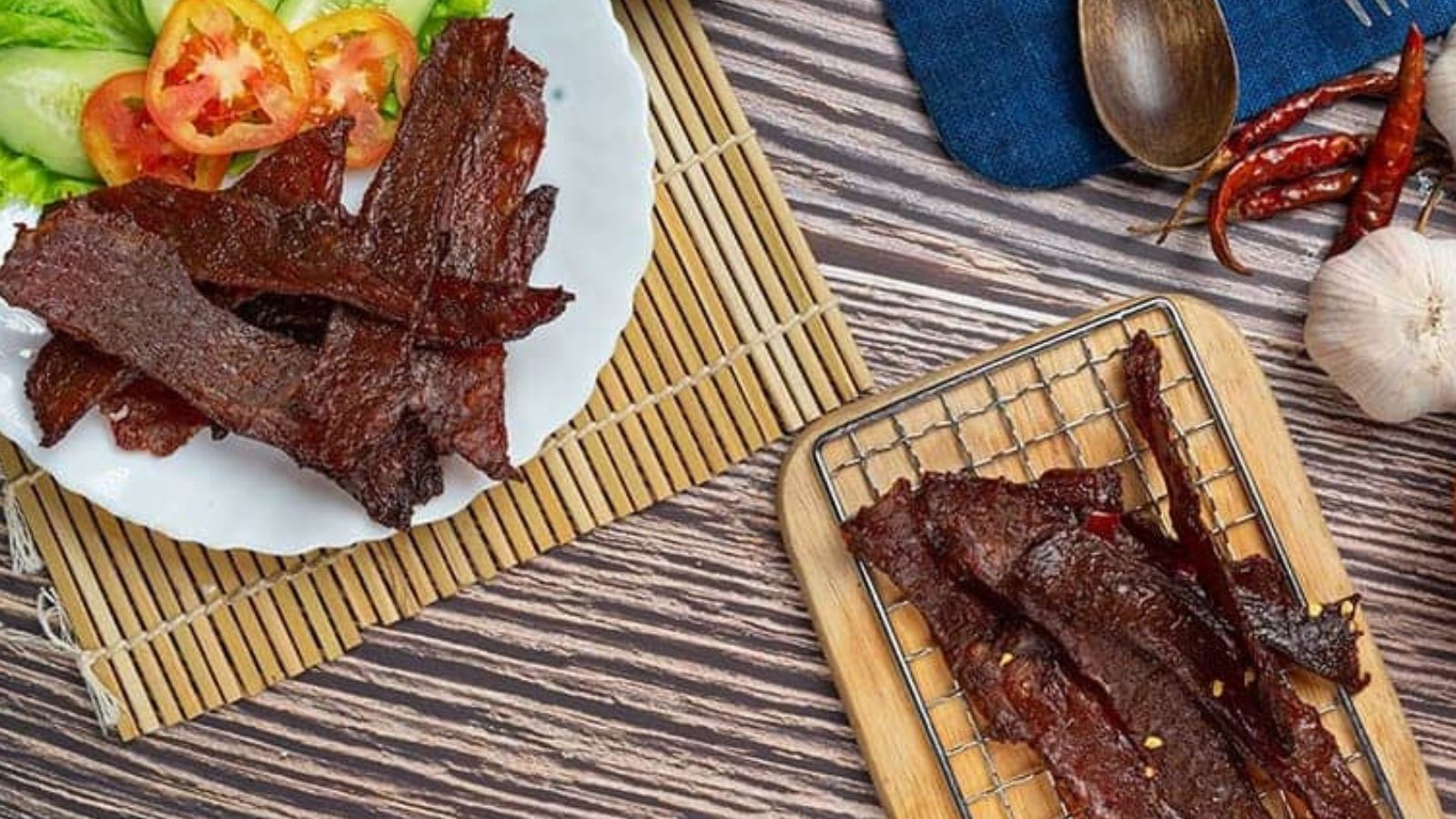
Dried meat snacks look harmless because they don’t require refrigeration, but customs screens them closely. Items such as jerky, dried sausage sticks, shredded pork snacks, and dried cured beef from small markets often lack official processing details. Without the correct labeling and inspection certification, they are considered unsafe. The drying process doesn’t eliminate all bacteria, and contamination risk remains high. Tourists frequently lose these snacks during screening after buying them from street vendors or small town producers. Only products with verified commercial packaging and export approval can legally cross the border. Anything else will be confiscated.
Sausages from Butcher Shops Overseas
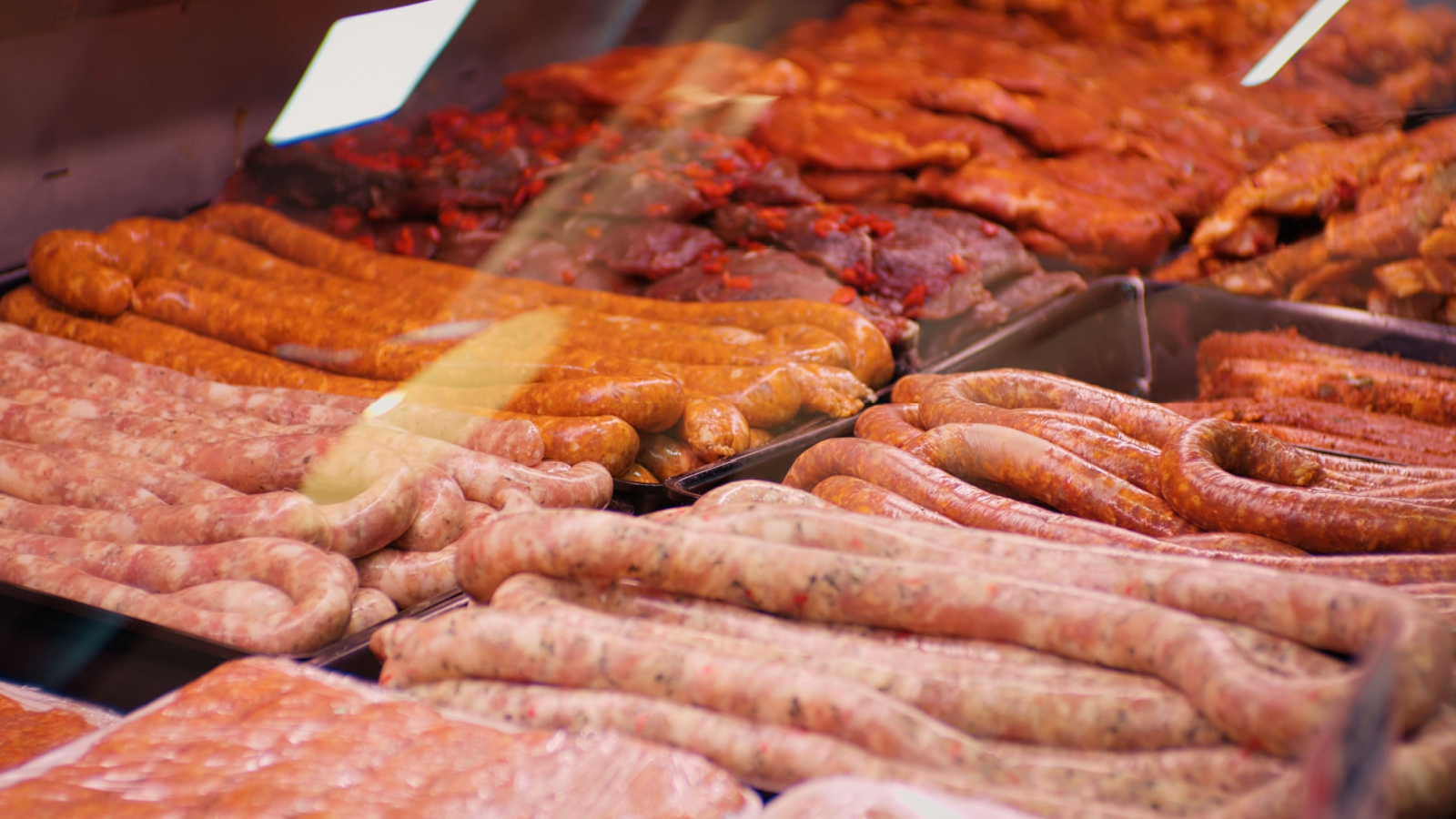
Sausages purchased from local butchers abroad count as restricted meat, regardless of how they are sealed or seasoned. People often bring back regional sausages as souvenirs or culinary gifts from winter markets or holiday towns. Customs denies them because the curing and cooking processes cannot be verified. Even smoked sausages pose a risk when documentation is unclear. Butcher labels are not the same as commercial certification, and officers remove them instantly. These restrictions protect Canadian livestock and food safety systems from diseases that can survive transportation. Many travelers are caught off guard when butcher sausages get confiscated.
Foods Containing Blood
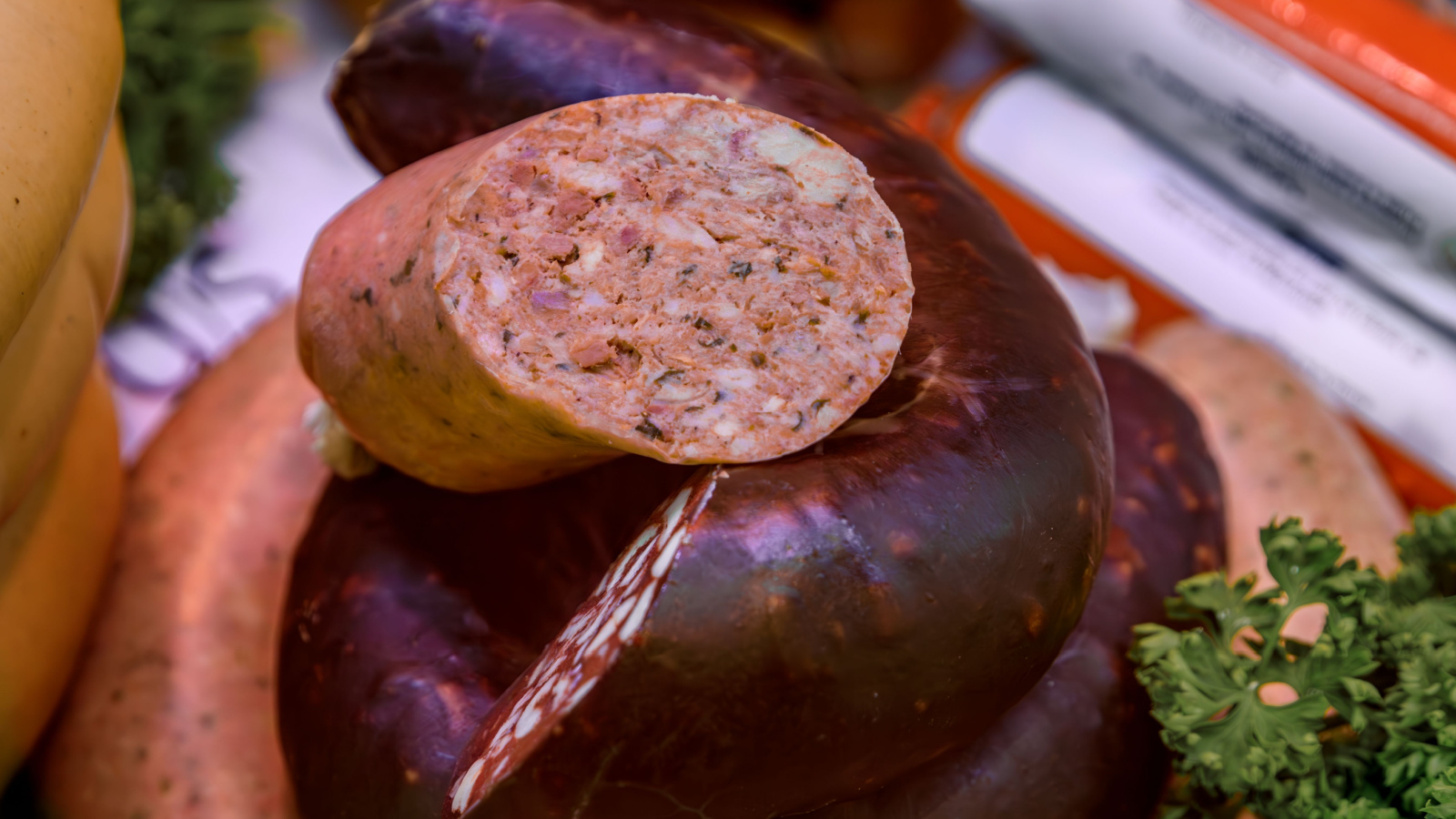
Any item that includes animal blood falls under the prohibited list, whether cooked or raw. Foods such as blood sausage, blood pudding, and soups made with blood broth are blocked without exception. Blood-based dishes carry contamination risks that customs cannot evaluate safely at the border. Travelers may bring them with pride as cultural comfort foods or gifts, but officers must confiscate them every time. Even vacuum-sealed packaging cannot override the restriction. Regulations exist to reduce the spread of animal diseases and protect Canada’s food system from biological hazards that accompany blood-based protein products across borders.
Fermented Meat Products Without Certification
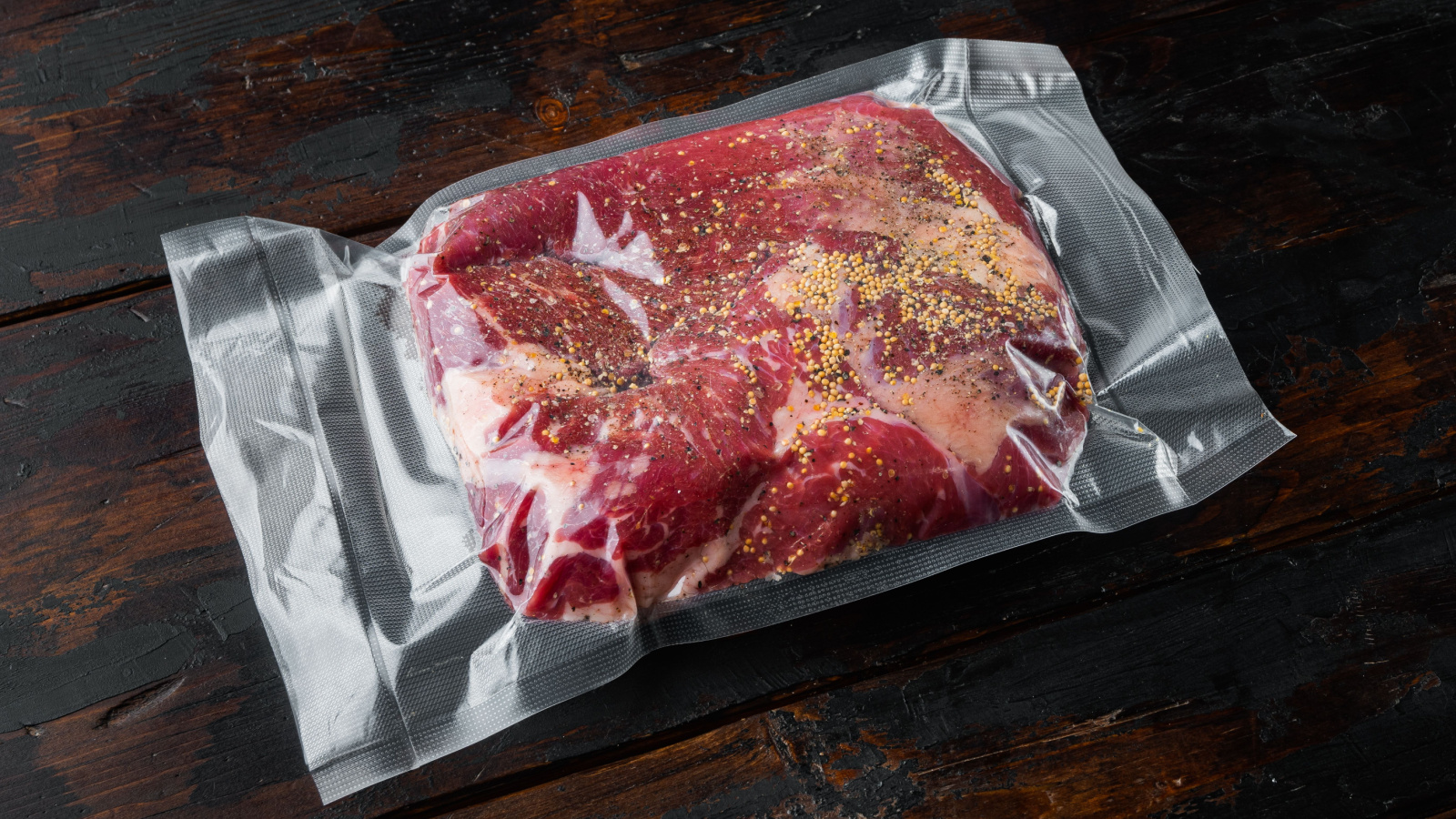
Fermented meats remain banned unless commercially approved and certified for entry. Items like fermented pork rolls, fish paste mixed with meat, or fermented sausage are flagged as unsafe during border checks. Many cultures make these foods at home or purchase them from small markets, which rarely meet Canadian import guidelines. Fermentation doesn’t eliminate all bacteria responsible for health risks. Travelers often lose their favourite cultural staples during inspections because producers abroad don’t follow export standards. These foods require documentation that most tourists never request, so border officers have no choice but to remove them permanently during screening.
Exotic Game Meat
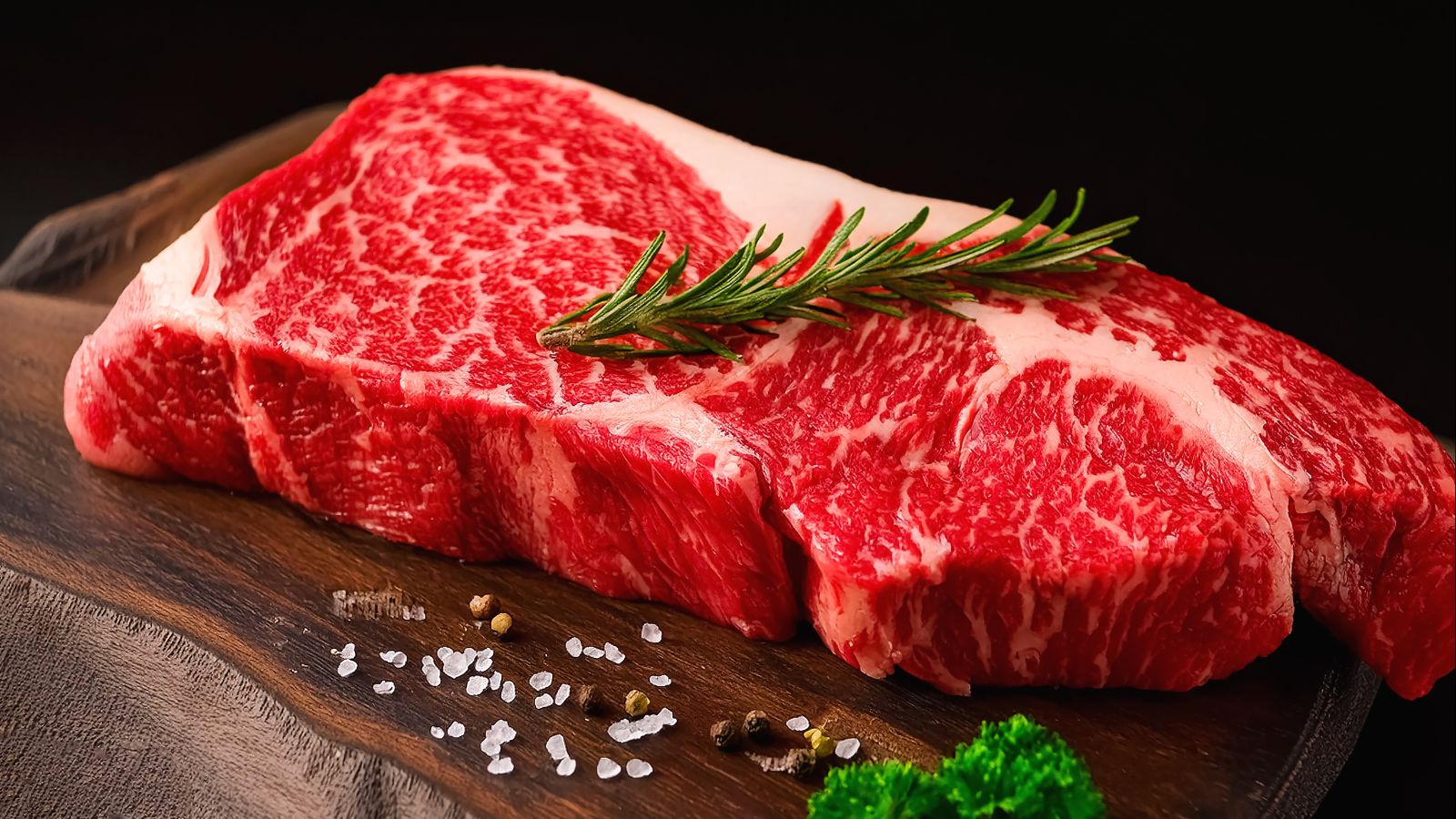
Game meats from wild animals are tightly regulated and requires import authorization that travelers almost never have. Items such as wild boar, deer, antelope, elk, or wild birds raise disease risks. Whether raw or cooked, the regulations stay the same. Specialty restaurants and high-end shops abroad may sell them legally, leading tourists to assume they’re fine to bring back. Customs must confiscate them regardless due to the danger they pose to Canadian wildlife and livestock. Even small samples intended as souvenirs fall under this restriction. Exotic game meat is treated with maximum caution at border screening areas.
Fresh Pet Food
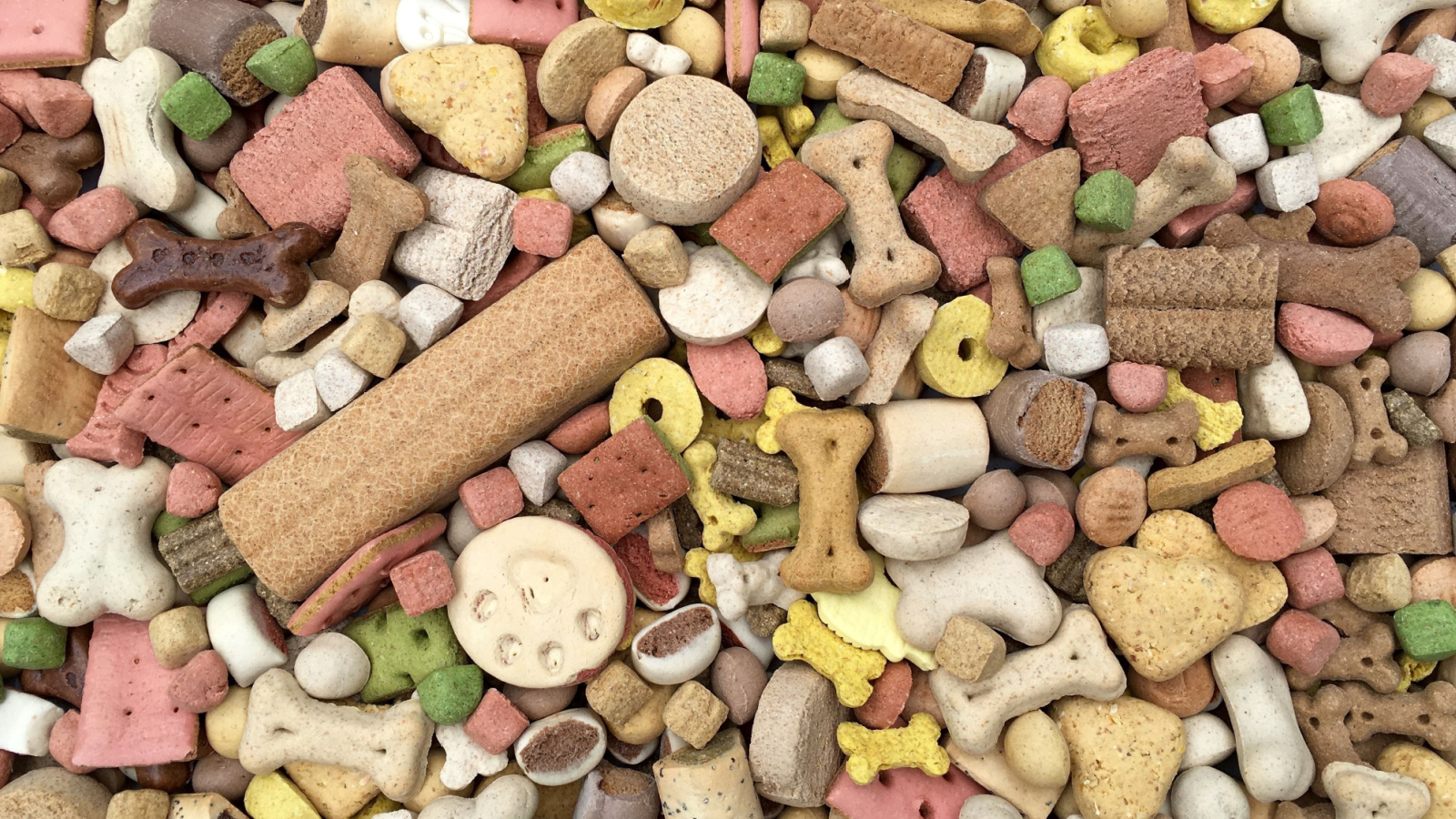
Fresh pet food and meat-based treats from other countries cannot enter Canada because they involve the same contamination risks as raw or partially cooked human meat products. Customs blocks anything containing fresh animal protein, whether packaged or unpackaged. Even unopened tins or pouches require specific labeling that travelers rarely check in advance. People often bring snacks home for pets as a thoughtful gesture, unaware of the rule. Pet treats from small shops abroad are especially likely to be confiscated. These restrictions protect both pets and the larger agricultural ecosystem from diseases linked to imported animal products.
Foods Contaminated with Soil
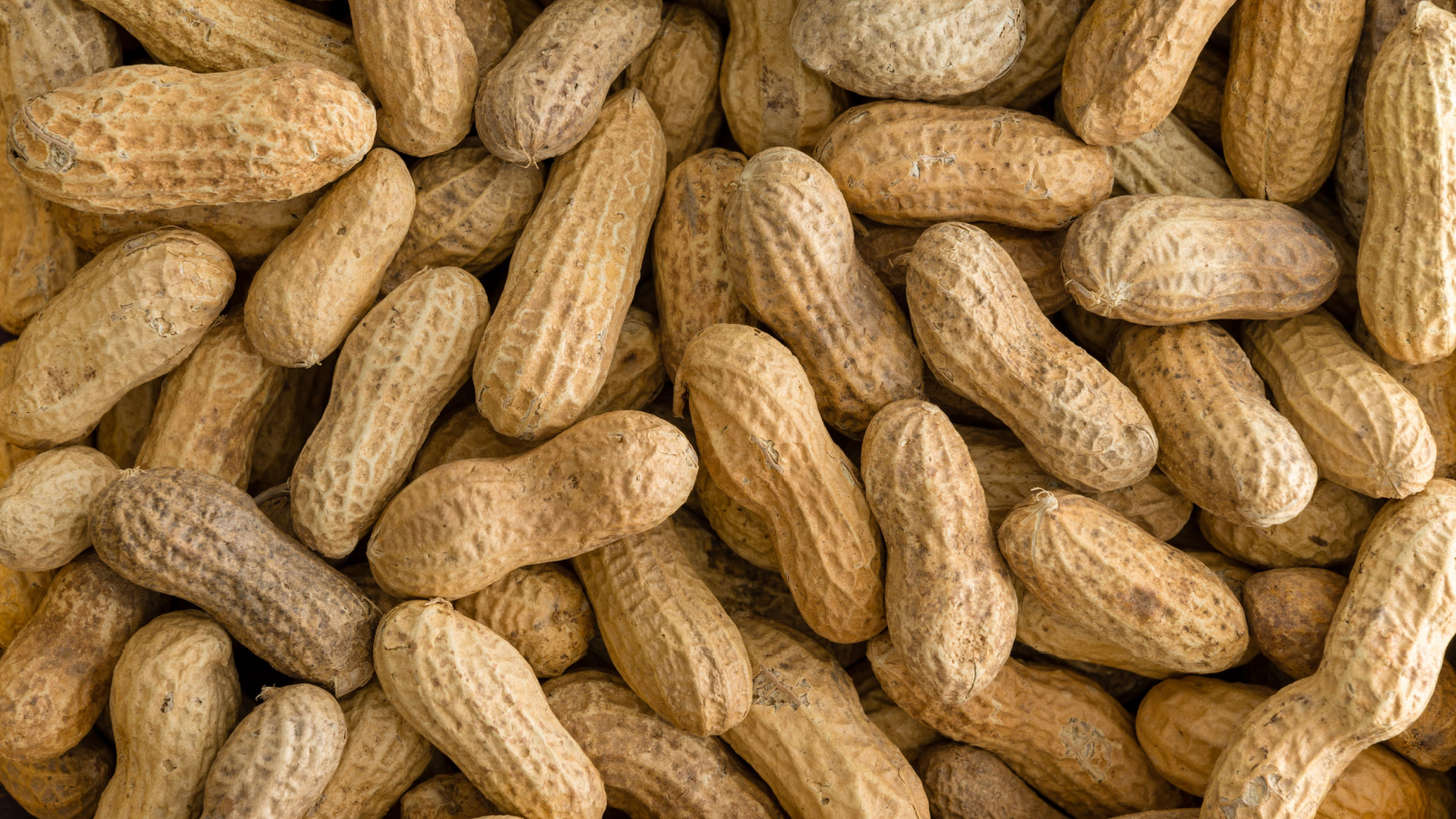
Any edible product that contains visible soil immediately gets flagged by border officers. Items like yams, peanuts in shells, root vegetables, unwashed herbs, and other produce with dirt on them are never allowed through. Even a little soil can carry pests, fungi, bacteria, and invasive organisms that could destroy crops or disrupt ecosystems. Travelers often pick up snacks from open markets or farms and don’t think about soil being present. Officers confiscate these items on the spot during screening. Soil contamination is treated as one of the highest agricultural threats in customs inspections.
22 Groceries to Grab Now—Before another Price Shock Hits Canada
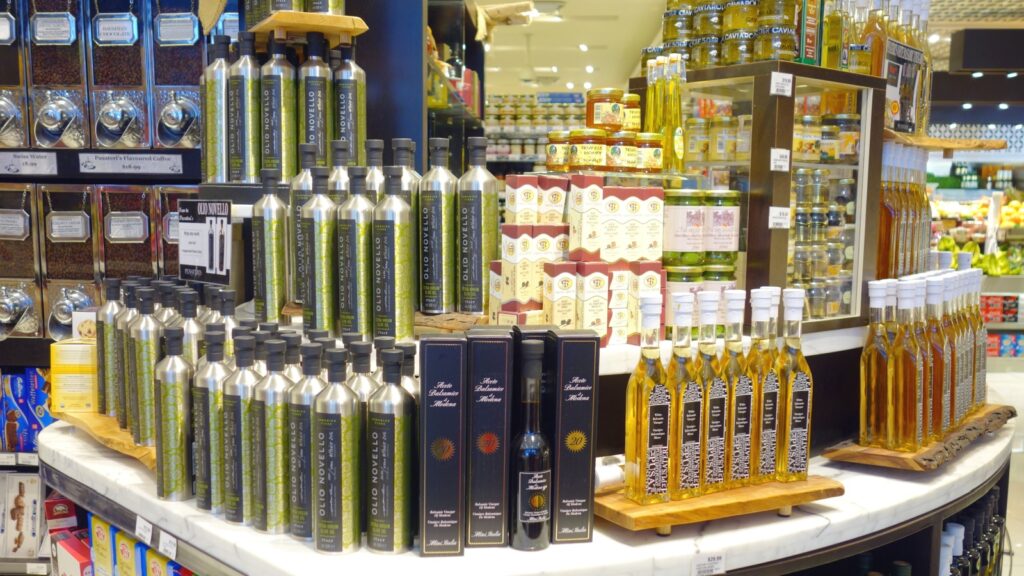
Food prices in Canada have been steadily climbing, and another spike could make your grocery bill feel like a mortgage payment. According to Statistics Canada, food inflation remains about 3.7% higher than last year, with essentials like bread, dairy, and fresh produce leading the surge. Some items are expected to rise even further due to transportation costs, droughts, and import tariffs. Here are 22 groceries to grab now before another price shock hits Canada.
22 Groceries to Grab Now—Before another Price Shock Hits Canada
