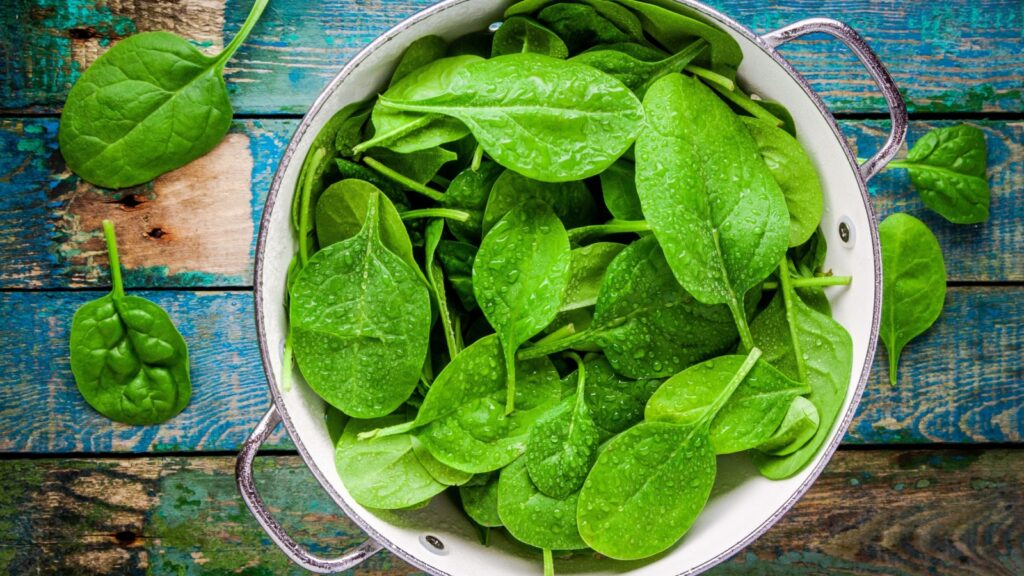
Many foods marketed as healthy come with higher price tags. Shoppers often pay extra for packaging, labels, and convenience. These products may look better for nutrition and lifestyle goals. However, similar benefits often come from basic ingredients. Small portions and added processing raise the cost per serving. Busy schedules can make these items appealing. Over time, frequent purchases increase grocery spending. Reading unit prices helps reveal true value. Here are 18 ‘healthy’ foods that are way more expensive than they need to be.
Pre-Washed Baby Spinach Tubs
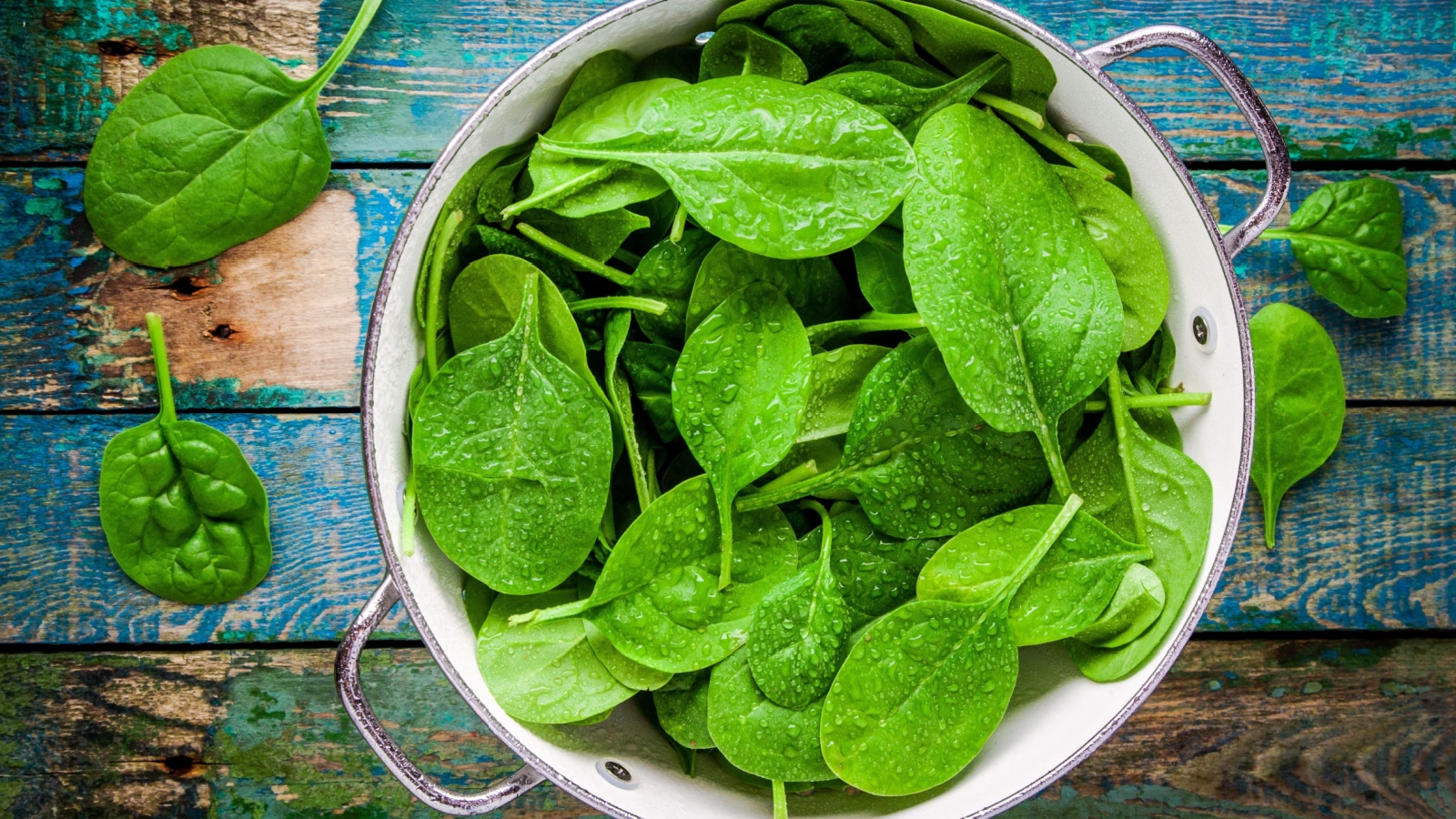
Pre-washed baby spinach tubs often cost more per gram than loose greens. You pay for washing, sorting, and plastic packaging. Spinach leaves also spoil quickly once opened. Moisture inside tubs can speed up wilting. Large tubs may look full but compress easily. Loose bunches or bags can cost less overall. Washing greens at home takes only a few minutes. Buying smaller amounts reduces waste. Store brands may still carry similar markups. Comparing unit prices shows the difference clearly. Preparing greens yourself supports better value. It also reduces packaging waste at home.
Cold Pressed Juice Bottles
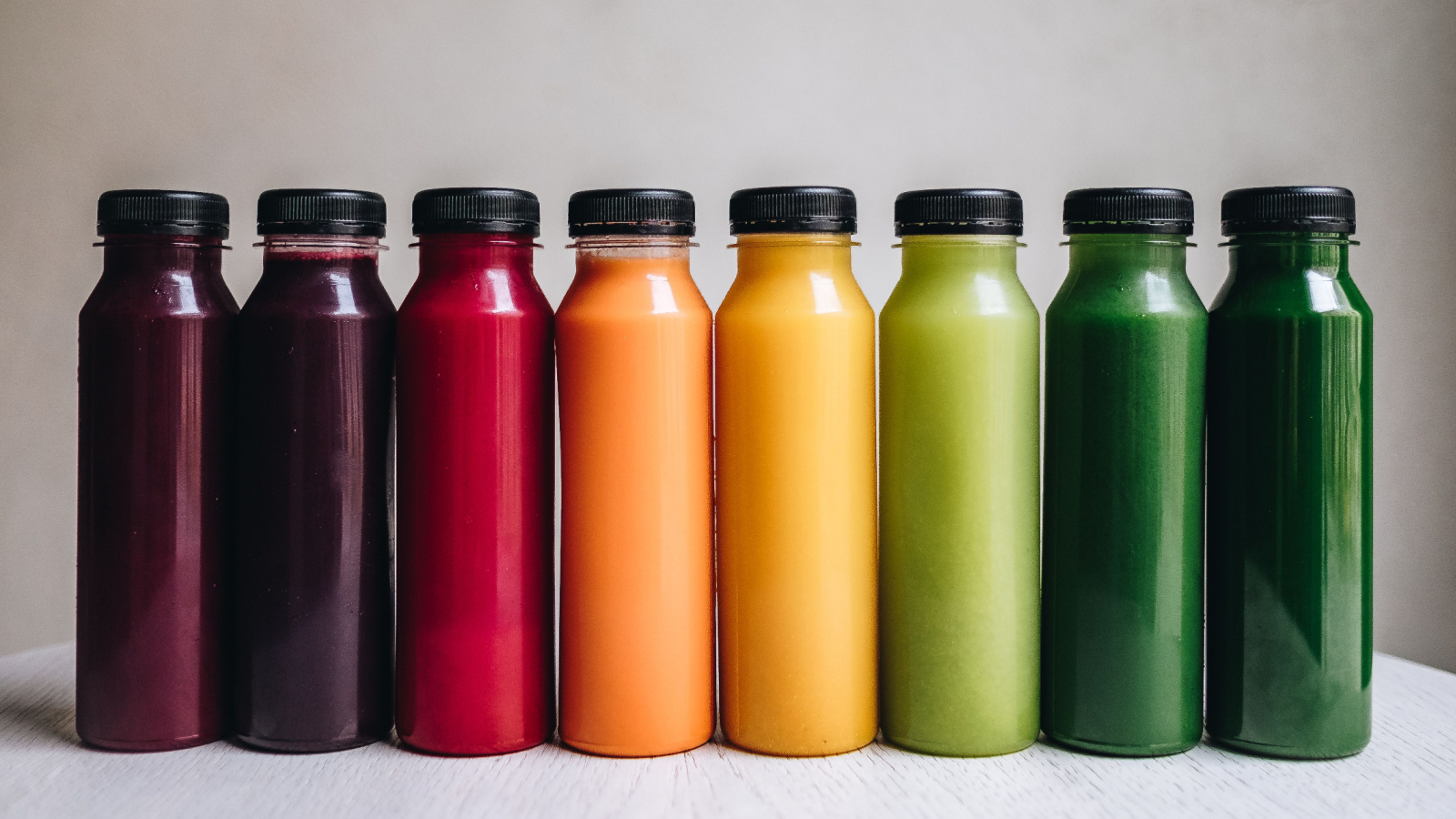
Cold pressed juice bottles carry high prices for small volumes. Marketing often highlights vitamins and freshness. Many juices contain fruit sugars similar to those in regular juice. Buying whole fruits costs less per serving. Blending or juicing at home reduces the markup. Bottles also require refrigeration and special processing. Portion sizes may not keep you full. Drinking juice can replace more filling foods. Packaging adds extra environmental cost. Comparing the price per millilitre shows the gap. Whole fruits offer fibre along with nutrients. Preparing drinks at home supports better grocery value.
Protein Fortified Snack Bars

Protein fortified snack bars often cost several dollars each. You pay for added protein blends and branding. Many bars include sugar or syrups as well. Portion sizes can be small for the price. Whole foods like eggs or yogurt cost less. Marketing can make bars seem necessary for health. Buying them regularly raises grocery spending quickly. Shelf-stable packaging adds to cost. Bulk ingredients can make similar snacks at home. Oats and nut butter work well together. Comparing protein per dollar shows differences. Choosing simple foods often offers better value.
Flavoured Greek Yogurt Cups
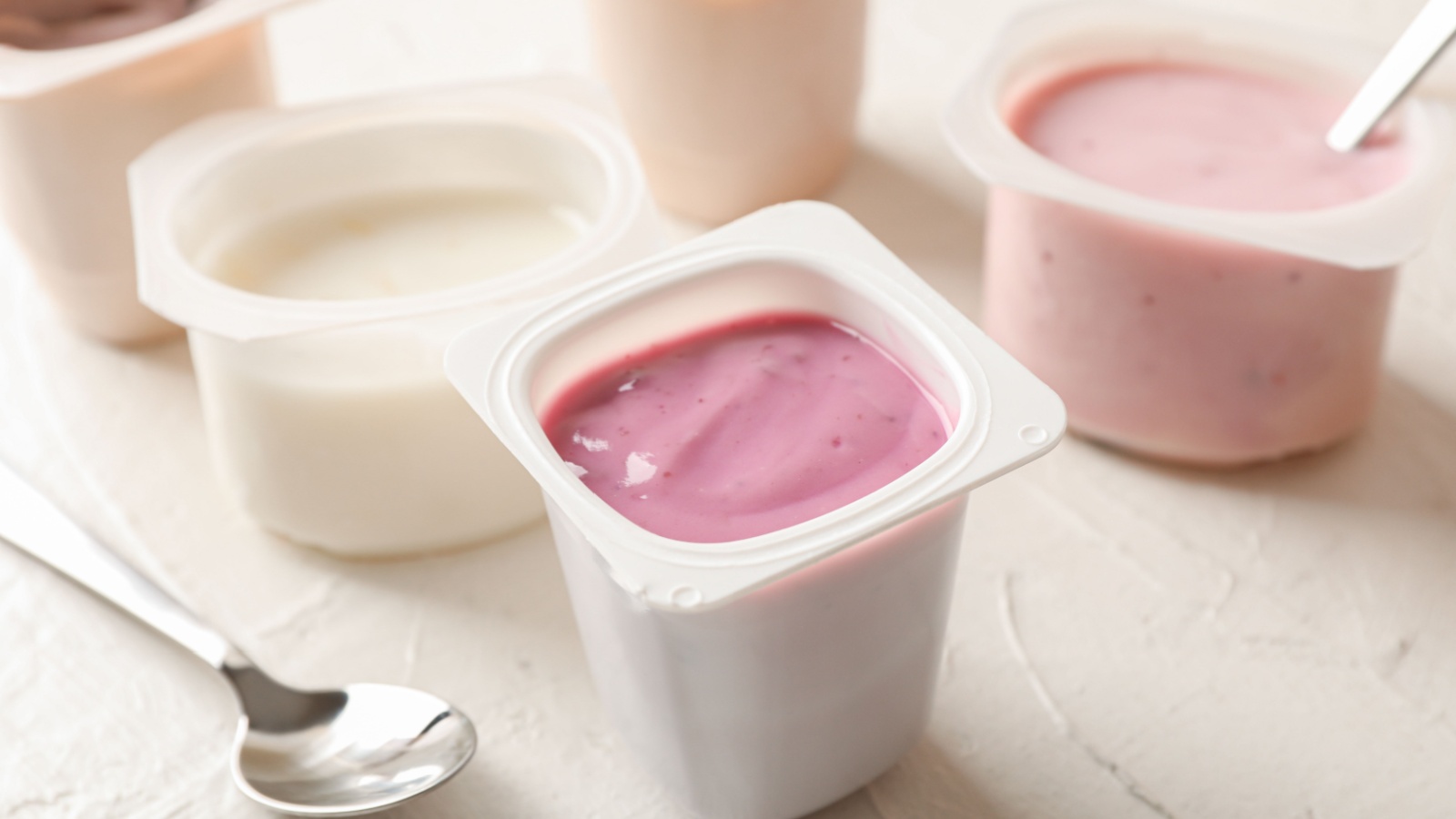
Flavoured Greek yogurt cups cost more than plain large tubs. You pay for small portions and added flavouring. Sugar content may be higher in flavoured versions. Plain yogurt allows flexible serving sizes. Adding fruit at home costs less overall. Individual cups also create more plastic waste. Multipacks may still cost more per gram. Larger containers last longer in the fridge. Greek yogurt works in meals and snacks. Comparing unit prices shows better value in tubs. Preparing your own flavours supports savings. It also gives better control over ingredients.
Plant-Based Milk in Small Cartons
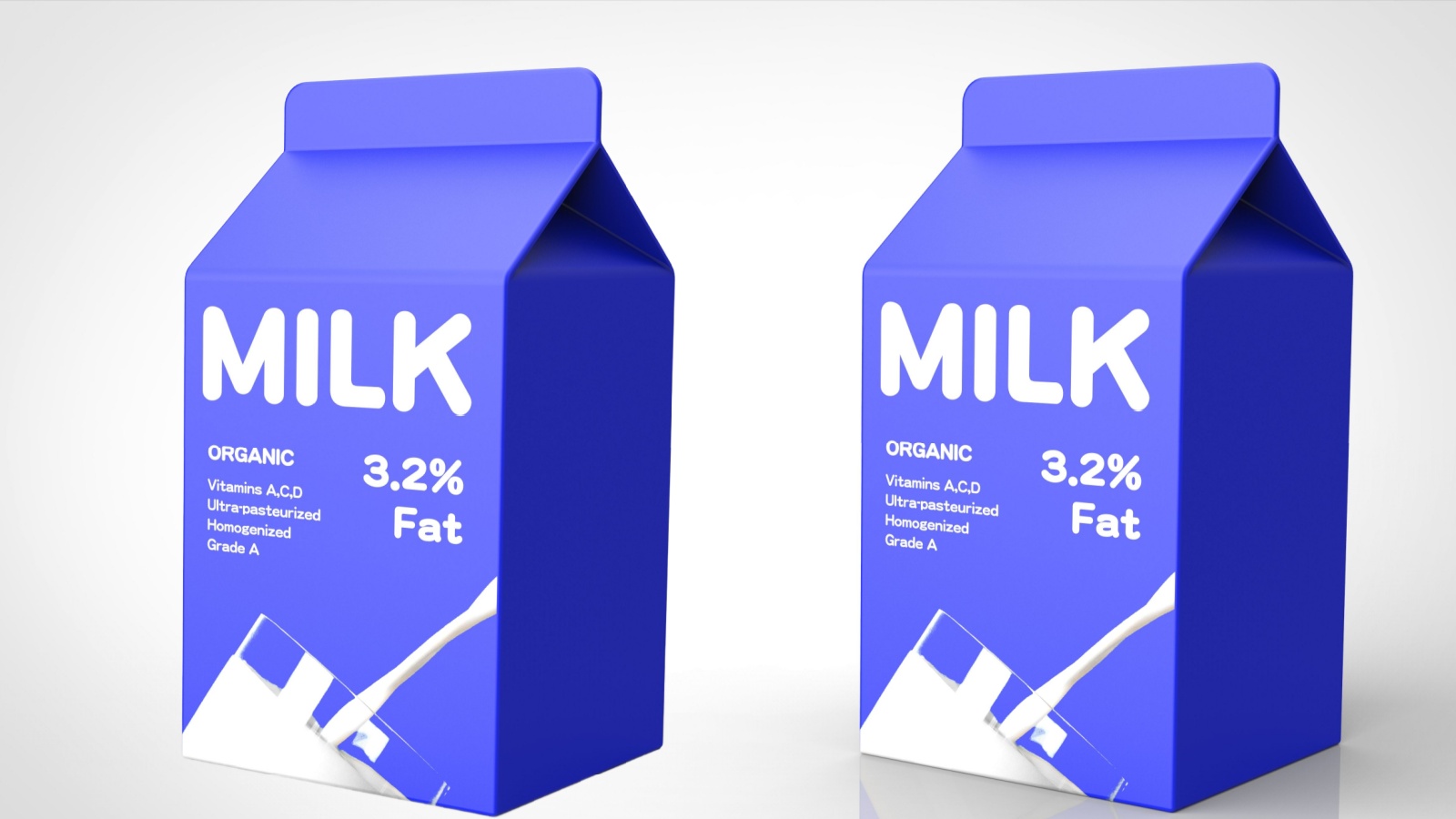
Plant-based milk in small cartons often costs more per litre. You pay for convenience and packaging size. Larger cartons usually offer better value. Ingredients like oats or almonds are inexpensive in bulk. Small cartons may be used up quickly. Refrigeration and shelf space raise retail costs. Some varieties also include added sweeteners. Making plant milk at home can reduce expenses. Comparing unit price per litre reveals differences. Buying larger formats stretches grocery budgets. Planning use helps avoid waste. Choosing size wisely supports better value.
Pre-Cut Vegetable Snack Trays
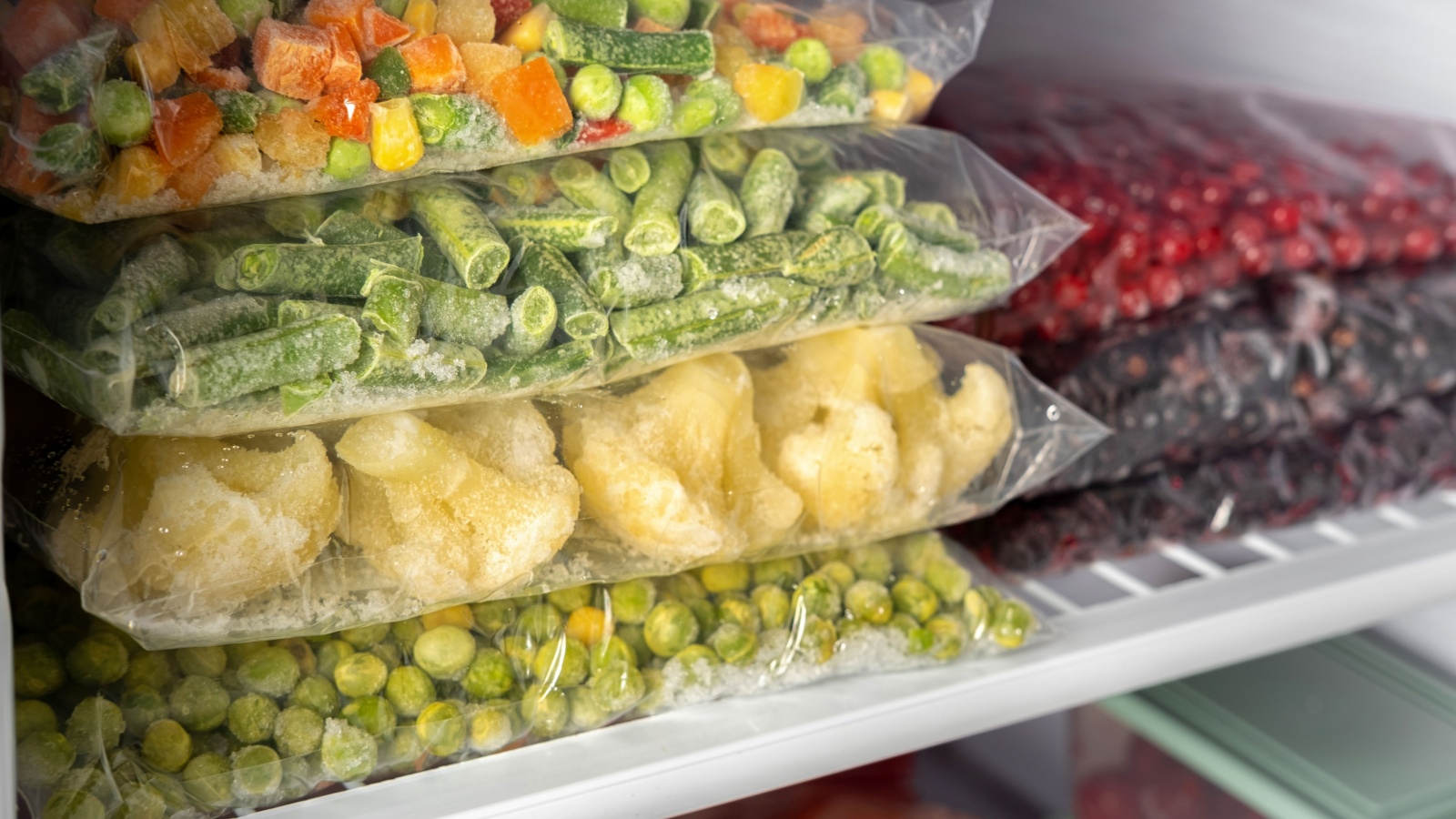
Pre-cut vegetable snack trays cost more than whole vegetables. You pay for washing, slicing, and plastic packaging. Portions often include more carrots than premium items. Dips inside trays add extra cost. Cut vegetables lose their freshness faster. Moisture buildup can shorten shelf life. Buying whole vegetables reduces the price per gram. Cutting at home takes only a few minutes. Reusable containers lower packaging waste. Comparing unit prices shows clear differences. Snack trays may spoil before finishing. Preparing vegetables yourself supports better value. It also allows choosing preferred varieties.
Chia Pudding Cups
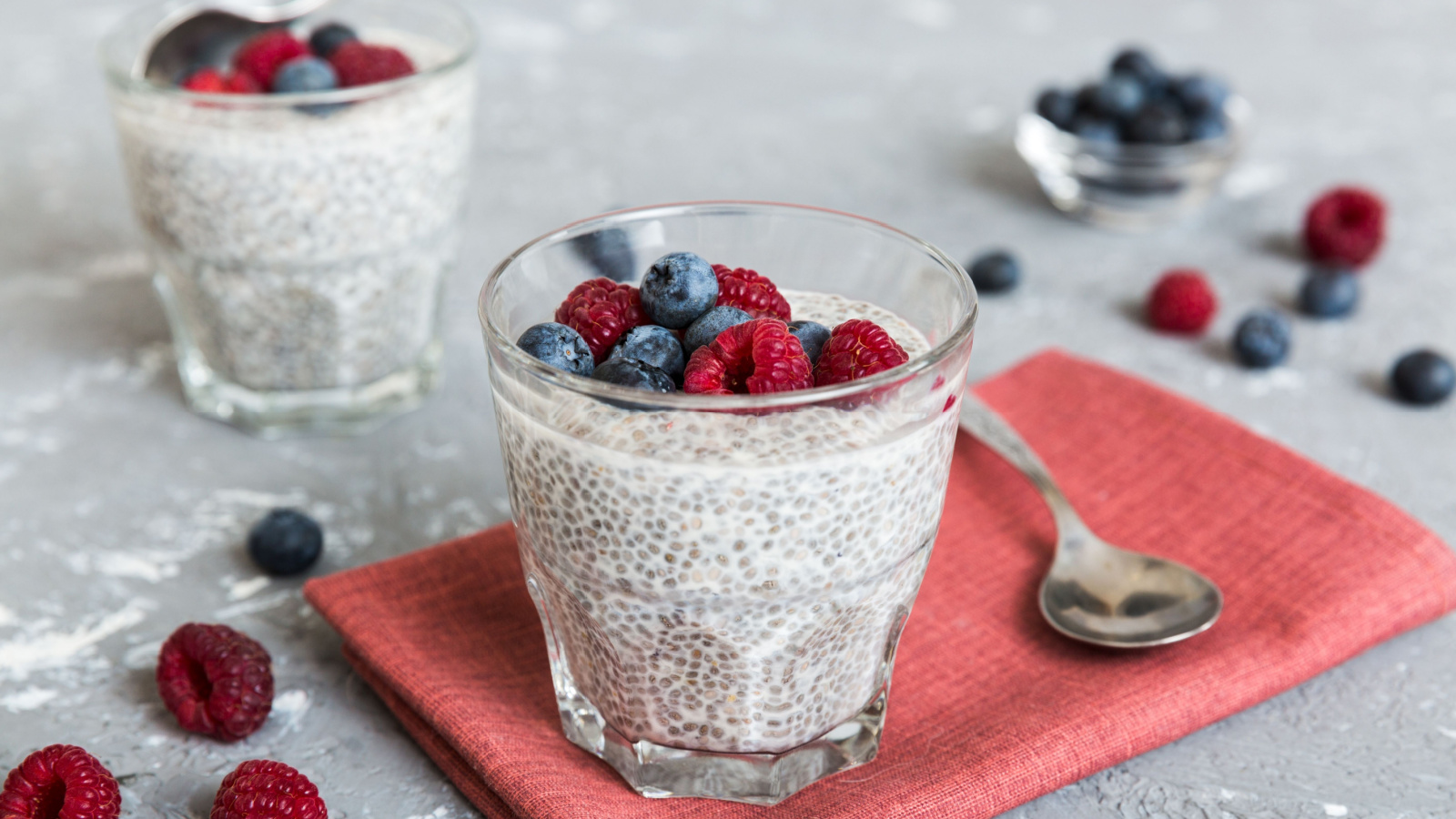
Chia pudding cups carry high prices for small servings. Ingredients include chia seeds, milk, and flavouring. Making chia pudding at home costs less. Seeds expand after soaking, creating multiple portions. Store cups often contain added sugar. Packaging and refrigeration increase retail cost. Portion sizes may not feel filling. Buying chia seeds in bulk lowers the price per serving. Homemade versions store well in the fridge. Comparing the cost per gram shows a large gap. Simple jars work for storage. Preparing pudding at home supports savings and ingredient control.
Organic Packaged Trail Mix
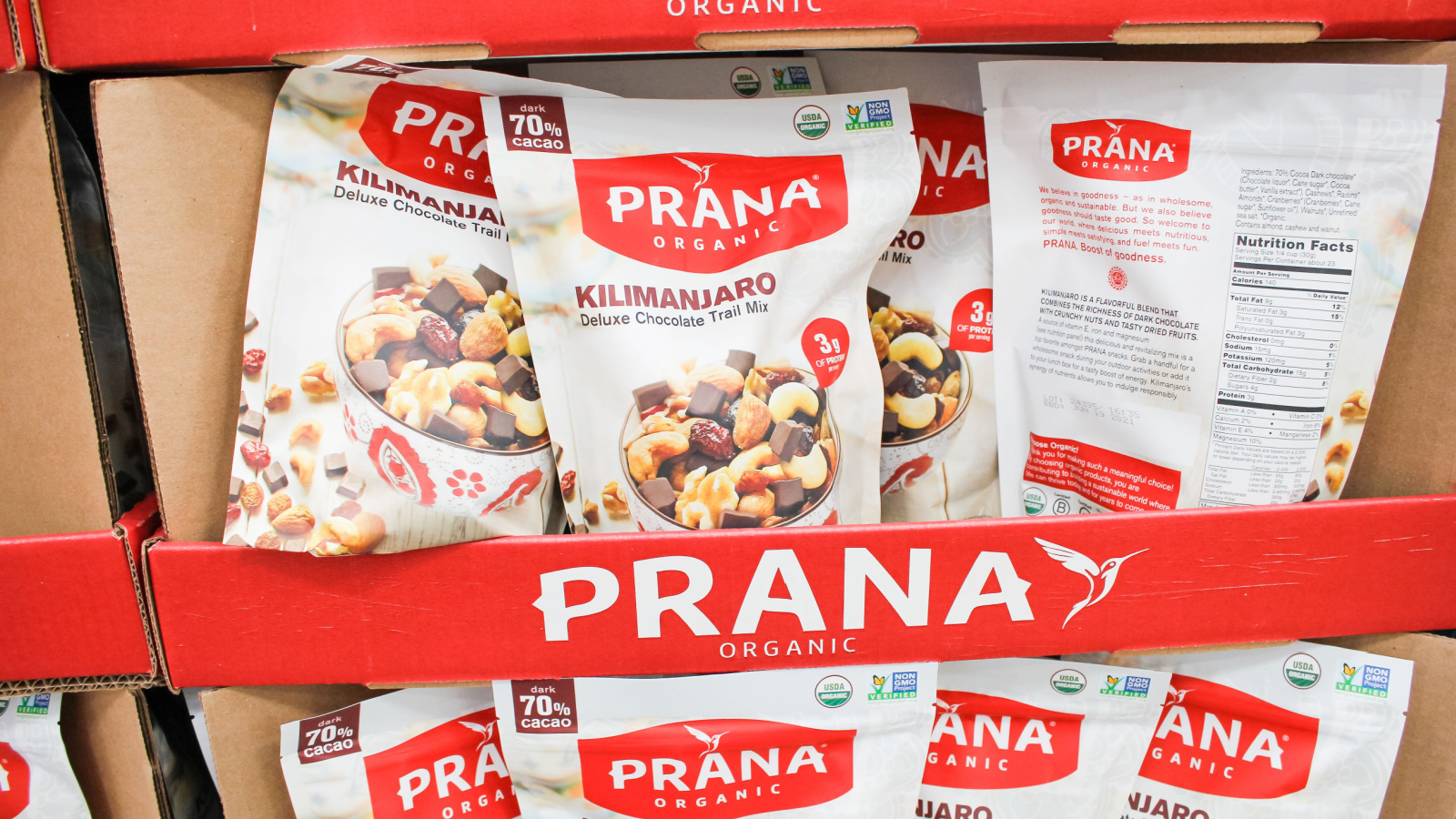
Organic packaged trail mix often costs more per gram. You pay for branding, sorting, and packaging. Nuts and dried fruit are cheaper when bought separately. Portion sizes in bags may be small. Some mixes include extra-sweetened pieces. Bulk bins usually offer better pricing. Making mixes at home allows for flexible ingredients. Large bags can lead to over-snacking. Comparing unit prices reveals higher markups. Packaging waste also increases with small bags. Homemade mixes stretch further across snacks. Choosing simple ingredients supports better grocery value.
Bottled Vitamin Water Drinks
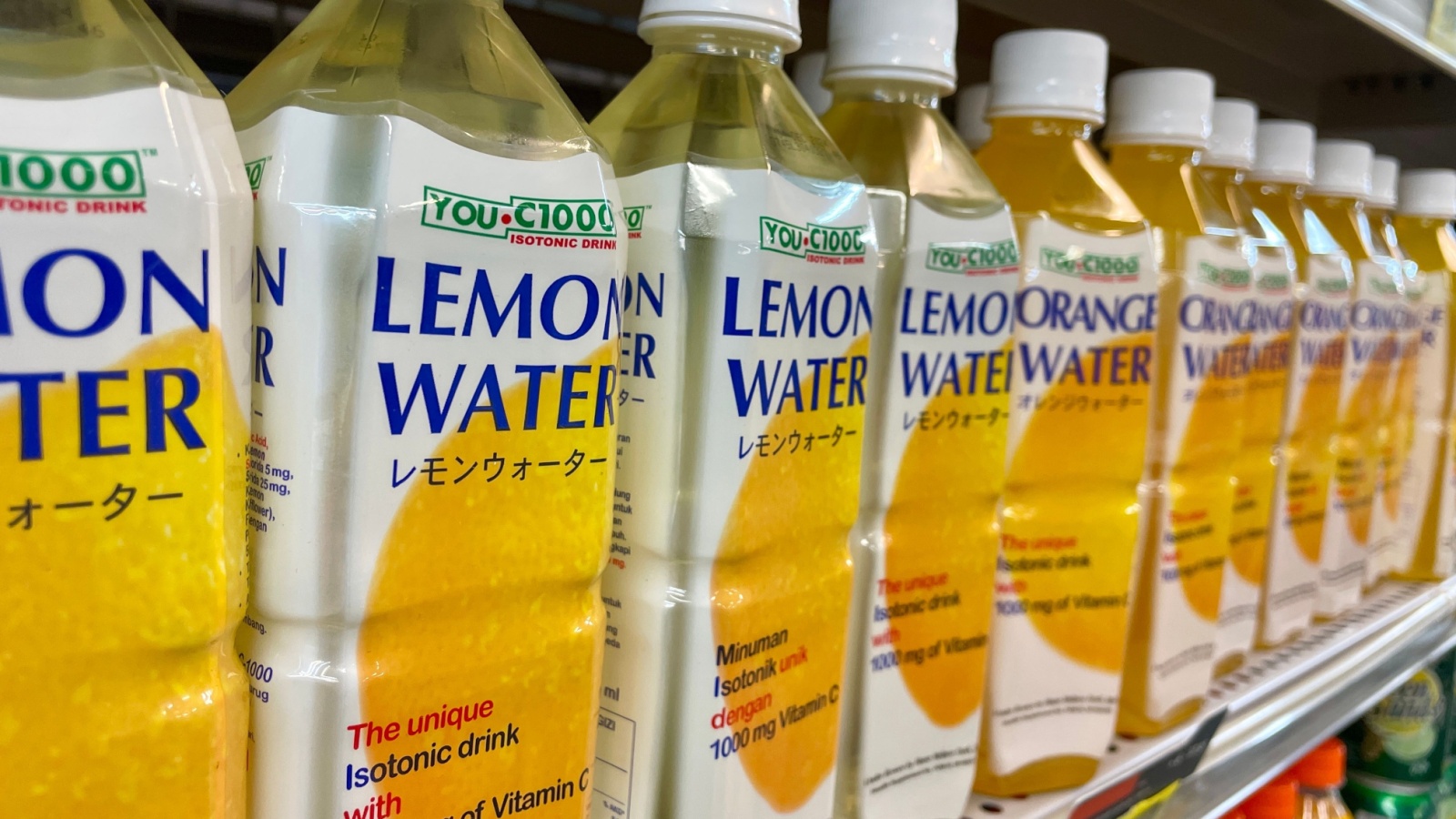
Bottled vitamin water drinks often cost more than regular beverages. Marketing highlights added vitamins and flavour. Many contain sugar or sweeteners. Tap water with fruit slices costs much less. Vitamins are also available through regular foods. Bottled drinks create extra plastic waste. Portion sizes may not justify the price. Buying these drinks often raises weekly spending. Comparing the cost per litre shows clear differences. Reusable bottles reduce expenses and waste. Preparing flavoured water at home is simple. Choosing basic hydration options supports better value.
Gluten-Free Packaged Cookies
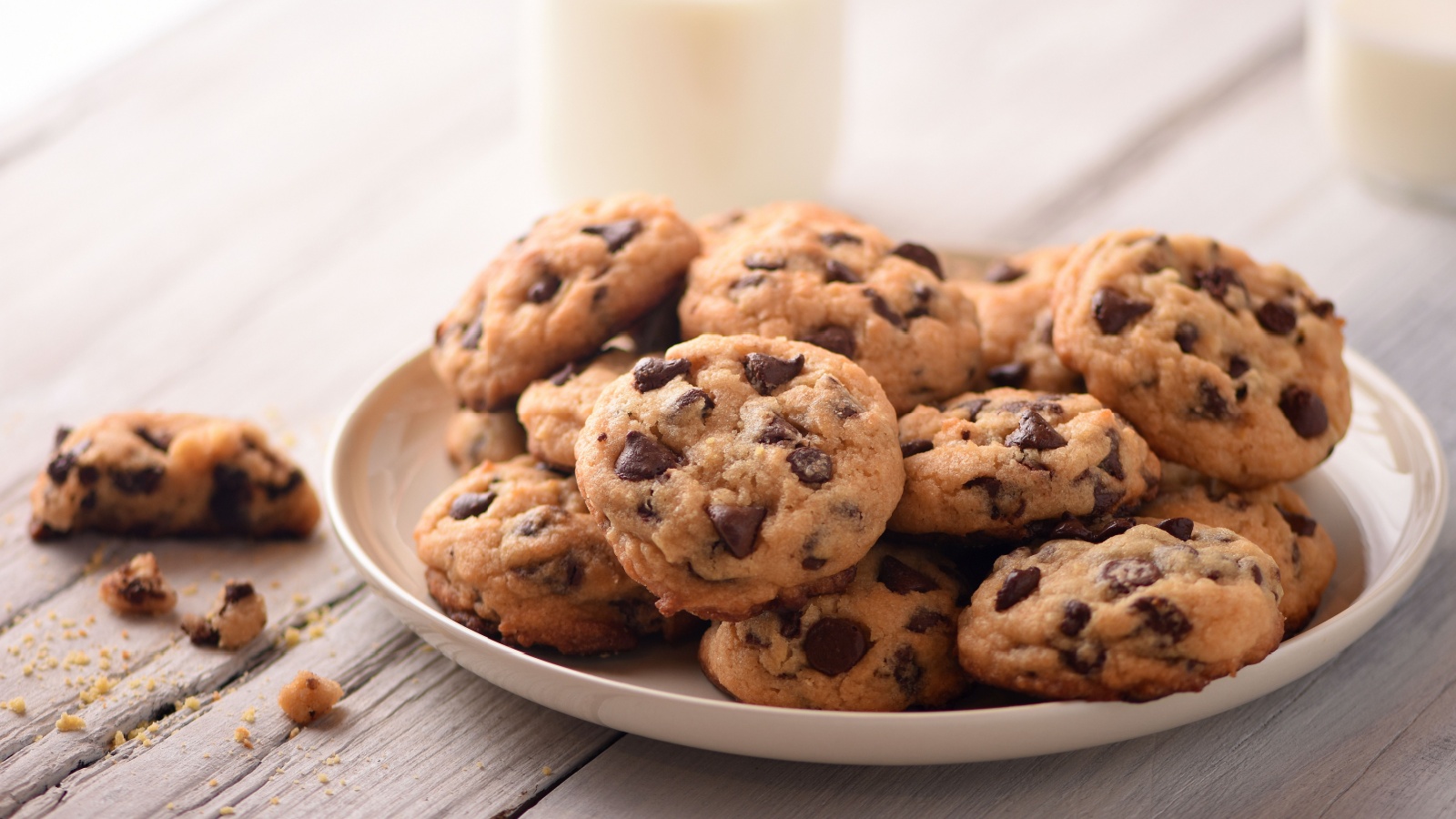
Gluten-free packaged cookies often carry higher prices. Specialty flours increase production costs. Packaging and branding also add to the price. Portion sizes may be small per box. Many products still include sugar and fats. Baking gluten-free cookies at home can cost less. Bulk flours last for many recipes. Store brands may still charge a premium. Comparing the price per gram shows the difference. These cookies can run out quickly in households. Homemade versions allow ingredient control. Preparing snacks yourself supports better grocery savings.
Ready To Drink Protein Shakes
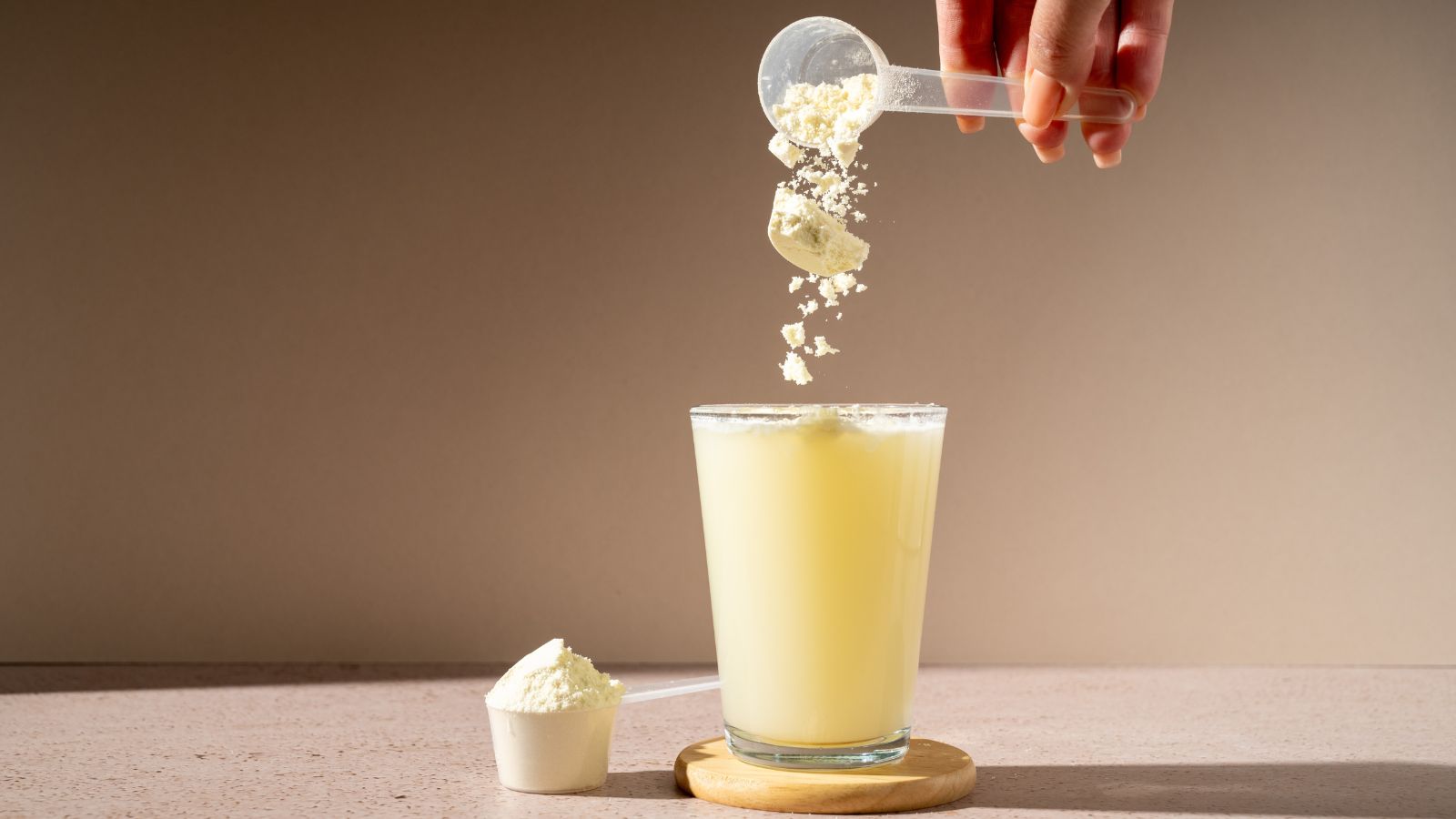
Ready-to-drink protein shakes often cost several dollars each. You pay for processing, packaging, and branding. Powdered protein mixed at home costs less per serving. Many bottled shakes include added sugars. Portion sizes may not replace a meal. Buying single bottles regularly raises costs fast. Shelf-stable packaging adds to the retail price. Blending milk, fruit, and protein powder is simple. Bulk tubs of powder stretch further. Comparing protein per dollar shows better value at home. Reusable bottles reduce waste. Preparing shakes yourself supports savings and flexibility.
Single-Serve Hummus Cups
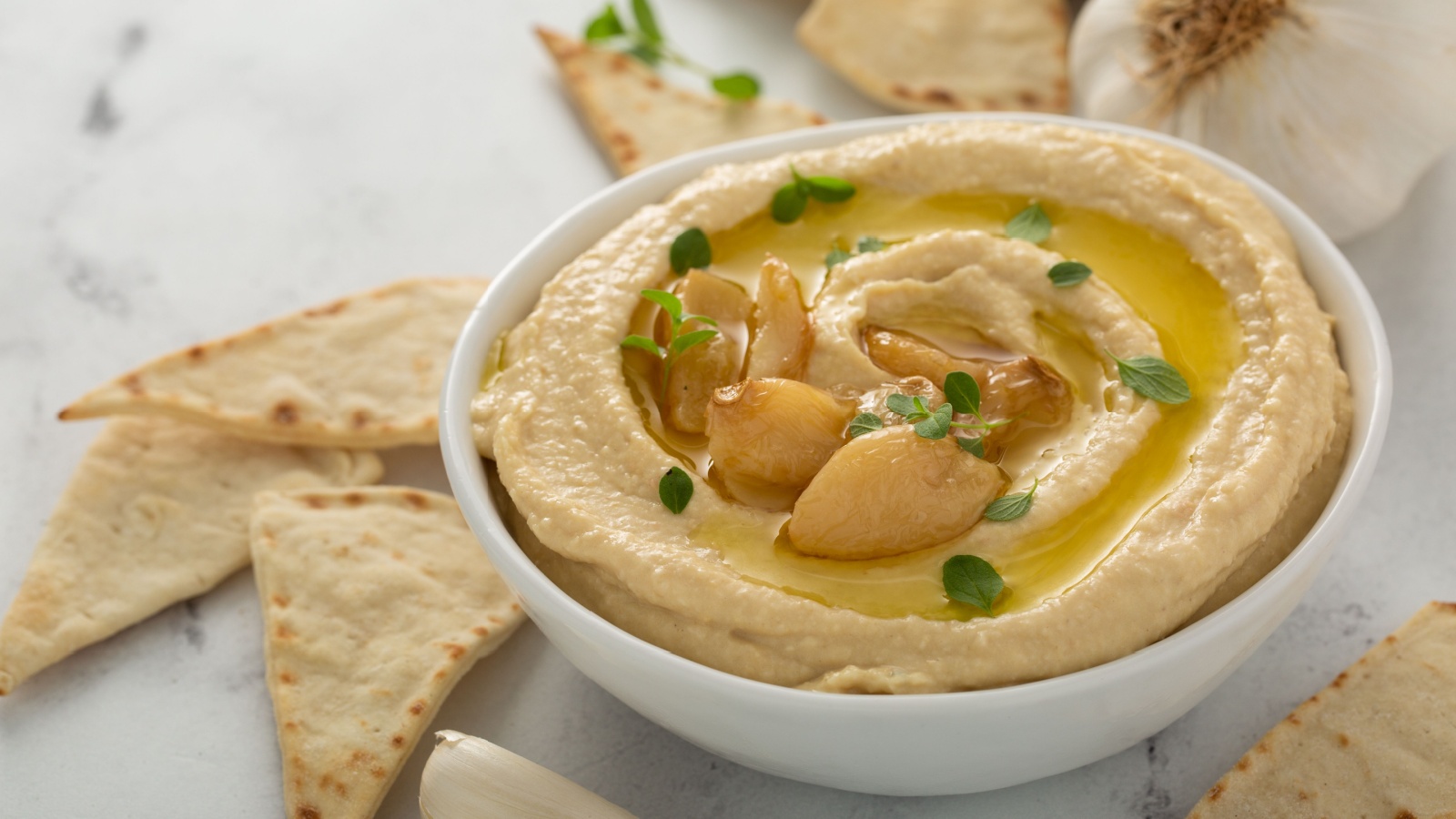
Single-serve hummus cups cost more per gram than larger tubs. You pay for individual packaging and portioning. Small cups also create more plastic waste. Hummus ingredients like chickpeas and oil are inexpensive. Larger containers usually offer better value. Portion sizes in cups may feel limited. Buying a tub allows for flexible servings. Homemade hummus takes little time to prepare. It stores well in the fridge. Comparing unit prices highlights the markup. Regular buyers spend more over time. Choosing larger formats supports better grocery value.
Smoothie Bowl Packs
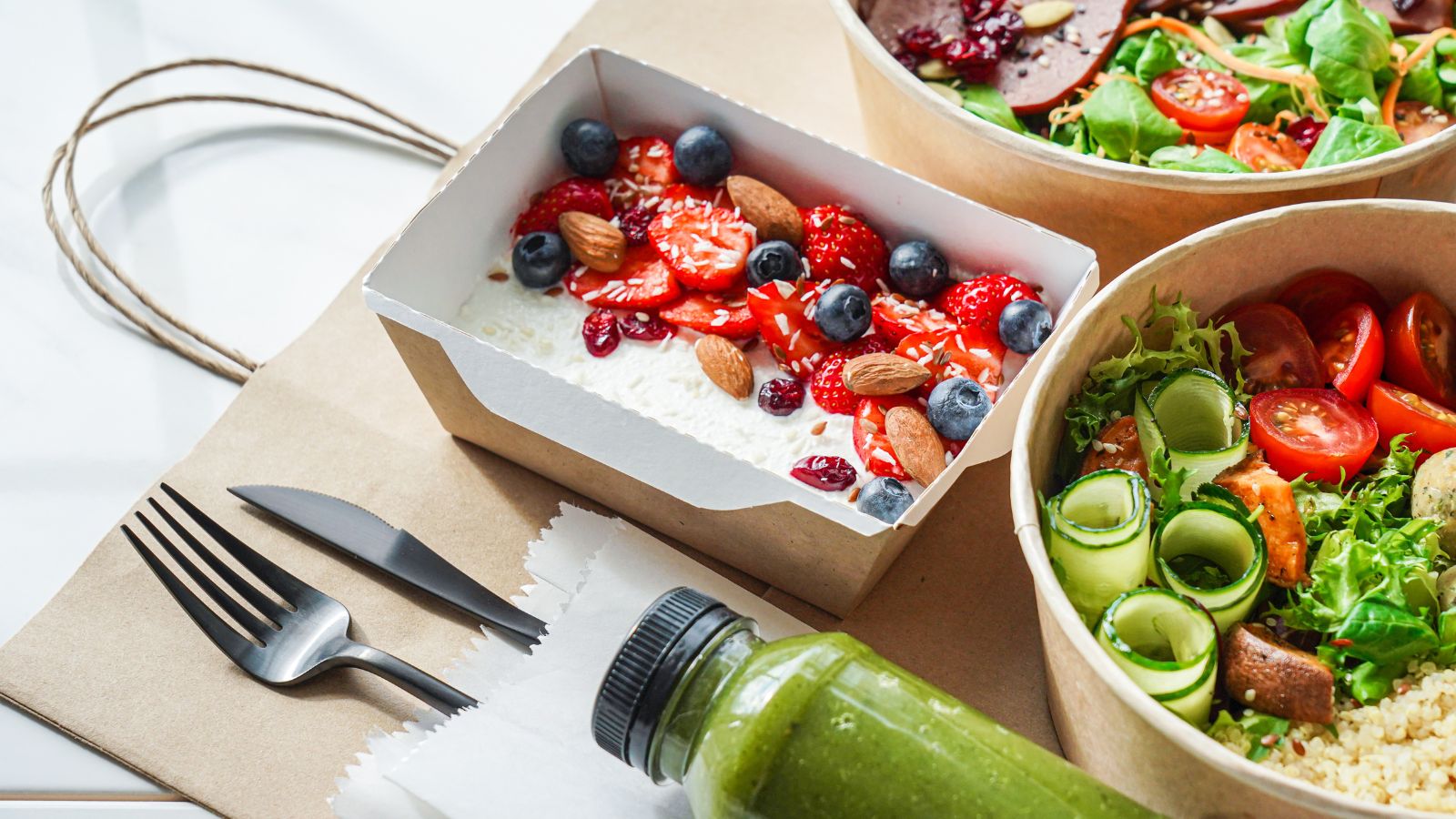
Smoothie bowl packs often carry high prices for frozen ingredients. You pay for portioning and specialty branding. Loose frozen fruit usually costs less per gram. Packs may include small ingredient amounts. Toppings often require separate purchases. Making smoothie bowls at home costs less. Bulk fruit bags stretch across many servings. Packaging waste also increases with single-use packs. Comparing unit prices shows the difference clearly. Blending at home takes only minutes. Homemade bowls allow flexible ingredients. Preparing them yourself supports better value.
Kale Salad Kits
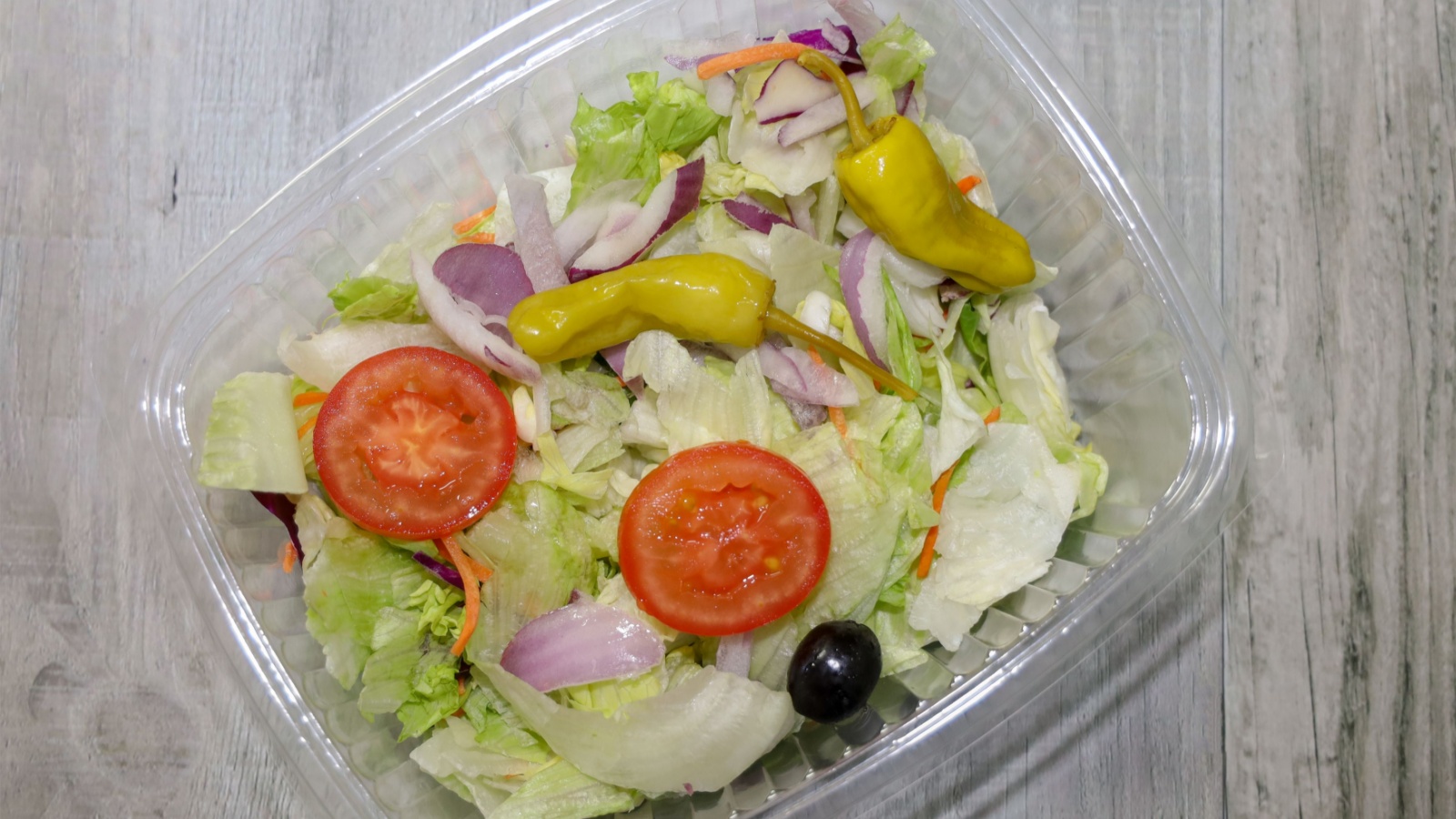
Kale salad kits cost more than whole kale bunches. You pay for washing, chopping, and dressing packets. Leaves can wilt quickly once opened. Dressing and toppings increase the total price. Buying whole kale offers more servings. Preparing kale at home takes little time. Simple oil and lemon make an easy dressing. Kits often contain small amounts of extras. Packaging waste also increases. Comparing unit prices reveals the markup. Homemade salads allow better portion control. Choosing whole ingredients supports better grocery savings.
Nut-Based Snack Clusters

Nut-based snack clusters often cost more than plain nuts. You pay for mixing, sweeteners, and packaging. Clusters may include added sugar or syrups. Portion sizes can feel small for the price. Buying nuts in bulk lowers the cost per gram. Mixing nuts with oats at home costs less. Packaged clusters also create extra waste. Comparing unit prices shows higher markups. Store versions may run out quickly. Homemade mixes offer flexible ingredients. Choosing simple nuts supports better value. It also allows control over added ingredients.
Cauliflower Rice Packs
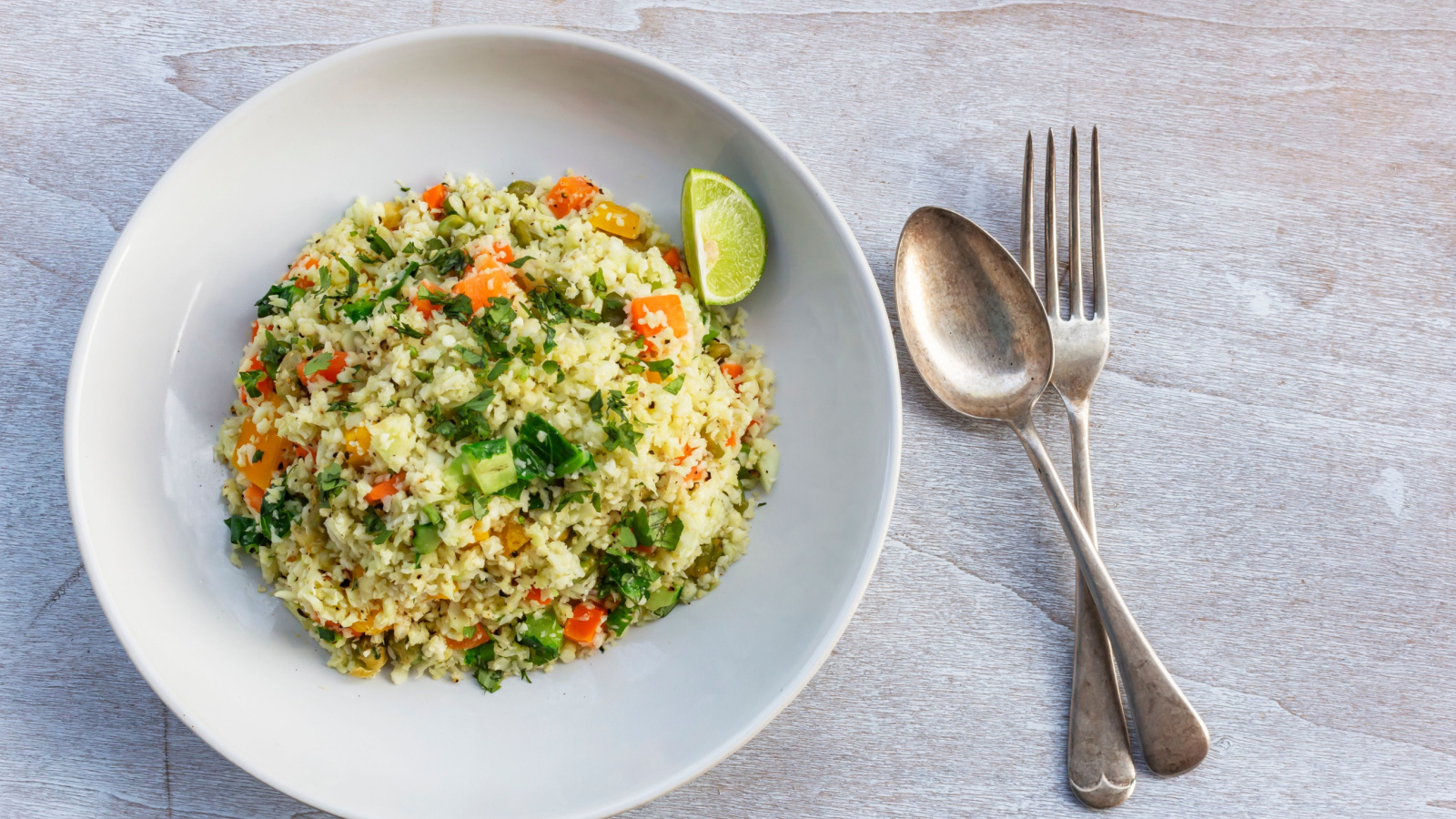
Cauliflower rice packs cost more than whole cauliflower heads. You pay for chopping and packaging. Pre-cut pieces spoil faster after opening. Whole cauliflower lasts longer in storage. Grating cauliflower at home takes a few minutes. Pack sizes may look large but weigh little. Packaging also adds plastic waste. Comparing unit prices shows a clear difference. Frozen plain vegetables can cost less. Preparing cauliflower yourself supports savings. It also gives better texture control in meals.
Avocado Oil Spray Bottles
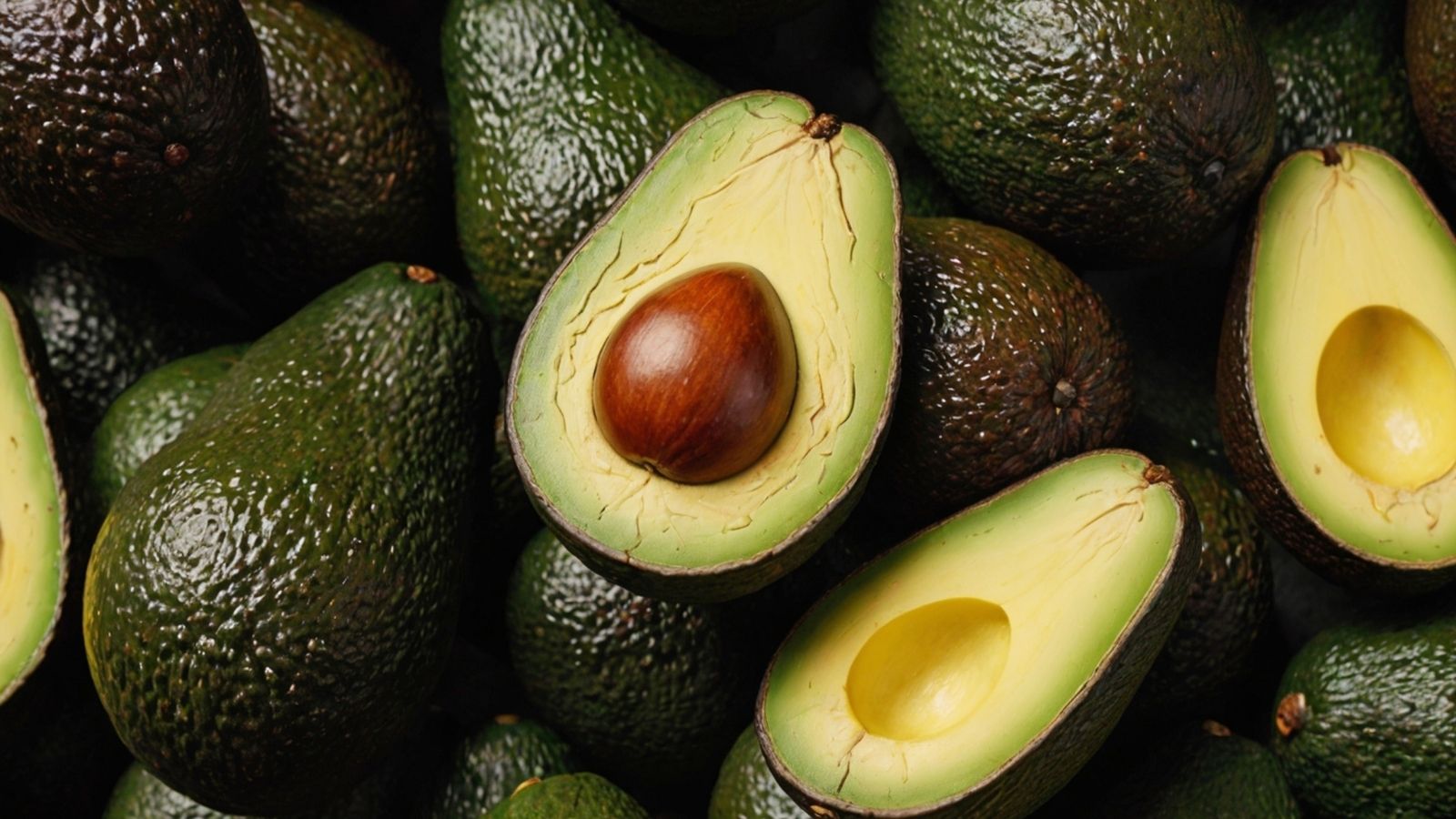
Avocado oil spray bottles often cost more per millilitre. You pay for spray mechanisms and branding. Regular avocado oil in bottles costs less. Sprays may contain added propellants. Portion sizes per spray can be small. Buying standard bottles offers better value. Using a refillable spray bottle saves money. Packaging waste is also lower with refills. Comparing unit prices highlights the markup. Cooking needs only small amounts of oil. Choosing regular bottles supports grocery savings. It also gives better control over ingredients.
Pre-Made Energy Bites
Pre-made energy bites often cost more than homemade versions. Ingredients include oats, nut butter, and sweeteners. Buying these separately costs less overall. Store versions may include small portion sizes. Packaging adds to the final price. Making energy bites at home takes little effort. Batches can last several days. Bulk ingredients stretch across many snacks. Comparing the cost per gram shows clear differences. Homemade options allow flavour changes easily. Choosing to prepare them yourself supports better grocery value.
22 Groceries to Grab Now—Before another Price Shock Hits Canada

Food prices in Canada have been steadily climbing, and another spike could make your grocery bill feel like a mortgage payment. According to Statistics Canada, food inflation remains about 3.7% higher than last year, with essentials like bread, dairy, and fresh produce leading the surge. Some items are expected to rise even further due to transportation costs, droughts, and import tariffs. Here are 22 groceries to grab now before another price shock hits Canada.
22 Groceries to Grab Now—Before another Price Shock Hits Canada
