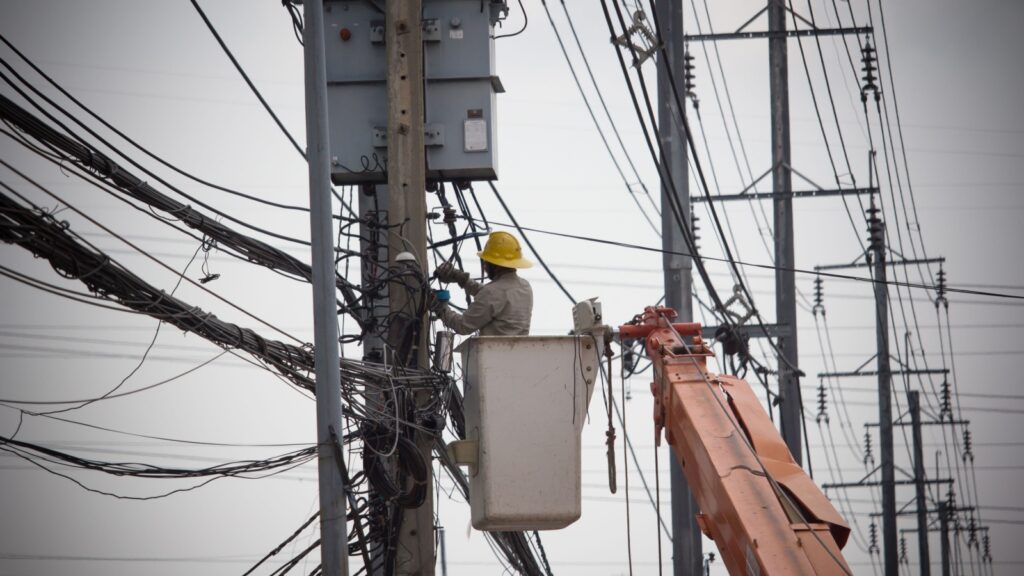
Across Canada, many high-paying roles no longer require a traditional university degree. These jobs demand skill, reliability, and specialized training rather than lengthy academic credentials. From trades to logistics, technology to frontline operational work, a combination of certifications, apprenticeships, and hands-on experience often leads to strong earning potential. Here are 18 jobs that pay shockingly well without a degree.
Powerline Technician
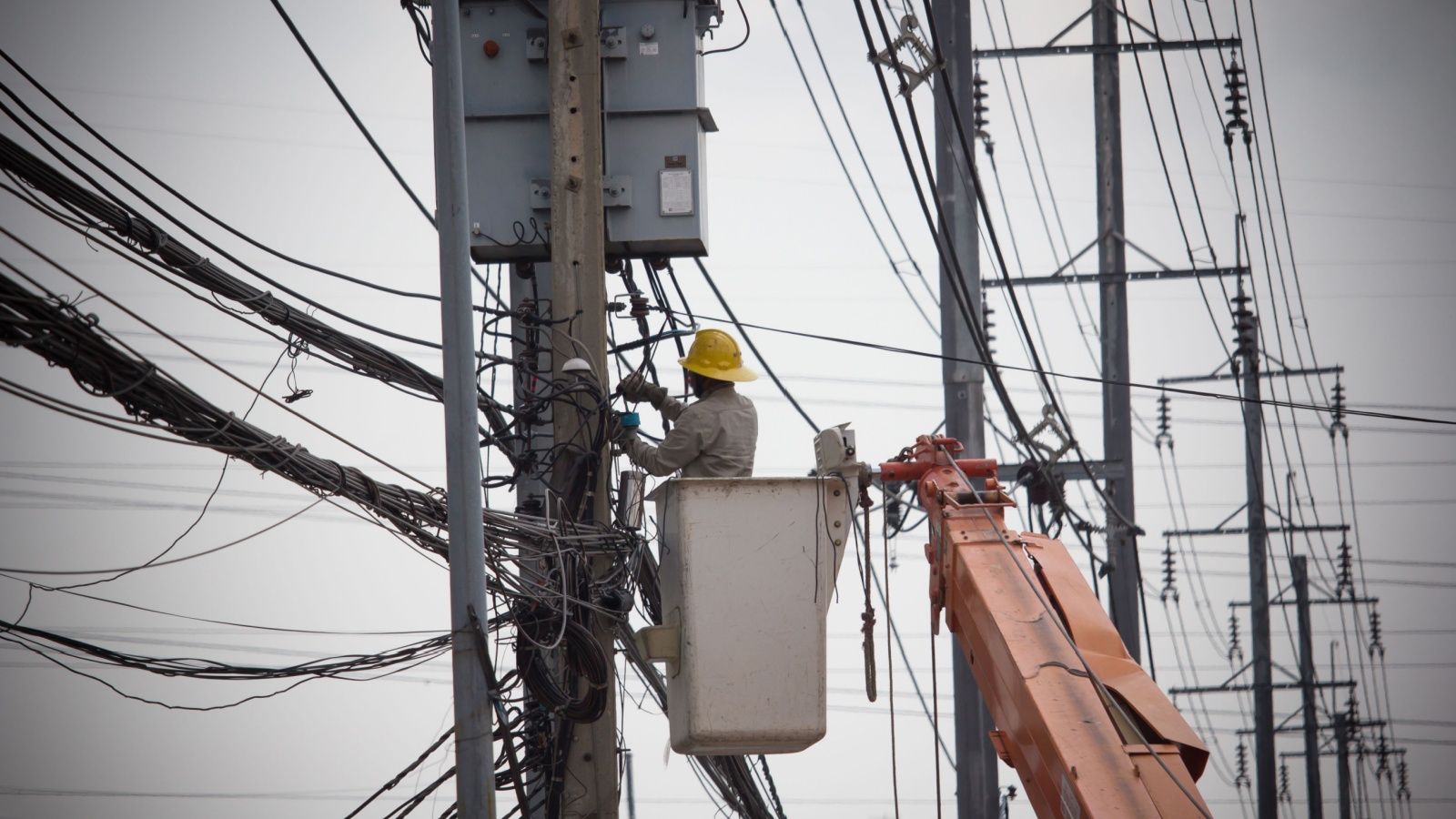
Powerline technicians build, repair, and maintain electrical transmission systems across urban and rural regions. The work requires physical capability, technical training, and comfort working at heights — but not a university degree. Apprenticeship programs across Canada prepare workers for installations, emergency repairs, and grid upgrades. Because electrical infrastructure is essential, demand remains steady, especially in provinces expanding renewable energy networks. Powerline technicians often earn high wages due to the skill level, risk, and responsibility involved. Overtime and emergency response work can significantly increase annual income.
Average annual salary: $85,000–$140,000+
Elevator Mechanic

Elevator constructors and mechanics handle installation, inspection, and repair of elevators, escalators, and automated building systems. The role requires precision, mechanical aptitude, and strong electrical knowledge, all developed through apprenticeship programs rather than university education. Demand is rising as high-density housing, commercial towers, and modernized infrastructure expand across Canadian cities. The trade is known for exceptional wages, often among the highest in the skilled-trades sector. Safety regulations and mandatory inspections ensure steady work year-round. Certification requirements vary by province, but the path is structured and attainable.
Average annual salary: $95,000–$155,000
Air Traffic Controller

Air traffic controllers oversee aircraft movement in Canadian airspace and on runways, ensuring safe and efficient operations. NAV CANADA provides paid training programs, meaning candidates can earn while they learn. The role demands focus, decision-making, and strong situational awareness, but no university degree is required. Successful candidates must pass aptitude assessments and complete intensive coursework. Compensation is high due to the level of responsibility and the continuous need for skilled controllers across airports nationwide. Shift work and operational requirements make the job demanding, yet the career remains one of the most financially rewarding non-degree paths in the country.
Average annual salary: $120,000–$190,000
Real Estate Agent / Realtor

Real estate professionals assist clients with buying, selling, and leasing property. While licensing requires provincial coursework and exams, a university degree is not necessary. The income potential varies widely, but high-performing agents in major markets can earn substantial commissions. The role demands market knowledge, negotiation skills, client management, and adaptability to shifting economic conditions. Real estate remains attractive because success depends on performance and consistency rather than formal academic credentials. Licensing timelines are relatively short, allowing individuals to enter the field quickly. Those who build strong networks and specialize in market segments often achieve impressive earnings without traditional formal education pathways.
Average annual salary: $60,000–$200,000+ (commission-based)
Commercial Pilot (Non-University Training Path)

Commercial pilots operating charter flights, bush planes, cargo routes, and regional services can enter the profession through flight school training rather than a university degree. Canada’s vast geography and remote communities ensure consistent demand for skilled pilots, particularly in northern regions. Earning potential rises as hours accumulate and roles shift toward specialized or commercial operations. Training requires dedication, licensing exams, medical certifications, and rigorous practice, but it remains an accessible alternative to formal post-secondary programs. The career offers strong long-term prospects and the possibility of transitioning into larger airline roles over time.
Average annual salary: $70,000–$160,000+
Heavy Equipment Operator

Heavy equipment operators manage machinery such as excavators, loaders, graders, and bulldozers used in construction, mining, and infrastructure development. These roles rely on hands-on training, certification, and mechanical understanding rather than university credentials. Operators are essential to major Canadian projects, from road building to large-scale resource operations. Earnings are strong due to the specialized skill set, long project timelines, and need for precision and safety. Many operators progress into supervisory roles or equipment training positions. The trade offers mobility across provinces and steady employment in both private and public sectors.
Average annual salary: $75,000–$125,000
Construction Superintendent

Construction superintendents oversee job sites, manage crews, coordinate schedules, and ensure work meets building codes and safety standards. Many begin as tradespeople and move into supervisory roles based on experience rather than degrees. The earning potential increases significantly with project size and responsibility level. Superintendents are critical in residential, commercial, and industrial construction projects across Canada. Their expertise comes from hands-on knowledge of materials, timelines, and trade sequence rather than classroom theory. The role offers strong income, long-term demand, and clear advancement opportunities for those with leadership skills and industry experience.
Average annual salary: $80,000–$135,000
Long-Haul Transport Driver

Canada’s supply chain depends heavily on long-haul truck drivers, especially for interprovincial and cross-border routes. A commercial licence and specialized training open the door to roles that provide strong earnings, particularly for those willing to take extended routes or operate specialized freight units. The job requires discipline, safety awareness, and endurance, but not a university education. Driver shortages across the country continue to boost demand, leading to competitive wages and signing incentives. Many drivers eventually transition to owning their own trucks or running small logistics businesses, further increasing earning potential.
Average annual salary: $65,000–$120,000 (team drivers may exceed this)
Industrial Electrician

Industrial electricians work in factories, processing plants, refineries, and large manufacturing facilities. Their responsibilities include installing and repairing electrical systems, maintaining automation equipment, and ensuring operational safety. The role requires apprenticeship training, Red Seal certification, and ongoing skill development — but not a university degree. Because industrial systems are complex and downtime is costly, employers value electricians who can troubleshoot quickly and accurately. Wages reflect the high skill level and safety requirements. Industrial electricians often earn more than many college-educated roles, and job stability remains strong due to continuous demand for electrical expertise across Canadian industries.
Average annual salary: $70,000-$85,000
Plumber (Red Seal Journeyperson)

Plumbers handle residential, commercial, and industrial systems that keep water, drainage, and heating infrastructure functioning safely. The career path runs through a structured apprenticeship, combining paid on-the-job learning with technical training — no university degree required. Demand remains steady across Canada due to aging infrastructure, new construction, and constant repair needs. Red Seal plumbers often command strong wages, especially in fast-growing cities or resource-heavy regions. The work requires problem-solving, accuracy, and the ability to navigate complex building systems. Many plumbers progress into contracting, inspection, or business ownership, significantly increasing earning potential. This combination of technical skill, job security, and upward mobility makes plumbing one of the most reliable high-income paths without formal post-secondary degrees.
Average annual salary: $70,000-$95,000+
Firefighter

Firefighters undergo rigorous physical, technical, and emergency-response training, usually through fire academy programs rather than university degrees. The role demands discipline, teamwork, and the ability to operate under pressure. Beyond emergency calls, firefighters handle inspections, community safety education, and incident prevention. Compensation is strong due to the complexity and risk involved, with structured benefits, overtime opportunities, and clear salary progression. Municipalities across Canada maintain continuous recruitment, and specialized teams — hazardous materials, technical rescue, or wildfire units — offer additional earning potential. The profession provides stability, meaningful work, and a clear path for advancement based on skill and experience rather than academic credentials.
Average annual salary: $70,000–$120,000
Commercial Diver

Commercial diving is one of Canada’s most specialized non-degree careers, covering underwater construction, inspection, welding, and salvage operations. Training takes place through certified diving schools, followed by progressive industry experience. Divers work on bridges, ports, dams, pipelines, and offshore structures, often in challenging and high-risk environments. Compensation reflects the technical and physical demands, with daily rates and hazard pay significantly increasing income. Canada’s marine infrastructure and resource projects create steady demand for divers skilled in both construction and inspection. The career path rewards precision, safety, and resilience, offering a level of earning potential rarely found outside formal post-secondary education.
Average annual salary: $70,000–$150,000+ (can spike higher with offshore work)
Millwright (Industrial Mechanic)

Millwrights install, maintain, and repair industrial machinery in factories, power plants, mining sites, and processing facilities. The apprenticeship route provides structured training without requiring a university degree. Millwrights must understand hydraulics, pneumatics, robotics, and mechanical systems, making them essential to industrial operations. Downtime in these facilities is costly, so millwrights with strong troubleshooting abilities are highly valued. Wages reflect the technical complexity and the constant need for reliable maintenance. Many millwrights advance into supervisory roles, project leadership, or consulting positions. As automation expands, the profession continues evolving, offering long-term stability and high earning potential across Canadian industries.
Average annual salary: $60,000-$85,000
Oil and Gas Field Operator
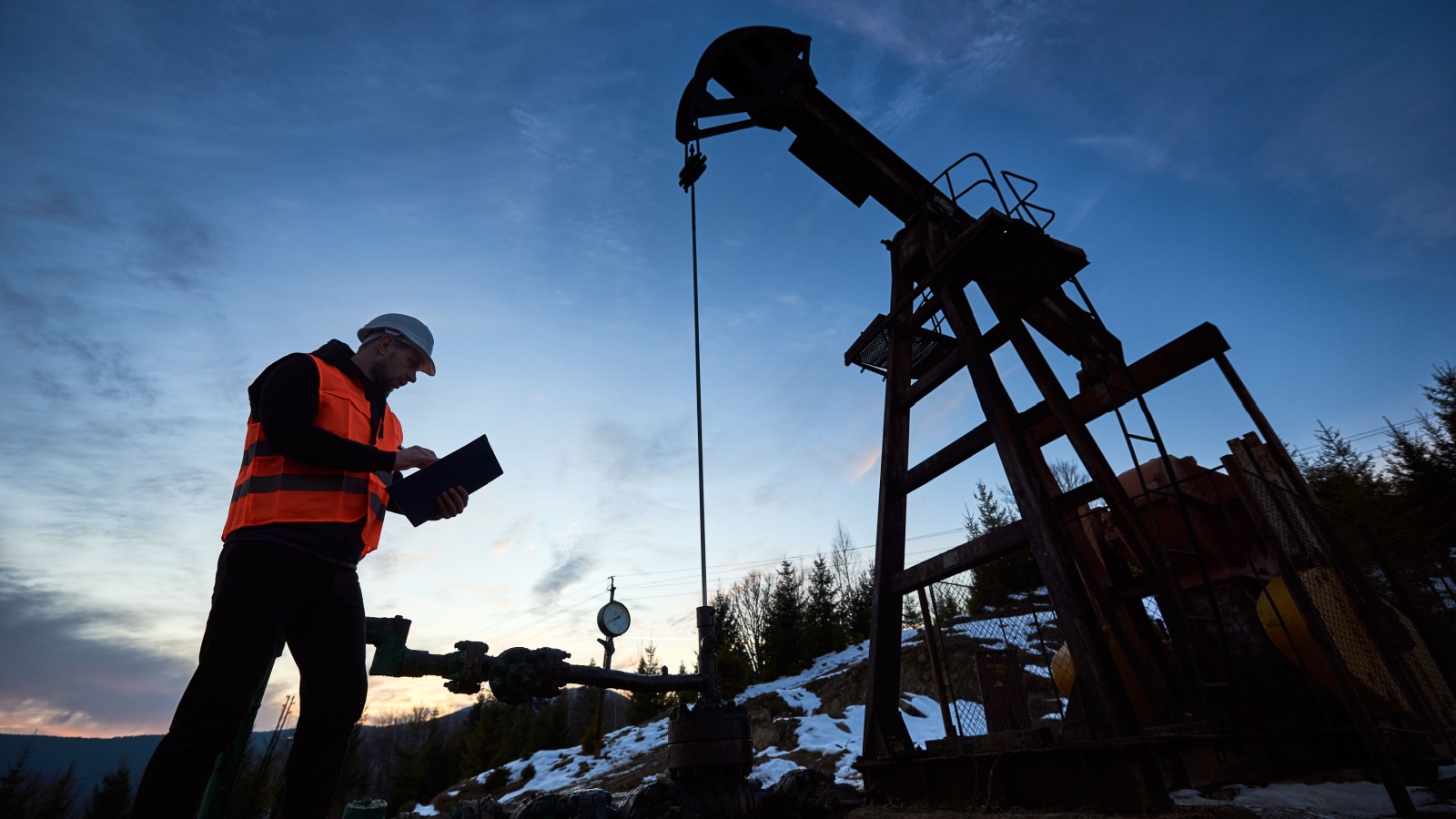
Field operators oversee extraction sites, drilling operations, and production systems in Canada’s energy sector. While the industry cycles with market conditions, wages remain high due to the technical demands and remote nature of much of the work. Training typically involves industry certifications, safety courses, and on-site experience rather than university programs. Operators manage equipment, monitor production levels, perform maintenance, and respond to operational issues. Rotational schedules and specialized shift work can add significantly to annual income. The career suits individuals comfortable with structured routines, physical work, and remote environments, offering strong compensation without academic prerequisites.
Average annual salary: $90,000–$160,000+ (overtime can push much higher)
Police Officer

Police officers undergo structured academy training and must meet physical and background standards, but do not require a university degree. Municipal and federal forces offer competitive salaries, extensive benefits, and defined career progression. Officers work across patrol, investigations, traffic services, community policing, and specialized units. The job demands communication skills, situational judgment, and emotional resilience. Training emphasizes law, conflict management, and safety procedures. Income grows with experience, overtime, and assignment to specialized units such as canine, tactical, or major crimes. Policing remains a stable, well-compensated career grounded in skill and service rather than academic credentials.
Average annual salary: $70,000–$120,000
Web Developer (Self-Taught or Bootcamp Path)

The tech sector continues to hire web developers who build sites, interfaces, and digital systems using coding languages such as JavaScript, HTML/CSS, and frameworks like React or Vue. Many successful developers are self-taught or trained through bootcamps, online programs, or co-op pathways rather than university degrees. Employers prioritize portfolios, problem-solving ability, and practical experience. Remote work and freelance opportunities further increase earning potential. Canada’s digital economy creates consistent demand across startups, agencies, and corporate teams. Developers who specialize in front-end or full-stack roles often earn strong salaries, demonstrating that modern tech careers can be accessible without traditional education.
Average annual salary: $60,000–$110,000 (freelancers may vary widely)
Sales Representative (Specialized Industries)

Sales roles in industries such as technology, pharmaceuticals, logistics, and manufacturing offer high compensation through commission structures and performance-based incentives. While product knowledge and communication skills are essential, a university degree is not. Many representatives learn through in-house training, mentorship, and industry certifications. Earnings can exceed expectations quickly for those who develop strong client relationships and deep familiarity with their market. The career offers mobility, flexibility, and the potential to transition into account management or leadership positions. Success depends on consistency and strategic planning rather than academic background, making it one of the most accessible high-income pathways in Canada.
Average annual salary: $70,000–$150,000+ (commission can be huge)
Entrepreneur / Small Business Owner

Starting a small business — whether in trades, retail, services, or digital industries — remains one of the most accessible high-income paths without a degree. Earnings vary widely, but successful owners often surpass traditional salaried roles. Entrepreneurship rewards initiative, market awareness, and adaptability. Many Canadians launch businesses based on existing skills: contracting, hospitality, e-commerce, repairs, landscaping, or niche services. While risk is inherent, the potential for long-term financial growth and personal independence is substantial. Access to mentorship, online learning, and government programs continues to expand opportunities for aspiring entrepreneurs across the nation. Average annual salary: $65,000–$110,000 (might vary depending on the category of business)
21 Products Canadians Should Stockpile Before Tariffs Hit

If trade tensions escalate between Canada and the U.S., everyday essentials can suddenly disappear or skyrocket in price. Products like pantry basics and tech must-haves that depend on are deeply tied to cross-border supply chains and are likely to face various kinds of disruptions
21 Products Canadians Should Stockpile Before Tariffs Hit
