
As spring 2026 arrives, many Canadians are noticing something frustrating when reviewing their monthly statements. Bills for everyday services such as phone plans, internet, banking, and subscriptions seem to be increasing, even when base prices remain unchanged. The reason often lies in new or expanded fees that are quietly added to existing services. These charges are sometimes small on their own, but over time, they significantly increase overall expenses. Here are 18 new fees showing up on Canadian bills this spring.
“Network Enhancement” Fees on Mobile Plans

Many Canadian telecom providers have introduced or increased what they call network enhancement or infrastructure fees. These charges are often presented as necessary investments in improving service quality, expanding coverage, or upgrading technology such as 5G networks. However, Canadians are increasingly noticing that these fees appear even when their service experience has not changed significantly. The fee is usually added as a small monthly charge, which may not seem significant at first glance. Over time, however, it increases the total cost of mobile plans without being included in the advertised base price. This creates a disconnect between what customers expect to pay and what they are actually billed.
Administrative Fees on Internet Bills

Internet service providers across Canada have begun adding administrative or service fees that are separate from the base plan cost. These fees are often described in vague terms, such as account maintenance or operational costs. Canadians frequently notice these charges only after receiving their bill, as they are not always prominently displayed during sign-up. While each fee may be relatively small, the cumulative effect over several months becomes noticeable. Customers often question what these fees actually cover, especially when they already pay for internet access. The lack of transparency around these charges has led to increased frustration.
Paper Billing Fees

Although digital billing has become standard, some companies now charge extra for customers who request paper statements. Canadians who prefer physical bills for record-keeping or accessibility reasons may find themselves paying additional fees each month. These charges are often justified as environmental initiatives, encouraging customers to switch to electronic billing. However, not all customers find digital access convenient or reliable. The fee effectively penalizes those who choose or require paper statements. Over time, this small monthly charge adds to overall costs, especially for individuals managing multiple accounts.
“Convenience Fees” for Payment Methods

Convenience fees are becoming more common across various service providers in Canada. These charges apply when customers choose certain payment methods, such as credit cards or in-person transactions. While companies present these fees as covering processing costs, Canadians often feel they are being charged simply for paying their bills. The fee structure can vary by provider, making it difficult for consumers to predict total costs. Over time, these charges can add up, especially for households managing multiple recurring payments. Canadians are becoming more aware of how payment choices affect their expenses.
Account Maintenance Fees on Bank Accounts

Banking fees have long been a concern in Canada, but many customers are noticing new or increased account maintenance charges this spring. Even basic chequing accounts may include monthly fees unless certain balance requirements are met. Canadians who do not maintain minimum balances can face additional costs each month. Some banks have also introduced tiered fee structures that make it harder to avoid charges. These fees are often positioned as covering account services, but many customers feel they are paying for access to their own money.
ATM Withdrawal Fees from Third-Party Machines

Using ATMs outside of a bank’s network can result in multiple charges, and these fees have become more noticeable in recent months. Canadians may pay a fee from the ATM provider as well as an additional charge from their own bank. These combined costs can make simple cash withdrawals surprisingly expensive. As fewer people carry cash regularly, unexpected ATM usage can lead to frustration when fees appear. Canadians are becoming more cautious about where they withdraw money and are planning ahead to avoid unnecessary charges. The visibility of these fees has increased awareness about how everyday banking habits can impact overall expenses.
“Service Upgrade” Fees on Streaming Subscriptions

Streaming services have started introducing new pricing tiers and upgrade fees that affect Canadian subscribers. While base subscription prices may remain unchanged, additional charges are often required for features such as higher video quality, multiple screens, or ad-free viewing. Canadians who initially signed up for simple plans may find themselves paying more to maintain the same experience. These changes are often introduced gradually, which makes them less noticeable at first. Over time, however, the total cost of streaming services can increase significantly. Canadians are now reviewing their subscriptions more carefully to determine which features are truly necessary.
Data Overage Charges on Mobile Plans
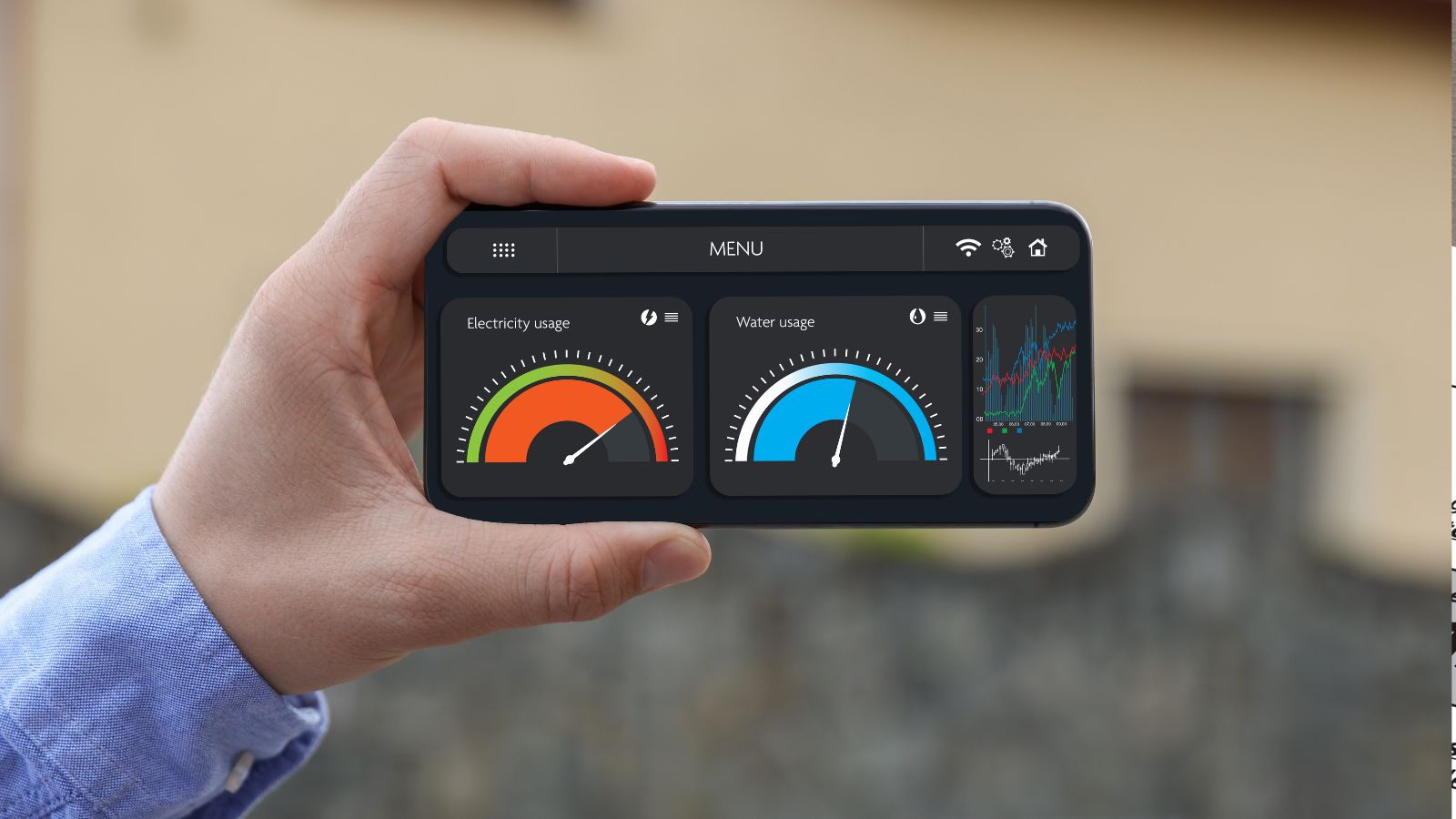
Data overage fees continue to be a major concern for Canadians, especially as mobile usage increases. Even with larger data plans, exceeding monthly limits can result in significant additional charges. Some providers offer alerts or caps, but not all customers take advantage of these features. Canadians often notice these fees only after receiving their bill, which can lead to unexpected costs. The increasing reliance on mobile data for work, entertainment, and communication makes it easier to exceed limits.
Early Payment or Late Payment Processing Fees

Payment-related fees have also evolved, with some providers introducing charges tied to payment timing or processing methods. Late payment fees are not new, but some companies are expanding how they are applied or increasing the amounts. In some cases, even certain early payment processing methods may involve small charges. Canadians are becoming more aware of how payment timing affects their bills. Managing due dates carefully has become more important as these fees become more common. Over time, these charges can accumulate, increasing overall monthly expenses.
Credit Card Annual Fee Increases

Many Canadians are noticing that credit card annual fees have quietly increased or been restructured this spring. While premium cards have always carried higher fees, even mid-tier cards are now charging higher annual fees or reducing the benefits offered at the same price point. Some providers justify these increases by adding minor perks such as travel points or insurance coverage, but many customers feel the added value does not always match the higher cost. Canadians who signed up for cards years ago are now reviewing their statements more carefully and realizing that their annual fee has changed.
Foreign Transaction Fees on Everyday Purchases

Foreign transaction fees are becoming more noticeable as Canadians increasingly use digital services and shop online from international retailers. Even small purchases made in foreign currencies can trigger additional charges, typically calculated as a percentage of the transaction. Many Canadians do not realize these fees apply until they review their statements. With the rise of subscription services billed in U.S. dollars or other currencies, these fees can appear more frequently than expected. Over time, the cumulative impact becomes significant.
“Inactive Account” Fees

Inactive account fees are being applied more frequently across banking and financial services in Canada. These charges occur when an account remains unused for a certain period, often without regular deposits or transactions. Canadians who maintain multiple accounts for savings or specific purposes may be surprised to see these fees appear. The charges are typically small, but they can accumulate over time if the account remains inactive. Many customers feel that these fees are unfair, especially when they are simply holding funds without frequent activity.
E-Transfer Fees on Certain Accounts

Interac e-Transfers have become a standard way for Canadians to send and receive money, but not all accounts include them for free. Some banks are now limiting the number of free transfers per month or charging fees for each transaction. Canadians who rely heavily on e-Transfers for rent, shared expenses, or small payments may notice these costs adding up. While premium accounts may include unlimited transfers, basic accounts often have restrictions. This creates a situation where customers must choose between paying monthly account fees or transaction-based charges.
Device Financing Fees on Phone Plans

Many Canadians finance their smartphones through their mobile providers, but the additional fees associated with these financing plans are becoming more noticeable. Beyond the cost of the device itself, customers may incur administrative charges or interest-related fees on their monthly bills. These costs are often not clearly highlighted at the time of purchase, leading to confusion later. Canadians who upgrade devices frequently may find themselves paying more than expected over time. As awareness increases, more consumers are comparing upfront purchase options with financing plans to determine which approach offers better long-term value.
“Environmental” or Recycling Fees

Environmental or recycling fees are being added to a wider range of products and services across Canada. These charges are often applied to electronics, appliances, and even certain packaged goods. While the intention is to support recycling programs and reduce environmental impact, Canadians sometimes feel these fees lack transparency. It is not always clear how the funds are used or why the fee amount varies between products. These charges may appear small individually, but they contribute to higher overall costs when purchasing new items. Canadians are becoming more aware of these fees and are factoring them into their purchasing decisions.
Subscription Auto-Renewal Price Increases
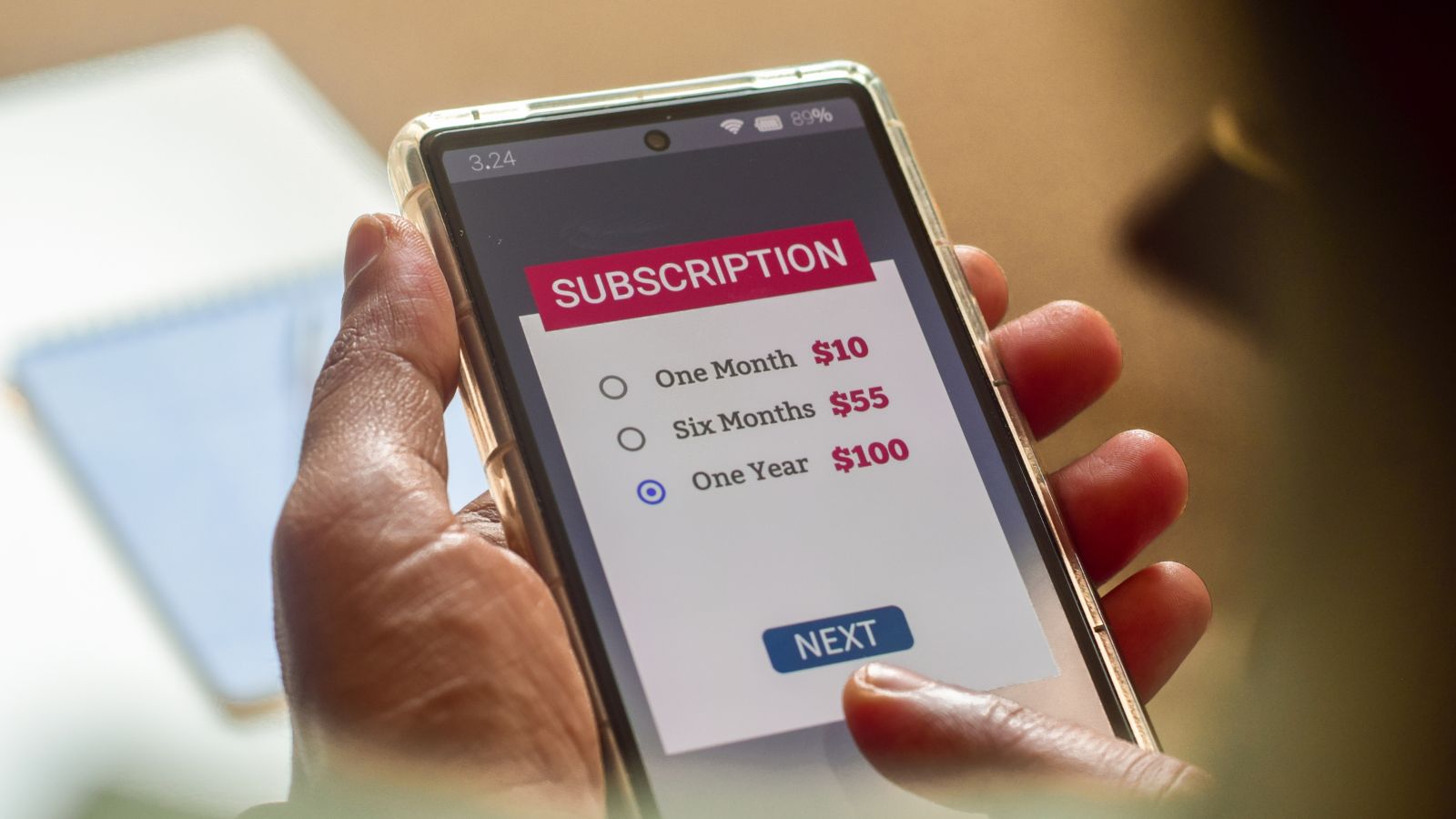
Many subscription services automatically renew at higher prices after an initial promotional period ends. Canadians often sign up for discounted rates, only to find that the cost increases significantly after a few months. These changes may not always be clearly communicated, especially if notifications are overlooked. As a result, customers continue paying higher fees without actively choosing to do so. Canadians are increasingly reviewing their subscriptions and setting reminders to monitor renewal dates. This helps them avoid unexpected increases and decide whether to continue or cancel services based on current pricing.
Customer Support or “Premium Support” Fees

Some companies are introducing fees for access to faster or more personalized customer support. Canadians may encounter options to pay for priority service, quicker response times, or dedicated support channels. While basic support is still available, it may involve longer wait times or limited assistance. This creates a tiered service experience where customers must pay extra for convenience. Canadians are questioning whether support should be considered a core part of the service rather than an added feature. As these fees become more common, customers are evaluating whether the additional cost is justified.
“Regulatory Recovery” or Miscellaneous Fees

Regulatory recovery fees are often listed as vague charges on bills, making them difficult for Canadians to understand. These fees are typically described as covering compliance with government regulations or operational requirements. However, the lack of a clear explanation leads many customers to question their purpose. These charges are usually small, but they contribute to the overall increase in monthly bills. Canadians are becoming more attentive to these line items and are seeking greater transparency from service providers.
19 Things Canadians Don’t Realize the CRA Can See About Their Online Income

Earning money online feels simple and informal for many Canadians. Freelancing, selling products, and digital services often start as side projects. The problem appears at tax time. Many people underestimate how much information the CRA can access. Online platforms, banks, and payment processors create detailed records automatically. These records do not disappear once money hits an account. Small gaps in reporting add up quickly.
Here are 19 things Canadians don’t realize the CRA can see about their online income.
