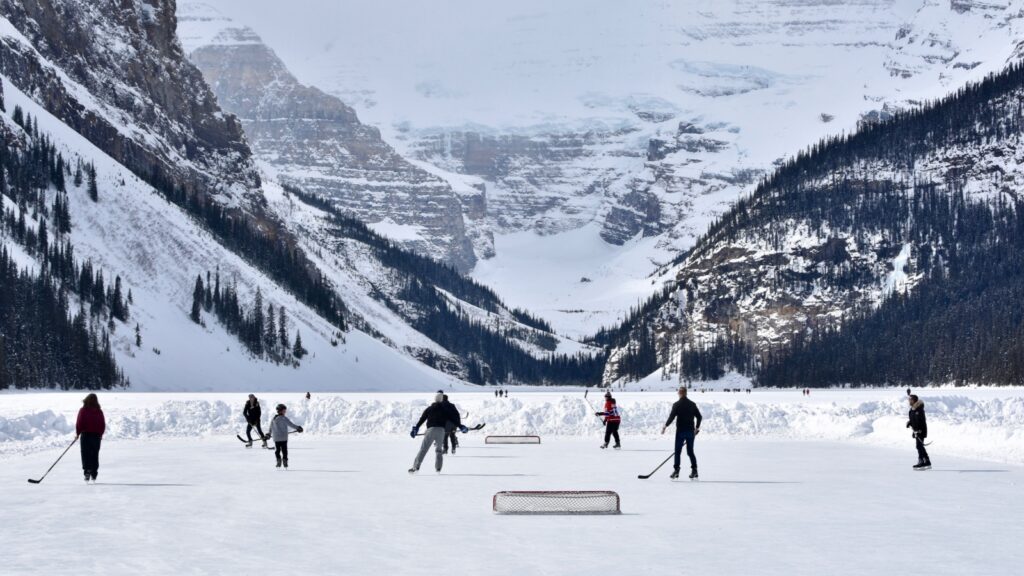
Canada’s winter season transforms the country into an outdoor playground where snow and ice create opportunities that simply don’t exist anywhere else for much of the year. From frozen lakes to mountain landscapes and community rinks, Canadians have developed a deep cultural connection to winter recreation. These sports encourage physical activity, bring families together, and support tourism in every province. Many traditions date back generations and continue to thrive through festivals, tournaments, and regional events. Here are the 18 “only-in-winter” sports you need to try once in Canada.
Ice Hockey on Outdoor Rinks
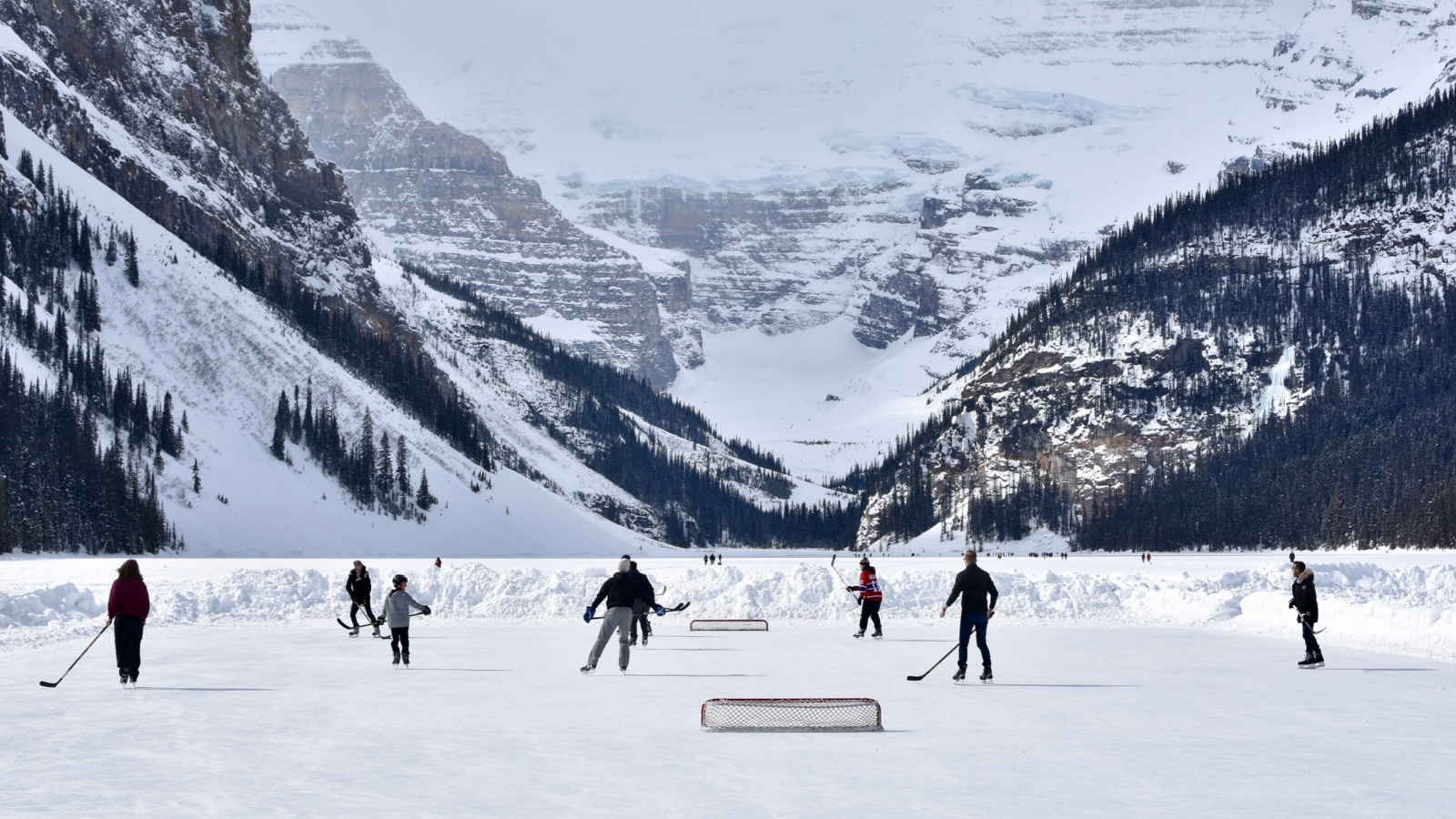
Outdoor hockey is a Canadian tradition that spans generations. Many neighbourhoods build community rinks once temperatures drop below freezing. People skate under open skies and play friendly games without boards or referees. Outdoor hockey remains popular in provinces like Ontario, Manitoba, and Alberta. Families often shovel ice together and create smooth surfaces after snowfall. Games run late into the evening when lights are available. This version of hockey feels relaxed and welcoming for all ages. It helps players build confidence and strong skating skills. Outdoor rinks remain a proud part of Canadian winter culture.
Curling at Community Clubs
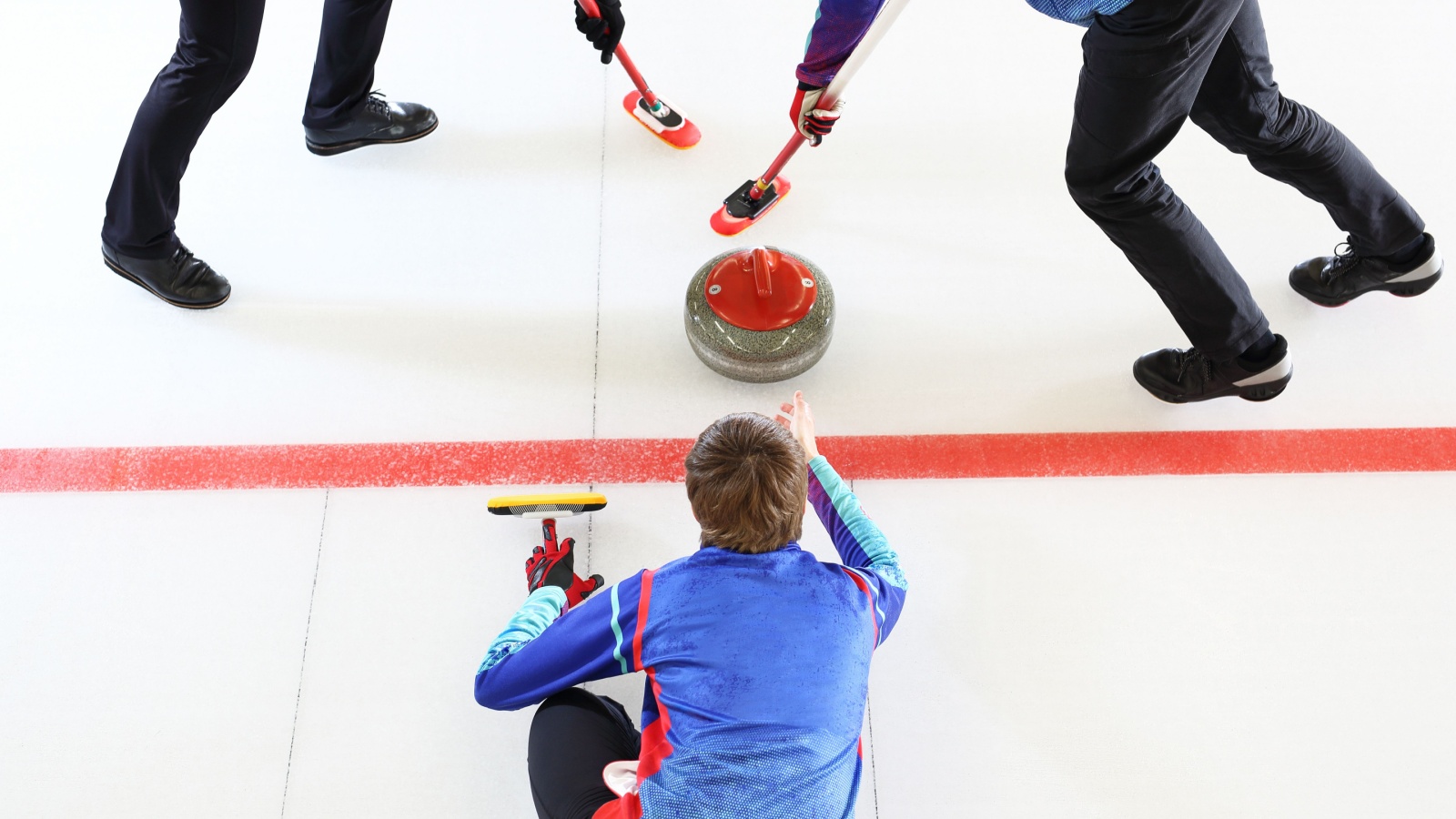
Curling has deep roots in Canada and continues to be enjoyed in community clubs across the country. Players slide granite stones across ice toward a target while teammates sweep to guide the path. Curling encourages strategy and teamwork rather than speed or strength. Many small towns keep local curling clubs active throughout winter. The sport welcomes beginners of all ages. Lessons and leagues are often affordable and friendly. Curling events also bring communities together for tournaments and social gatherings. It remains one of the most accessible winter sports in Canada.
Ice Fishing on Frozen Lakes
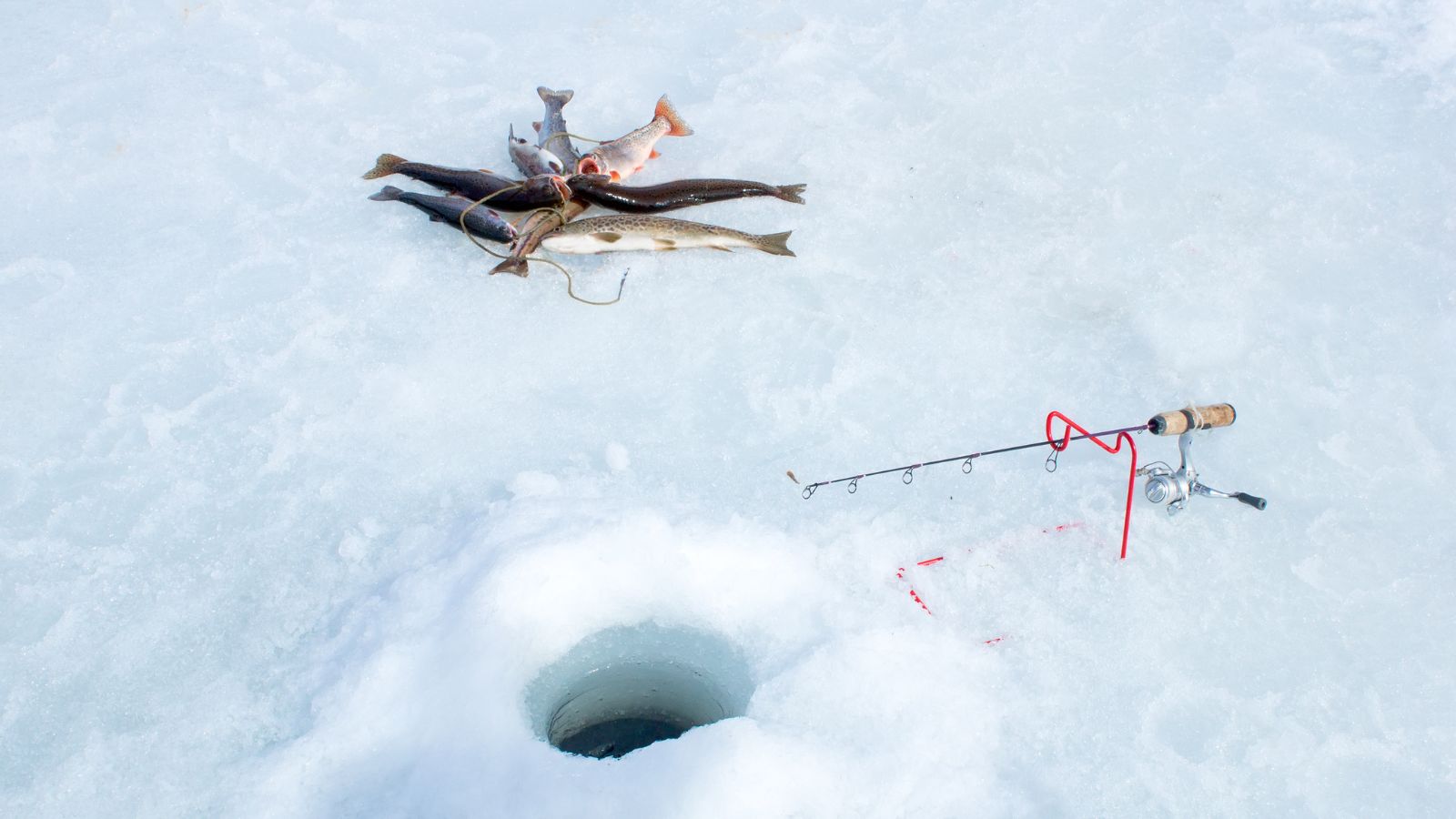
Ice fishing is a long-time winter activity in provinces such as Ontario, Quebec, and Manitoba. Anglers drill holes through thick ice and set lines for species like perch, walleye, and trout. Many people fish inside small heated shelters called ice huts. These shelters help block wind and create a comfortable space during long hours outdoors. Safety rules require checking ice thickness and using proper gear. Ice fishing brings a quiet break from busy schedules and offers fresh fish for meals. Families enjoy a peaceful time together surrounded by winter scenery on frozen lakes.
Snowshoeing in National Parks
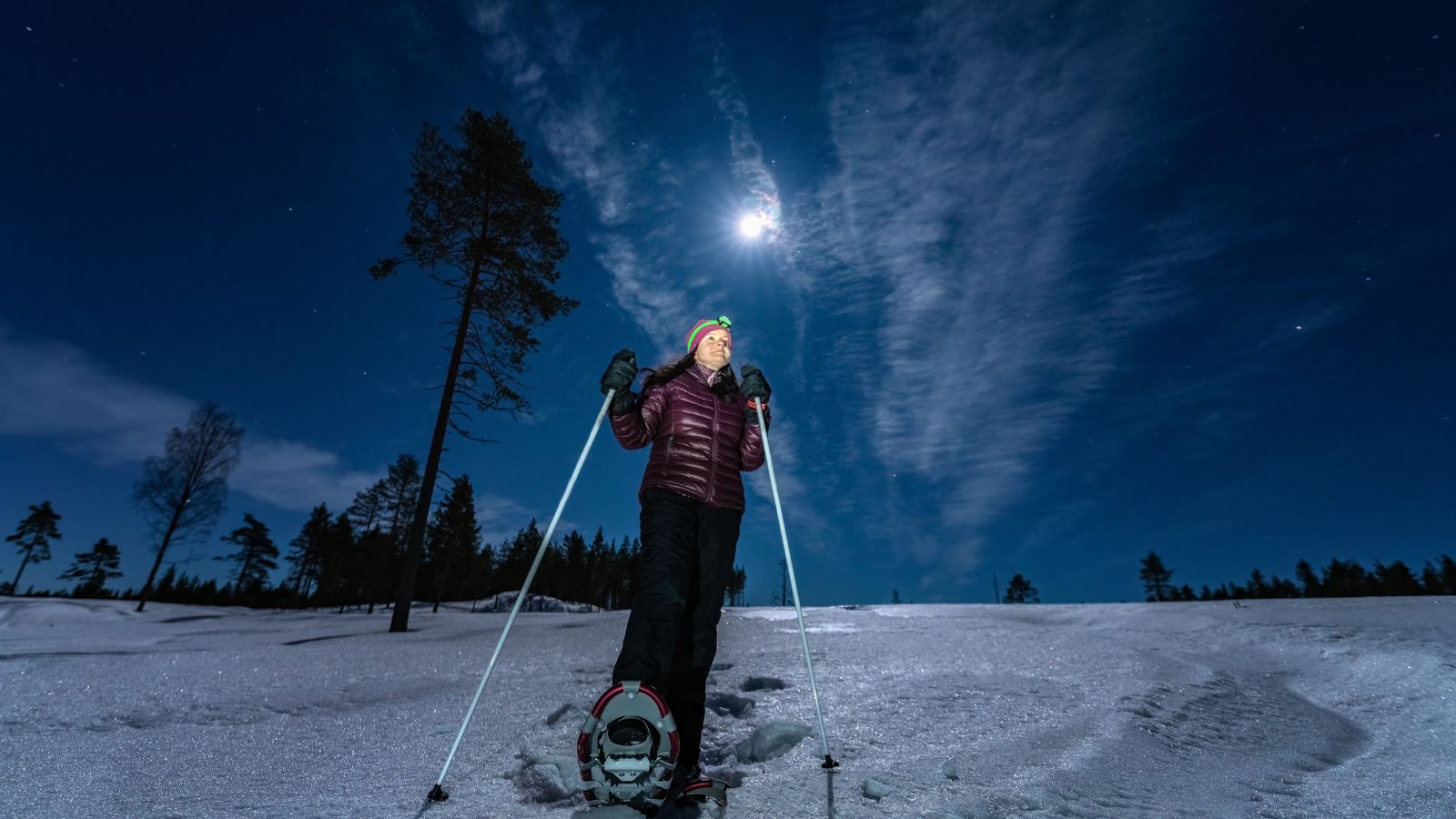
Snowshoeing allows Canadians to explore winter landscapes without sinking into deep snow. Parks across the country, including Banff, Jasper, and Gatineau Park, offer marked trails for all skill levels. Snowshoeing is easy to learn and requires minimal equipment. It provides an excellent workout and lets people enjoy calm, natural surroundings. Wildlife tracks are often visible along trails. Many parks rent snowshoes for visitors who do not own gear. This activity suits families, beginners, and experienced hikers. Snowshoeing offers fresh air and quiet space away from city life.
Cross Country Skiing on Groomed Trails
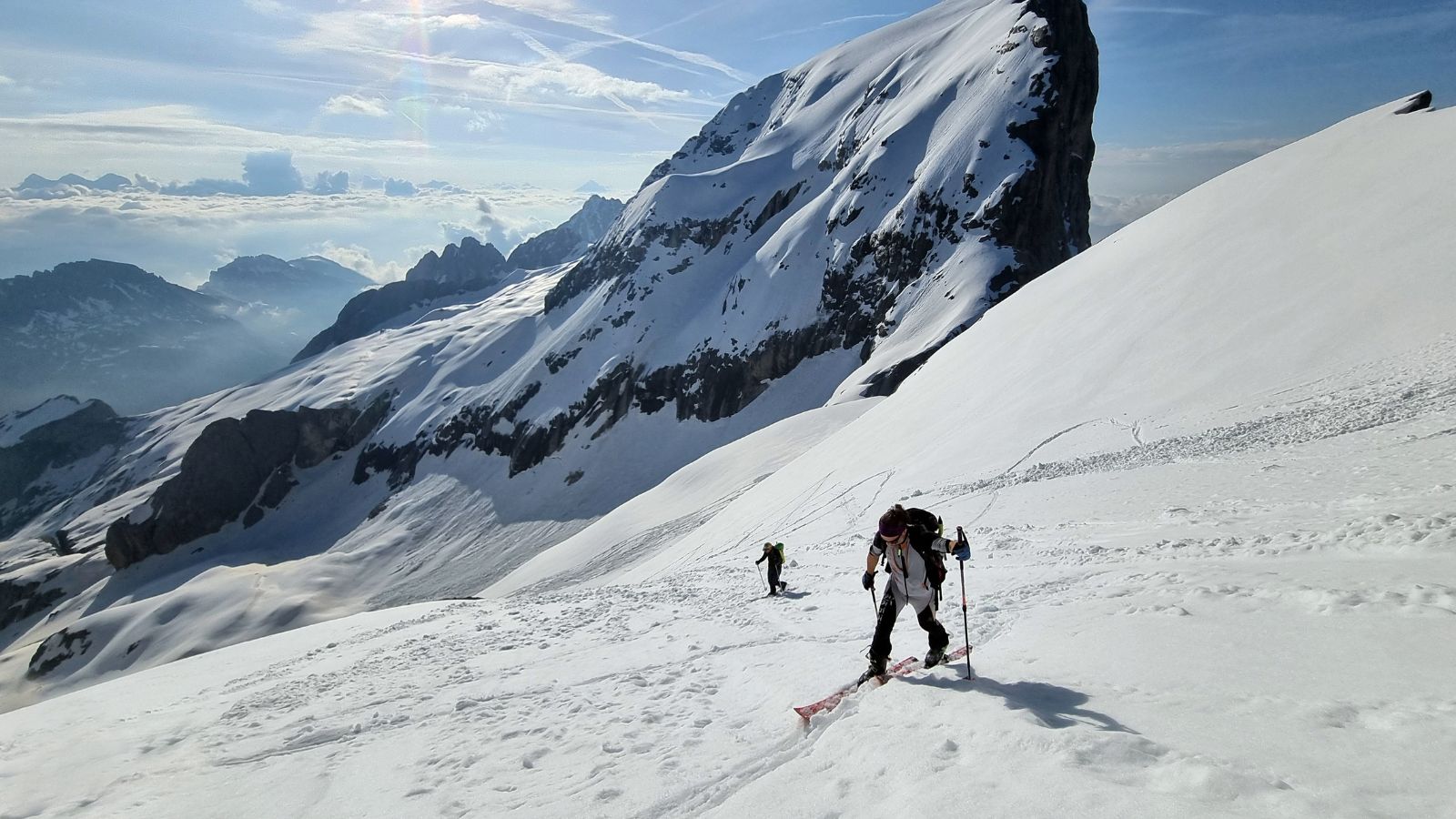
Cross-country skiing remains a popular winter sport in Canada because it is affordable and widely available. Groomed trails stretch through forests, parks, and open fields. Places like Mont Sainte Anne in Quebec and Canmore Nordic Centre in Alberta attract skiers from across the country. The sport improves strength and endurance while being gentle on joints. Skiers control their pace and enjoy steady movement through winter scenery. Many communities offer lessons and rental equipment for newcomers. Cross-country skiing brings a strong sense of calm and connection to nature. It continues to be a favourite winter activity.
Alpine Skiing in Mountain Resorts
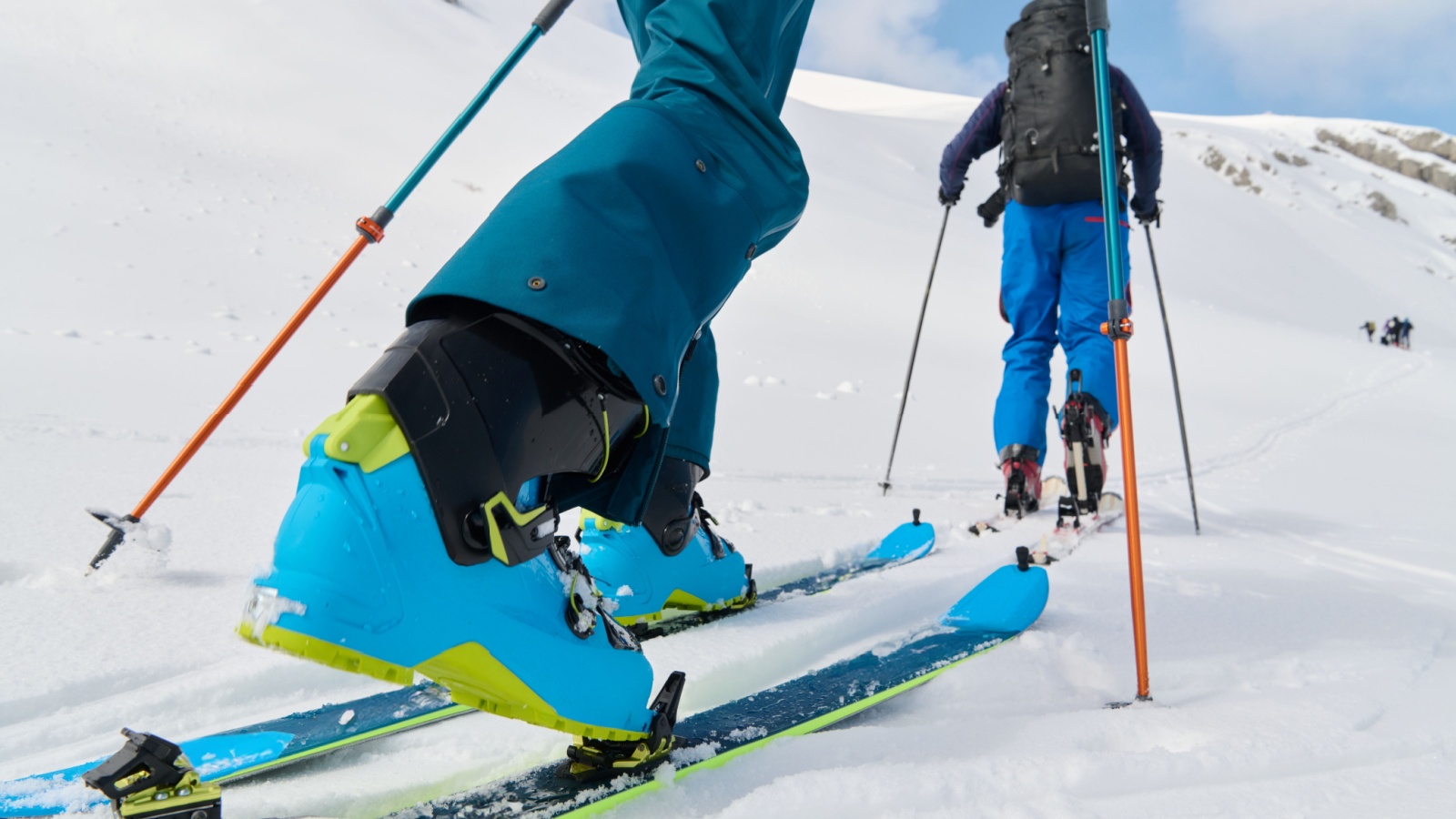
Alpine skiing attracts visitors from across Canada and around the world. Mountain resorts in British Columbia, Alberta, and Quebec provide long runs with scenic views. Popular destinations include Whistler Blackcomb, Banff Sunshine, and Mont Tremblant. Skiers of all levels can find suitable terrain. Resorts offer lessons, rental equipment, and safe chairlift access. Many families plan winter trips around ski weekends. The sport provides a strong workout and time outdoors. Groomed slopes help build skill and confidence. Alpine skiing remains one of the most thrilling ways to enjoy Canadian winter landscapes.
Snowboarding in Terrain Parks
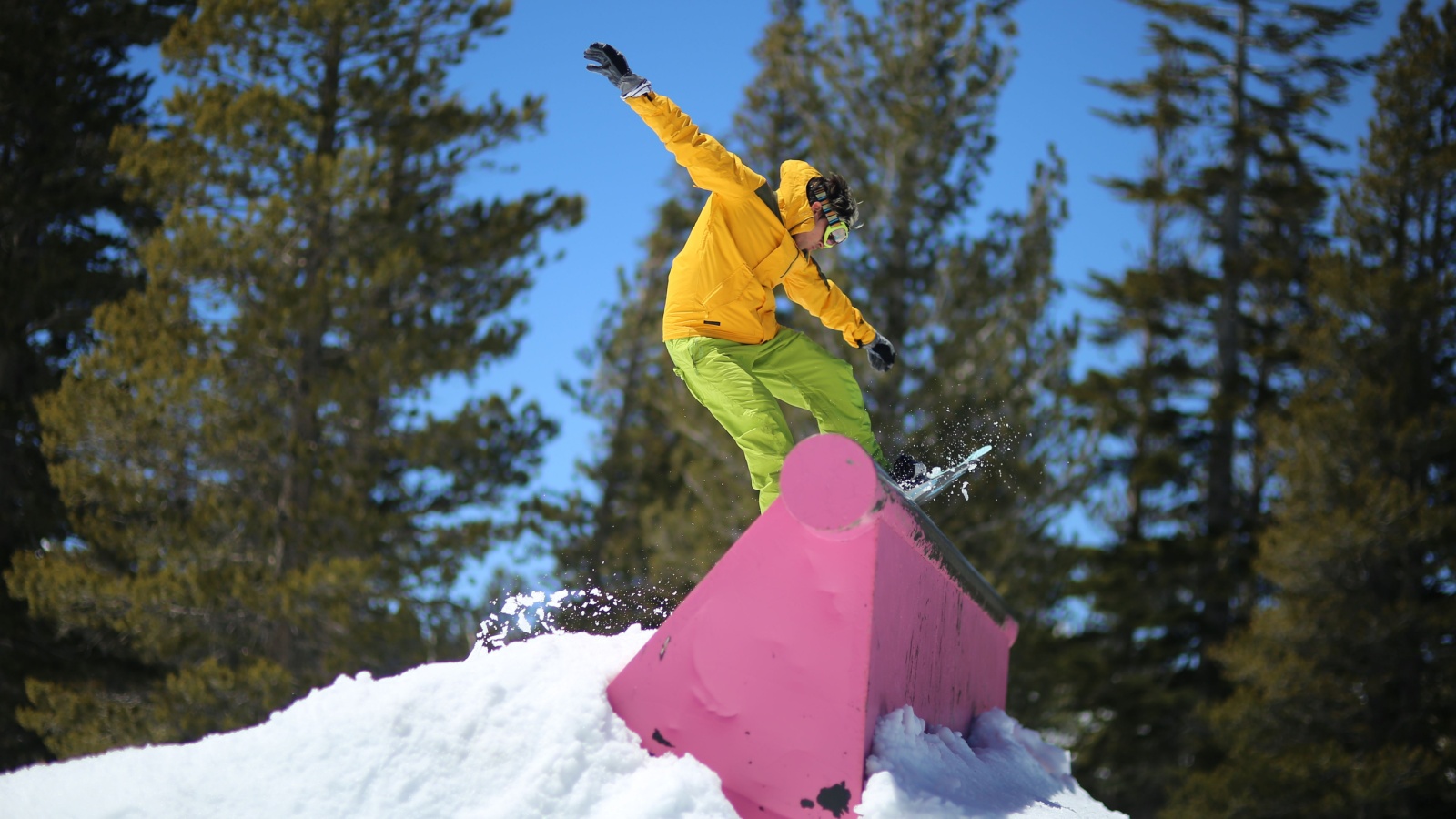
Snowboarding has become a major winter sport across Canada. Many ski resorts feature terrain parks with jumps, rails, and gentle training sections for beginners. Riders enjoy learning techniques at their own pace. Places like Big White, Blue Mountain, and Lake Louise offer dedicated snowboard zones. Snowboarding appeals to teens and young adults looking for a casual and creative style of winter sport. Helmets and safe gear are strongly encouraged. The sport promotes balance and coordination. Terrain parks also create supportive communities where riders help each other progress. Snowboarding adds excitement to every winter season.
Dog Sledding in Northern Regions
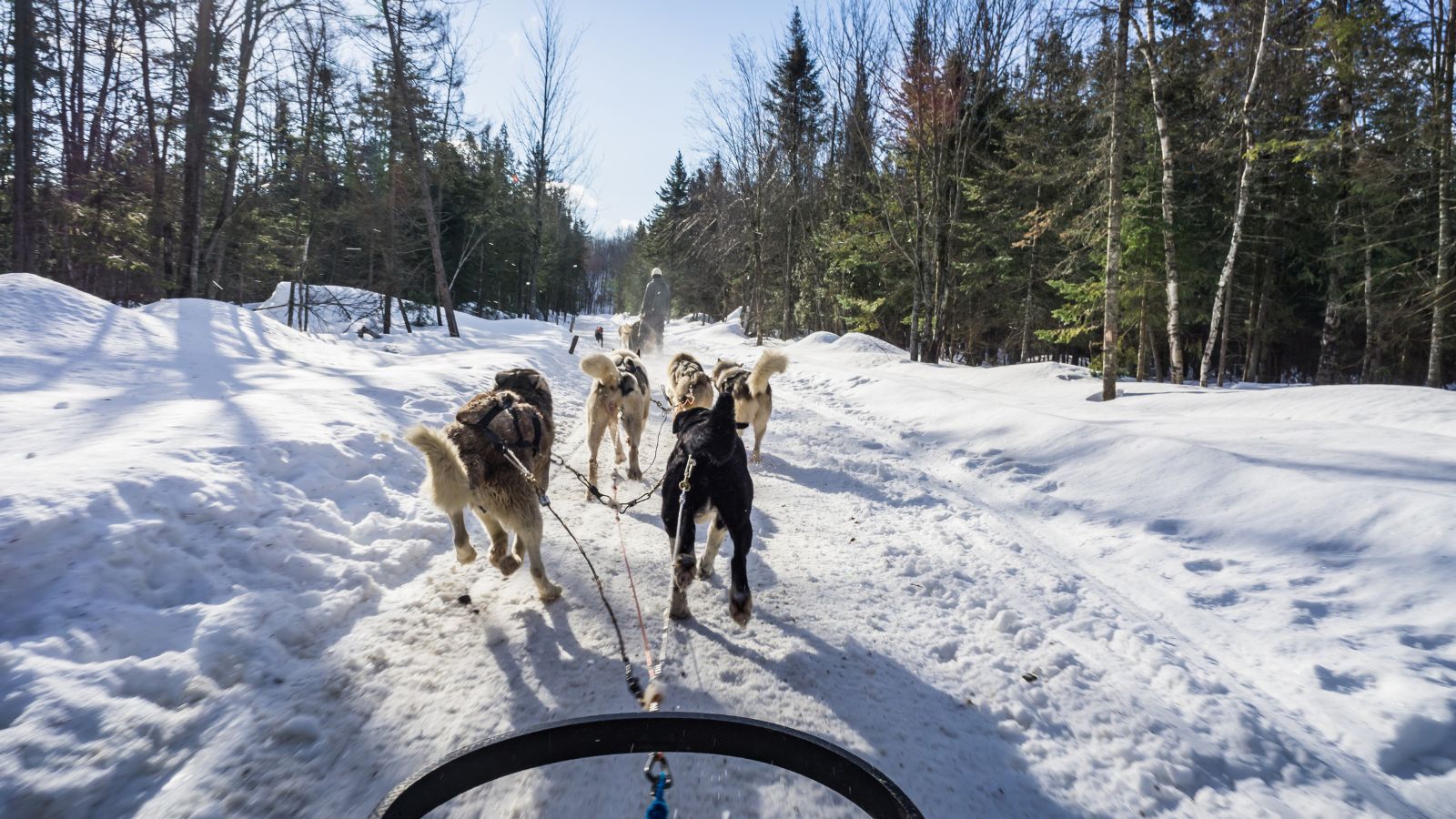
Dog sledding offers a unique winter experience in the northern parts of Canada. Provinces like Yukon, Northwest Territories, Manitoba, and Ontario host guided tours on snowy trails. Trained sled dogs pull lightweight sleds while riders stand on the back. These tours teach respect for animals and give insight into traditional northern travel. Many routes travel through forests, frozen lakes, and quiet wilderness. Dog sledding does not require previous experience because guides explain commands and safety steps. The sport provides a memorable connection to Canadian history and northern culture.
Snowmobiling Through Backcountry Routes
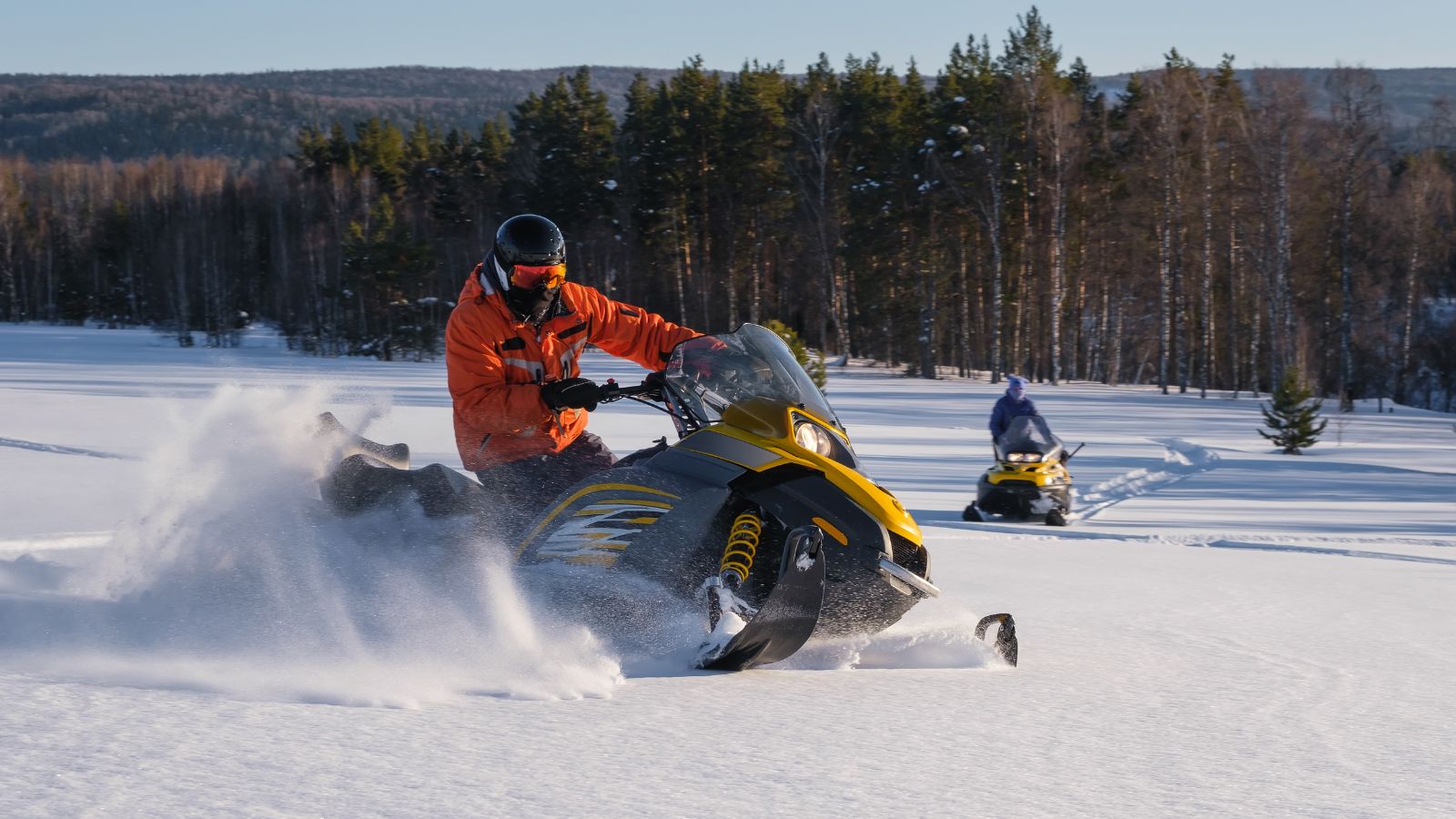
Snowmobiling is a popular winter activity for exploring remote areas. Riders travel over snow-covered trails in places like Quebec, Newfoundland and Labrador, and northern Ontario. Many communities maintain thousands of kilometres of groomed routes. Snowmobiling provides access to scenic viewpoints and winter wildlife. Riders enjoy group trips that cover long distances in a day. Safety training and proper equipment are important due to changing weather and trail conditions. The sport supports tourism and local businesses through the winter months. Snowmobiling delivers freedom and adventure across wide snowy landscapes.
Ice Skating on Natural Outdoor Paths
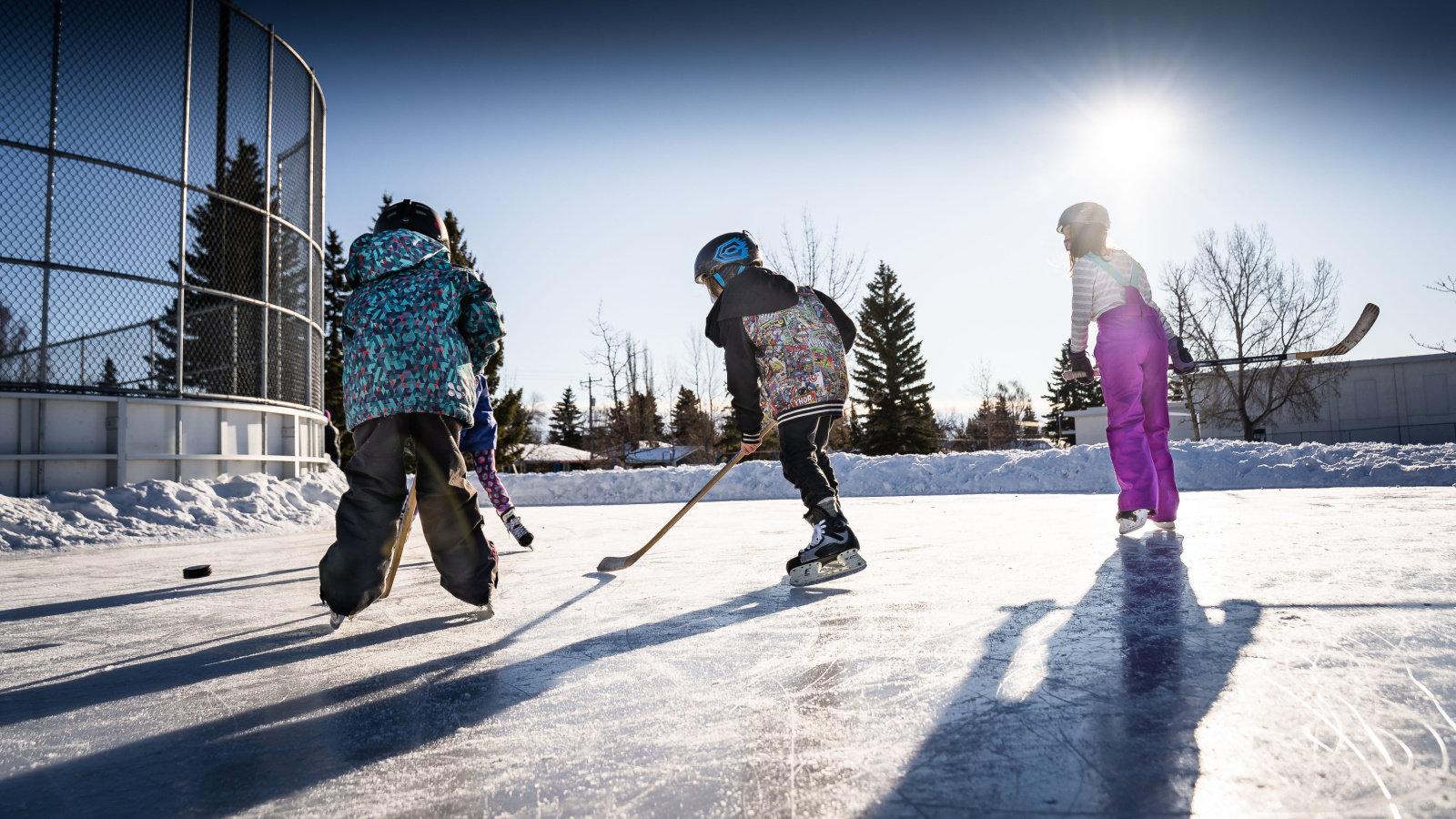
Outdoor skating paths create memorable winter outings for families and friends. Canada features famous natural routes such as the Rideau Canal Skateway in Ottawa and the Arrowhead Ice Trail in Ontario. Many smaller communities maintain frozen lakes and rivers for local use. Skating outdoors feels relaxing and peaceful compared to indoor arenas. People of all ages take part at their own pace. Some paths include warming cabins and night skating with lights. Natural skating remains a favourite way to enjoy fresh air and winter scenery.
Broom Ball on Community Ice Surfaces
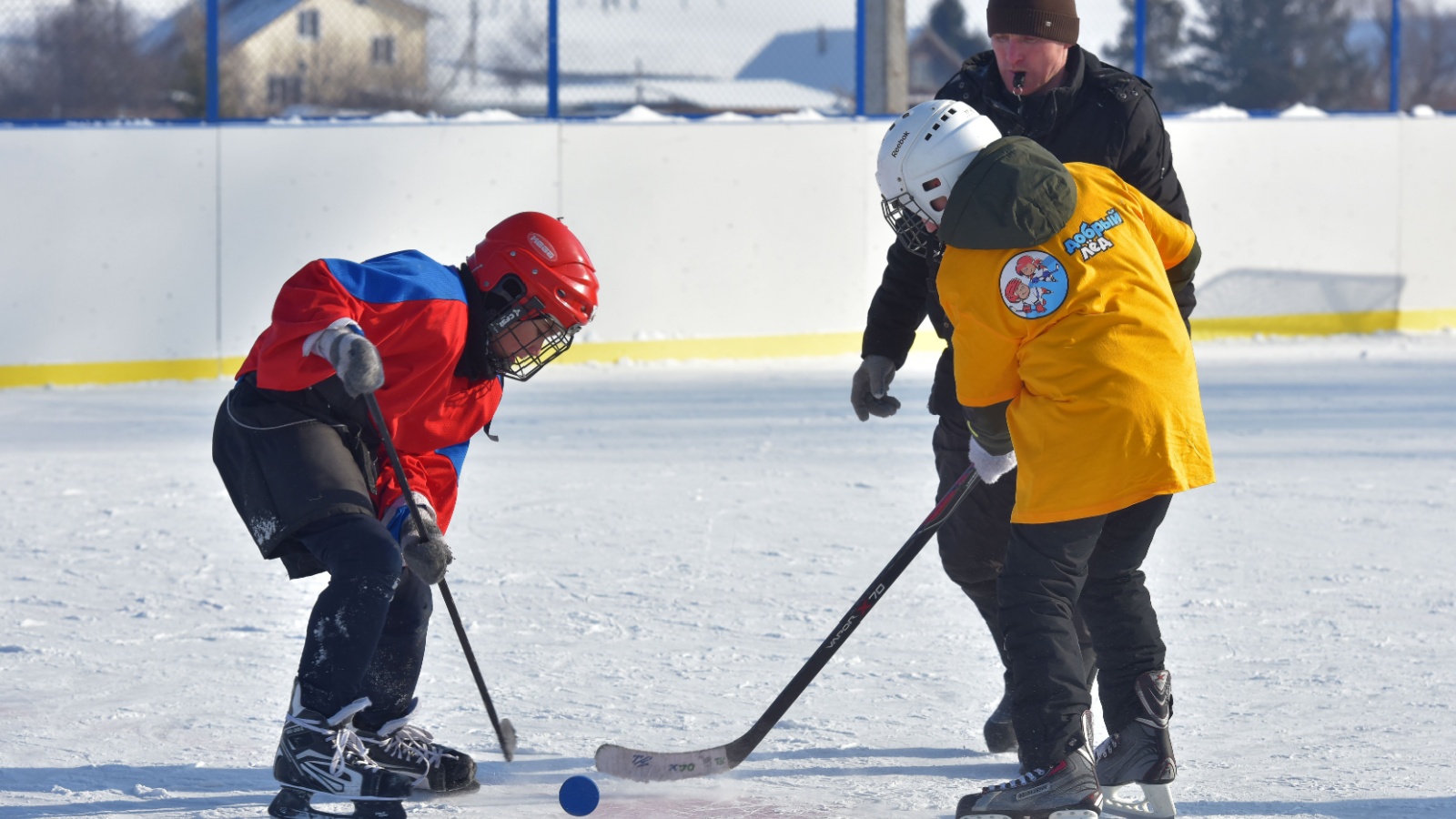
Broom ball is a fun winter sport often played on outdoor rinks or indoor ice surfaces across Canada. Players use rubber broomsticks instead of hockey sticks and run on the ice wearing shoes rather than skates. Teams try to score by hitting a small ball into the opposing net. The game is easy to learn and welcomes people who do not skate. Many community leagues host friendly matches throughout the winter. Broom ball encourages teamwork and social connection. It brings laughter and excitement without needing expensive gear.
Winter Camping in Provincial Parks
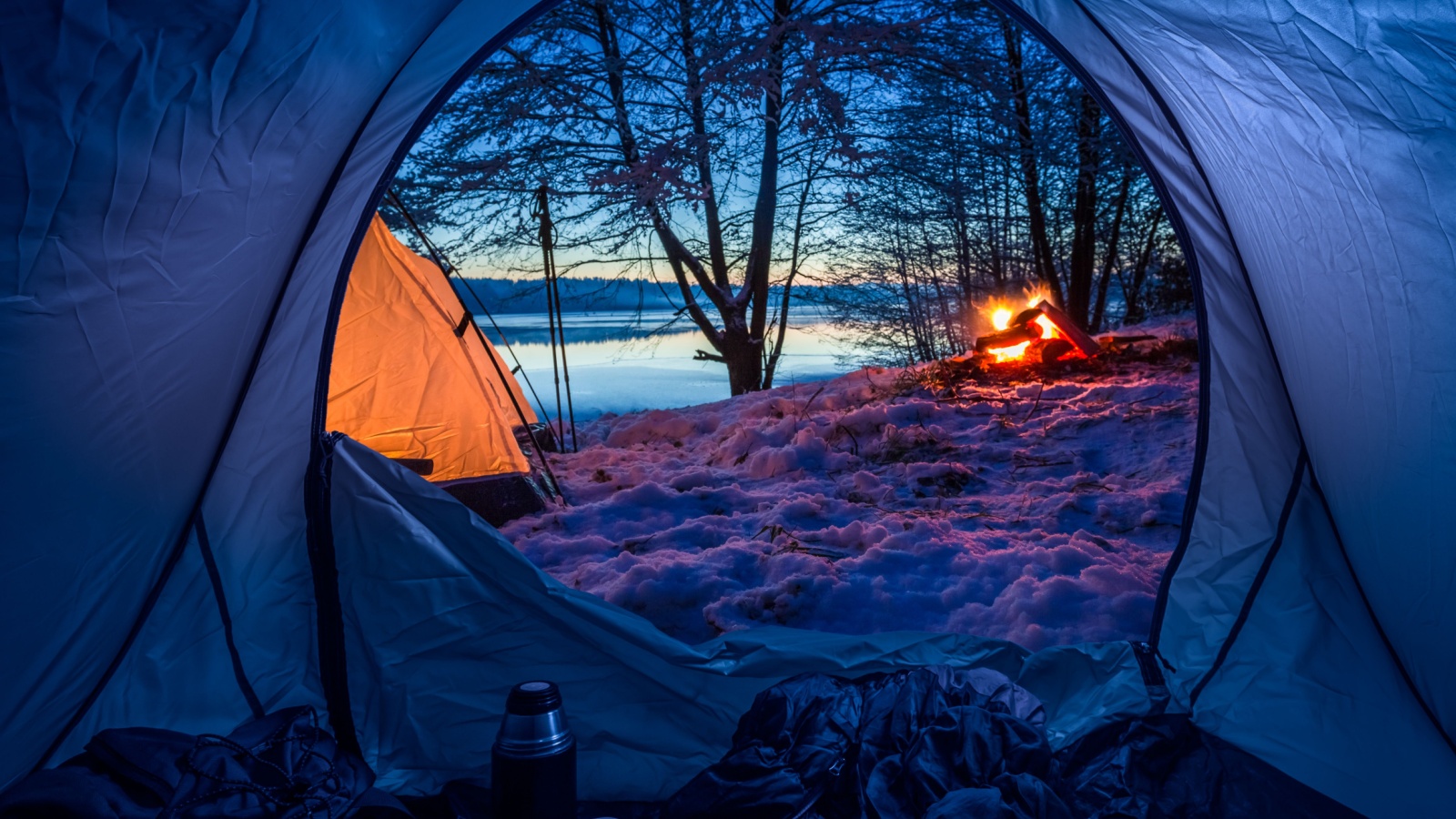
Winter camping offers a different way to explore Canadian nature. Provincial parks in Ontario, Alberta, Quebec, and British Columbia provide designated winter camping areas. Campers sleep in insulated tents, yurts, or heated cabins. Activities include snowshoeing, skiing, and stargazing. Proper preparation is important for safety and warmth. Many people enjoy the quiet and peaceful atmosphere that winter brings. Campsites are less crowded than during the summer months. Winter camping builds confidence and offers a fresh perspective on outdoor living. It remains a rewarding challenge for those who love nature and adventure.
Ice Climbing on Frozen Waterfalls
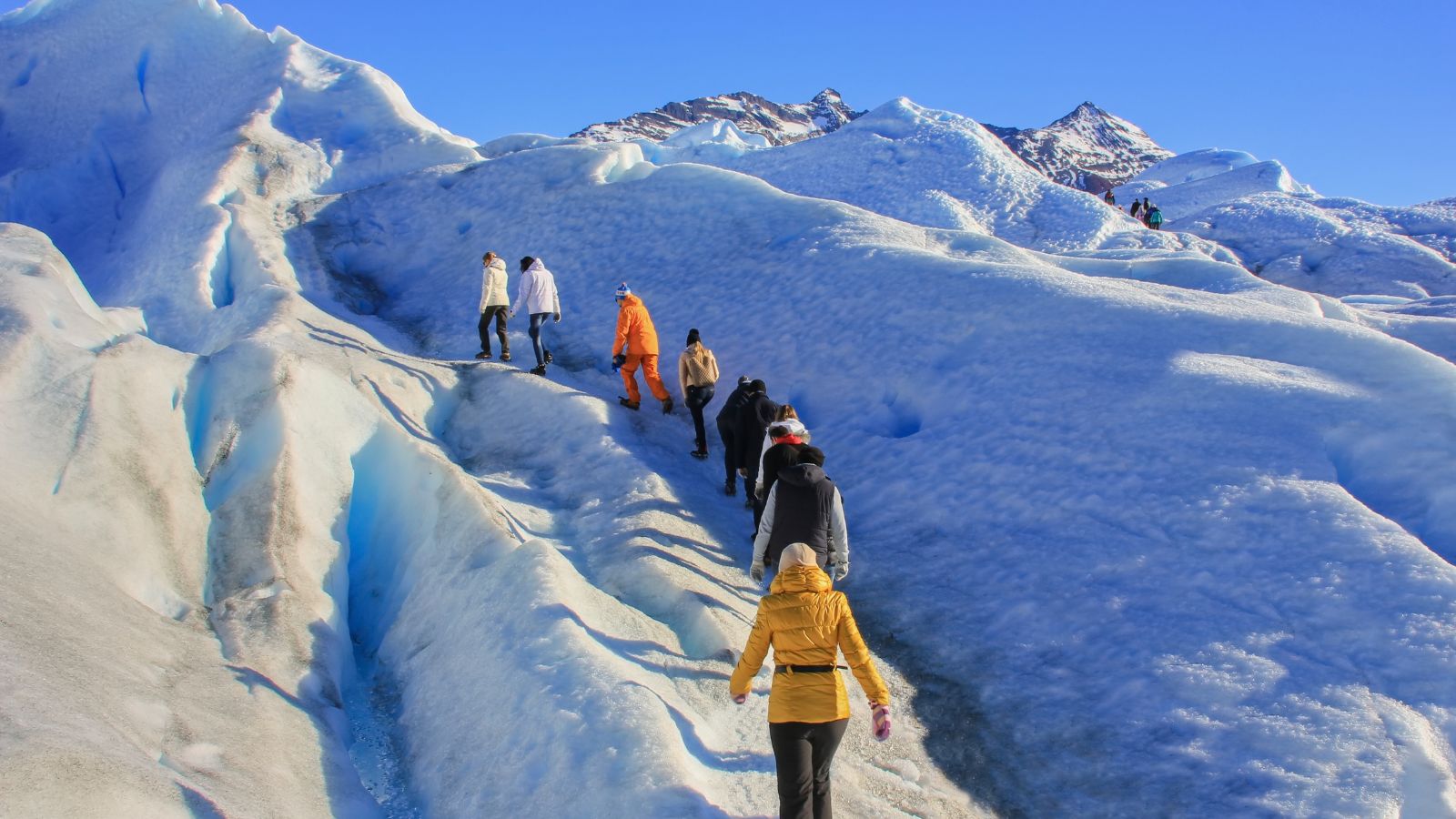
Ice climbing in Canada attracts adventure seekers who want to challenge steep frozen waterfalls during winter. Popular regions include the Canadian Rockies in Alberta, northern British Columbia, and Quebec’s Montmorency Falls. Climbers use ice axes, crampons, helmets, harnesses, and rope systems for safety. Guided tours are available for beginners who want training and equipment support. Winter conditions change quickly, so monitoring the weather and following expert guidance are essential. The activity offers physical endurance and technical skill development on natural ice structures throughout the season. Ice climbing continues to grow in popularity across Canadian winter tourism.
Fat Biking on Snow-Packed Trails
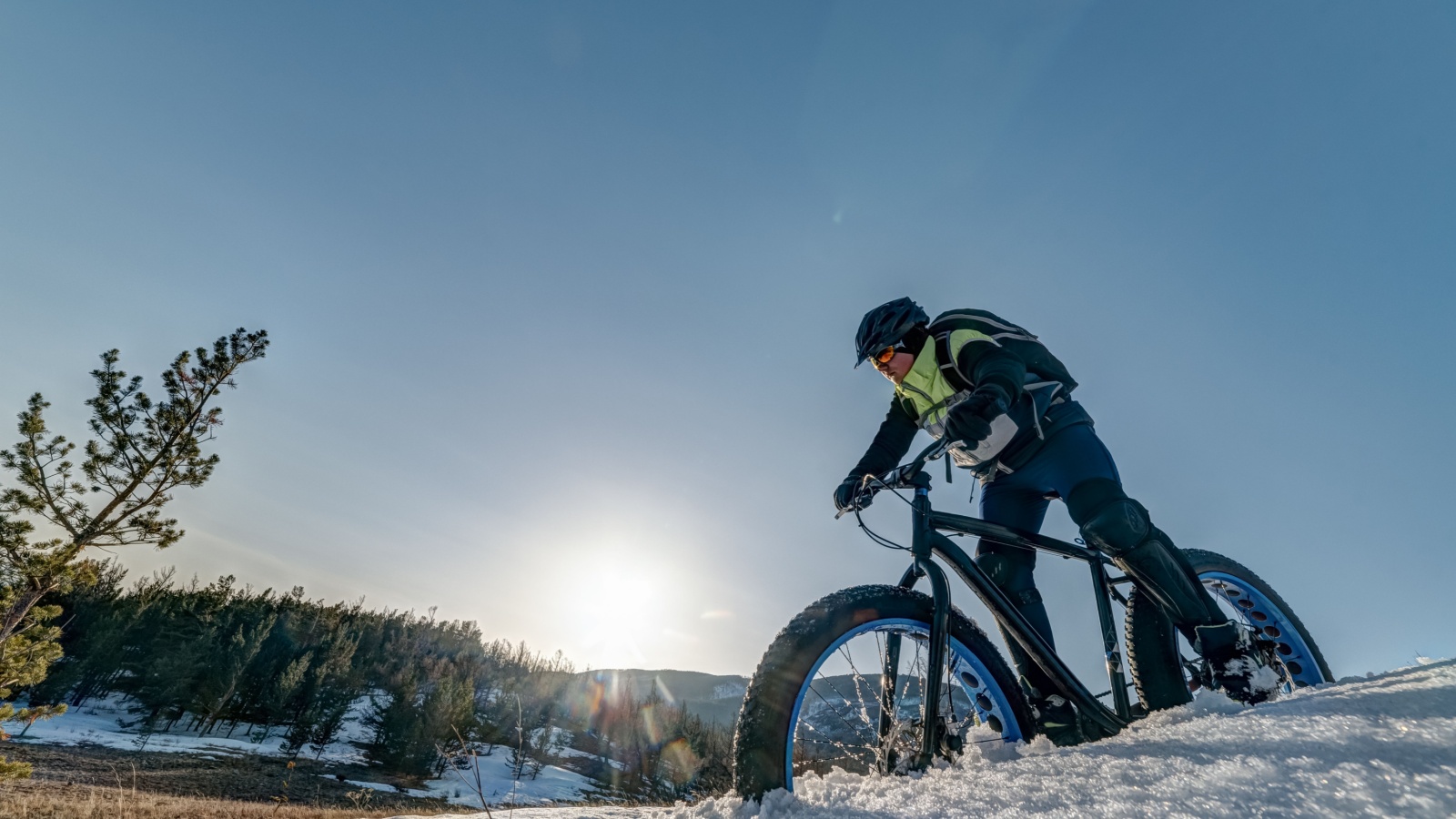
Fat biking is a popular Canadian winter activity that allows cyclists to ride on snowy trails using extra-wide tires that provide balance and traction. Many provincial and national parks maintain designated fat biking routes for recreational riders. Communities across Alberta, British Columbia, Ontario, and Quebec host winter fat biking festivals and group events that encourage participation. Trails range from flat groomed paths suitable for beginners to challenging backcountry terrain requiring advanced fitness and technical ability. Fat biking supports year-round trail use and gives riders access to scenic winter landscapes while promoting sustainable outdoor recreation.
Snow Tubing at Winter Parks
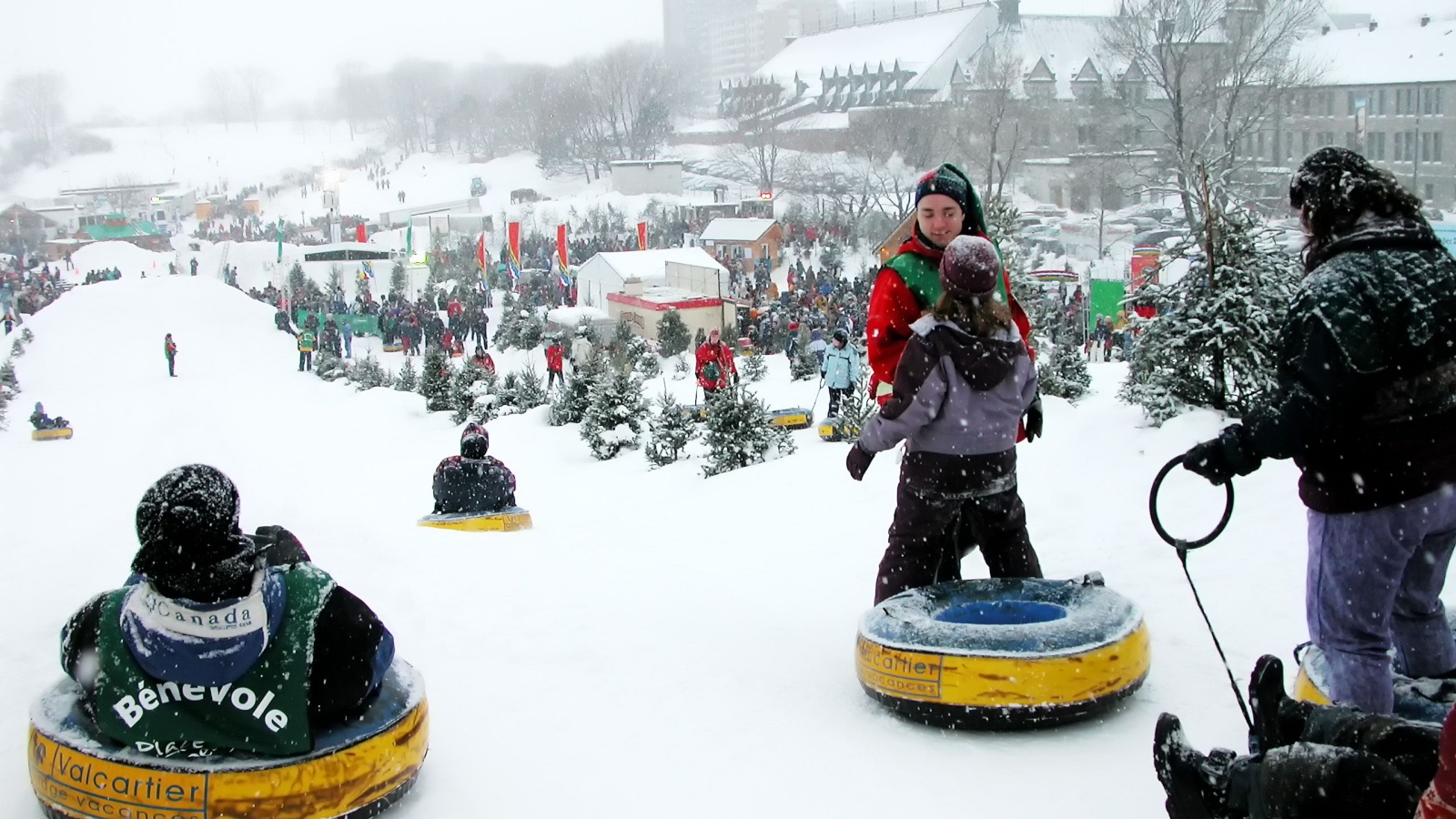
Snow tubing is a family-friendly winter activity that requires no special equipment or training. Participants ride inflatable tubes down groomed snow lanes designed to provide controlled speed and fun for all ages. Many ski resorts and winter adventure parks in Canada operate tubing hills with conveyor lifts to return riders to the top, making participation easy and accessible. Popular destinations are found in Ontario, Quebec, Alberta, and British Columbia. Tubing parks often offer nighttime sessions with lighting and additional seasonal attractions. It remains a widely accessible option for outdoor recreation during the colder months.
Polar Bear Plunge Charity Events
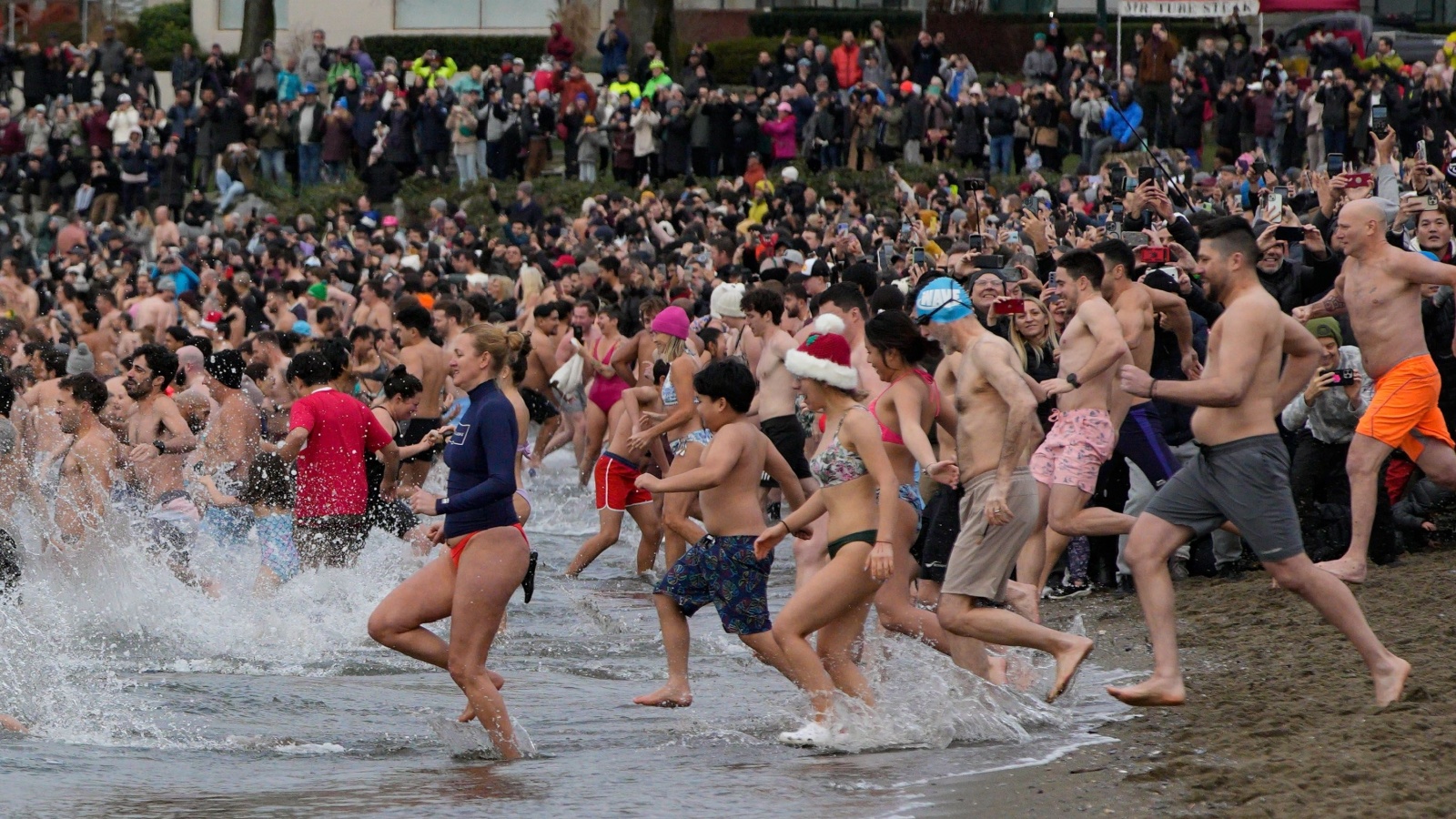
Polar Bear Plunge events occur across Canada each winter and involve participants jumping into icy water to raise funds for charitable causes. These events support organizations focused on health research, community services, and youth programs. Vancouver, Toronto, Ottawa, and Halifax host some of the most recognized annual plunges. Participants receive safety briefings and access to warming stations, and medical teams are present to ensure safety. The tradition continues to expand and attracts both first-time participants and returning supporters. Polar Bear Plunges unite communities and generate significant fundraising while offering a unique seasonal challenge.
Pond Hockey Tournaments
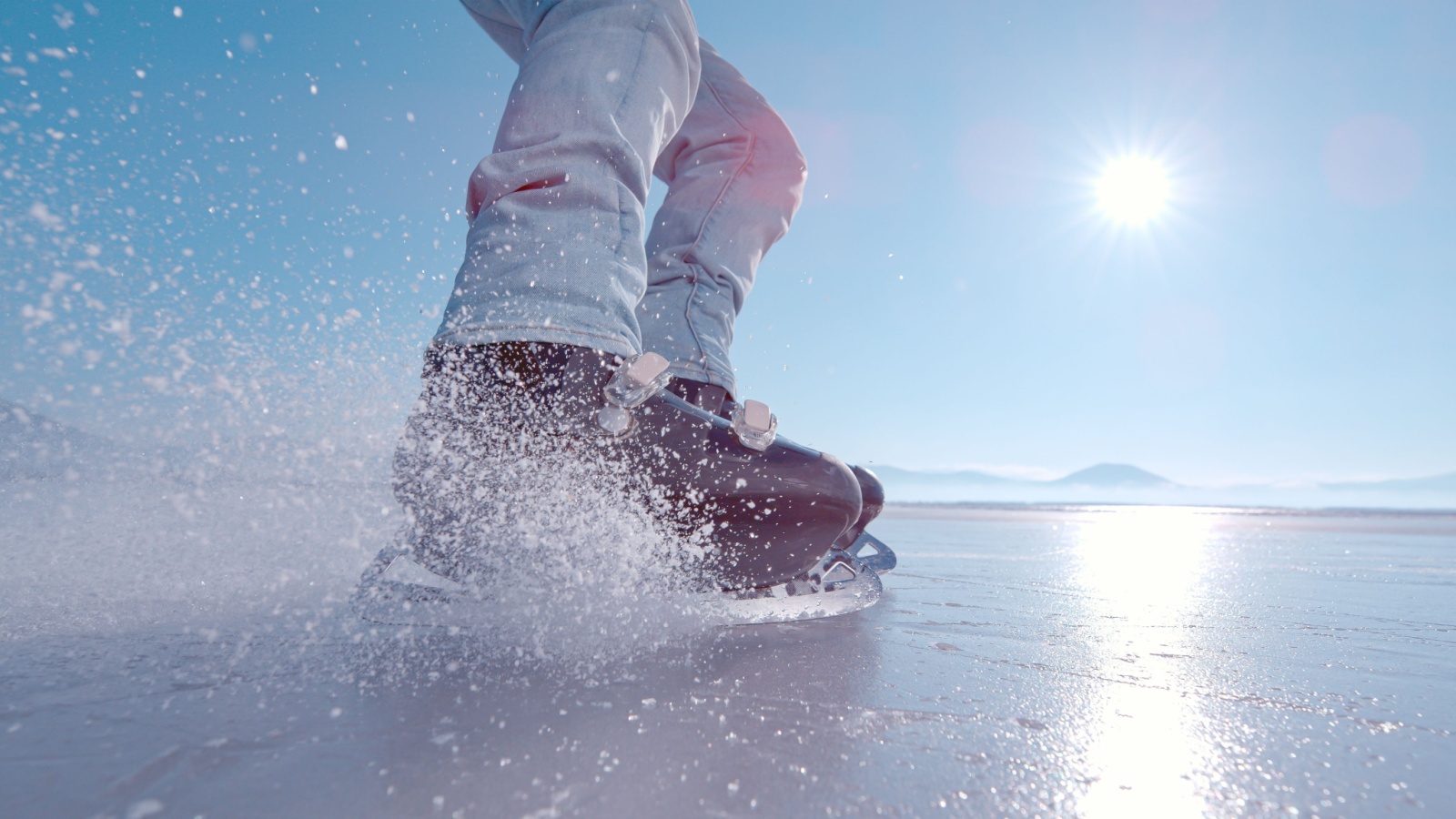
Pond hockey tournaments celebrate Canada’s outdoor sports culture and rely on natural ice conditions. Events take place on frozen lakes and outdoor rinks, typically using simplified rules and smaller teams. Well-known tournaments include the Canadian National Pond Hockey Championships in Ontario and the World Pond Hockey Championships in New Brunswick. The natural environment adds authenticity and creates an engaging experience for both players and spectators. Teams participate from across Canada and other countries, supporting tourism and community activity. Pond hockey tournaments continue to strengthen grassroots involvement in the sport during the winter season.
Tobogganing on Hills and Parks
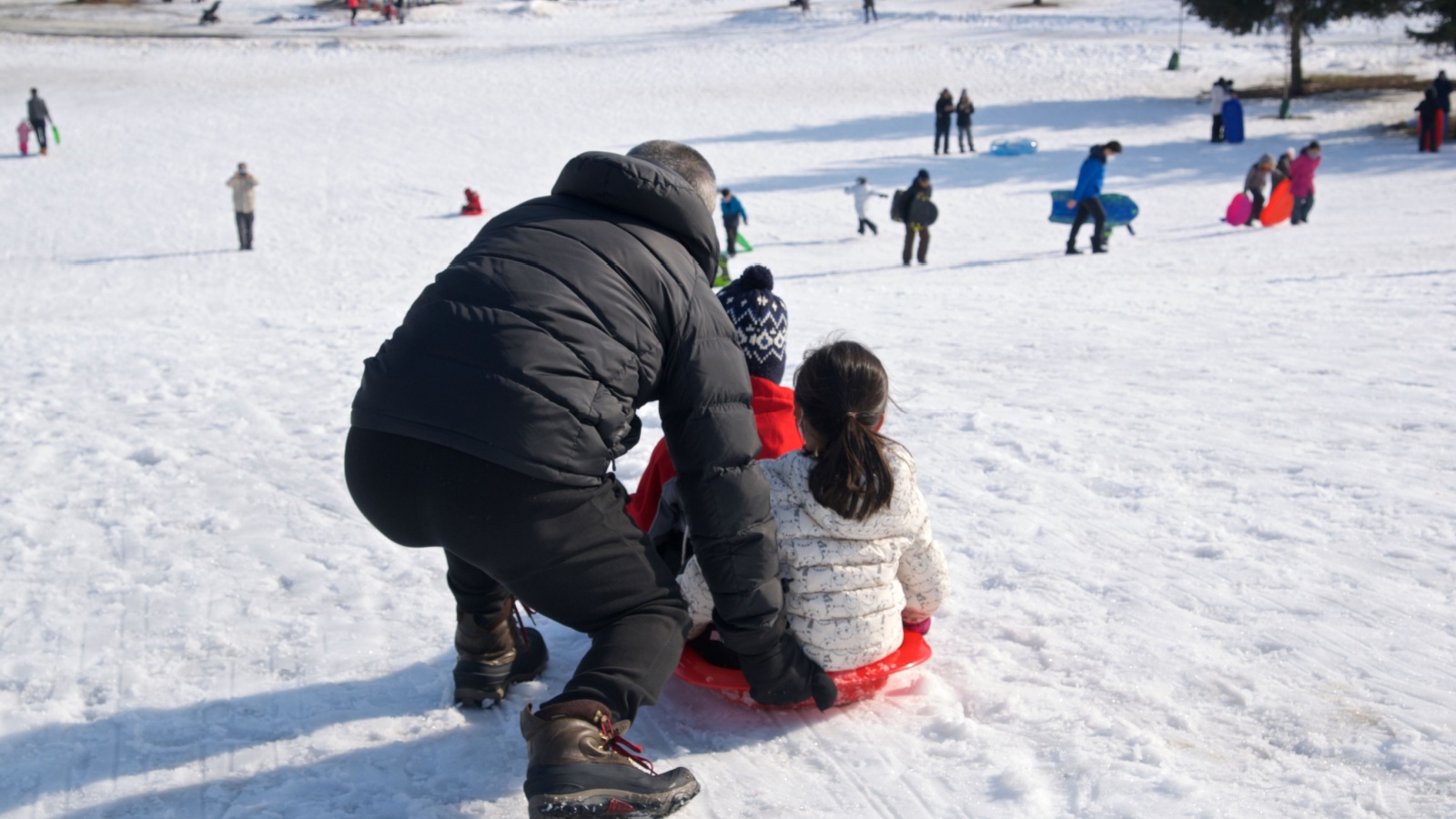
Tobogganing is a classic Canadian winter activity loved by families and children of all ages. Many communities maintain designated hills in parks across Ontario, Quebec, British Columbia, and Alberta. Simple wooden or plastic sleds glide over snow-covered slopes, providing excitement without complicated equipment. Tobogganing is easy to learn and encourages outdoor play, physical activity, and social interaction. Parents often join their children, creating shared experiences and lasting memories. Some areas even organize small local races for fun. This activity remains a staple of Canadian winters, combining nostalgia, accessibility, and enjoyment in snowy landscapes for everyone.
22 Groceries to Grab Now—Before another Price Shock Hits Canada

Food prices in Canada have been steadily climbing, and another spike could make your grocery bill feel like a mortgage payment. According to Statistics Canada, food inflation remains about 3.7% higher than last year, with essentials like bread, dairy, and fresh produce leading the surge. Some items are expected to rise even further due to transportation costs, droughts, and import tariffs. Here are 22 groceries to grab now before another price shock hits Canada.
22 Groceries to Grab Now—Before another Price Shock Hits Canada
