
Canada’s business landscape is full of inspiring stories where small ventures grew into household names through innovation, persistence, and bold pivots. Many companies started with modest beginnings—local shops, niche services, or single-product offerings—but seized opportunities to diversify, expand, and adapt to changing markets. From apparel and fitness to food and tech, these businesses have reshaped industries, created jobs, and become global ambassadors of Canadian entrepreneurship. Here are 18 small-business pivots that turned into empires.
Shopify

Shopify began as a small online store selling snowboarding equipment, but quickly shifted its focus to helping other entrepreneurs create their own e-commerce websites. Founded in Ottawa, Ontario, the platform’s pivot revolutionized online retail by providing easy-to-use tools for businesses of all sizes. Today, Shopify supports hundreds of thousands of merchants worldwide, offering scalable solutions for online sales, payments, and logistics. The company’s transformation highlights the potential of identifying market gaps and leveraging technology to scale. Shopify remains one of Canada’s most successful tech stories, proving that a small niche business can evolve into a global platform.
Lululemon

Lululemon started in Vancouver, British Columbia, selling yoga-inspired athletic wear designed for comfort and performance. The brand quickly expanded beyond its original studio-focused apparel, creating versatile clothing for both workouts and casual wear. Lululemon’s focus on quality fabrics, community engagement, and in-store experiences helped the company build a loyal customer base. Today, it is recognized globally as a leading athleisure brand, with retail locations and online sales reaching international markets. Lululemon’s growth demonstrates how aligning product innovation with lifestyle trends can transform a small local venture into a worldwide empire.
Tim Hortons

Tim Hortons opened its first store in Hamilton, Ontario, in 1964, offering coffee and donuts to local Canadians. Through franchising and consistent branding, it quickly became a national institution, synonymous with Canadian identity. The company expanded its menu over time to include breakfast sandwiches, baked goods, and specialty beverages, catering to evolving customer tastes. Tim Hortons now has thousands of locations across Canada and international branches, becoming a staple in communities and workplaces. Its success underscores the importance of customer loyalty, consistent product quality, and strategic expansion in turning a modest coffee shop into a national and global powerhouse.
Canada Goose

Founded in Toronto, Ontario, Canada Goose initially produced heavy-duty parkas for workers facing harsh winters. The company pivoted to create premium outerwear combining functionality, style, and warmth, appealing to urban consumers and luxury markets. Known for its iconic down-filled jackets, Canada Goose has become a symbol of Canadian craftsmanship and innovation. Collaborations with fashion designers and endorsements by celebrities helped expand its international presence. Today, the brand represents both performance and prestige, illustrating how focusing on quality and brand storytelling can transform a workwear business into a globally recognized luxury icon.
MEC (Mountain Equipment Co-op)

MEC began in Vancouver as a co-operative focused on providing climbing and outdoor gear to enthusiasts. By listening to its community and offering high-quality, ethically sourced products, MEC grew into Canada’s largest outdoor retailer. It expanded its inventory to include apparel, camping equipment, and recreational gear while maintaining a focus on sustainability and education. MEC’s membership model built a sense of ownership and loyalty among customers, fostering long-term engagement. Today, MEC operates multiple stores nationwide and has a strong online presence, demonstrating how a community-driven business model can evolve into a major retail empire.
Cirque du Soleil

Cirque du Soleil started in Quebec as a small troupe performing street shows, combining circus arts, acrobatics, and storytelling. By innovating beyond traditional circus acts and focusing on theatrical experiences, the company captured international attention. Its unique approach to performance art, memorable productions, and global tours turned a local entertainment venture into a worldwide brand. Today, Cirque du Soleil operates multiple resident shows, touring productions, and themed experiences across continents. The company’s journey illustrates the power of creativity, branding, and global vision in transforming a small artistic collective into an internationally recognized entertainment empire.
Roots

Roots began in Toronto, Ontario, in 1973, specializing in high-quality leather goods, including bags and belts. Over time, the brand expanded into apparel, footwear, and accessories, embracing a full Canadian lifestyle image. Known for its casual yet premium style, Roots capitalized on national pride and outdoor-inspired fashion. Retail stores across Canada and international locations helped the brand become a recognizable lifestyle destination. Roots’ evolution shows how diversifying product lines while staying true to a core identity can transform a specialized goods company into a global lifestyle brand.
Bombardier

Founded in Valcourt, Quebec, Bombardier started by manufacturing snowmobiles in the 1930s. Its founder, Joseph-Armand Bombardier, saw opportunities to expand into rail and eventually the aerospace industries. Today, Bombardier is a global leader in business jets and rail transportation, supplying advanced aircraft and trains worldwide. The company’s strategic diversification and technological innovation turned a regional snow vehicle manufacturer into a multinational industrial powerhouse. Bombardier’s success demonstrates how leveraging engineering expertise and identifying emerging markets can create a long-lasting and influential Canadian enterprise.
WestJet

WestJet Airlines launched in Calgary, Alberta, in 1996 as a small regional airline with a limited route network. Through customer-focused service, low fares, and steady expansion, WestJet grew into one of Canada’s largest national carriers, competing with legacy airlines. The airline introduced innovative initiatives, including rewards programs and expanded international flights, to attract travelers. Today, WestJet operates across North America and beyond, highlighting the importance of operational excellence, customer loyalty, and strategic growth in scaling a regional startup into a national aviation leader.
Frank And Oak

Frank And Oak, founded in Montreal, Quebec, started as an online clothing retailer offering modern, eco-friendly apparel. The company quickly differentiated itself through sustainable fabrics, thoughtful design, and digital-first marketing. Its growth included brick-and-mortar stores in major Canadian cities and collaborations with sustainable brands. Frank And Oak appeals to environmentally conscious consumers seeking stylish, functional clothing. The brand’s pivot from purely e-commerce to omnichannel retail demonstrates how embracing sustainability and lifestyle values can help small startups expand into nationally recognized fashion companies.
Club Monaco

Club Monaco began in Toronto, Ontario, in 1985 as a single boutique offering classic and contemporary apparel. Its focus on quality fabrics, timeless design, and minimalistic style attracted a loyal customer base. The brand expanded internationally through retail locations and online platforms, becoming a recognized name in fashion. Club Monaco demonstrates how consistent branding, attention to detail, and expansion into multiple markets can transform a small local store into a global apparel brand while maintaining its signature aesthetic.
David’s Tea

David’s Tea was founded in Toronto, Ontario, with the goal of making high-quality specialty teas accessible to Canadians. The company expanded its product line to include loose-leaf teas, blends, teaware, and accessories. Strategic growth included opening multiple stores across Canada, a strong e-commerce platform, and international expansion. David’s Tea’s success highlights the importance of product innovation, brand experience, and community engagement in transforming a single local tea shop into an internationally recognized retailer.
Aldo

Aldo opened its first store in Montreal, Quebec, in 1972, offering stylish, affordable shoes for Canadian consumers. By focusing on fashion trends, customer service, and international expansion, Aldo grew into a global footwear brand with locations across North America, Europe, and Asia. The company diversified into accessories and handbags while maintaining its core focus on quality footwear. Aldo’s growth demonstrates how a small retail shoe shop can evolve into a worldwide fashion brand through strategic branding, market expansion, and attention to consumer preferences.
Rocky Mountain Chocolate Factory Canada Expansion
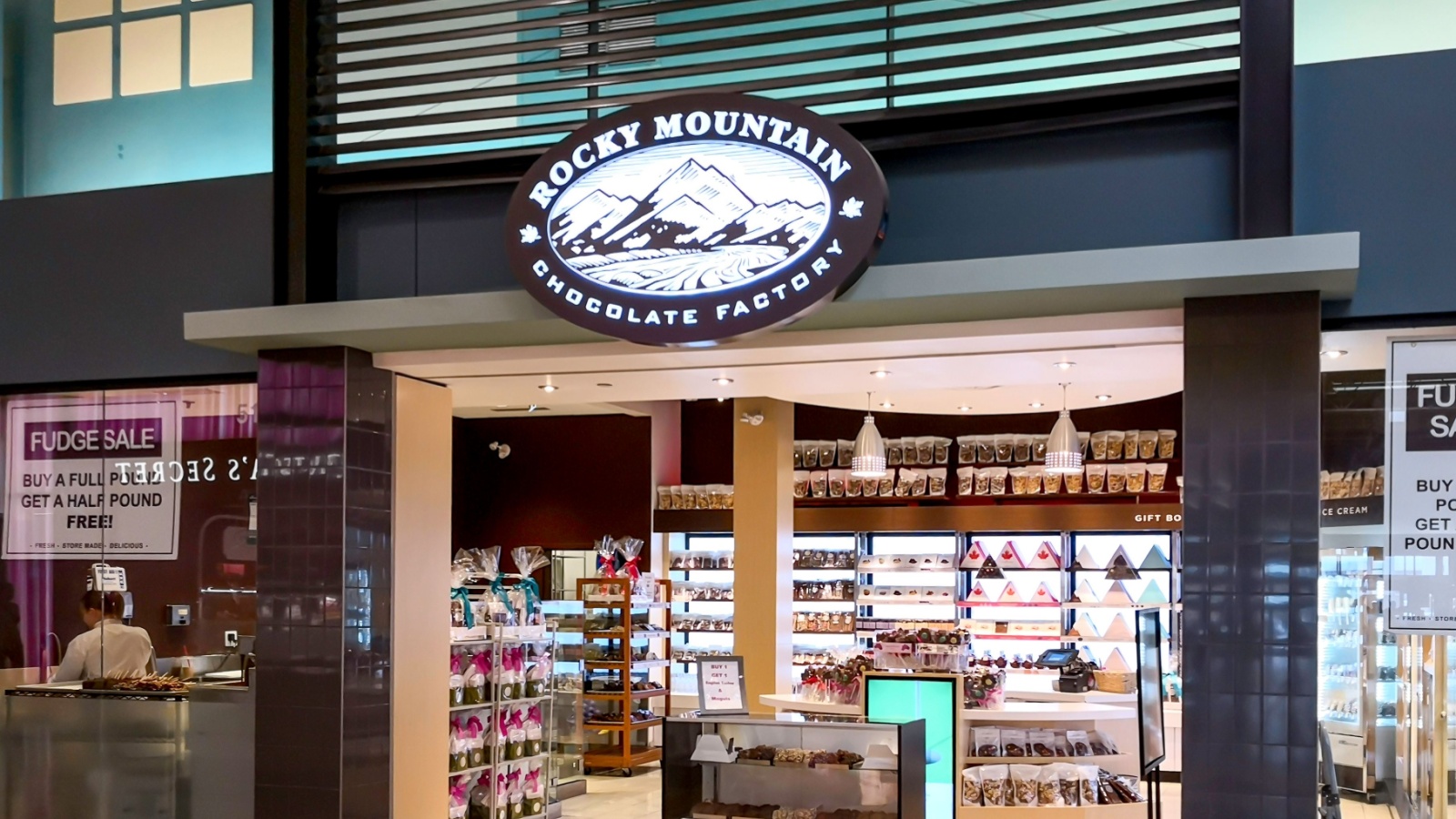
Rocky Mountain Chocolate Factory, originally based in the United States, entered the Canadian market with retail stores and wholesale partnerships. Known for premium chocolate and confectionery, the brand adapted to local tastes and seasonal events, building a loyal customer base. Expansion into malls, tourist areas, and specialty markets helped the brand gain recognition across Canada. By blending quality products with a strong brand presence, Rocky Mountain Chocolate Factory demonstrates how an established company can successfully scale internationally while appealing to Canadian consumers.
Clearly

Clearly began as a small eyewear store in Vancouver, British Columbia, focusing on prescription glasses and sunglasses. Leveraging e-commerce, the company expanded its reach nationally and internationally, offering a wide range of affordable eyewear with home try-on options. Clearly’s growth highlights the power of combining traditional retail experience with digital innovation, simplifying the process of buying glasses online. Through customer-focused solutions, strong branding, and tech-driven convenience, Clearly has evolved from a local eyewear shop into a leading online optical retailer serving millions of customers worldwide.
GoodLife Fitness

GoodLife Fitness started in London, Ontario, in 1979 with a single gym focused on promoting health and wellness. By emphasizing quality facilities, diverse classes, and accessible membership options, GoodLife expanded rapidly across Canada. Today, it operates hundreds of locations nationwide, offering group fitness, personal training, and corporate wellness programs. GoodLife’s growth demonstrates how a local gym with strong community engagement, consistent service quality, and strategic expansion can become Canada’s largest fitness franchise, serving millions of members while shaping the country’s health and fitness culture.
Spin Master

Spin Master began in Toronto, Ontario, in 1994 as a small toy company selling innovative games and products. The company quickly gained attention with unique toys such as Air Hogs and Hatchimals, eventually expanding into global markets. Strategic acquisitions, creative product development, and licensing agreements helped Spin Master become a major international toy and entertainment company. The company’s evolution shows how a small Canadian toy shop can achieve global recognition by focusing on innovation, marketing, and consumer trends while maintaining a strong domestic presence.
Maple Leaf Foods

Maple Leaf Foods, based in Mississauga, Ontario, started as a traditional meat processing company and evolved into a leading Canadian food corporation. Expanding product lines, modernizing facilities, and focusing on sustainability and food safety helped the company stay competitive nationally and internationally. Maple Leaf Foods now emphasizes plant-based proteins, environmentally responsible operations, and community engagement. The company’s transformation demonstrates how innovation, diversification, and commitment to sustainability can turn a local processing business into a respected food empire with global reach.
22 Groceries to Grab Now—Before another Price Shock Hits Canada

Food prices in Canada have been steadily climbing, and another spike could make your grocery bill feel like a mortgage payment. According to Statistics Canada, food inflation remains about 3.7% higher than last year, with essentials like bread, dairy, and fresh produce leading the surge. Some items are expected to rise even further due to transportation costs, droughts, and import tariffs. Here are 22 groceries to grab now before another price shock hits Canada.
22 Groceries to Grab Now—Before another Price Shock Hits Canada
