Canada has made many decisions that did not follow what other countries were doing at the time. Some choices faced criticism and pressure, while others sparked debate inside and outside the country. Over time, these decisions helped shape a distinct national identity and showed that progress does not always follow a common path. Some changes took years, while others happened quickly. Each moment reflects independent thinking rather than copying global trends. These examples show how Canada shaped its own direction with consistency and purpose. Here are 18 times we refused to play by someone else’s rules.
Canada Legalizes Same-Sex Marriage First
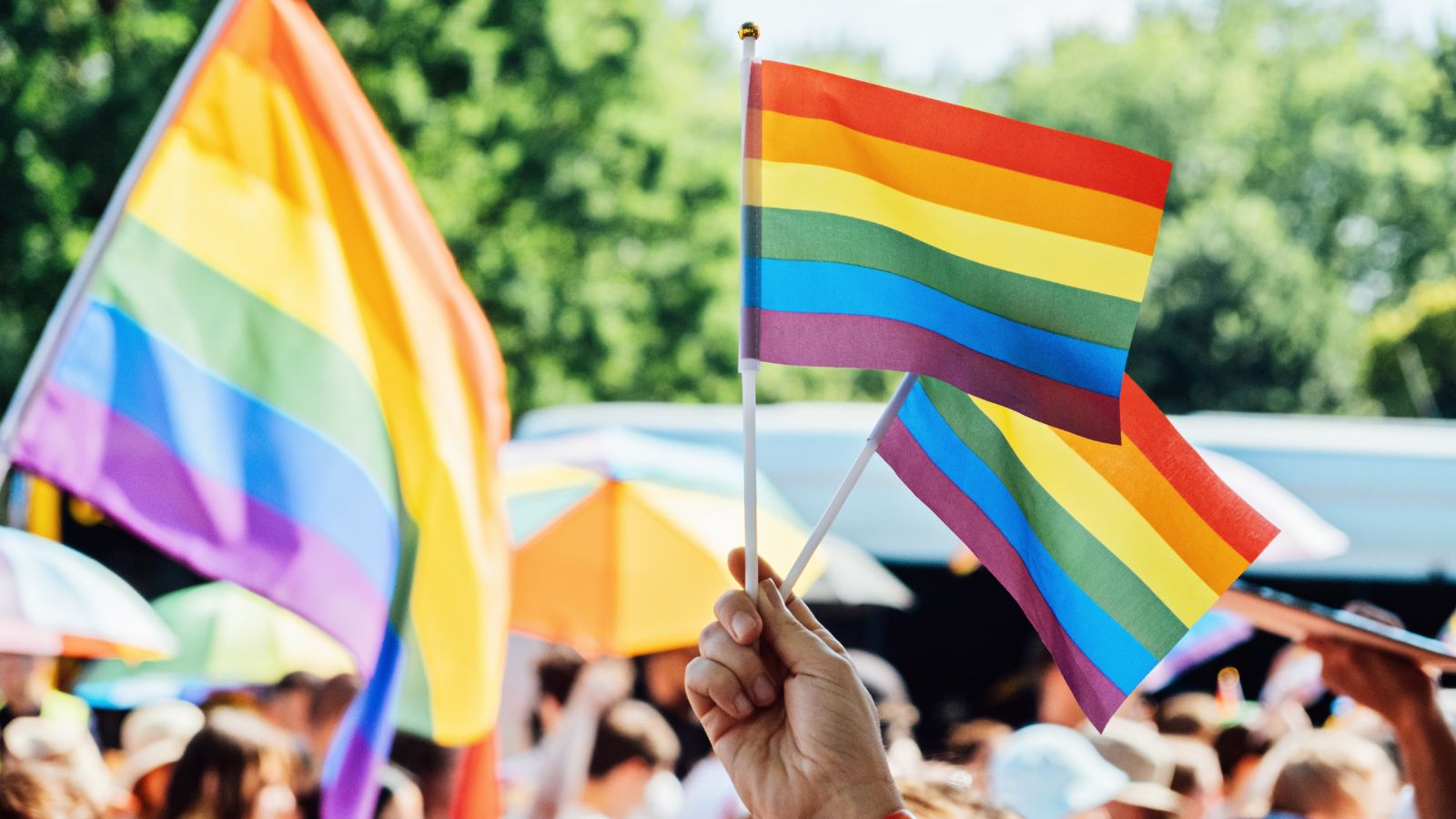
Canada legalized same-sex marriage nationwide in 2005. At that time, many countries still restricted marriage rights and were debating recognition of LGBTQ+ relationships. Canada moved forward based on equality rather than waiting for wider approval. The decision reflected a legal and cultural commitment to human rights. It also influenced international discussions on civil rights and set a global example. Today, it remains one of the moments where Canada acted ahead of global trends. It helped shape the national identity by showing support for fairness and equal treatment under the law.
Choosing Universal Healthcare Over Privatized Systems

Canada implemented universal healthcare so people could access medical treatment regardless of income. Other countries moved toward private or insurance-based systems, yet Canada continued supporting a publicly funded model. The purpose was to prioritize fairness and reduce financial barriers to essential care. Discussions continue about improvements, but the foundation remains consistent. Healthcare is treated as a right instead of a privilege. This choice represents a refusal to adopt systems that favor profit or ability to pay over need. It reflects a long-term priority to protect accessibility for everyone.
Maintaining a Peacekeeping Identity

Canada built a global reputation centered on peacekeeping rather than military dominance. Instead of expanding armed forces for forceful intervention, Canada supported diplomacy and participation in United Nations missions. This approach reflected national values focused on cooperation and negotiation. While peacekeeping roles have evolved, the reputation remains part of Canada’s international image. The decision showed that security could also be supported through collaboration and stability rather than aggression. It demonstrated a willingness to choose a different path even when allies prioritized military strength.
Creating a Bilingual National Framework

Canada officially adopted English and French at the national level to protect linguistic rights. Most countries chose one standard administrative language for efficiency, but Canada committed to bilingual services, education, and legal frameworks. The policy recognized cultural history and ensured both languages had equal status. Although bilingualism requires resources and public infrastructure, it represents inclusion rather than uniformity. It continues to shape communication and cultural identity across the country. The choice reflects respect for diverse communities and a refusal to simplify identity for convenience.
Protecting Multiculturalism as Official Policy
Canada was the first country to declare multiculturalism as official national policy. Rather than expecting newcomers to abandon their cultural identity, Canada supported maintaining traditions while participating in society. The model focused on inclusion and equal participation. Cultural expression is supported through education, public initiatives, and legal protection. There are ongoing discussions about integration, yet multiculturalism remains a core part of national identity. The decision showed confidence that diversity strengthens communities. It marked a moment where Canada chose respect and representation over forced uniformity.
Rejecting Mandatory Military Service
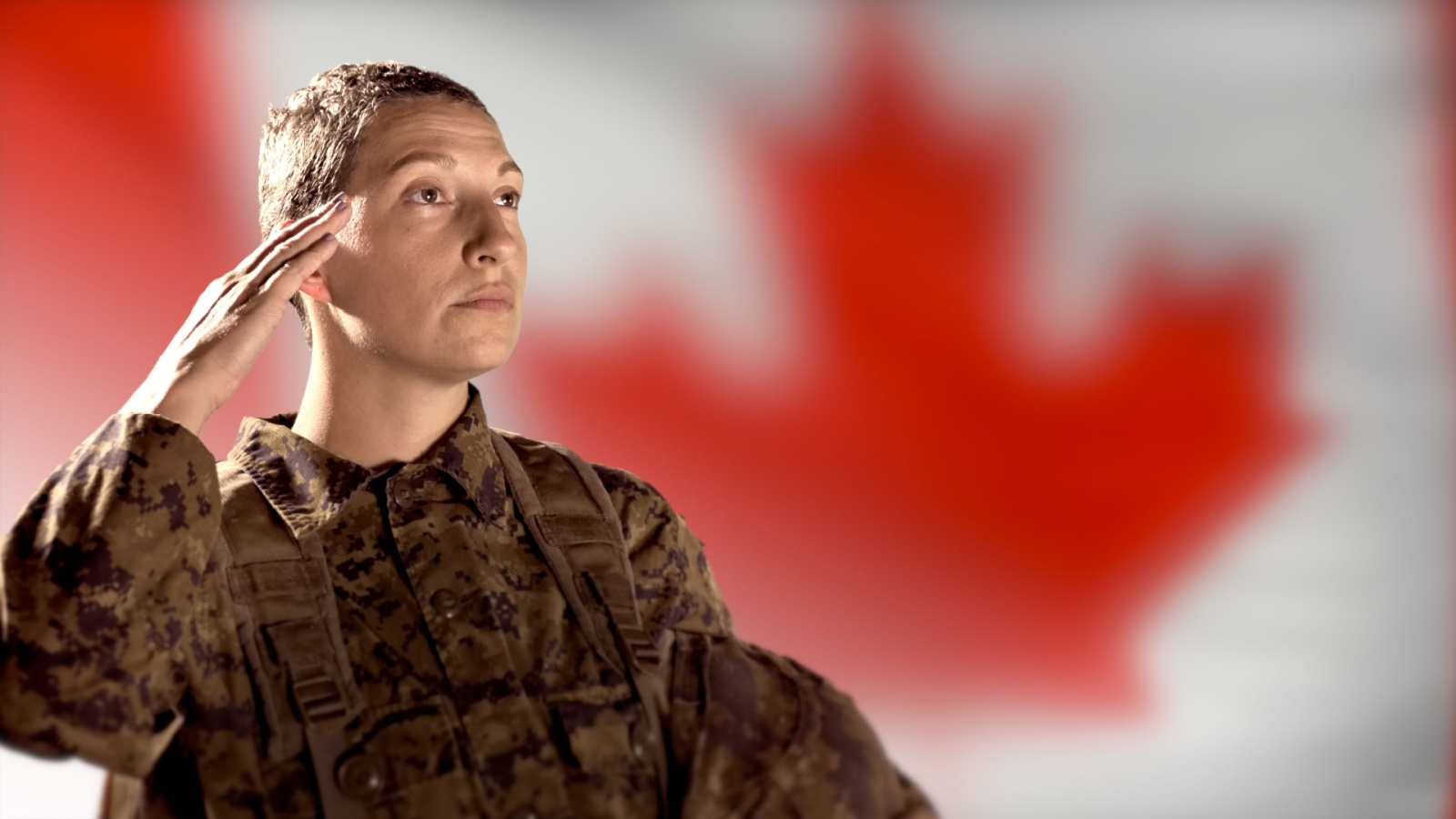
Canada never adopted mandatory military service as a permanent policy, even during periods when many countries enforced it. There were moments in history where conscription was debated, but public resistance shaped the national stance. The choice reflected a belief that serving in the military should be voluntary. It aligned with Canada’s reputation for supporting peacekeeping rather than building a large compulsory military force. The decision became part of the national identity and reflected respect for individual choice. It showed that national defence could be supported without requiring every citizen to serve.
Prioritizing Individual Rights Over Government Authority
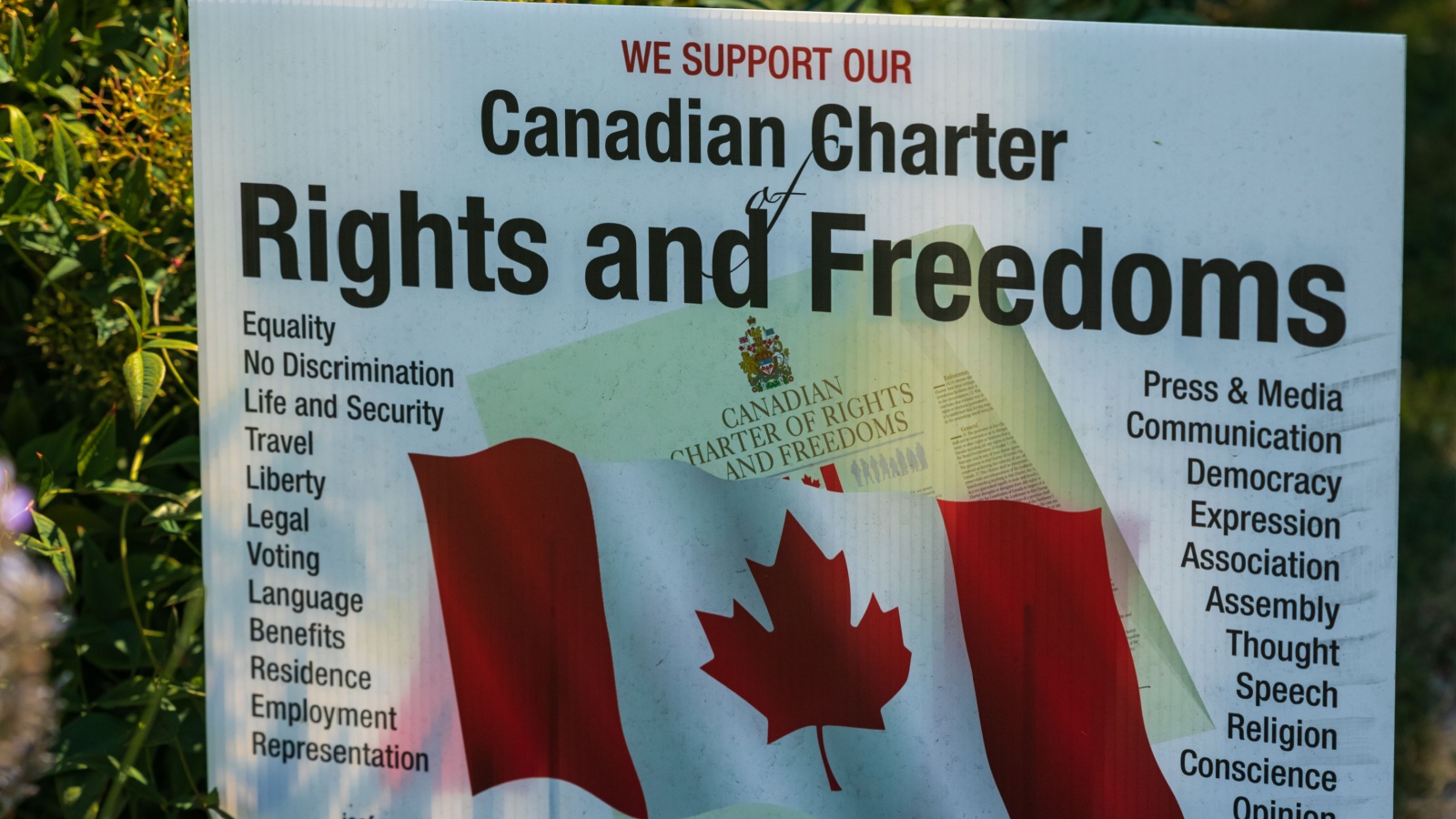
Canada introduced the Charter of Rights and Freedoms in 1982 to clearly protect individual rights within the legal system. The document strengthened civil liberties and set limits on government power. It has guided court decisions on equality, freedom of expression, mobility rights, and legal protections. Many countries place more control in government hands, but Canada chose to prioritize personal freedoms. The Charter continues to influence social policies and public discussions. It represents a commitment to fairness, dignity, and accountability. The decision signaled that individual rights would be central to the country’s legal framework.
Legalizing Cannabis Nationally

Canada legalized recreational cannabis nationwide in 2018. At that time, most countries still banned or heavily restricted cannabis use. The decision focused on regulation, public health, and reducing criminalization rather than punishment. It created a legal structure for production, sales, and safe consumption. The move sparked international conversation about drug policy reform and showed a willingness to break from long-standing global approaches. It reflected confidence in research-based decision-making instead of fear-based policies. The choice continues to evolve with regulation updates and public education.
Standing Firm on Climate Agreements

Canada continued participating in global climate agreements even when other nations withdrew or scaled back commitments. The decision reflected a belief that environmental responsibility required long-term planning and cooperation. Canada supported emissions targets, renewable energy goals, and international accountability frameworks. Progress has been debated and ongoing, but the commitment to remain part of global climate efforts has stayed consistent. The decision showed that environmental policy could remain a priority even during political shifts. It also demonstrated responsibility toward future generations and the natural environment.
Refusing To Treat Indigenous Issues as Historical

Canada acknowledged that Indigenous rights and concerns are ongoing rather than part of the past. Instead of limiting discussions to history, the country works on reconciliation, land acknowledgements, legal recognition, and investigations into past harms. There is still significant work to be done, and progress is not linear. However, the decision to recognize these issues as current and necessary reflects a shift from silence to responsibility. Public education, policy changes, and community partnerships continue to develop. This approach represents respect and acknowledgment rather than dismissal.
Preserving Strict Firearm Regulations While Others Relaxed Theirs

Canada maintains strict firearm laws that focus on licensing, safe storage, and background screening. While other countries shifted toward looser regulations, Canada kept restrictions in place. The goal has been public safety rather than widespread personal ownership. Discussions continue, but the overall approach reflects caution and prevention. Canada treats firearms as regulated tools rather than everyday personal items. The decision aligns with national values regarding safety and responsibility. It also shows that Canada is willing to maintain tougher rules even when trends elsewhere move in a different direction.
Rejecting the Death Penalty Despite Pressure to Reinstate It

Canada abolished the death penalty in 1976 and chose not to bring it back, even during periods when public opinion suggested otherwise. The decision aligned with values centered on human rights and rehabilitation. Instead of focusing on punishment, the justice system moved toward long-term sentencing approaches and safeguards to prevent wrongful convictions. Many allies kept or reinstated capital punishment, but Canada stayed committed to its stance. This choice reflects a belief that the justice system should avoid irreversible consequences. It also reinforces Canada’s consistent position on dignity, fairness, and measured accountability.
Extending Protections to Refugees When Global Borders Tightened

Canada raised refugee intake and strengthened refugee support during periods when many countries closed borders or reduced immigration. The decision supported humanitarian needs rather than fear-based messaging. Refugees receive access to public services, resettlement support, and long-term pathways to citizenship. This approach contributed to global recognition of Canada as a safe destination for displaced individuals. Adjustments continue, but the commitment remains clear. The choice reflects compassion, responsibility, and a belief that new residents strengthen communities. This action shows a willingness to support global crises with practical programs rather than shutting doors.
Maintaining Public Broadcasting to Protect Culture Over Profit

Canada continues to support public broadcasting through platforms like CBC and Radio-Canada. While some countries shifted to fully commercial models, Canada preserved a publicly funded system. The goal is to protect Canadian stories, languages, and local journalism. Public broadcasting helps balance commercial entertainment with cultural content. This approach prioritizes representation over revenue. It supports regional voices and diverse perspectives. The decision reinforces the belief that the media has a role beyond profit. It reflects Canada’s commitment to culture, identity, and access to reliable information.
Supporting Independent Foreign Policy Instead of Following Larger Allies Automatically
Canada has chosen its own foreign policy stance in several global discussions instead of automatically aligning with larger allies. Decisions on peacekeeping, trade, diplomacy, and sanctions demonstrate independence. This approach reflects a belief that global participation should align with national values rather than external pressure. Canada often takes time to review decisions before committing. The goal is thoughtful policy rather than reaction-based alignment. This strategy helps Canada maintain credibility and neutrality in international discussions. It demonstrates confidence in decision-making influenced by Canadian priorities.
Upholding Language and Cultural Protections in Quebec Rather Than Forcing Uniformity

Canada supports language rights in Quebec through policies that protect French as the primary language in the province. Instead of pushing a single national language, Canada maintained bilingual laws and cultural protections. This decision recognizes Quebec’s unique identity and history. It also reflects the belief that national unity does not require identical cultural practices. These protections influence government services, education, and commerce. The policy continues to generate debate, but it remains a key part of federal identity. It demonstrates that diversity can be supported through structured and lasting frameworks.
Backing Public Education and Research Over Tuition-Driven Models

Canada invests in public education, research institutions, and accessible learning. Instead of moving toward a fully privatized tuition structure like some countries, Canada kept a publicly funded system. Tuition remains higher in some provinces than in others, but the overall model remains publicly supported. Research funding supports long-term projects rather than only market-driven goals. The approach reflects a belief that education strengthens society and should remain accessible. This decision supports equality, skill development, and economic growth. It also positions education as a shared responsibility rather than an individual burden.
Keeping Civility in Politics When Global Trends Shifted Toward Polarization

While many countries experienced sharp divisions in political communication, Canada attempted to maintain a calmer tone in public debate. The approach is not perfect, and disagreements continue, but political dialogue generally remains more measured compared to countries where debate has become hostile. Campaigns often focus on policy rather than verbal escalation. Parliament debates can still get tense, yet civility remains an encouraged expectation. The goal is to discuss issues without creating long-term hostility among citizens. This choice reflects a belief that democracy can function without constant conflict or personal attacks.
21 Products Canadians Should Stockpile Before Tariffs Hit

If trade tensions escalate between Canada and the U.S., everyday essentials can suddenly disappear or skyrocket in price. Products like pantry basics and tech must-haves that depend on are deeply tied to cross-border supply chains and are likely to face various kinds of disruptions
21 Products Canadians Should Stockpile Before Tariffs Hit
