
Crossing the United States border can feel routine for many Canadians. Small mistakes, however, can quickly lead to secondary inspection. Rules cover food, documentation, travel purpose, and personal belongings. Travelers often break regulations without realizing it. Items legal in Canada may still be restricted at the border. Officers focus on safety, agriculture, and immigration compliance. Honest answers and preparation help avoid problems. Here are 18 ways Canadians accidentally break US border rules and get sent to secondary.
U.S. Customs and Border Protection Undeclared Food Items
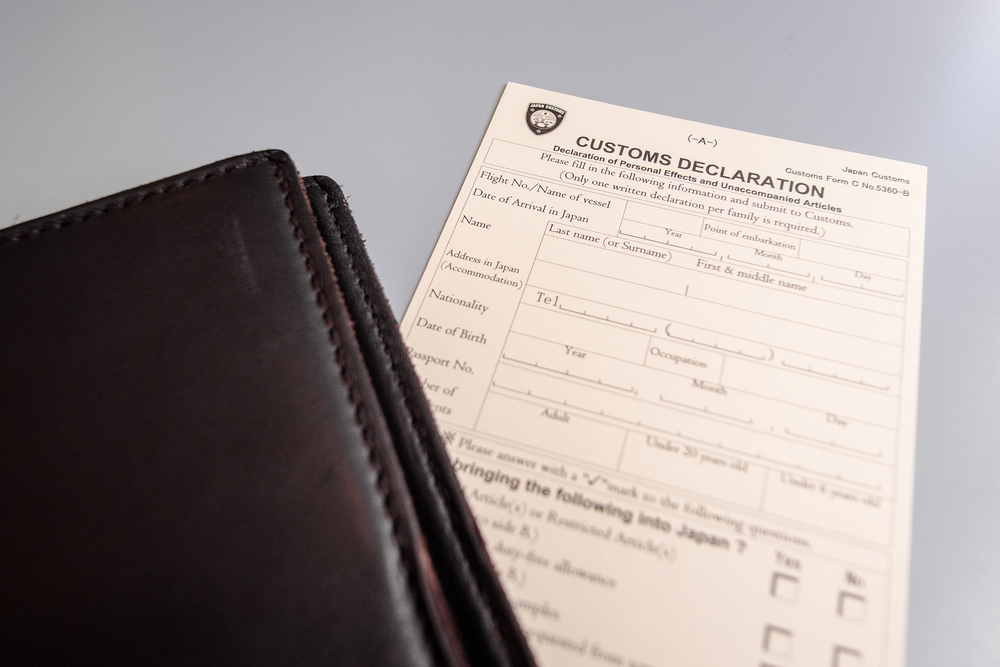
Undeclared food is one of the most common reasons travelers get sent to secondary inspection. Even small snacks, homemade goods, and packaged foods must be declared upon entry into the United States. Officers focus on agricultural safety and disease prevention. Items like sandwiches, baked goods, or fruit can trigger further checks. Travelers often forget food in backpacks, coolers, or carry-on bags. Saying no when asked about food, then having it discovered, raises concerns. An honest declaration does not always mean confiscation, but hiding items increases penalties. Declaring everything avoids fines, delays, and possible future border scrutiny.
Carrying Prohibited Fruits or Vegetables
Certain fruits and vegetables are restricted due to the risk of pests or plant diseases. Even store-bought produce can be refused entry. Officers may ask detailed questions about origin and packaging. Travelers often bring apples, citrus, or fresh vegetables without checking the rules. Items allowed from one country may be banned from another. Forgetting produce in lunch bags is common. Agricultural officers may seize items and record the incident. Repeated violations can lead to fines. Checking official guidelines before travel helps prevent delays and protects agricultural safety.
Bringing Meat or Dairy Without Checking Rules

Meat and dairy products face strict border controls due to the risk of animal diseases. Some items, like certain cheeses or cured meat,s may be restricted. Rules depend on the country of origin and current health alerts. Even sealed supermarket products may not be allowed. Travelers sometimes pack food for road trips without realizing that rules apply. Officers often send travelers to secondary to inspect such items. Undeclared meat or dairy can lead to confiscation or fines. Verifying allowed items in advance helps avoid problems and supports livestock protection measures.
Not Declaring Large Cash Amounts
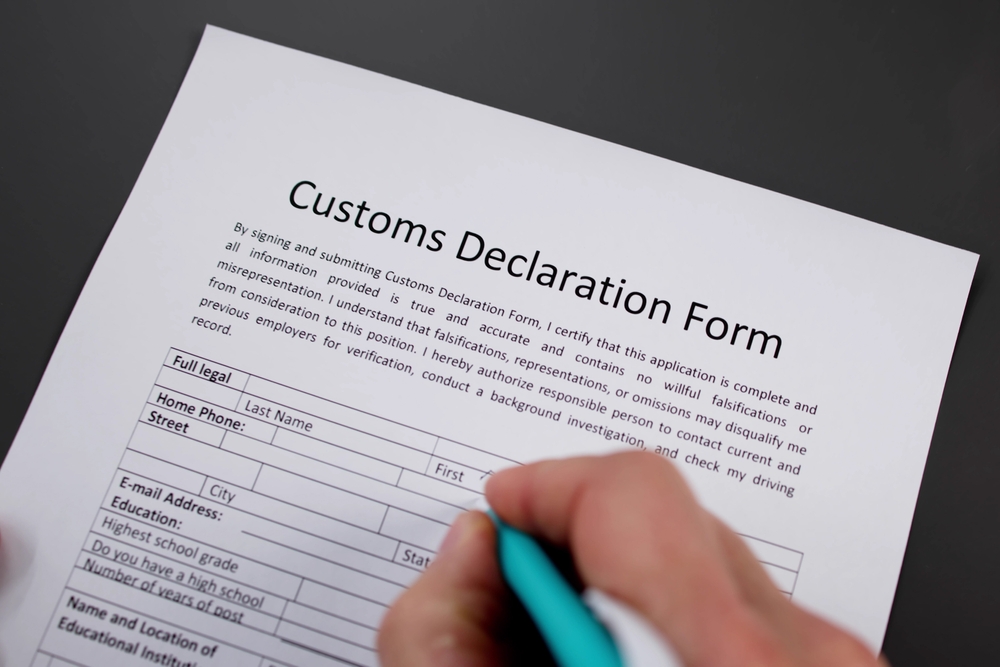
Travelers carrying large amounts of cash must declare it at the border. The United States requires reporting amounts above set thresholds. Failure to declare can lead to seizure, even if the money is legal. Officers may ask about the source and purpose of funds. Banking records may be requested later. Travelers sometimes assume personal savings do not count. Honest declaration avoids suspicion. Cash reporting rules target financial crimes. Understanding limits and paperwork requirements prevents serious complications during entry inspection.
Forgetting Prescription Documentation
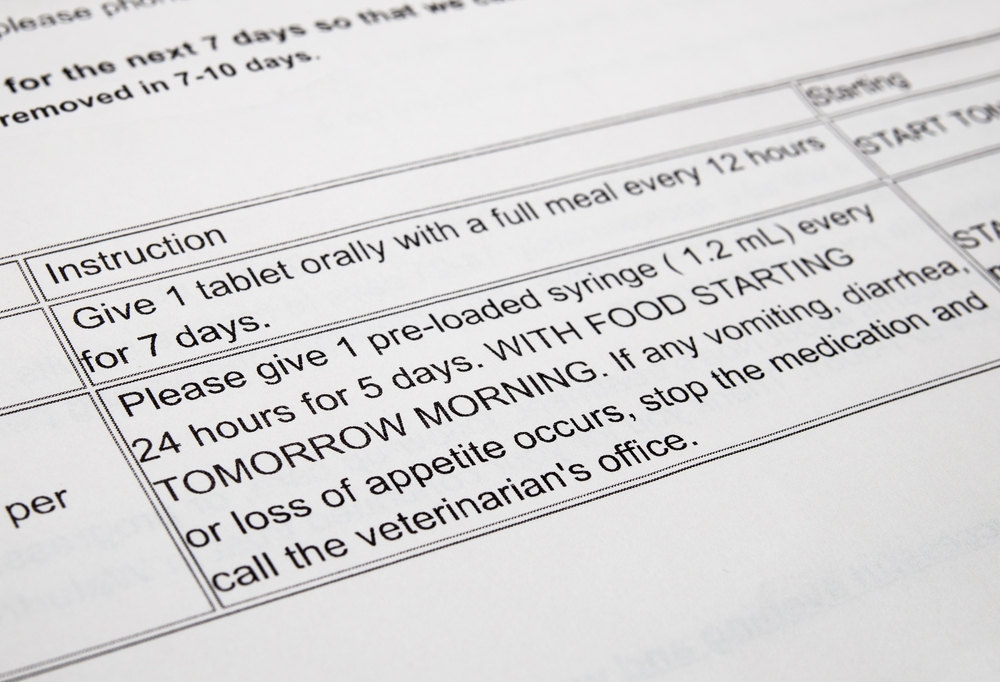
Travelers bringing prescription medication should carry proper documentation. Medications must be in original labeled containers. Some drugs that are legal in Canada may be controlled in the United States. Officers may question large quantities. A doctor’s note or prescription copy helps explain use. Travelers sometimes pack loose pills in organizers, which raises concerns. Missing paperwork can lead to confiscation or delays. Clear labeling supports smooth entry. Preparing documentation in advance reduces the risk of secondary inspection and protects access to necessary medications during travel.
Traveling With Work Equipment Without a Proper Visa
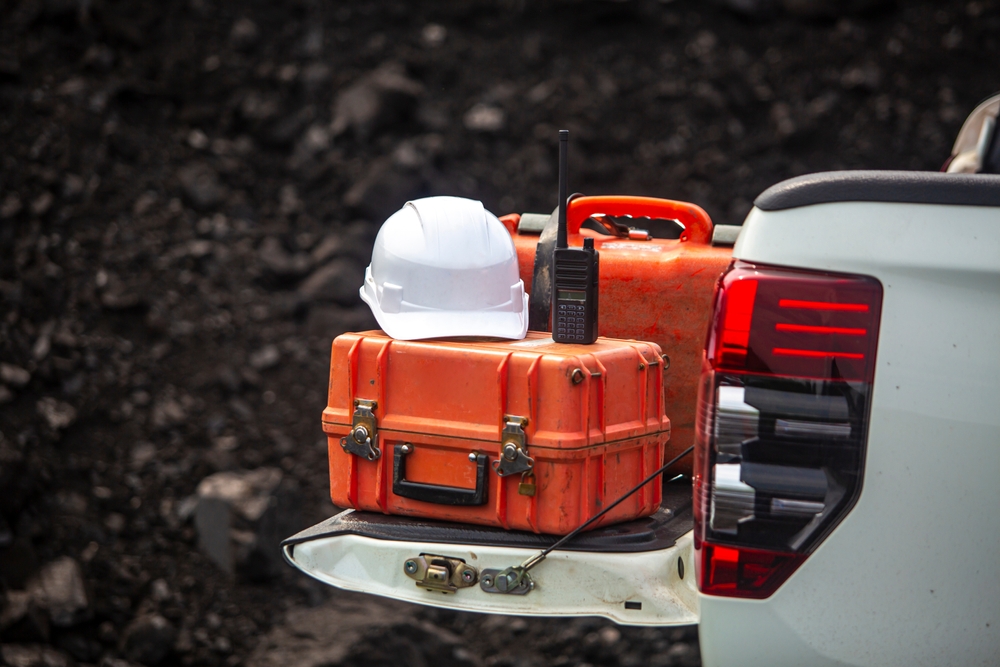
Carrying work equipment can signal business activity to border officers. Items like tools, sample products, or specialized gear raise questions about the purpose of travel. Entering the United States for work often requires proper visa authorization. Travelers sometimes assume brief tasks or meetings do not count as work. Officers may ask detailed questions about job duties. Inconsistent explanations can lead to secondary inspection. Electronic devices may also be reviewed. Without correct documentation, entry may be denied. Understanding visa categories before travel helps avoid complications and protects future travel eligibility.
Giving Inconsistent Travel Answers

Border officers look for clear and consistent answers during questioning. Conflicting information about travel plans raises concerns. Differences between spoken answers and travel history may trigger inspection. Travelers sometimes provide vague or changing details due to nervousness. Even small inconsistencies can prompt officers to investigate further. Clear responses about destination, length of stay, and purpose help. Officers compare answers with records and tickets. Staying calm and direct supports a smoother entry. Preparation reduces confusion and lowers the chance of secondary screening.
Carrying Cannabis Products Across the Border
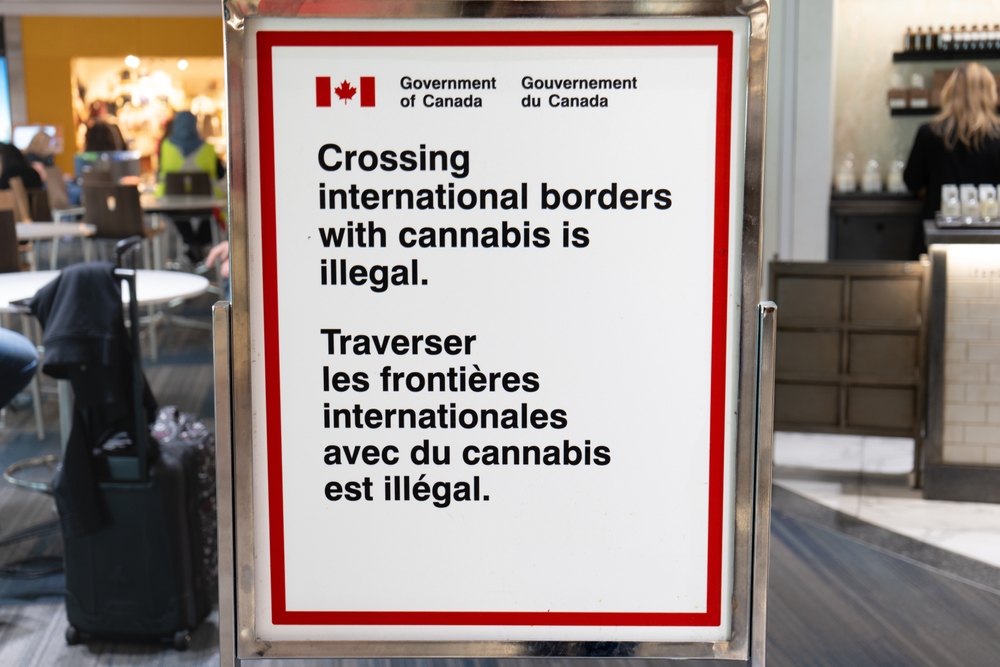
Cannabis remains illegal under United States federal law. Bringing cannabis products across the border can lead to serious consequences. This includes medical cannabis, edibles, oils, or CBD items. Legal status in Canada does not apply at the border. Officers treat all cannabis the same, regardless of the amount. Travelers sometimes forget items left in bags. Even small quantities can cause denial of entry. Border authorities take strict action on drug-related violations. Checking belongings carefully before travel helps avoid legal issues and entry refusal.
Bringing Firearms Parts, or Ammunition

Firearms parts and ammunition are heavily regulated at the border. Even small components can raise serious security concerns. Proper permits and declarations are required for legal transport. Travelers sometimes forget items stored in vehicles or luggage. Officers treat undeclared parts as major violations. Secondary inspection is common in such cases. Penalties can include fines, seizure, or denial of entry. Understanding firearm transport laws is essential. Careful bag and vehicle checks before travel help prevent serious complications at the border.
Overstaying Previous Visits

Previous overstays can affect future entry into the United States. Border officers review travel history and past exit records. Even short overstays may raise questions. Travelers sometimes misunderstand permitted stay lengths. Visa-free entry does not mean unlimited time. Officers may ask for proof of ties to Canada. Secondary inspection helps verify compliance. Repeated overstays can lead to denial of entry. Tracking visit dates and departure records helps avoid issues. Understanding entry conditions supports smoother future crossings.
Carrying Goods for Friends Without Declaration
Carrying items for friends can create problems at the border. Even if unpaid, goods count as imports. Officers may ask who owns the items and their value. Travelers sometimes say items are not theirs, which raises suspicion. Undeclared goods can lead to fines or seizure. Gifts and packages must be declared honestly. Officers check quantities and purpose. Carrying multiple similar items may appear commercial. Keeping receipts and clear explanations helps. Declaring everything avoids misunderstandings and reduces the chance of secondary inspection or penalties.
Transporting Plants or Seeds
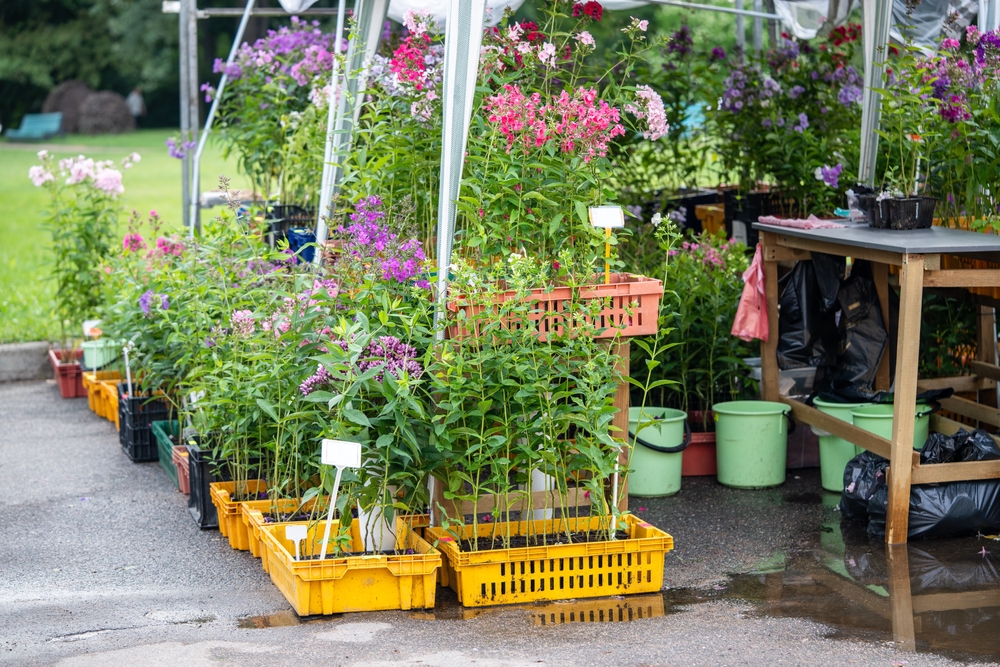
Plants and seeds are controlled due to agricultural safety concerns. Soil, pests, or diseases can travel with them. Officers may ask about species and origin. Some plants require permits or inspection certificates. Travelers often bring seeds for gardening without checking the rules. Undeclared plant materials may be confiscated. Repeated violations can lead to fines. Agricultural officers focus on protecting crops and ecosystems. Checking regulations before travel helps prevent delays. Declaring plant items honestly supports smoother entry and avoids penalties at the border.
Driving Someone Else’s Vehicle Without Proof

Driving a vehicle that is not registered to you can trigger questions. Officers may suspect theft or unauthorized use. Travelers should carry written permission from the owner. Rental agreements must match the driver’s name. Border staff may check registration and insurance. Inconsistent answers can lead to secondary inspection. Proof of authorization reduces suspicion. Travelers often overlook this requirement on road trips. Preparing documentation in advance helps prevent delays. Clear proof supports smoother border crossing and avoids vehicle-related complications.
Traveling With Restricted Medications
Some medications that are legal in Canada are restricted in the United States. Controlled substances may face strict limits. Travelers should carry prescriptions in original containers. Officers may question large quantities. Missing documentation can lead to confiscation. Even over-the-counter products may contain regulated ingredients. Checking drug regulations before travel is important. A doctor’s note helps explain medical needs. An honest declaration reduces the risk of penalties. Proper preparation ensures continued access to necessary medications during travel.
Failing to Show Proof of Return Plans

Border officers often ask about return travel plans. One-way tickets can raise concerns about overstaying. Travelers may need to show return flight bookings or itinerary details. Proof of ties to Canada can also help. Officers assess whether travelers plan to leave as required. Vague answers may result in a secondary inspection. Carrying documentation supports credibility. Preparing travel details in advance reduces delays. Clear plans help demonstrate compliance with entry conditions and support smoother border processing.
Carrying Counterfeit Branded Items

Counterfeit branded goods can create problems at the border. Items that copy logos or trademarks may be seized. Travelers sometimes buy replicas abroad without realizing legal risks. Officers are trained to spot fake handbags, watches, or clothing. Even small personal purchases can lead to confiscation. Counterfeit goods violate intellectual property laws. Saying the item is for personal use does not always help. Receipts from markets do not make replicas legal. Avoiding imitation products helps prevent delays, questions, and potential penalties during entry inspection.
Not Disclosing Prior Legal Issues
Border officers have access to certain travel and legal records. Failing to disclose past legal issues can lead to secondary inspection. Even minor past offenses may be questioned. Providing false information can worsen the situation. Officers assess admissibility based on honesty and history. Travelers sometimes assume old incidents no longer matter. Records can still appear during checks. Answering questions truthfully supports smoother processing. Consulting legal advice before travel may help in complex cases. Transparency reduces the risk of entry denial or further questioning.
Using the Wrong Travel Document
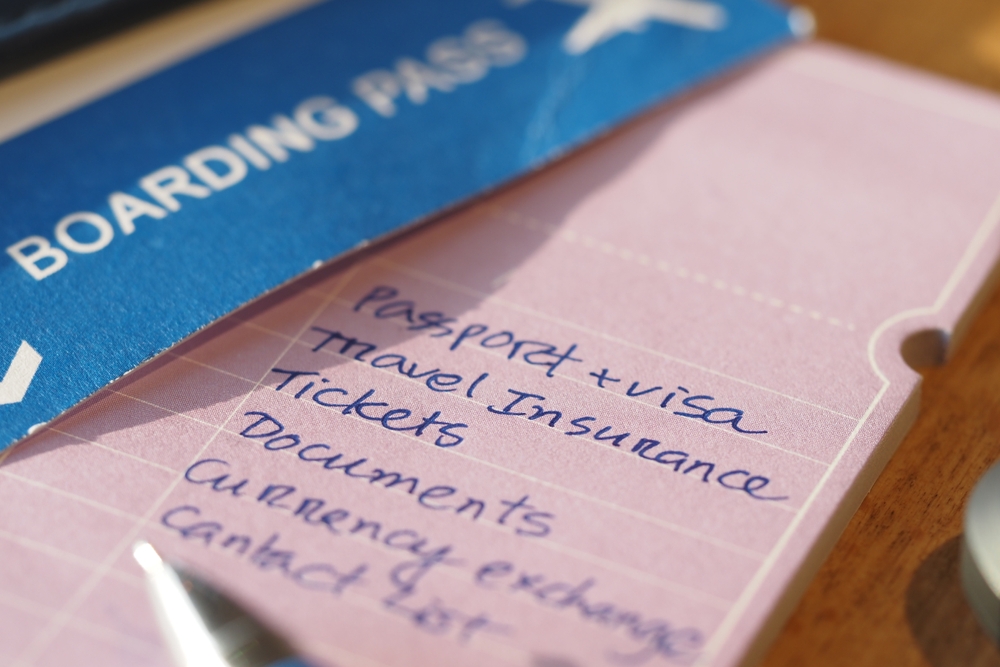
Using incorrect or expired travel documents often leads to delays. Officers verify passports, visas, and entry permissions. Some travelers assume older IDs or documents are acceptable. Entry rules vary by citizenship and purpose of travel. Expired documents may result in entry refusal. Carrying proper identification supports smoother checks. Digital copies may not replace originals. Reviewing document requirements before departure is essential. Completing the required paperwork helps avoid secondary inspections and prevents travel disruptions at the border.
22 Groceries to Grab Now—Before another Price Shock Hits Canada
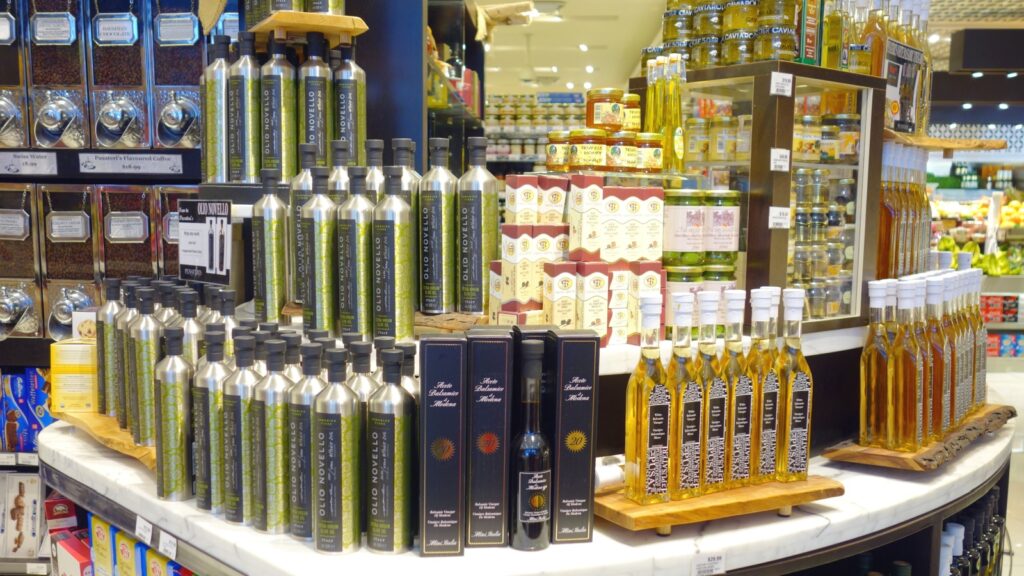
Food prices in Canada have been steadily climbing, and another spike could make your grocery bill feel like a mortgage payment. According to Statistics Canada, food inflation remains about 3.7% higher than last year, with essentials like bread, dairy, and fresh produce leading the surge. Some items are expected to rise even further due to transportation costs, droughts, and import tariffs. Here are 22 groceries to grab now before another price shock hits Canada.
22 Groceries to Grab Now—Before another Price Shock Hits Canada
