Air travel rules change frequently, but many passengers remain unaware until the day of departure. Canadians who fly only occasionally may rely on outdated expectations about baggage, boarding, and ticket conditions. Airlines have adjusted policies to manage crowds, reduce delays, and control costs. These updates are often buried in fare details rather than highlighted clearly. As a result, travellers encounter surprises at check-in or the gate. Here are 19 airline rules Canadians do not realize have changed until they reach the airport.
Carry-On Size Limits Now Strictly Enforced
Airlines are enforcing carry-on size limits more strictly than before. Bags that previously passed without issue may now be measured at check-in or the gate. If dimensions exceed limits, travellers must check the bag and pay fees. Canadians who rely on flexible enforcement often face unexpected charges. Overhead bin space remains limited on full flights. Smaller aircraft also further reduce allowable sizes. Soft bags that expand when packed can cause problems. Using airline-approved luggage helps avoid complications. Checking size rules before departure prevents last-minute stress. Strict enforcement aims to speed boarding and reduce delays.
Personal Item Dimensions Reduced on Some Fares
Some airlines have reduced the size allowed for personal items on basic fares. Bags that once qualified may now be considered oversized. Canadians relying on backpacks or tote bags may encounter issues. Personal items must fit under the seat completely. Overpacked bags often exceed depth limits even if the width appears acceptable. Airlines enforce these rules more closely on discounted tickets. Carry-on privileges may not compensate for smaller allowances. Measuring bags at home helps confirm compliance. Compact packing strategies become essential. Understanding fare conditions prevents confusion at the airport. Smaller allowances reflect efforts to maximize cabin space efficiency.
Boarding Gate Bag Checks for Oversized Carry-Ons
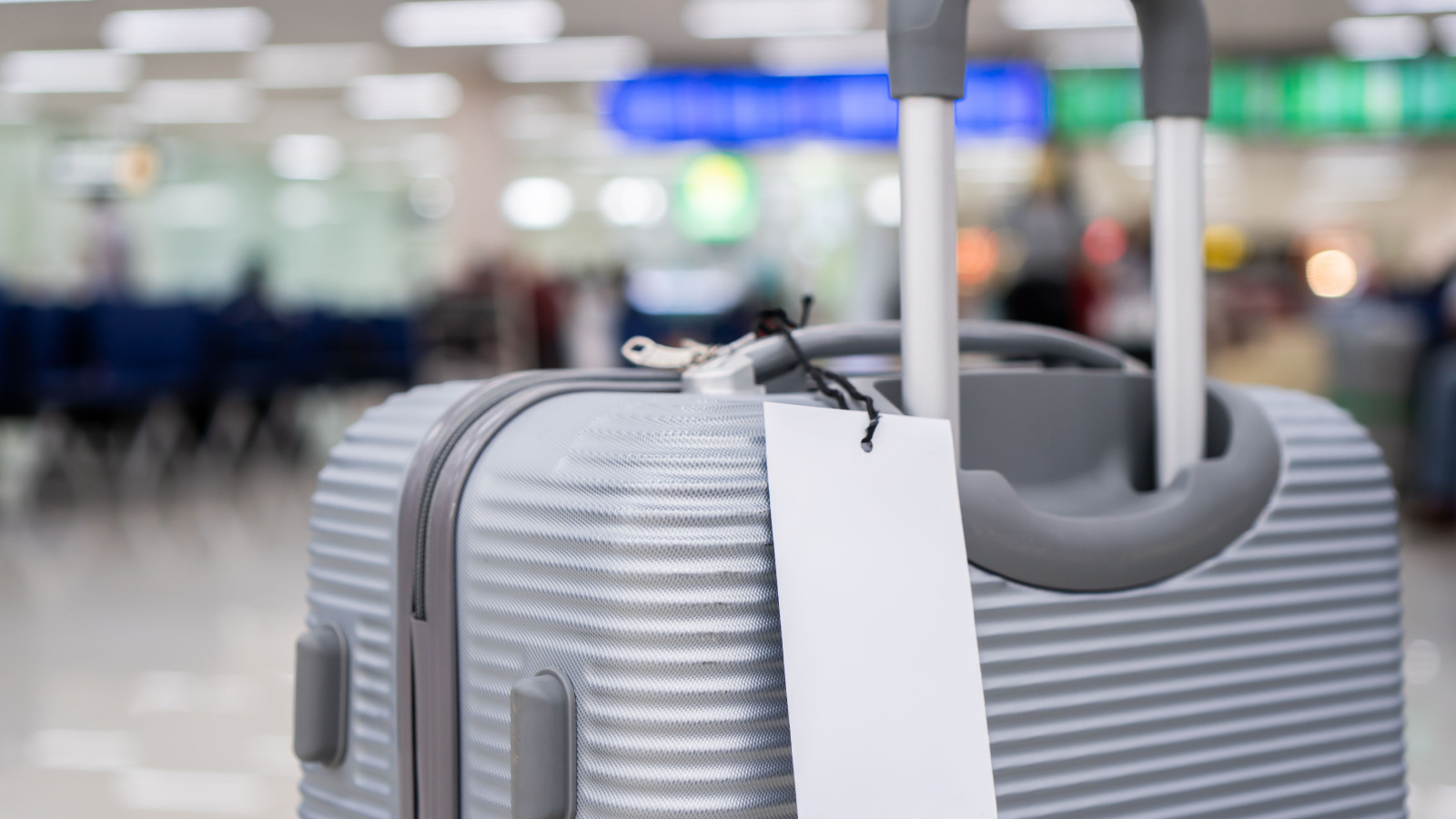
Gate agents increasingly check bag sizes during boarding. If a carry-on appears too large, travellers may be asked to place it in a sizing frame. Failure to fit results in mandatory checked baggage. Fees at the gate are typically higher than prepaid rates. Canadians rushing to board may not anticipate this inspection. Full flights increase the likelihood of enforcement. Soft luggage that bulges can be rejected even if originally compliant. Removing bulky items beforehand may help. Planning for strict checks avoids delays and added costs. Gate enforcement helps airlines maintain consistent cabin standards.
Basic Economy No Longer Includes Overhead Bin Access
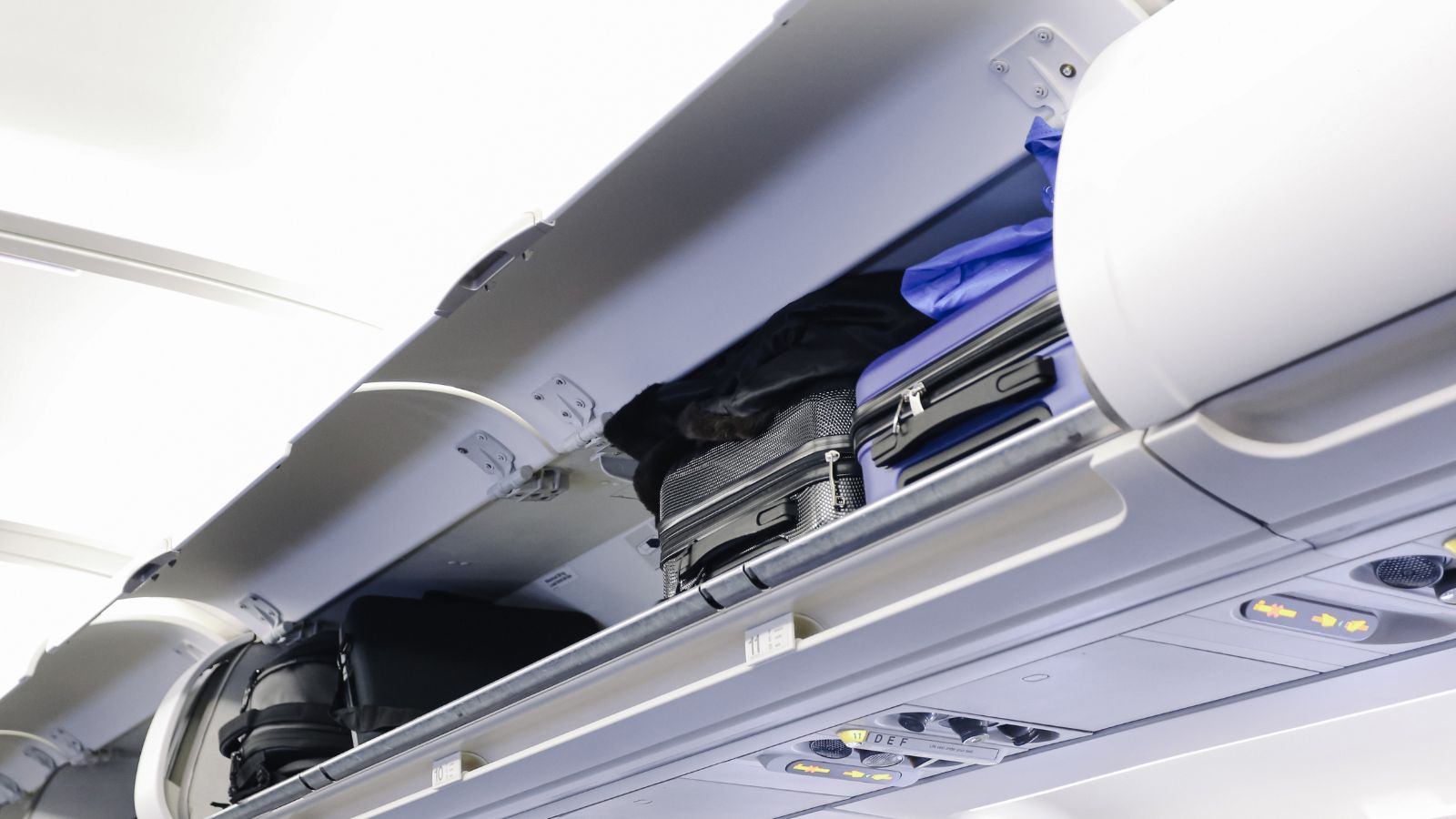
Basic economy tickets often exclude overhead bin privileges entirely. Passengers may bring only a small personal item onboard. Larger bags must be checked for a fee. Canadians purchasing low-cost fares sometimes discover this restriction late. Overhead bins are reserved for higher fare classes. Boarding announcements may remind passengers of these limits. Attempting to carry additional bags can cause delays at the gate. Understanding fare inclusions before purchase is essential. Upgrading tickets may restore standard allowances. This policy allows airlines to offer cheaper base prices while charging for extras.
Stricter ID Requirements for Domestic Flights
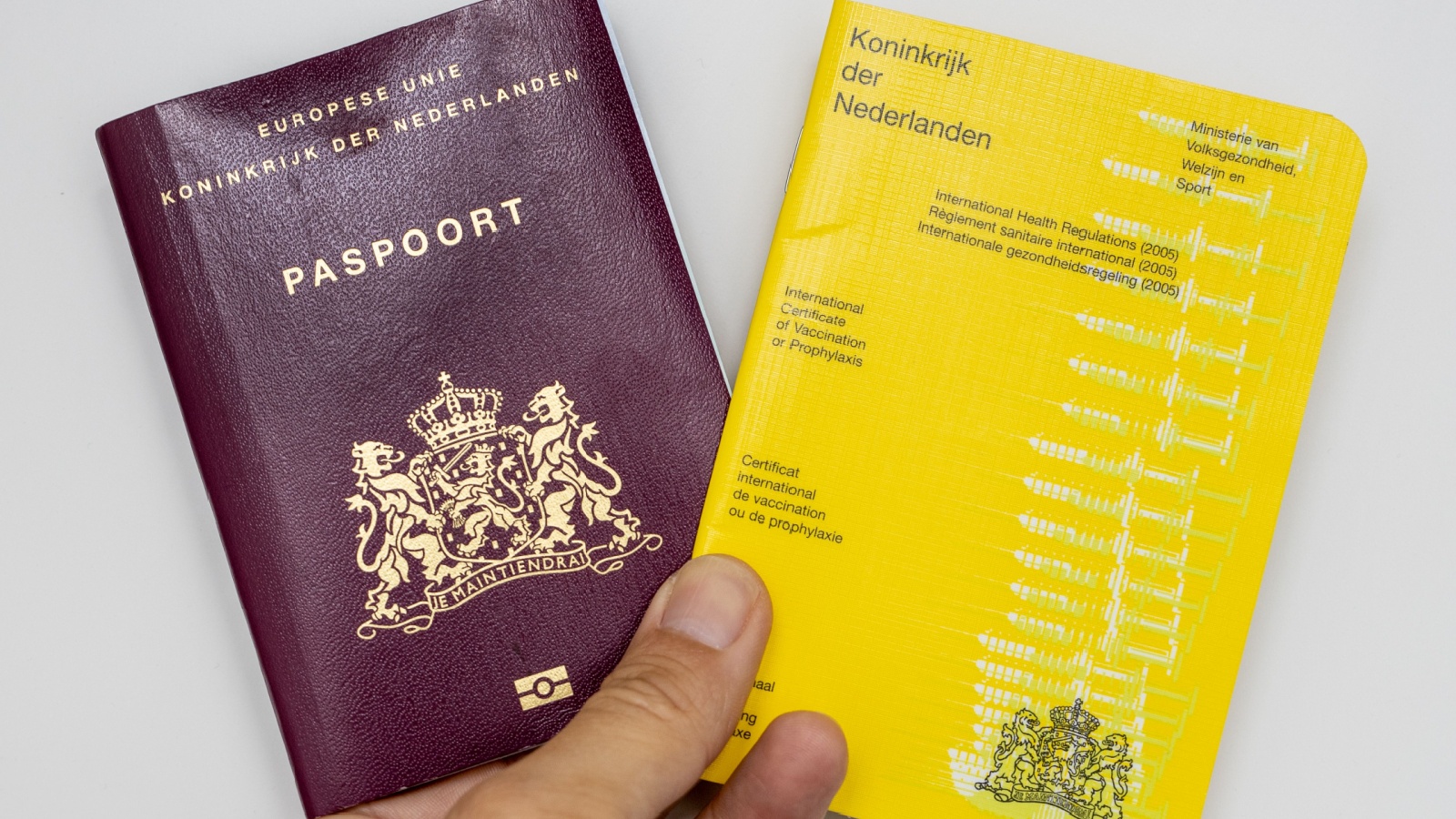
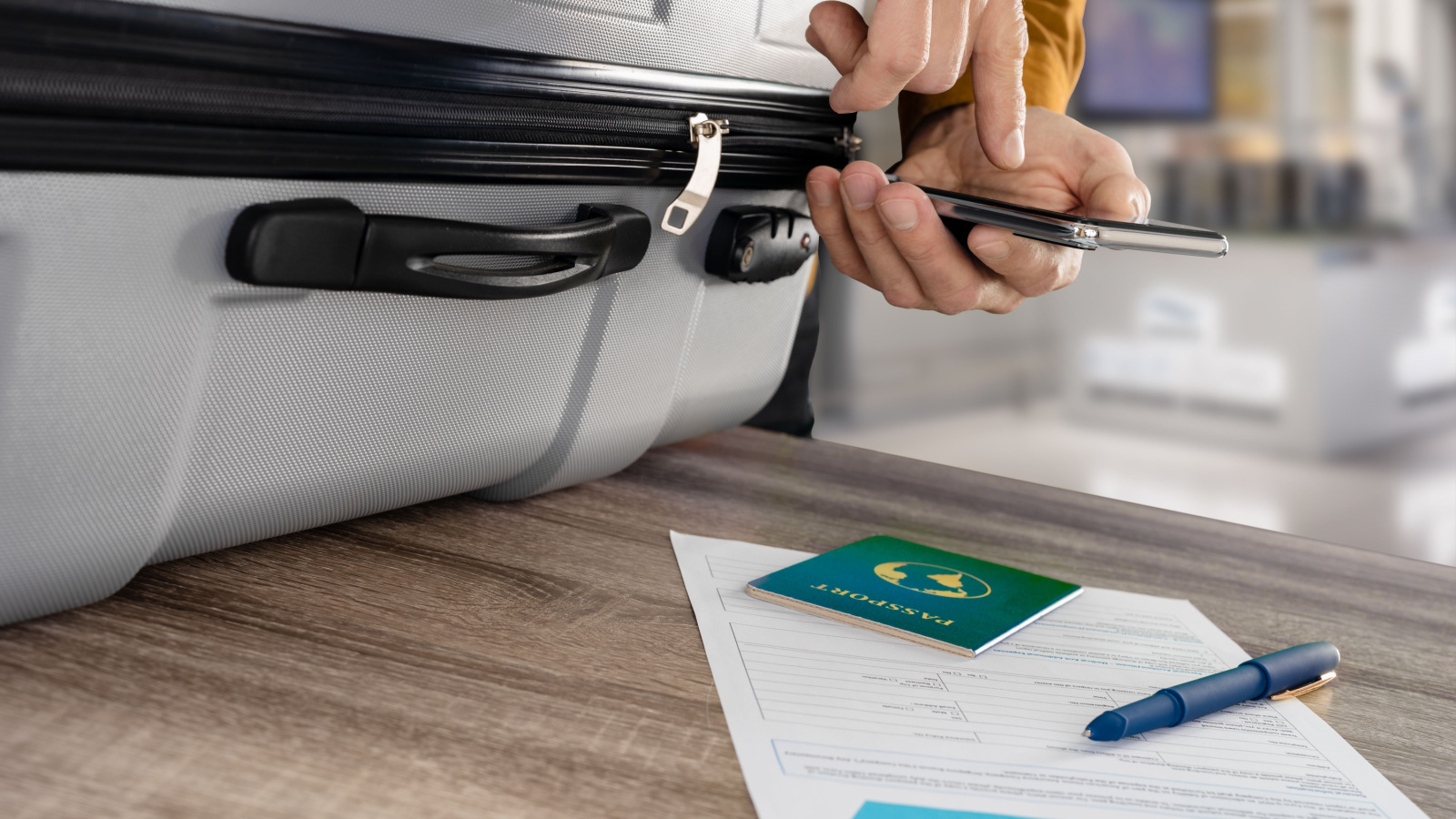
Identification requirements for domestic flights have become more closely enforced. Expired documents may no longer be accepted. Canadians must present valid government-issued photo identification matching booking details. Security screening staff verify names carefully. Additional identification may be required in certain situations. Travellers using recently changed names should bring supporting documentation. Digital copies are often insufficient. Arriving without proper ID can prevent boarding entirely. Checking acceptable documents before travel avoids problems. Requirements may vary depending on destination and airline. Prepared travellers pass through security more smoothly.
Earlier Check-In Cutoff Times
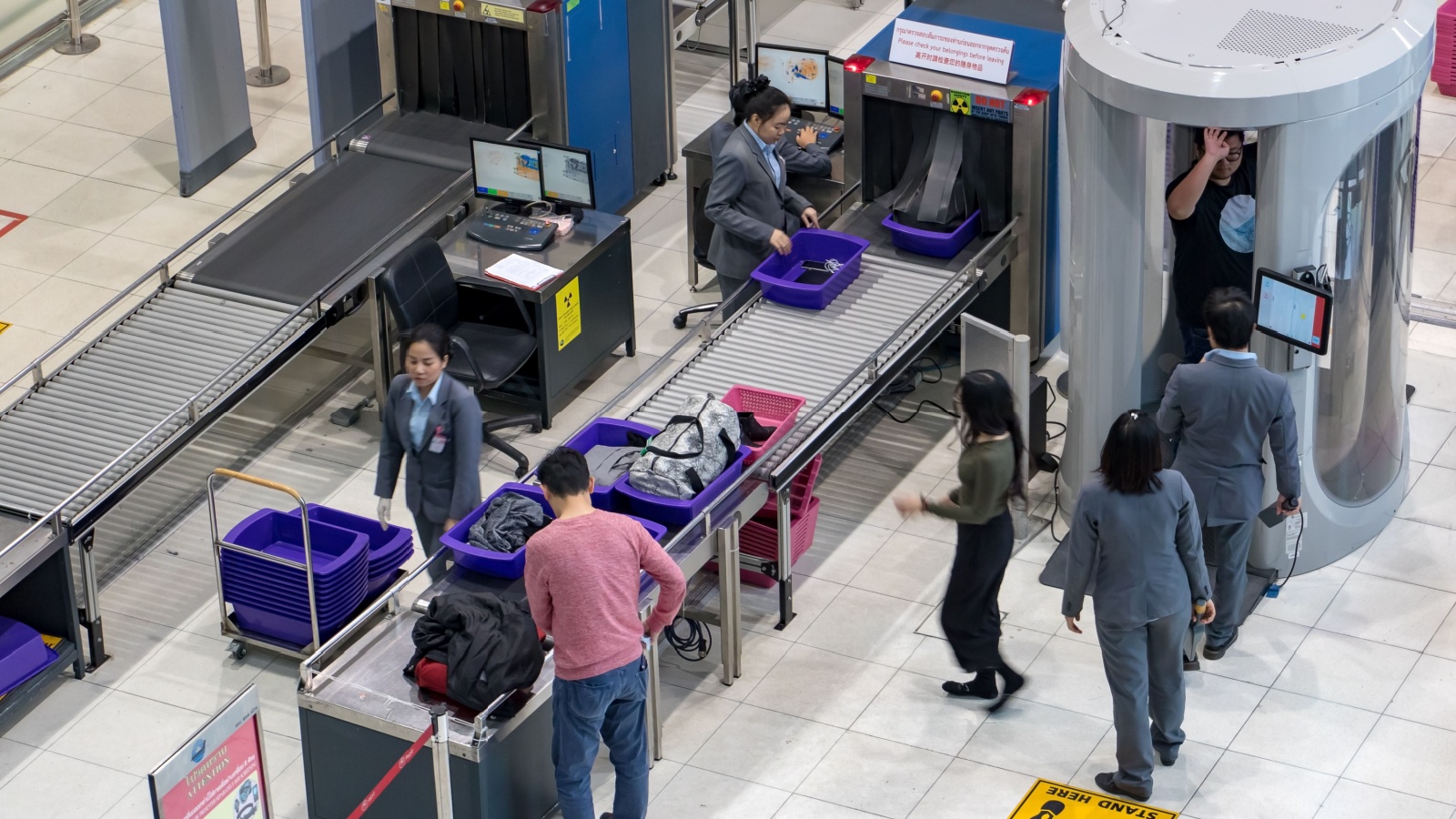
Check-in deadlines are now earlier on many flights. Airlines close counters well before departure to finalize boarding processes. Canadians arriving late may be denied check-in even if the flight has not departed. Online check-in does not replace baggage drop deadlines. International flights often require even earlier arrival. Security screening lines can also cause delays. Planning extra time reduces the risk of missing cutoff points. Confirming airline-specific timelines is essential. Airports may recommend arriving several hours in advance. Earlier deadlines help airlines maintain punctual departures.
Gate Closure Times Moved Earlier
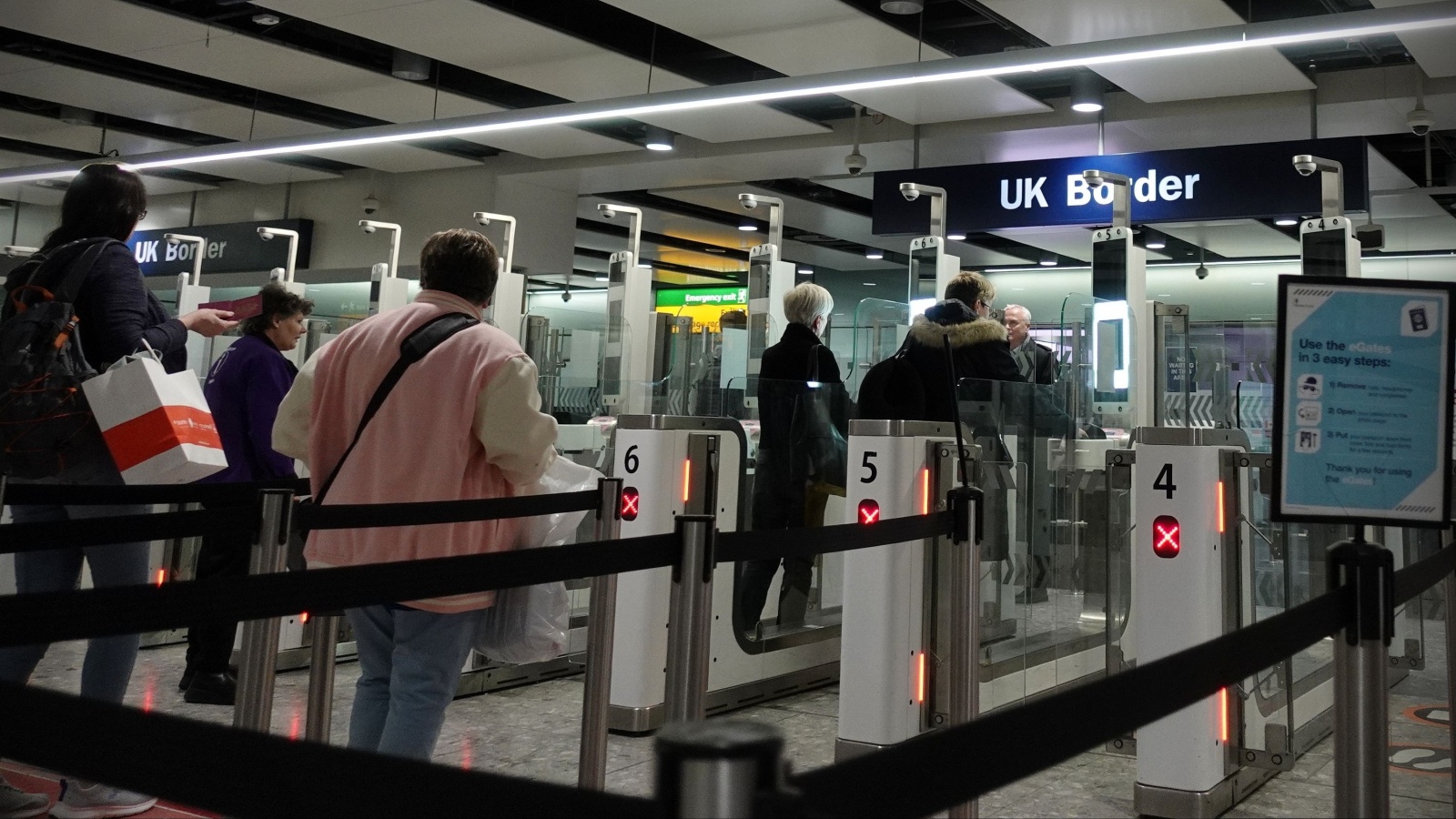
Many airlines now close boarding gates earlier than passengers expect. Travellers arriving at the gate close to departure time may find doors already shut. Canadians accustomed to last-minute boarding often face denied entry. Boarding usually begins well before departure and ends several minutes prior. Airports are also larger, increasing walking time between checkpoints and gates. Announcements may be difficult to hear in busy terminals. Monitoring boarding passes for exact cutoff times is essential. Leaving extra time reduces the risk of missing flights. Earlier closures help airlines maintain schedules. Awareness prevents stressful situations at the airport.
Limited Free Seat Selection Windows
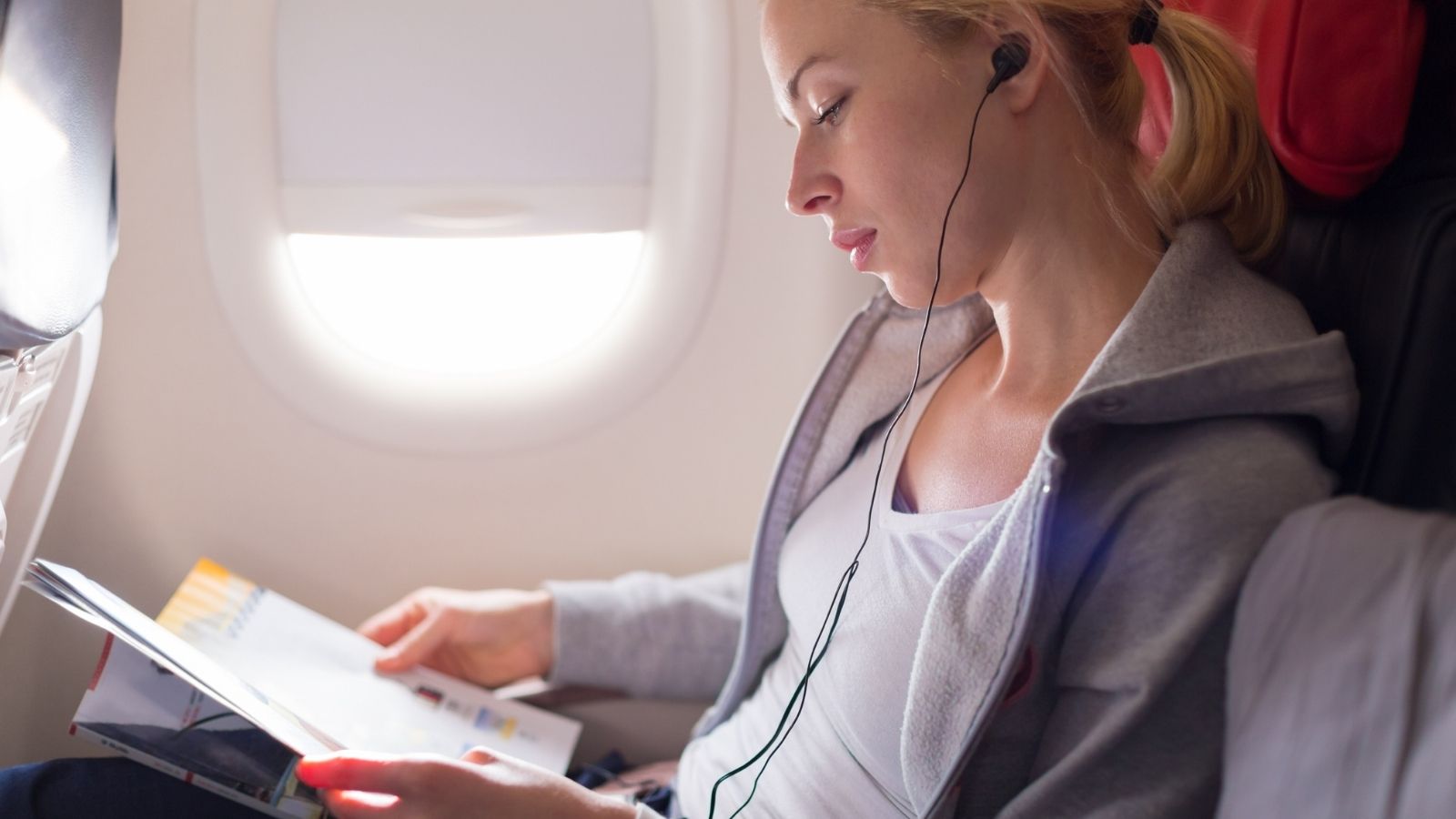
Free seat selection is often available only during specific time windows. After this period, fees may apply even for standard seats. Canadians who delay choosing seats can lose complimentary options. Online check-in sometimes releases limited free selections. Waiting until airport arrival reduces available choices further. Families or groups may be separated without paid reservations. Premium fares typically retain broader selection privileges. Monitoring booking details helps identify deadlines. Setting reminders ensures timely action. Early selection improves comfort and convenience. Understanding timing rules prevents unexpected charges.
Family Seating Not Always Guaranteed
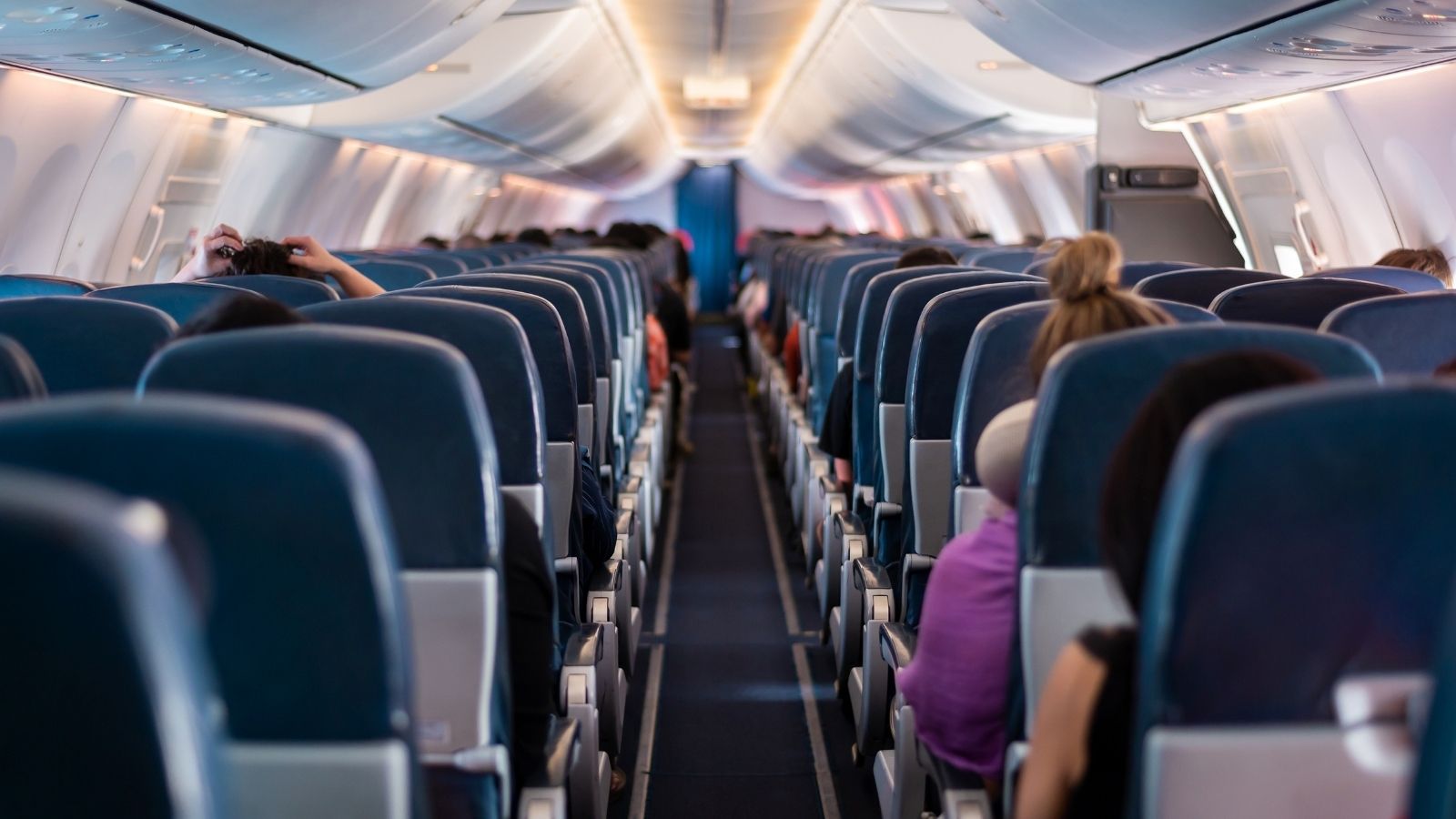
Airlines do not always guarantee that families will sit together. Basic fares often assign seats automatically without consideration for group bookings. Canadians travelling with children may need to pay for adjacent seating. Gate agents attempt adjustments but cannot promise availability. Full flights reduce flexibility significantly. Booking seats early improves chances of sitting together. Some airlines prioritize families with young children. Others rely on voluntary seat swaps among passengers. Bringing activities for children helps manage potential separation. Understanding policies in advance allows better preparation. Planning ahead minimizes disruption during travel.
Standby Policies Revised for Discount Tickets
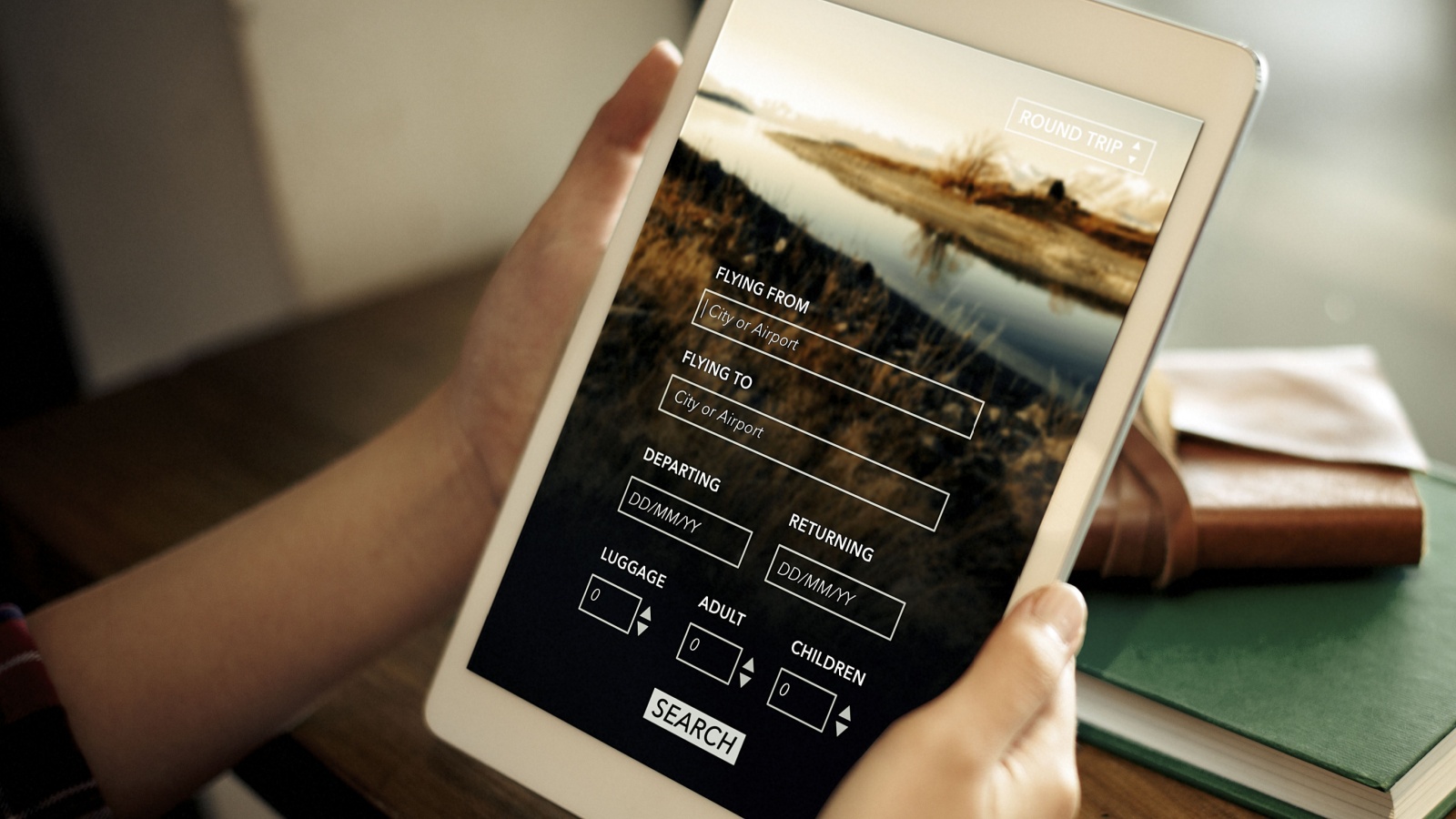
Standby travel rules have changed for many discounted fares. Passengers holding basic tickets may no longer qualify for free standby options. Canadians hoping to switch to earlier flights might face restrictions. Fees may apply even if space is available. Eligibility often depends on ticket type and loyalty status. Confirming standby policies before travel prevents confusion. Airport staff cannot override fare conditions easily. Flexible tickets usually retain standby privileges. Understanding limitations helps travellers plan realistic schedules. Revised policies aim to manage demand more effectively.
New Rules for Travelling with Pets in Cabin
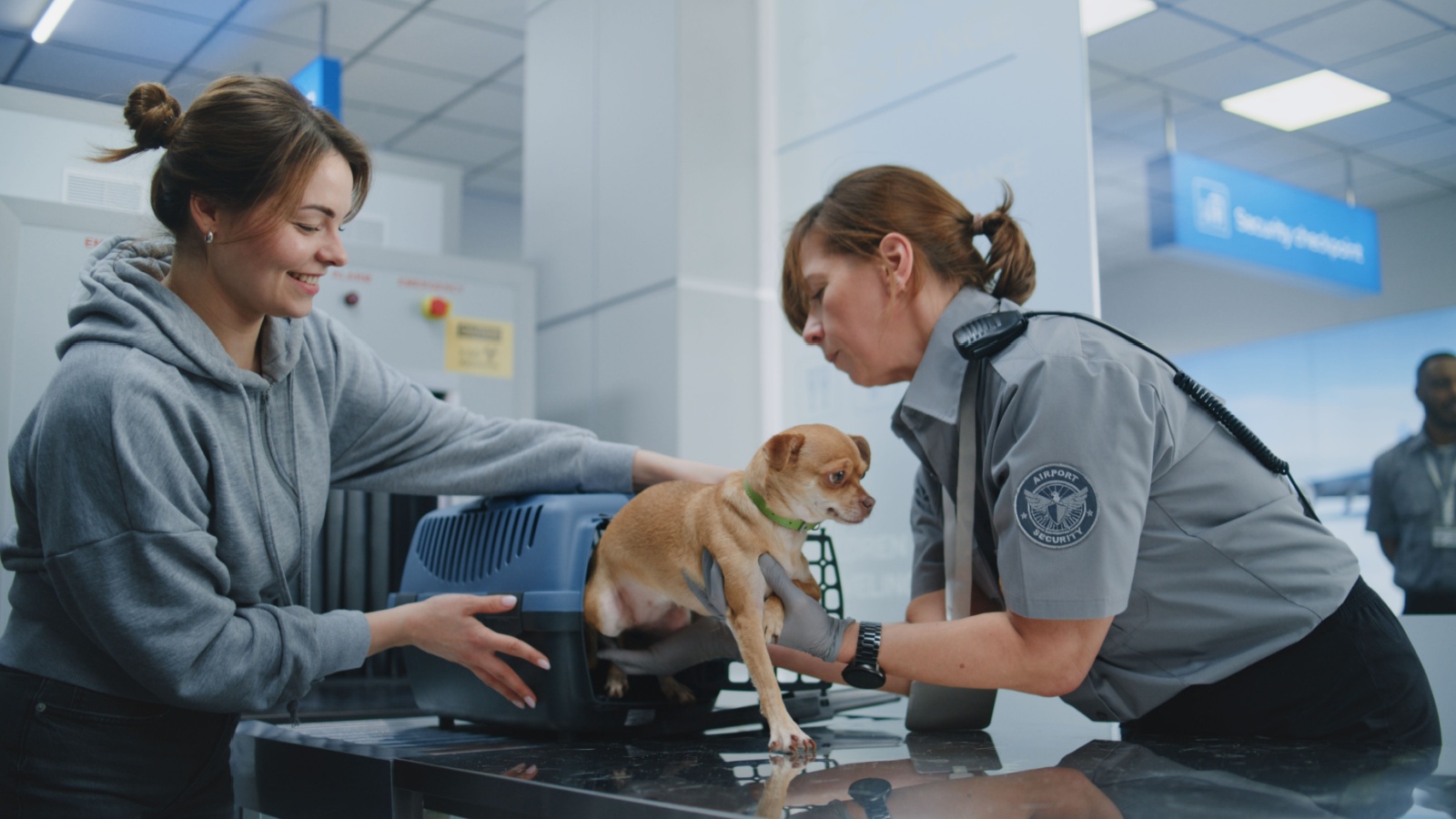
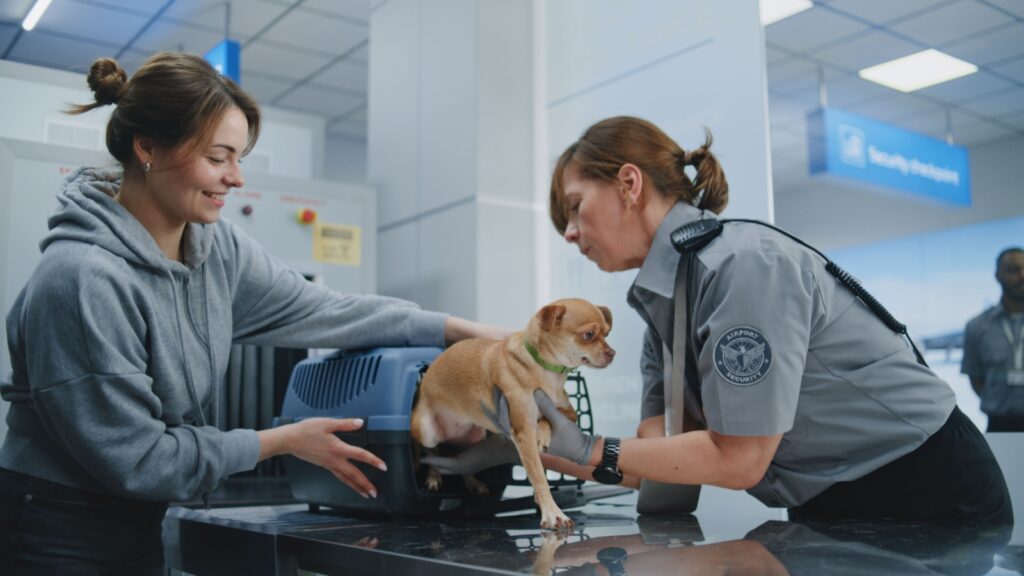
Airlines have introduced stricter guidelines for pets travelling in the cabin. Size and weight limits determine eligibility for onboard transport. Carriers must fit under seats and meet ventilation standards. Canadians travelling with animals must reserve space in advance. Additional fees are usually required. Documentation such as vaccination records may be checked. Some routes restrict pet travel entirely. Temperature considerations can affect approval. Failure to meet requirements may result in denied boarding. Preparing carefully ensures a smoother experience for both pet and owner.
Power Bank Restrictions in Carry-Ons

Power banks remain allowed only in carry-on luggage, not checked bags. Airlines also limit battery capacity for safety reasons. Canadians carrying high-capacity devices may face inspection. Loose batteries must be protected from short circuits. Staff may confiscate items that exceed permitted limits. Keeping devices easily accessible speeds screening. Charging equipment is essential during long travel days. Reviewing airline guidelines before packing avoids problems. Restrictions exist due to the fire risk associated with lithium batteries. Proper preparation ensures devices remain available for use.
Liquid Screening Enforcement Tightened
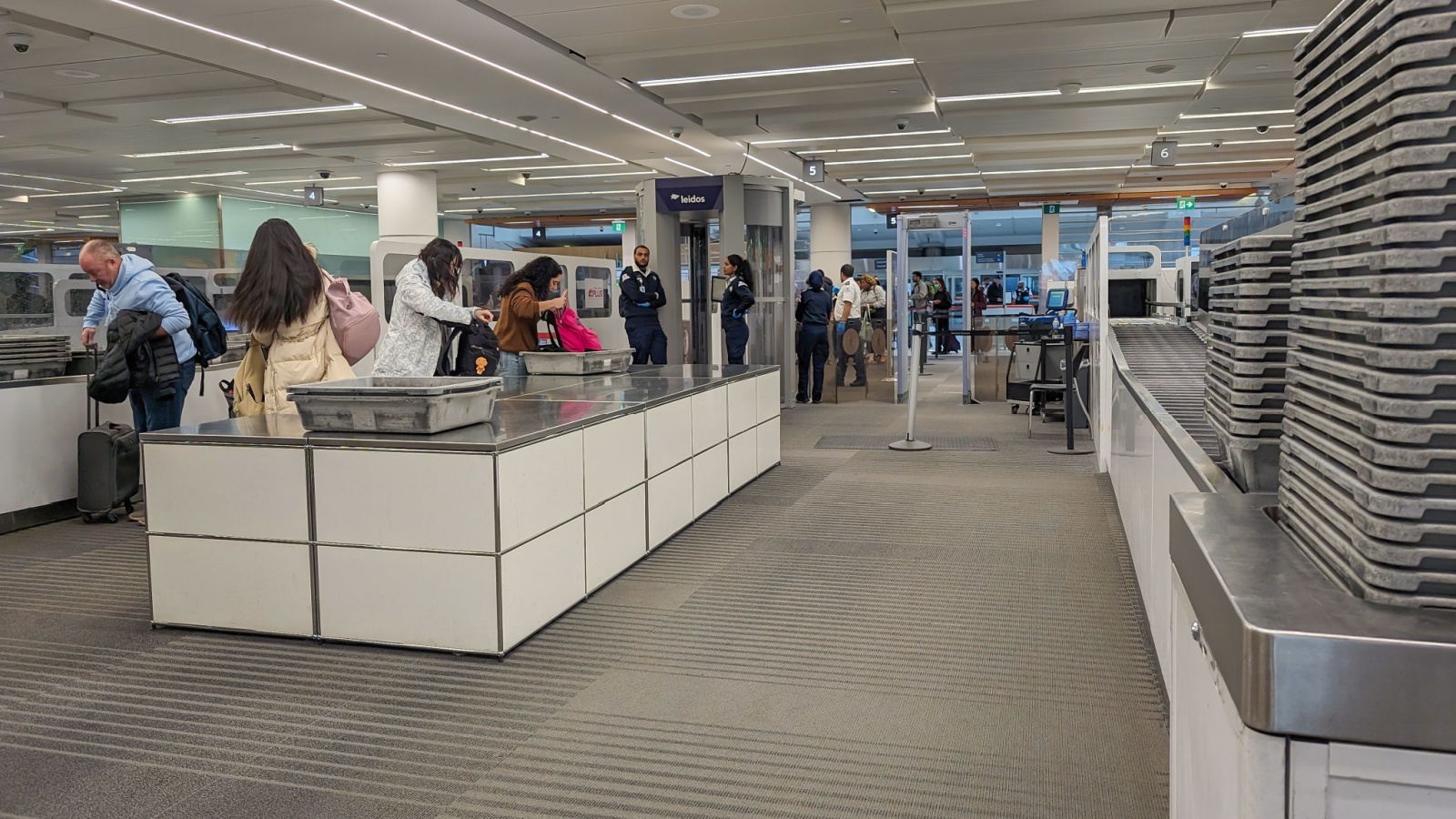
Security screening for liquids has become more rigorous in many airports. Containers must comply with size limits and be placed in clear bags. Canadians carrying oversized items may be required to discard them. Duty-free liquids purchased after screening have separate rules. Additional inspections may occur during connecting flights. Organizing toiletries in advance speeds the process. Exceptions exist for medications and infant supplies. Security staff apply rules consistently to maintain safety standards. Arriving prepared prevents delays at checkpoints. Understanding requirements reduces inconvenience during travel.
Restrictions on Duty-Free Items at Connections
Duty-free purchases may face restrictions during connecting flights. Liquids bought after security can be confiscated if passengers must pass through screening again. Canadians travelling internationally with connections encounter this issue frequently. Security rules vary by country and airport. Sealed bags with receipts are sometimes required but not always accepted. Transferring between terminals can complicate matters further. Planning purchases for the final departure point reduces risk. Understanding connection procedures helps avoid losing expensive items. Airline staff may not intervene in security decisions. Awareness prevents disappointment after buying duty-free goods.
Fewer Complimentary Snacks on Short Flights
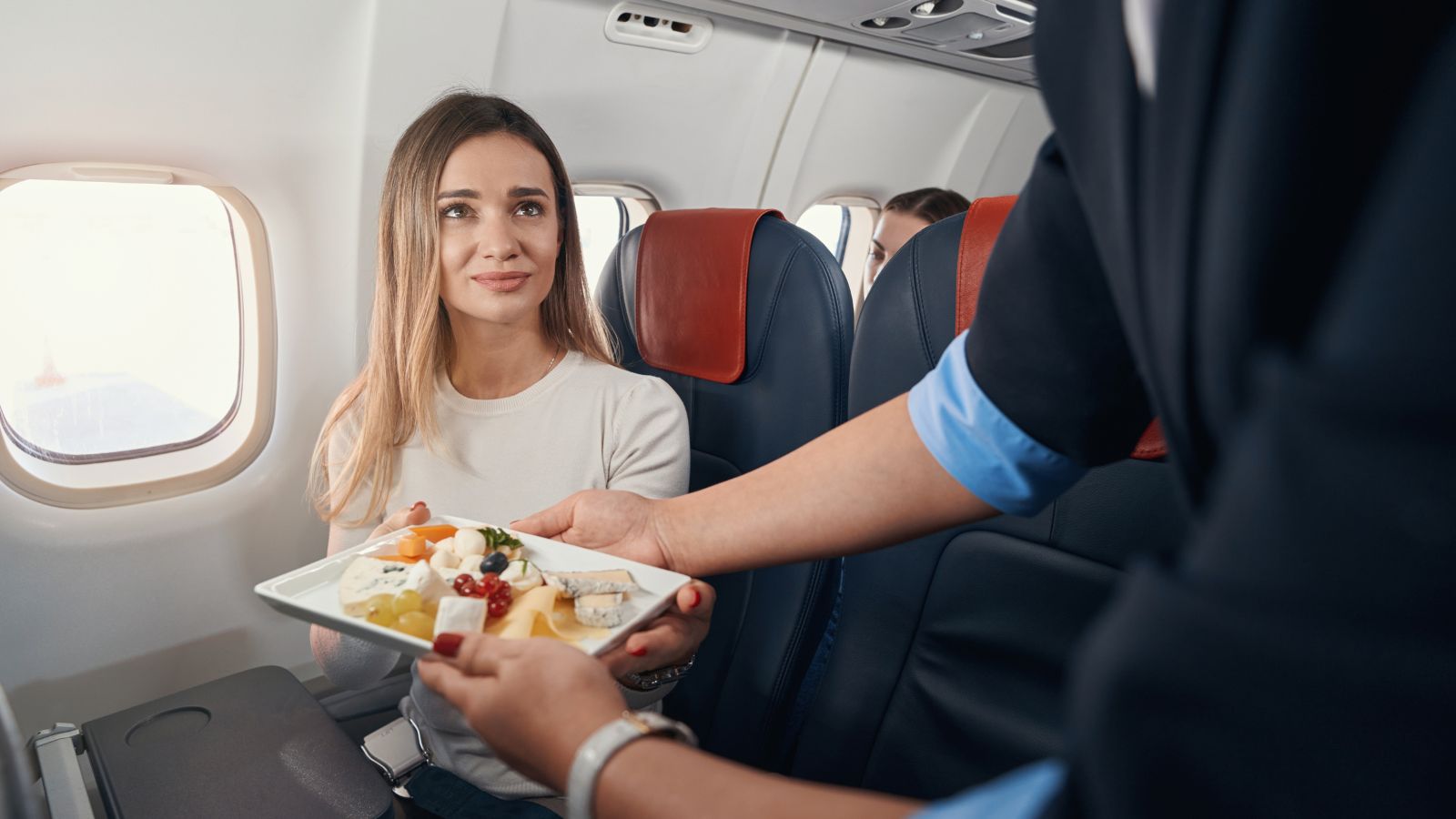
Many airlines have reduced free snacks on shorter routes. Canadians accustomed to complimentary service may find only paid options available. Basic fares sometimes exclude onboard refreshments entirely. Bringing personal snacks ensures comfort during travel. Restrictions on outside food are minimal in most cases. Hydration remains important, especially during long days of transit. Cabin crew may offer limited selections for purchase. Reviewing airline service policies before departure sets expectations. Reduced catering helps airlines control operating costs. Prepared travellers avoid hunger and inconvenience mid-flight.
Changes to Flight Credit Expiration Dates
Flight credits issued for cancellations or changes now often expire sooner. Canadians holding unused credits may lose value if deadlines pass. Terms vary depending on airline and ticket type. Some credits require travel to be completed before expiration, not just booked. Monitoring expiry dates prevents unintentional forfeiture. Notifications may not always be provided. Planning trips early helps redeem value effectively. Credits may also be non-transferable. Understanding conditions before accepting refunds as credits is essential. Awareness protects travellers from losing prepaid funds.
New Procedures for Missed Connections

Airlines have revised procedures for handling missed connections. Assistance may depend on whether the delay was within airline control. Canadians arriving late due to weather or airport congestion may receive limited support. Rebooking policies vary widely across carriers. Passengers might need to contact customer service independently. Accommodation and meal vouchers are not guaranteed. Travel insurance can provide additional protection. Keeping boarding passes and receipts supports claims. Understanding rights helps travellers respond effectively. Revised procedures reflect efforts to manage disruptions efficiently.
Updated Policies on Flight Changes at the Airport
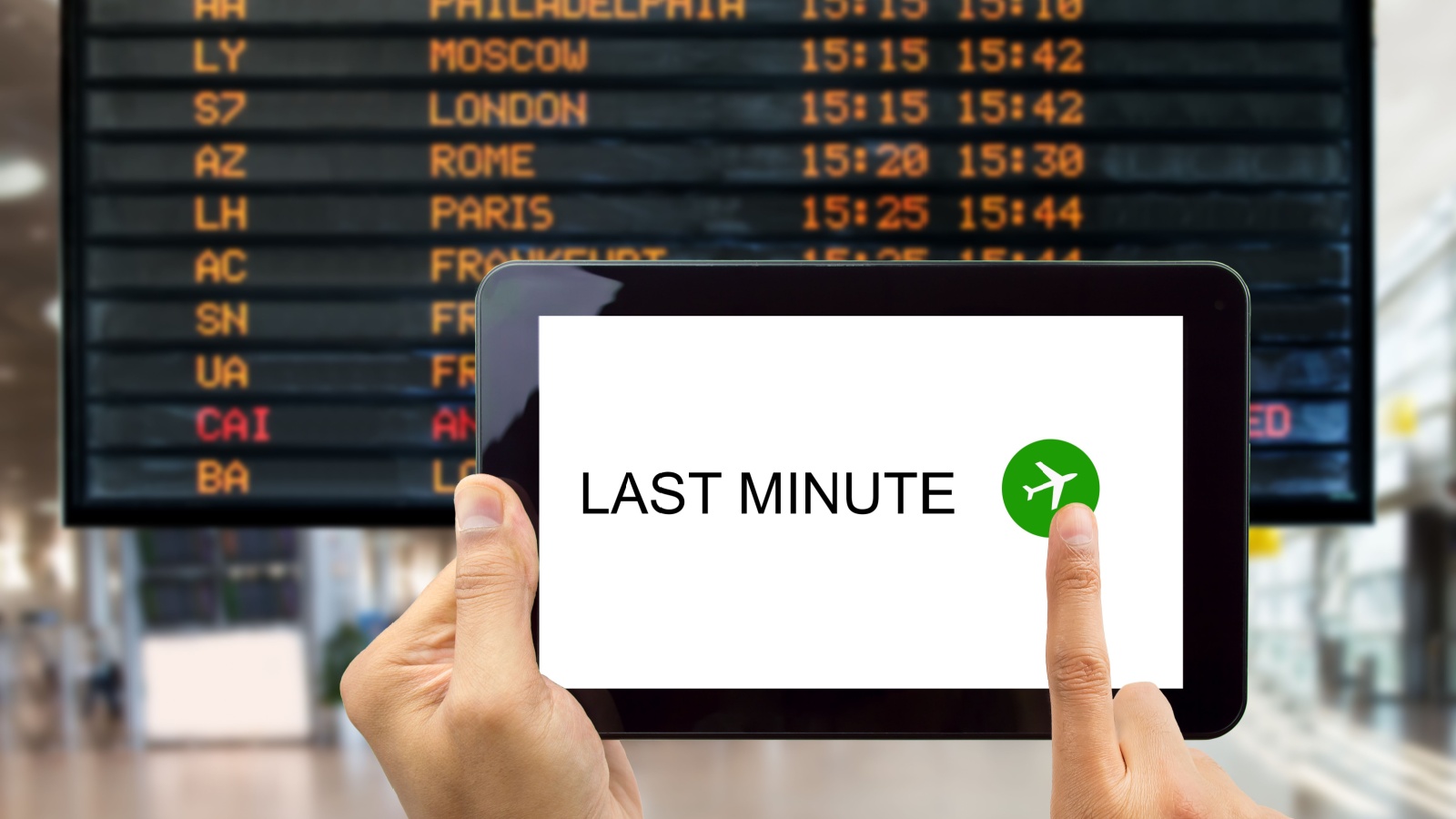
Changing flights at the airport has become more restrictive. Staff may prioritize passengers with flexible or premium tickets. Canadians with basic fares often face higher fees or be denied. Same-day changes depend on seat availability. Self-service kiosks sometimes provide limited options. Contacting airlines earlier increases the chances of approval. Policy details differ between carriers. Understanding fare rules before purchasing helps manage expectations. Last-minute adjustments are rarely free. Planning carefully reduces the need for changes. Awareness prevents frustration when seeking modifications at the airport.
Increased Fees for Last-Minute Baggage Additions

Adding baggage at the airport typically costs more than pre-booking online. Airlines apply higher rates to encourage advance planning. Canadians packing at the last moment often incur these fees. Payment must be completed before bags are accepted. Weight limits still apply regardless of price paid. Unexpected purchases during trips can increase luggage needs. Monitoring baggage allowances helps avoid surprises. Prepaying online usually offers better value. Staff cannot waive charges without authorization. Understanding pricing structures encourages earlier decisions. Planning ahead prevents unnecessary expenses at check-in.
22 Groceries to Grab Now—Before another Price Shock Hits Canada

Food prices in Canada have been steadily climbing, and another spike could make your grocery bill feel like a mortgage payment. According to Statistics Canada, food inflation remains about 3.7% higher than last year, with essentials like bread, dairy, and fresh produce leading the surge. Some items are expected to rise even further due to transportation costs, droughts, and import tariffs. Here are 22 groceries to grab now before another price shock hits Canada.
22 Groceries to Grab Now—Before another Price Shock Hits Canada
