Choosing a baby name has always reflected culture, family, and current influences. In 2026, television remains a powerful source of inspiration for Canadian parents. Popular series introduce audiences to names that feel fresh, familiar, or meaningful. Streaming platforms also expose viewers to global naming styles. Characters often shape perception through personality and storylines. Some names rise quickly after a show becomes widely watched. Others return after decades of decline. Parents balance uniqueness with practicality when making final decisions. Media influence continues to reshape naming patterns each year. Here are 19 baby name trends Canadians are stealing from TV shows in 2026.
Royal and Historical Character Names
Television dramas about monarchies and historical figures influence baby name choices. Canadian parents often notice names from popular period series. Names such as Elizabeth, Victoria, or Henry feel timeless and formal. These names carry associations with leadership and legacy. Historical settings also introduce lesser-known options from earlier centuries. Pronunciation is usually familiar, which reduces confusion later. Many of these names work well in both formal and casual contexts. Family members often recognize them immediately. The connection to well-known characters adds appeal. This trend reflects interest in tradition combined with modern media influence.
Short One-Syllable Names

One-syllable names are gaining popularity for their simplicity. Television characters with concise names often feel memorable. Examples include Jack, Luke, Claire, or Mae. These names are easy to spell and pronounce. They suit both children and adults over time. Many parents appreciate how they pair well with longer surnames. Short names also travel well across languages. The straightforward sound feels modern without being unusual. Registration forms and official documents remain simple. This style reflects a preference for clarity and practicality in naming choices.
Vintage Names Making a Comeback
Older names featured in period dramas are returning to use. Shows set in past decades introduce forgotten options to new audiences. Names like Eleanor, Arthur, or Florence feel classic rather than outdated. Grandparent generation names often regain popularity through media exposure. These choices balance tradition with renewed freshness. Many Canadians appreciate their familiar sound. Vintage names usually have clear spellings and meanings. They also fit formal settings easily. Popular series can quickly revive interest in specific names. The trend highlights how entertainment can reshape naming cycles over time.
Strong Female Lead Names
Female protagonists in modern series influence naming decisions significantly. Characters portrayed as capable and independent leave strong impressions. Names such as Harper, Arya, or Stella have gained attention. Parents often associate them with confidence and resilience. These names feel contemporary without being overly unusual. They work well across different stages of life. Media exposure increases familiarity among the public. Strong character arcs make the names memorable. Many families seek names that reflect empowerment. Television storytelling continues to shape perceptions of feminine identity through naming.
Gender-Neutral Character Names
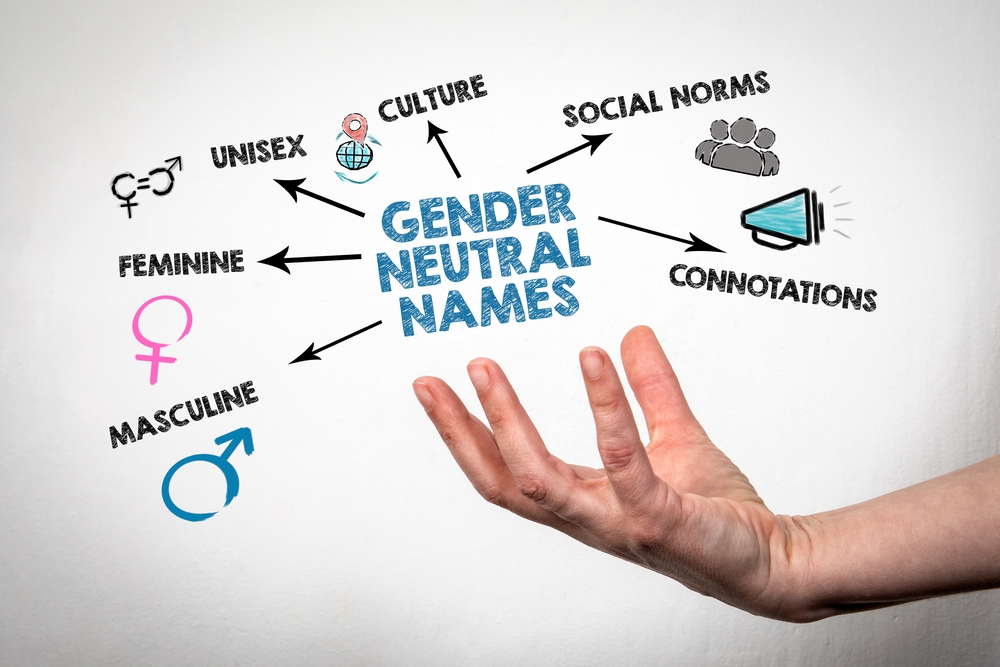
Gender neutral names are increasingly common in Canadian birth records. Television characters with ambiguous or flexible identities contribute to this shift. Names like Riley, Quinn, or Avery work for any gender. Parents often value versatility and inclusivity. These names avoid strict traditional categories. They can suit changing social attitudes toward identity. Schools and workplaces are already familiar with many of them. Pronunciation remains straightforward in most cases. Media representation normalizes these options for wider audiences. The trend reflects broader cultural acceptance of nontraditional naming practices.
Fantasy-Inspired Names
The fantasy series introduces names that sound unusual yet appealing. Canadian parents sometimes adapt these for everyday use. Characters from magical worlds often carry distinctive identities. Names like Aria or Rowan gained traction after major shows. Some parents modify spellings to simplify pronunciation. Others choose subtle options that do not sound overly fictional. Popularity often rises quickly after a series peaks. Schools become familiar with these names over time. Critics note that very unusual choices may date a child to a specific era. Balanced selections tend to age better. This trend reflects the strong cultural reach of fantasy television.
Nature-Themed Names from Period Dramas

Period dramas frequently highlight landscapes and rural settings. Character names inspired by nature feel calm and traditional. Options such as Rose, Lily, or Heath appear regularly. These names carry clear meanings linked to plants or scenery. Canadians often appreciate their gentle sound. Nature themes connect well with outdoor lifestyles. Pronunciation remains straightforward across regions. Many of these names have long historical usage. Television exposure renews interest rather than inventing them. Parents may pair them with modern middle names. The style balances softness with familiarity.
Classic British Names Popularized on TV

British television exports strongly influence Canadian audiences. Period series and modern dramas feature traditional names. Examples include Oliver, Charlotte, George, or Amelia. These names sound formal yet approachable. Shared language makes adoption easy in Canada. Royal associations sometimes increase popularity further. Clear pronunciation helps in multicultural settings. Schools already recognize these names, reducing confusion. They suit both professional and casual environments later in life. Television familiarity keeps them feeling current. This trend shows ongoing cultural ties between Canada and the United Kingdom.
Scandinavian-Style Names from Nordic Shows
Nordic crime dramas and historical series have global audiences. Distinctive Scandinavian names attract parents seeking something different. Options such as Freya, Soren, or Astrid appear more often. These names combine uniqueness with clear phonetic structure. Many Canadians find them easy to pronounce despite their foreign origins. Cultural curiosity plays a role in their appeal. Some names reflect Norse mythology or history. Popular shows introduce audiences to their sounds repeatedly. Parents may research meanings before deciding. The trend highlights interest in international storytelling influences.
Unique Spellings of Familiar Names
Television characters sometimes use alternative spellings of common names. Parents adopt these variations to stand out while keeping familiarity. Examples include Katelyn instead of Caitlin or Jaxon instead of Jackson. Pronunciation remains recognizable despite visual differences. This approach allows individuality without complete originality. Critics note potential confusion in official records. Teachers may initially struggle with unfamiliar spellings. Digital forms sometimes autocorrect to standard versions. Parents often weigh uniqueness against convenience. Media exposure normalizes these variants over time. The trend reflects the desire for personalization within established naming traditions.
Surname-Style First Names
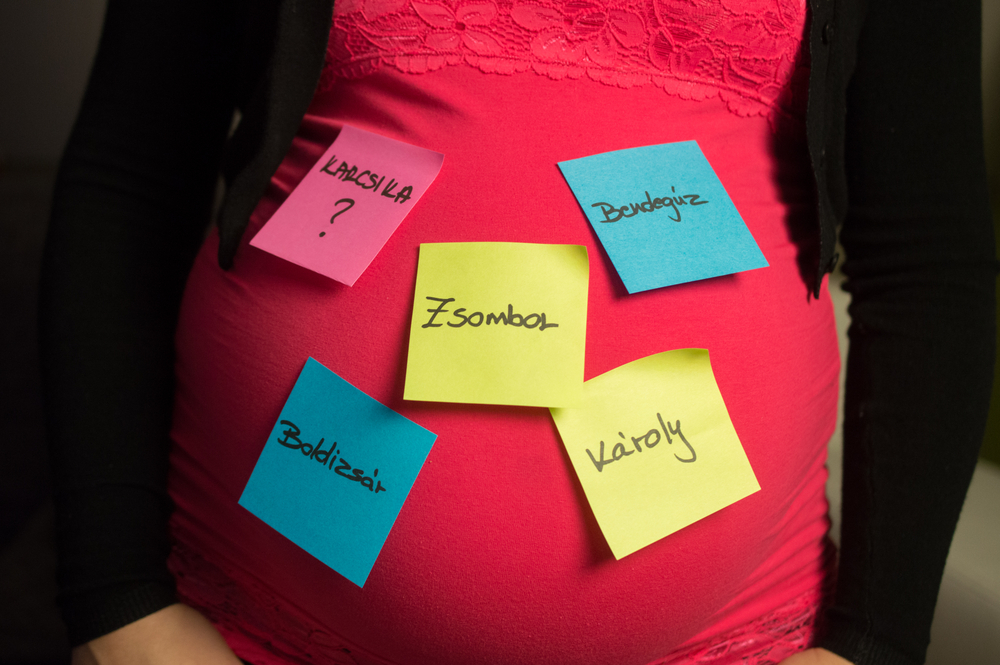
Using last names as first names has become more common. Television characters often carry distinctive family names as given names. Options like Parker, Bennett, or Hudson appear frequently. These names sound modern and professional. Canadian parents appreciate their strong, neutral tone. They work well for any age group. Many also function as gender neutral choices. The style feels familiar without being overly common. Surname names often pair well with traditional middle names. Media exposure keeps them visible to new audiences. This trend reflects a shift toward flexible naming conventions.
Villain Names Turned Trendy
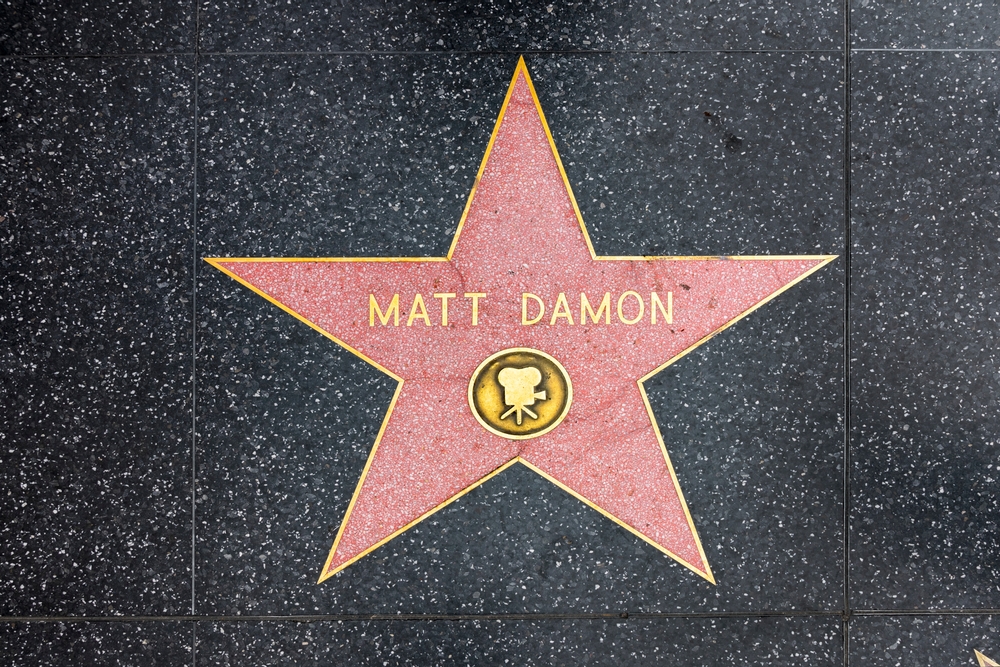
Antagonists sometimes leave stronger impressions than heroes. Memorable villains can make unusual names appealing. Parents may separate the name from the character’s actions. Names like Damon or Loki gained attention through popular series. Distinctive sounds help these names stand out. Some parents choose softened versions for everyday use. Familiarity increases as audiences discuss the characters. Critics argue that associations may persist over time. Others believe the uniqueness outweighs concerns. Popular culture often reshapes perceptions of formerly negative names. This trend shows how storytelling can redefine public attitudes.
Soft Sounding Names for Boys
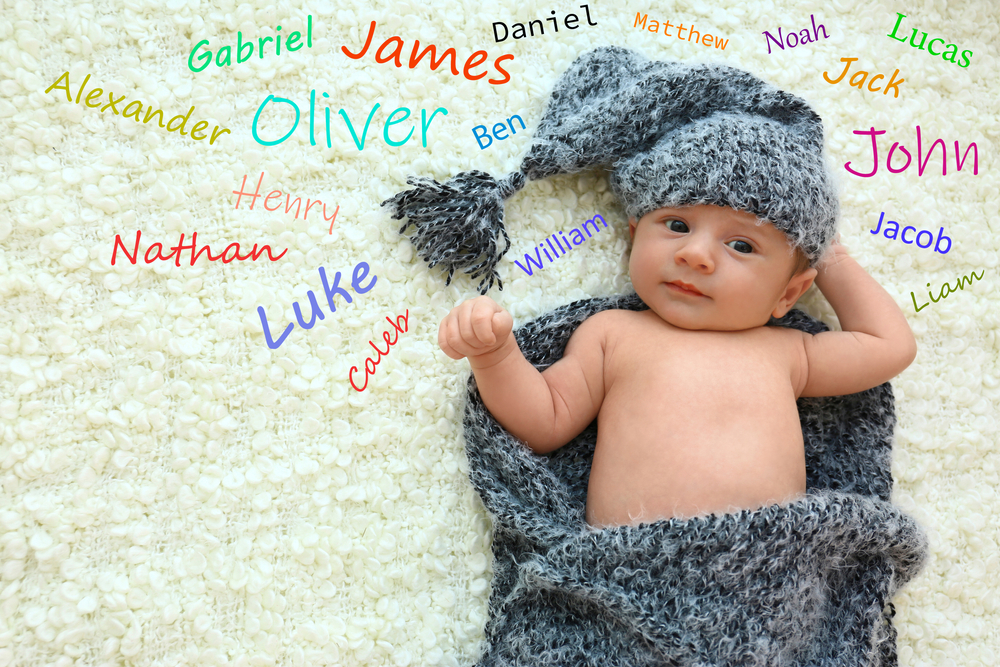
Television has broadened expectations for masculine names. Gentle-sounding options are gaining acceptance for boys. Examples include Noah, Eli, or Julian. These names emphasize warmth rather than toughness. Canadian parents often prefer balanced qualities. Soft consonants create a calm tone. Many of these names have historical roots. They transition well from childhood to adulthood. Media portrayals of caring male characters support the trend. Schools and workplaces already recognize them. This shift reflects changing views on masculinity in modern society.
Powerful Mythology-Inspired Names

Mythological themes appear in many television storylines. Names drawn from legends carry strong symbolic meaning. Options such as Athena, Thor, or Orion attract attention. These names suggest strength and heritage. Parents often research cultural origins before choosing. Pronunciation may vary depending on background. Some names feel bold yet still familiar. Media exposure introduces them to wider audiences. Critics caution against extremely rare selections. Others appreciate the dramatic impact. The trend reflects interest in stories that connect past myths with modern identity.
Multicultural Names from Global Series

Streaming platforms expose viewers to shows from many countries. Characters from international series introduce diverse naming traditions. Canadian families may adopt names reflecting different cultures. Options such as Mateo, Amara, or Leila appear more often. Multicultural names reflect Canada’s diverse population. Pronunciation guides help avoid misunderstandings. Parents sometimes choose names honoring heritage or admiration. Schools are increasingly familiar with varied linguistic backgrounds. Media representation normalizes these choices nationally. This trend highlights globalization’s effect on everyday decisions.
Retro 80s and 90s Sitcom Names
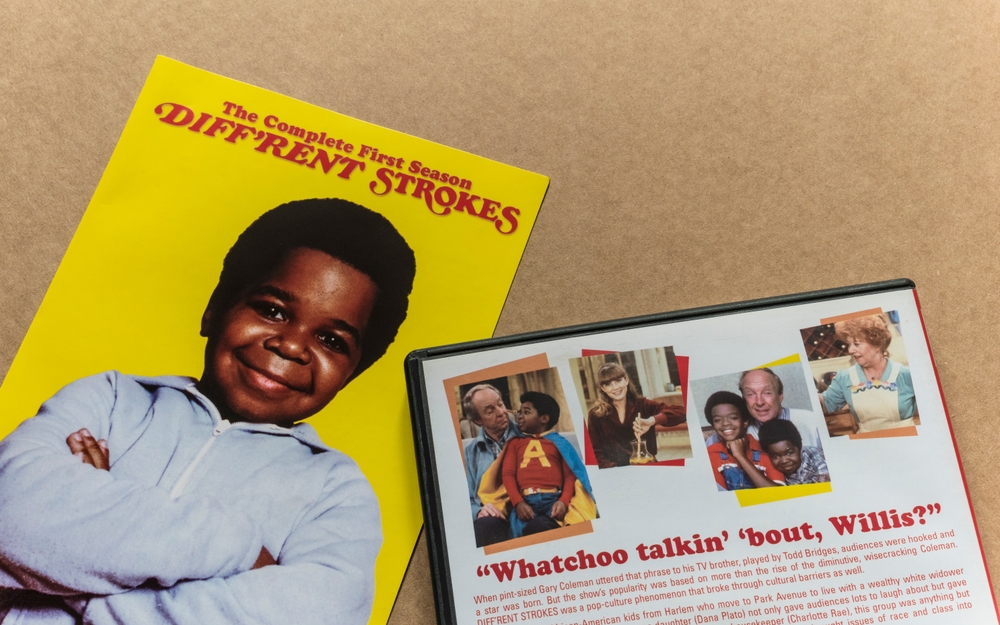
Classic sitcom reruns and streaming revivals are reintroducing older names. Characters from these shows often carry familiar everyday names. Options like Jason, Melissa, or Brandon are appearing again. Canadian parents feel nostalgic about programs from their childhood. These names sound friendly and recognizable. They avoid the formality of older vintage choices. Pronunciation and spelling are straightforward. Teachers and relatives usually know them already. Popularity rises as new audiences discover the shows. The trend reflects how media nostalgia influences modern parenting decisions.
Place Names Used as First Names
Television settings sometimes inspire location-based names. Cities, regions, or landmarks become personal names. Examples include Brooklyn, Austin, or Dakota. These names feel modern and distinctive. Canadian parents may choose places with personal meaning. Travel-themed series can spark interest in certain destinations. Many place names are gender neutral. Pronunciation is usually familiar due to geographic awareness. Critics note that trends may shift over time. Others appreciate the strong identity connection. This style blends personal history with contemporary naming preferences.
Minimalist Modern Names
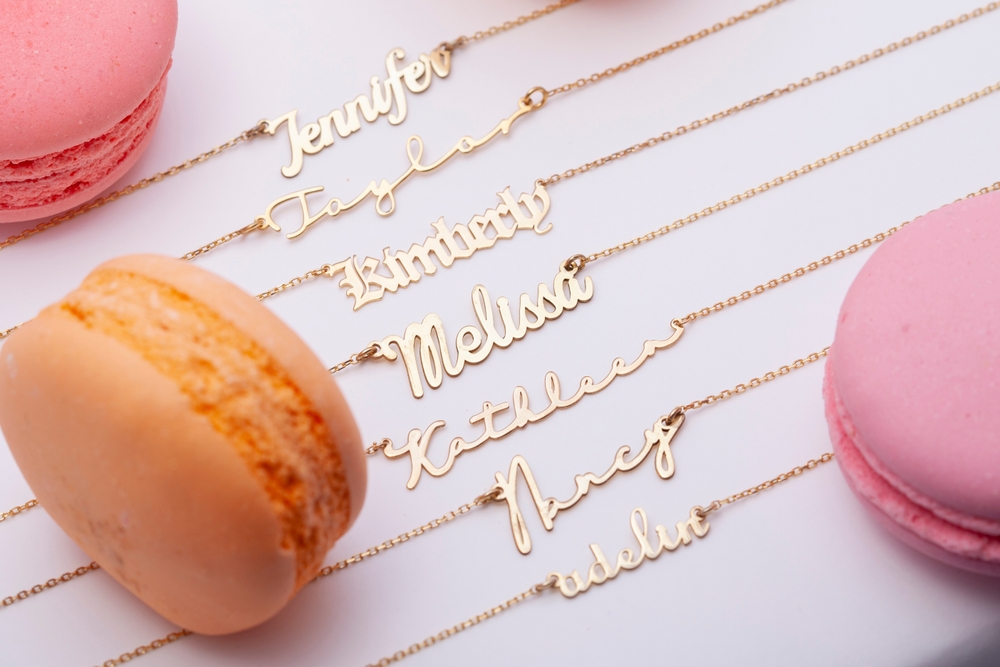
Minimalist names emphasize clean sounds and simple structure. Television characters with short names contribute to this trend. Examples include Leo, Ava, or Kai. These names feel contemporary without complexity. They are easy to spell and pronounce globally. Canadian parents often value practicality in daily use. Short names pair well with longer surnames. Official documents and digital forms remain uncomplicated. The style suits multicultural environments. Media exposure keeps these names visible and familiar. This trend reflects a preference for clarity and efficiency in naming.
Rare Names from Limited Series Hits
Short-run television series sometimes introduce unusual names. Even brief exposure can influence naming trends. Parents may choose distinctive options to stand out. These names often feel fresh because they are less common. Pronunciation may require explanation initially. Popular streaming platforms spread awareness quickly. Some names fade once the show loses attention. Others remain due to appealing sound or meaning. Careful consideration helps avoid regret later. The trend highlights how quickly media can shape personal decisions.
22 Groceries to Grab Now—Before another Price Shock Hits Canada
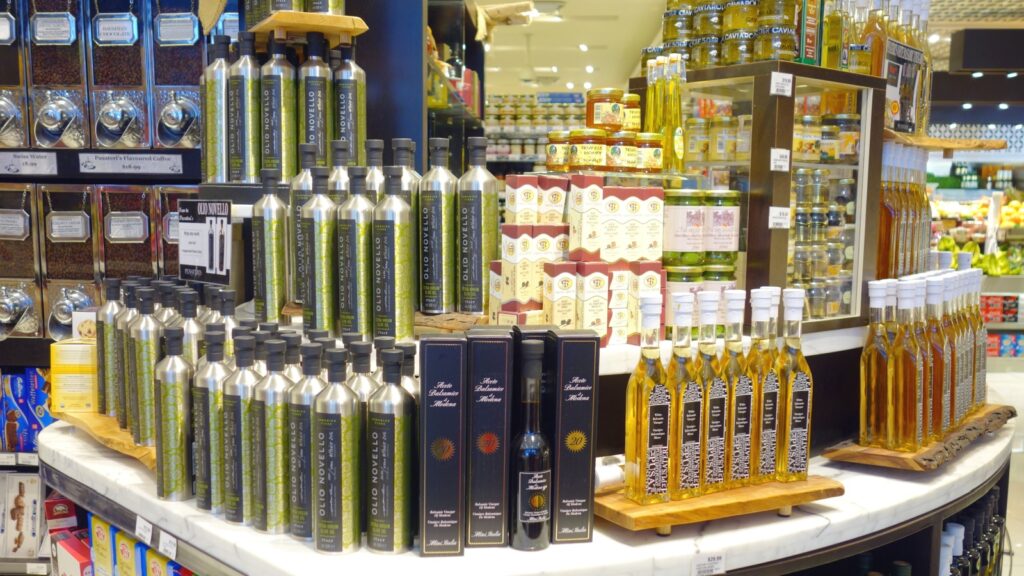
Food prices in Canada have been steadily climbing, and another spike could make your grocery bill feel like a mortgage payment. According to Statistics Canada, food inflation remains about 3.7% higher than last year, with essentials like bread, dairy, and fresh produce leading the surge. Some items are expected to rise even further due to transportation costs, droughts, and import tariffs. Here are 22 groceries to grab now before another price shock hits Canada.
22 Groceries to Grab Now—Before another Price Shock Hits Canada
