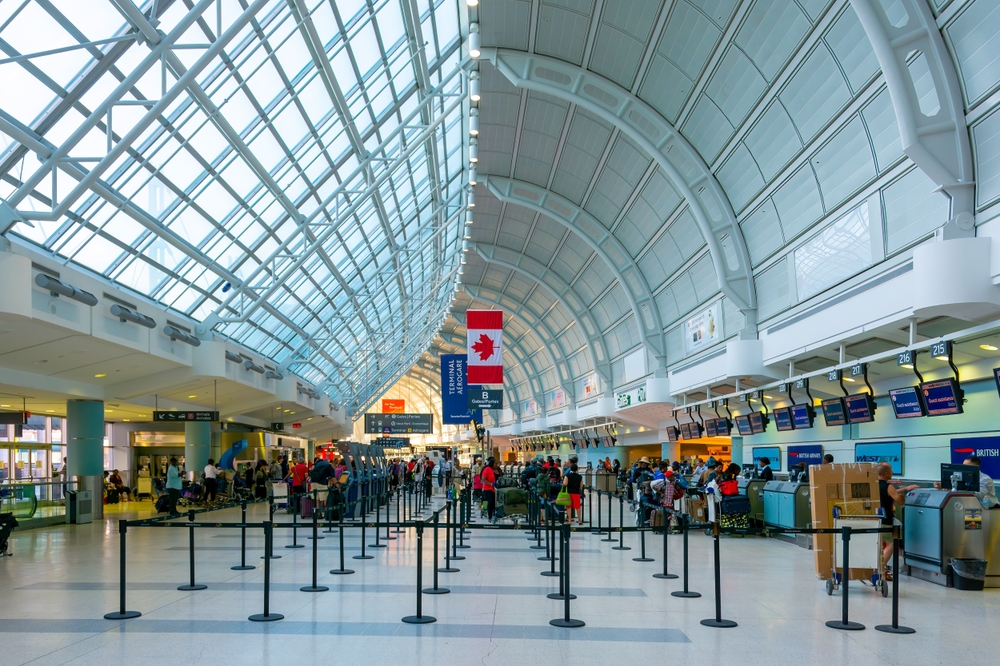
Canadian airports hold many small advantages that frequent travelers have learned to use over the years. These tips save time, reduce stress, and help passengers access services that most people walk past without noticing. Many travelers think airports operate the same for everyone, but experienced flyers often find faster routes through security, quieter places to wait, and ways to cut costs during long stops. Here are 19 Canadian airport secrets frequent flyers don’t want you to know.
The Quietest Security Lines Most Travelers Miss
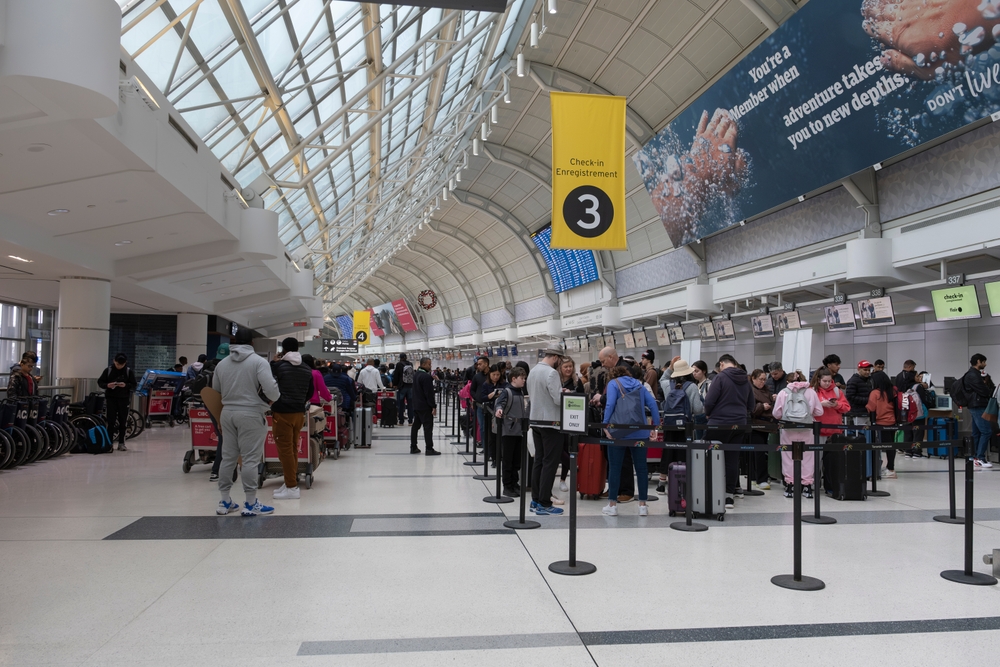
Many Canadian airports have alternate screening checkpoints that most passengers overlook. Frequent flyers use these lanes to avoid long waits at major entry points. Airports like Toronto Pearson and Vancouver International include secondary checkpoints located near lesser-used doors or connector bridges, which move faster than the main screening areas. These lines serve domestic passengers and elite-status travelers but remain open to the general public unless restricted during peak hours. Travelers who check airport maps in advance easily identify these quieter access points. Using them saves time and reduces crowding, while still following identical security procedures and requirements.
The Cheapest Long-Term Parking Locations
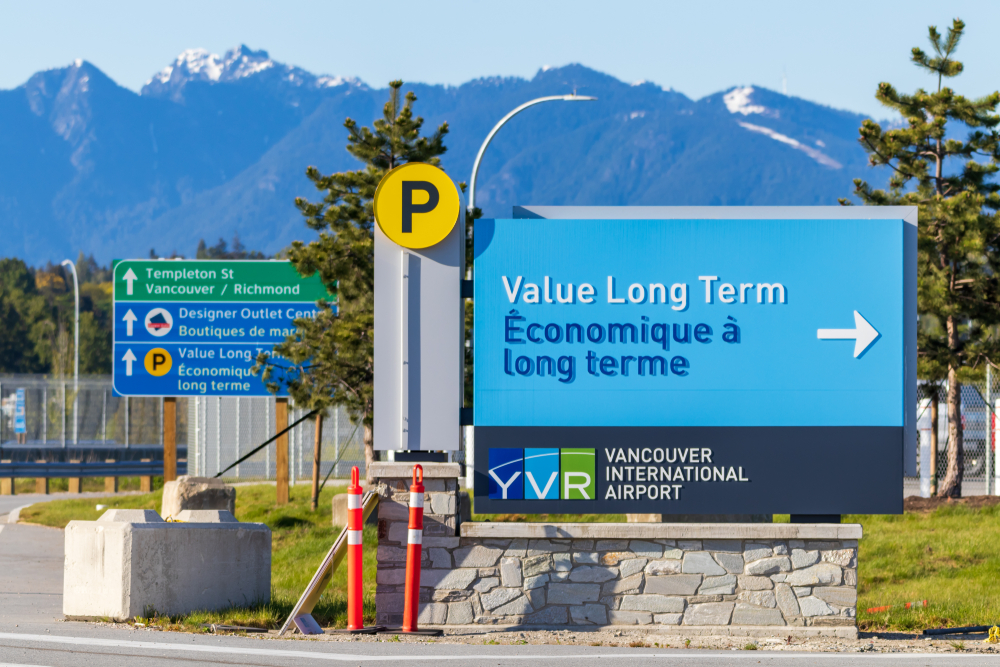
Park-and-ride airport lots usually offer lower pricing than parking directly at terminal garages. Many Canadian airports provide remote parking with shuttle transportation running every few minutes. These lots sit farther from terminals but offer major savings for long trips. Some airports allow advance online reservations at reduced pricing, while others provide seasonal discounts. Private off-site parking lots near airports often cost even less and include shuttle services and luggage assistance. Comparing official lots with nearby alternatives before booking helps travelers avoid last-minute premium charges. Reviewing airport websites ahead of time is the most reliable way to secure the best rate.
Free Airport Lounges You Can Access Without a Business-Class Ticket
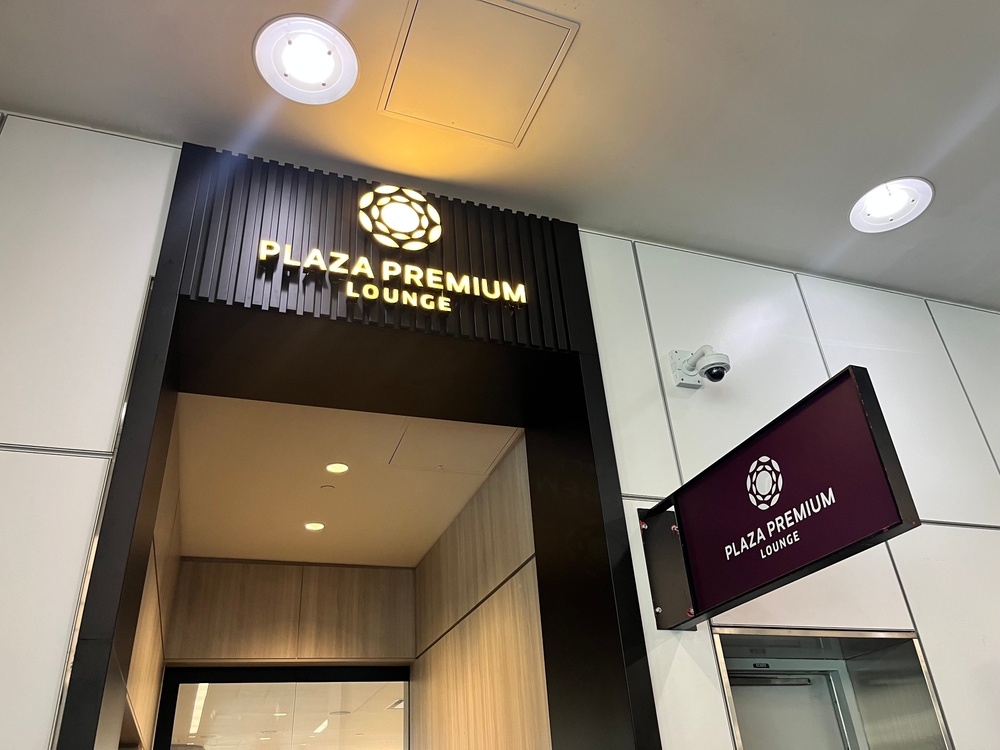
Several Canadian airports offer lounge access without requiring a business-class ticket. Travelers may enter through select credit cards, day passes, or loyalty memberships. Many domestic passengers do not realize they already qualify for entry through the cards they use daily. Lounges available without premium seats provide free snacks, drinks, Wi-Fi, and comfortable seating. Same-day entry is often available when space allows. Some lounges participate in independent networks that permit paid entrance. Reviewing eligibility in advance prevents issues at check-in. This option helps travelers stay productive or rest comfortably during long layovers without paying for upgraded airfare or priority service.
Hidden Charging Stations Not Marked on Maps
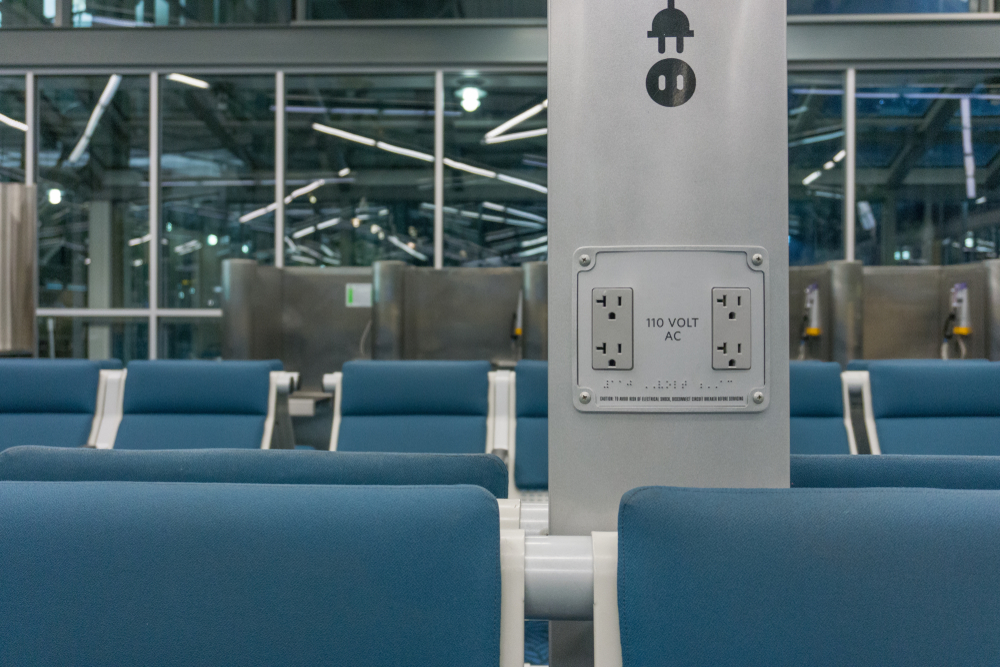
Many airports provide power outlets in lesser-known areas to prevent crowding around central charging hubs. These stations sit near unused gates, hallway corners, and counters with hidden outlets under work surfaces. Experienced travelers walk farther through terminals to locate these quiet charging spaces because they know most passengers stop at central power bars. Some gates include tall counter bars with stools designed for device charging and remote work. Paying attention while moving through terminals helps locate these unmarked spots. They are especially useful during delays and long wait periods when every visible outlet becomes occupied quickly.
The Best Spots to Sleep During Layovers
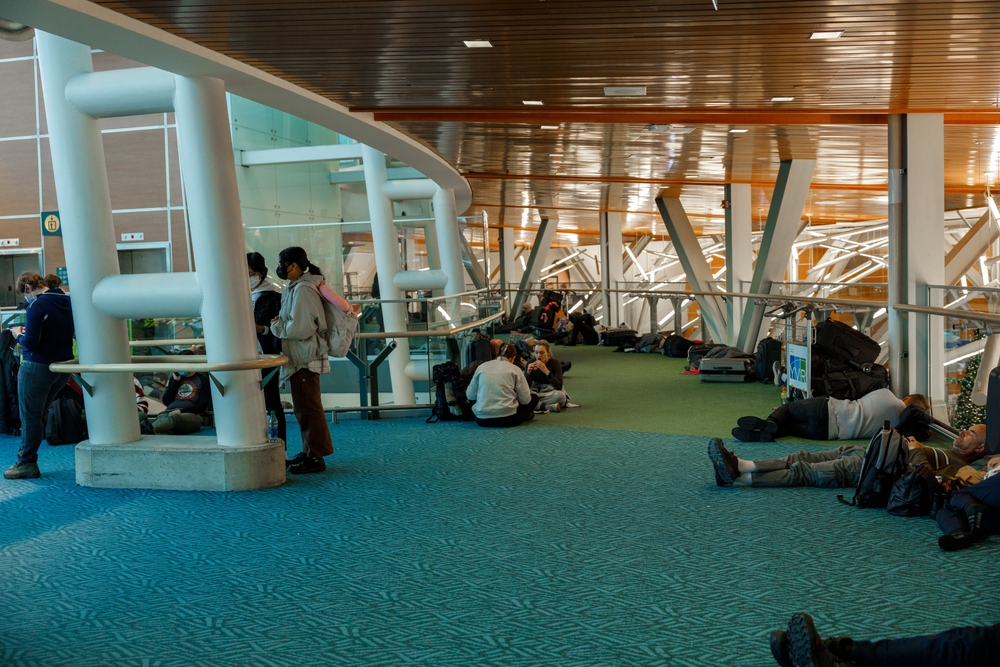
Some Canadian airports include designated quiet zones for overnight rest or long layovers. These spaces usually offer dimmed lights, padded seating, and sections separated from heavy foot traffic. When not available, frequent flyers choose empty gate rows, family waiting zones, or hallways located past security where noise levels are lower. Certain airports remain open 24 hours and maintain security patrols to support overnight stays. Checking airport rules helps ensure overnight rest is permitted, since policies differ by location. Travelers bring small blankets or neck pillows for comfort. Using quieter zones improves rest and reduces stress during extended delays.
Free Water Bottle Refill Stations Past Security

Many major Canadian airports provide refill stations after security screening. Travelers can bring empty bottles through screening and fill them with filtered water inside terminals. The stations lower travel costs and reduce reliance on single-use plastic bottles sold in airport stores. Most stations sit near washrooms, walkways, and gate waiting areas. Some appear inside food courts or close to seating lounges. Many travelers overlook them because the signs are small or placed to reduce congestion. Frequent flyers always bring reusable bottles to avoid high bottled-water prices. Refill stations help travelers stay hydrated and reduce unnecessary spending during trips.
How to Skip Long Check-In Lines with Local Airline Apps

Many Canadian airlines offer app-based check-in tools that dramatically reduce airport wait times. Travelers who check in through apps such as Air Canada, WestJet, Porter, or Flair receive mobile boarding passes without needing to visit full-service counters. These apps allow passengers to select seats, pay for bags, and update travel details beforehand. Bag-drop counters move faster than full check-in lines, especially during peak hours. Some airports also support digital kiosks connected to airline apps to speed up processing. Frequent flyers prefer arriving with only carry-on luggage, skipping counters entirely. Using airline apps cuts stress and avoids standing in long queues.
The Lounges Offering Free Food Without Premium Access

Several Canadian airport lounges offer complimentary snacks or light meals without requiring business-class tickets. Travelers can enter through day passes, credit card memberships, or third-party lounge programs. Many passengers assume lounges are restricted to elite travelers, but access is often available for standard economy ticket holders when space permits. These lounges provide comfortable seating, Wi-Fi, specialty coffee, and pastries or sandwiches. Locations are generally near major gate clusters or terminal connectors. Checking access options ahead of time helps avoid unexpected fees. Taking advantage of the lounge entry saves money compared to eating at restaurants inside terminals.
Gate-Change Alerts That Come Faster Than Staff Announcements
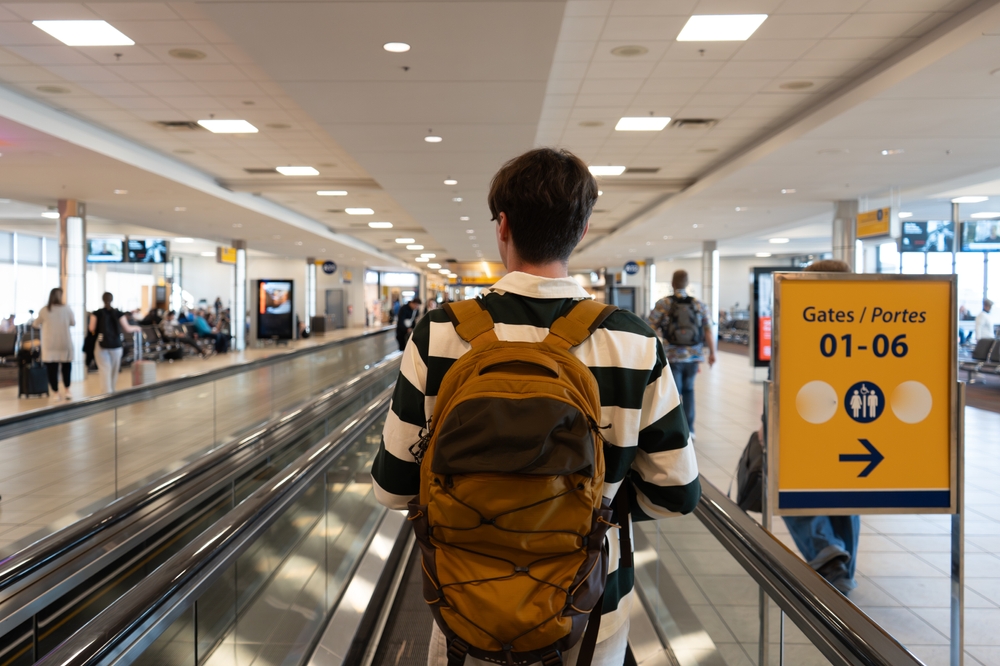
Frequent flyers rely on airline apps and third-party travel tools for gate updates, since digital alerts usually appear before public announcements. Real-time notifications help travelers avoid last-minute rushing when gates switch due to weather or scheduling. These apps monitor live airport systems and push changes instantly to mobile devices. This helps reduce confusion in busy terminals where screens update more slowly than app alerts. Travelers also use text and email notifications for added reliability. Setting alerts ensures passengers arrive at the correct gate with extra boarding time. Monitoring apps avoid missed flights and improve airport navigation during heavy delays.
The Airports with Secret Observation Decks
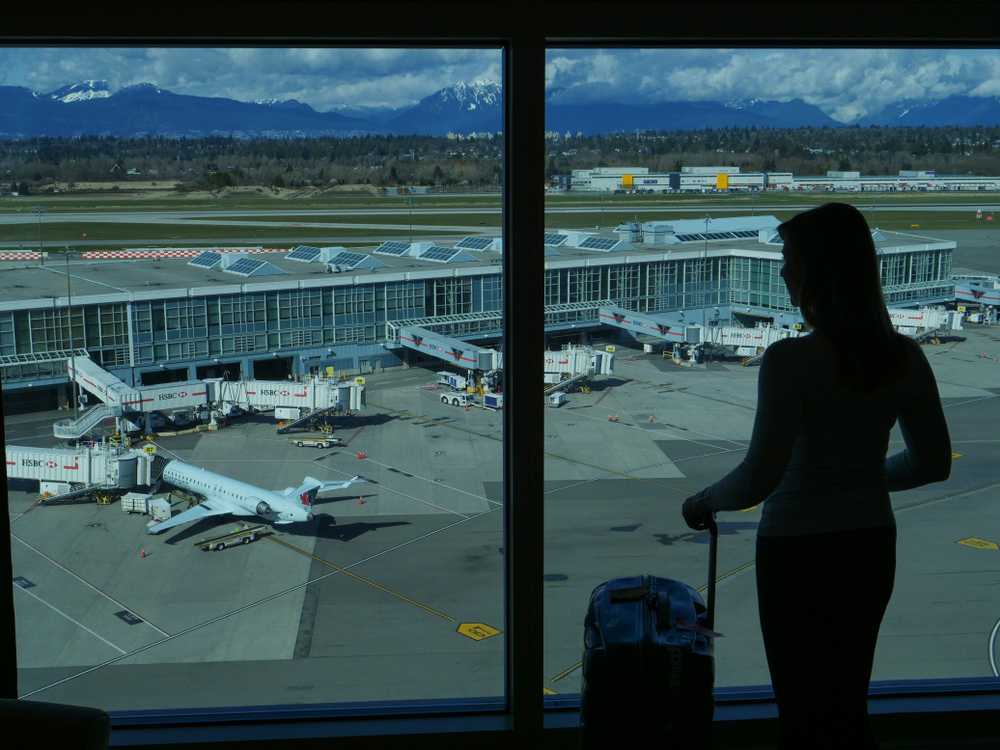
Some Canadian airports offer quiet observation areas where travelers can watch aircraft activity away from terminal crowds. These decks often sit above main concourses or at older sections of terminals no longer highlighted on maps. They provide panoramic tarmac views and calm seating, making them popular among aviation enthusiasts and families. Observation areas are usually accessible to the public without lounge entry requirements. These spaces are excellent for long layovers or breaks between connections. Frequent flyers visit them to relax, take photos, or work without noise from busy gate areas. They remain lesser-known because they are not clearly marked.
Where to Find Free Luggage Carts
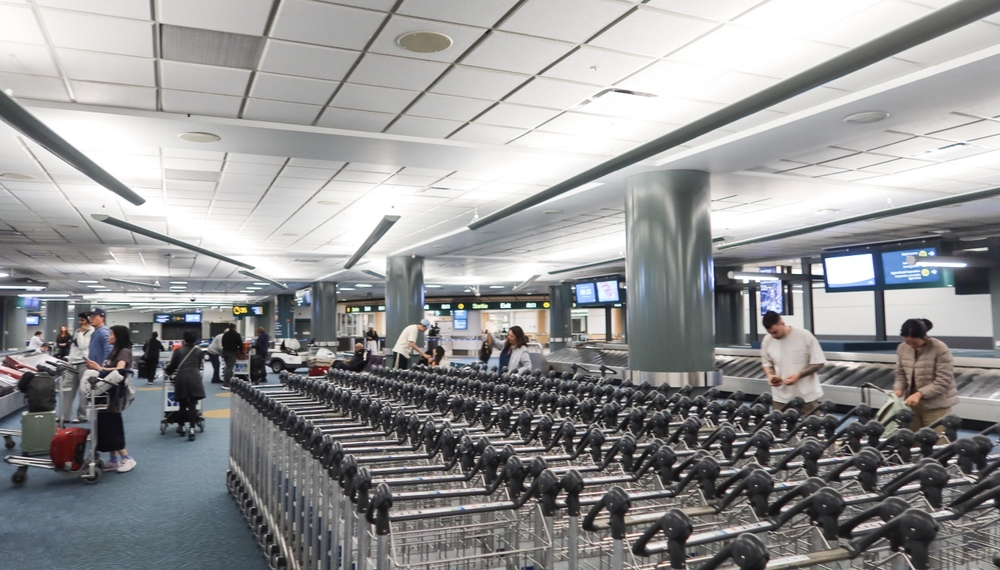
Certain airports offer luggage carts at no cost, unlike others that charge at terminals. Travelers can find complimentary carts near baggage claim belts, parking shuttles, large elevators, and arrival hall entrances. Frequent flyers avoid rental fees by locating these free cart stations quickly after landing. Some airports distribute carts through automated systems that release them without coins or payment cards. They are especially helpful for families, seniors, and passengers with heavy bags. Many travelers do not realize free carts exist because paid cart stations are positioned more visibly. Knowing where to look saves money and reduces physical strain.
Best Times of Day to Fly with the Least Delays
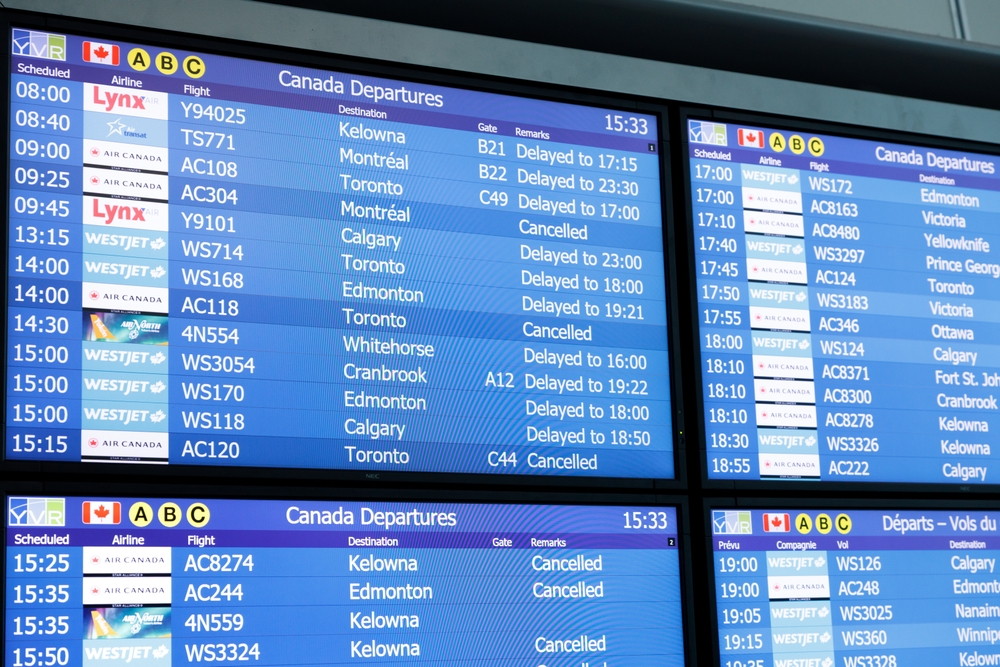
Early-morning departures typically experience fewer delays across many Canadian airports. Weather, traffic, and aircraft rotation issues build throughout the day, making afternoon and evening flights more likely to face disruptions. Frequent flyers aim for flights between 6 a.m. and 10 a.m. to reduce risk and improve on-time arrival rates. Weekdays also experience smoother operations than weekends. Monitoring seasonal patterns helps as winter storms and summer storms affect schedules differently. Travelers check airport delay statistics and choose earlier flights to maintain consistency. Planning around these patterns prevents missed connections and improves overall travel reliability.
The Hidden Priority Lanes You Can Use Legally
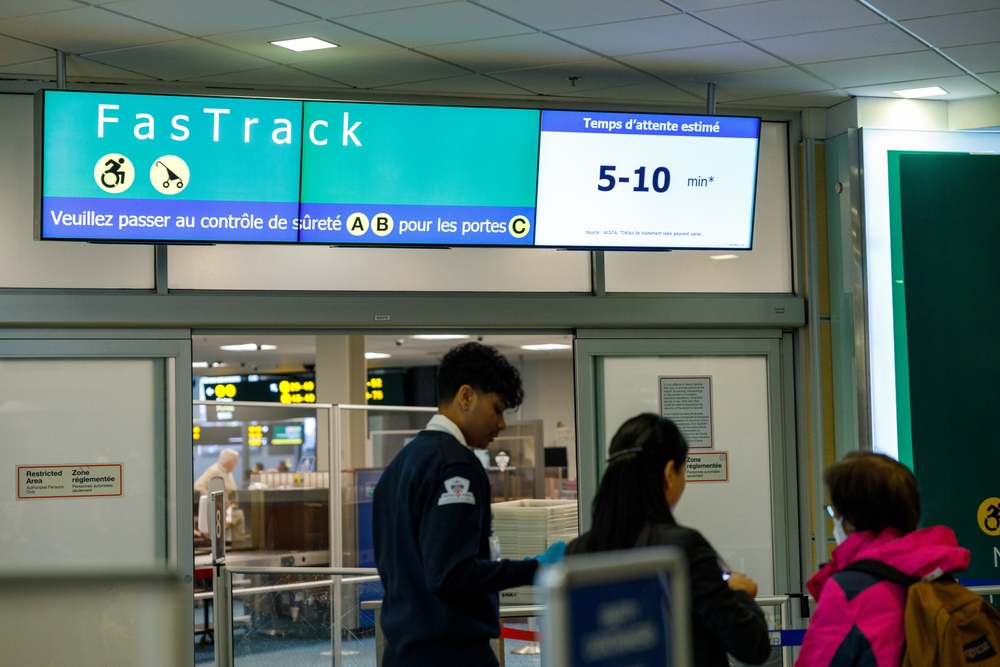
Many airports offer priority lanes that any traveler may access through services such as trusted traveler programs, credit card access, or online pre-booking. These lanes are not limited to frequent flyer status and significantly shorten wait times at security and customs. Passengers may gain entry by purchasing express passes for a small fee or using cards that include priority privileges. These lanes operate separately from elite or crew lines, which remain restricted. Because access rules differ between airports, checking eligibility ahead of time improves success. Regular travelers use these legal priority routes to bypass congestion without needing premium tickets.
How to Get Free Wi-Fi Beyond the Time Limits
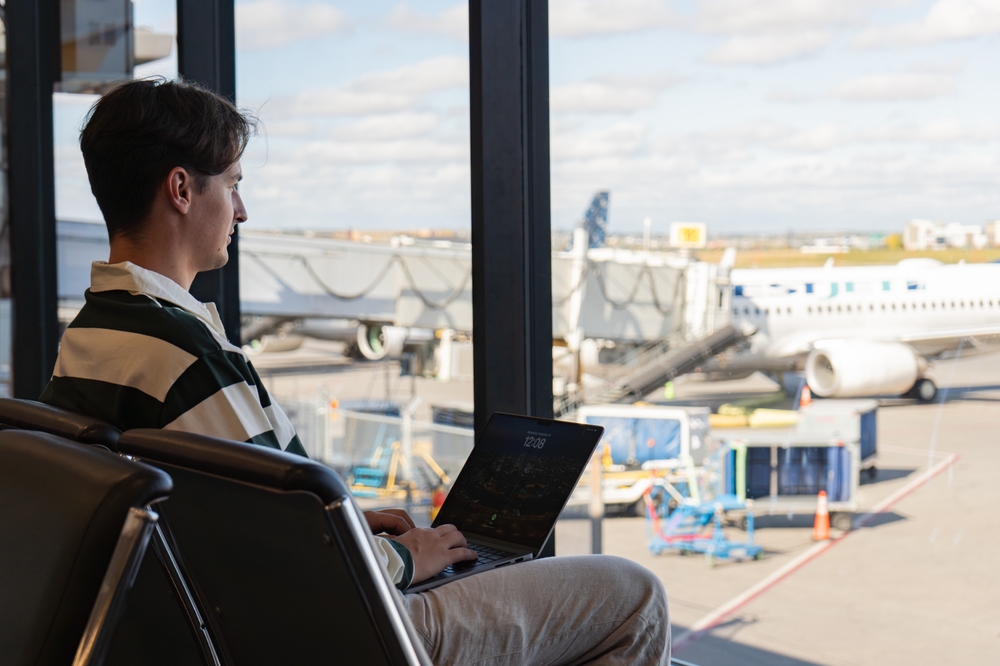
Some Canadian airports limit free Wi-Fi sessions, but travelers can extend access with simple methods. Switching between mobile browsers or using incognito mode often resets the timer. Connecting through different email addresses also renews access. Frequent flyers move between network access points within terminals to trigger new sessions. Some food courts and lounges offer unrestricted Wi-Fi without requiring a purchase. Using a VPN can help maintain a stable connection when switching networks. These techniques help avoid paid Wi-Fi fees. They support smoother work, communication, and streaming during long waits or delays.
Parking Lots with Shuttle Buses That Run 24/7
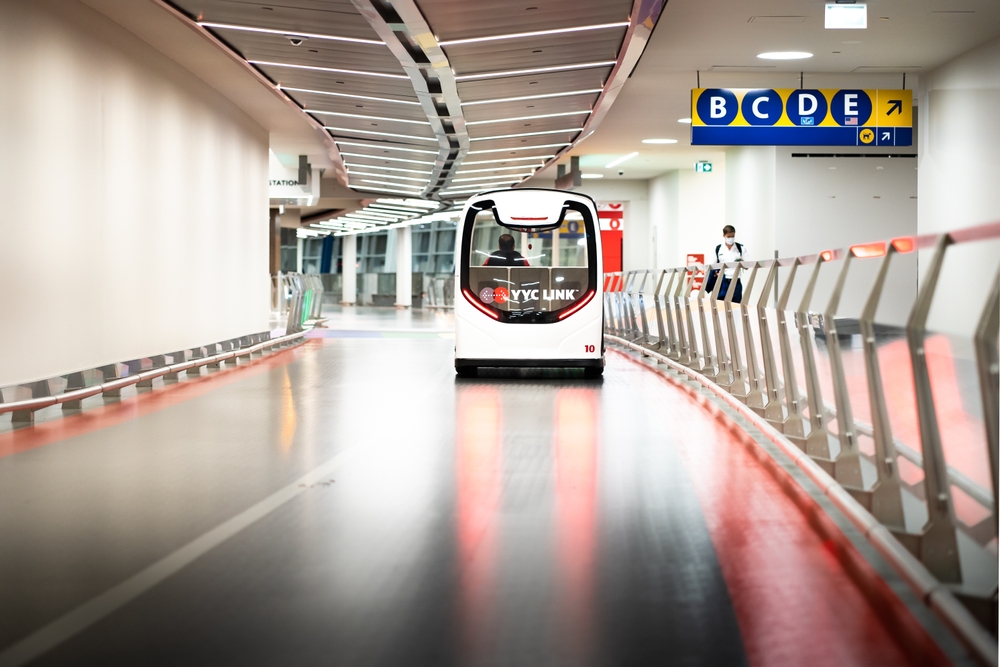
Most major Canadian airports provide long-term parking zones serviced by free shuttle buses operating around the clock. These shuttles run between terminals and parking areas even during late-night hours when regular transit options stop. Travelers who book economy lots save money compared to terminal garages. Shuttles arrive every few minutes, reducing walking distance with luggage. Families and business travelers rely on this service to reach flights on time. Parking websites display maps showing pick-up spots so travelers can plan. Using these lots provides affordable and dependable access without needing expensive curbside drop-offs.
The Airports Allowing Curbside Check-In
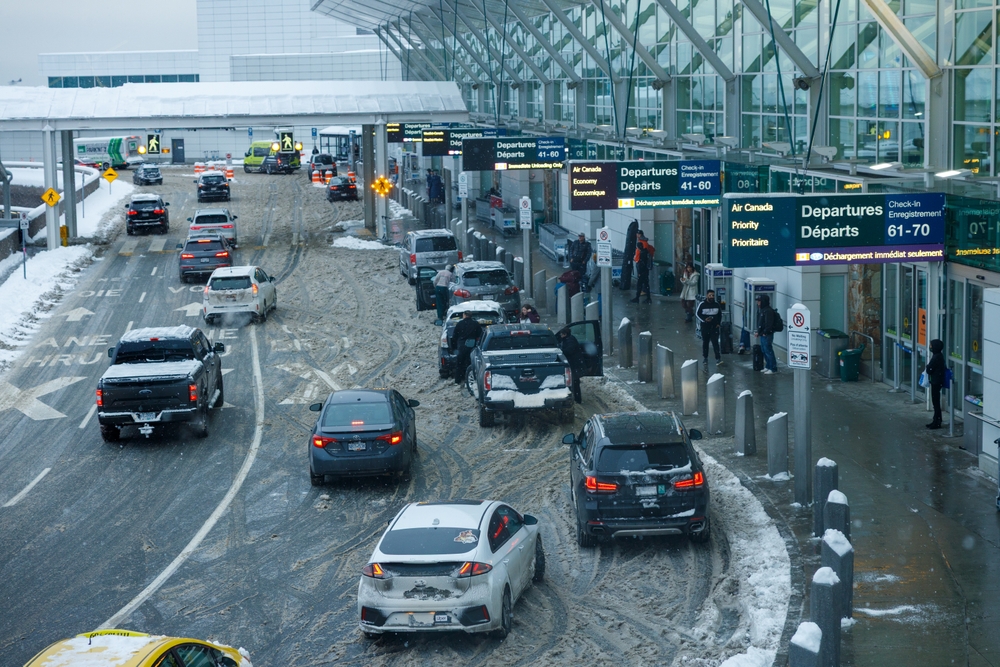
Some airports permit curbside check-in to reduce congestion inside terminals. Travelers can drop off checked baggage and receive boarding passes right from the vehicle before entering. This service is available through participating airlines and airport staff. It supports passengers with mobility needs, large families, and tight schedules. Curbside check-in operates during peak travel windows to manage crowds efficiently. Frequent flyers use this option to shorten the time spent in line and move quickly to security. Checking availability early prevents confusion since not all flights or airlines participate at every airport.
The Meal Vouchers Airlines Won’t Tell You About
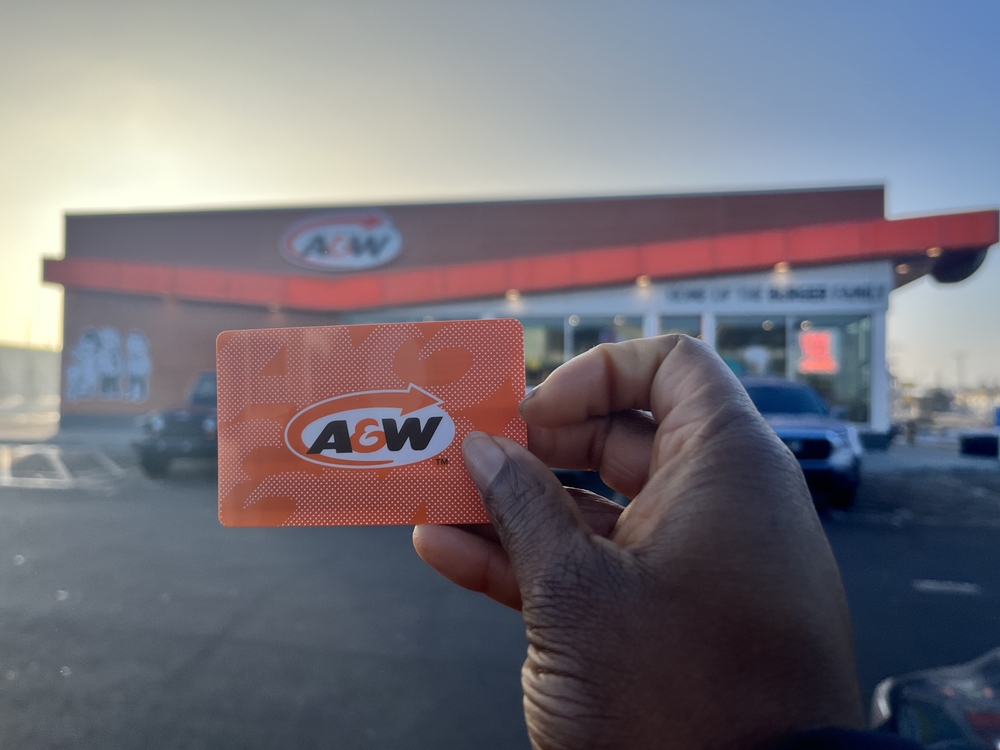
When flights face long delays or cancellations, airlines may offer meal vouchers, but many travelers never request them. Passengers become eligible when delays exceed certain hours or when overnight stays occur. Airline staff do not always announce voucher availability, so asking at service counters is necessary. These vouchers cover meals at approved airport restaurants and reduce out-of-pocket costs. They help travelers manage extended waits with less financial stress. Keeping boarding passes handy helps confirm eligibility. Frequent flyers always inquire during major delays because unused benefits are common.
How to Access Shower Facilities Without Lounge Membership

Several Canadian airports provide paid shower facilities separate from premium lounges. Travelers can access these spaces individually without membership or business-class tickets. Showers are located near fitness centers, spa services, or dedicated rest areas within terminals. They are popular with passengers arriving from overnight flights or long layovers needing to refresh. Rates vary by location and can be purchased at service desks. Frequent flyers recommend arriving early because availability is limited during peak travel seasons. Using these showers improves comfort during extended trips and offers a practical alternative to lounge access.
Best Locations to Watch Northern Lights from an Airport Window

Some northern airports offer unique views of the aurora borealis during active seasons. Clear nights and minimal light pollution increase the likelihood of sightings. Observation windows near less crowded gates often face open sky and runway areas without visual obstruction. Airports in regions such as Yukon and the Northwest Territories provide higher visibility due to dark conditions and more frequent aurora activity. Travelers planning overnight layovers sometimes choose connecting flights through northern cities. Checking aurora forecasts helps time opportunities. Seeing the northern lights during travel provides unforgettable moments without leaving the terminal.
22 Groceries to Grab Now—Before another Price Shock Hits Canada

Food prices in Canada have been steadily climbing, and another spike could make your grocery bill feel like a mortgage payment. According to Statistics Canada, food inflation remains about 3.7% higher than last year, with essentials like bread, dairy, and fresh produce leading the surge. Some items are expected to rise even further due to transportation costs, droughts, and import tariffs. Here are 22 groceries to grab now before another price shock hits Canada.
22 Groceries to Grab Now—Before another Price Shock Hits Canada
