
Some ideas make perfect sense only after the world sees them succeed. Canada has a long list of projects that people once mocked or dismissed, only to later copy or admire. From unusual policies to business experiments, many of these ideas started with doubt, pushback, and plenty of headlines predicting failure. Today, they are part of global conversations, and some of them are industry standards. Here are 19 Canadian ideas that seemed crazy—until they worked.
Free Healthcare for Every Resident

When universal healthcare was proposed, critics expected enormous costs and system overload. Canada introduced the model step by step through federal and provincial coordination. Funding relied on taxes rather than private billing. Hospitals shifted to patient access rather than ability to pay. Administrative structures adapted over time to control waste and improve response rates. Patients did not face medical bankruptcy or denial of treatment. The system continued to treat growing populations without collapse. It became a long-term foundation of Canadian life. Healthcare remains publicly funded and widely supported. A once risky concept became a stable national framework.
The Canadarm in Space Missions
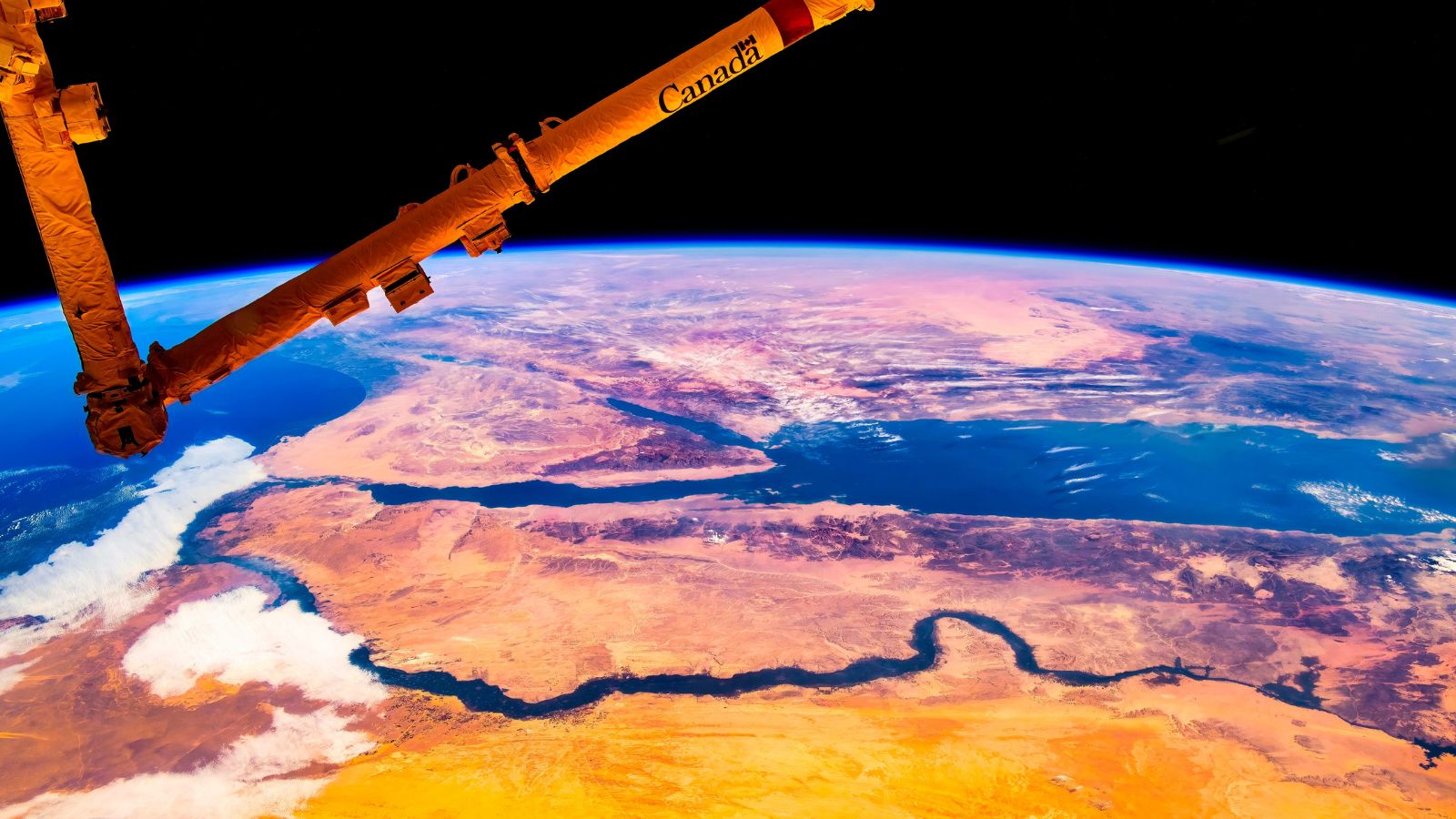
The idea of developing a robotic arm for space missions looked unrealistic during early planning. Canada lacked the aerospace reputation held by larger countries. Investment continued despite skepticism. The Canadarm was built with precision engineering for satellite deployment and space station maintenance. Its performance during NASA missions created new credibility for Canadian technology. Researchers and engineers gained international opportunities due to the project’s success. The arm also influenced later robotics in surgery, nuclear work, and manufacturing. The Canadian aerospace sector expanded because of the breakthrough. A concept once dismissed became a global technological reference.
Charging a Deposit for Recycling Bottles

Early discussions about bottle deposits led to concerns about inconvenience and low participation. Critics expected citizens to ignore refund incentives. Canada launched the program across multiple regions using retail collection points. People began returning containers due to predictable payouts. Recycling rates increased, and landfills received fewer bottles each year. Local industries developed around sorting, processing, and refining reusable materials. Municipalities reduced disposal costs and redirected savings to community budgets. Environmental data supported the system’s continuation. The initiative became a long-term model referenced by countries aiming to improve recycling efficiency.
Netflix Investing in Canadian Productions

The requirement that streaming platforms contribute to Canadian content budgets caused debate. Opponents believed investment pressure would repel major companies. The policy instead promoted domestic filmmaking by requiring dedicated funding. Netflix and other platforms began producing series and films within Canada. Sound stages expanded across major cities. Employment in acting, editing, lighting, and writing increased significantly. Local production houses worked with international studios. Viewers worldwide gained access to Canadian stories. The policy shifted Canada into a competitive global production hub. A rule that once seemed restrictive helped accelerate industry growth.
Tim Hortons Becoming a Cultural Icon

Opening a small doughnut and coffee shop near hockey arenas looked like a limited idea. Investors doubted that it would scale beyond local communities. Tim Hortons focused on consistency, affordability, and geographic placement across neighborhoods. The menu reflected simple products with predictable quality. Customers developed a daily routine around the brand. The chain expanded across provinces and became a household name. Local sponsorships built familiarity among families and sports teams. The business model remained stable while competitors rose and fell. It moved from a small experiment to a national presence.
Ice Roads for Remote Deliveries

The idea of transporting heavy supplies across frozen lakes appeared dangerous. Critics questioned how temperature changes would affect safety and schedules. Canada conducted engineering studies and designed predictable winter routes for trucks. Ice roads lowered delivery costs compared to aircraft. Remote communities received fuel, food, and building materials at manageable prices. Government agencies trained specialized operators to monitor ice thickness regularly. Transportation companies adapted equipment for northern conditions. The system remains essential for locations without year-round access. A seemingly unworkable proposal became a functional logistics solution.
Carbon Pricing Across Provinces

Concerns about job loss and slowed economic activity dominated discussions of carbon pricing. Despite criticism, the policy went forward with rebate structures and emission-reduction goals. Data later showed that industries continued to expand while emissions decreased in several sectors. Revenue supported climate programs and direct household payments. Businesses gradually adopted cleaner practices to reduce cost burdens. Several international governments studied the Canadian model while building their own climate plans. The policy remains debated but continues to demonstrate measurable environmental impact. An approach once labelled unrealistic became an active tool for emission management.
Schools in Two Languages

Critics believed operating public education in English and French would strain budgets and create conflict. Canada implemented bilingual instruction through targeted teacher training, curriculum design, and classroom resources. Students gained access to learning opportunities in both languages from early grades onward. Proficiency levels continued to rise in multiple provinces. Bilingual graduates now fill roles in business, public service, diplomacy, and international organizations. Employers value candidates who communicate fluently across markets. The education model remains a major part of Canadian identity. A once-questioned policy became a competitive advantage for students.
A Peacekeeping Identity

Developing a military identity centred on peacekeeping during global tension appeared impractical. Critics predicted reduced influence and weakened defense readiness. Canada continued to support negotiation, humanitarian relief, and ceasefire operations through international organizations. Soldiers trained for conflict mediation and civilian protection. The peacekeeping identity increased Canada’s diplomatic presence worldwide. It also opened roles for Canadians in conflict monitoring and policy support. The approach influenced long-term alliances with partner nations. The strategy remains part of Canada’s international standing. A controversial military direction transitioned into a global reputation.
Housing Cooperatives in Big Cities

Arguments against housing cooperatives focused on financial risk and resident decision-making challenges. Supporters advocated for regulated affordability and community-based management. Canada established laws and funding options to help co-ops open in major cities. Residents paid stable fees rather than market rent. Boards elected by residents handled planning and budgeting. Maintenance costs stayed predictable because profit extraction did not exist. Thousands of families gained long-term housing security. Waiting lists formed as demand increased. A model once considered too experimental became a proven component of urban housing.
Allowing Cannabis to Be Sold Legally

Legal cannabis proposals faced predictions of crime growth and overwhelmed hospitals. Canada implemented national distribution systems and packaging rules with age restrictions. Data later showed that illegal sales declined as regulated options increased. Licensed retailers followed tracking procedures from cultivation to purchase. Tax revenue supported public programs and research. Education campaigns reduced misinformation among consumers. Other countries studied Canada’s rollout before considering their own legislation. The policy demonstrated that legalization can operate under structured regulation. What once looked chaotic became a controlled framework.
Winter Festivals in Freezing Temperatures

Launching outdoor festivals during harsh winter weather seemed unrealistic to event planners. Critics expected low attendance and financial losses. Canadian cities developed skating trails, snow sculpture competitions, concerts, and cultural programs. Residents participated heavily because events celebrated the local climate rather than avoiding it. Tourism during the winter months increased as visitors sought seasonal experiences. Hotels and restaurants benefited from higher demand. The festivals created revenue and long-term traditions. Instead of staying indoors, cities adopted outdoor recreation as a cultural asset. A once impractical idea became a dependable tourism strategy.
A Police Force on Horses

Maintaining mounted police units appeared outdated in a world of cars and advanced equipment. Canada continued to develop the Royal Canadian Mounted Police with equestrian training programs. Horses provided clear visibility in crowded environments and supported public order during large gatherings. Mounted units performed community interaction roles that strengthened public trust. The RCMP became a widely recognized national symbol. The organization integrated modern policing tools along with traditional mounted patrols. The approach remained practical in both urban and rural settings. An antiquated idea evolved into a functional and iconic system.
Turning Old Shipping Containers into Stores

Using shipping containers as retail spaces raised concerns about safety, climate control, and customer appeal. Canadian cities experimented with container markets in compact urban spaces. Lower rent supported new entrepreneurs who lacked large startup budgets. Pop-up vendors, restaurants, and artisans filled the units. Foot traffic increased due to modern layouts and centralized locations. Shipping containers transitioned from industrial waste into practical building materials. The concept helped city planners activate underused land. It became a reference model for small business development. A temporary-looking concept turned into a long-term retail format.
Free Libraries With Digital Checkouts

Allowing citizens to borrow ebooks, audiobooks, and movies without charge seemed open to misuse. Libraries designed digital systems that controlled copies and tracked return schedules automatically. People gained access to reading resources without visiting branches physically. Borrowing volume increased significantly due to convenience. Rural and low-income residents benefited from equal access to learning materials. Library memberships grew, and digital literacy programs expanded. Public libraries transitioned into comprehensive information hubs rather than only physical storage. A risky idea became a proven path to modern public education.
A Restaurant Inside a Hockey Rink

Combining full dining with live hockey seemed financially risky due to noise and continuous foot movement. Canadian sports venues built restaurants with seating adjustments, timing systems, and clear viewing lines. Fans ordered meals without missing game moments. Stadiums reported increased revenue through food sales rather than only ticket purchases. Hospitality jobs expanded within arenas. Other sports venues adopted similar models after observing Canadian results. The approach transformed game attendance into a complete outing for families and groups. A concept once labelled impractical became a profitable venue standard.
Tracking Northern Lights with Tourism

Promoting travel based on unpredictable aurora activity carried significant uncertainty. Northern tourism boards collected scientific forecasts to identify reliable viewing seasons. Tour operators built guided experiences with lodging, transport, and photography support. International travelers booked months in advance. Local businesses expanded due to steady visitor demand. The industry supplied income for remote regions with limited employment options. Year-round tourism strategies are formed through cultural activities outside light-viewing hours. A weather-dependent concept became a stable economic contributor in northern territories.
A Maple Industry Built Around One Ingredient

Developing a large export sector centered on maple syrup seemed risky due to narrow demand. Canada built strict standards for quality, forest protection, and production quotas. Farmers invested in long-term tree management rather than short harvesting cycles. Exports expanded across high-income markets that preferred natural sweeteners. Maple became an ingredient for sauces, baking, cosmetic goods, and nutritional products. The industry supports thousands of jobs in farming, bottling, distribution, and retail. A simple ingredient continues to build steady revenue. A doubtful idea became a structured commodity market.
The Longest Multi-Use Trail in the World
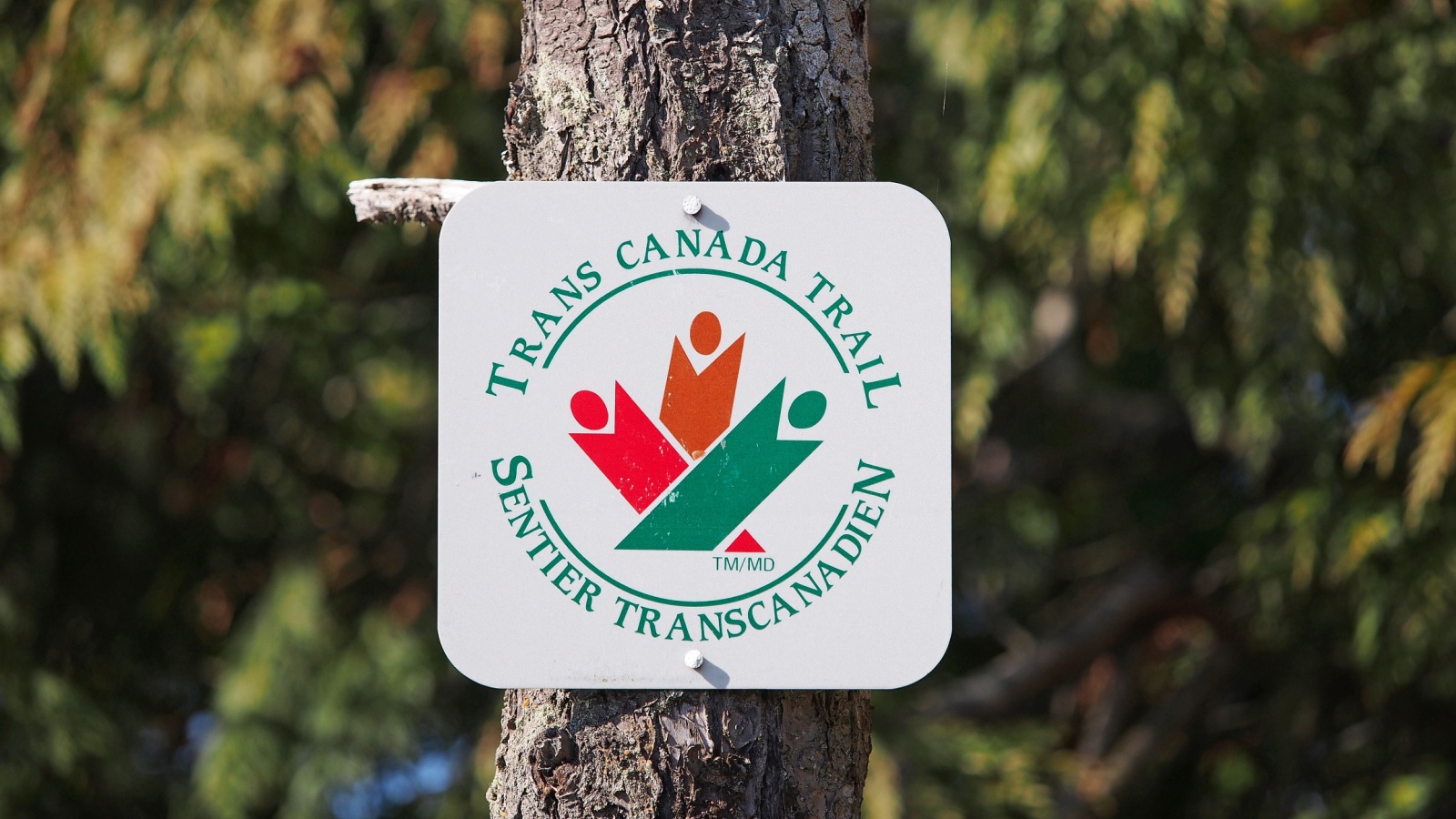
Planning a trail that spans an entire country appeared financially impossible. Funding arrived through government programs, private donations, and community volunteer work. Construction continued section by section across mountains, forests, rivers, and urban centers. The Trans Canada Trail now offers recreational access to cyclists, hikers, joggers, and paddlers. Small towns along the route benefit from increased tourism. Trail maintenance crews support environmental conservation. The project strengthened national connections across provinces and territories. A once-unrealistic idea became one of Canada’s major attractions.
22 Groceries to Grab Now—Before another Price Shock Hits Canada

Food prices in Canada have been steadily climbing, and another spike could make your grocery bill feel like a mortgage payment. According to Statistics Canada, food inflation remains about 3.7% higher than last year, with essentials like bread, dairy, and fresh produce leading the surge. Some items are expected to rise even further due to transportation costs, droughts, and import tariffs. Here are 22 groceries to grab now before another price shock hits Canada.
22 Groceries to Grab Now—Before another Price Shock Hits Canada
