
Canadians have developed practical money habits that combine discipline, foresight, and everyday efficiency. From using contactless payments to investing early for retirement, many of these habits make personal finance simpler and more effective. Canadians also prioritize emergency funds, track credit scores, and adopt technology to manage spending. These strategies help households save, reduce debt, and plan for the future. Here are 19 Canadian money habits the rest of the world should copy.
Using Contactless Payments Frequently

Canadians are quick to adopt contactless payments using cards, smartphones, or smartwatches. This habit makes everyday purchases faster, safer, and more convenient. Tap-to-pay technology reduces cash handling and keeps transactions secure. Many Americans admire the efficiency, especially in urban areas where small purchases are frequent. Canadians often prefer this method for groceries, transit, and retail shopping. Contactless payments also help with tracking expenses, as each transaction is recorded automatically. While some residents complain about adapting to new technology, the convenience, hygiene, and speed of tap-to-pay systems make it a habit that other countries could benefit from copying.
Saving Through Tax-Free Savings Accounts (TFSAs)

Canadians widely use TFSAs to grow money without paying taxes on interest, dividends, or capital gains. These accounts encourage disciplined saving and long-term investment. Americans often envy the ability to earn tax-free growth, which is less common in U.S. accounts. Canadians contribute annually up to a set limit, balancing liquidity with financial growth. TFSAs provide flexibility for short-term goals or emergency funds while avoiding penalties for withdrawals. This habit promotes financial stability and independence. Many Canadians plan contributions strategically each year, making it a routine part of personal finance. Other countries could adopt similar accounts to encourage savings and investment.
Prioritizing Emergency Funds

Canadians are proactive about building emergency funds to cover unexpected expenses. Most aim to save three to six months of living costs in accessible accounts. Americans often admire this habit, as it reduces reliance on credit during financial disruptions. Emergency funds provide security against job loss, medical bills, or home repairs. Canadians often maintain separate savings accounts to avoid spending these funds inadvertently. This practice encourages discipline and long-term stability. Financial advisors regularly recommend it as a first step toward wealth building. By prioritizing emergency funds, Canadians protect themselves from crises while setting an example other countries could follow.
Paying Off Credit Cards Monthly
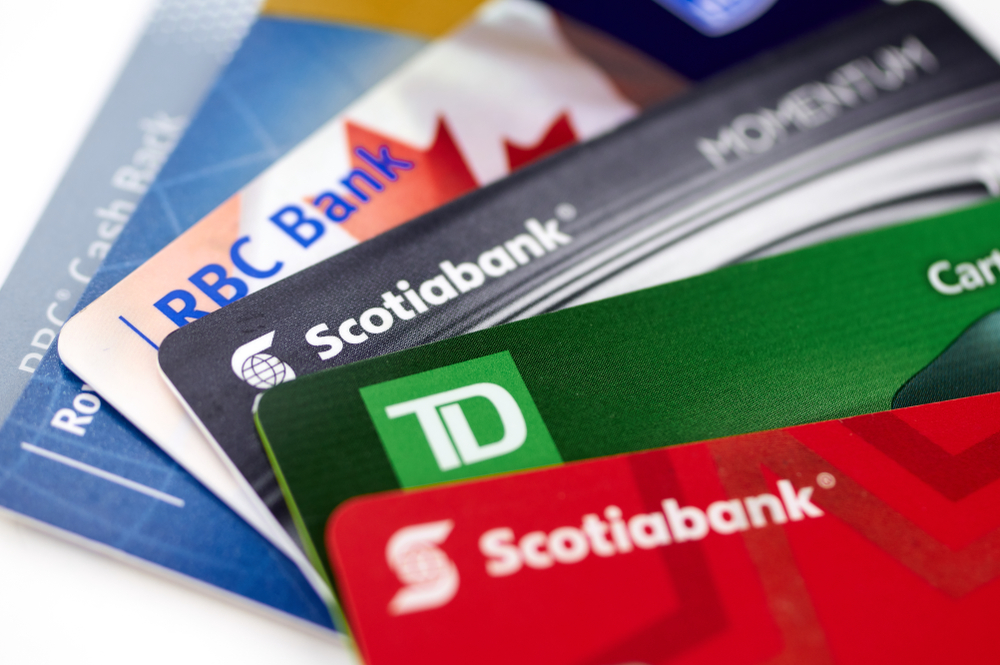
Many Canadians pay off credit card balances in full each month to avoid interest charges. This habit prevents debt accumulation and promotes healthy credit usage. Americans may envy the financial discipline and reduced reliance on credit. Paying in full also improves credit scores, enabling better loan terms and financial opportunities. Canadians monitor statements carefully, track spending, and set automated reminders. While carrying a balance is common elsewhere, avoiding interest demonstrates strong money management. This habit minimizes financial stress and encourages mindful spending. By paying off cards monthly, Canadians maintain control over personal finances while modeling responsible credit behavior.
Using Budgeting Apps and Tools

Budgeting is a priority for many Canadians, who rely on apps and digital tools to track spending and savings. These platforms categorize expenses, set goals, and alert users to unusual spending patterns. Americans often admire the precision and organization this approach offers. Canadians integrate banking apps with budgeting tools for a complete financial picture. The habit encourages accountability, helping households plan for bills, emergencies, and investments. Many also share insights and strategies within families. Using technology for budgeting enhances financial literacy and control. This practical approach to money management is a habit that other countries could adopt to improve household finances.
Investing Early for Retirement

Canadians often start investing in retirement accounts, such as RRSPs, in their twenties or thirties. Early investing allows compound growth to accumulate over decades. Americans may envy the disciplined approach, as starting early reduces stress later in life. Canadians diversify portfolios with a mix of stocks, bonds, and mutual funds to maximize returns. Employer matching contributions are often utilized, increasing retirement savings efficiently. Early investment fosters long-term financial planning and reduces dependency on social programs. By making investing a habit from a young age, Canadians demonstrate how foresight and discipline can secure financial independence, a practice other countries could emulate.
Opting for Automated Bill Payments

Many Canadians set up automated bill payments to avoid late fees and maintain a good credit history. This habit reduces stress, ensures consistency, and frees mental bandwidth for other financial planning. Americans often admire the simplicity and efficiency of automatic payments. Canadians apply this to utilities, mortgages, credit cards, and subscriptions. Automation also encourages budgeting, as expenses are predictable and scheduled. While some residents prefer manual control, automated payments prevent missed deadlines and penalties. This habit demonstrates practical financial discipline and time management. Other countries could adopt similar systems to improve payment reliability and reduce unnecessary financial stress.
Keeping Track of Credit Scores

Monitoring credit scores is common among Canadians to maintain financial health. Regular tracking helps detect errors, prevent fraud, and improve loan eligibility. Americans often envy this awareness, as early detection of issues is less emphasized in some countries. Canadians use free tools or bank services to stay informed. Knowledge of one’s credit score guides borrowing, interest rates, and financial planning. Many check scores before applying for mortgages, loans, or credit cards. This proactive approach prevents surprises and encourages responsible credit behavior. By routinely monitoring credit, Canadians model financial vigilance that other countries could benefit from adopting.
Comparing Prices Before Major Purchases

Canadians frequently compare prices before making significant purchases, from electronics to vehicles. This habit ensures better value and informed decision-making. Americans often admire the careful consideration and strategic shopping approach. Canadians use online resources, apps, and store visits to evaluate deals. Price comparison helps avoid overspending and encourages financial discipline. Many also track seasonal promotions or cashback offers to maximize savings. By researching before purchasing, Canadians reduce buyer’s remorse and stretch their budget further. This money-conscious behavior reflects careful planning and prioritization. Other countries could emulate this habit to improve household financial efficiency.
Using Cashback and Reward Programs

Canadians often participate in cashback, reward, and loyalty programs offered by banks and retailers. This habit helps save money, earn perks, and offset regular expenses. Americans may secretly envy the cumulative benefits Canadians receive from everyday spending. Points and cashback rewards are commonly applied to groceries, travel, and gas. Canadians track and redeem rewards strategically to maximize value. While some consider it minor, consistent use contributes to long-term savings. This habit also encourages smart spending and financial awareness. By leveraging loyalty programs, Canadians turn routine purchases into additional financial gains, a strategy other countries could adopt effectively.
Taking Advantage of Employer Pension Plans
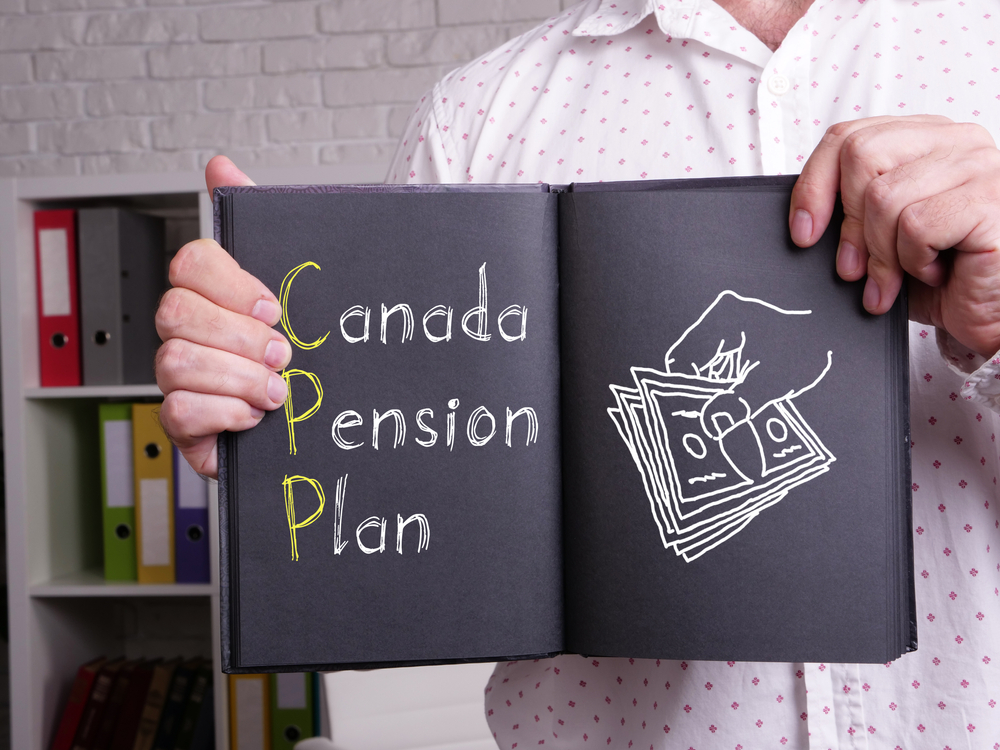
Many Canadians contribute to employer pension plans to secure future financial stability. Matched contributions from employers boost retirement savings automatically. Americans may envy the structured, accessible approach to retirement planning. Canadians often combine pensions with RRSPs and TFSAs to diversify and grow wealth. Early participation ensures long-term benefits and reduces reliance on social programs. Employees monitor contributions, investment options, and projected outcomes regularly. By actively utilizing employer pensions, Canadians create a strong financial foundation for retirement. This proactive approach to long-term savings is a habit other countries could copy to enhance personal financial security.
Regularly Reviewing Insurance Policies

Canadians frequently review insurance policies, including home, auto, life, and health coverage. This ensures adequate protection and cost efficiency. Americans often admire the thoroughness and attention to detail. Regular review identifies unnecessary coverage, updates outdated policies, and finds better rates. Canadians often use comparisons and consult advisors to optimize policies. Maintaining proper insurance reduces financial risk and protects against unexpected events. While some find this process tedious, it safeguards personal and family finances. By routinely reviewing insurance, Canadians practice proactive risk management, a habit other countries could adopt to minimize financial vulnerability and maximize security.
Choosing Energy-Efficient and Cost-Saving Home Solutions

Many Canadians invest in energy-efficient appliances, insulation, and smart home technologies to reduce utility bills. This habit conserves resources and lowers long-term costs. Americans may secretly envy the financial and environmental benefits. Canadians often combine solar panels, efficient heating, and LED lighting to optimize savings. Regular monitoring of energy usage supports budget management and sustainability. While upfront costs may be higher, long-term returns justify the investment. This practical approach demonstrates a balance between environmental responsibility and financial prudence. Adopting similar habits globally could reduce household expenses and promote sustainability while maintaining comfort and convenience.
Avoiding Payday Loans and High-Interest Debt

Canadians generally avoid payday loans and high-interest borrowing to prevent financial strain. This habit emphasizes living within means and planning for emergencies. Americans often admire the discipline, as reliance on short-term credit is more common elsewhere. Canadians prioritize savings, emergency funds, and manageable credit use instead. Avoiding high-interest debt reduces stress, interest payments, and long-term financial vulnerability. Many use budgeting tools and financial education to maintain control. By minimizing risky borrowing, Canadians build stronger financial foundations. Other countries could adopt this habit to encourage responsible borrowing, prevent debt cycles, and improve overall household financial stability.
Supporting Local Businesses to Save and Invest

Canadians often choose to support local businesses for economic and financial benefits. Purchasing from nearby stores keeps money circulating in communities and encourages small-scale investment. Americans may secretly envy this approach, which combines social responsibility with practical financial decisions. Buying locally often reduces shipping costs and supports sustainable practices. Canadians prioritize quality products while maintaining community relationships. This habit fosters entrepreneurship and local employment while promoting conscious spending. By choosing local over large chains, Canadians make strategic financial choices that benefit both their wallets and neighborhoods. Other countries could emulate this habit to strengthen local economies.
Planning Major Travel Expenses in Advance

Canadians frequently plan trips well in advance to secure the best rates and manage budgets efficiently. Early planning reduces stress, avoids last-minute price hikes, and allows for careful allocation of funds. Americans often admire this foresight, as it ensures financial predictability. Canadians track flights, accommodations, and travel deals systematically. Planning also includes emergency funds and travel insurance to cover unexpected costs. This habit encourages disciplined financial management while enjoying leisure opportunities. By budgeting and preparing for travel early, Canadians maximize experiences without overspending. Other countries could adopt this habit to combine financial prudence with lifestyle enjoyment.
Using Public Transportation or Carpooling to Save Money

Many Canadians rely on public transportation, cycling, or carpooling to reduce commuting costs. This habit saves money on fuel, parking, and vehicle maintenance. Americans may secretly envy the combination of cost-efficiency, environmental benefits, and convenience. Canadians often plan routes and schedules to maximize savings and minimize delays. Carpooling also fosters community connections and reduces traffic congestion. This approach reflects careful budgeting and sustainable living. By embracing public transit or ride-sharing, Canadians lower transportation expenses while benefiting the environment. Other countries could copy this practice to improve personal finances and reduce urban congestion simultaneously.
Donating or Charitable Giving Strategically

Canadians often practice strategic charitable giving, balancing generosity with financial planning. Donations are often tax-deductible, encouraging careful budgeting while supporting communities. Americans may secretly admire the structured approach that combines philanthropy with fiscal responsibility. Canadians research organizations, set annual giving goals, and incorporate donations into long-term financial plans. This habit ensures that giving is meaningful, sustainable, and manageable. It also promotes social responsibility alongside financial prudence. By planning charitable contributions strategically, Canadians support causes without jeopardizing personal finances. Other countries could adopt this approach to encourage responsible philanthropy and long-term community impact.
Teaching Children About Money Management

Many Canadian families prioritize financial literacy from a young age. Children learn about saving, budgeting, spending, and investing through allowances, savings accounts, or family discussions. Americans may secretly envy this proactive education, as it fosters responsible future adults. Canadians emphasize practical lessons, teaching delayed gratification and informed decision-making. Financial literacy helps children understand credit, debt, and investment concepts early. By instilling money habits at a young age, Canadians promote long-term stability and confidence in financial decisions. Other countries could benefit from integrating similar practices, ensuring the next generation develops strong financial habits and independence.
22 Groceries to Grab Now—Before another Price Shock Hits Canada

Food prices in Canada have been steadily climbing, and another spike could make your grocery bill feel like a mortgage payment. According to Statistics Canada, food inflation remains about 3.7% higher than last year, with essentials like bread, dairy, and fresh produce leading the surge. Some items are expected to rise even further due to transportation costs, droughts, and import tariffs. Here are 22 groceries to grab now before another price shock hits Canada.
22 Groceries to Grab Now—Before another Price Shock Hits Canada
