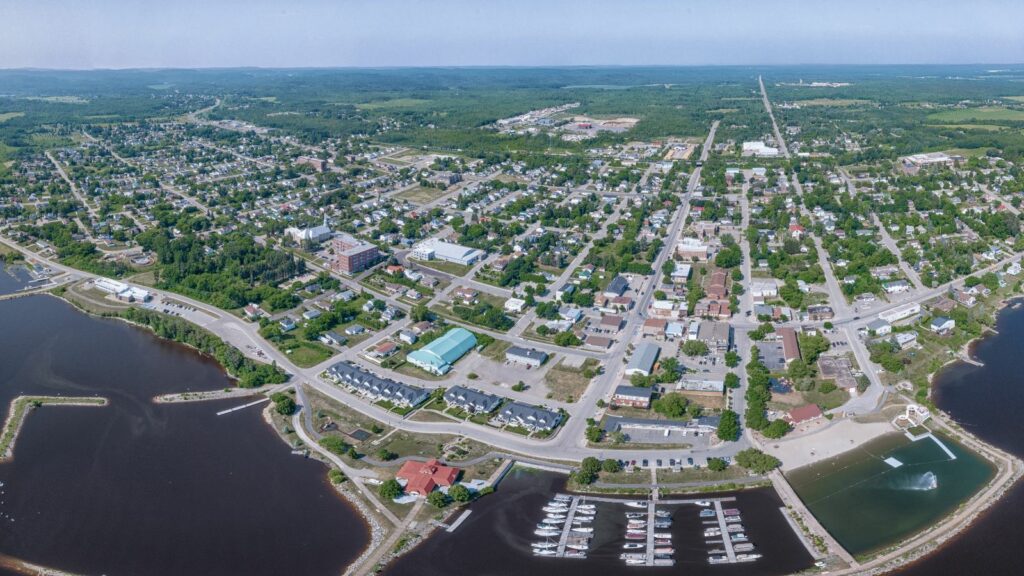
Some Canadian places saw people leave when industries slowed, jobs shifted, or trends moved elsewhere. Many assumed these communities would fade. Instead, they adapted at their own pace and found new reasons to grow. These towns built small wins that turned into long-term progress. Visitors are now returning to places once seen as forgotten. Locals are finding new ways to work, live, and build community. Here are 19 Canadian places thriving after everyone left.
Cobalt, Ontario
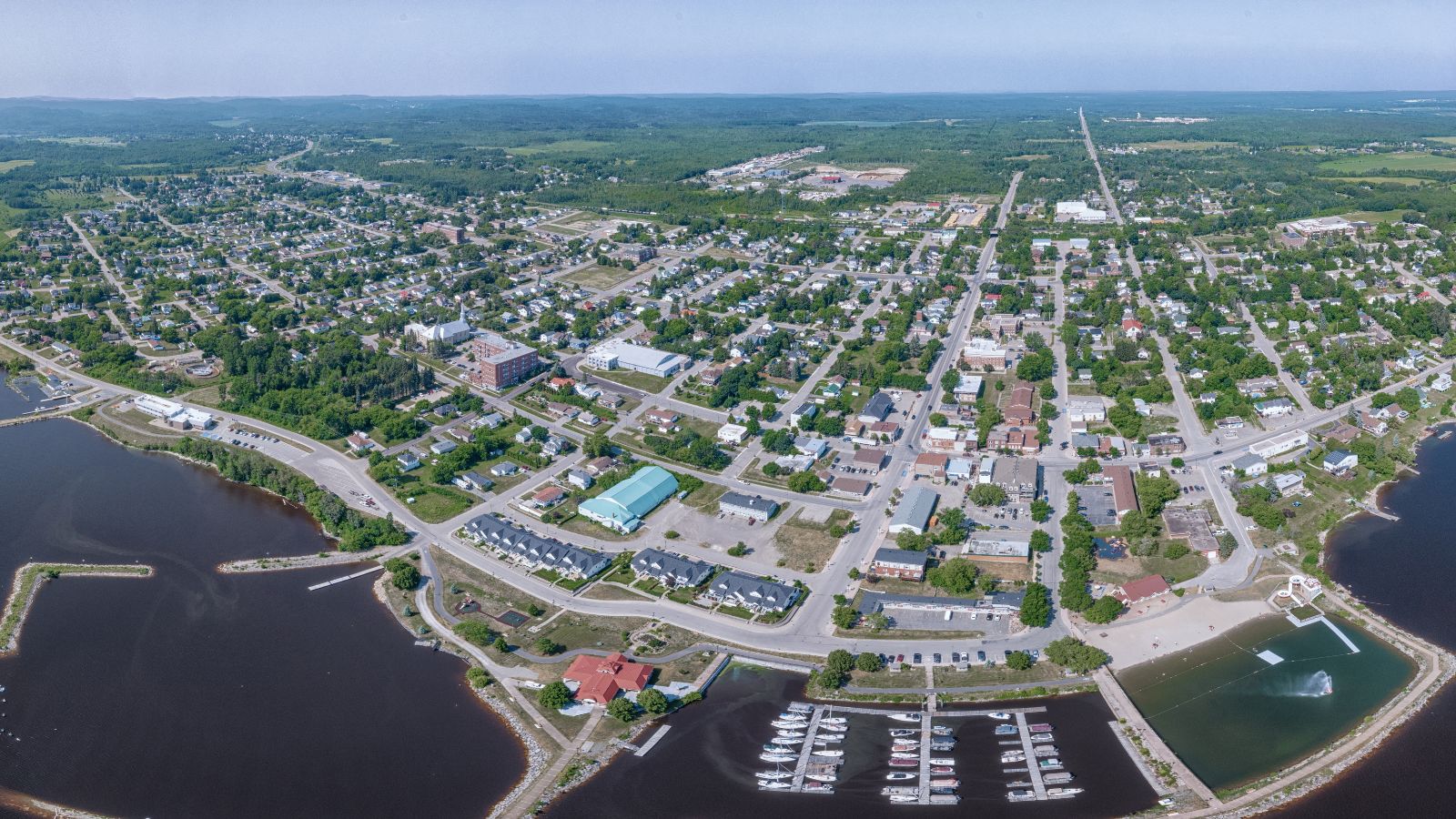
Cobalt experienced a major population drop after mining slowed. Many homes sat empty, and businesses closed. Over time, the town gained attention from travelers who enjoy history and quiet landscapes. Old mine sites now attract students, photographers, and visitors seeking unique experiences. Affordable housing brought new families and remote workers who prefer small-town life. Local shops reopened because tourism increased during warmer seasons. Community groups restored buildings that helped revive the main streets. The town kept growing at a steady pace. Cobalt shows how patient work and practical choices can help a place come back to life.
Dawson City, Yukon
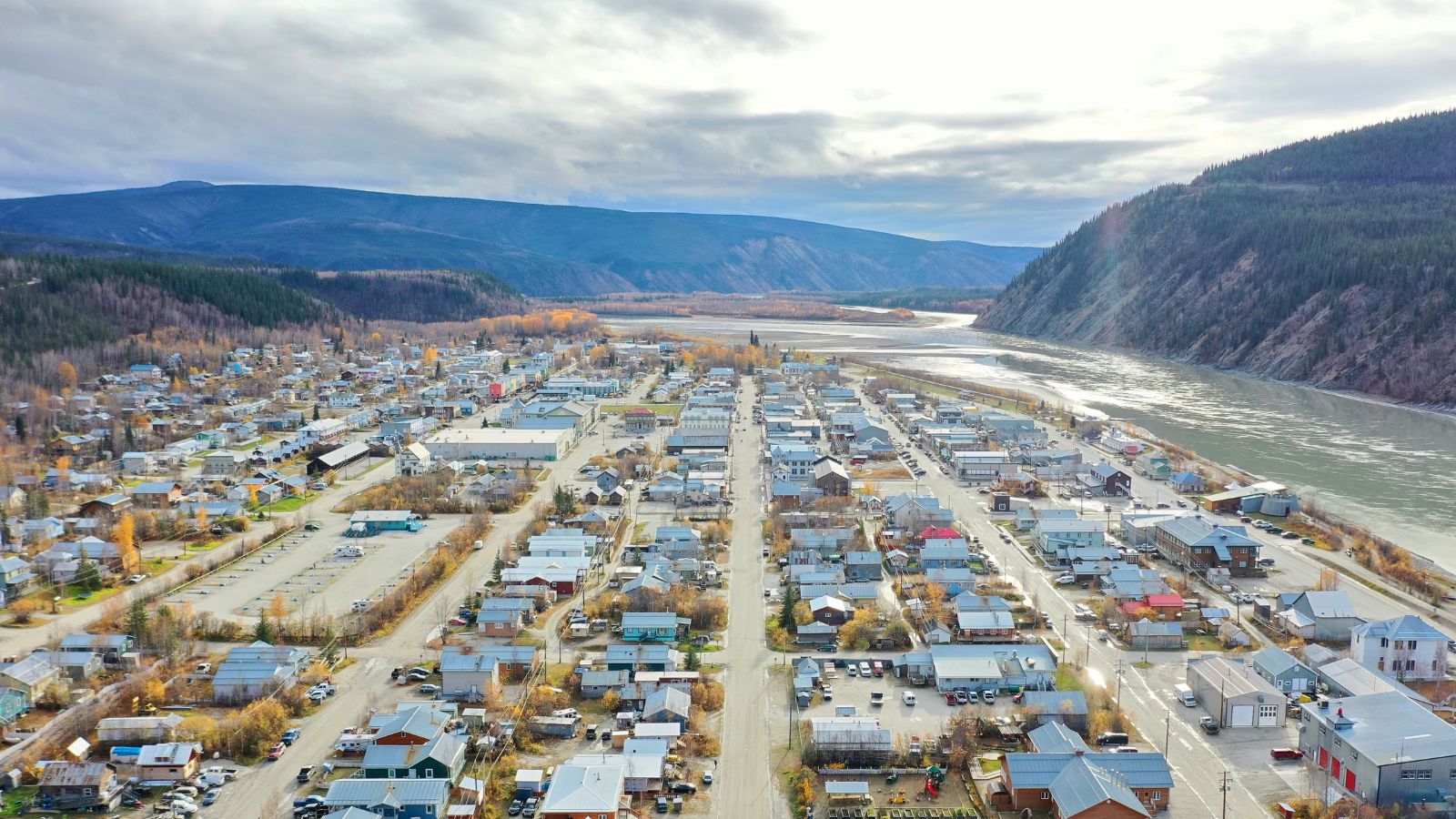
Dawson City lost residents after the gold rush faded. The town later rebuilt through heritage tourism and arts events. Music festivals now attract people from across Canada. Visitors stay several days because they enjoy historic tours and nature. Local businesses depend on these seasonal crowds and perform well during peak months. Film crews sometimes use the area that supports hotels and shops. Remote workers also move here for space and slower living. Dawson City balances tourism with community activity that lasts through the year. The town benefits from steady interest in history, culture, and outdoor life that keeps things moving.
New Glasgow, Nova Scotia
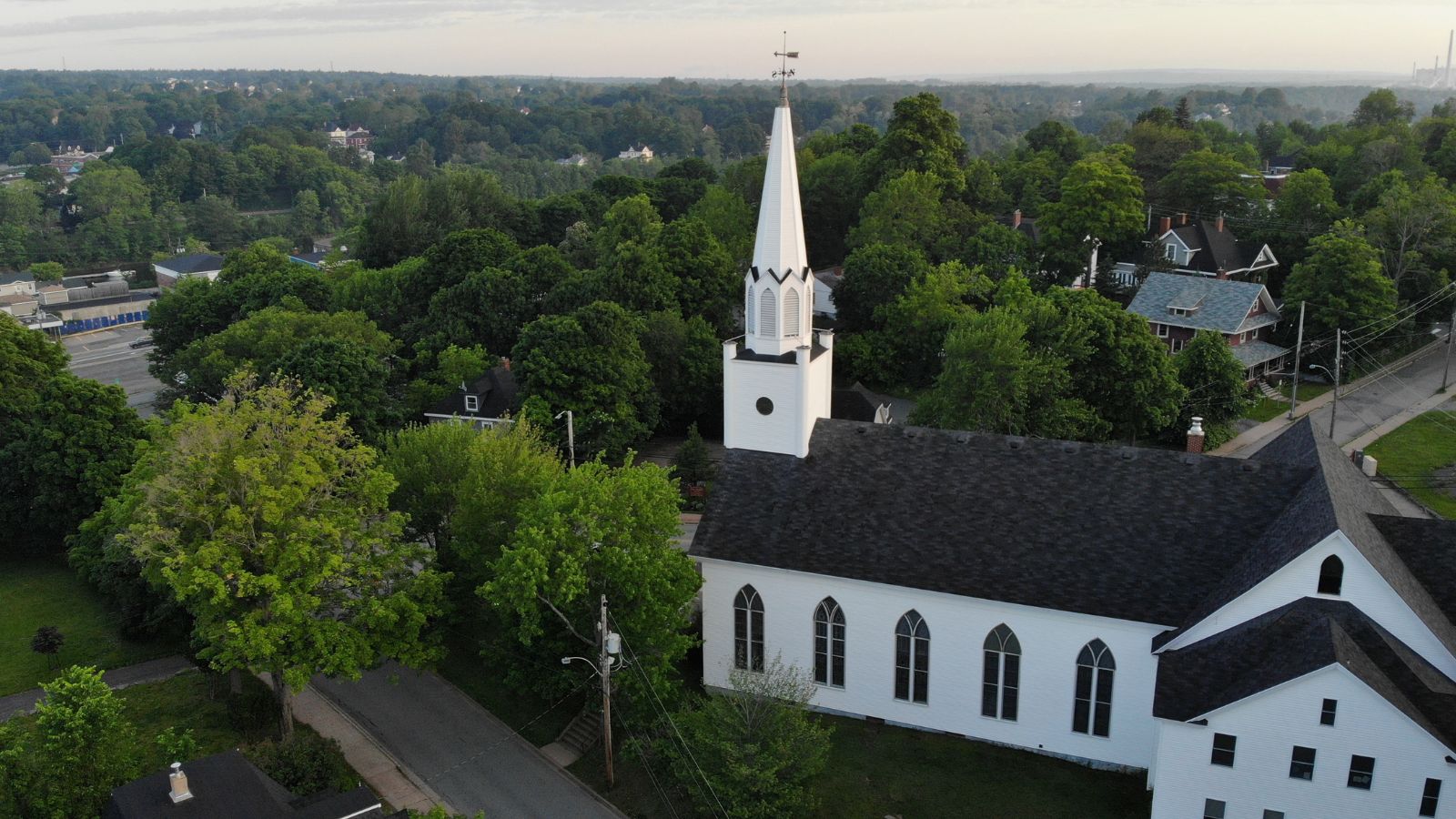
New Glasgow faced a population decline when manufacturing jobs left. The town rebuilt by supporting small businesses and creating public spaces that attract visitors from nearby communities. Restaurants and cafes gained regular customers. Riverfront trails encouraged outdoor activity and brought more foot traffic. Housing remained affordable, which appealed to young families and retirees. Several small firms opened offices due to lower costs and local support. Community events kept the town active during different seasons. New Glasgow grew through consistent work and collaboration. The town shows how smaller communities can create progress without depending on large projects or single industries.
Prince Rupert, British Columbia
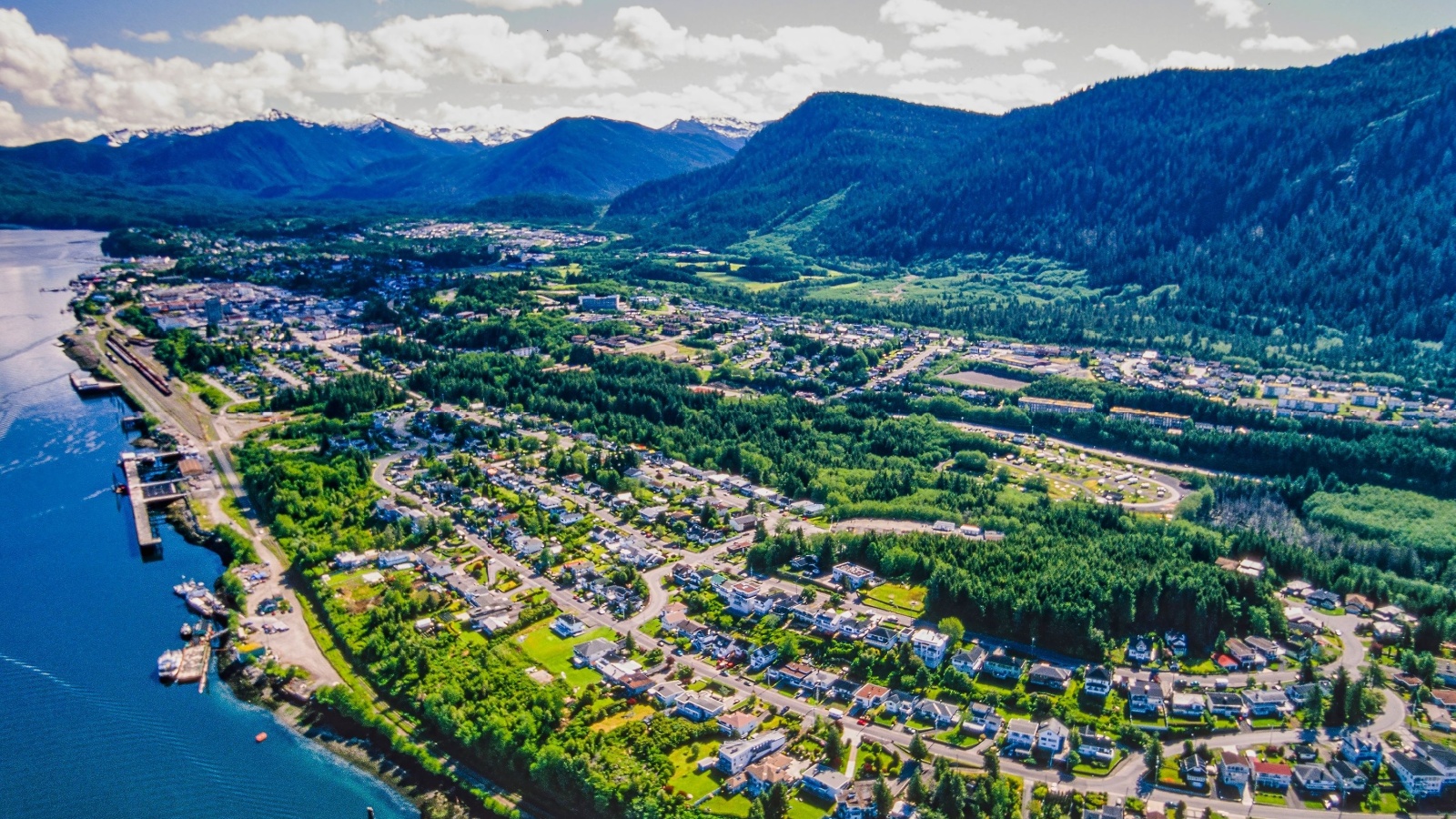
Prince Rupert struggled when fishing declined, and many workers moved away. The port later expanded, which created jobs and brought new investment. Tourism also increased due to cruise travel and wildlife tours. Shops near the waterfront now stay busy during peak seasons. Local artists-built markets that attract visitors. New families moved in because the town felt stable again. Housing demand rose, which encouraged more development. Many businesses now rely on both port activity and tourism. Prince Rupert rebuilt its identity through a balanced economy that offers steady opportunities. The town continues to grow through practical and long-term planning.
Churchill, Manitoba
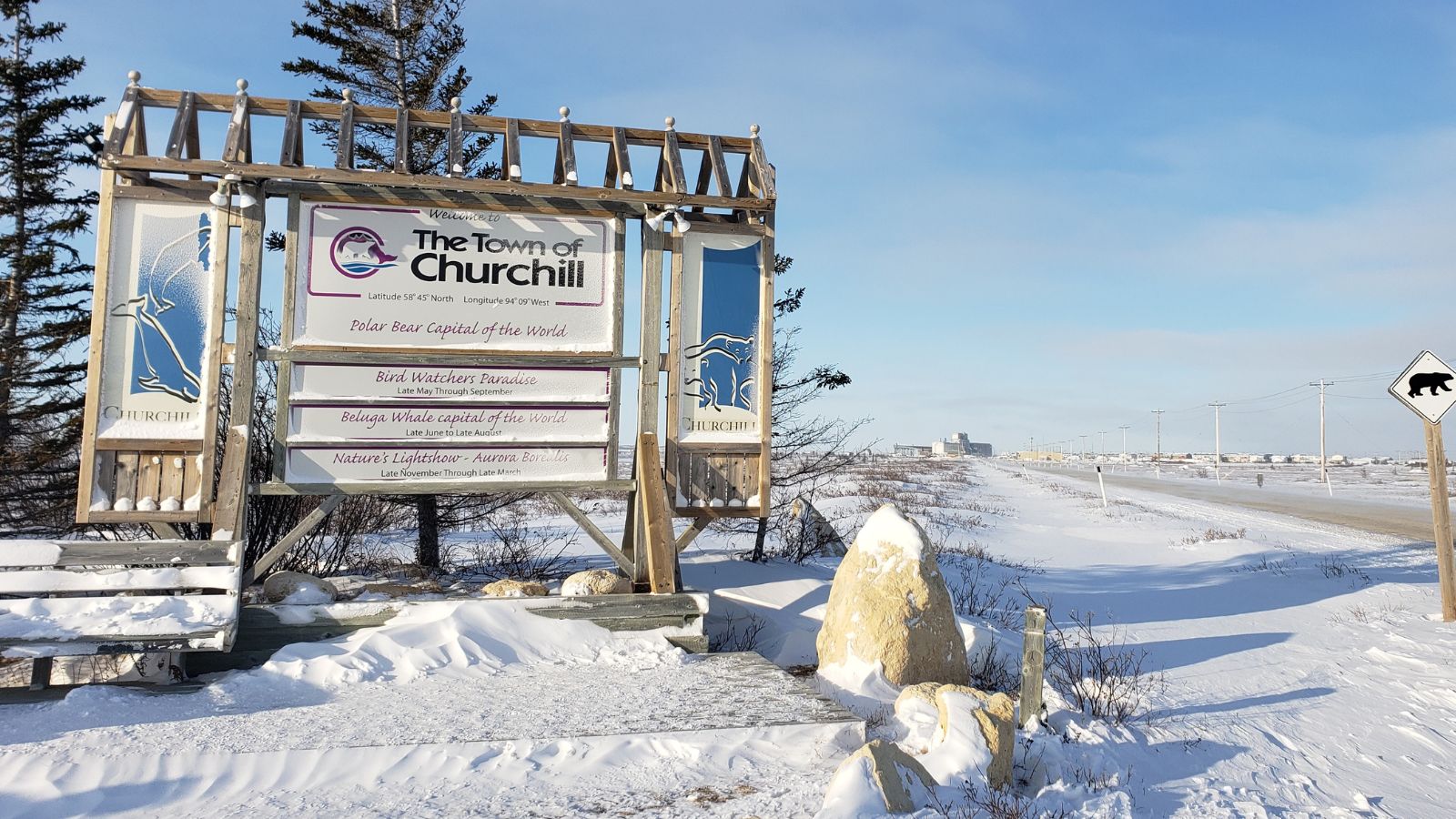
Churchill saw people leave when transport links changed, and jobs shifted. The town later found stability in wildlife tourism. Travelers visit to see polar bears, beluga whales, and northern lights. Local guides built strong businesses around these experiences. Seasonal workers return each year, which keeps hotels and restaurants active. Researchers also visit for environmental studies, which adds a steady demand. Churchill’s growth remains tied to nature and scientific interest rather than large industries. Community programs help support residents through the slower months. The town shows how unique natural assets can support a reliable economy when managed with patience and care.
Bonavista, Newfoundland and Labrador
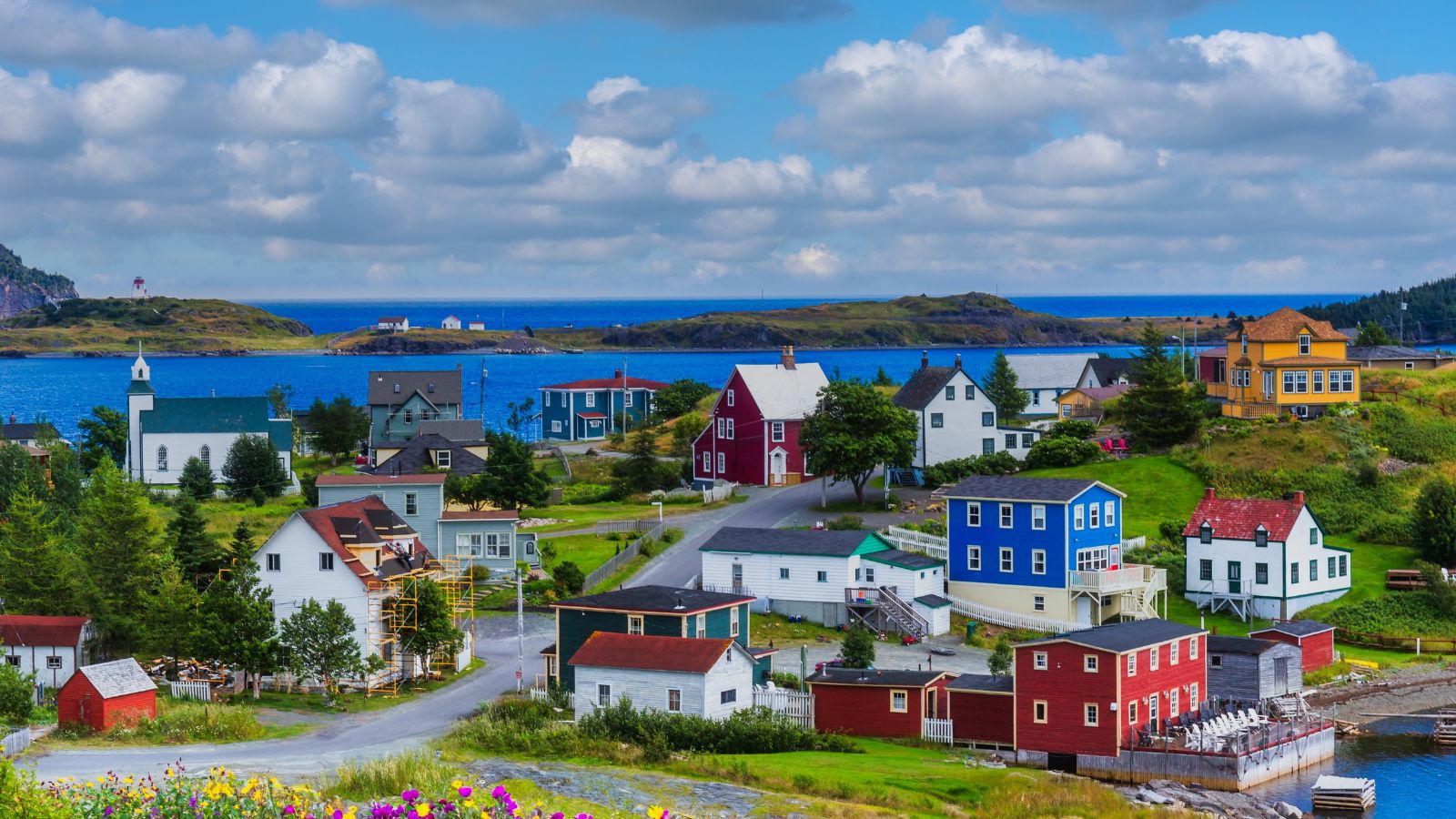
Bonavista faced long-term decline after the fisheries weakened. The town later revived through tourism, heritage restoration, and remote work. Visitors come for coastal scenery and well-preserved buildings. Young entrepreneurs opened inns, cafes, and galleries that attract steady traffic. Affordable homes encouraged families and remote workers to settle here. Festivals draw crowds during warmer months and help local shops. Bonavista built a creative community that brings life to the town throughout the year. People return because they enjoy quiet living and a strong cultural identity. The town shows how careful development can help communities grow in sustainable ways.
Kimberley, British Columbia
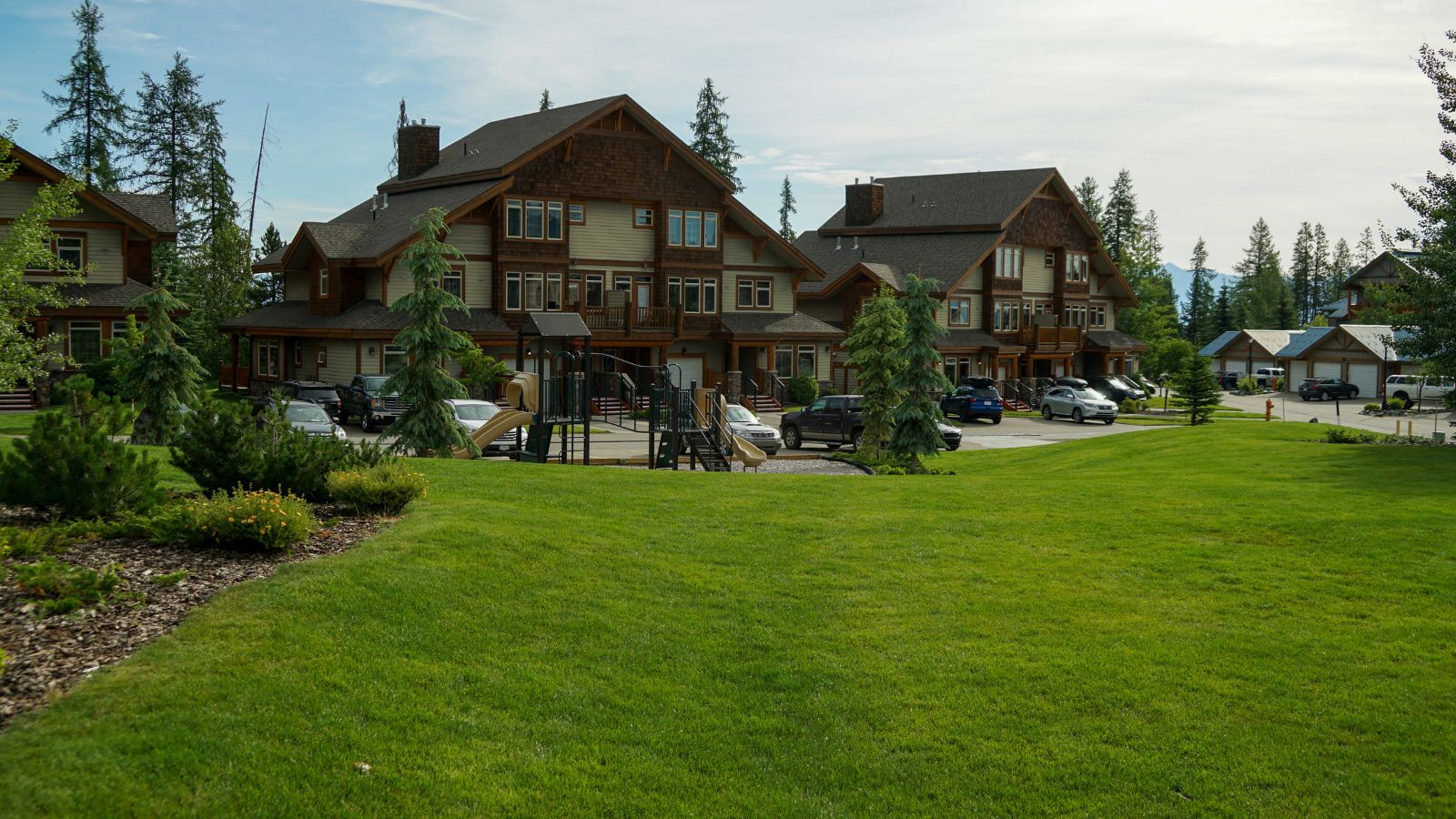
Kimberley lost many residents after local mining jobs disappeared. The town later shifted toward outdoor recreation and small business growth. Ski tourism created a winter activity. Trails and parks brought hikers and cyclists during the summer. Remote workers moved here because they wanted more space and reliable internet. Families chose the town for its calm environment and active community programs. Local shops remained steady due to year-round traffic. The town kept its identity while building new industries that supported long-term living. Kimberley now thrives because it offers an outdoor lifestyle, steady work, and a sense of belonging for residents.
Yarmouth, Nova Scotia
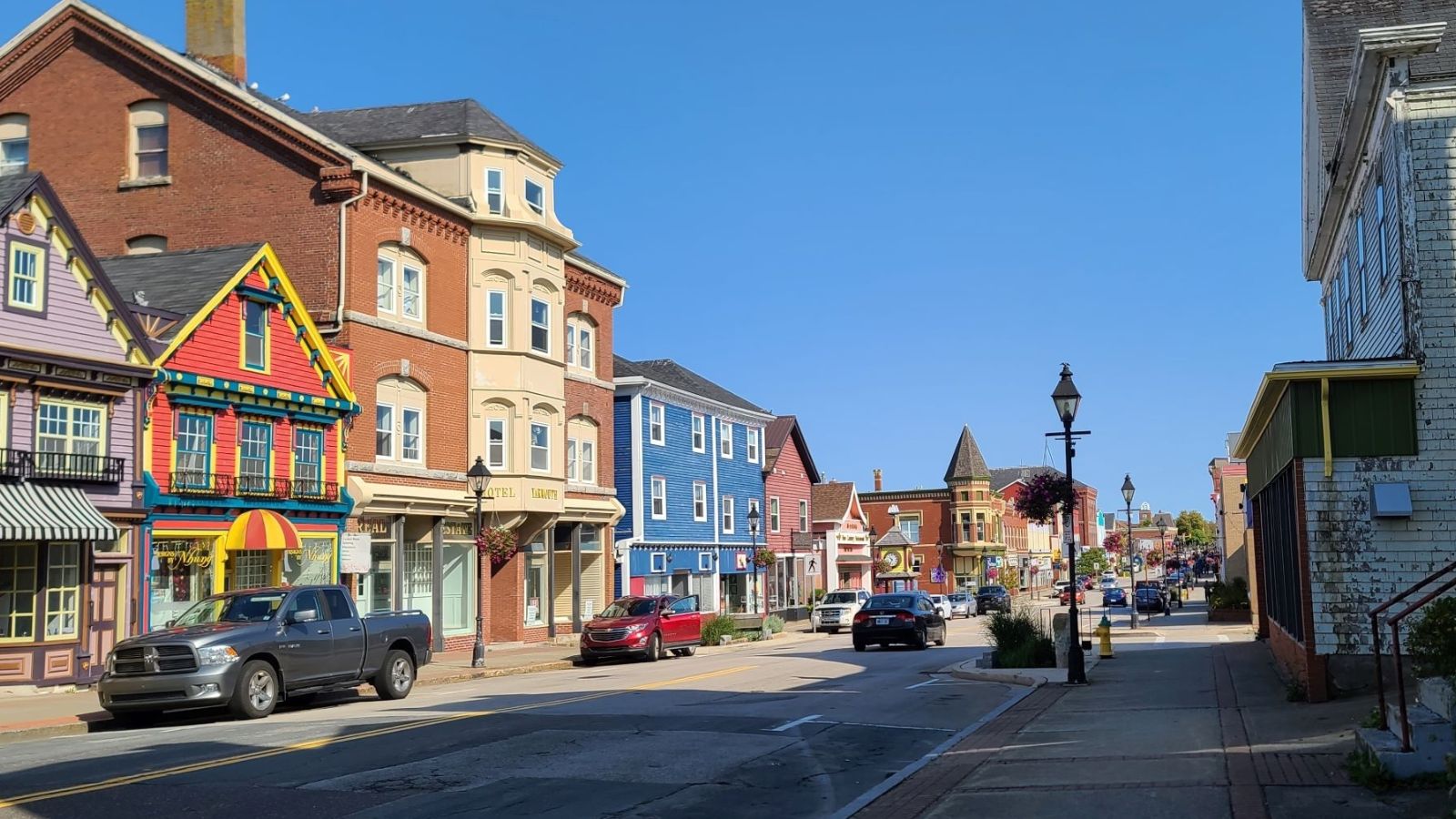
Yarmouth lost people when fishing and shipping slowed. The town regained momentum when ferry travel returned, and coastal tourism increased. Markets near the waterfront attract visitors during travel season. New cafes and shops benefit from steady crowds. Retirees and remote workers choose Yarmouth for affordable living and quiet surroundings. Film crews come here for scenic locations, which helps local businesses. The town invests in community events that bring residents together. Yarmouth rebuilt slowly but consistently through tourism, regional services, and lifestyle appeal. Its growth feels stable and grounded in daily activity rather than rapid change.
Revelstoke, British Columbia
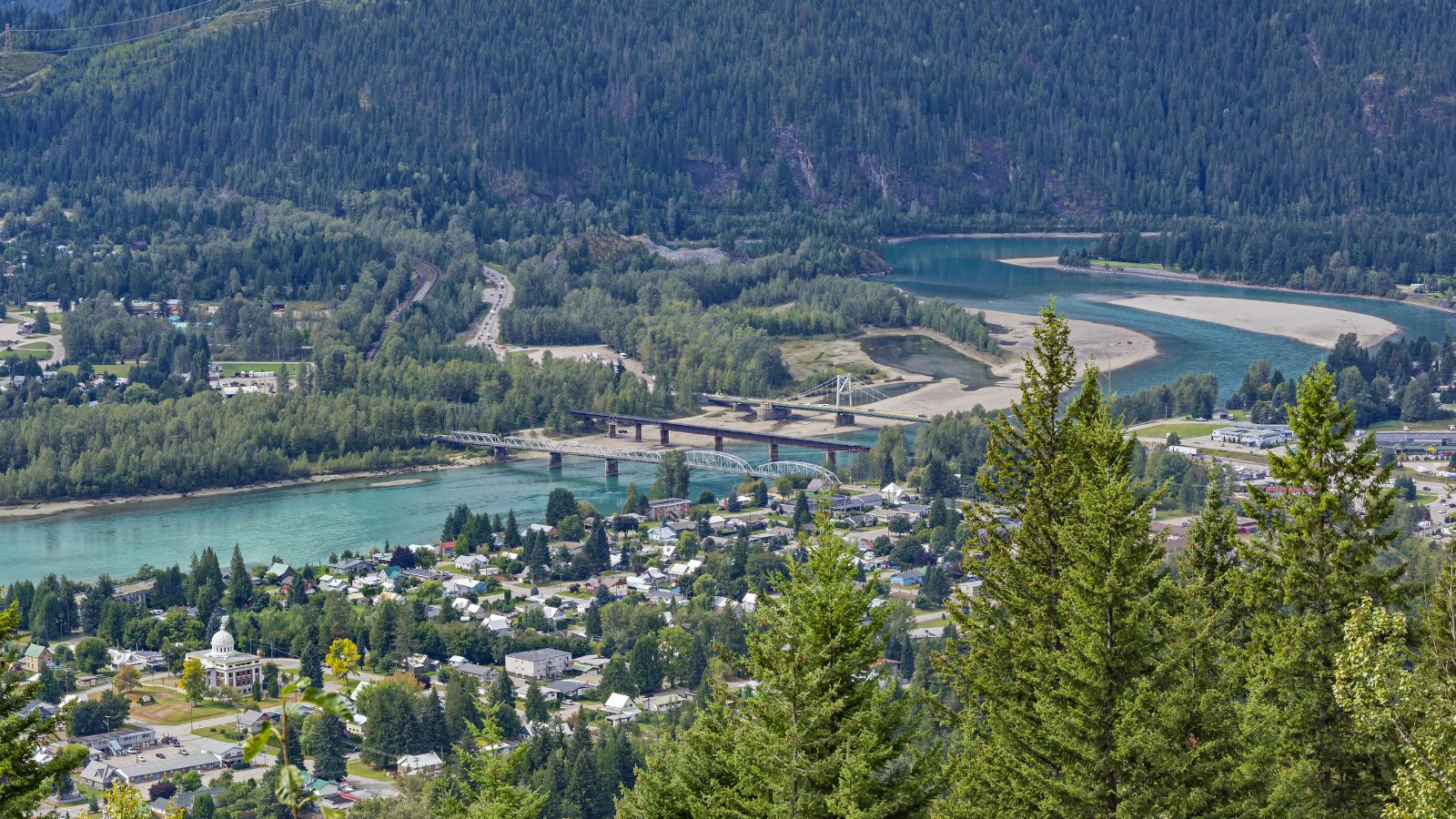
Revelstoke faced challenges when forestry jobs declined. The town rebounded through outdoor tourism focused on skiing, snowboarding, and mountain biking. Visitors stay longer because the area offers many activities. New restaurants and shops opened to meet growing demand. Young workers moved here for the outdoor lifestyle. Remote employees settled due to lower housing costs compared to larger cities. Revelstoke built a strong year-round economy supported by constant visitor interest. The town adapted by focusing on nature and recreation rather than trying to replace old industries. This shift created steady progress and long-term confidence in local growth.
Summerside, Prince Edward Island
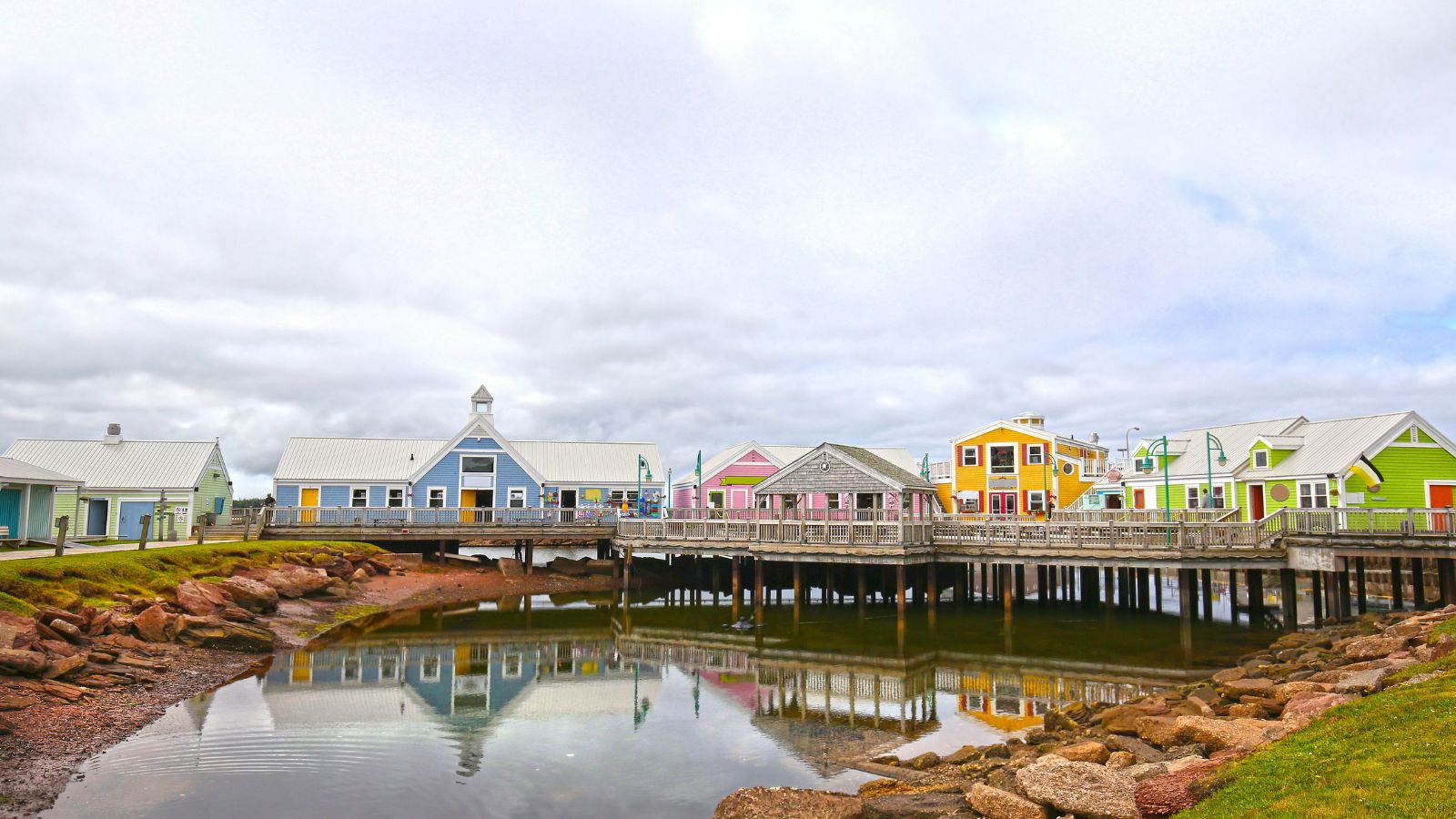
Summerside experienced population loss when manufacturing slowed. The town rebuilt by supporting technology firms, tourism, and local businesses. New companies set up offices because rental costs were lower than in major cities. Festivals attract visitors during the summer, which helps hotels and restaurants. The waterfront boardwalk brings steady foot traffic. Remote workers moved here for stable internet and quiet living. Local farms supply markets and restaurants, which boosts the food economy. Summerside shows how varied industries help small cities remain stable. The town continues to expand through practical, community-focused development rather than fast-paced projects.
Thompson, Manitoba
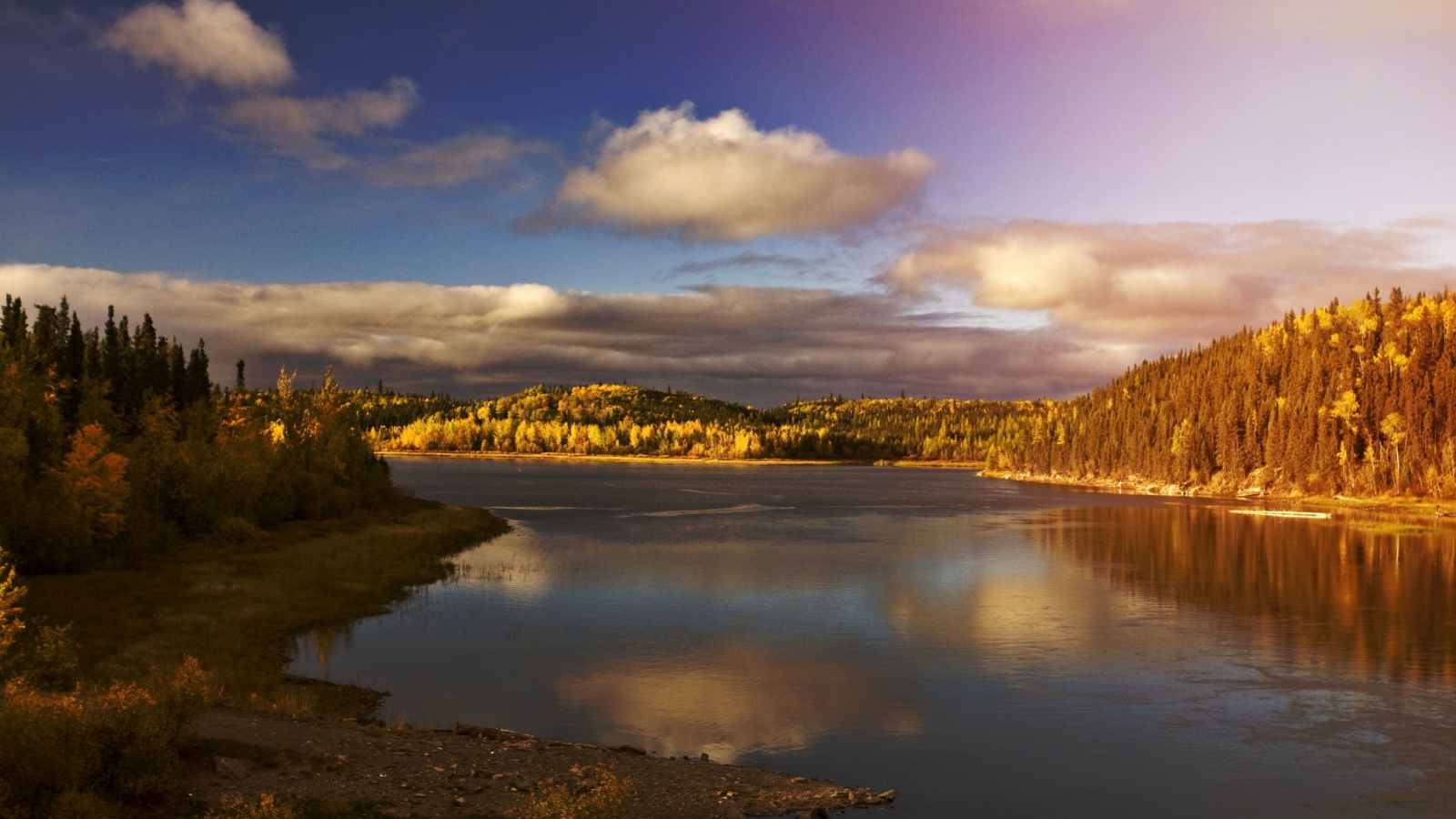
Thompson struggled when mining changed, and many residents left. The city later regained stability through regional services, healthcare, and education. Workers from surrounding communities travel here, which keeps shops active. Outdoor travel brings visitors who explore northern lakes and forests. Local programs attract students who support housing and businesses. Community events bring people together during different seasons. Thompson built a steady foundation based on regional demand rather than a single industry. Growth remains slow but reliable as the city adapts to changing needs. Thompson shows how practical planning helps northern communities stay strong after major population shifts.
Prince Albert, Saskatchewan
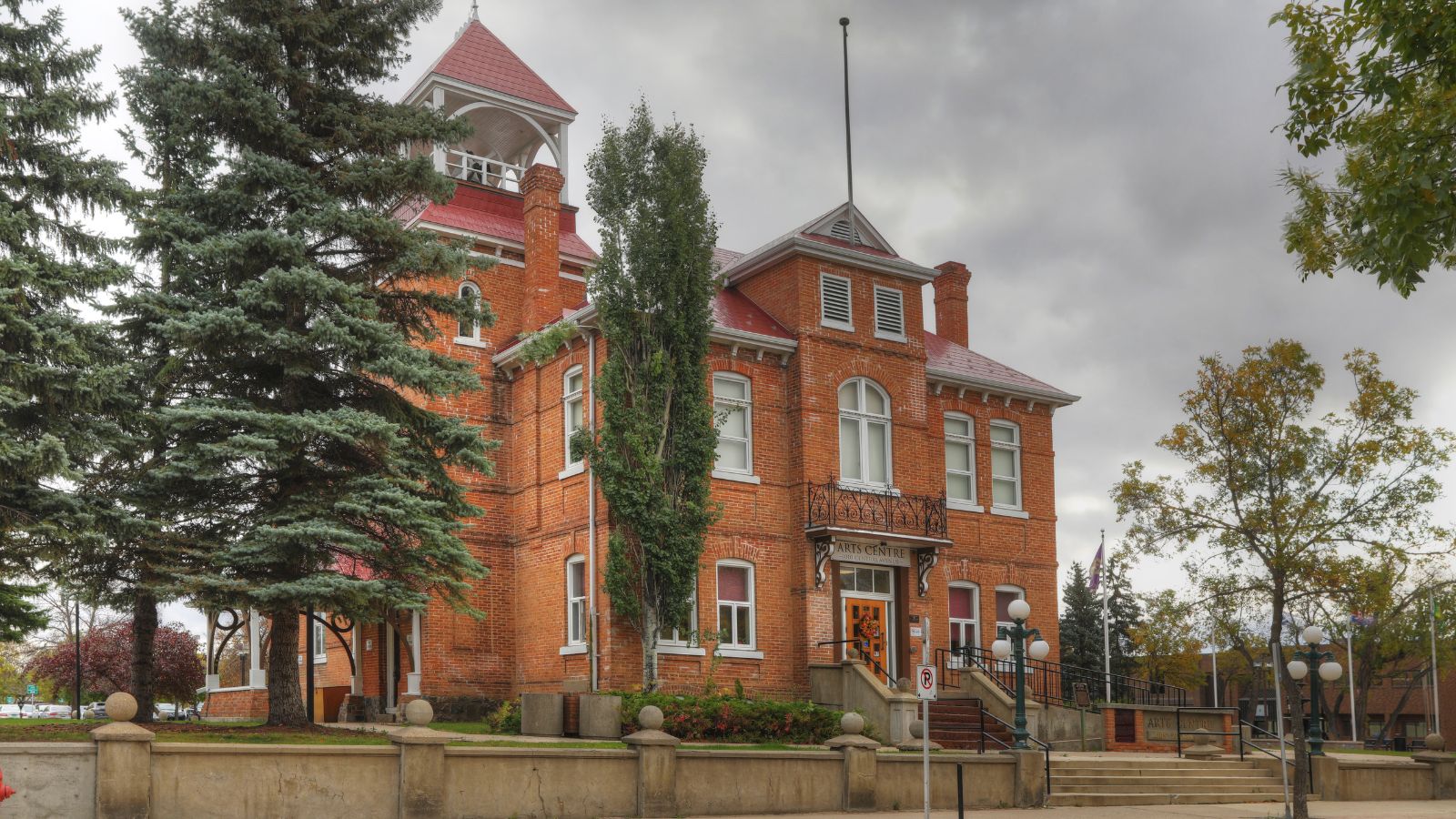
Prince Albert saw population decline during economic transitions. The city stabilized by focusing on healthcare, education, and forestry. Local businesses thrived because customers came from many nearby communities. Affordable housing attracted families and new workers. Parks and trails brought visitors during the warmer months. The city also hosts cultural events that fill hotels and restaurants. Prince Albert created steady growth by developing multiple sectors rather than depending on one. The community rebuilt confidence through consistent progress and local participation. This balanced approach helped the city maintain stability even when larger economic trends shifted.
Trail, British Columbia
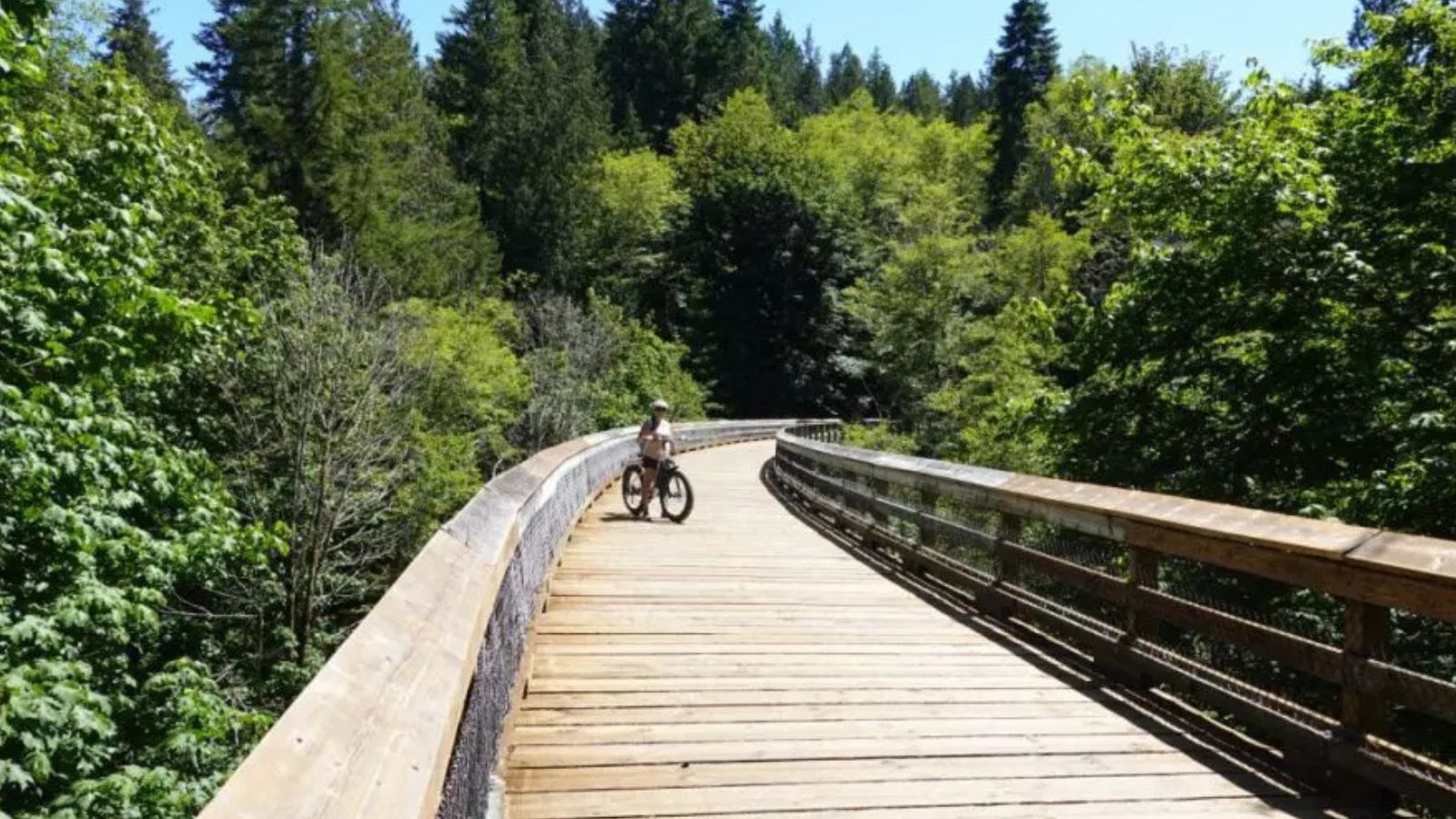
The Trail experienced major population loss when industrial work declined. The city turned toward sports, community programs, and local businesses. Its recreation centres and arenas host events that attract families and teams from nearby areas. Restaurants perform well during tournaments. Clubs and schools stay active because families returned or stayed. Outdoor activities like hiking and fishing bring visitors each year. The trail was rebuilt through steady community engagement rather than large industries. New families appreciate the town’s slow pace and strong support networks. This created a reliable base for long-term growth and steady economic recovery.
Amherst, Nova Scotia
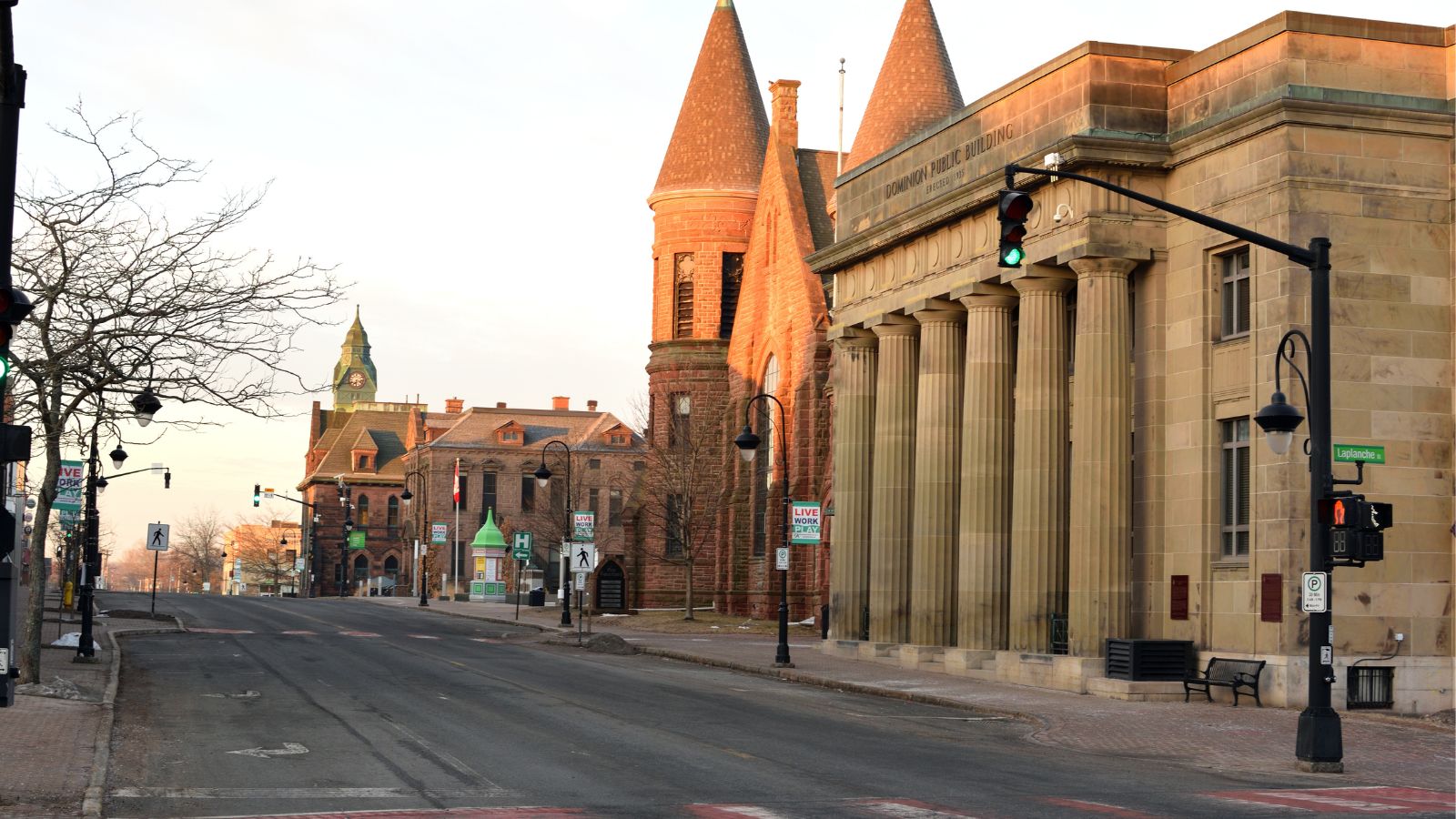
Amherst faced decline after major manufacturing jobs ended. The town slowly regained momentum through service industries, small businesses, and tourism. New cafes and shops opened along busy streets and attracted regular customers. Travelers often stop here while moving between larger cities, which helps local businesses. Affordable housing continues to draw families and retirees. Community groups host festivals and events that support local culture. Amherst grew by focusing on everyday needs and steady progress instead of chasing large projects. The town shows how consistency and community involvement can help rebuild confidence after long periods of population loss.
Dryden, Ontario
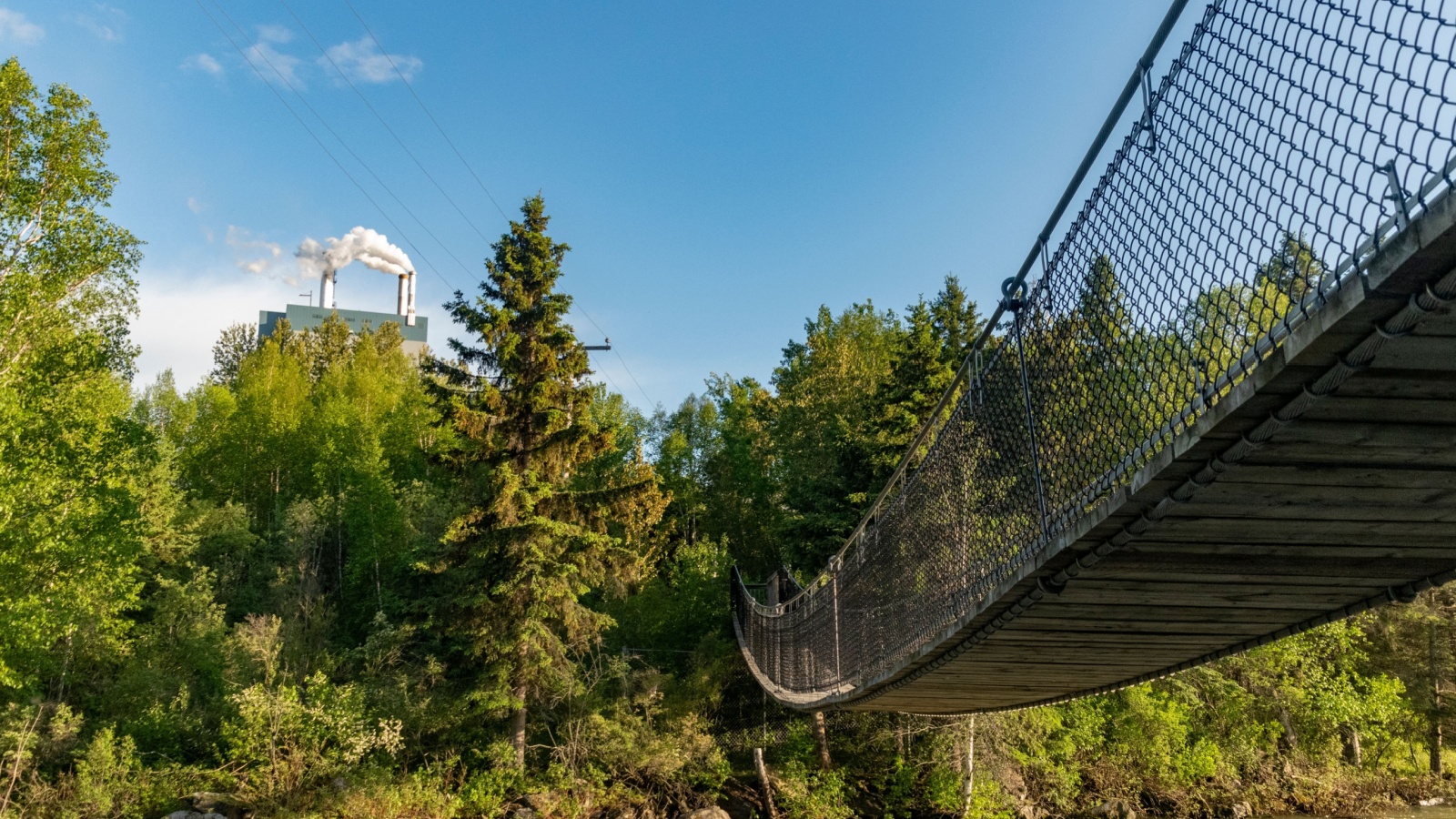
Dryden struggled when forestry changed, and many jobs disappeared. The town adapted by focusing on healthcare, education, and tourism. Travelers frequently pass through while exploring northern Ontario, which helps hotels and restaurants. Fishing and lake tourism bring visitors each summer. Housing remains affordable, which attracts young families. Community events support local businesses during different seasons. Dryden’s recovery comes from diverse activities rather than one industry. The town rebuilt patiently through services and regional travel. Its steady progress shows how northern communities can regain strength through resilience and long-term development.
Fort St. John, British Columbia
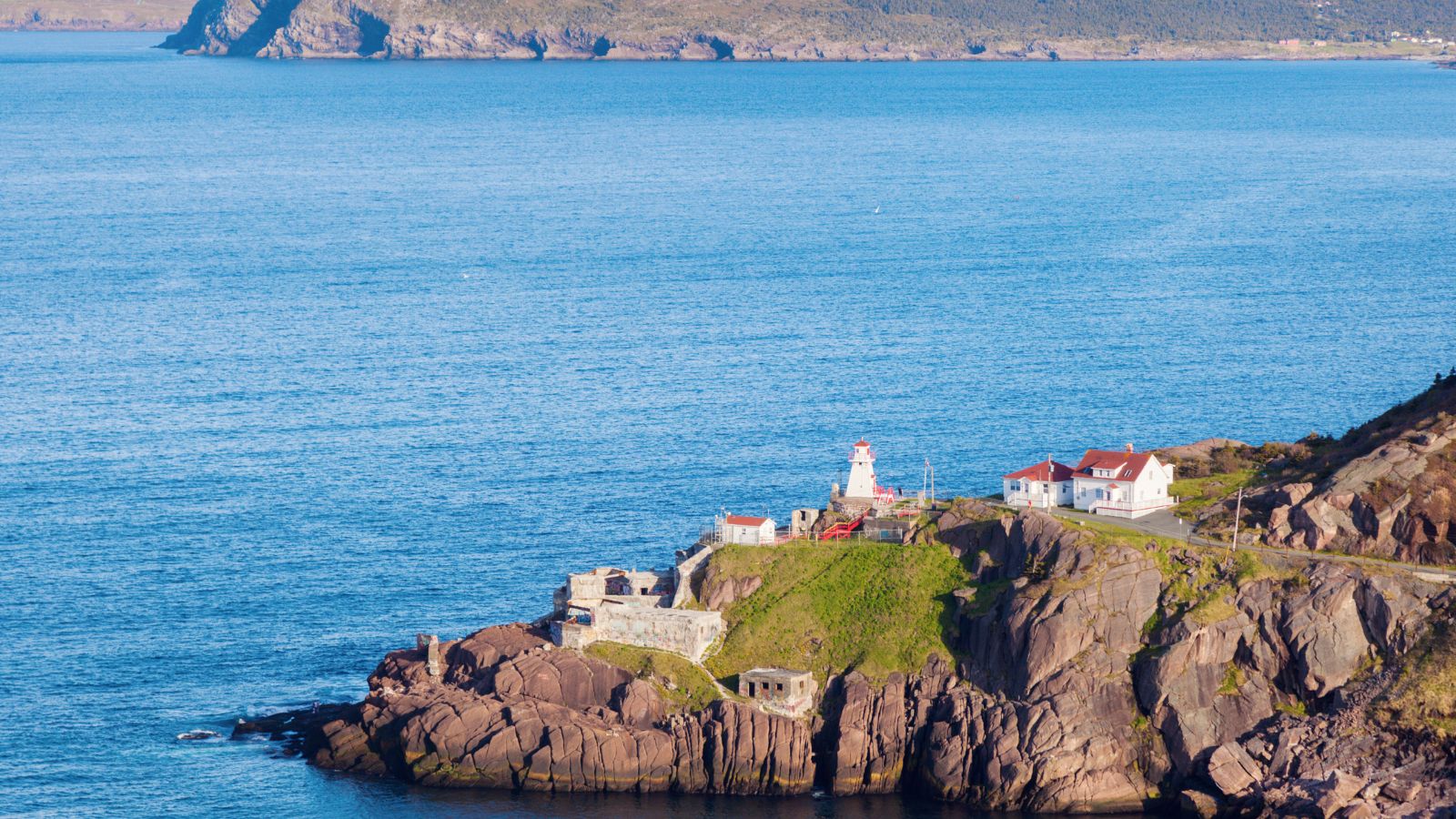
Fort St. John saw population changes due to shifts in the energy sector. The city regained stability through construction, regional services, and community programs. Workers from nearby areas travel here for shopping and healthcare, which supports many businesses. Outdoor activities attract residents and visitors throughout the year. Housing costs remain reasonable, which draws families and remote workers. Schools and recreation centres stay active due to continued migration. Fort St. John grew through predictable regional demand rather than rapid industrial expansion. The city’s balanced approach helped build confidence and long-term sustainability for residents.
Corner Brook, Newfoundland and Labrador
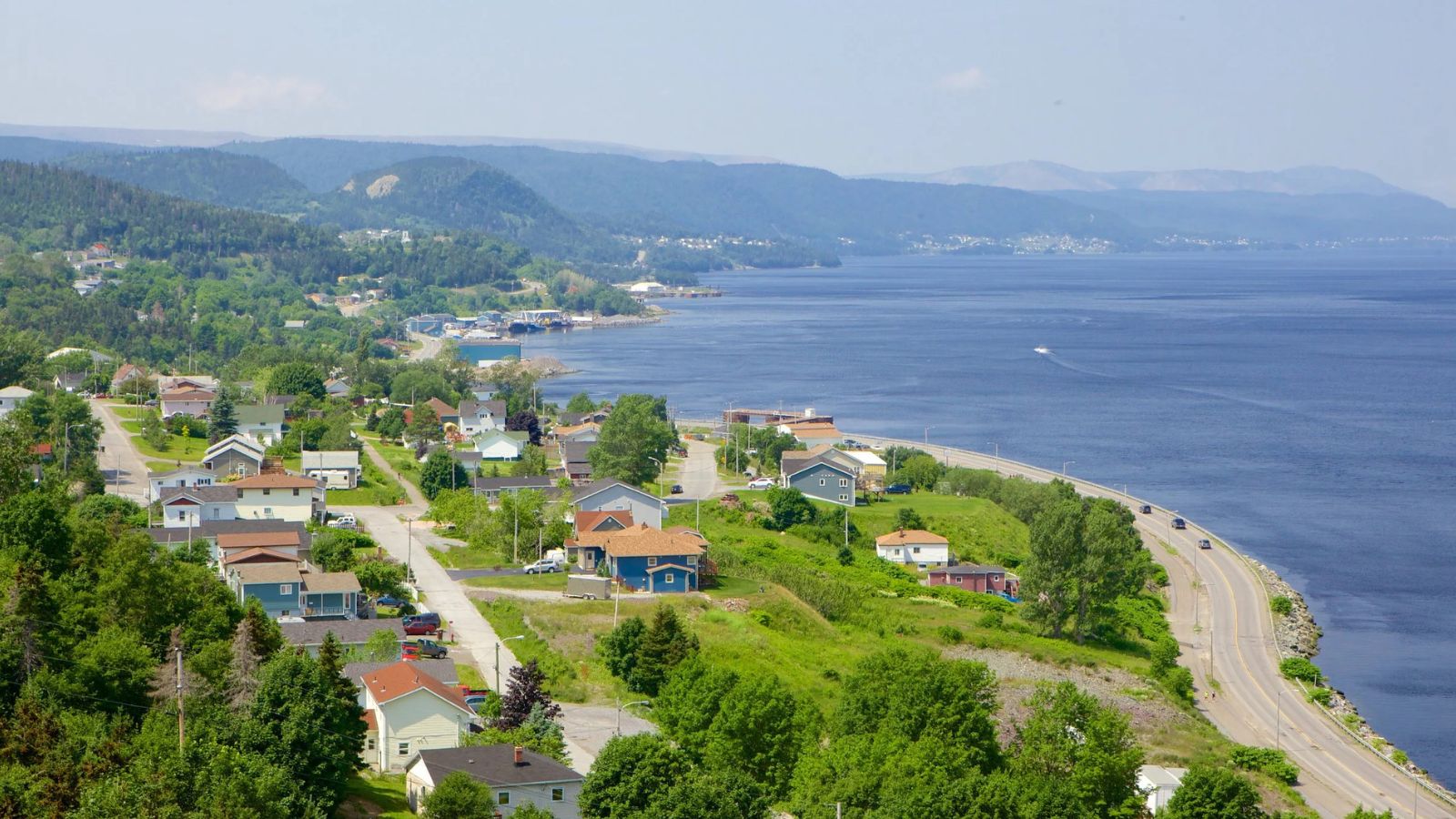
Corner Brook faced uncertainty after industrial changes reduced jobs. The city rebuilt through tourism, outdoor recreation, and education. Trails, ski hills, and waterfront areas draw visitors during many months. Students and workers support local restaurants and shops. Housing costs appeal to families and remote employees who want more space. Community events bring steady foot traffic to downtown areas. Corner Brook’s progress comes from consistent activity rather than rapid growth. This combination of nature, culture, and education supports long-term stability. The city remains busy because it offers a balanced lifestyle that appeals to many.
Campbell River, British Columbia
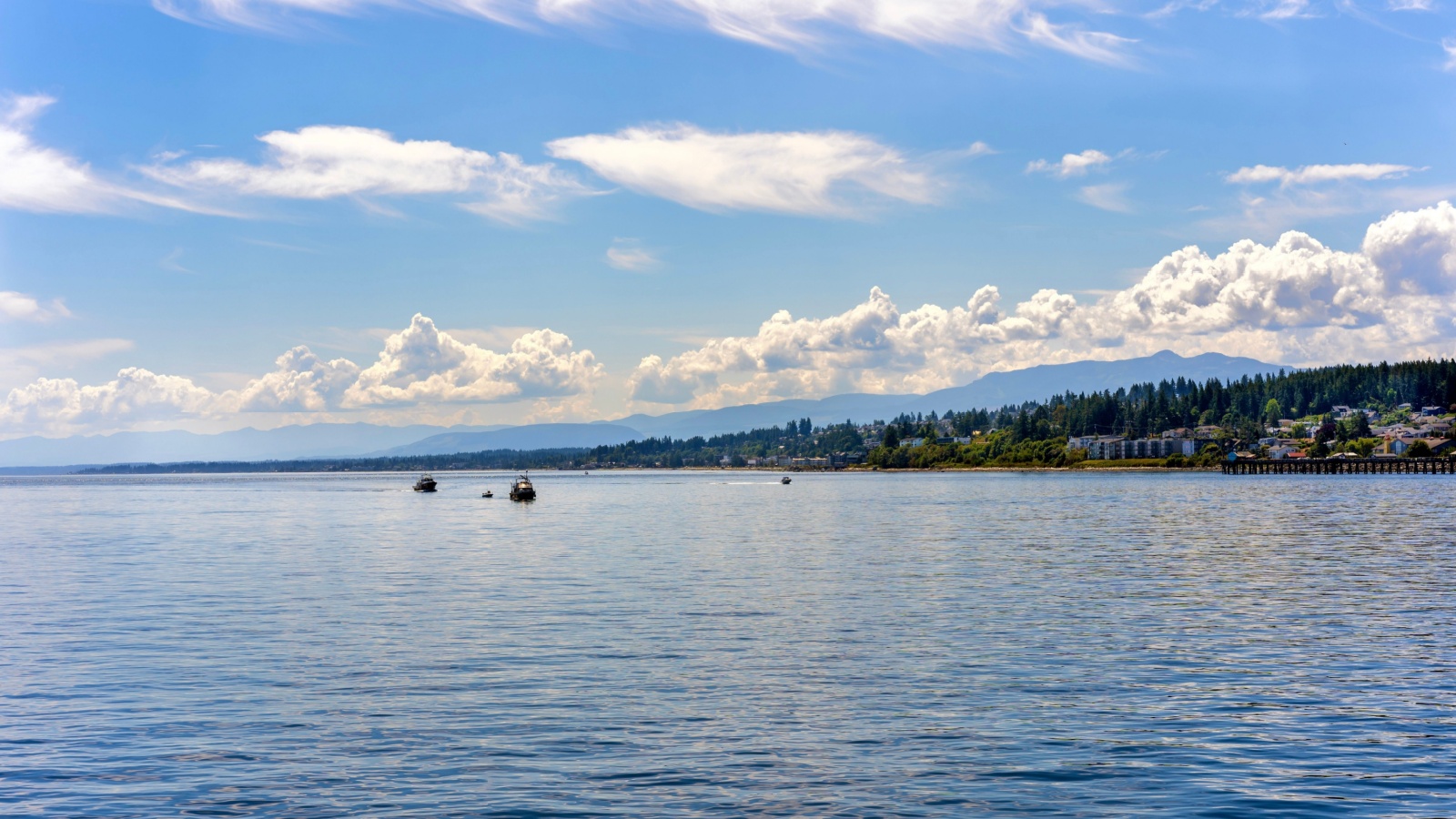
Campbell River struggled when forestry declined, and many residents left. The city regained momentum through tourism, marine work, and small businesses. Whale watching tours attract regular visitors. Restaurants and shops near the water see strong seasonal activity. Many workers in the technology and marine sectors choose Campbell River for quiet living and outdoor access. Trails and parks bring steady foot traffic throughout the year. The city builds resilience by developing multiple industries instead of relying on one. Campbell River continues to grow because it offers practical opportunities and a relaxed lifestyle.
Orillia, Ontario
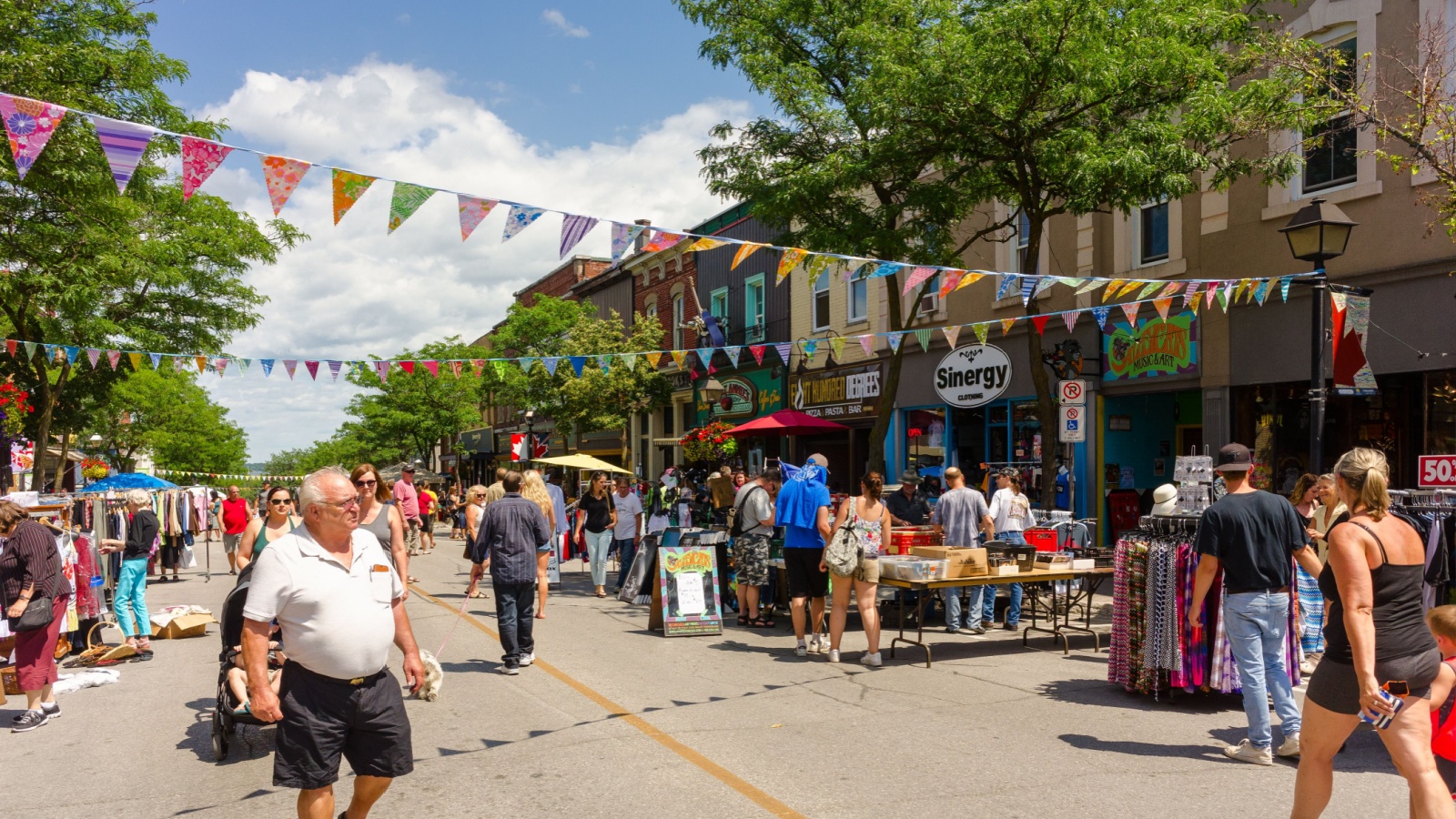
Orillia saw people leave during difficult economic periods. The city later revived through tourism, education, and the arts. Marinas attract boaters during the summer. Music events draw large crowds that support hotels and restaurants. Affordable housing appeals to families and remote workers. Several companies opened offices due to lower operating costs. Students support local businesses throughout the year. Orillia built a steady economy based on consistent activity, community involvement, and cultural events. The city continues to grow because it offers accessible living and long-term opportunities.
22 Groceries to Grab Now—Before another Price Shock Hits Canada

Food prices in Canada have been steadily climbing, and another spike could make your grocery bill feel like a mortgage payment. According to Statistics Canada, food inflation remains about 3.7% higher than last year, with essentials like bread, dairy, and fresh produce leading the surge. Some items are expected to rise even further due to transportation costs, droughts, and import tariffs. Here are 22 groceries to grab now before another price shock hits Canada.
22 Groceries to Grab Now—Before another Price Shock Hits Canada
