
Winter outerwear in Canada is shifting beyond the traditional parka. People are exploring coats that offer warmth with different shapes and textures. Changing routines and indoor to outdoor movement influence these choices. Many prefer layers that feel lighter and easier to style. Wool blends, quilted fabrics, and soft knits are gaining attention. These options suit commuting, work, and social plans. Canadians are adapting outerwear to match varied winter conditions. Here are 19 coats Canadians are buying instead of parkas this year.
Long Wool Wrap Coats
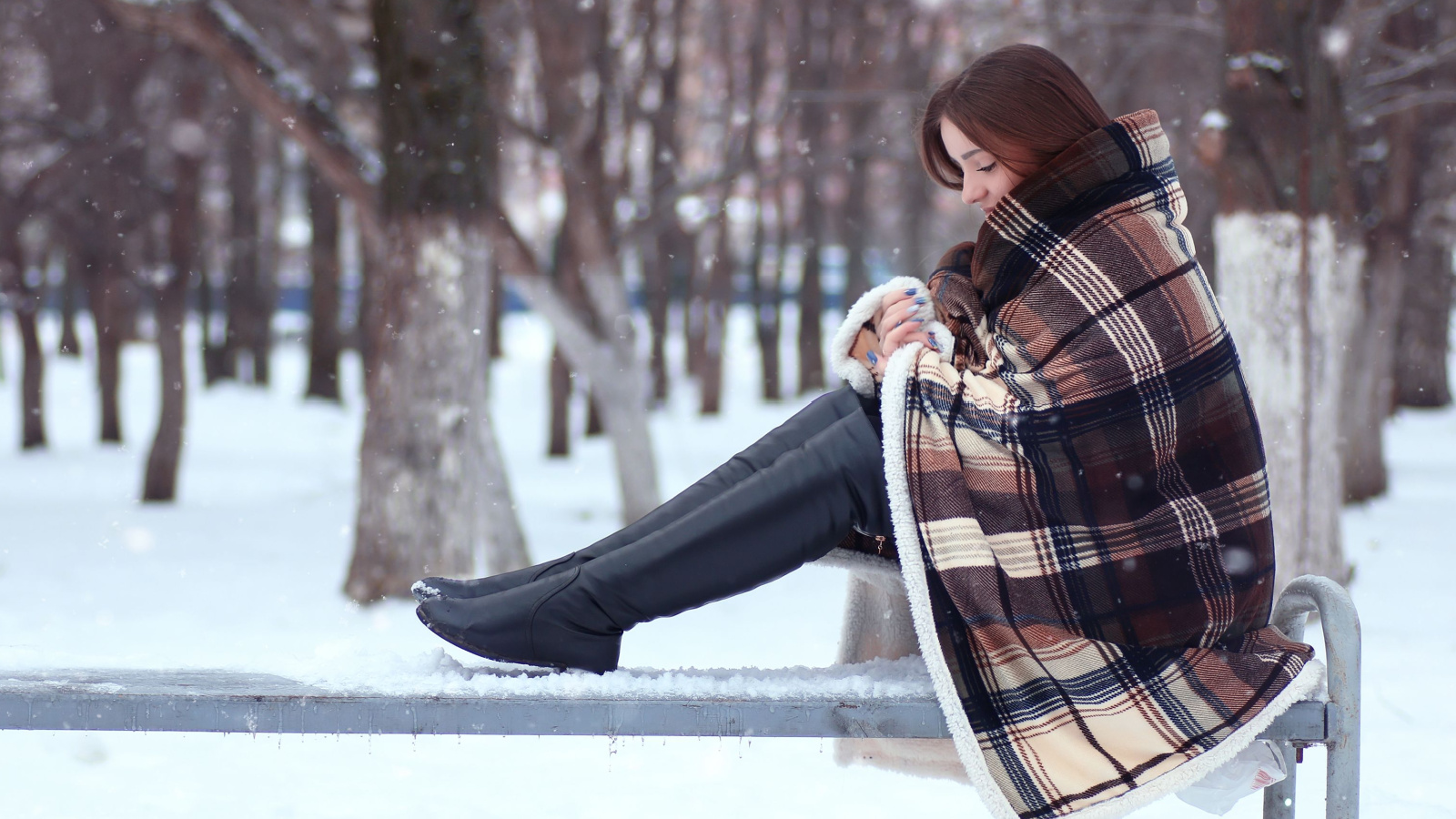
Long wool wrap coats are gaining attention across Canadian cities this season. People are choosing them for a structured yet flexible winter option. The wrap design allows easy adjustment during temperature changes. Wool fabric provides warmth without heavy bulk. Neutral shades like grey, black, and beige remain popular. Many wear these coats over knitwear and layered basics. The longer length adds extra coverage against cold winds. This style works well for commuting and office settings. A tied belt helps shape the silhouette. Canadians seem drawn to coats that balance warmth with a refined look. This option feels practical while offering a polished alternative to thick parkas.
Belted Camel Coats
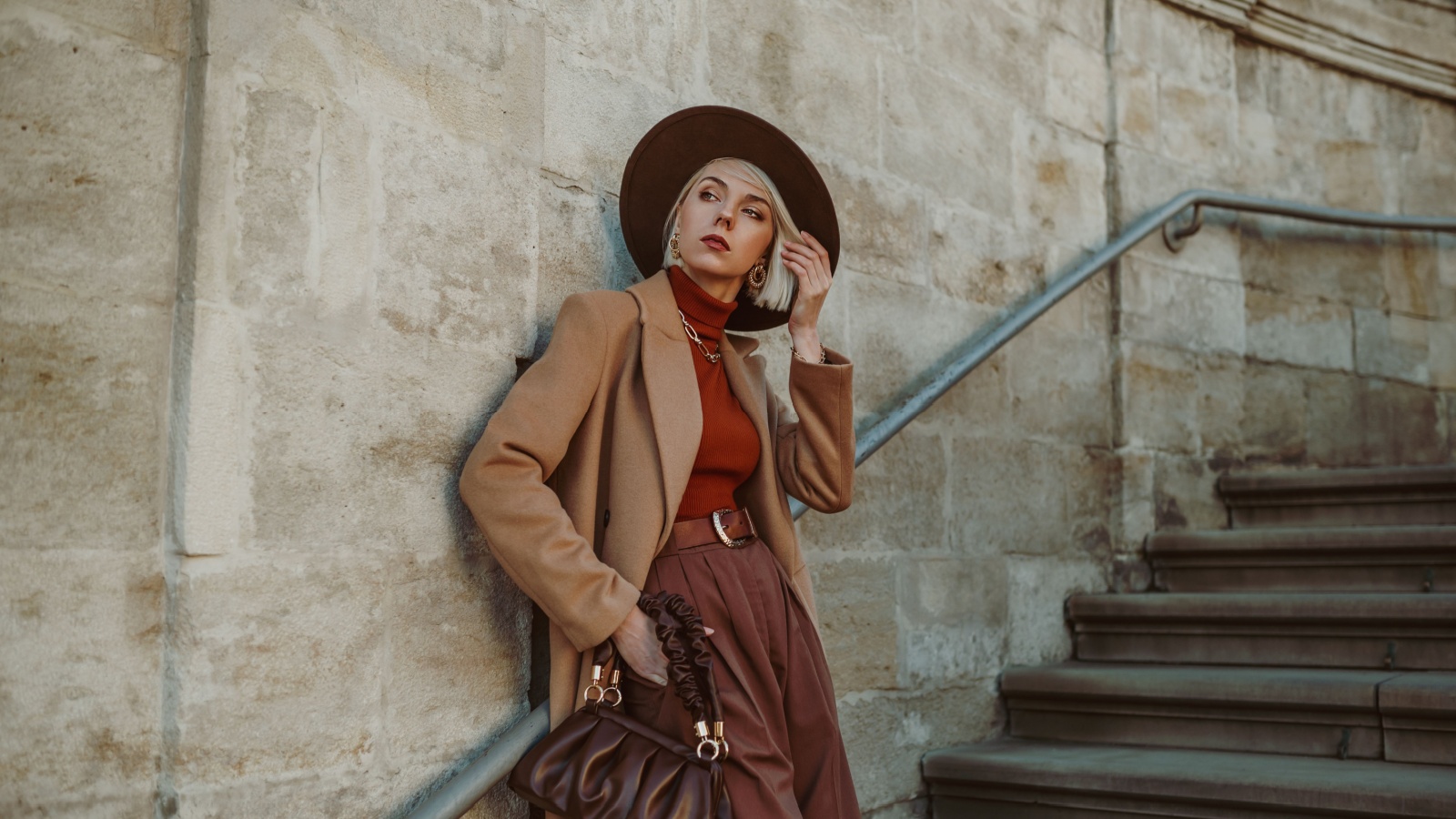
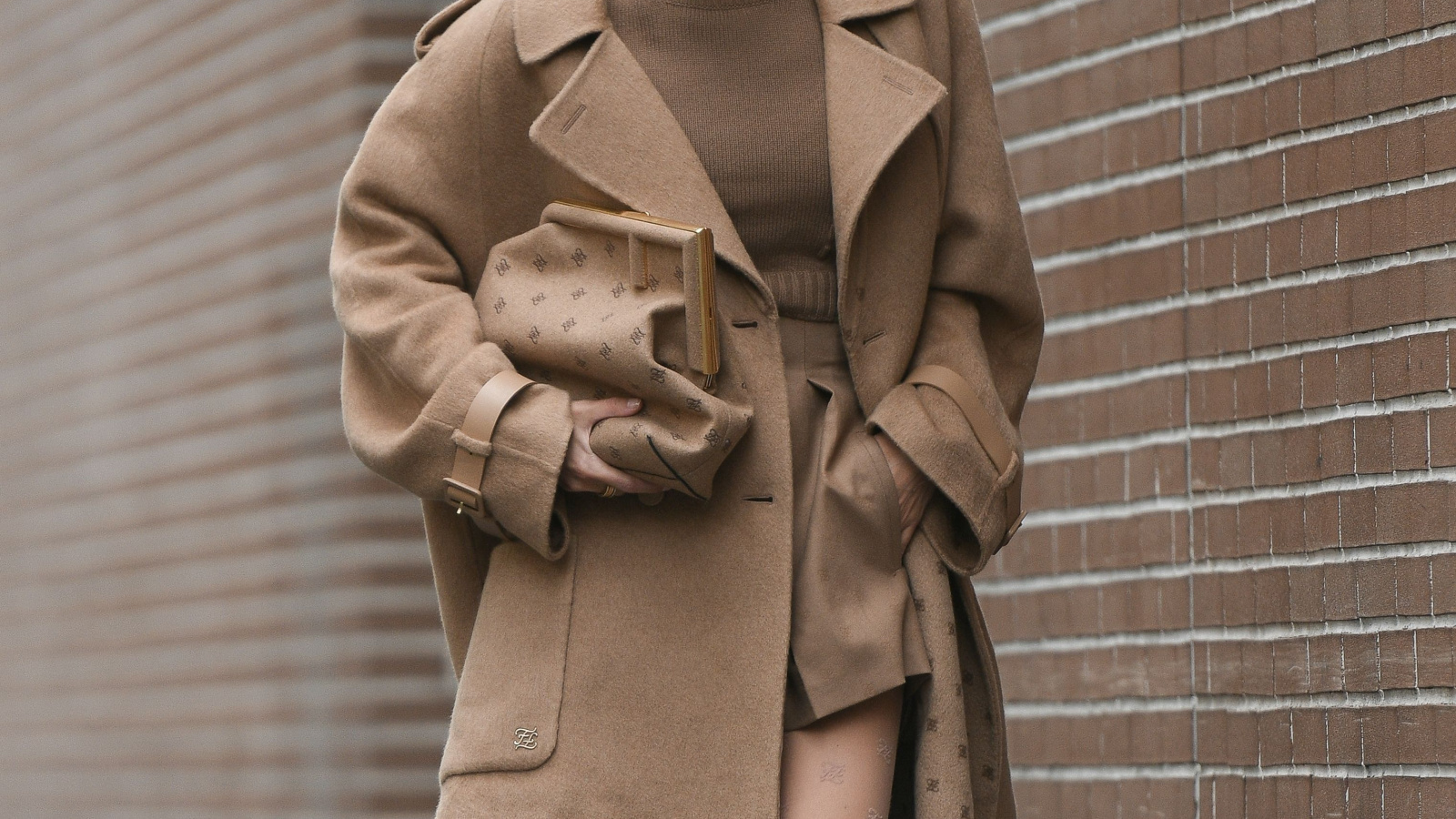
Belted camel coats are appearing more often in Canadian winter wardrobes. The warm tan shade pairs well with neutral outfits. The belt adds structure and visual shape. Wool and wool blend fabrics provide seasonal warmth. People wear these coats over sweaters and tailored trousers. The color works across different settings from work to casual outings. This coat style feels classic without looking dated. The mid to long length adds wind protection. Many choose simple designs with minimal hardware. Canadians seem to prefer versatile pieces that mix easily. The camel coat offers a softer visual option compared to darker winter outerwear.
Oversized Tailored Overcoats
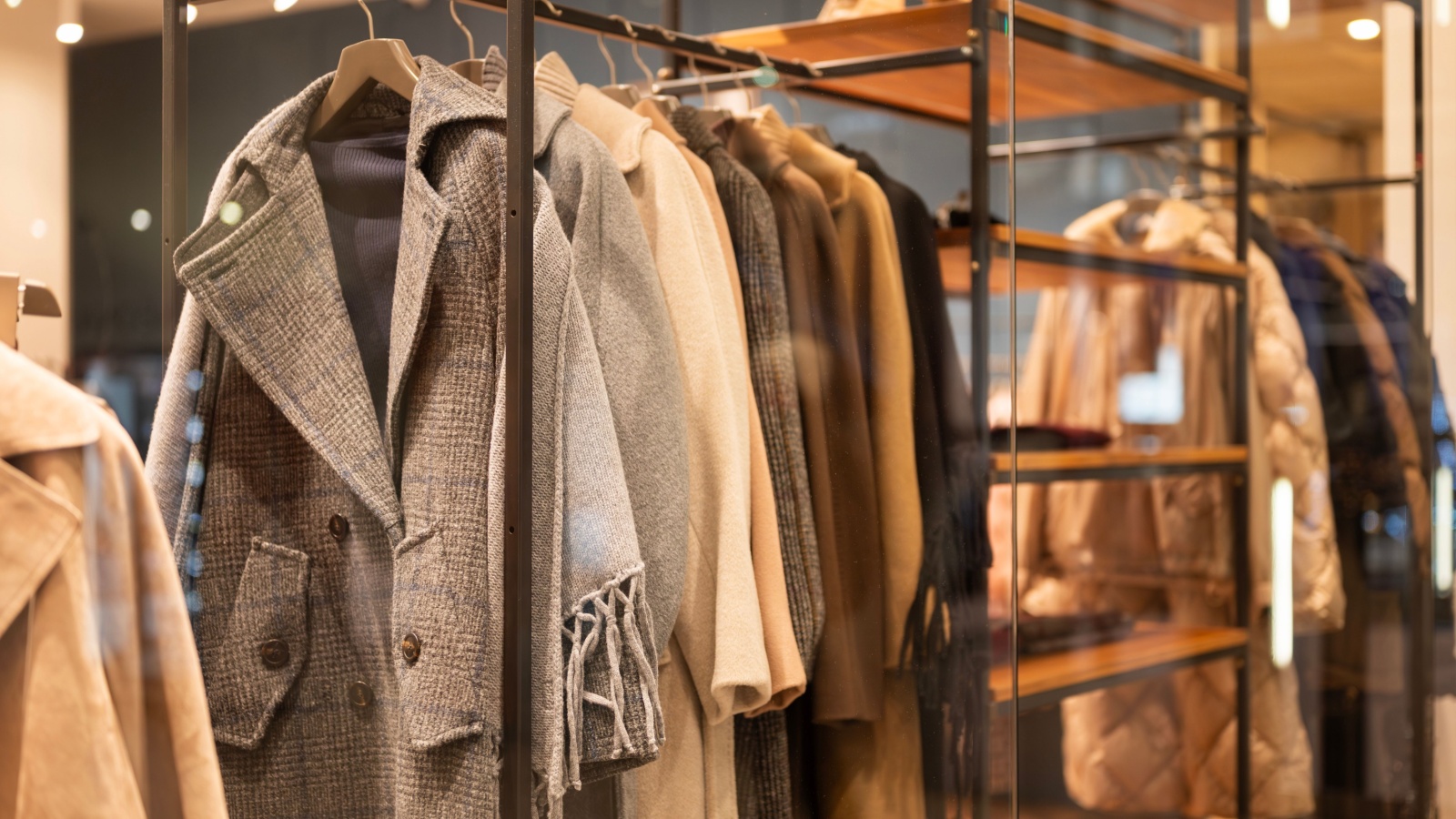
Oversized tailored overcoats are becoming popular in Canadian cities. These coats feature structured shoulders and relaxed fits. The roomy cut allows layering underneath. Wool blends keep the coat warm during cold days. Neutral tones like charcoal, navy, and black dominate. People pair them with sweaters, hoodies, and straight trousers. The longer length adds protection from the wind. This style blends formal and casual clothing. It works well for commuting and social plans. Canadians appear to favor coats that look structured without feeling tight. The oversized shape provides comfort while keeping a sharp outline in everyday winter wear.
Quilted Lightweight Jackets
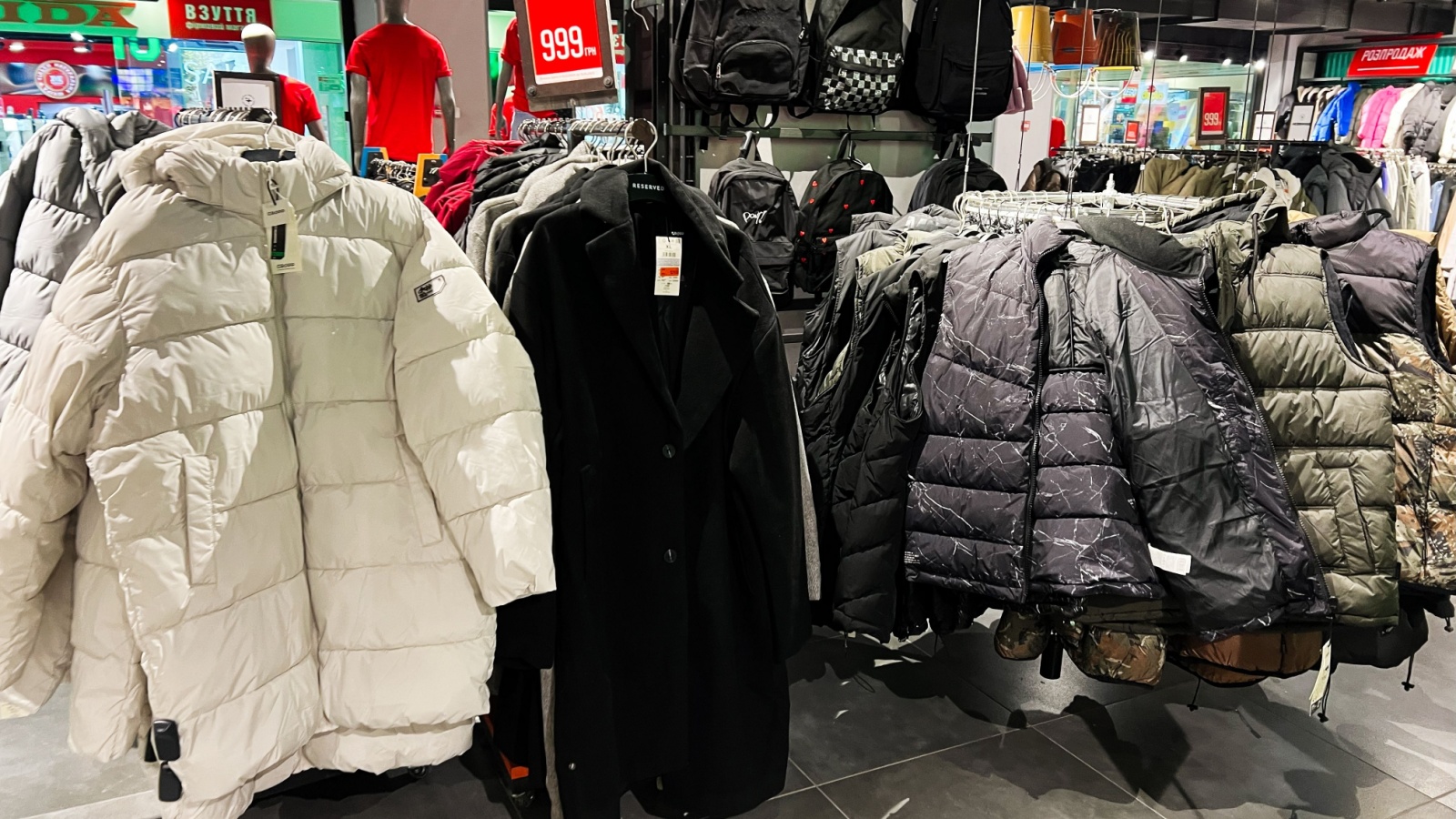
Quilted lightweight jackets are replacing heavier outerwear for milder winter days. These jackets provide warmth without bulky insulation. The stitched pattern adds subtle texture. Neutral and muted tones stay popular in this trend. People wear them over sweaters or hoodies. The lighter build works well for indoor-to-outdoor transitions. This coat suits errands, travel, and casual routines. Canadians seem to prefer flexible layers during changing temperatures. Many designs include snap closures or zip fronts. The look feels simple yet practical. Quilted jackets offer comfort while avoiding the heavy feel associated with traditional parkas.
Teddy and Sherpa Coats
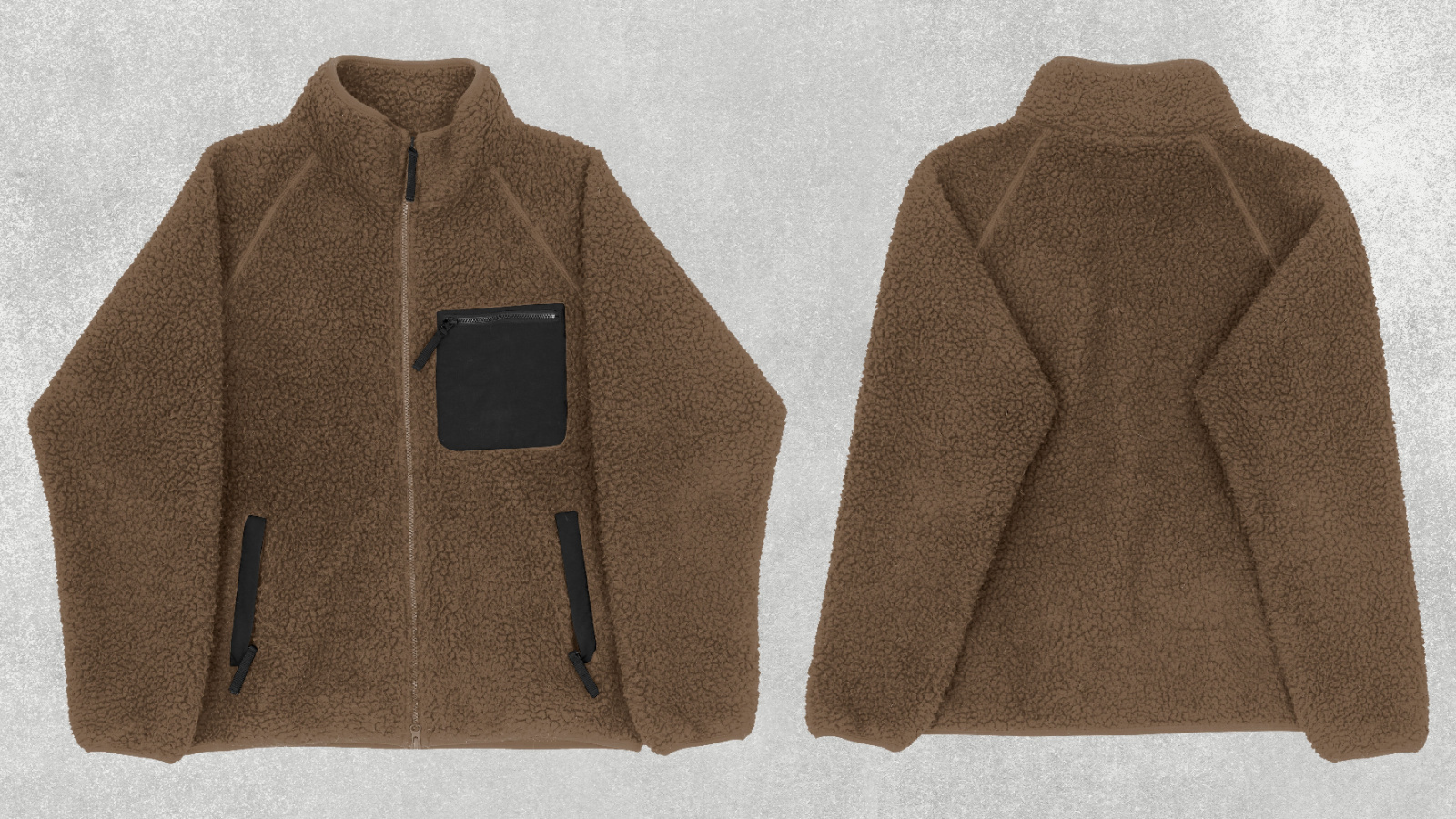
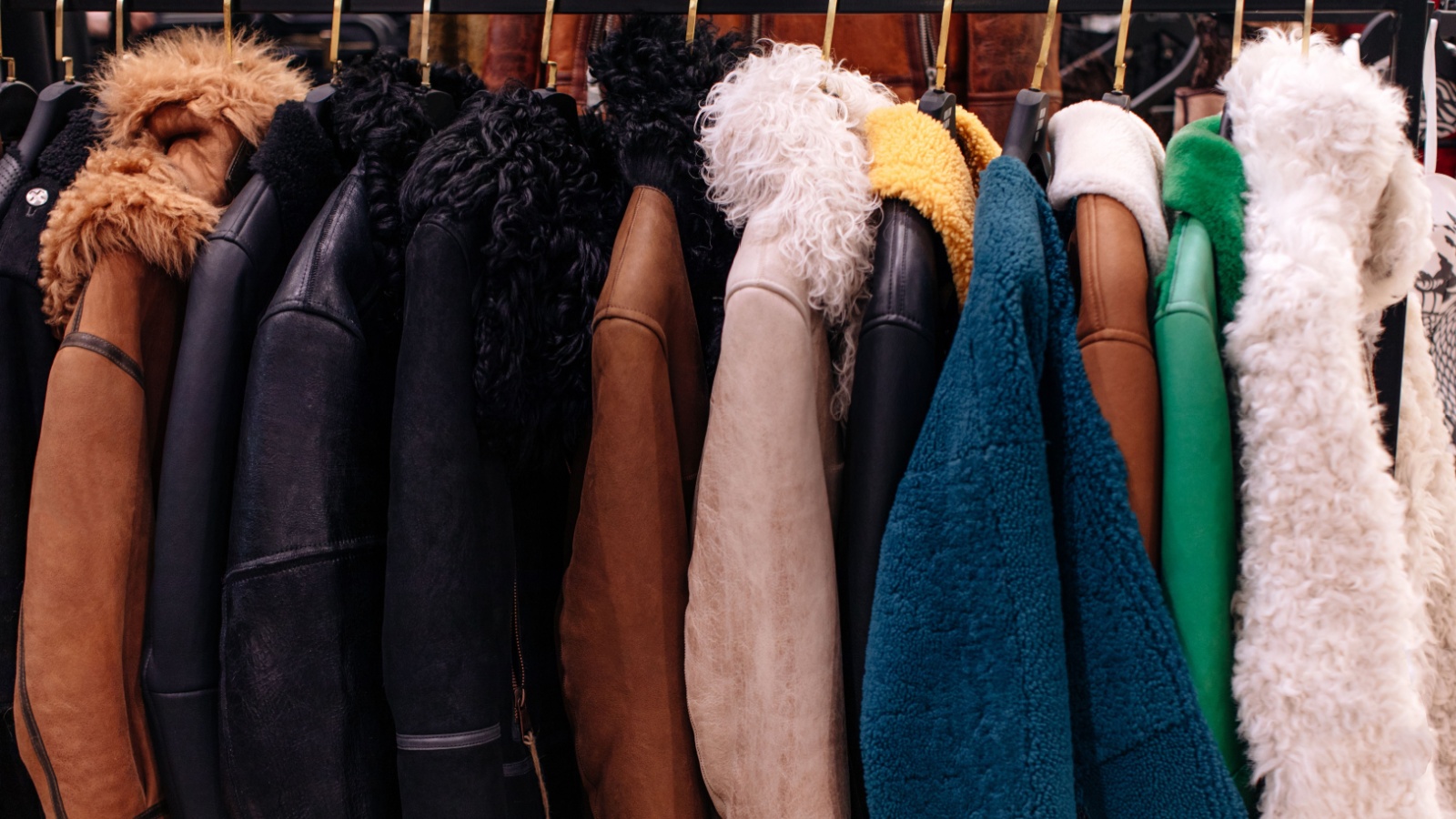
Teddy and sherpa coats are gaining popularity for comfort-focused winter dressing. The soft texture provides warmth and insulation. Neutral shades like cream, tan, and brown lead this trend. People pair them with denim, leggings, and boots. The plush fabric creates a relaxed appearance. These coats work well during casual outings and weekend plans. Canadians appear drawn to cozy materials during colder months. Many designs include oversized shapes for layering. The coats feel warm without a heavy structure. This style offers a softer alternative to technical winter jackets while still providing needed warmth.
Cropped Puffer Jackets
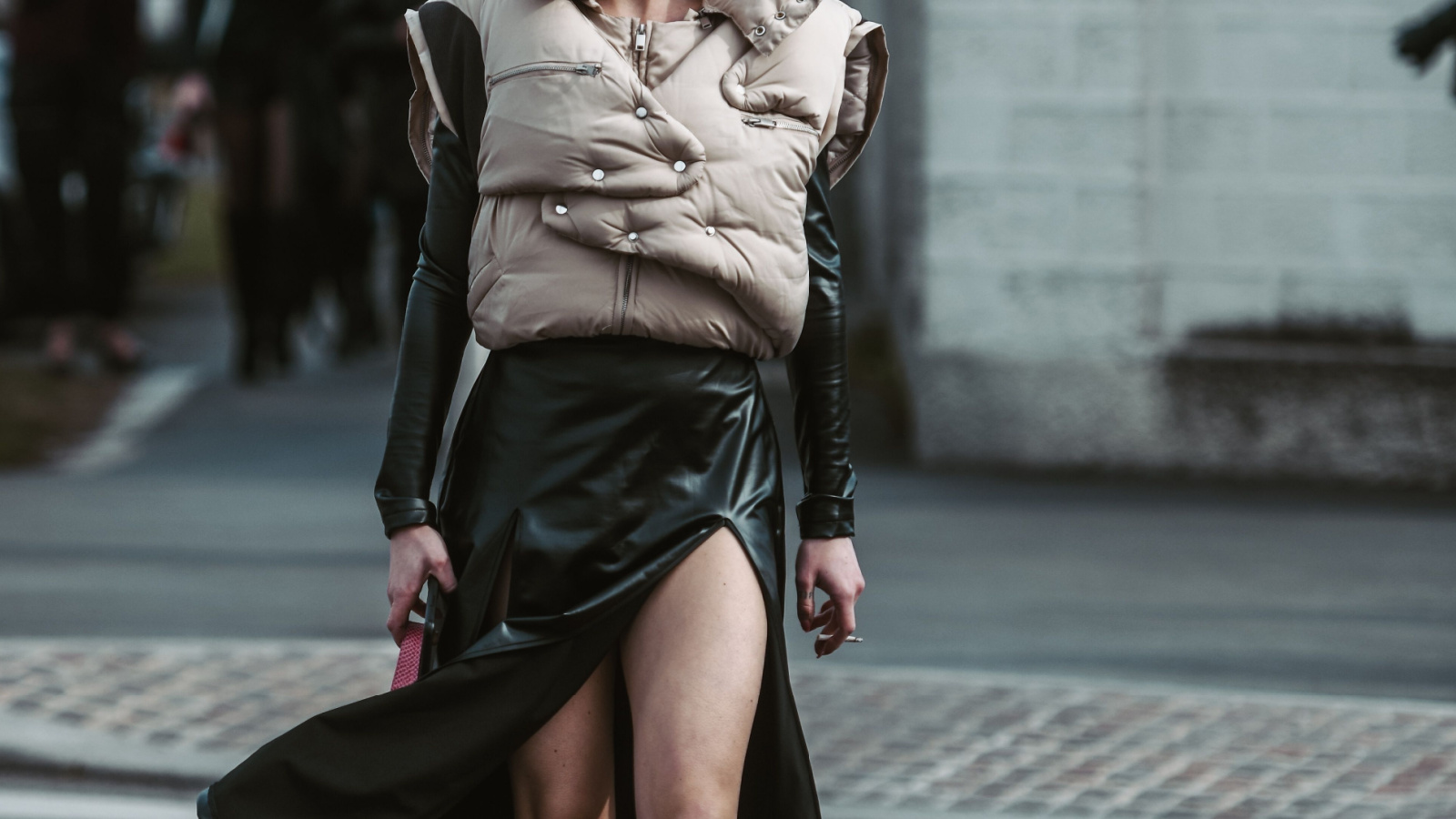
Cropped puffer jackets are becoming popular as lighter outerwear options. The shorter length creates a balanced silhouette with high-waisted bottoms. Insulated panels provide warmth without extra weight. Canadians wear them with jeans, joggers, and knitwear. Neutral tones remain common, though some choose brighter shades. The cropped shape allows easier indoor movement. These jackets suit milder winter days and city routines. People seem drawn to compact layers for daily wear. The style blends comfort with modern proportions. Cropped puffers offer warmth while avoiding the full coverage feel of longer parkas.
Trench Coats with Warm Layers

Trench coats are appearing more often during Canadian winters with added layers underneath. People pair them with sweaters, hoodies, and thermal tops. This combination balances structure and warmth. Water-resistant fabrics help during light rain or slush. Neutral shades like beige, black, and navy remain common. The belted shape adds definition to layered clothing. Longer lengths provide extra wind coverage. Canadians wear this style during commutes and city outings. The coat works well for indoor to outdoor transitions. This option feels lighter than heavy parkas. It offers a polished appearance while still supporting practical winter layering needs.
Faux Fur Statement Coats
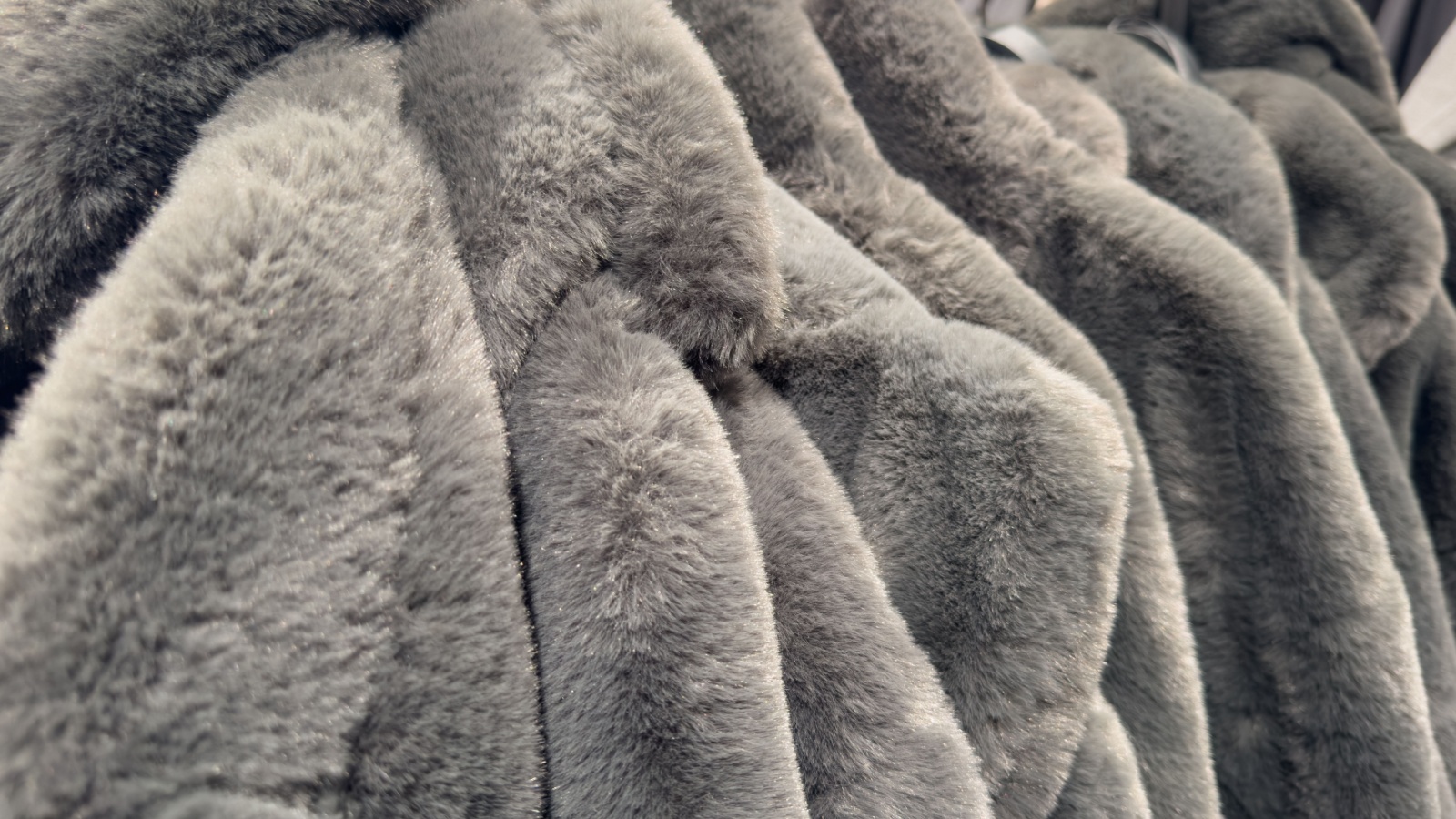
Faux fur coats are gaining attention for bold winter styling in Canada. The textured fabric provides warmth during colder days. Many designs come in neutral or deep tones. People pair them with simple outfits to balance the statement piece. The plush material creates a soft visual effect. This style often appears at social gatherings and evenings out. Canadians seem open to adding texture-focused coats to their wardrobes. Oversized shapes allow layering underneath. These coats feel warm without technical features. Faux fur options offer a noticeable alternative to standard winter outerwear choices.
Hooded Wool Blend Coats
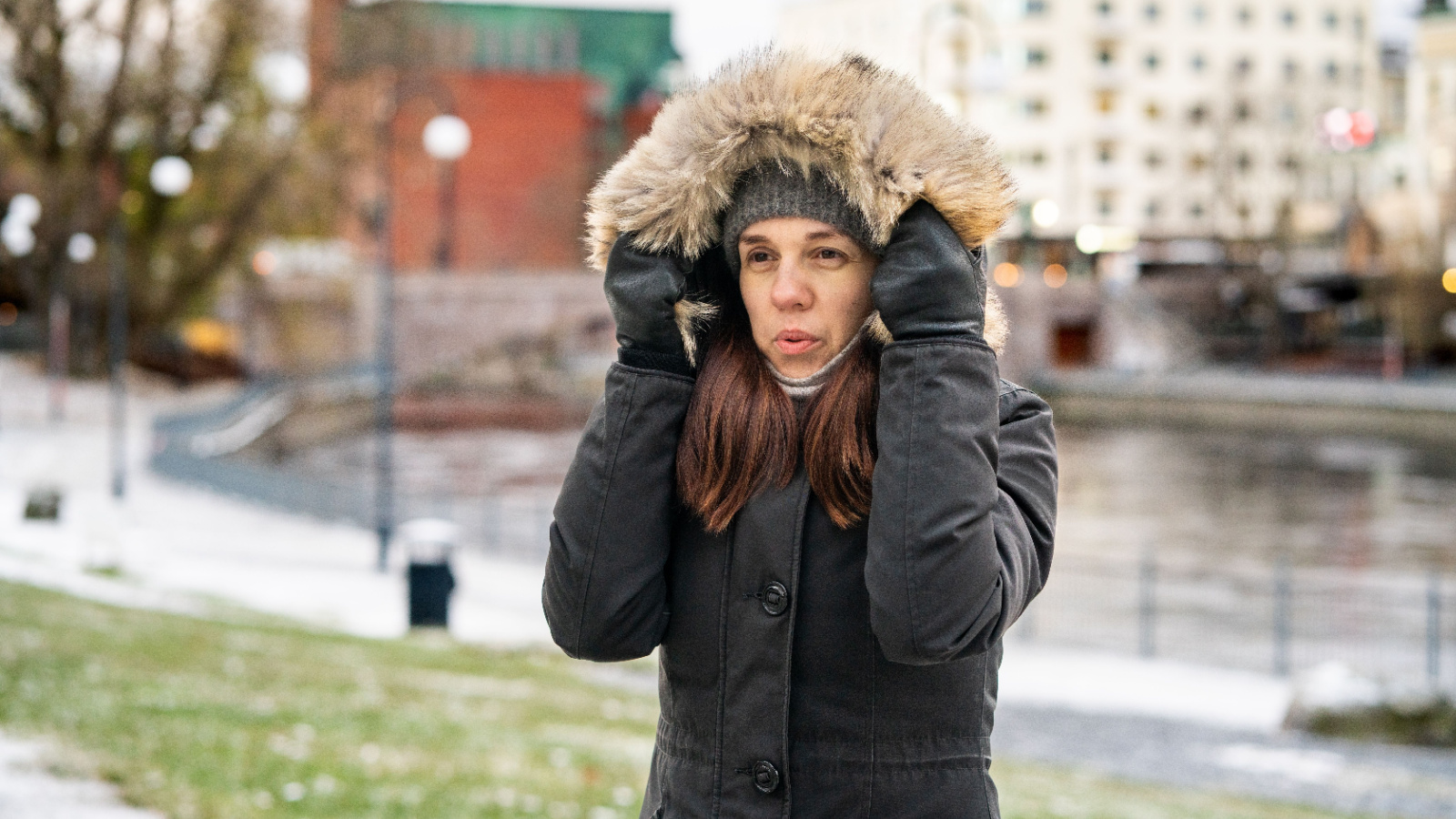
Hooded wool blend coats are becoming practical alternatives to parkas. The wool fabric provides warmth while the hood adds protection. This feature helps during wind and light snowfall. Neutral shades like grey, black, and camel stay common. People wear these coats with knitwear and denim. The design balances structure and casual comfort. Canadians appreciate built-in coverage without bulky insulation. Mid-length styles offer extra warmth. This coat works for commuting and daily routines. It feels refined yet functional. Hooded wool blends combine classic outerwear with added weather protection.
Leather Trench Coats
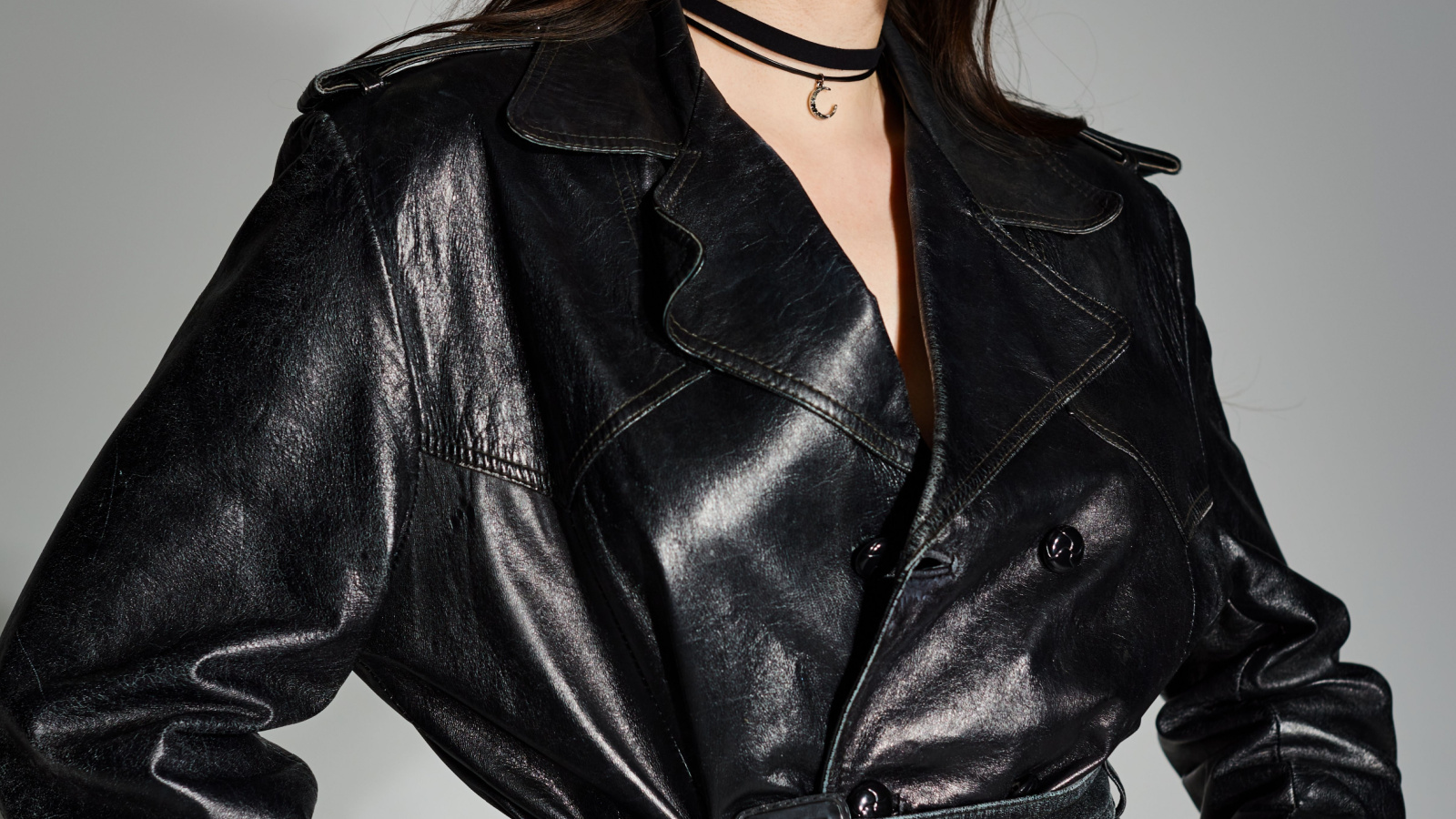
Leather trench coats are appearing as structured winter options. The material blocks wind and light moisture. Many designs feature long silhouettes with belts. Black and brown shades dominate this trend. People pair them with knitwear and straight trousers. The smooth texture creates a sleek appearance. This coat style works for city settings and social outings. Canadians seem drawn to durable outer layers with visual impact. The trench shape offers coverage without heavy insulation. Leather versions provide a bold alternative to wool coats during milder winter conditions.
Blanket Coats
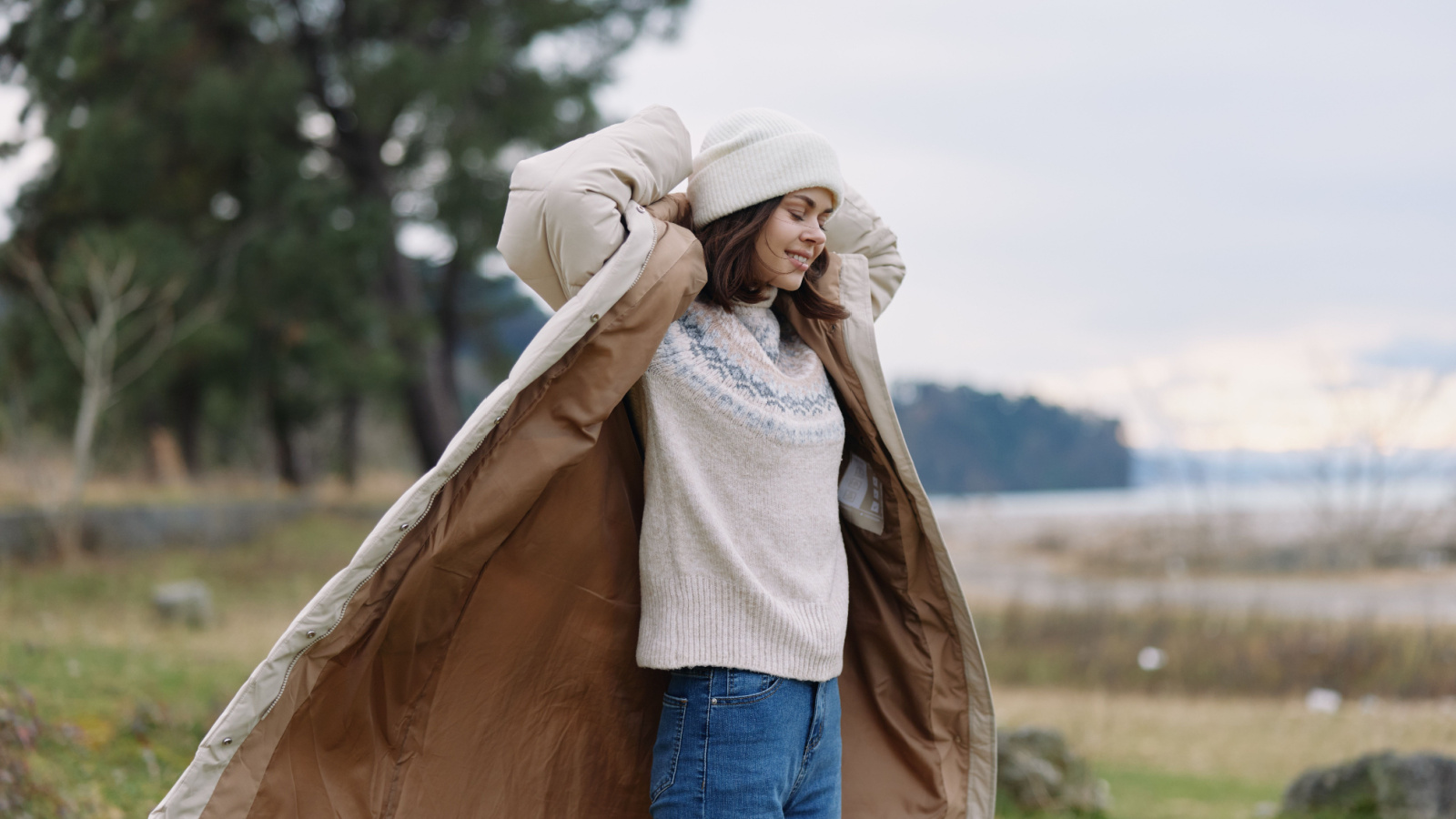
Blanket coats are gaining attention for their relaxed, wrap-style design. Soft wool or knit fabrics create warmth and comfort. The loose shape allows easy layering underneath. Neutral tones like beige and grey stay popular. People wear them with sweaters, jeans, and boots. This coat style feels cozy and flexible. Canadians appreciate lighter outerwear during transitional days. The wrap construction adjusts easily for temperature changes. Many designs feature wide collars or open fronts. Blanket coats offer warmth without structured tailoring, making them suitable for casual daily routines.
Double-Breasted Peacoats
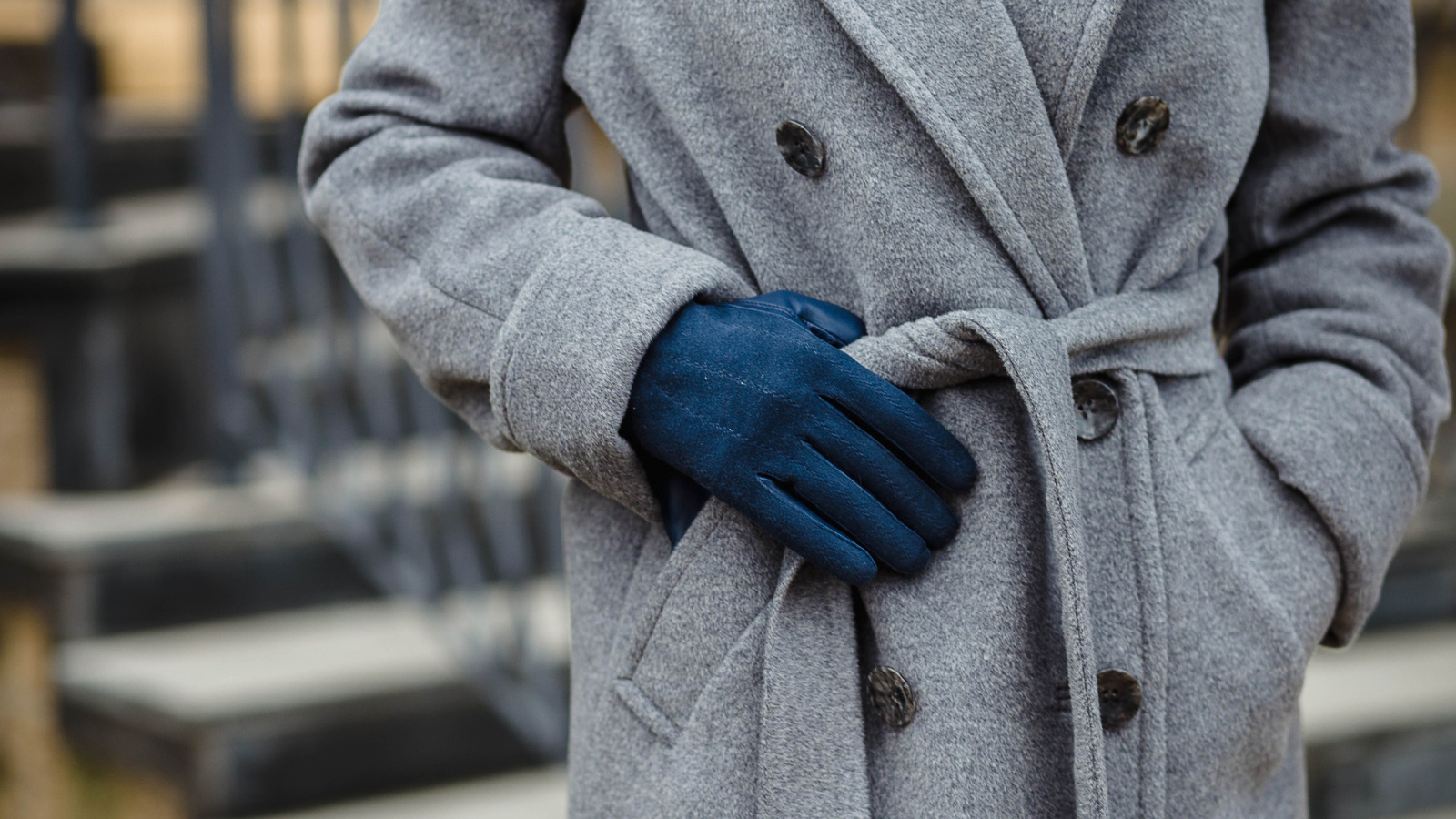
Double-breasted peacoats are returning as classic winter choices. Their shorter length offers easy movement. Wool fabrics provide reliable warmth during cold days. Dark shades like navy, black, and charcoal remain common. The buttoned front creates a structured look. Canadians wear peacoats with sweaters and tailored trousers. This style suits work and casual settings. The coat feels polished without heavy bulk. It works well during commuting and city routines. Peacoats offer a timeless shape that balances warmth and structure, making them popular alternatives to longer parkas.
Shacket-Style Heavy Overshirts
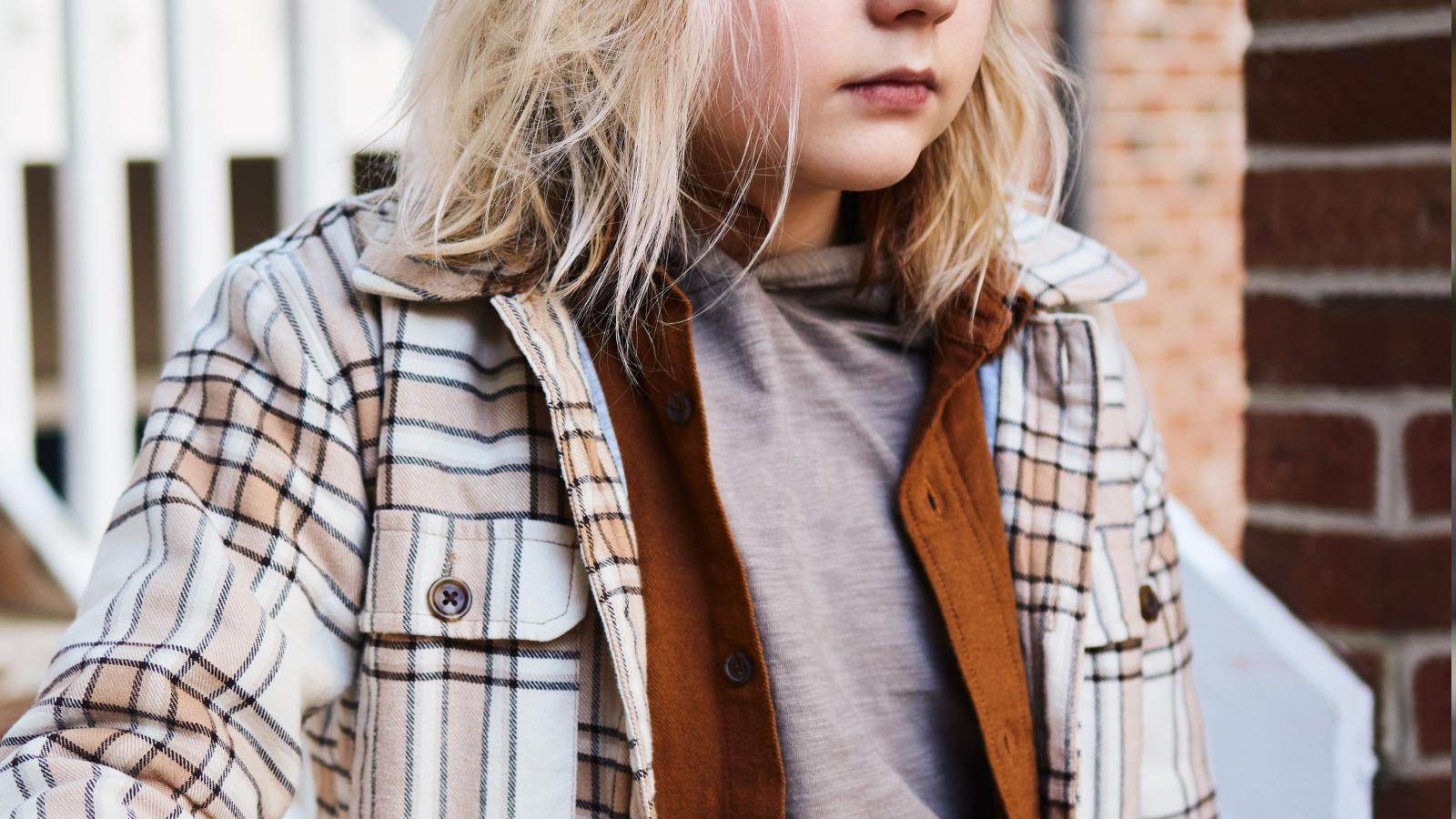
Shacket-style heavy overshirts are gaining space in Canadian winter wardrobes. These pieces sit between shirts and jackets. Thick wool blends or brushed fabrics provide light warmth. People wear them over sweaters and thermals. Neutral plaids and solid tones remain common. The relaxed fit allows layering without tightness. Large pockets add practical use. This style suits milder winter days and indoor-to-outdoor movement. Canadians seem drawn to flexible outer layers. The look feels casual yet structured. Shackets work well for errands and travel. They offer a lighter option when heavy parkas feel unnecessary.
Insulated Bomber Jackets
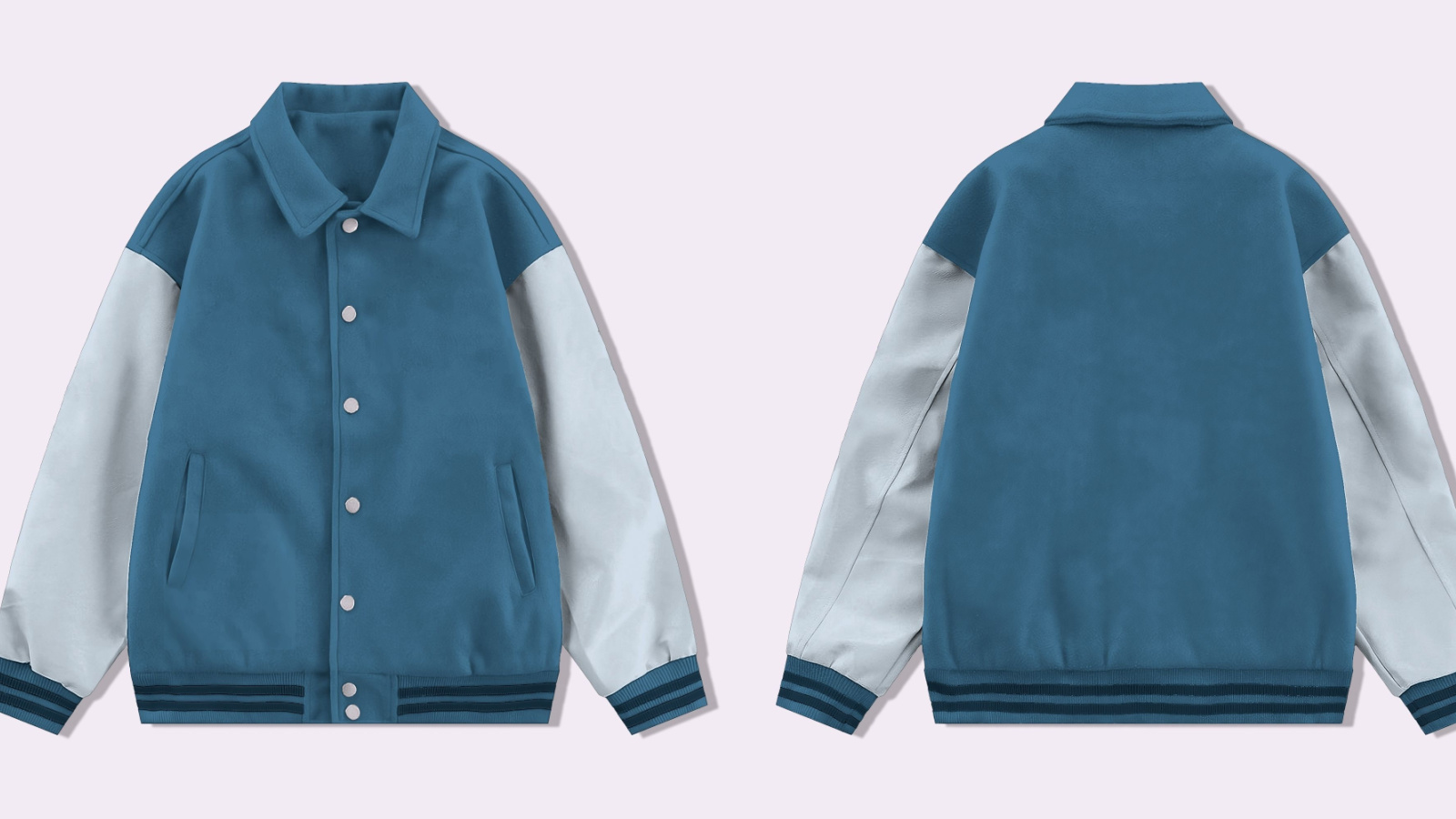
Insulated bomber jackets are becoming everyday winter options in Canada. Their shorter length allows easy movement during busy days. Padded linings provide warmth without heavy bulk. Ribbed cuffs help block cold air. Neutral shades like black, olive, and navy dominate. People pair them with jeans, joggers, and boots. The style feels sporty but still practical. Canadians appreciate compact layers for commuting. This jacket suits indoor and outdoor transitions. The bomber shape adds structure without long coverage. It works best in moderate cold rather than extreme conditions.
Maxi-Length Cardigan Coats
Maxi-length cardigan coats are increasingly common in Canadian winters. These knit outer layers offer warmth with flexibility. The long shape adds coverage against the wind. Soft wool blends or thick knits lead this trend. People wear them over sweaters and casual outfits. Neutral tones remain common. The open front allows easy temperature adjustment. Canadians like this option for indoor to outdoor movement. It feels comfortable and less structured than tailored coats. The style suits work-from-home routines and errands. Cardigan coats provide warmth while maintaining a relaxed appearance.
Fleece-Lined Utility Jackets
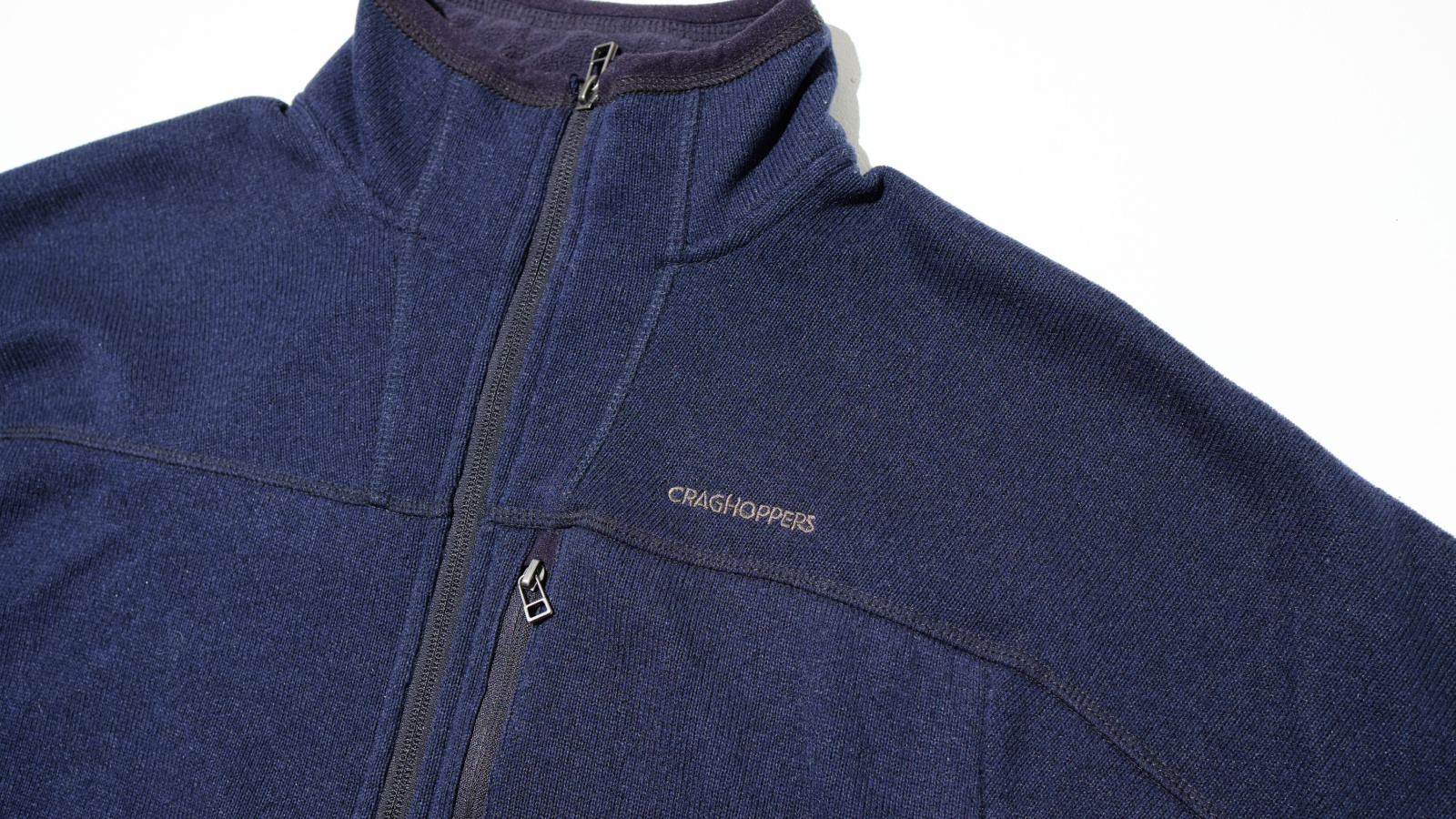
Fleece-lined utility jackets are becoming practical winter choices. Durable outer fabrics help handle daily wear. The fleece lining adds insulation without extra layers. Multiple pockets offer storage for small items. Neutral shades like olive and tan stay popular. People pair them with denim and boots. Canadians seem drawn to functional outerwear. The design suits commuting and outdoor tasks. This jacket works well during cooler but not extreme conditions. It balances structure and comfort. Utility jackets provide reliable warmth while keeping a casual and adaptable look.
Reversible Winter Coats
Reversible winter coats are gaining interest for their two-in-one design. Canadians appreciate the flexibility of changing looks. One side often features quilted fabric while the other stays smooth. This feature helps match different outfits. Neutral tones dominate both sides. The insulation provides steady warmth. People wear these coats for travel and daily routines. The design reduces the need for multiple outer layers. It works well for unpredictable weather. Reversible coats combine practicality and variety in a single piece.
Knit Coatigans

Knit coatigans are becoming popular as soft structured outerwear. These pieces blend cardigan comfort with coat length. Thick knits provide warmth during cooler days. People wear them over casual outfits and workwear. Neutral shades like grey and beige stay common. The design feels relaxed yet presentable. Canadians appreciate flexible layers for indoor transitions. Coatigans suit travel and errands. They add warmth without heavy tailoring. The long knit silhouette offers coverage while maintaining ease of movement. This style feels comfortable for everyday winter routines.
Structured Longline Blazers
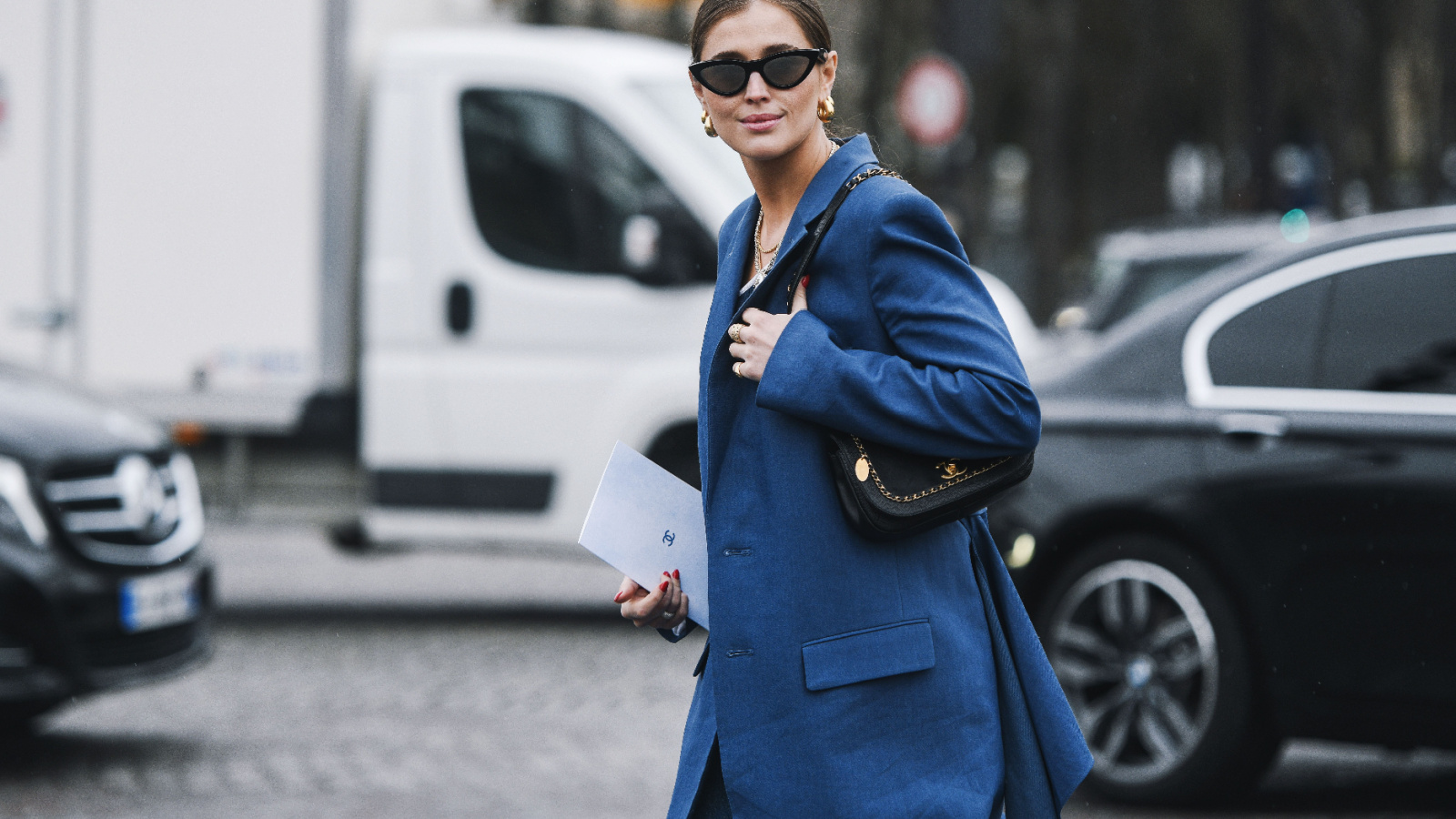
Structured longline blazers are appearing as lighter winter layers. Their tailored shape creates a polished appearance. Longer lengths add extra coverage. People wear them over sweaters and fitted tops. Wool blends help with warmth. Neutral tones like black and camel remain popular. Canadians pair them with trousers and denim. This piece suits office and social settings. The design feels sharp without heavy insulation. Longline blazers work well during milder winter days. They offer a refined alternative to bulkier coats while maintaining a clean structure.
22 Groceries to Grab Now—Before another Price Shock Hits Canada
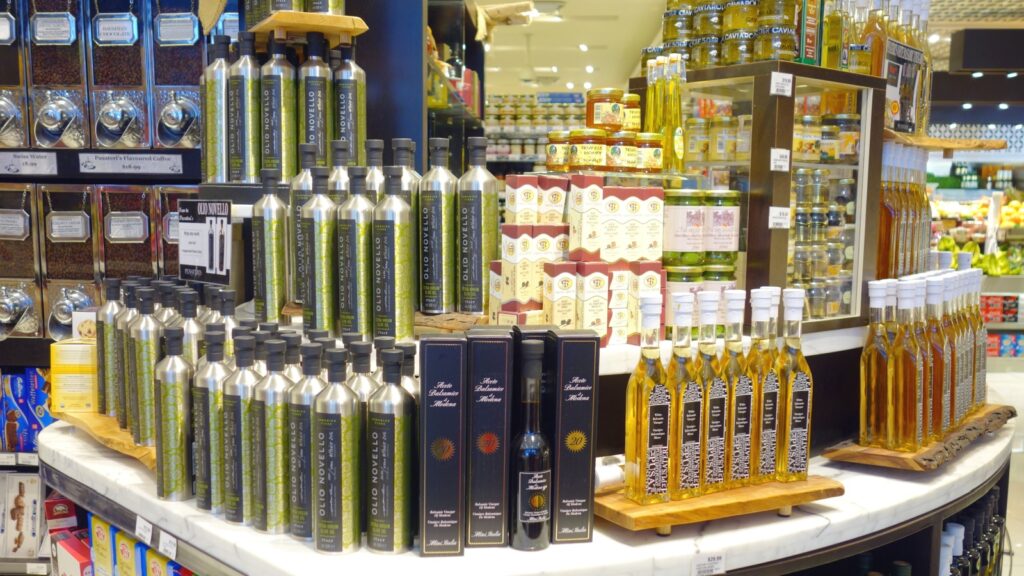
Food prices in Canada have been steadily climbing, and another spike could make your grocery bill feel like a mortgage payment. According to Statistics Canada, food inflation remains about 3.7% higher than last year, with essentials like bread, dairy, and fresh produce leading the surge. Some items are expected to rise even further due to transportation costs, droughts, and import tariffs. Here are 22 groceries to grab now before another price shock hits Canada.
22 Groceries to Grab Now—Before another Price Shock Hits Canada
