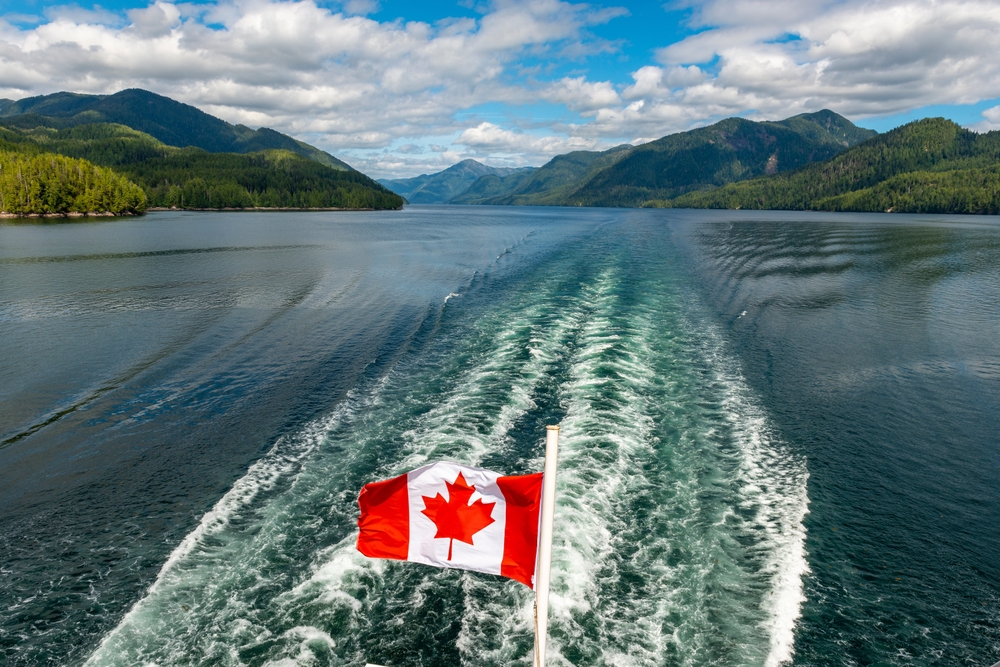
Cruising is attracting renewed attention among Canadians in 2026, even from travelers who once ruled it out. Changing ship designs, flexible itineraries, and new onboard experiences are reshaping perceptions. Many options now focus on smaller crowds, specialized interests, or unique destinations. Improved environmental standards and technology are also influencing decisions. Some people remain hesitant due to past stereotypes about large ships or limited activities. However, modern offerings address many of those concerns. Here are 19 cruise trends Canadians are curious about in 2026 (Even if they said never).
Expedition Cruises to Polar Regions
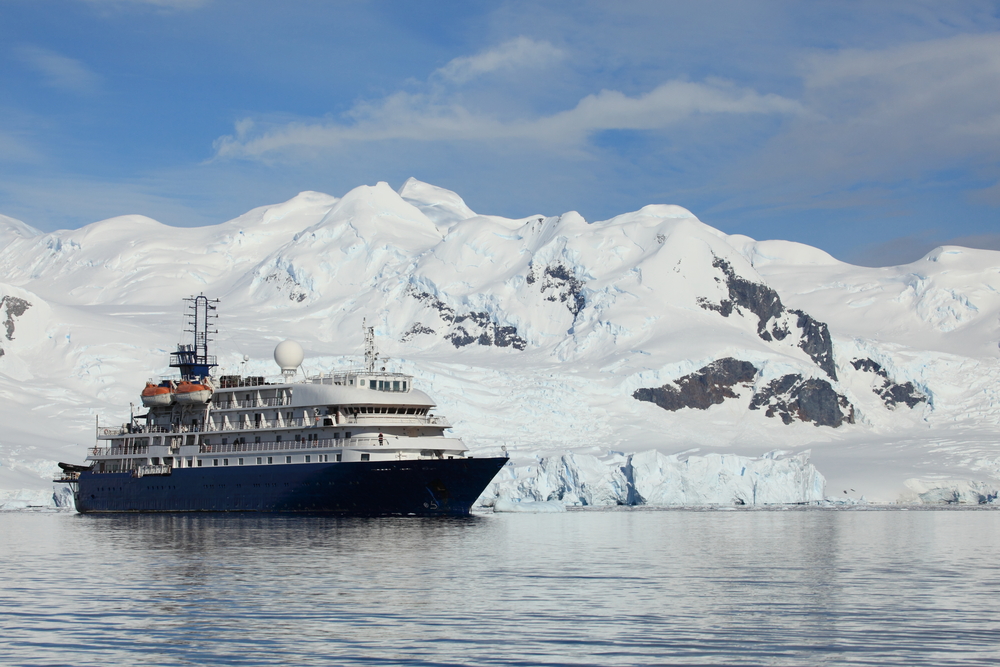
Polar expeditions are attracting Canadians seeking rare travel experiences. Routes often include Antarctica or the Arctic. Ships are reinforced for navigating ice-covered waters. Passenger numbers are kept low for safety and environmental reasons. Guided excursions may include zodiac landings and wildlife observation. Costs are significantly higher than standard cruises. Weather conditions can be unpredictable and extreme. Specialized clothing is required for comfort outdoors. Scientific lectures are commonly offered onboard. Travel time to embarkation ports can be long. This trend appeals to adventurous travelers who want remote destinations.
Small-Ship Luxury Cruising
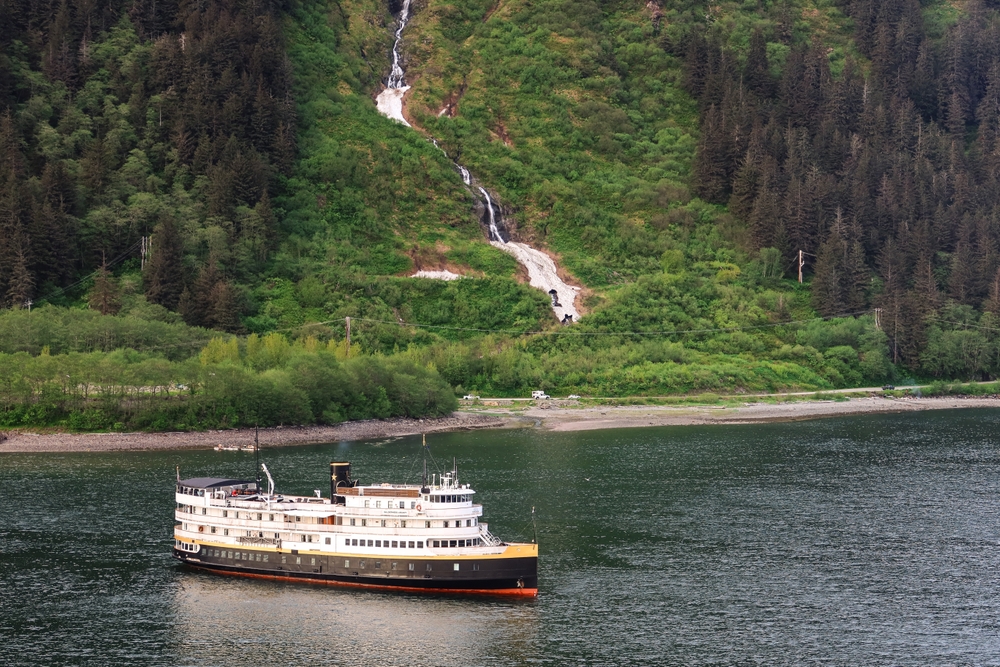
Smaller vessels offer a quieter alternative to large cruise ships. Passenger counts are limited, creating a more intimate atmosphere. Canadians interested in personalized service find this appealing. Ships can access ports too small for mega vessels. Suites and premium dining are standard features. Onboard crowds are minimal compared to mainstream cruises. Higher fares reflect the upscale experience. Entertainment tends to be refined rather than large-scale. Shore excursions are often included in packages. Booking early is necessary due to limited capacity. This trend emphasizes comfort over quantity of amenities.
River Cruises in Europe

River cruises provide a slower way to explore European destinations. Ships travel through major cities and historic towns. Canadians avoid frequent packing and hotel changes. Scenic views remain visible throughout the journey. Smaller vessels allow docking close to city centers. Excursions often focus on culture and history. Spring and autumn are popular travel periods. Cabins may be smaller than ocean cruise rooms. Airfare to Europe adds to the total cost. Guided tours are typically included. This option appeals to travelers prioritizing sightseeing over onboard entertainment.
Alaska Cruises Departing from Canada
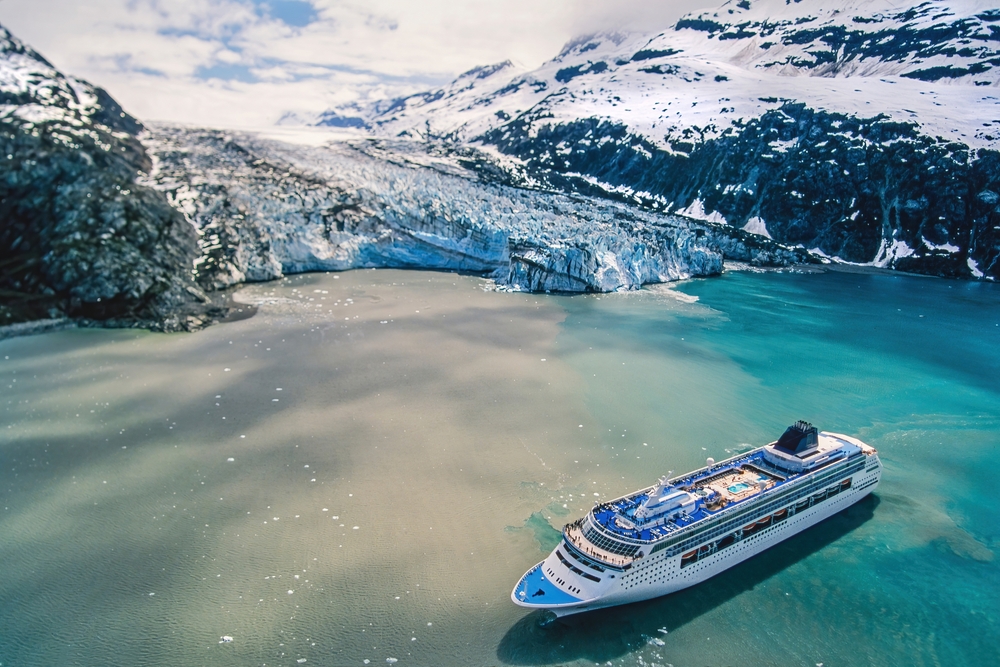
Alaska cruises remain highly popular among Canadian travelers. Departures from Vancouver eliminate international flights for many passengers. Scenic routes include glaciers, fjords, and wildlife habitats. Spring and summer offer the best viewing conditions. Shore excursions may involve hiking or wildlife tours. The weather can vary from warm sunshine to rain. Binoculars are useful for spotting distant animals. Passport requirements apply due to U.S. territory visits. Balcony cabins enhance the viewing experience. Early booking secures preferred itineraries. This trend combines convenience with dramatic natural scenery.
Theme Cruises Based on Music or TV Shows
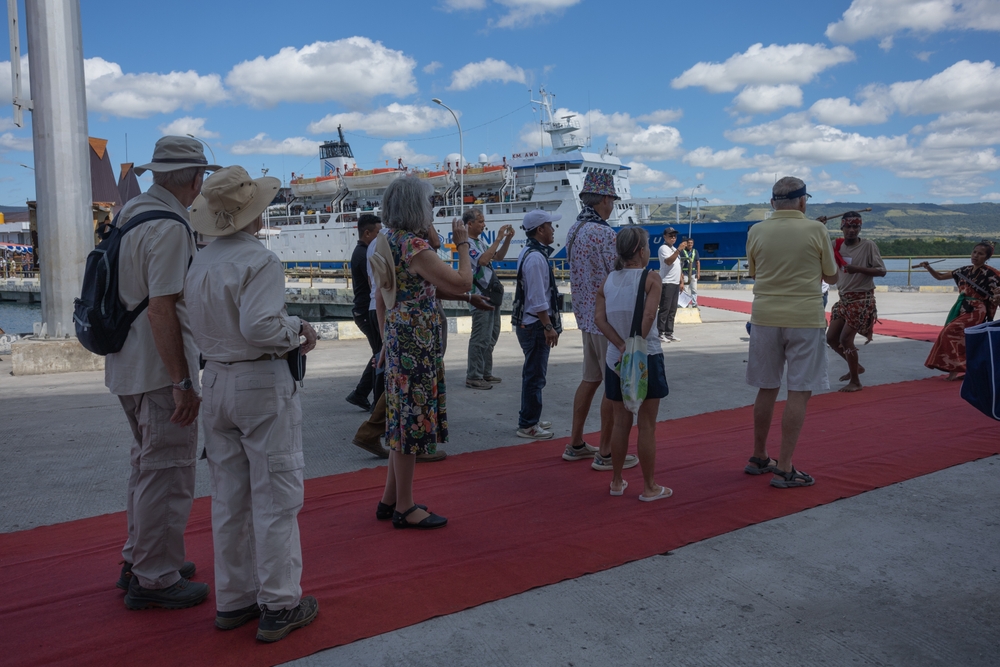
Themed sailings focus on shared interests among passengers. Events may include live performances, screenings, or celebrity appearances. Canadians interested in niche experiences find these cruises appealing. Activities continue throughout the voyage rather than only at ports. Ticket prices often include special programming. Dress themes or fan events may be encouraged. Availability depends on licensing and demand. Cabins sell out quickly for popular themes. Standard cruise amenities remain available as well. Travel companions often share similar interests. This trend transforms cruising into a community event.
Wellness-Focused Cruises
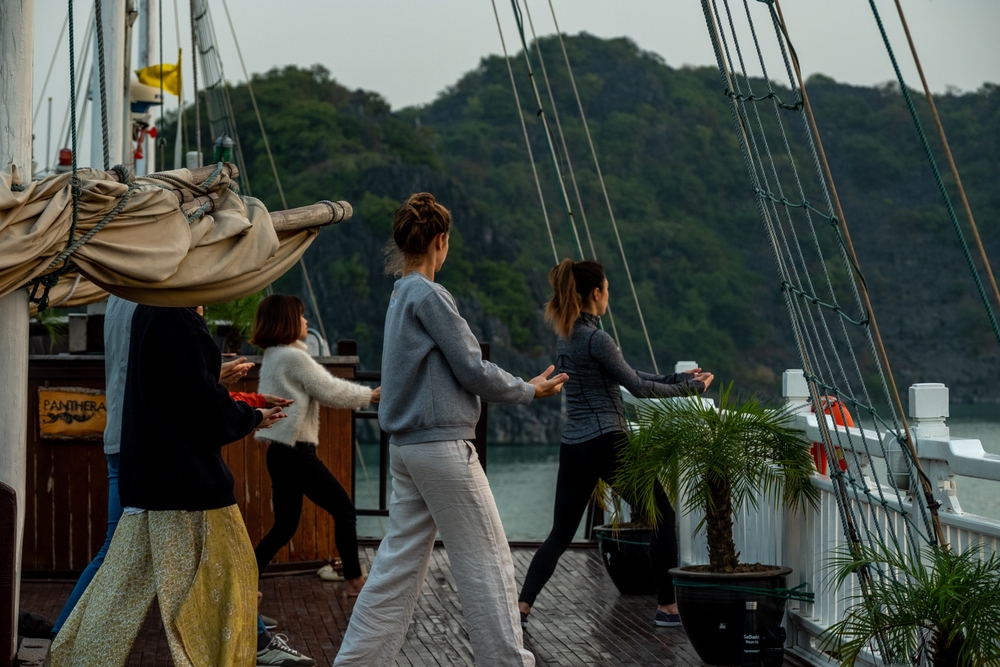
Wellness cruises emphasize health and relaxation during travel. Programs may include fitness classes, yoga, and spa treatments. Canadians often choose these after long winter months. Nutritional menus highlight lighter meal options. Quiet spaces support meditation or rest. Onboard lectures may address stress management. Medical facilities remain available like standard cruises. Participation in activities is usually optional. Packages sometimes include consultations with specialists. Pricing can be higher due to added services. This trend appeals to travelers prioritizing wellbeing over nightlife.
Solo Traveler Cabins
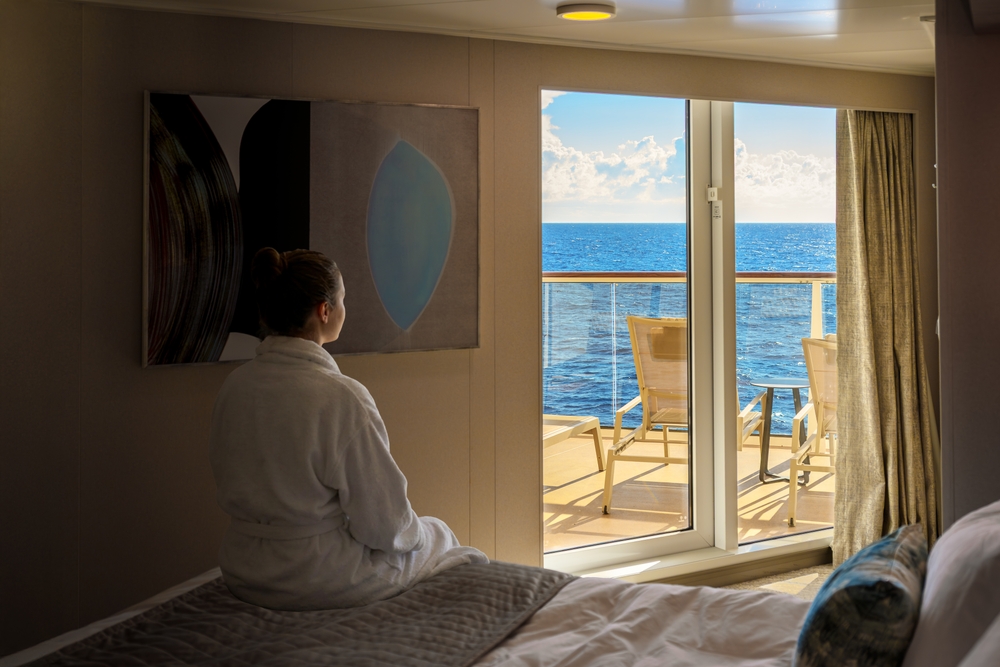
Cruise lines are adding cabins designed for single occupants. Canadians traveling alone avoid paying double occupancy fees. These rooms are smaller but efficiently designed. Dedicated lounges encourage interaction among solo passengers. Organized activities help reduce isolation during voyages. Availability is limited compared to standard cabins. Booking early improves chances of securing one. Safety features match those of larger rooms. Some ships cluster these cabins in specific areas. Demand continues to rise as solo travel grows. This trend supports independent travelers seeking structured vacations.
All-Inclusive Premium Packages
Premium packages bundle multiple services into one price. Canadians value predictable costs without frequent onboard charges. Inclusions may cover dining, beverages, gratuities, and excursions. Luxury cruise lines often use this pricing model. Upfront costs are higher than basic fares. Budget planning becomes simpler once onboard. Fine dining and specialty restaurants are typically included. Shore excursions may be limited to certain options. Travel insurance is usually purchased separately. Comparing package details is important before booking. This trend appeals to travelers seeking convenience and transparency.
Longer Grand Voyages
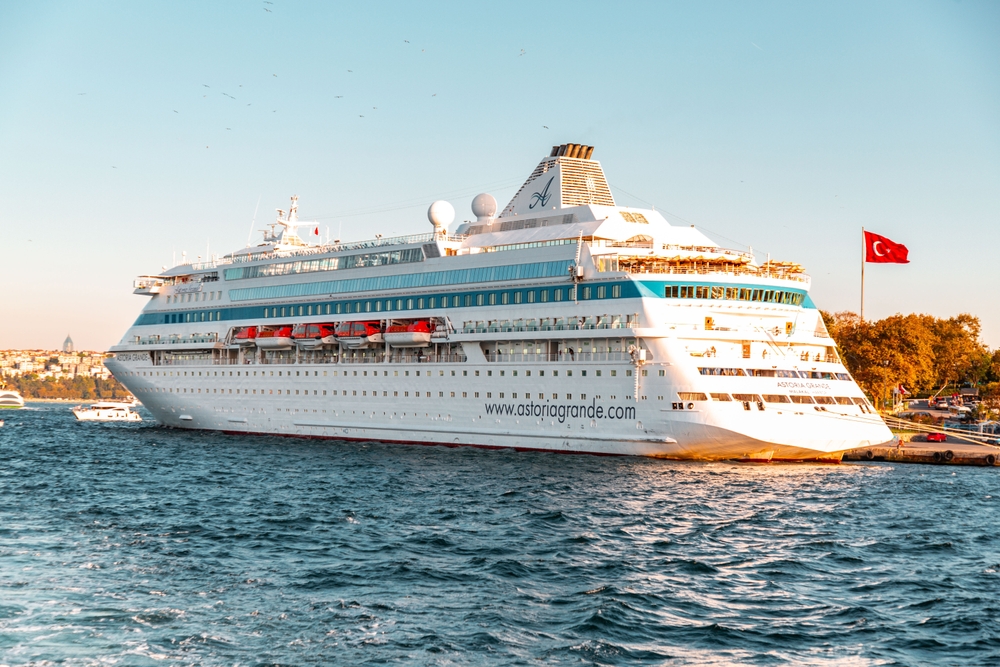
Extended cruises lasting several weeks are gaining attention. Canadians with flexible schedules consider these for immersive travel. Itineraries may span multiple continents or regions. Packing requires planning for varied climates. Onboard activities help maintain routine over long periods. Medical facilities are equipped for extended stays. Costs accumulate due to duration and cabin type. Ports visited may include both major cities and remote areas. Internet access may be limited at sea. Booking is essential for these rare departures. This trend appeals to retirees and remote workers.
Short Weekend “Sampler” Cruises
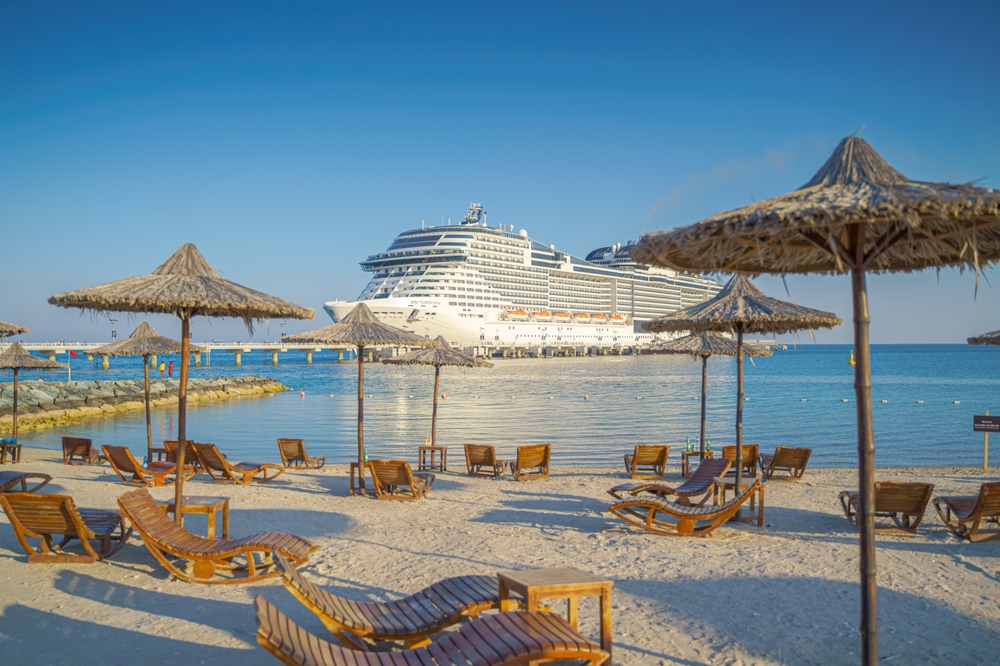
Short cruises introduce first-time travelers to the experience. Trips typically last two to four days. Canadians can depart from nearby ports without long absences. Onboard entertainment operates at full scale despite shorter duration. Destinations may include one or two ports. Prices are generally lower than week-long sailings. Packing requirements are minimal. Seasickness concerns can still arise on brief trips. Popular departure dates sell out quickly. These cruises help travelers decide if longer voyages suit them. The format balances convenience with novelty.
Cruises with Overnight Port Stays
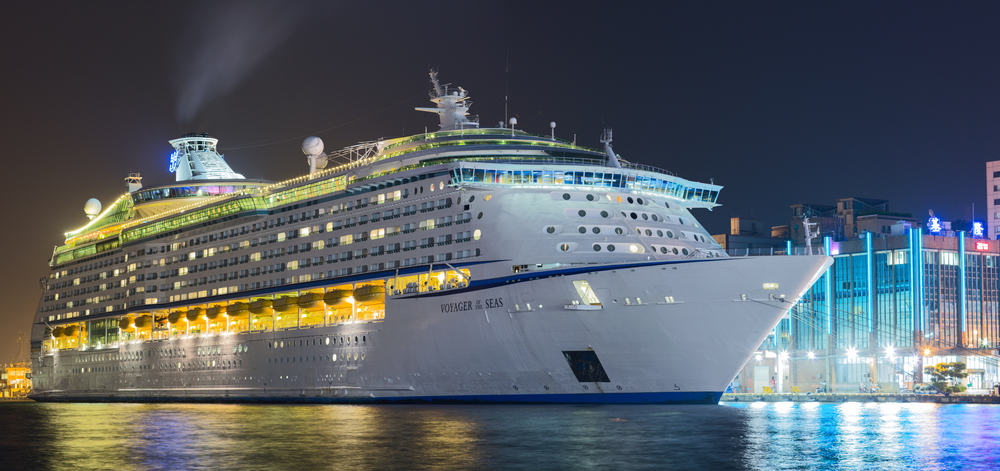
Some itineraries now include extended time in port cities. Ships remain docked overnight instead of departing immediately. Canadians gain more time for exploration and dining ashore. Evening events and nightlife become accessible. Excursions can be scheduled across two days. Security procedures still apply when reboarding late. Additional port fees may influence pricing. Cabin access remains available while docked. Early return times vary by itinerary. This trend emphasizes destination experiences over time at sea. Travelers interested in culture find this option appealing.
Adventure Activity Cruises
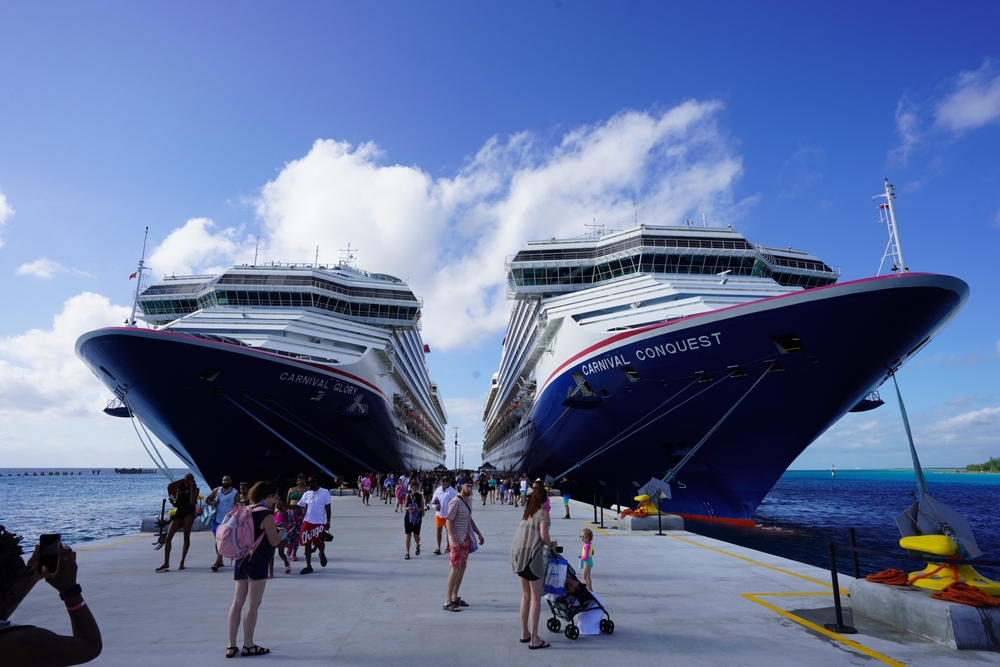
Adventure cruises focus on physically active shore excursions. Activities may include kayaking, hiking, or diving. Canadians seeking outdoor experiences find these appealing. Equipment is often provided by the cruise operator. Fitness requirements vary by itinerary. Guides supervise activities for safety. Weather conditions can affect scheduled excursions. Ships may carry specialized gear onboard. Insurance coverage for adventure activities is advisable. Participation is optional for passengers preferring relaxation. This trend blends cruising with expedition-style travel.
Culinary and Wine Cruises
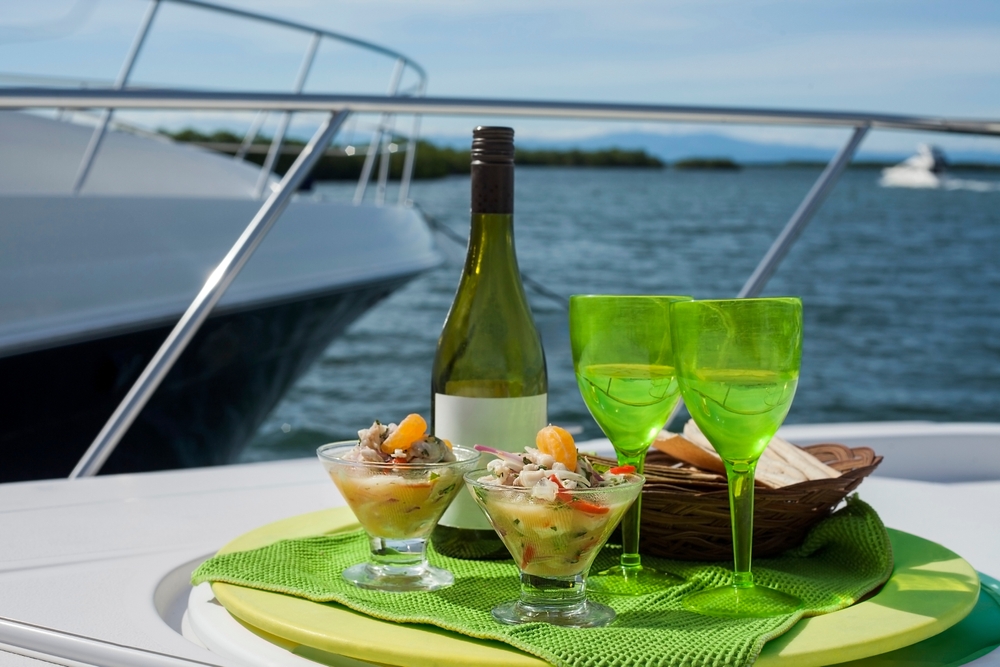
Food-focused cruises highlight regional cuisine and beverages. Canadians interested in gastronomy choose these for unique experiences. Celebrity chefs may host onboard demonstrations. Shore excursions often include markets or vineyards. Pairing dinners is a common feature. Dietary needs can usually be accommodated with advance notice. Premium ingredients contribute to higher pricing. Cooking classes may be offered during sea days. Reservations are sometimes required for specialty events. This trend appeals to travelers who value dining as a central activity.
Multi-Generational Family Cruises
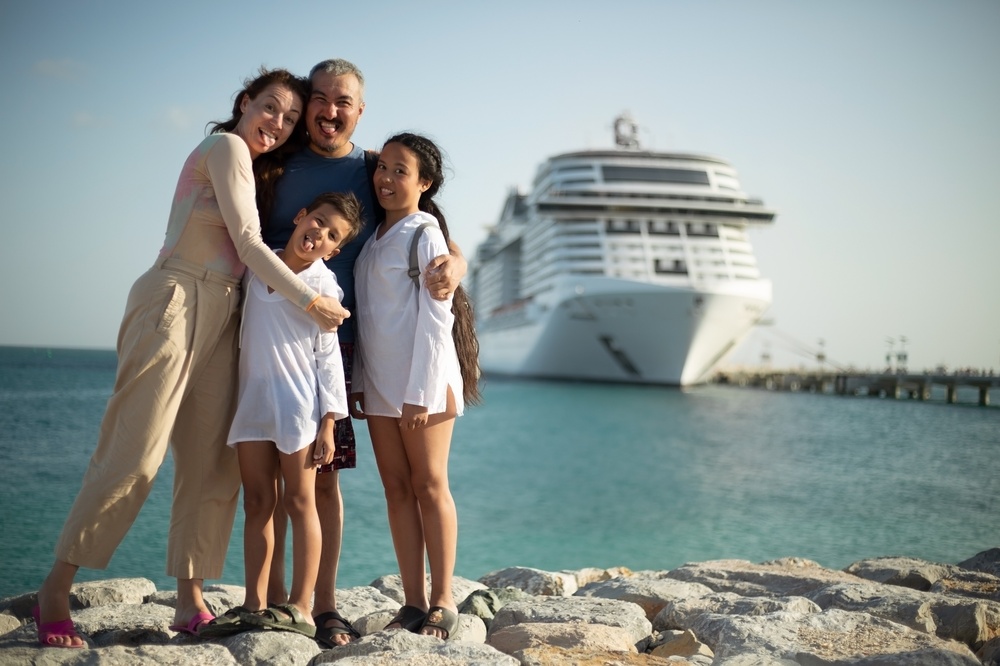
Cruises accommodate travelers of different ages simultaneously. Canadians often use them for family reunions or milestone events. Kids’ programs operate separately from adult activities. Dining options suit varied preferences and schedules. Cabin configurations can include connecting rooms. Accessibility features support older passengers. Group discounts may apply for large bookings. Planning requires coordination across family members. Shore excursions can be selected by interest level. This trend offers convenience for families traveling together.
Remote Destination Itineraries
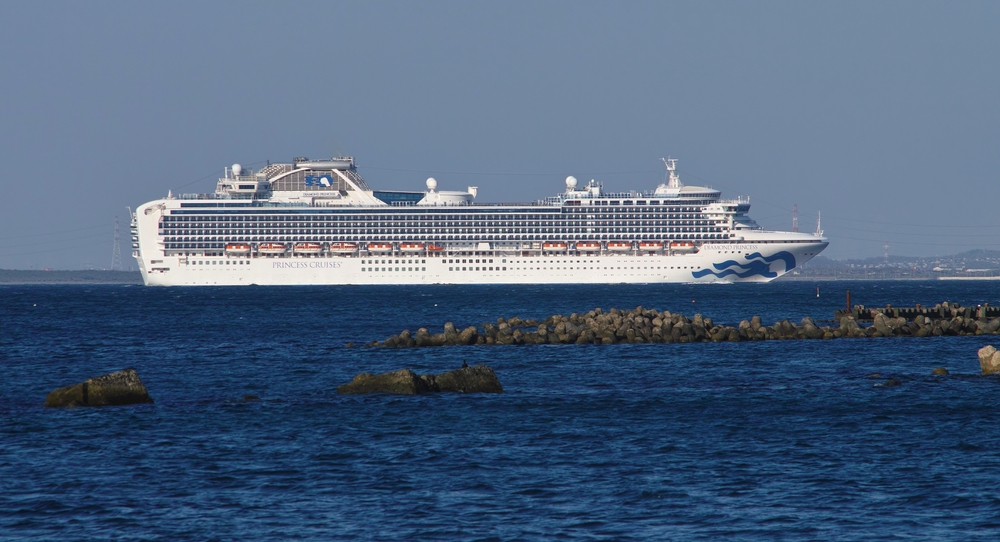
Some cruises focus on isolated regions rarely visited otherwise. Canadians curious about unique locations find these appealing. Destinations may include remote islands or polar areas. Facilities ashore can be limited in such places. Guided tours provide structure and safety. Travel times between ports may be longer. Onboard activities compensate for fewer stops. The weather can influence the accessibility of certain areas. Planning is essential due to limited departures. This trend emphasizes exclusivity and exploration.
Technology-Enhanced Smart Ships
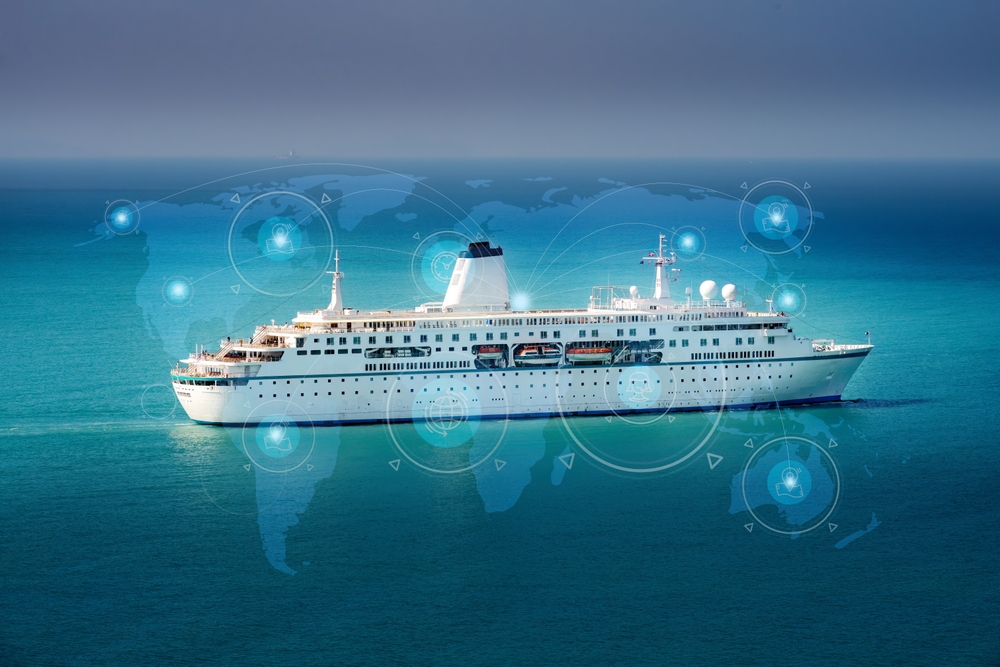
Modern ships incorporate advanced digital systems. Canadians encounter features such as wearable devices for access. Mobile apps manage reservations and onboard navigation. Automated check-in reduces boarding time. High-speed internet supports remote work at sea. Interactive displays provide real-time information. Technical issues can still occur occasionally. Training sessions help passengers use new tools. Privacy considerations accompany data collection. This trend reflects broader adoption of digital convenience in travel.
Eco-Conscious and Low-Emission Ships
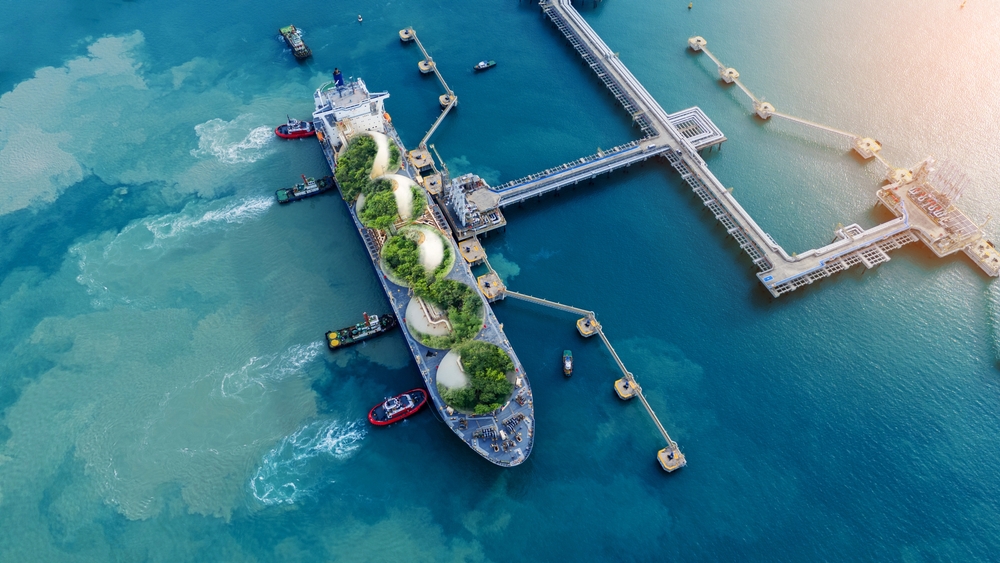
Environmental concerns are influencing cruise design choices. Some ships use cleaner fuels or energy-efficient systems. Canadians increasingly consider sustainability when booking travel. Waste reduction programs operate onboard. Itineraries may avoid sensitive ecosystems during peak periods. Certifications help identify environmentally responsible operators. Costs can be higher due to new technology. Educational programs often highlight conservation topics. Regulations continue evolving internationally. This trend reflects growing awareness of environmental impact.
Off-Season or Shoulder-Season Sailings
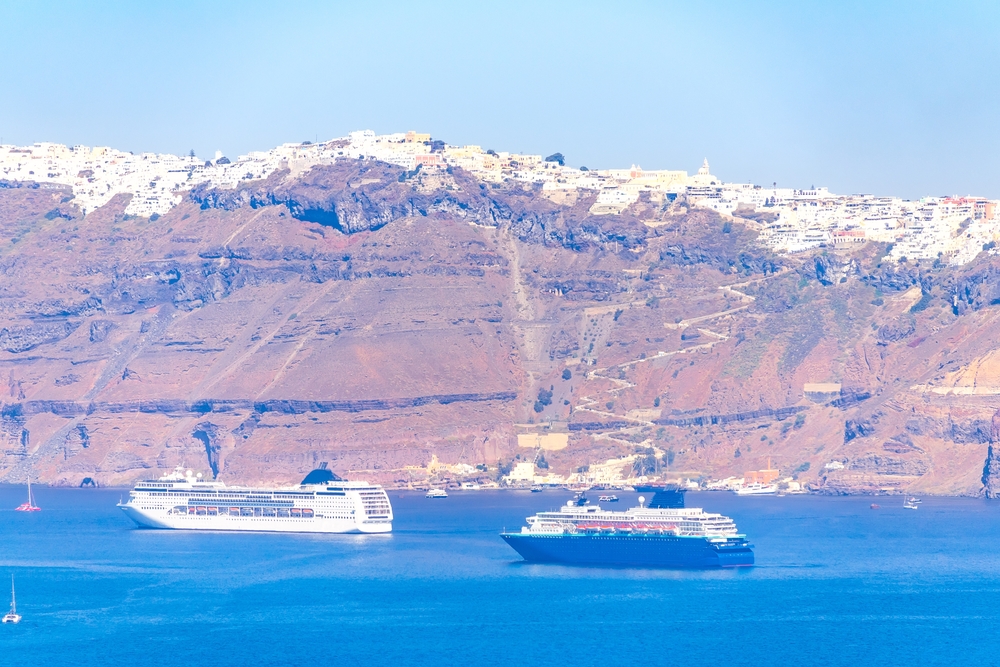
Traveling outside peak months can reduce cruise prices significantly. Canadians often choose spring or autumn departures for savings. Ships are typically less crowded during these periods. Weather conditions may be cooler or less predictable. Popular destinations remain accessible with fewer tourists. Onboard services operate normally despite lower demand. Promotional offers are more common in slower seasons. Packing requires preparation for varied conditions. Flight prices to embarkation ports may also be lower. Flexible travelers benefit most from these opportunities. This trend balances affordability with moderate comfort.
Cruise-and-Land Combination Packages
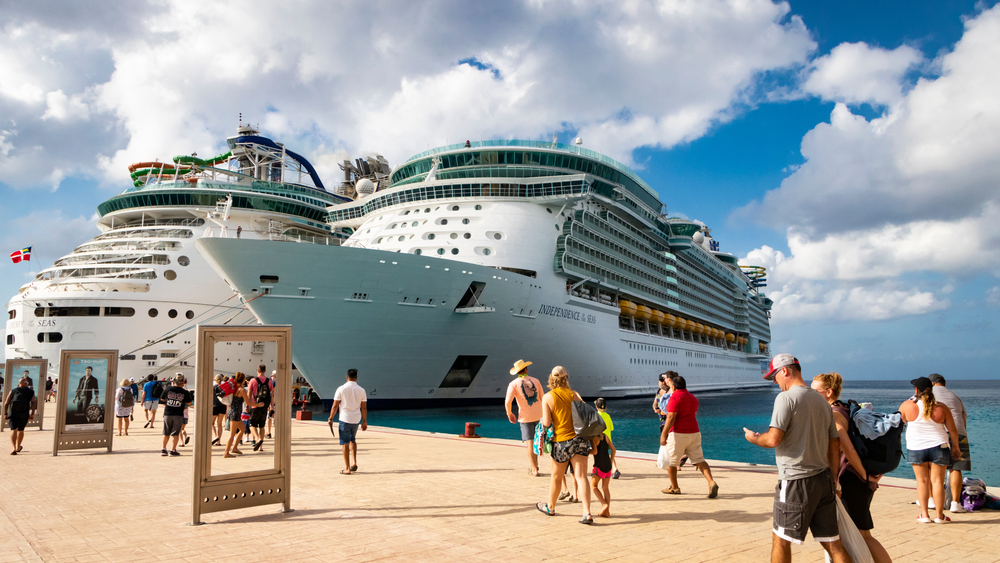
Some itineraries combine sea travel with land tours. Canadians can explore inland destinations after disembarking. Packages often include transportation and accommodations. Alaska trips feature rail journeys to interior regions. Guided tours simplify logistics for unfamiliar areas. Costs are higher than cruise-only options. Packing must account for different climates. Luggage handling is usually managed by operators. Scheduling is structured with limited free time. Booking secures coordinated travel arrangements. This trend appeals to travelers seeking comprehensive exploration beyond ports.
22 Groceries to Grab Now—Before another Price Shock Hits Canada

Food prices in Canada have been steadily climbing, and another spike could make your grocery bill feel like a mortgage payment. According to Statistics Canada, food inflation remains about 3.7% higher than last year, with essentials like bread, dairy, and fresh produce leading the surge. Some items are expected to rise even further due to transportation costs, droughts, and import tariffs. Here are 22 groceries to grab now before another price shock hits Canada.
22 Groceries to Grab Now—Before another Price Shock Hits Canada
