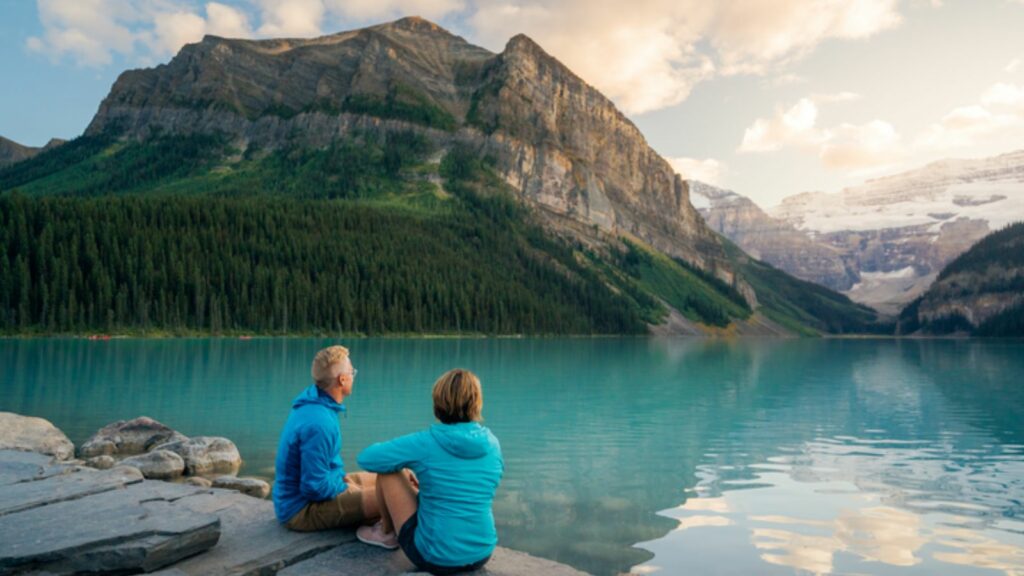
Canada is home to some of the cleanest and most untouched freshwater in the world. Many of its lakes sit in protected national parks, glacier-fed valleys, and remote wilderness areas where development is limited, and ecosystems remain stable. The clarity of these lakes comes from natural filtration, cold temperatures, and minimal pollution, which help reduce algae and sediment. Here are 19 lakes so clear you’ll swear they’re filtered.
Lake Louise, Alberta
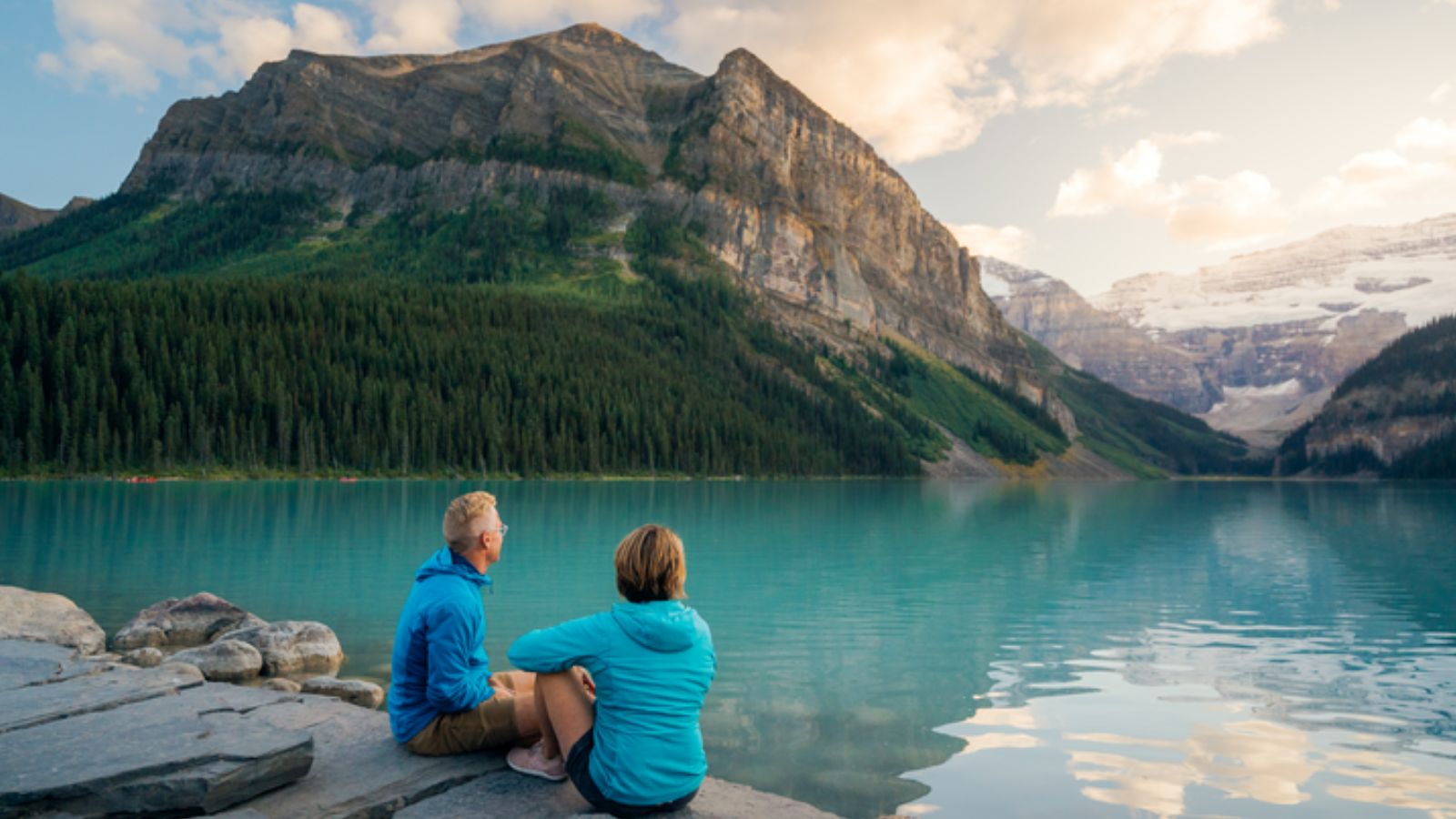
Lake Louise is one of the most recognized alpine lakes in Canada, located in Banff National Park. Its clear turquoise water comes from glacial rock flour suspended in meltwater. The lake is accessible year-round, offering hiking, canoe rentals, skating in winter, and scenic viewpoints. Summer conditions provide the clearest visibility, while winter is popular for cold-weather activities. Nearby facilities include the Fairmont Château Lake Louise, parking areas, and maintained trails. The lake remains protected as part of a national park system, and visitors are encouraged to follow conservation rules to help maintain its clarity and environmental stability.
Moraine Lake, Alberta
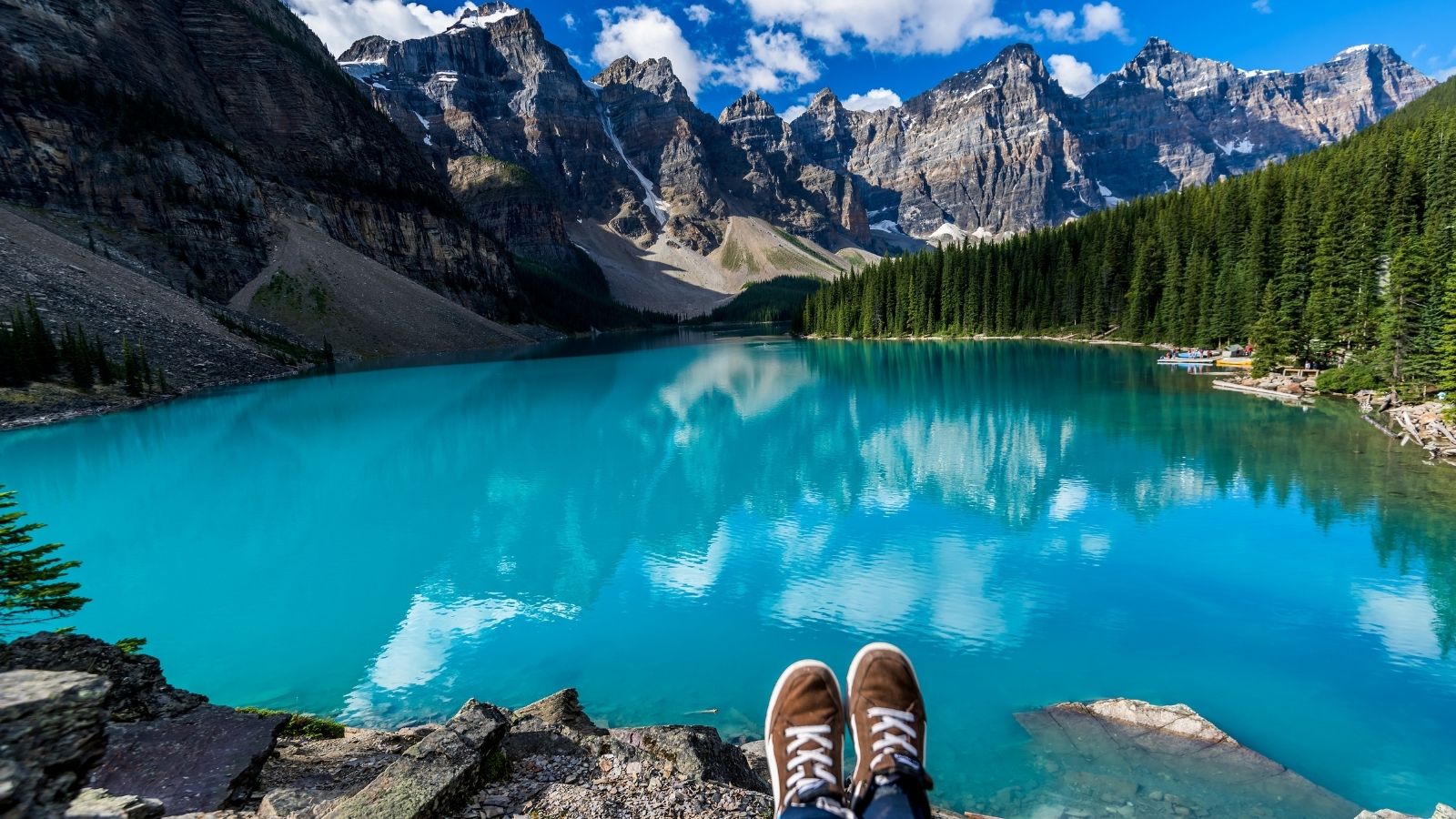
Moraine Lake is located in the Valley of the Ten Peaks and is known for its clear, bright blue water influenced by glacial runoff. Private vehicle access is limited during peak season, and most visitors use shuttle services or approved tour operators. The Rockpile Trail offers elevated views, making it one of the most photographed landscapes in Canada. Canoeing is available during the summer months when the water level and clarity are at their highest. The surrounding protected area supports wildlife and alpine vegetation, and visitors are expected to remain on designated trails to preserve the fragile ecosystem.
Peyto Lake, Alberta
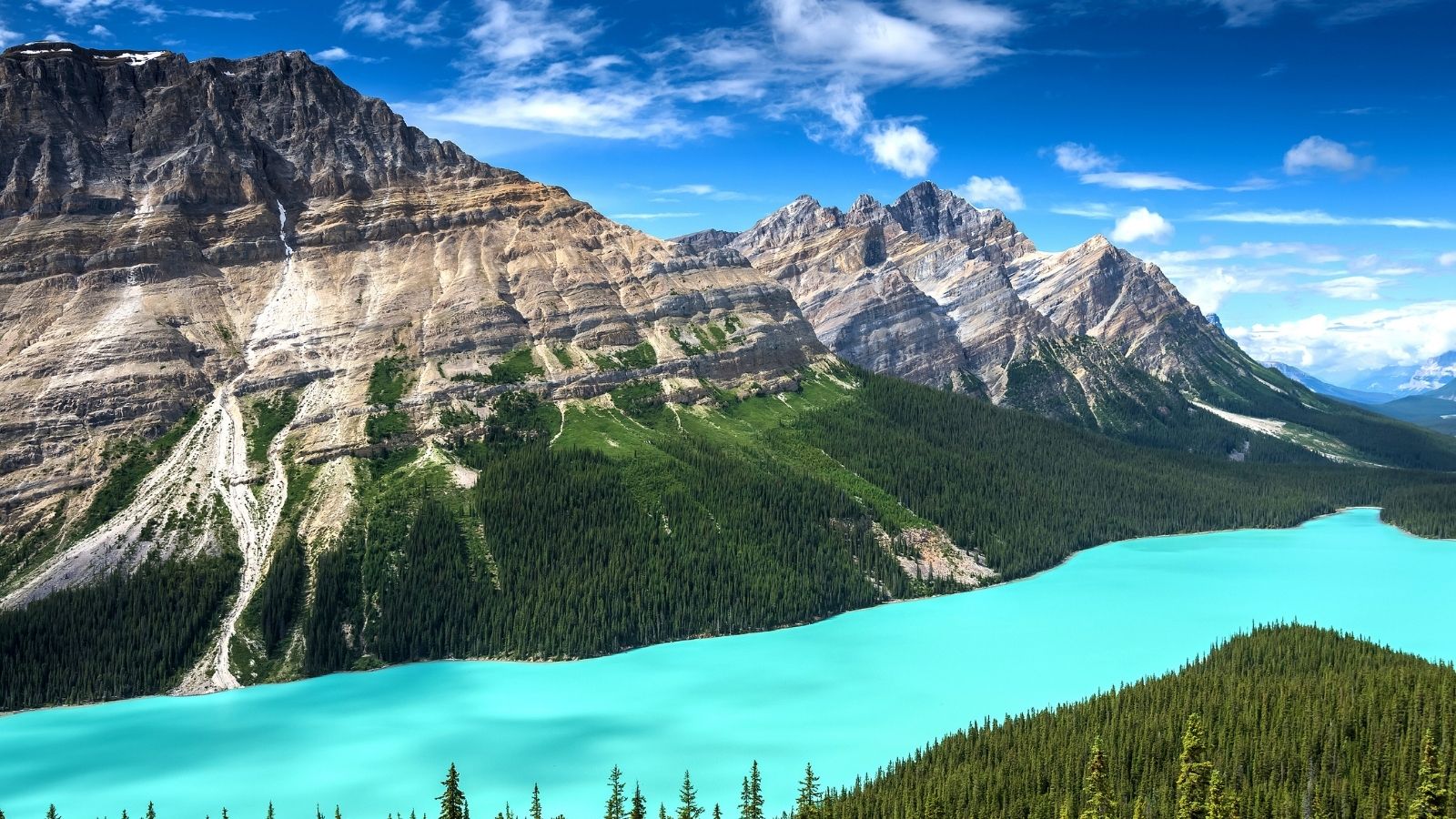
Peyto Lake sits along the Icefields Parkway and is fed directly by Peyto Glacier, giving it vibrant blue water and high clarity. A recently updated viewing platform allows accessible top-level observation without disturbing the surrounding terrain. The lake is clearest in late spring and summer when glacial melt increases suspended minerals. The area contains alpine forests, wildlife habitats, and high-elevation viewpoints. Hiking trails provide additional access, though visitors should follow marked paths to prevent erosion. Peyto Lake remains a popular stop for travelers due to its visibility from the parkway, accessible lookouts, and striking natural landscape preserved within Banff National Park.
Emerald Lake, British Columbia
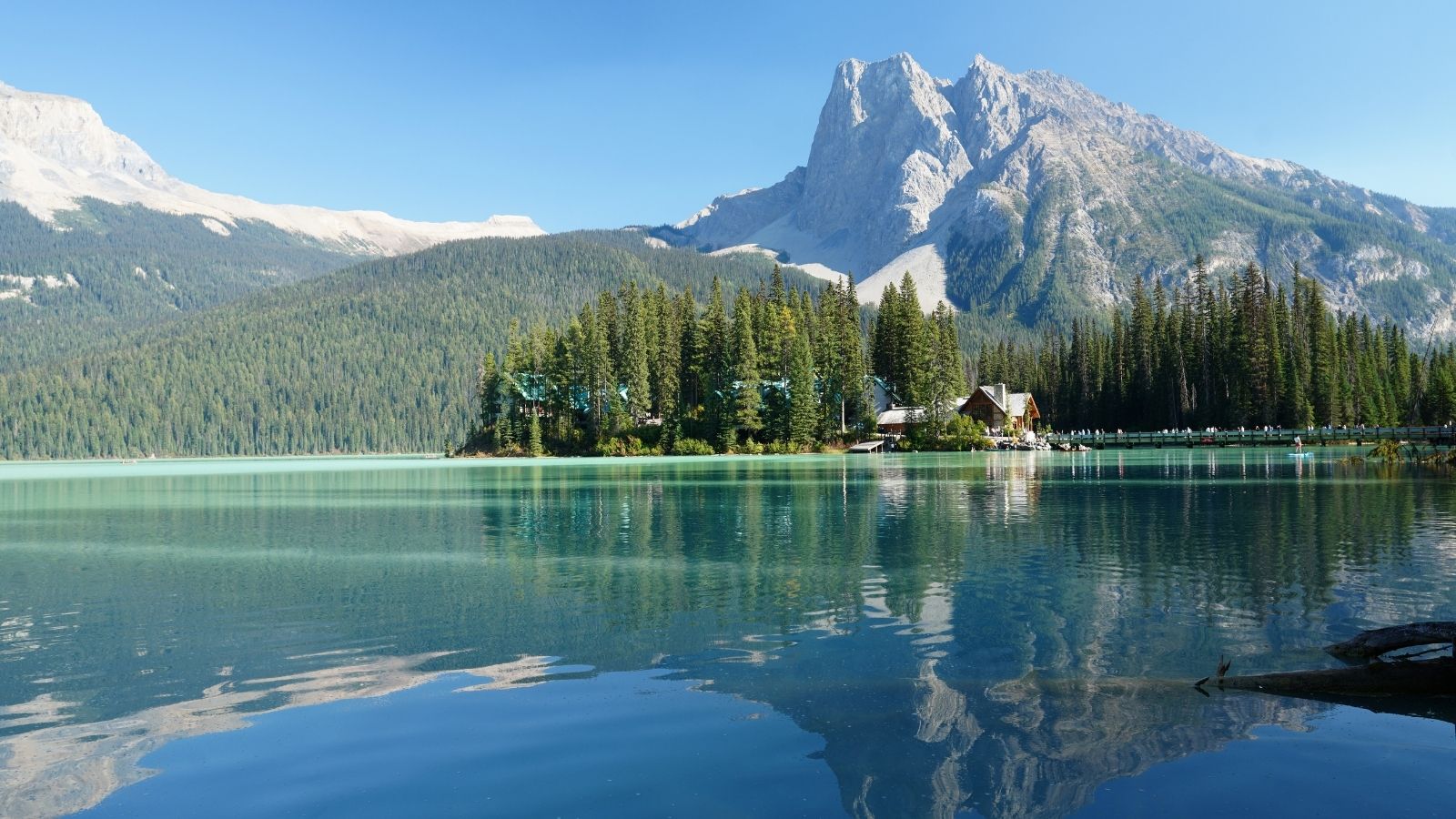
Emerald Lake is located in Yoho National Park and is known for its clear water with a natural green tint caused by mineral content. It is accessible by paved road and offers canoe rentals, trail loops, and year-round visiting options. The Emerald Lake Loop provides shoreline access with consistent water visibility. Seasonal snowmelt from surrounding mountains influences clarity levels throughout the year. Emerald Lake Lodge provides nearby accommodations, making it suitable for longer stays. Winter activities include snowshoeing and cross-country skiing. Conservation rules apply to protect water quality and shoreline vegetation. The lake remains a consistent attraction due to accessibility and scenic clarity.
Garibaldi Lake, British Columbia
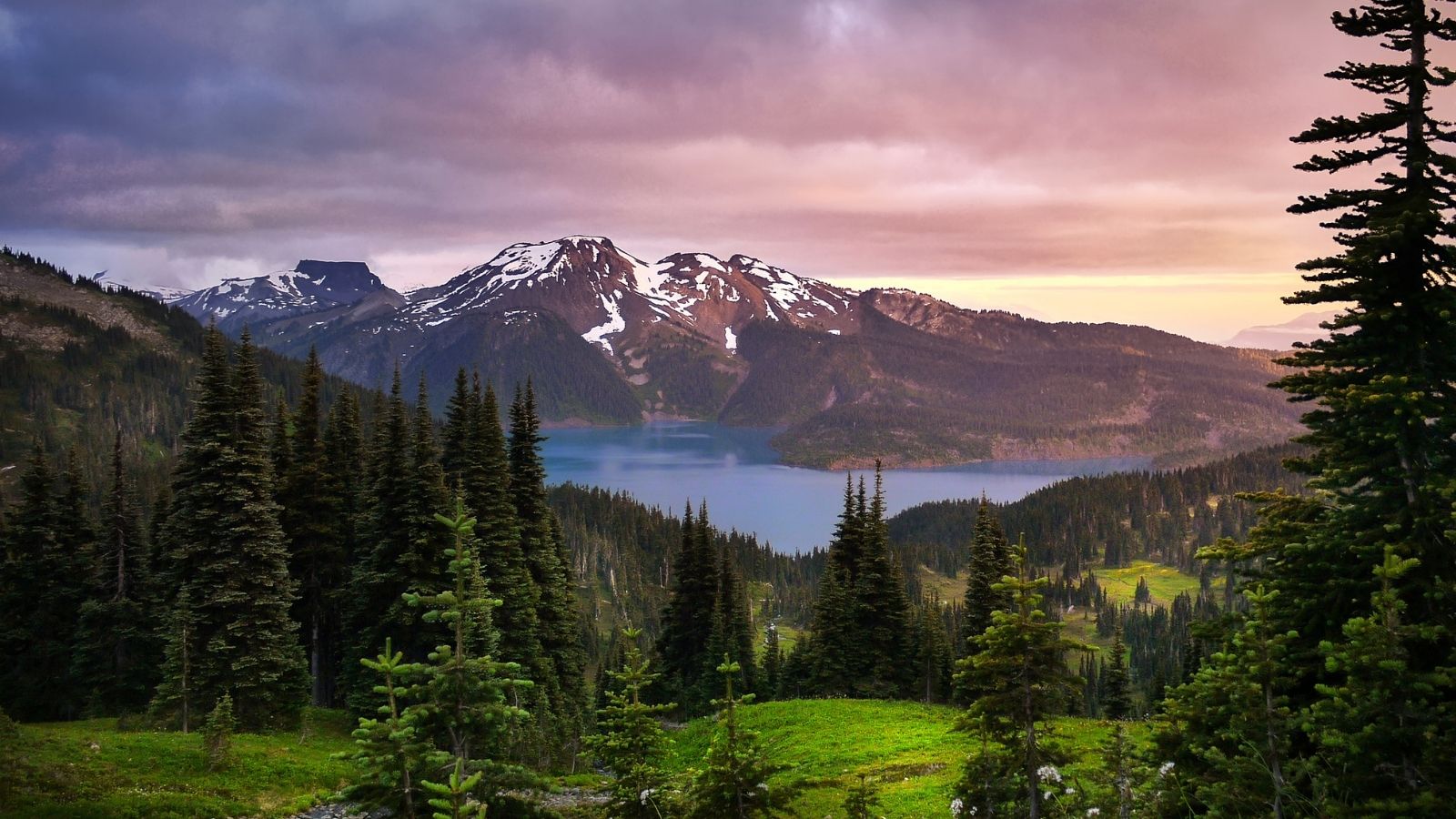
Garibaldi Lake is located inside Garibaldi Provincial Park near Whistler and requires a 9-kilometer hike to reach. The clear blue water results from glacial runoff and a natural volcanic basin that filters sediment. Visitors can camp by reservation, paddle, or hike additional trails in the surrounding alpine backcountry. Summer and early fall offer the best conditions for accessibility, as snow can remain on higher trails into late spring. Leave No Trace practices are strictly enforced to protect the fragile environment. Wildlife, alpine meadows, and volcanic formations contribute to the ecosystem supporting the lake’s clarity and long-term environmental stability.
Maligne Lake, Alberta
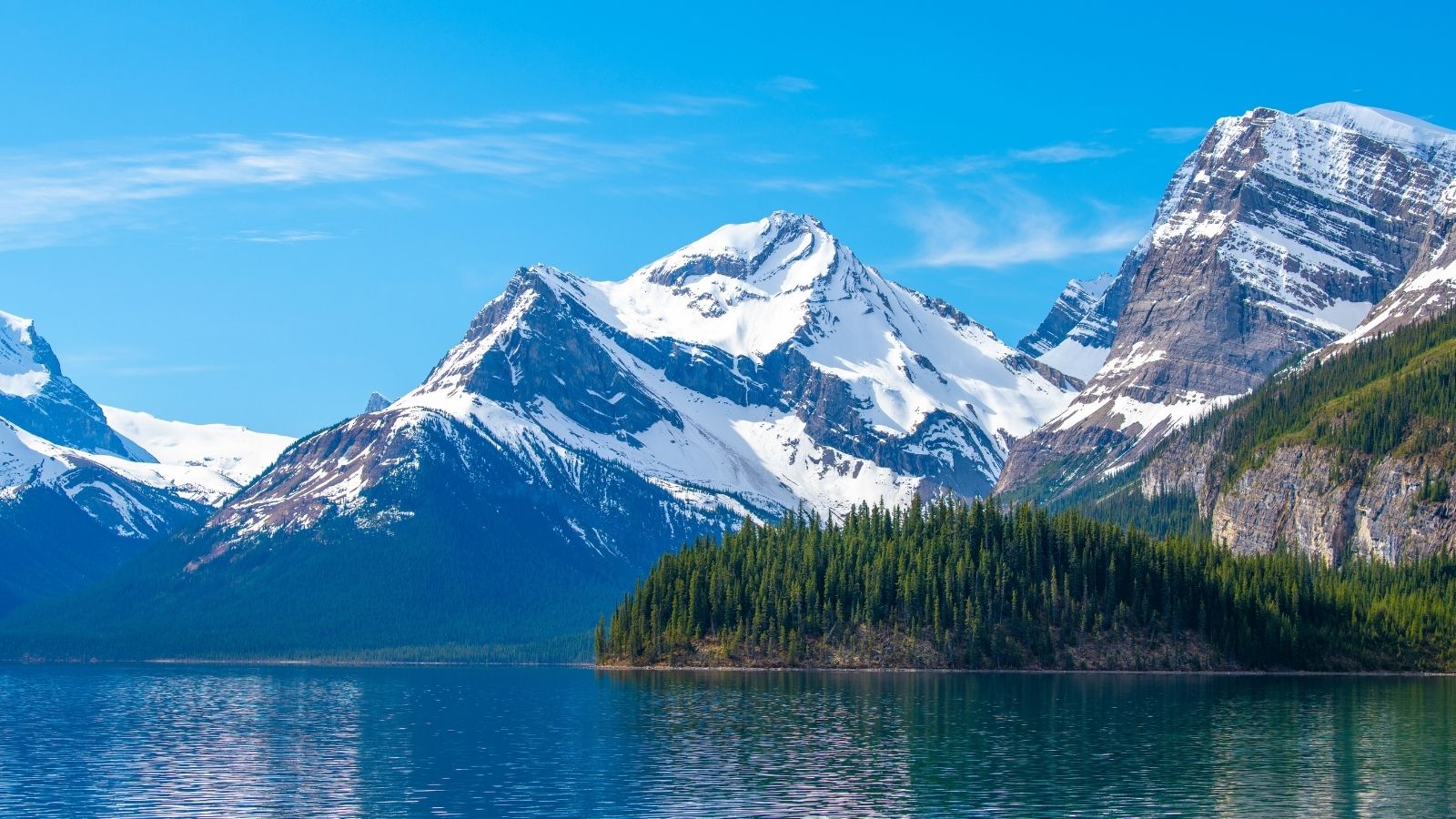
Maligne Lake is located in Jasper National Park and is known for its long shape, clear glacial water, and surrounding mountain scenery. Commercial boat tours operate seasonally, providing access to Spirit Island. Canoeing, kayaking, and multi-day paddle trips are permitted with reservations and national park compliance. Hiking trails and shoreline paths provide land-based access, and wildlife such as elk and bears inhabit the area. The clearest visibility occurs from late spring to early fall. Winter access is limited due to conditions. Maligne Lake remains one of Jasper’s most visited natural attractions.
Lake Minnewanka, Alberta
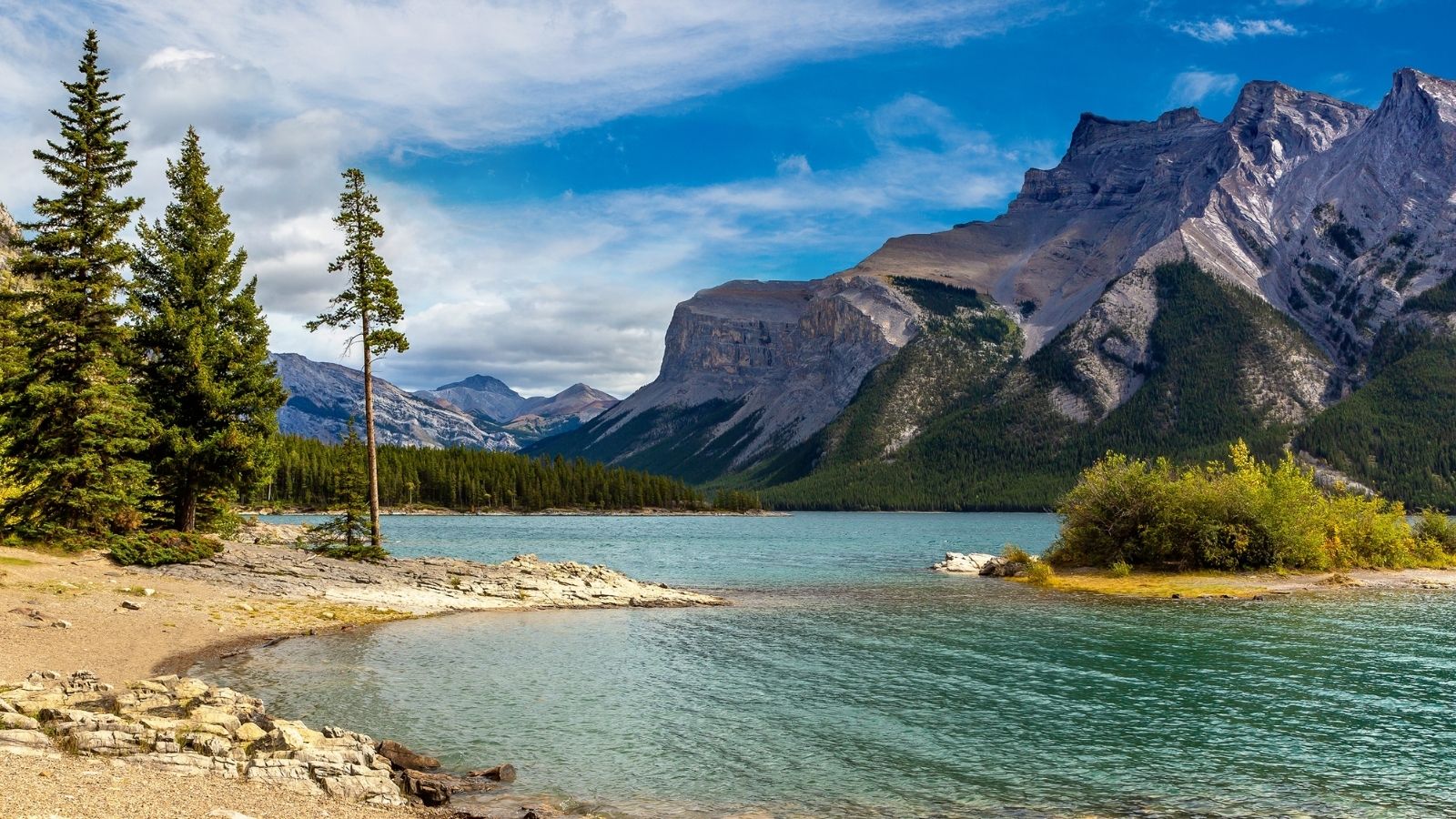
Lake Minnewanka is located just outside the town of Banff and is known for its clear, deep water and surrounding mountain views. The lake is accessible year-round and supports activities such as boating, scuba diving, and hiking. It is one of the few lakes in Banff National Park where motorized boats are permitted, making it popular for fishing and sightseeing cruises. The clarity is influenced by glacial runoff and its large depth. In winter, parts of the lake freeze and attract visitors for photography and ice exploration. Conservation rules apply to protect wildlife and maintain environmental quality.
Abraham Lake, Alberta
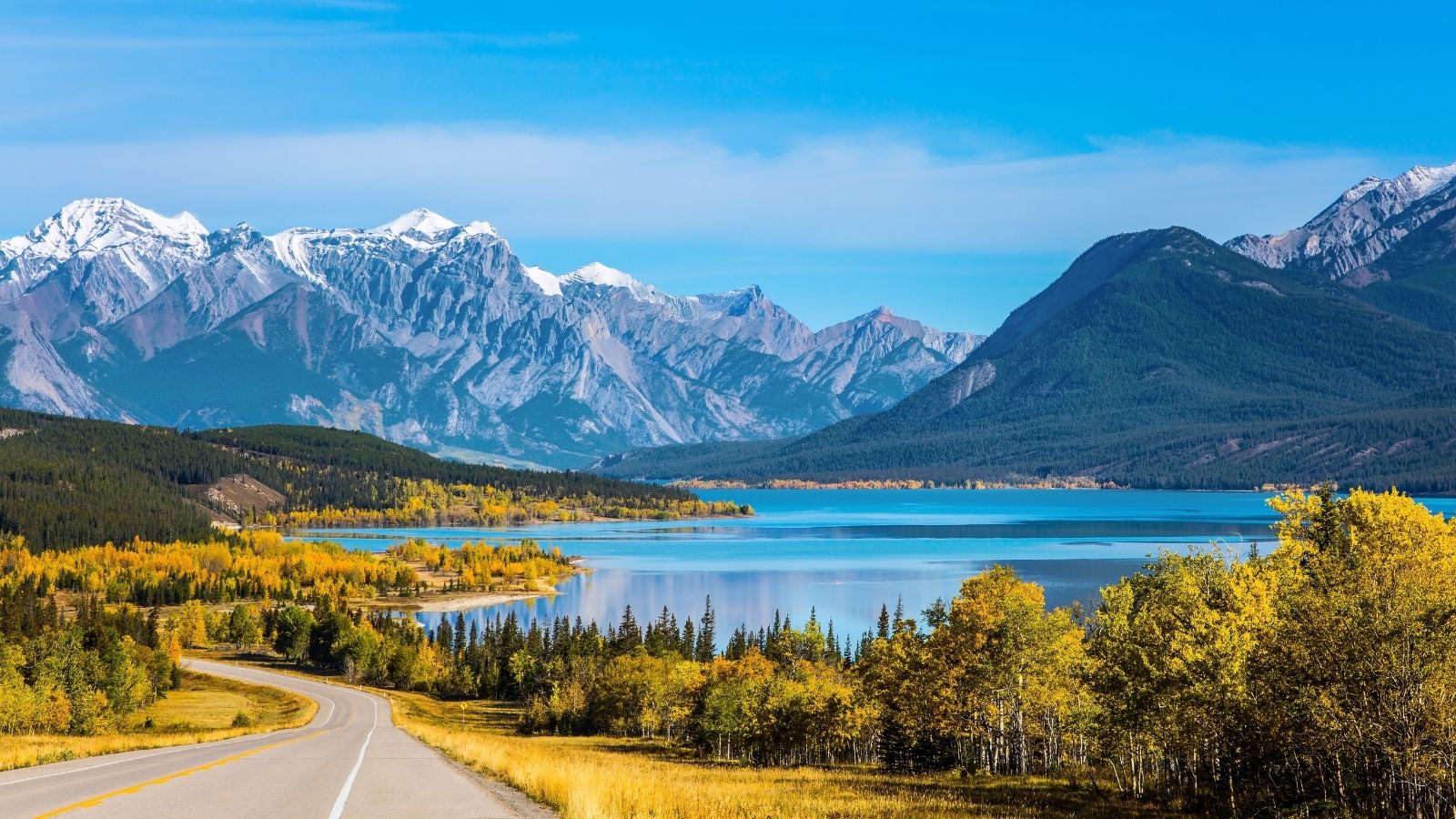
Abraham Lake is a man-made reservoir along the North Saskatchewan River and is famous for its crystal-clear winter ice that traps methane bubbles. The lake is accessible by road and commonly visited in the colder months when the ice is stable enough for outdoor exploration. Summer conditions offer bright turquoise water similar to natural glacier-fed lakes. Weather conditions can change quickly, so visitors often prepare for strong winds and cold temperatures. Safety precautions are essential when walking on the ice. Despite being artificial, the lake remains a major winter photography destination due to its clarity and frozen features.
Berg Lake, British Columbia
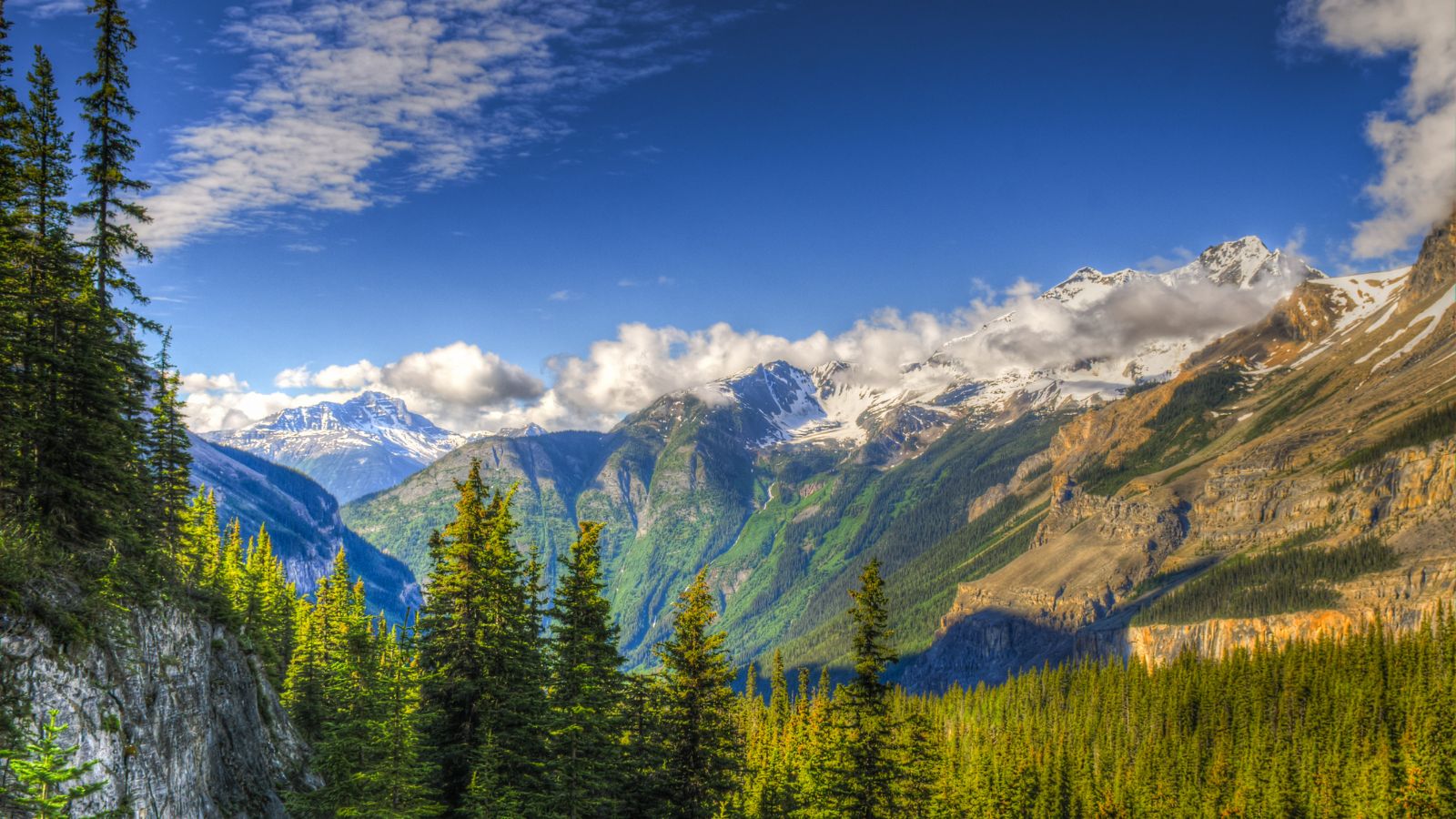
Berg Lake sits near the base of Mount Robson and is known for its bright blue clarity caused by suspended glacial minerals. Access requires a multi-day hike and reservations due to strict visitor limits. The lake remains extremely clear, especially during late summer when water levels stabilize. The surrounding landscape includes waterfalls, alpine tundra, and glacier viewpoints. Wilderness camping rules apply, and Leave No Trace guidelines are enforced to protect the ecosystem. The remote location contributes to its preserved clarity, making it a sought-after destination for experienced hikers and backcountry travelers seeking pristine scenery.
Cheakamus Lake, British Columbia
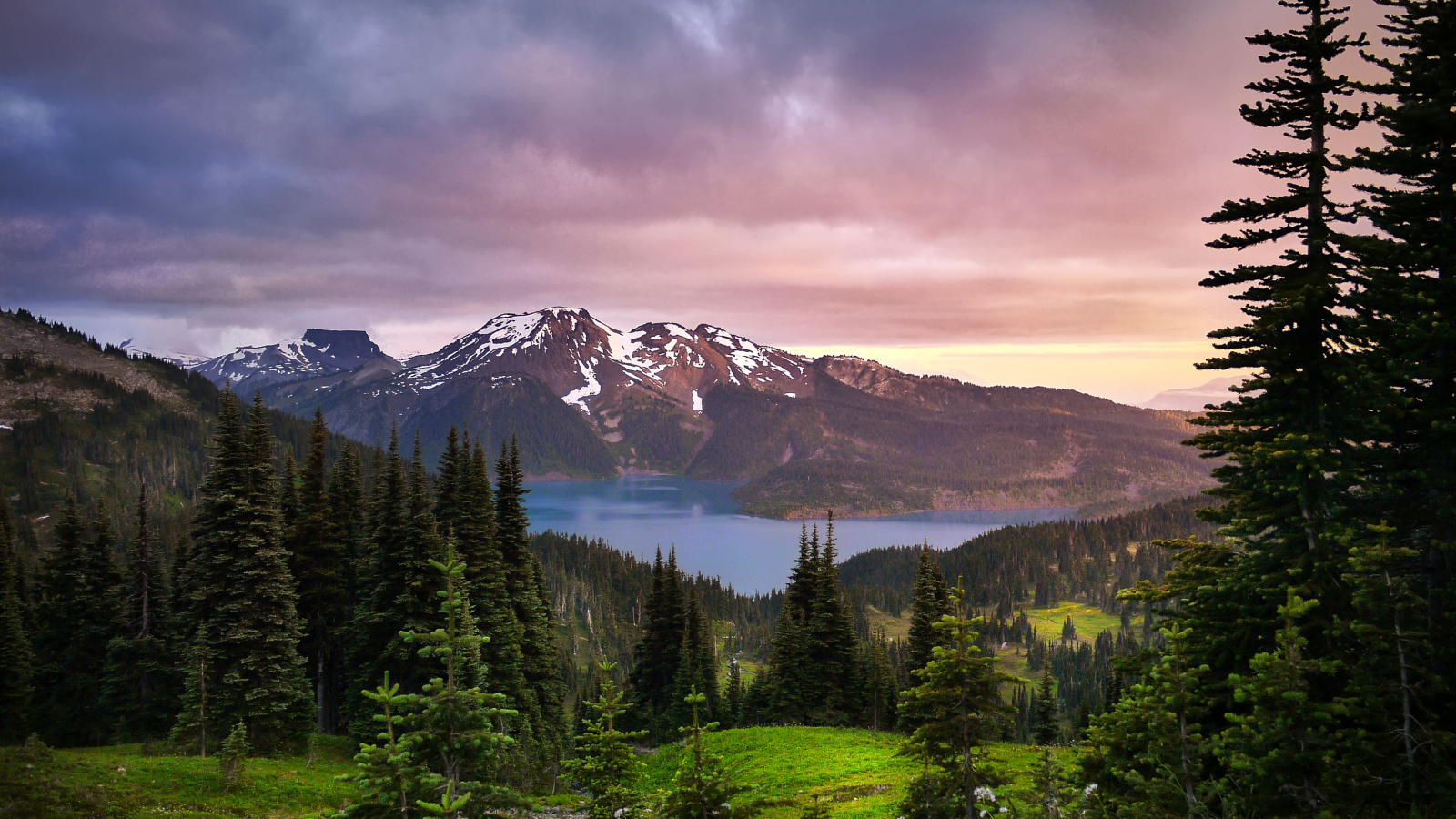
Cheakamus Lake is located in Garibaldi Provincial Park and requires a moderate hike to reach. Its clear turquoise water comes from glacial melt filtered through forested terrain. Canoeing and kayaking are allowed, and designated camping areas require advance booking. Summer and early fall offer optimal trail access and the best water visibility. Wildlife and old-growth forest surround the lake, and visitors must stay on marked trails to prevent erosion. The lake remains popular with hikers due to its accessibility compared to other alpine lakes in the region and its consistently bright water clarity throughout the warmer seasons.
Maligne Canyon Pools, Alberta
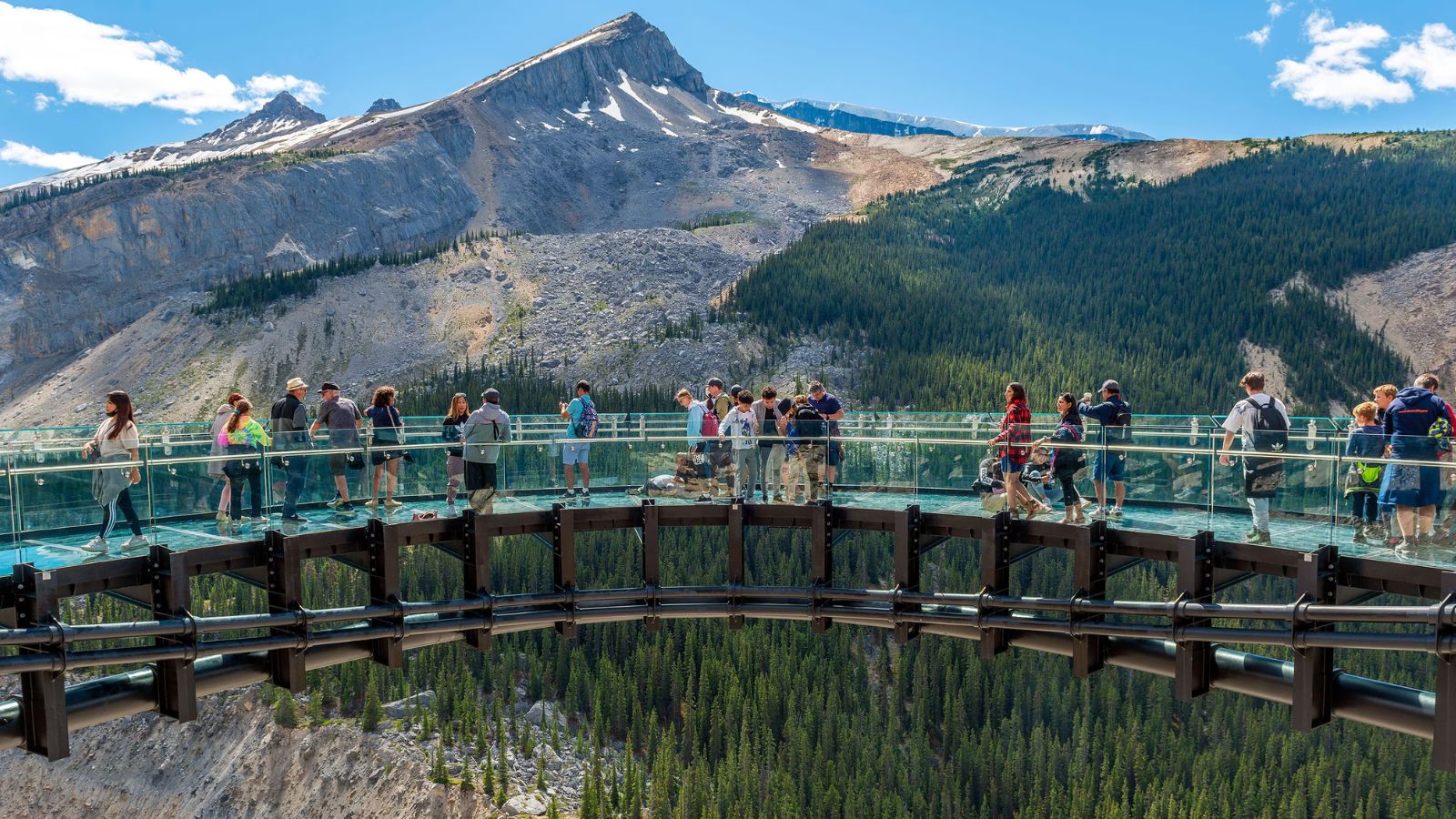
The pools within Maligne Canyon are fed by the Maligne River and remain exceptionally clear due to filtration through underground limestone formations. Accessibility is provided through maintained walking paths and bridges. Visitors observe the pools from viewpoints rather than entering the water to protect the environment and ensure safety. The clarity remains most visible in summer and early fall. Winter brings ice formations, making the canyon a guided ice-walk attraction. The area remains protected under Jasper National Park regulations. The pools attract visitors due to their deep visibility, contrasting rock walls, and ongoing natural erosion patterns.
Bow Lake, Alberta
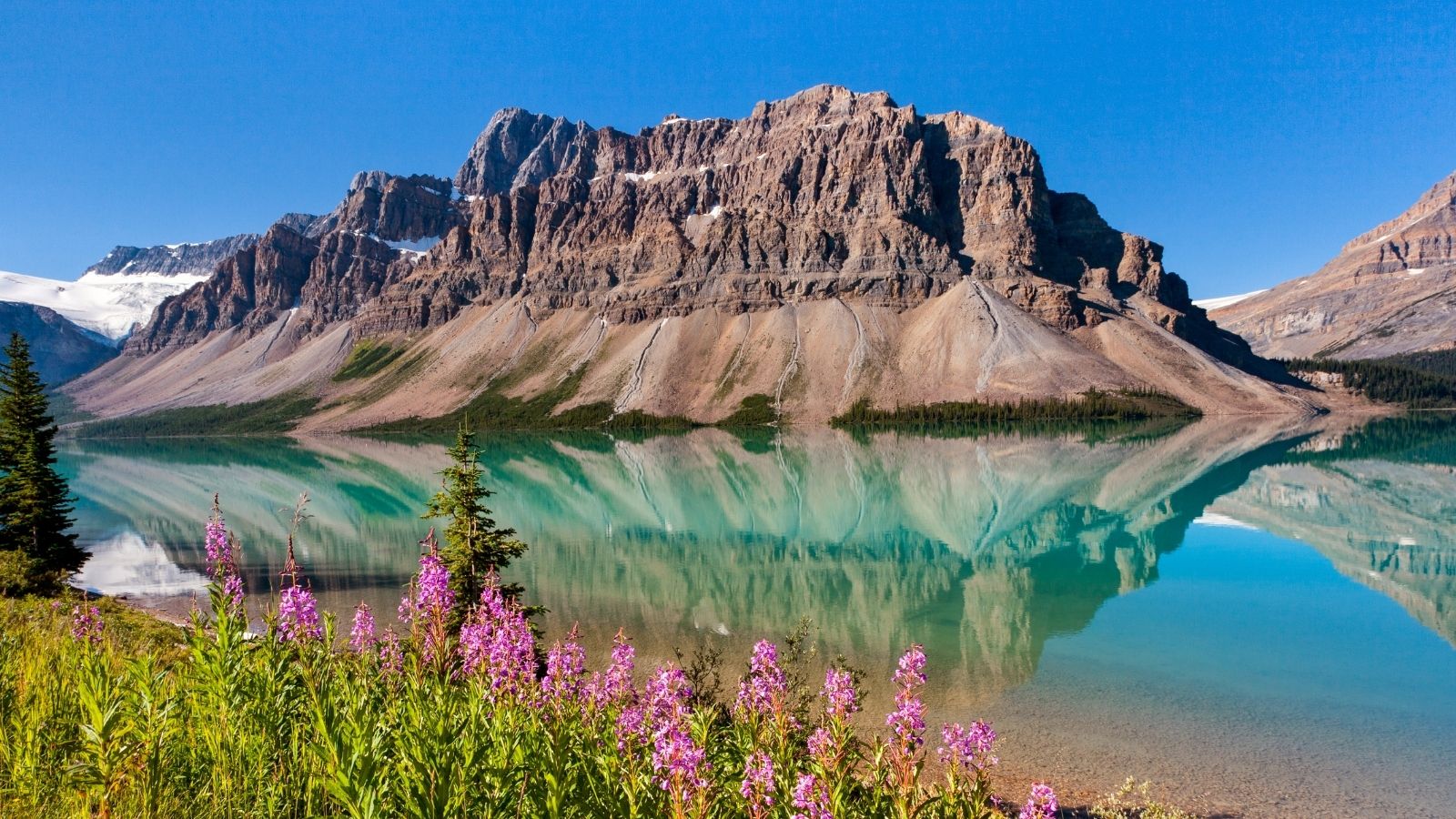
Bow Lake sits along the Icefields Parkway and is fed by Bow Glacier. It offers clear turquoise water and shoreline access suitable for photography, hiking, and paddling. The lake is close to the highway, making it easy to visit compared to other alpine lakes in the region. Water clarity peaks in summer when glacial melt increases mineral suspension. The nearby Num-Ti-Jah Lodge serves as a historical landmark and rest point. Winter conditions limit activities, though the area remains accessible for viewpoints. Bow Lake is valued for its visibility, year-round access, and protected location within Banff National Park.
Okanagan Lake, British Columbia
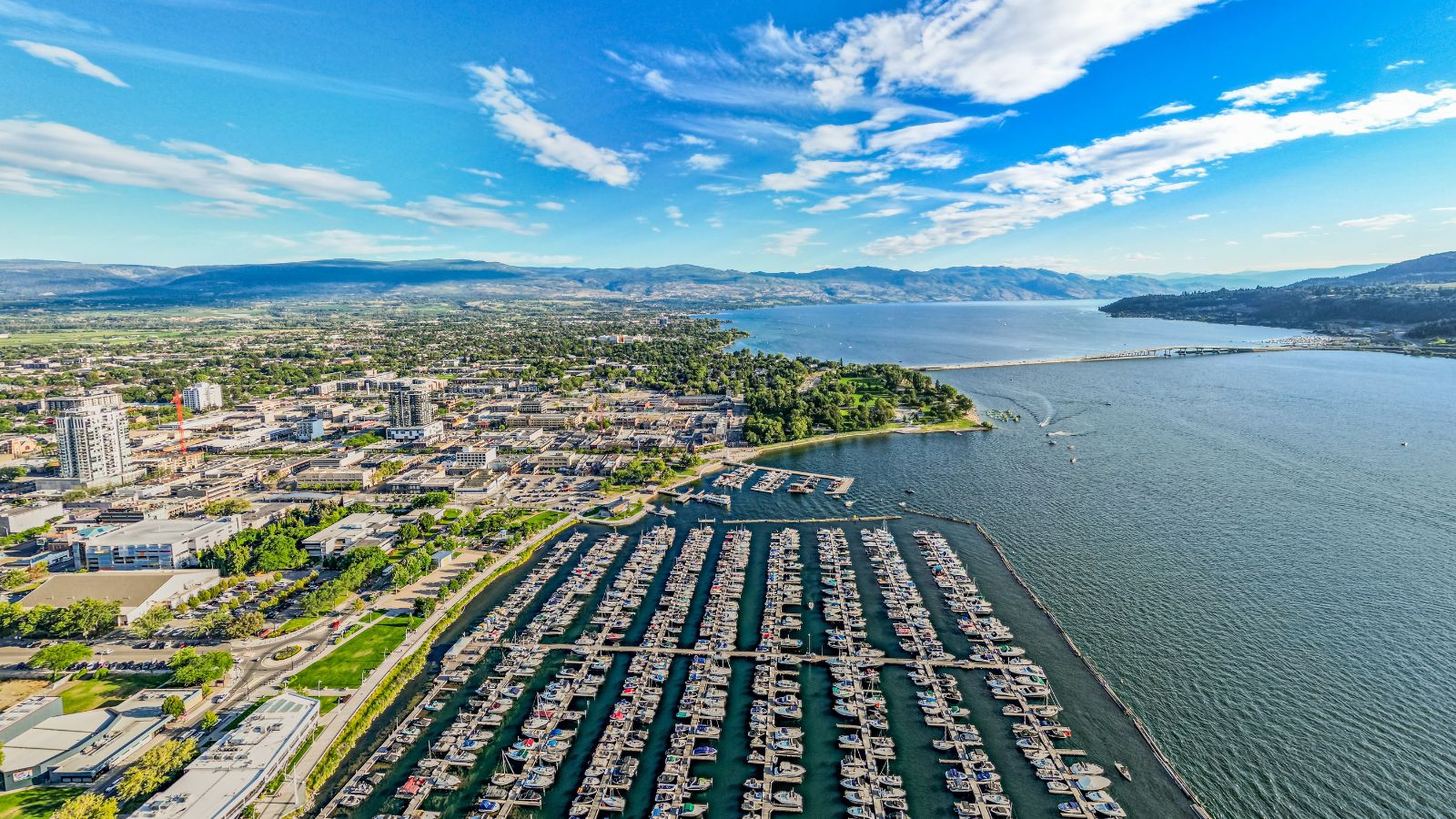
Okanagan Lake stretches through the Okanagan Valley and is known for its clear, deep water. The lake supports boating, swimming, paddleboarding, and shoreline recreation. Water clarity varies seasonally but often remains high due to depth and low sediment movement. The region is a major tourism and agriculture hub, and towns such as Kelowna and Penticton border the shoreline. Safety regulations apply to boating and motorized watercraft. The lake remains popular due to its recreation options, warm summer climate, and consistent water visibility. Conservation efforts focus on shoreline protection, water monitoring, and sustainable tourism practices.
Johnson Lake, Alberta
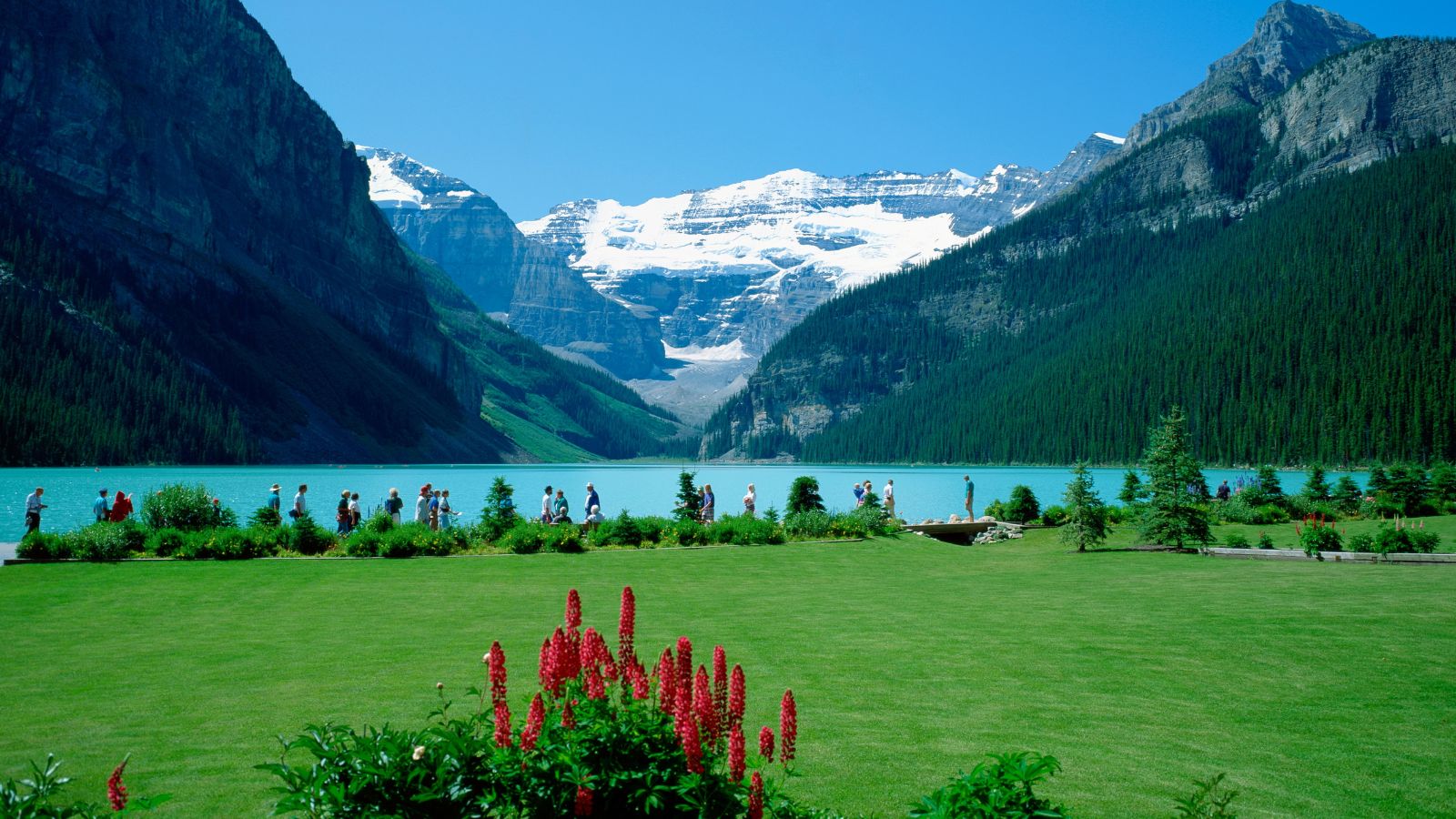
Johnson Lake is located in Banff National Park and is known for its calm, exceptionally clear water. It is shallower than many glacial lakes in the region, which contributes to warmer temperatures in summer and better visibility. The lake is popular for swimming, paddleboarding, and shoreline walking trails. Wildlife viewing and photography are common due to its scenic surroundings. Access is straightforward by road, and designated picnic areas are available. Water clarity is best during late spring and early fall when runoff is lower. Conservation rules apply to protect the natural habitat and maintain water quality.
Lake Superior (Ontario Section)
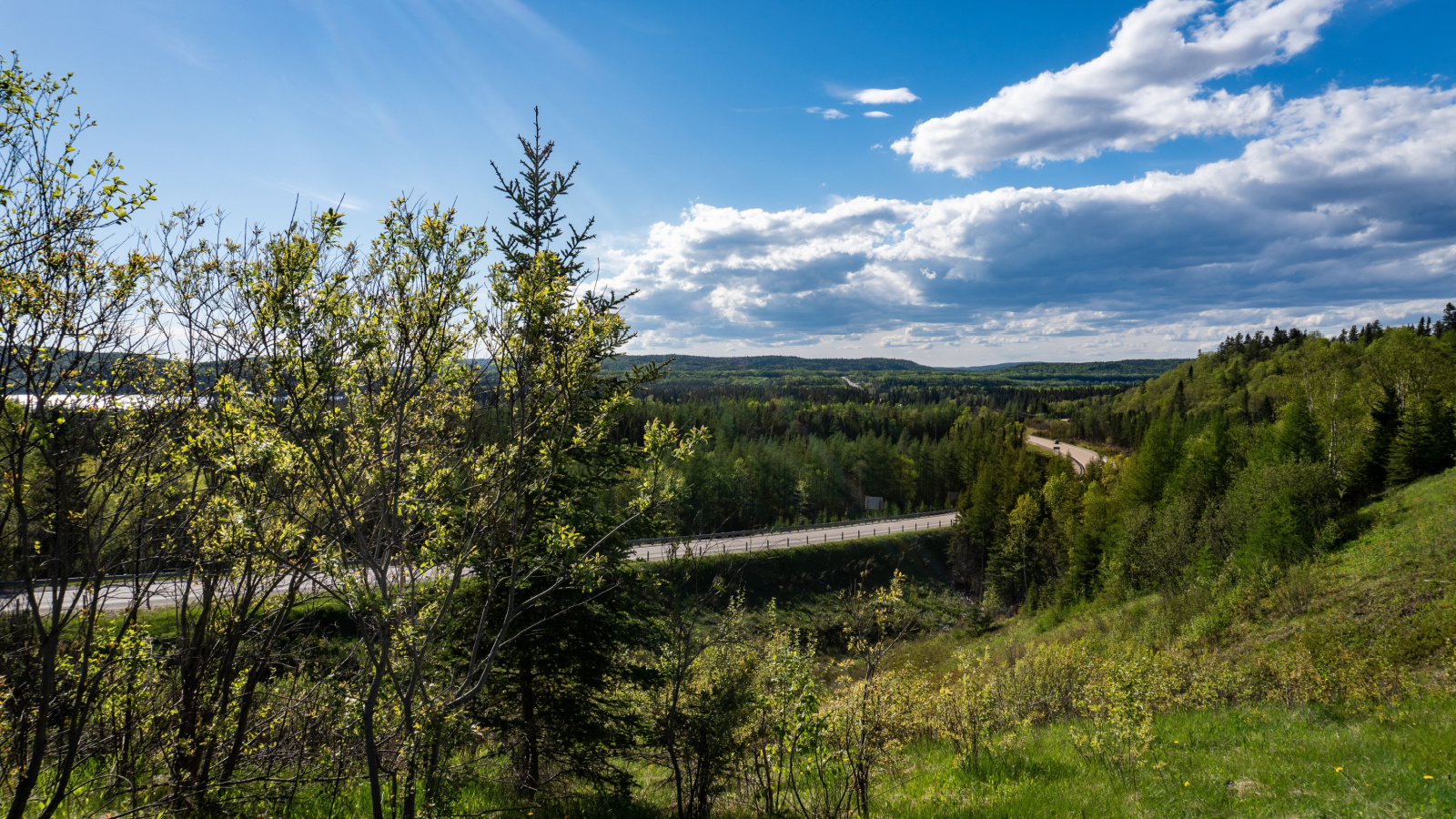
Lake Superior is one of the clearest freshwater lakes in Canada, especially along the northern Ontario shoreline, where development is limited. The depth and cold temperature reduce algae growth, maintaining high visibility year-round. Provincial parks such as Lake Superior Provincial Park and Pukaskwa National Park offer access to beaches, viewpoints, and hiking trails. Swimming conditions are cold but manageable in late summer. The lake is known for rugged shoreline scenery, clear blue water, and protected areas that preserve environmental quality. Water clarity may vary near river outlets or after storms, but overall transparency remains a defining feature.
Two Jack Lake, Alberta
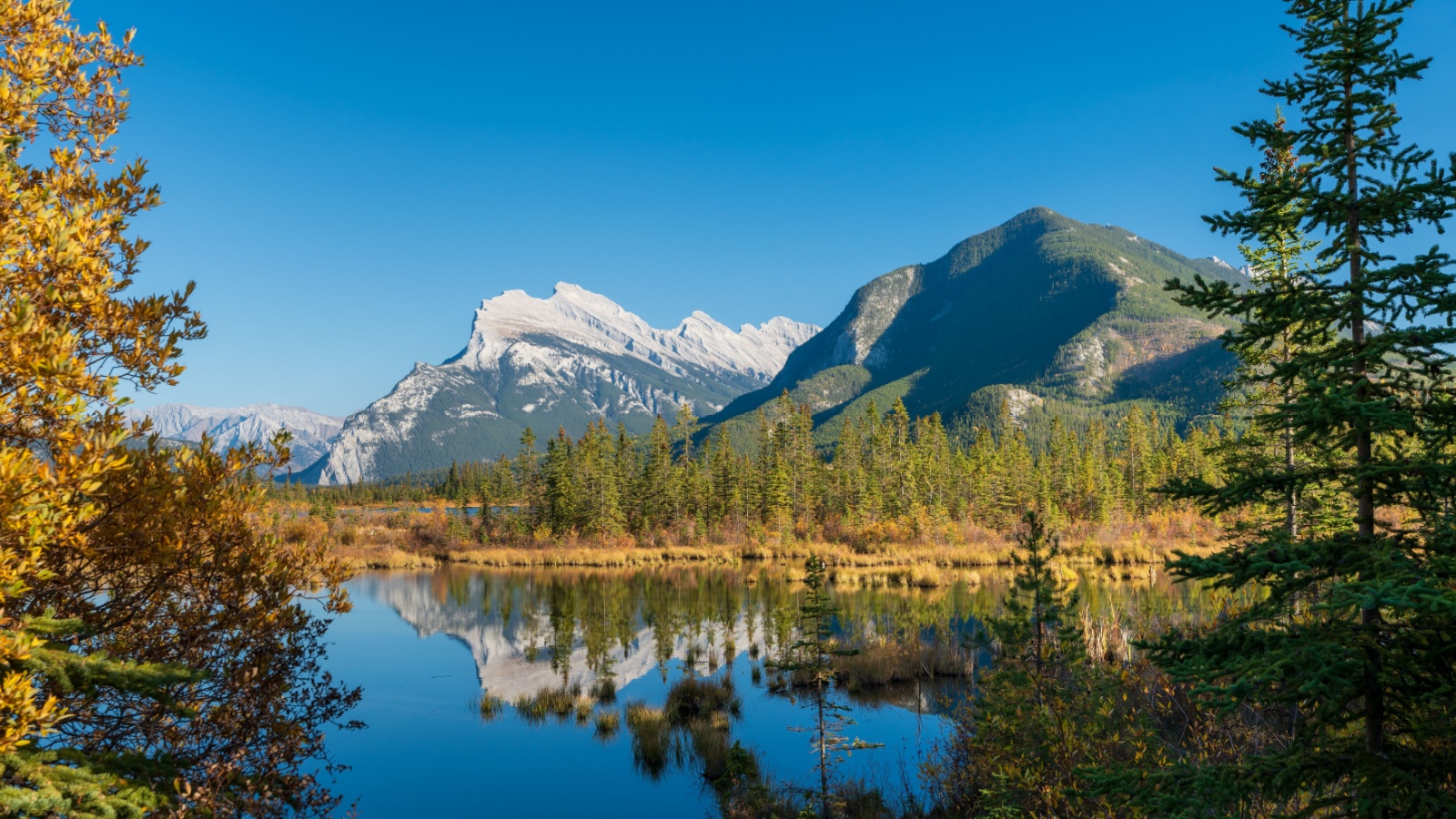
Two Jack Lake sits near Banff and is known for its clear, reflective water and mountain views. It supports activities such as paddleboarding, kayaking, and non-motorized boating. The lake is shallow in some sections, contributing to excellent visibility. Designated campsites along the shoreline allow overnight stays with booking requirements. The best time for viewing water clarity is summer, when surface conditions are calm. Visitors must follow park rules to protect shoreline vegetation and wildlife. The lake remains a popular photography location due to its accessible setting and consistently clean water.
Kootenay Lake, British Columbia
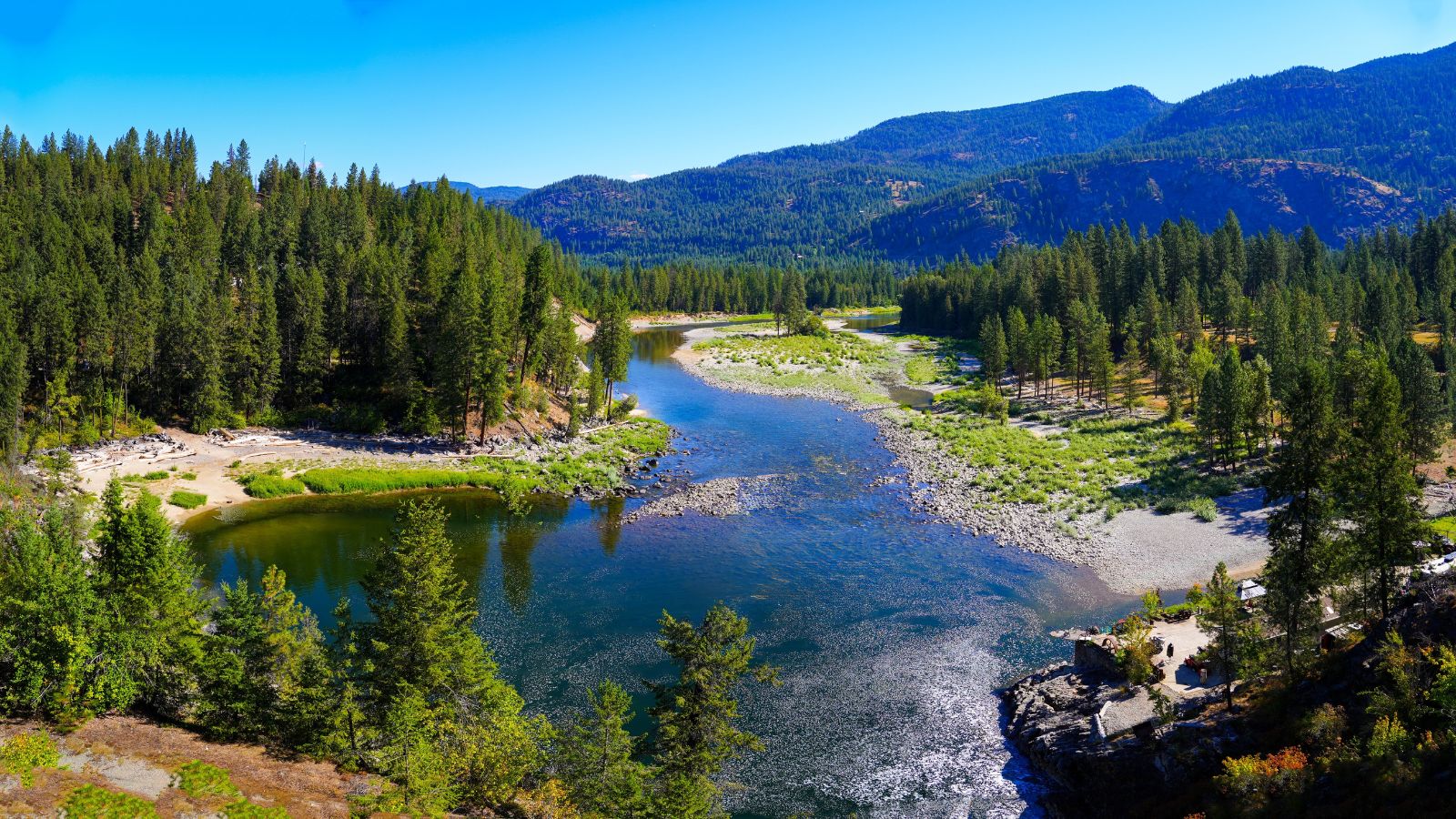
Kootenay Lake stretches through the Selkirk Mountains and is known for deep, clear water. The lake supports boating, fishing, swimming, and ferry crossings between nearby communities. Clarity remains high year-round due to minimal industrial development and strong water flow. Surrounding provincial parks and small towns provide public access points and beaches. Summer offers the best visibility and recreational conditions. Conservation efforts focus on invasive species prevention and sustainable tourism. Kootenay Lake is valued for its scenic mountain backdrop, calm water, and reliable clarity across most seasons.
Waterton Lakes, Alberta
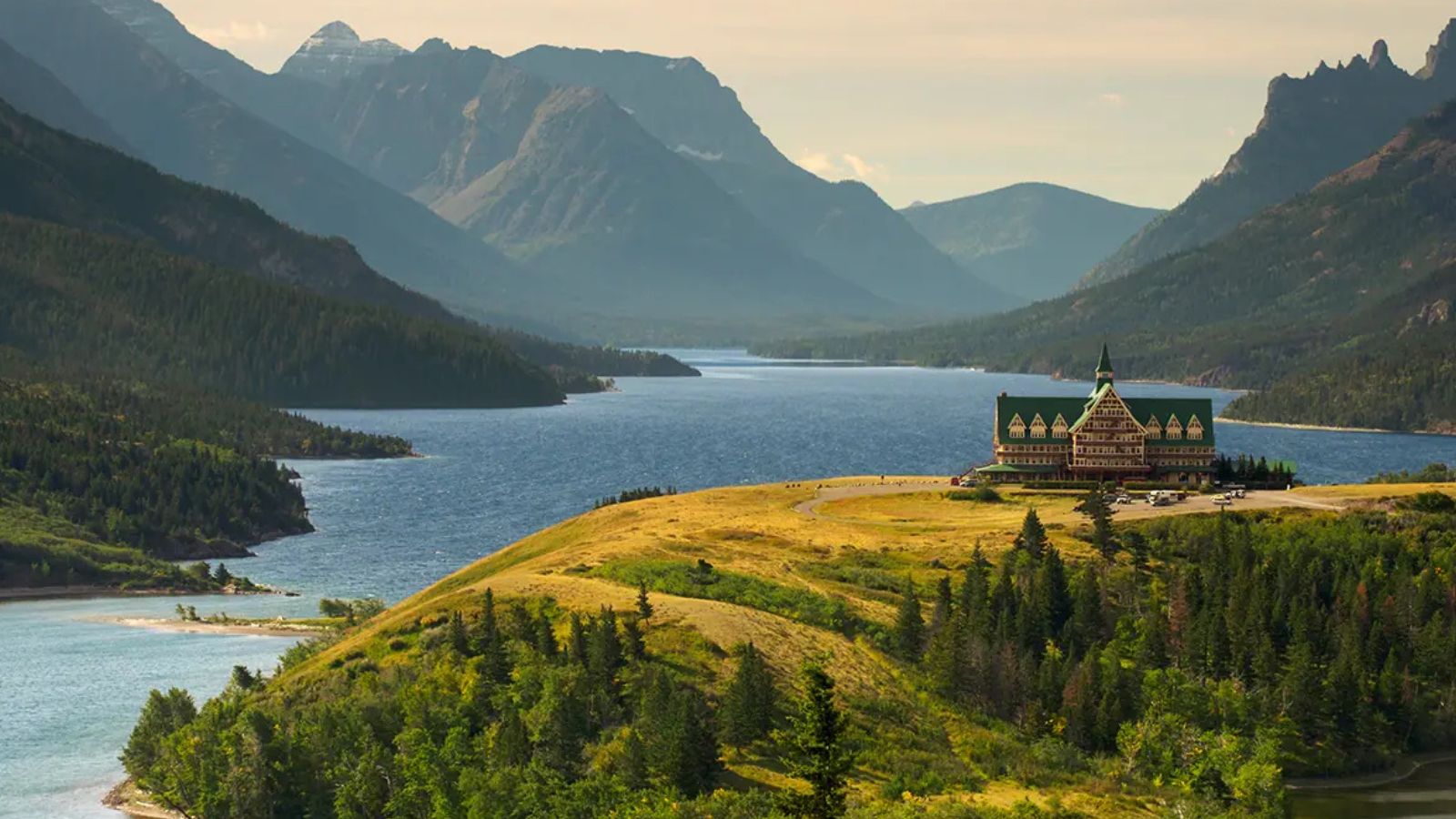
Waterton Lakes are located within Waterton Lakes National Park and are known for clear water fed by glacial and mountain runoff. The lakes support boating, kayaking, and sightseeing cruises. Water clarity remains strongest in late summer when sediment levels decrease. The park offers hiking trails, wildlife viewing, and designated camping areas. Regulations exist to protect the ecosystem, especially due to the UNESCO designation as part of the Waterton-Glacier International Peace Park. Visibility can fluctuate after storms or early melt, but overall clarity remains a defining attraction.
Lake O’Hara, British Columbia
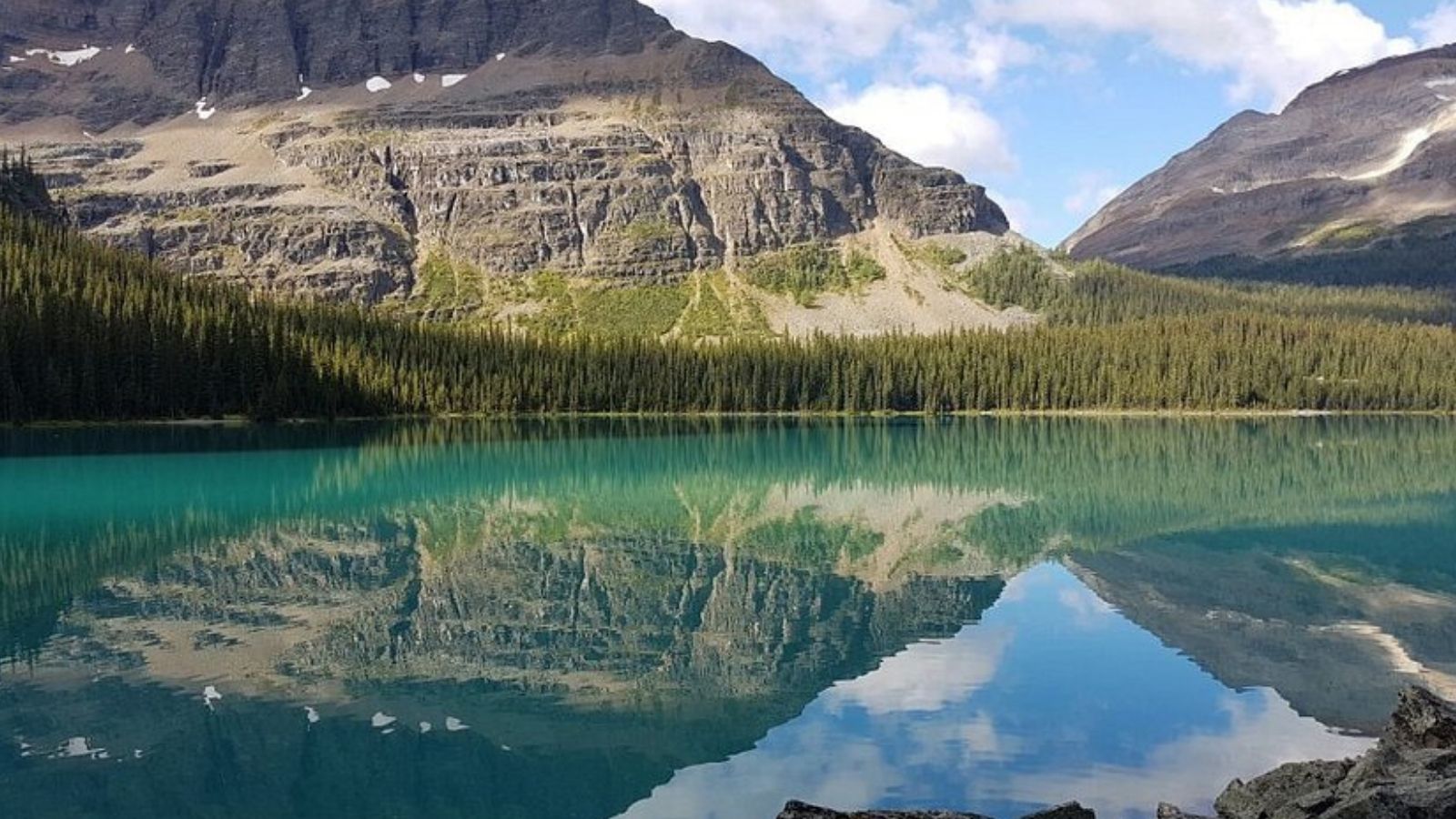
Lake O’Hara is located in Yoho National Park and is known for some of the clearest alpine water in Canada. Strict access limits help preserve the environment, with shuttle reservations required for most visitors. Hiking trails offer multiple viewpoints of the lake and surrounding peaks. Clarity remains stable due to minimal sediment disturbance and protected watershed conditions. The water exhibits a rich blue tone influenced by glacial minerals. Camping is limited and regulated, and day use requires advance planning. The controlled access system ensures the lake remains one of the most pristine natural destinations in the region.
22 Groceries to Grab Now—Before another Price Shock Hits Canada

Food prices in Canada have been steadily climbing, and another spike could make your grocery bill feel like a mortgage payment. According to Statistics Canada, food inflation remains about 3.7% higher than last year, with essentials like bread, dairy, and fresh produce leading the surge. Some items are expected to rise even further due to transportation costs, droughts, and import tariffs. Here are 22 groceries to grab now before another price shock hits Canada.
22 Groceries to Grab Now—Before another Price Shock Hits Canada
