Spring in Canada does not arrive gently, which makes heavy parkas feel unnecessary yet risky to abandon completely. Snow may be melting, but cold wind, rain, and sudden temperature drops still occur. Because of this, Canadians are choosing lighter jackets that can handle changing conditions without overheating indoors. The focus is on layering, water resistance, and mobility for daily activities. Styles such as trench coats, windbreakers, and quilted jackets offer protection while remaining comfortable. Here are 19 lightweight jackets Canadians are buying instead of parkas this spring.
Classic Trench Coats
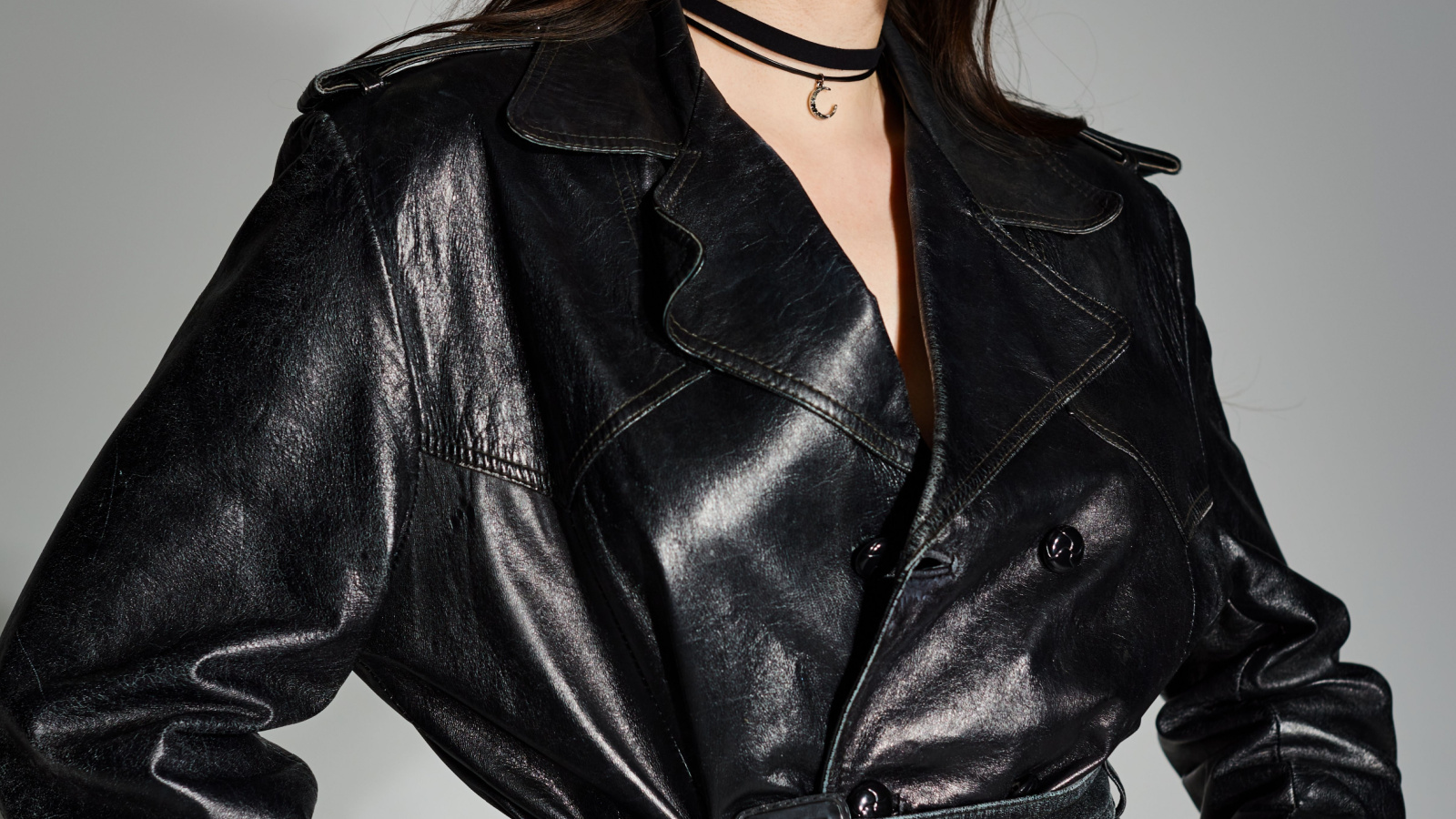
Trench coats return every spring because they protect against wind and light rain without the bulk of winter parkas. Canadians appreciate their longer length, which keeps clothing underneath dry during showers. Neutral colors such as beige, navy, or black pair easily with work and casual outfits. Belts allow adjustment for warmth and fit as temperatures change. The fabric is usually lightweight yet durable, making it suitable for daily commuting. Trench coats also layer well over sweaters in early spring and lighter tops later on. Their structured shape gives a polished look without feeling formal. This versatility makes them one of the most practical replacements for heavy outerwear during transitional weather.
Lightweight Puffer Jackets
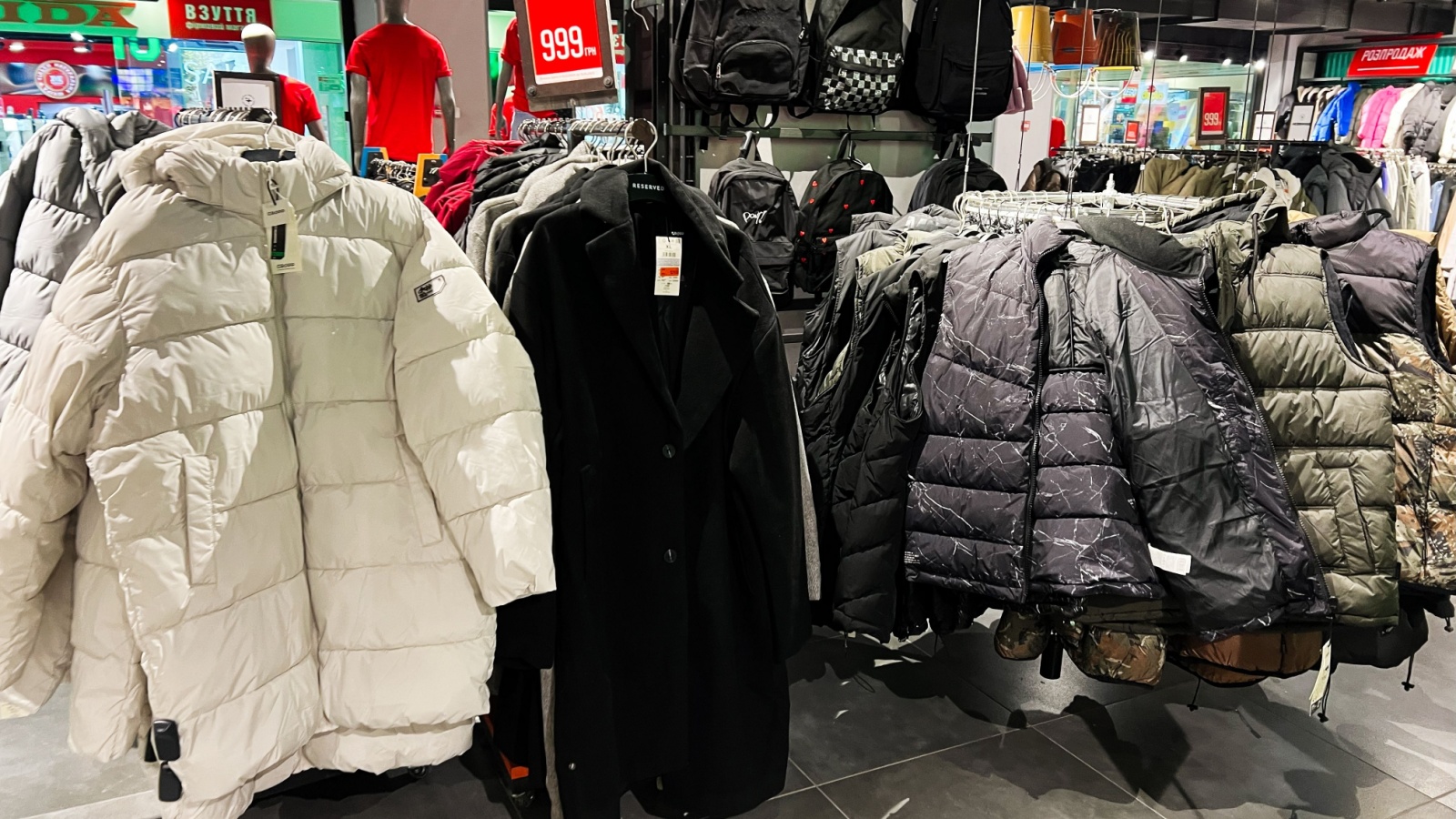
Puffer jackets remain popular, but spring versions use thinner insulation and lighter materials. Canadians rely on them for chilly mornings when temperatures still hover near freezing. These jackets provide warmth without the weight of winter parkas. Many designs compress easily for storage in bags or backpacks. Water-resistant shells protect against light precipitation. Elastic cuffs help retain heat while preventing bulk. Lightweight puffers pair well with jeans, athletic wear, or casual office outfits. They are especially useful for outdoor activities such as walking or commuting. This option balances insulation and comfort, making it ideal for early spring conditions that still require moderate warmth.
Casual Windbreakers
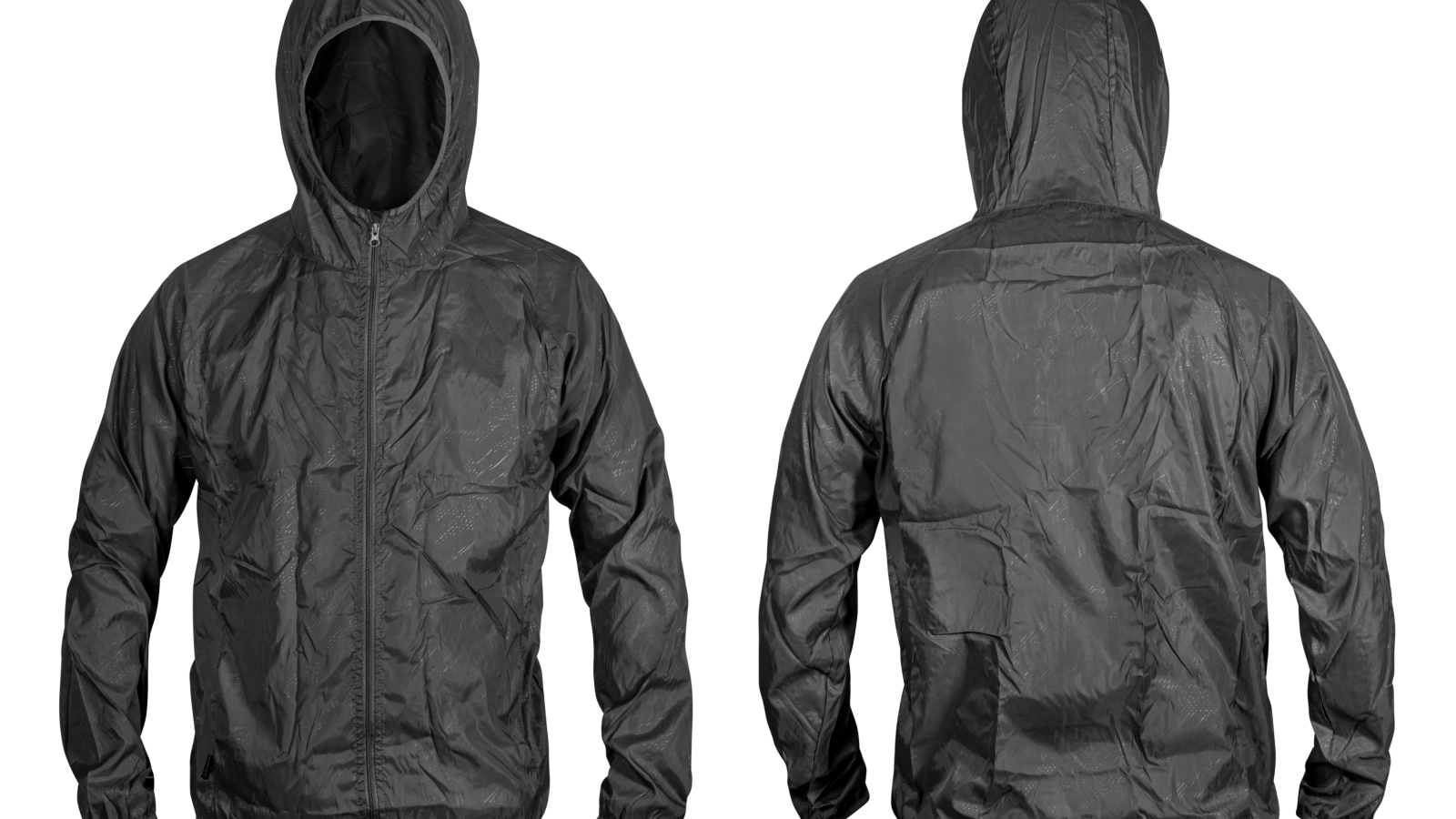
Windbreakers are designed to block cold air while remaining extremely light. Canadians wear them during breezy days when heavier jackets feel excessive. Thin synthetic fabrics resist moisture and dry quickly after rain. Many styles include adjustable hoods and drawstrings for added protection. Windbreakers are easy to fold and carry, which suits unpredictable weather. Bright or neutral colors allow flexible styling. They work well for outdoor exercise, errands, or travel. Breathable materials prevent overheating once indoors. This type of jacket focuses on function rather than insulation, making it a reliable choice as temperatures begin to rise but wind remains strong.
Bomber Jackets
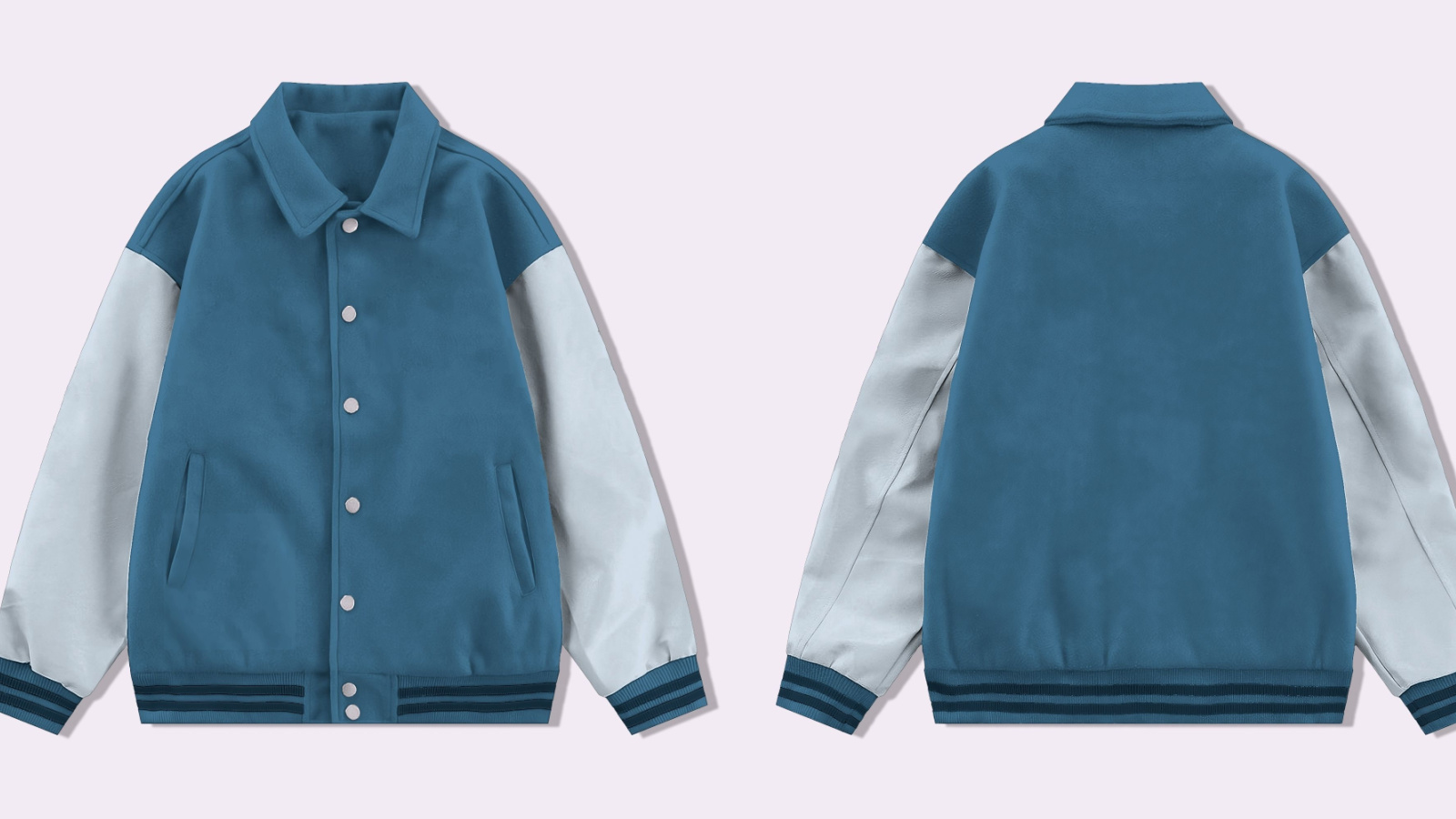
Bomber jackets offer a compact alternative to bulky coats while still providing moderate warmth. Canadians favor them for their versatility and comfortable fit. Ribbed cuffs and waistbands help trap heat without requiring heavy materials. Lightweight versions are ideal for spring layering over shirts or thin sweaters. The shorter length allows freedom of movement during daily activities. Bomber jackets pair easily with jeans, trousers, or dresses. Neutral tones maintain a classic appearance, while brighter colors add seasonal freshness. Their structured yet casual style suits both work and leisure settings. This balance makes bombers a popular transitional option once parkas feel too heavy.
Denim Jackets

Denim jackets are a staple once temperatures stabilize above freezing. Canadians appreciate their durability and timeless style. The medium-weight fabric provides enough warmth for cool days without causing overheating indoors. Denim pairs easily with both casual and slightly dressier outfits. Layering with hoodies or sweaters extends usability into colder mornings. Lighter washes often appear in spring wardrobes. The material resists wind better than many lightweight fabrics. Denim jackets also require minimal maintenance and can handle frequent wear. This reliability makes them a dependable choice for everyday use during the transition from winter to warmer weather.
Utility or Field Jackets
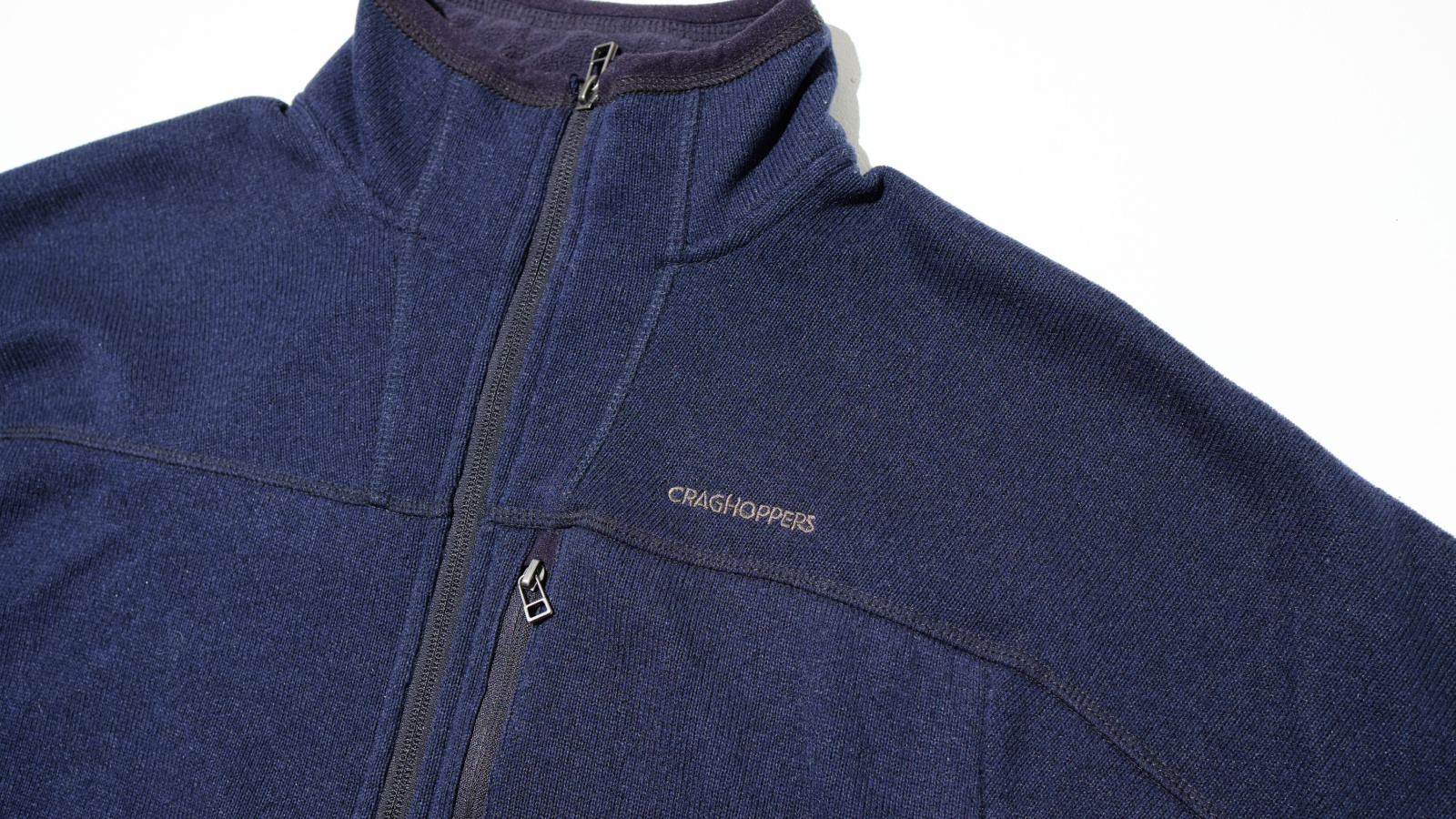
Utility jackets combine practicality with understated style. Canadians choose them for multiple pockets that hold everyday items. Midweight fabrics provide protection without excessive insulation. Many designs include adjustable waists for a customizable fit. Neutral colors such as olive or khaki complement spring clothing. Water-resistant coatings help during light rain. The structured shape works well for both casual and semi-formal settings. Utility jackets layer easily over shirts or sweaters. Their functional design suits outdoor activities and commuting alike. This balance of storage, comfort, and durability makes them a strong replacement for heavier outerwear in mild conditions.
Shirt Jackets (Shackets)

Shackets blend features of shirts and jackets, creating a lightweight outer layer. Canadians wear them during mild days when heavier coats are unnecessary. Thick cotton or flannel fabrics provide gentle warmth without bulk. The relaxed fit allows layering over long-sleeve tops or thin sweaters. Button closures make them easy to adjust throughout the day. Shackets often feature neutral patterns that suit casual outfits. They are particularly popular for weekend wear and outdoor gatherings. Breathable materials prevent overheating indoors. This hybrid design offers comfort and flexibility, making it a practical option for unpredictable spring temperatures.
Softshell Jackets
Softshell jackets are designed for active use in changing weather. Canadians appreciate their stretchable fabric, which allows comfortable movement. These jackets provide moderate wind resistance and light water protection. Breathable materials prevent moisture buildup during physical activity. Softshell designs are common among cyclists, hikers, and commuters. Slim fits layer easily under heavier outerwear if needed. The interior lining feels softer than traditional rain jackets. This makes them comfortable for extended wear. Softshell jackets focus on performance rather than style alone, offering reliable protection without the stiffness of heavier garments.
Rain Shell Jackets
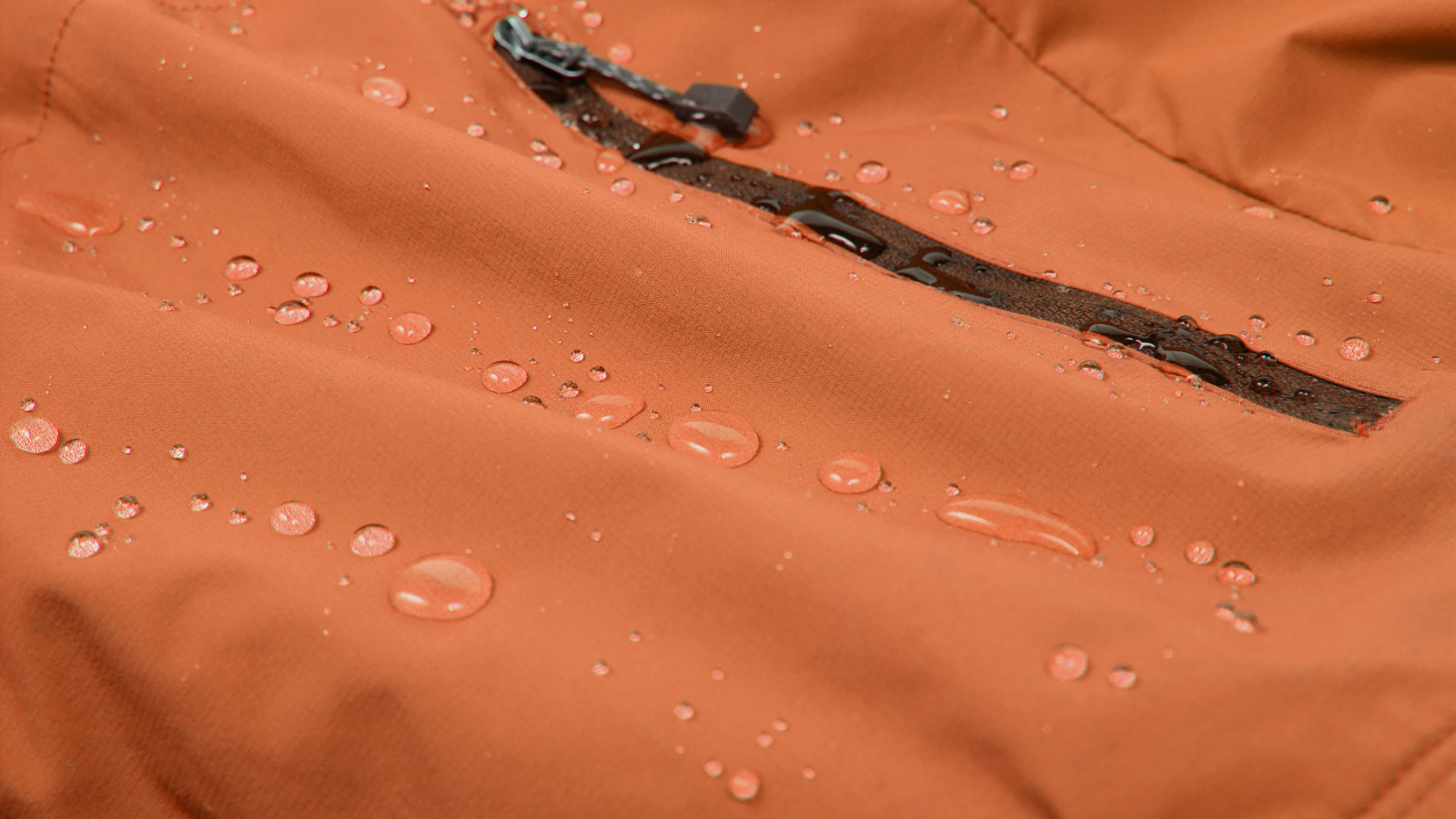
Rain shells are essential in spring when showers become frequent. Canadians prefer lightweight versions that can be worn over regular clothing. Waterproof materials keep moisture out while remaining breathable. Taped seams prevent leaks during heavier rain. Adjustable hoods and cuffs improve coverage. These jackets pack easily into small spaces, making them convenient to carry. Bright colors enhance visibility in low-light conditions. Rain shells provide protection without insulation, allowing flexible layering underneath. This adaptability makes them indispensable during unpredictable weather patterns common in early spring.
Quilted Lightweight Jackets
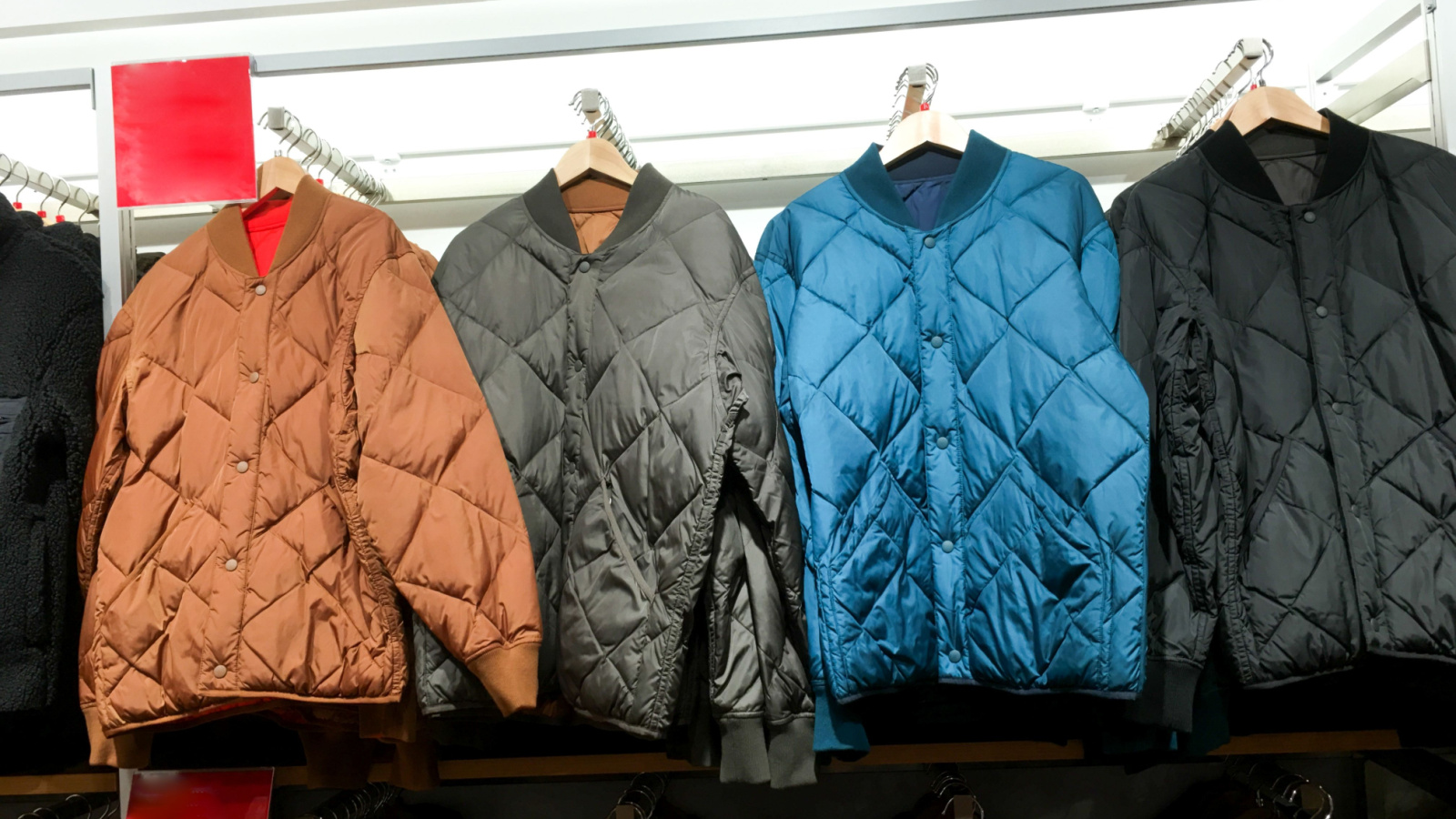
Quilted jackets offer gentle insulation through stitched padding rather than bulky filling. Canadians wear them for moderate warmth during cool days. The slim profile fits comfortably under heavier coats if needed. Quilting adds subtle texture without excessive weight. These jackets often include snap or zip closures for convenience. Neutral colors make them easy to pair with various outfits. Lightweight construction prevents overheating indoors. Quilted designs balance warmth and breathability effectively. This makes them suitable for commuting, travel, or casual outings during transitional weather.
Cropped Spring Jackets

Cropped jackets are shorter in length, reducing weight and bulk. Canadians choose them for style and ease of movement. The design works well with high-waisted trousers or skirts. Lightweight fabrics provide moderate warmth without covering the entire torso. Cropped styles feel less restrictive during active days. Many versions include elastic hems to retain heat. These jackets suit urban environments where long coats are unnecessary. They also pack more easily than longer options. This trend reflects a shift toward lighter silhouettes as winter ends.
Hooded Nylon Jackets
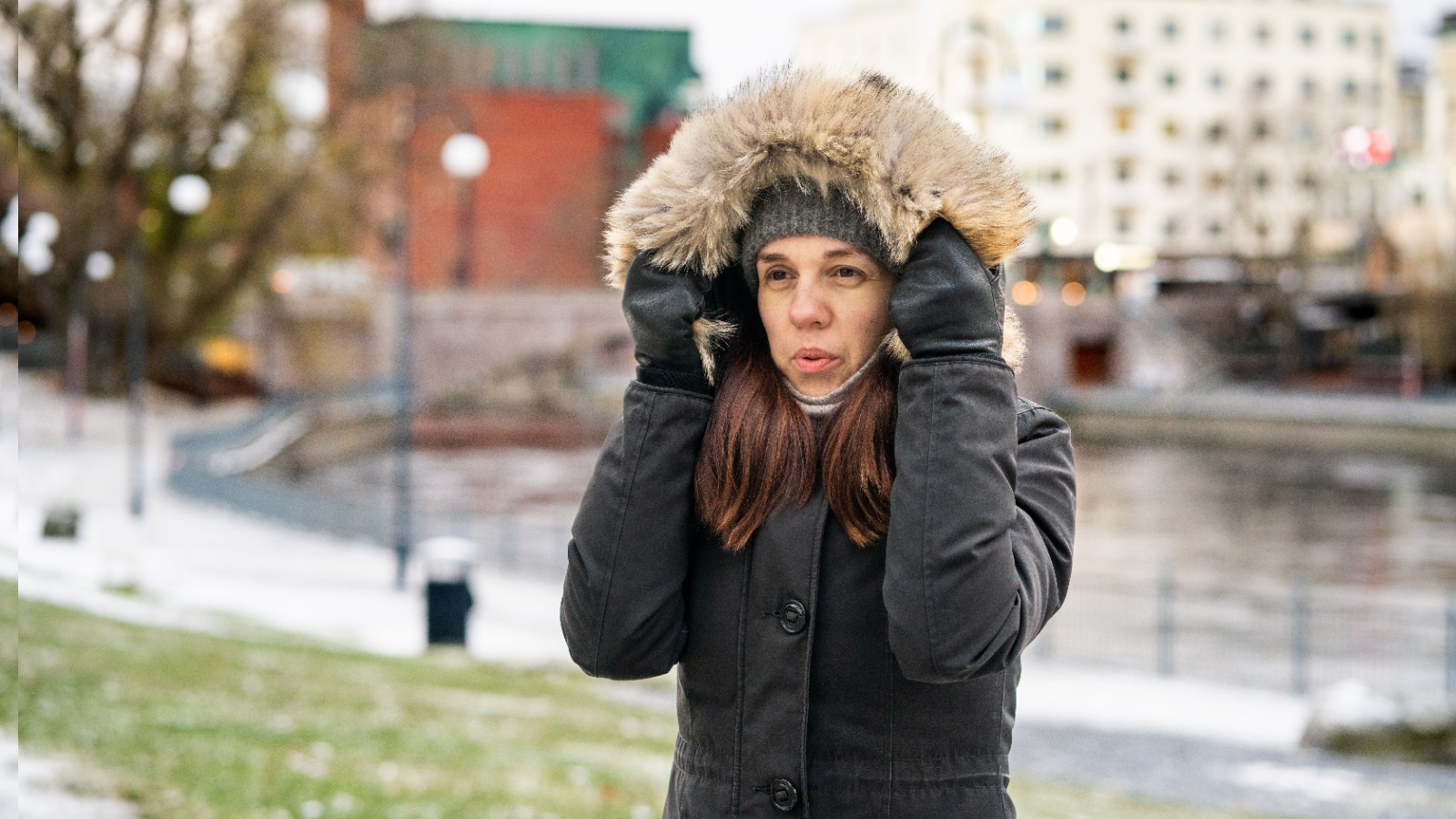
Nylon jackets are valued for their durability and water resistance. Canadians often select hooded versions for added protection against sudden rain. The fabric blocks wind effectively while remaining lightweight. Nylon dries quickly after exposure to moisture. These jackets are easy to clean and maintain. Compact construction allows convenient storage in bags. Bright colors improve visibility during cloudy weather. Hooded nylon jackets prioritize practicality, making them useful for outdoor activities and daily commuting alike.
Blazer-Style Jackets

Blazer-style jackets provide a structured alternative to casual outerwear. Canadians wear lighter versions for work or formal settings during spring. Tailored shapes create a polished appearance without heavy fabric. These jackets layer well over shirts or thin sweaters. Neutral tones coordinate with professional wardrobes. Breathable materials prevent overheating indoors. Blazer-style jackets transition easily from office to social events. They offer sophistication while remaining practical for mild weather.
Fleece Zip-Up Jackets
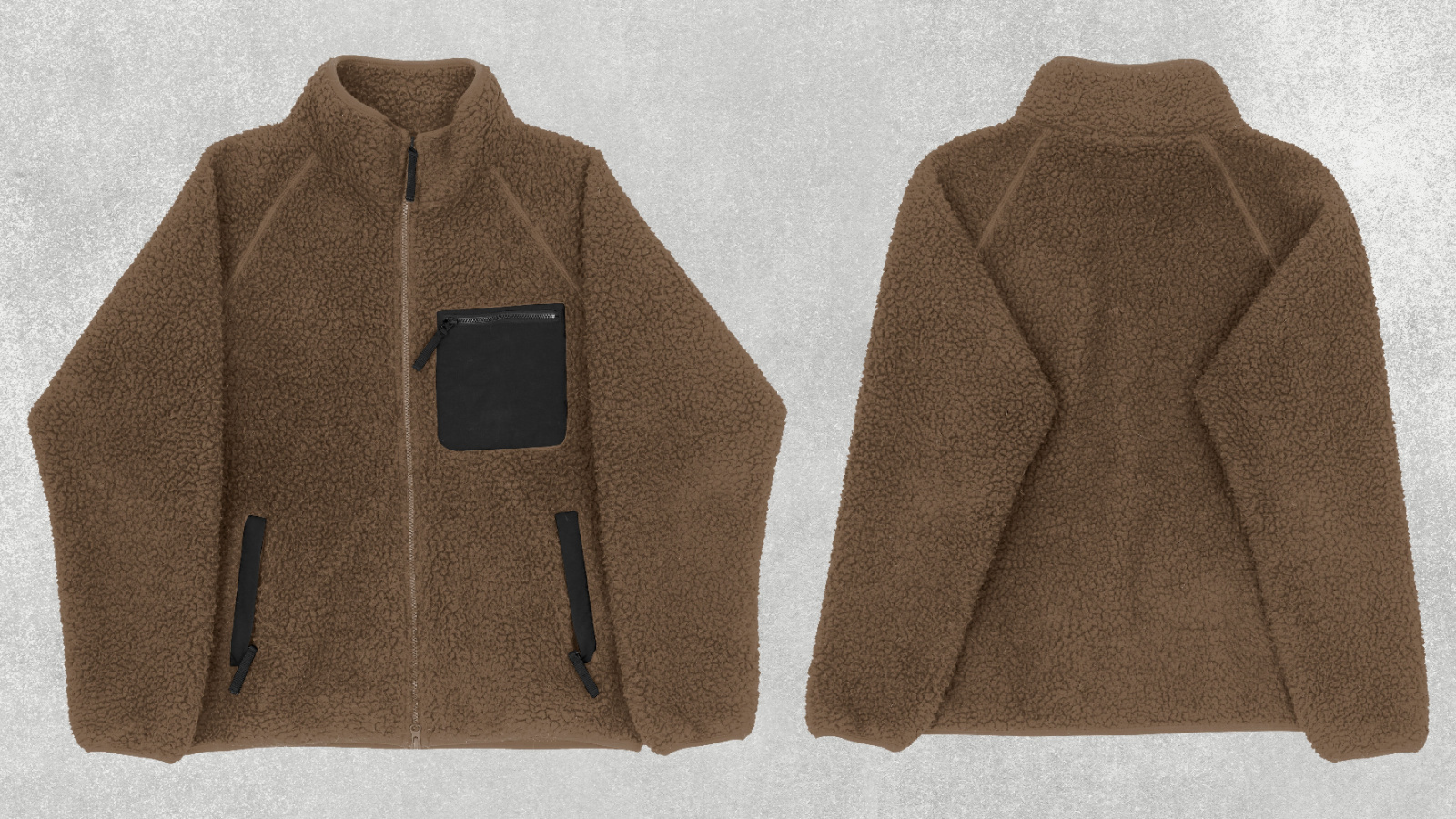
Fleece jackets provide warmth through soft insulation without excessive weight. Canadians use them as outerwear on mild days or as mid layers when it’s colder. The fabric feels comfortable against the skin and retains heat effectively. Zipper closures allow ventilation when needed. Fleece dries quickly if exposed to moisture. These jackets are popular for outdoor recreation and casual wear. Breathability prevents overheating during activity. Fleece offers dependable comfort during fluctuating spring temperatures.
Long Cardigan Coats

Long cardigan coats combine the comfort of knitwear with the coverage of outerwear. Canadians wear them during calm, dry days when the wind is minimal. Soft fabrics allow freedom of movement and easy layering. The extended length provides warmth without heavy insulation. Cardigan coats pair well with both casual and office attire. They are easy to remove and carry if temperatures rise. This option emphasizes comfort and flexibility rather than protection from harsh weather.
Lightweight Down Vests
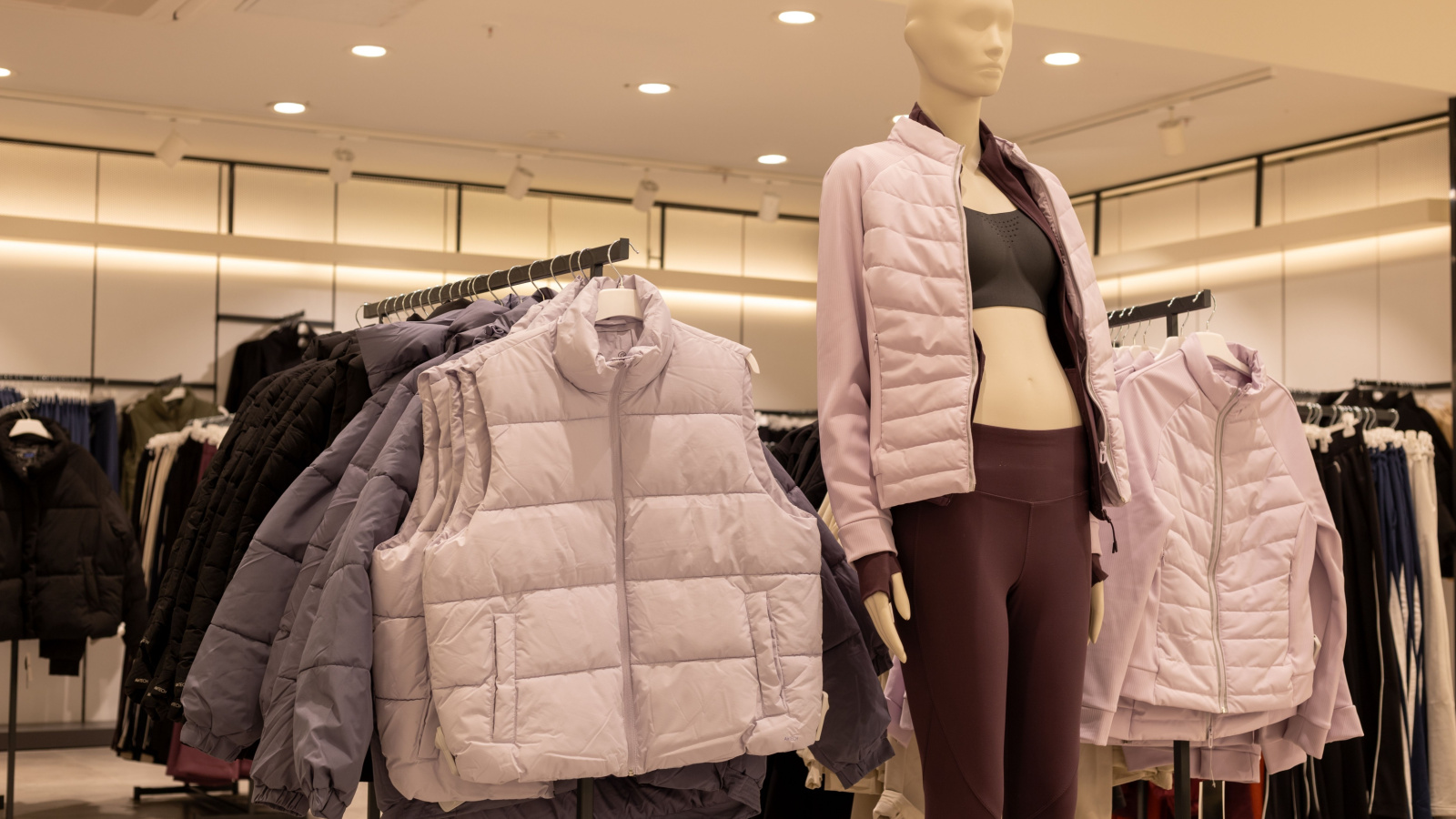
Down vests provide core warmth while leaving arms free. Canadians wear them over shirts or sweaters for moderate insulation. Lightweight designs reduce bulk and improve mobility. Water-resistant shells protect against light rain. Vests are especially useful for outdoor activities where full jackets feel restrictive. Compact construction allows easy storage when not needed. This option offers targeted warmth during cool mornings and evenings without overheating later in the day.
Funnel-Neck Jackets

Funnel neck jackets feature high collars that protect the neck from the wind. Canadians appreciate this built-in warmth without needing scarves. Lightweight versions suit transitional weather well. The structured neckline adds a refined appearance. Adjustable zippers allow ventilation when conditions change. These jackets balance style and function effectively. They work for both casual and professional settings. The design reduces the need for extra accessories while maintaining comfort.
Packable Travel Jackets

Packable jackets are designed to fold into compact shapes for easy transport. Canadians favor them for commuting and travel during unpredictable weather. Lightweight materials provide moderate protection without bulk. Many versions include water-resistant coatings. Storage pouches prevent wrinkling when packed. These jackets are useful as backup layers carried in bags. Quick deployment makes them practical during sudden temperature drops or rain. Packable designs emphasize convenience and preparedness.
Leather or Faux-Leather Jackets
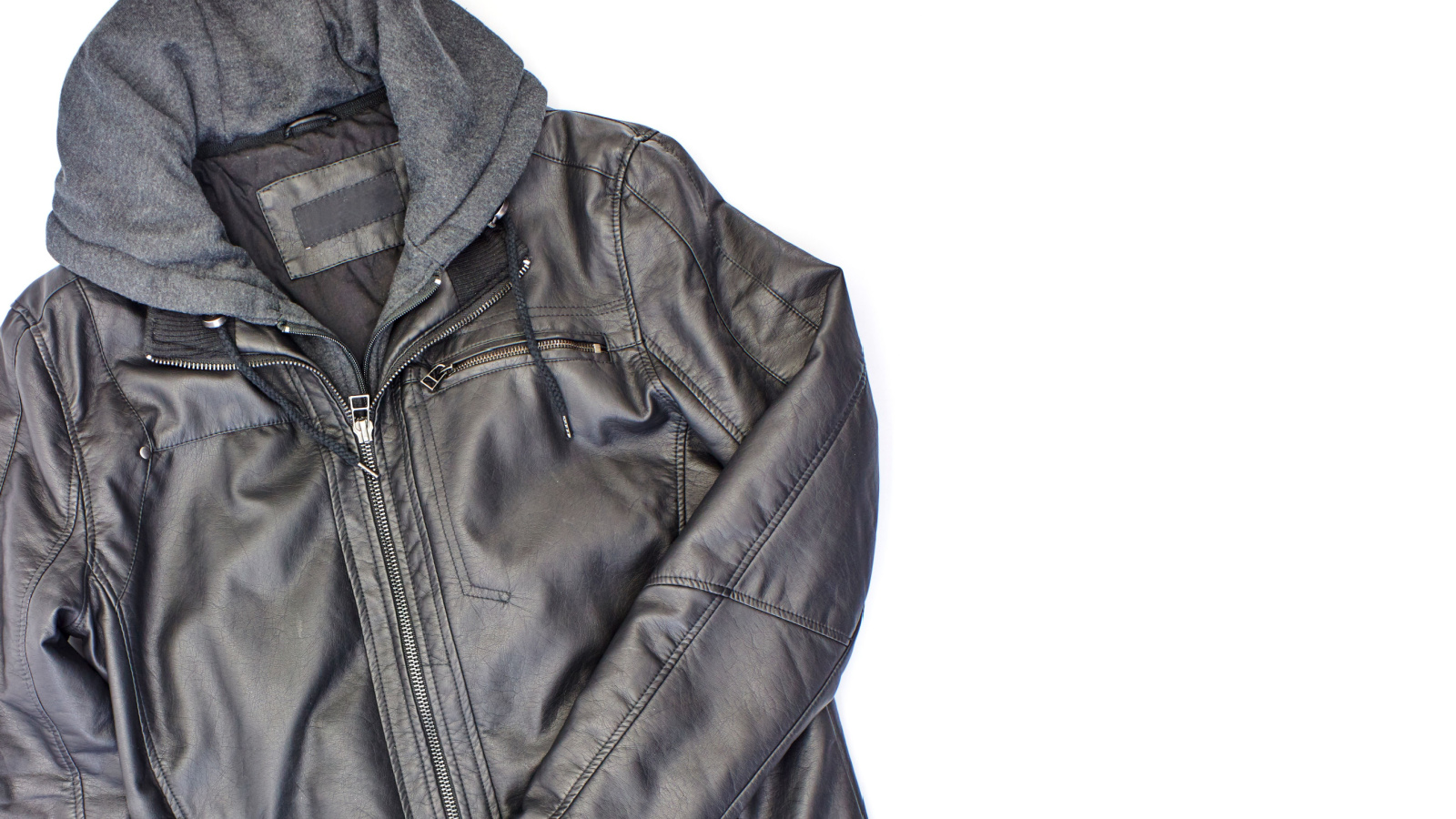
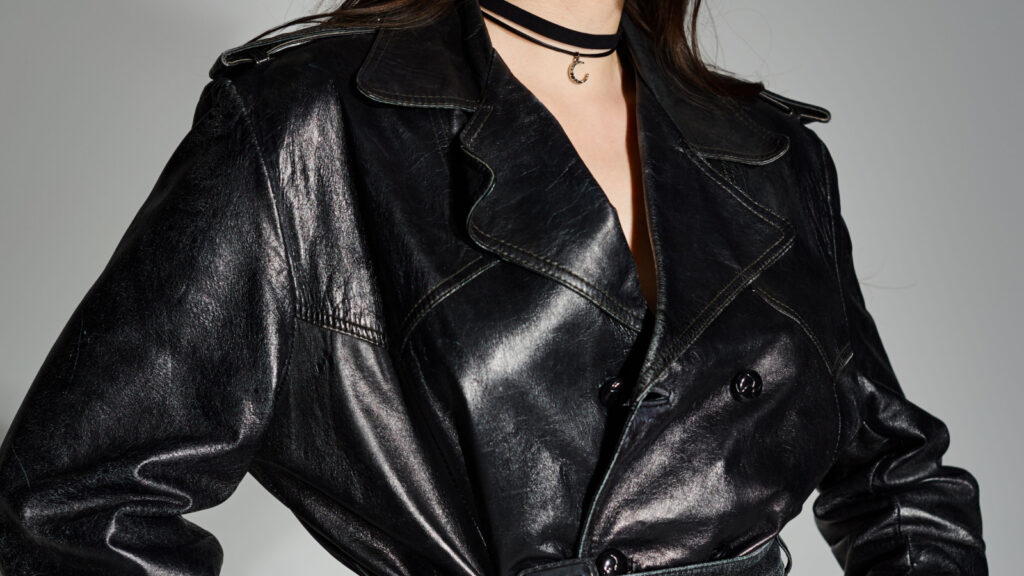
Leather jackets reappear each spring as a stylish alternative to heavy coats. Canadians choose lighter versions that are comfortable in mild weather. The material blocks wind effectively while remaining breathable. Faux leather options offer a similar appearance with reduced weight. These jackets pair well with both casual and dressy outfits. Dark or neutral tones maintain versatility. Leather adds structure and durability without requiring thick insulation. This classic style signals the transition from winter to warmer seasons while maintaining a polished look.
22 Groceries to Grab Now—Before another Price Shock Hits Canada
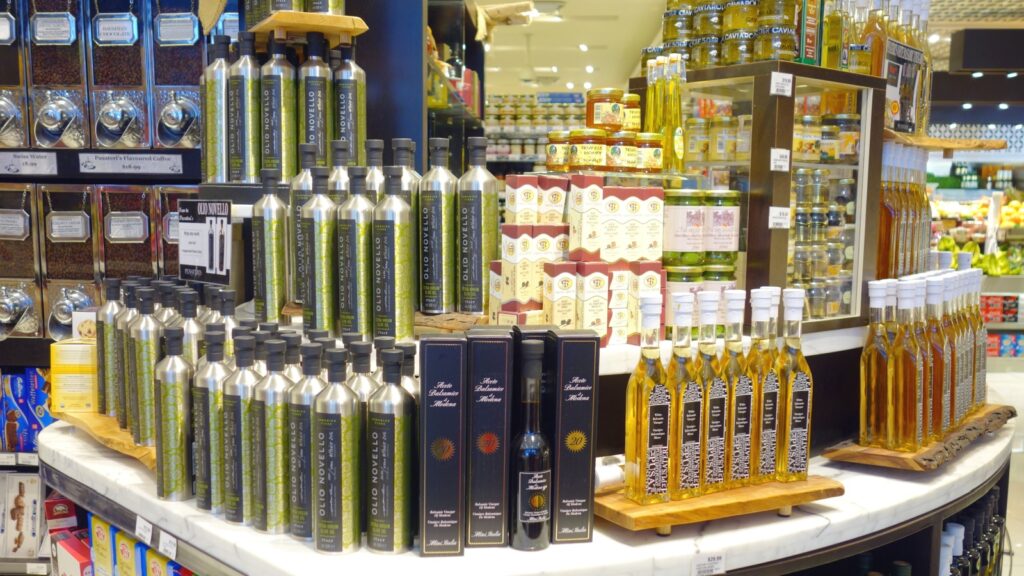
Food prices in Canada have been steadily climbing, and another spike could make your grocery bill feel like a mortgage payment. According to Statistics Canada, food inflation remains about 3.7% higher than last year, with essentials like bread, dairy, and fresh produce leading the surge. Some items are expected to rise even further due to transportation costs, droughts, and import tariffs. Here are 22 groceries to grab now before another price shock hits Canada.
22 Groceries to Grab Now—Before another Price Shock Hits Canada
