
March feels like a turning point across much of Canada. The worst of winter is usually over, yet summer still feels far away. Days grow longer, temperatures become manageable, and people start craving change. Many Canadians use this month to rebuild routines that slipped during colder months. Small daily habits can have a noticeable effect on mood, energy, and motivation. Instead of dramatic resolutions, the focus shifts to simple actions that are easy to maintain. These routines help people feel refreshed without major disruption. Over time, the results can be surprisingly powerful. Here are 19 March habits Canadians swear make them feel like a new person.
Opening Windows Daily for Fresh Air

Canadian homes stay tightly closed for months during winter. Daily ventilation in March helps replace stale indoor air. Heating systems circulate dryness and trapped odors over time. Opening windows briefly improves air quality without losing too much heat. Many people choose midday when temperatures peak. Fresh air can reduce headaches and improve alertness. Kitchens and bedrooms benefit most from ventilation. Some households create cross breezes for faster air exchange. Dust particles also settle more quickly afterwards. Allergy sufferers may monitor pollen forecasts before opening windows. This habit feels simple yet refreshing. It signals that outdoor conditions are becoming manageable again. Regular ventilation supports comfort without major effort. Many Canadians describe this daily routine as an instant mood booster.
Getting Morning Sunlight as Soon as Possible

March daylight arrives earlier than in midwinter. Canadians try to step outside soon after waking. Morning sunlight helps regulate internal body clocks. Exposure can improve alertness and reduce grogginess. People stand on balconies, porches, or sidewalks briefly. Even cloudy days provide useful natural light. Commuters benefit from walking part of their route outdoors. Parents encourage children to get outside before school. Sunglasses may still be needed due to glare from snow. Regular exposure supports consistent sleep patterns at night. This habit requires little time yet offers noticeable benefits. Many report improved mood within days. Morning light also signals that winter darkness is fading. Canadians treat this routine as a natural way to reset daily rhythms.
Taking Short Walks Even on Cool Days

Temperatures in March can still feel chilly. Canadians often walk anyway to rebuild stamina. Short outings feel manageable without full winter gear. Fresh air and movement counter indoor sluggishness. People start with ten or fifteen minutes. Sidewalk conditions guide route choices. Walking after meals helps digestion and energy levels. Neighbors greet each other again after months indoors. Parks become popular for these quick outings. Comfortable shoes replace heavy boots gradually. Regular walking supports cardiovascular health. It also prepares the body for more intense activity later. Even brief exposure to daylight lifts mood. Canadians view these small walks as a bridge between winter inactivity and spring fitness. Consistency matters more than distance during this transition period.
Drinking More Water After Winter Dehydration

Indoor heating dries the air significantly during winter. Many people drink less water without realizing it. March brings a renewed focus on hydration. Canadians increase water intake as activity levels rise. Refillable bottles become part of daily routines again. Proper hydration supports skin health and energy. It can also reduce headaches and fatigue. Some replace sugary drinks with plain water. Herbal teas may continue for warmth. Offices encourage hydration as workloads increase. Children also need reminders about winter habits. Clear urine is often used as a simple indicator. Drinking more water feels like a basic reset. Canadians notice improved comfort within days. This habit supports overall well-being during the seasonal transition.
Resetting Sleep Schedules With Longer Days

Extended daylight can disrupt winter sleep patterns. Canadians adjust bedtimes gradually in March. Earlier sunsets no longer signal immediate sleep preparation. Exposure to evening light may delay natural tiredness. Consistent wake times help stabilize routines. Reducing late-night screen use supports better rest. Bedrooms may feel warmer as heating decreases. Morning sunlight reinforces new sleep cycles. Parents often adjust children’s schedules first. Fatigue from winter darkness slowly fades. Quality sleep improves concentration and mood. Some people track patterns using wearable devices. Resetting sleep prevents exhaustion during busy spring months. Canadians recognize that rest underpins productivity and health. This habit prepares households for more active daily schedules ahead.
Decluttering Living Spaces Room by Room

Clutter accumulates during months spent indoors. March motivates Canadians to tackle one area at a time. Starting small prevents overwhelm. Closets, drawers, and storage corners receive attention first. Items unused all winter are reassessed. Donation boxes fill quickly during this process. Organized spaces feel calmer and more functional. Cleaning often accompanies decluttering. Families involve children in teaching responsibility. Some sell valuable items online. Removing excess makes homes easier to maintain. Visible progress encourages continuation in other rooms. This gradual approach fits busy schedules. Canadians find decluttering mentally refreshing as well. Clearing physical space often reduces stress. Room-by-room progress creates a sense of control after winter confinement.
Switching to Lighter, Healthier Meals

Heavy winter dishes feel less appealing as temperatures rise. Canadians shift toward meals that feel fresher and easier. Salads, grilled foods, and simple recipes return to menus. Portion sizes may decrease naturally. Seasonal produce becomes more available in stores. Cooking methods change from slow roasting to quick preparation. Families reduce reliance on comfort foods. Increased activity also influences appetite. Hydrating foods like fruits are gaining popularity. Nutrition experts recommend balanced diets during transitions. Lighter meals can improve digestion and energy. Eating habits affect mood as well. Canadians often feel less sluggish after changing their diets. This adjustment supports weight management after winter indulgence. Food choices become part of a broader lifestyle reset in March.
Reducing Screen Time and Going Outside More

Winter encourages long hours with televisions and devices. March offers alternatives as outdoor conditions improve. Canadians set limits on recreational screen use. Free time shifts toward walks or outdoor relaxation. Parents encourage children to play outside instead. Reduced screen exposure can improve sleep quality. Eye strain decreases with less indoor focus. Outdoor light provides natural stimulation. Social interaction often replaces solitary screen activities. People rediscover hobbies neglected during winter. Productivity may improve with fewer distractions. This habit requires conscious effort at first. Over time, it becomes easier as outdoor options expand. Canadians see it as reclaiming time from passive entertainment. Going outside more supports both physical and mental health during spring.
Deep Cleaning One Area Each Week

Full home cleaning can feel overwhelming after winter. Canadians often divide tasks into weekly targets. Kitchens, bathrooms, and storage areas rotate on a schedule. Focused cleaning produces visible results quickly. Supplies are checked and restocked beforehand. Dust buildup from heating systems needs attention. Carpets may require deep vacuuming or shampooing. Windows become clearer as daylight increases. Organized cleaning prevents burnout. Families share responsibilities to save time. Professional services may assist with large tasks. Maintaining progress becomes easier after initial effort. Clean environments support comfort and hygiene. Canadians appreciate gradual improvement rather than sudden overhaul. This habit keeps homes fresh throughout the season instead of relying on one major effort.
Reconnecting With Friends After Winter Isolation

Cold weather often limits social contact. March encourages Canadians to rebuild connections. Invitations for coffee, walks, or meals increase. Outdoor settings feel more comfortable than crowded interiors. Conversations often reflect relief after isolation. Friendships benefit from regular interaction. Social support improves emotional well-being. Children also reconnect with peers outside school. Group activities become easier to organize. Technology shifts from primary contact to a coordination tool. Shared experiences strengthen relationships. Laughter and conversation lift mood noticeably. Canadians value community after long indoor months. Reconnection reduces feelings of loneliness. Scheduling time with friends becomes a priority rather than an afterthought. These interactions help restore a sense of normalcy and belonging.
Starting Gentle Exercise or Stretching Routines

Intense workouts may feel difficult after winter inactivity. Canadians begin with light exercises or stretching. Morning routines help loosen stiff muscles. Short sessions reduce the risk of injury. Yoga and mobility exercises are popular choices. Fitness apps often guide beginners safely. Gradual progress builds confidence and endurance. Increased movement improves circulation and energy. Outdoor exercise becomes possible as conditions allow. Seniors benefit from low-impact routines, especially. Consistency matters more than intensity. Families sometimes exercise together at home. Gentle activity prepares the body for future challenges. Canadians view this as rebuilding rather than pushing limits. Establishing a routine now supports long-term fitness goals throughout the year.
Updating Skincare for Changing Weather

Skin exposed to winter conditions often becomes dry. March requires adjustments for milder air and sunlight. Canadians switch to lighter moisturizers gradually. Sunscreen use increases as UV exposure rises. Lip care remains important during windy days. Hydration supports skin recovery from dryness. Dermatologists recommend gentle exfoliation during transitions. New products may replace those finished over winter. Allergy-related sensitivity can occur as pollen appears. Outdoor activity exposes skin to new elements. Proper care prevents irritation or damage. People often simplify routines for convenience. Healthy skin contributes to overall comfort. Canadians treat skincare as part of seasonal self-care rather than a luxury. Adjusting early helps avoid problems later in spring.
Spending Time in Nature Every Weekend
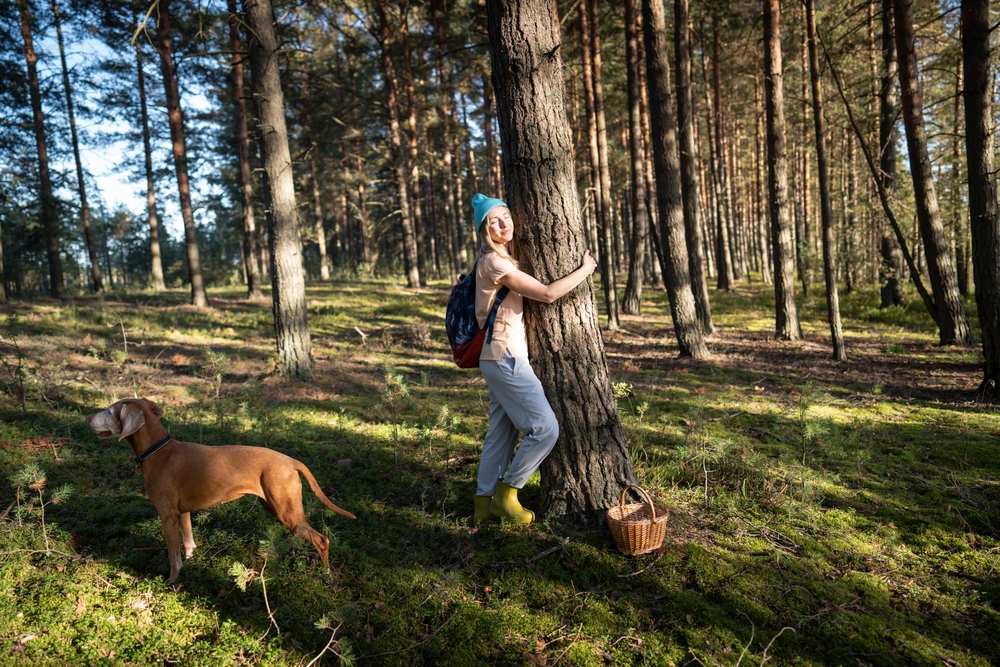
Natural settings feel especially appealing after winter confinement. Canadians plan regular visits to parks or trails. Weekend outings provide mental and physical refreshment. Fresh air and open spaces reduce stress. Families pack simple food for picnics. Wildlife sightings become more common in spring. Photography enthusiasts document changing landscapes. Children learn about seasonal changes firsthand. Even short visits offer noticeable benefits. Travel distances vary depending on location. Some people combine nature time with exercise. Quiet environments support reflection and relaxation. Canadians value access to natural spaces highly. This habit helps balance busy weekday schedules. Regular exposure to nature strengthens appreciation for the environment and personal well-being.
Reviewing Personal Goals for the Year

March offers a natural checkpoint after the new year. Canadians revisit plans made in January. Progress may be adjusted based on experience. Some goals feel unrealistic after winter challenges. Others may need renewed commitment. Writing updates clarifies priorities moving forward. Financial, health, and career targets receive attention. Reflection helps prevent drifting without direction. People identify the obstacles encountered so far. New strategies may replace ineffective ones. Tracking tools support accountability. Families sometimes review shared goals together. This process restores motivation for the remaining months. Canadians treat spring as a second start. Revisiting plans helps align daily actions with long-term intentions for 2026.
Limiting Comfort Foods and Sugary Drinks

Cold weather encourages high-calorie comfort eating. March motivates Canadians to moderate those habits. Sugary drinks and processed snacks may decrease. People choose balanced meals more often. Reduced sugar intake stabilizes energy levels. Weight gained during winter may gradually decline. Grocery lists reflect healthier priorities. Water and unsweetened beverages become common choices. Cooking at home increases control over ingredients. Nutrition awareness campaigns support these changes. Children also benefit from improved diets. Occasional treats remain part of social life. Moderation rather than restriction is emphasized. Canadians notice improved digestion and alertness. Adjusting food habits helps prepare bodies for increased activity during warmer months ahead.
Organizing Finances After Winter Spending

Winter expenses can strain household budgets. March is a practical time to review accounts. Canadians check balances and outstanding payments. Credit card statements often receive close attention. Budget adjustments may follow. Savings goals are reassessed for the year. Some cancel unused subscriptions to reduce costs. Tax preparation also begins during this period. Financial planning reduces anxiety about money. Families discuss upcoming expenses such as travel. Improved organization supports better decision-making. Digital tools help track spending patterns. Canadians value stability after costly months. Addressing finances early prevents larger problems later. This habit restores a sense of control and confidence moving forward.
Refreshing Wardrobes With Spring Clothing

Clothing needs to change quickly as temperatures rise. Canadians unpack lighter garments from storage. Items are washed and aired before use. Outdated or damaged pieces may be discarded. Donations increase during this process. Retail stores promote seasonal collections. Layering remains essential for unpredictable weather. Comfortable footwear replaces insulated boots. Bright colors often return after darker winter tones. Children may require new sizes after growth. Organized closets simplify daily routines. Fashion choices expand significantly. Updating wardrobes can improve confidence and comfort. Canadians treat this task as both practical and enjoyable. Fresh clothing supports the feeling of starting a new chapter with spring.
Practicing Mindfulness or Quiet Time Daily

Busy routines often leave little room for reflection. March encourages Canadians to slow down briefly each day. Quiet time may involve meditation, reading, or deep breathing. Even five minutes can reduce stress. Natural sounds from open windows enhance relaxation. Some people step outside for solitude. Digital devices are usually avoided during this period. Consistent practice improves emotional balance. Parents model calm behavior for children. Workplaces sometimes promote mindfulness programs. Mental clarity supports better decision-making. Canadians appreciate small pauses amid daily demands. This habit requires no special equipment. Over time, it becomes a valuable coping tool. Quiet moments help individuals feel grounded during seasonal transitions.
Planning Something to Look Forward to

Anticipation can improve mood as much as the event itself. Canadians begin scheduling trips or activities for later months. Plans may involve travel, hobbies, or family gatherings. Marking dates on calendars creates motivation. Researching options becomes part of the enjoyment. Budgets are considered to avoid overspending. Even small events can feel meaningful. Children especially benefit from having something exciting ahead. Planning reduces the monotony of routine. Conversations often revolve around upcoming plans. Flexibility remains important due to unpredictable conditions. Canadians view anticipation as a mental boost after winter. Looking forward reinforces optimism about the future. This habit helps maintain positive momentum throughout the spring season.
22 Groceries to Grab Now—Before another Price Shock Hits Canada

Food prices in Canada have been steadily climbing, and another spike could make your grocery bill feel like a mortgage payment. According to Statistics Canada, food inflation remains about 3.7% higher than last year, with essentials like bread, dairy, and fresh produce leading the surge. Some items are expected to rise even further due to transportation costs, droughts, and import tariffs. Here are 22 groceries to grab now before another price shock hits Canada.
22 Groceries to Grab Now—Before another Price Shock Hits Canada
