
September is a crucial month for Canadian families to regain financial control after summer spending. Kids return to school, seasonal routines shift, and households face new bills for heating, activities, and groceries. This period provides a natural opportunity to review budgets, track expenses, and implement cost-saving strategies. Families can take advantage of seasonal deals, local programs, and energy-saving measures to stretch their dollars further. Here are 19 money wins families make in September.
Planning Fall Budgets After Summer Spending

Many Canadian families reassess their finances in September after months of higher summer expenses such as vacations, camps, childcare, and increased fuel and utility costs. Reviewing monthly statements helps identify overspending and areas where adjustments can free up cash for savings or upcoming school-year commitments. September also brings new expenses like extracurricular programs, sports registrations, transit passes, and colder-weather clothing. Families often update budgeting categories using tools like TD Budget Planner, RBC NOMI, or apps such as YNAB and Mint. This early fall reset helps prevent debt growth and prepares households for holiday spending and winter bills.
Saving on Back-to-School Shopping with Flyers and Rewards

September provides opportunities for Canadian families to save money on school supplies through flyers, digital coupons, and price matching. Many rely on apps like Flipp, PC Optimum, AIR MILES, Scene+, and store loyalty programs to compare deals and earn points for groceries and household essentials. Retailers such as Staples, Walmart, and Canadian Tire typically run strong discounts on backpacks, stationery, clothing, and electronics. Planning early and sticking to a list helps reduce impulse buying, while student technology discounts at Apple, Dell, and Microsoft can cut costs significantly. These strategies stretch budgets without sacrificing quality or needs.
Buying Seasonal Produce from Local Farmers’ Markets

September is peak harvest season across Canada, making farmers’ markets an affordable alternative to supermarket shopping. Seasonal produce—like apples, squash, carrots, beets, sweet corn, pumpkins, cabbage, and potatoes—is more cost-effective when purchased directly from growers. Many families buy in bulk for freezing or canning, helping reduce grocery bills throughout fall and winter. Supporting local agriculture also strengthens community economies and lowers transportation costs affecting grocery prices nationally. Markets in provinces such as Ontario, Alberta, and British Columbia often offer additional discounts close to closing hours. This approach provides healthier food options and smart monthly savings.
Using Provincial Tax Credits for Education and Activities

Canadian families often use provincial and federal tax credits in September to reduce costs for learning, sports, and child development activities. Programs such as the Canada Training Credit, disability tax credits, child fitness subsidies, and tutoring or arts funding support eligibility-based savings. Some provinces provide additional benefits—for example, Alberta and Saskatchewan offer sports and recreation supports, while Quebec and Manitoba provide education-linked rebates. Tracking receipts early in the school year ensures families maximize tax returns when filing. Many parents also schedule CRA MyAccount reviews in September to update benefits, helping improve cash flow through fall and winter.
Switching to Energy-Efficient Home Habits for Cooler Weather

As temperatures begin dropping in September, Canadian households save money by improving energy efficiency. Simple changes such as adjusting thermostat settings, sealing drafts, cleaning furnace filters, and reducing hot water consumption can significantly lower heating costs. Programs like Canada Greener Homes and provincial rebate incentives support upgrades such as smart thermostats, insulation, or energy-efficient windows. Families also shift toward cost-saving habits like shorter showers, LED lighting, and unplugging unused electronics. Since heating accounts for a large portion of home energy use in Canada, improving efficiency early in the fall helps reduce monthly bills before winter peak demand.
Taking Advantage of End-of-Season Sales

September is one of the best months in Canada for clearance savings, as retailers discount remaining summer inventory to prepare for fall and winter stock. Families often purchase items like patio furniture, gardening supplies, camping gear, outdoor sports equipment, and seasonal clothing at significantly reduced prices. Major chains such as Canadian Tire, MEC, and Home Depot run deep markdowns, and many stores offer additional price reductions during long-weekend promotions like Labour Day. Shopping clearance instead of peak season pricing helps stretch budgets and allows families to plan ahead for next summer without paying full retail.
Meal Planning to Reduce Food Costs

Meal planning becomes a major money saver for Canadian households in September as routines return. Creating weekly menus, shopping with a list, and preparing meals in batches help cut down on grocery overspending and reduce food waste. Many families use apps like Too Good To Go, Flashfood, and Save-On-Foods Cart to buy discounted groceries close to expiry. Cooking big-batch meals such as soups, casseroles, and sheet-pan dinners also stretches budgets. Planning around store flyers and seasonal produce ensures lower costs and healthier eating habits, making meal planning one of the most effective fall financial strategies.
Setting Up RESP Contributions for Children

September is a popular time for parents to review or begin Registered Education Savings Plan (RESP) contributions. With school starting, families reassess long-term education funding and take advantage of government benefits like the Canada Education Savings Grant (CESG), which matches 20% of annual contributions up to a set limit. Even small monthly deposits grow significantly over time through compounding interest. Setting up automated contributions helps maintain consistency without financial strain. Many parents also explore group or family RESP options to maximize savings and prepare for future college or university expenses.
Reviewing Insurance Policies Before Winter

As winter approaches, Canadian families review home, auto, and life insurance policies to ensure they have appropriate coverage and aren’t overpaying. Checking deductibles, discounts, and multi-policy bundles can reduce monthly costs. Some households update coverage to reflect renovations, home improvements, or new drivers in the family. September is also a smart time to compare quotes from multiple providers using online tools to secure better rates. Preparing early helps avoid last-minute surprises during severe weather months and ensures financial protection at reasonable prices.
Using Public Transit Pass Savings for School and Work
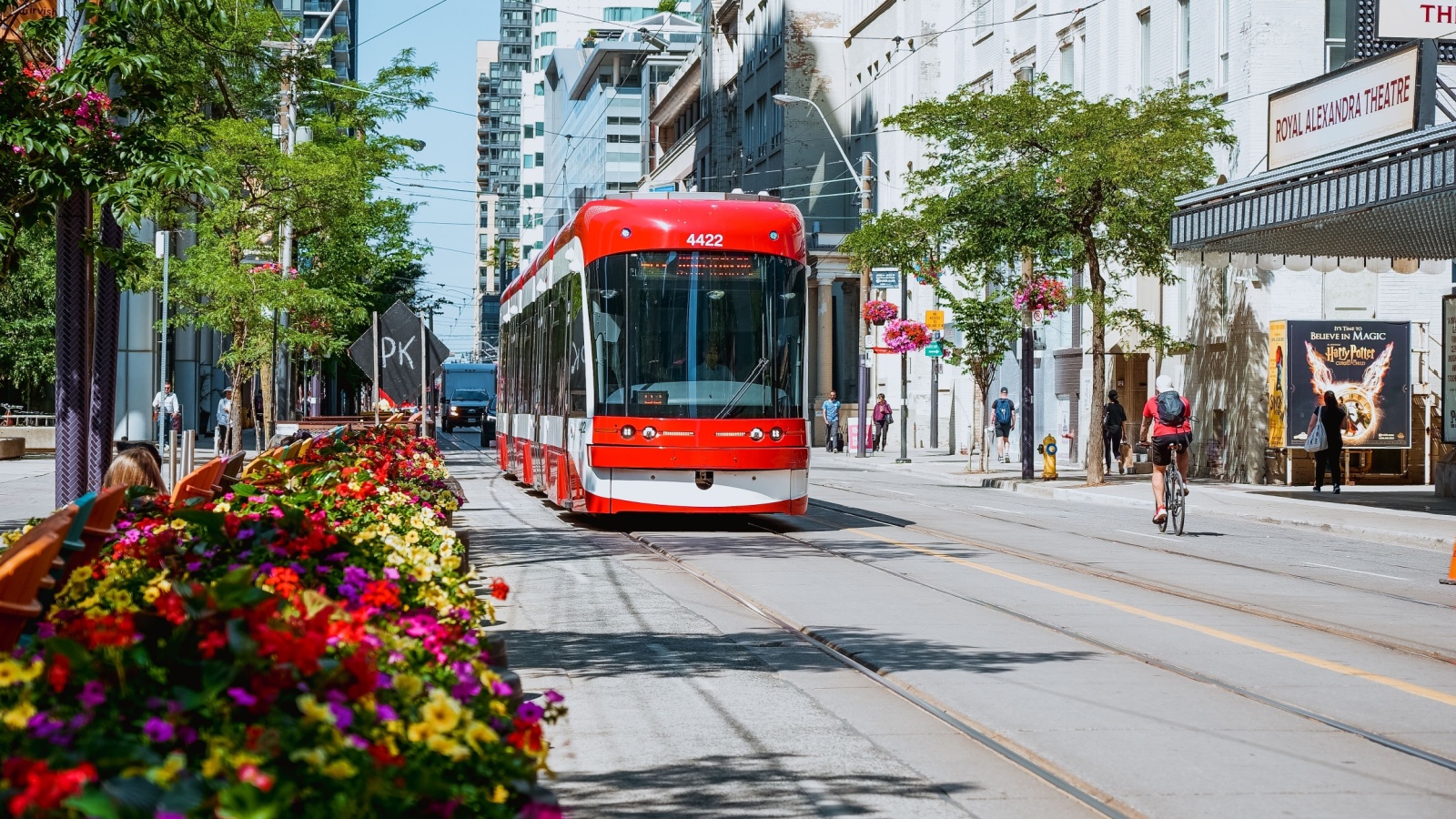
September brings increased commuting with school schedules, extracurricular activities, and workers returning to offices. Many families reduce transportation expenses by using monthly transit passes or student fare discounts. Cities like Toronto, Vancouver, Calgary, and Montreal offer reduced rates for youth, students, and low-income riders. Transit passes often cost far less than daily tickets or parking fees. Combining transit with walking or cycling also cuts fuel and vehicle maintenance costs. For some households, scaling back to one family car becomes possible, creating significant year-round savings.
Shopping Second-Hand for Clothing and Sports Gear

With children returning to school and fall sports starting, second-hand shopping helps families avoid paying full retail prices. Stores like Value Village, Salvation Army Thrift, Plato’s Closet, and Play It Again Sports offer affordable options for clothing, skates, hockey equipment, and outdoor wear. Online platforms such as Facebook Marketplace, Poshmark, and VarageSale also provide major savings and prevent unnecessary waste. Many families swap or resell gear within local community groups to reduce costs. This approach keeps budgets balanced while supporting sustainability.
Cancelling Summer Subscriptions and Re-Evaluating Bills

When summer ends, many households review monthly subscriptions and service charges to eliminate unused expenses. Streaming platforms, camp memberships, gym passes, outdoor recreation rentals, and seasonal lawn-care services are common items to pause or cancel. September is also an ideal time to renegotiate phone and internet plans, compare utility providers, or switch to lower-cost bundles. Tracking recurring payments with banking apps helps families identify unnoticed spending leaks. This financial reset strengthens cash flow ahead of the holiday season and reduces unnecessary expenses.
Preparing Winter Emergency Kits Without Overspending

Canadian families use September to prepare winter emergency kits for storms and power outages without overspending. Kits include essentials such as bottled water, canned goods, flashlights, batteries, blankets, and first aid supplies. Shopping for sales, buying in bulk, and reusing containers help save money. Including items like manual can openers, battery-powered radios, and non-perishable snacks ensures safety and comfort. Families check expiry dates and rotate stock from last year. Preparing early helps prevent last-minute panic purchases during snowstorms or blackouts. This method balances safety with budget-conscious planning for households across Canada.
Signing Up for Fall Community Recreation Programs

September is a prime time for Canadians to register for local recreation programs, from sports leagues to art and music classes. Community centers and municipal programs often offer early-bird discounts or family packages. Signing up early ensures spots in popular programs while reducing last-minute enrollment costs. Many programs in cities like Toronto, Vancouver, and Ottawa also include free trial sessions or low-cost memberships for youth. Participating encourages health, creativity, and social engagement. Families can plan schedules to maximize benefits while keeping expenses manageable. Fall registration helps balance fun with careful budgeting.
Comparing Internet and Cell Plans for Better Rates

Families often review internet and mobile phone plans in September to reduce monthly bills. Comparing rates across providers like Bell, Rogers, Telus, Shaw, Freedom Mobile, and Videotron can reveal savings or better packages for streaming, work, and school needs. Many Canadians bundle services to save money, while student or family discounts may also apply. Evaluating usage helps avoid overpaying for data or unnecessary features. Switching plans during promotions or signing long-term deals with added benefits ensures cost efficiency. This strategy keeps communication costs reasonable while maintaining reliable connectivity for work and education.
Decluttering and Selling Unused Items for Extra Cash

September is ideal for Canadian families to declutter homes and generate extra cash. Items such as clothing, books, toys, and electronics can be sold online on Facebook Marketplace, Kijiji, or eBay, or through local garage sales. Donating unsold items to charity reduces waste and may provide tax receipts. Organizing spaces like basements, closets, and garages also prepares homes for winter and improves daily routines. Families often involve children in sorting and selling, teaching financial responsibility. Decluttering not only frees up space but also creates financial opportunities without major investment.
Joining Local Library Programs to Cut Activity Costs

Canadian public libraries offer cost-effective programs for families, especially in September when school schedules resume. Programs include reading clubs, homework help, computer access, workshops, and educational activities. Library cards are free in most provinces, and borrowing books, movies, and tools reduces spending on entertainment. Libraries in cities like Vancouver, Toronto, and Halifax also host seasonal events, technology classes, and social activities. Families save on extracurricular expenses while supporting community resources. Utilizing library services helps children learn, fosters creativity, and provides adults with professional resources—all at little to no cost.
Planning Fall Family Trips Using Off-Peak Prices

September is a smart month for Canadian families to plan short trips, taking advantage of off-peak travel rates. Hotels, resorts, and attractions in popular destinations such as Banff, Niagara Falls, and Prince Edward Island often offer discounts after summer crowds leave. Booking in advance or during weekday stays reduces costs further. Travel passes, park admissions, and dining specials may also apply. Families can explore hiking, cycling, or cultural tours at lower prices. Planning off-peak travel stretches budgets while maintaining quality experiences, allowing households to enjoy vacations without incurring the high costs of summer travel.
Setting Financial Goals for the Rest of the Year

September is ideal for Canadian families to review finances and set goals for the remaining months. Households often plan for holidays, winter heating, tax payments, and unexpected expenses. Writing down priorities helps monitor savings, debt repayment, and investments. Using tools such as budgeting apps or spreadsheets ensures clarity and accountability. Families may adjust discretionary spending and focus on essentials to meet objectives. Goal-setting encourages disciplined spending, reduces stress, and provides motivation to achieve targets before year-end. Reviewing progress periodically ensures plans remain realistic and effective for all members of the household.
22 Groceries to Grab Now—Before another Price Shock Hits Canada

Food prices in Canada have been steadily climbing, and another spike could make your grocery bill feel like a mortgage payment. According to Statistics Canada, food inflation remains about 3.7% higher than last year, with essentials like bread, dairy, and fresh produce leading the surge. Some items are expected to rise even further due to transportation costs, droughts, and import tariffs. Here are 22 groceries to grab now before another price shock hits Canada.
22 Groceries to Grab Now—Before another Price Shock Hits Canada
