Canada is often discussed with confidence by people who have never lived here or visited. Some ideas are amusing, while others become tiring to explain. Over time, these assumptions turned into myths that do not reflect daily life or the reality Canadians experience. The country is diverse, and no single lifestyle applies to everyone. Climate, culture, language, and lifestyle vary across regions, and many common beliefs ignore that. Here are 19 myths about us we’re done politely correcting.
Canada Is Always Cold
Many people outside Canada think the entire country is frozen year-round, but that is not accurate. Winters can be cold, especially in the prairie provinces or northern territories, but temperatures vary across regions. Summers in cities like Toronto, Montreal, and Ottawa regularly reach above 25°C. British Columbia has mild weather, and Vancouver rarely sees heavy snow. Canadians enjoy beaches, hiking, and outdoor festivals during warmer months. The country is large with multiple climate zones. Some areas experience long cold seasons, but it is incorrect to assume the entire nation feels winter weather every single month.
Canadians Say “Sorry” Every Minute

The belief that Canadians apologize constantly has become a common joke, but it is exaggerated. Politeness is culturally valued, so phrases like “sorry” or “excuse me” help make interactions smoother. The word does not always mean guilt. Sometimes it acknowledges space or avoids conflict. People may use soft language in conversation because it feels more respectful. Canadians can be assertive when needed, and they do not apologize every moment. The stereotype often comes from visitors who notice the politeness compared to other places. Canadians may say sorry often, but definitely not every minute.
Everyone Speaks French and English Fluently

French and English are official languages in Canada, but that does not mean every person speaks both. Many Canadians speak only English, especially in western provinces. French is widely spoken in Quebec and parts of New Brunswick, but bilingual fluency is not guaranteed nationwide. Some learn a second language in school but rarely use it. Immigrant communities also speak many languages, such as Punjabi, Mandarin, Tagalog, and Arabic. Indigenous languages are also part of Canada’s identity. The idea that all Canadians switch easily between French and English ignores the country’s regional and cultural diversity.
Canadians Are Polite No Matter What

Canada has a reputation for politeness, but this stereotype oversimplifies how people behave. Canadians can be friendly and respectful, especially in public spaces or when interacting with strangers. Still, Canadians experience frustration, stress, or disagreement like anyone else. Some speak directly and firmly when needed. Politeness does not replace boundaries or personal opinions. The stereotype comes from cultural communication styles that avoid unnecessary conflict. While courtesy exists in many situations, it is not universal or constant. Canadians are human, and politeness does not override every emotion or circumstance they experience.
We Live in Igloos
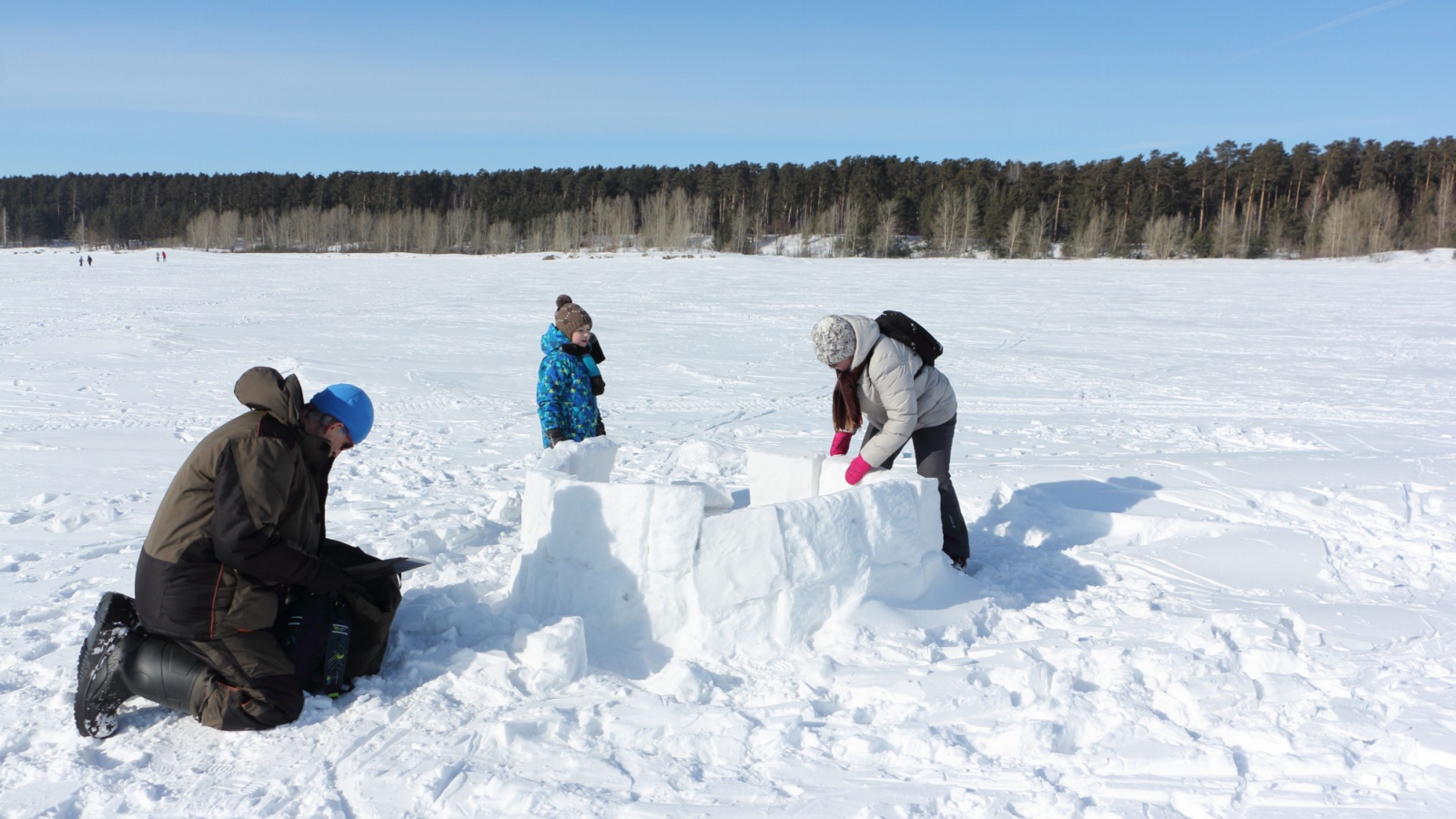
Some people still believe Canadians live in igloos, but that idea is outdated and incorrect. Igloos were historically built by some Inuit communities in specific winter conditions as a temporary shelter. Modern housing in Canada includes apartments, condos, townhouses, and detached homes. Cities like Toronto, Vancouver, Calgary, and Montreal have modern skylines and large residential areas. Northern communities face housing challenges, but they do not live in igloos. The assumption ignores Indigenous culture and oversimplifies history. Canadians live in normal housing, similar to that in many other countries.
Moose and Bears Walk Through Our Streets Daily
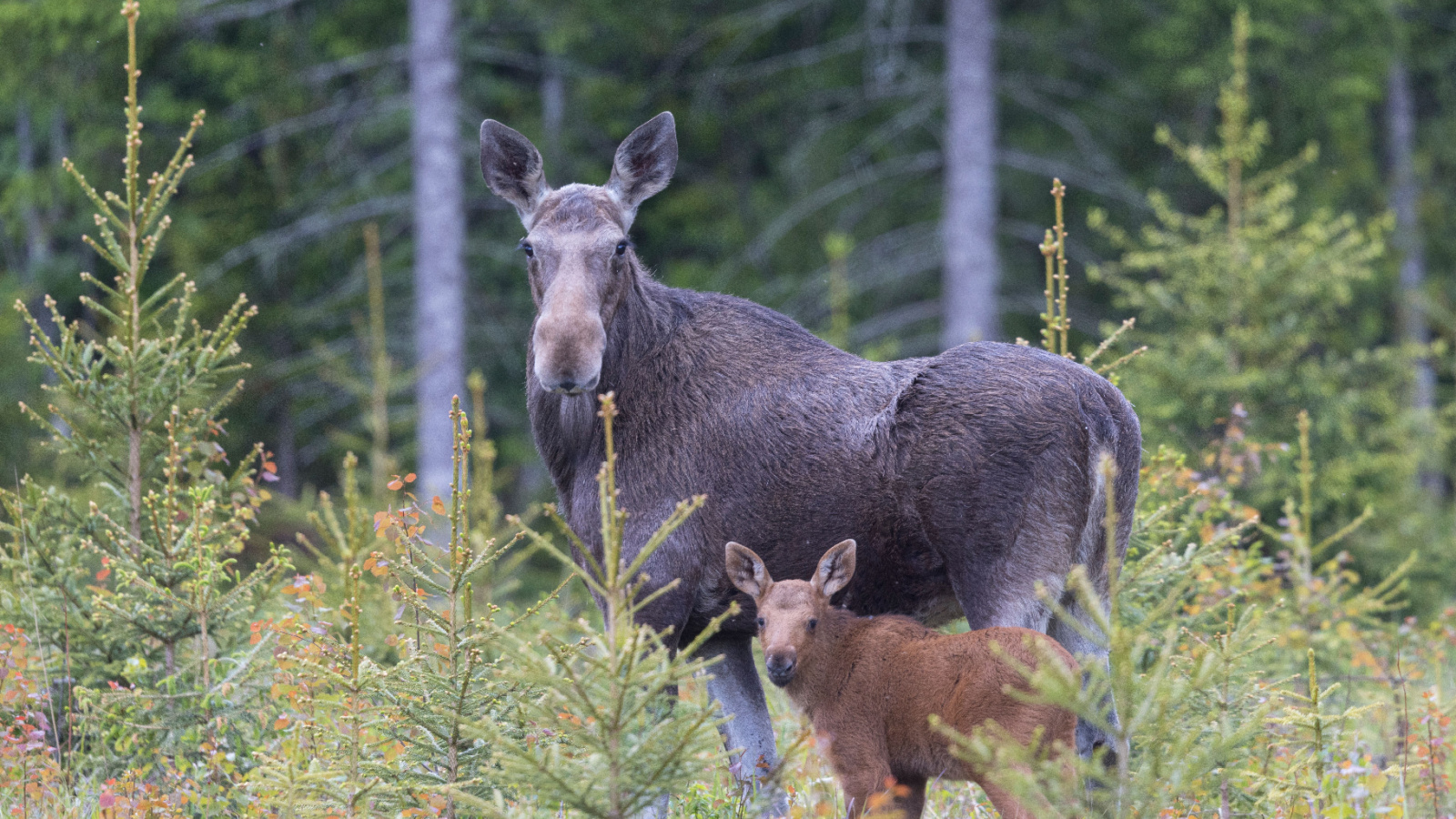
Wildlife exists in Canada, especially in forests, lakes, and mountain regions, but it is not common to see large animals daily in major cities. Tourists sometimes expect moose or bears wandering downtown, but that rarely happens. Smaller animals like raccoons, skunks, geese, or squirrels appear more often. Towns near national parks may see wildlife more frequently, but most Canadians never encounter moose or bears in normal daily life. The stereotype likely comes from Canada’s large wilderness areas. Wildlife is part of Canada’s identity, but it is not part of regular city life.
All Canadians Love Hockey

Hockey is a popular sport in Canada, but not everyone is passionate about it. Many people enjoy soccer, basketball, baseball, volleyball, or no sports at all. Sports preferences often depend on region, upbringing, or personal interest. Canada is diverse, and its communities include many cultures with unique traditions. Hockey is important historically and has great national pride, but it does not define every Canadian. Some follow it casually, others love it, and some do not care about it. The idea that every Canadian is obsessed with hockey exaggerates reality.
We Get Free Healthcare With No Wait Times

Canada has public healthcare, but many misunderstand how it works. Basic medical services are funded through taxes, so people do not pay directly during appointments. However, wait times can vary depending on the urgency of the situation and the province. Emergency or life-threatening cases receive faster care, while non-urgent procedures may take longer. Some services like dental care, prescription medication outside hospitals, and vision care are not fully covered. The system helps reduce financial stress, but it is not completely free or instant. The idea of no wait times does not match real experience.
Every City Feels the Same
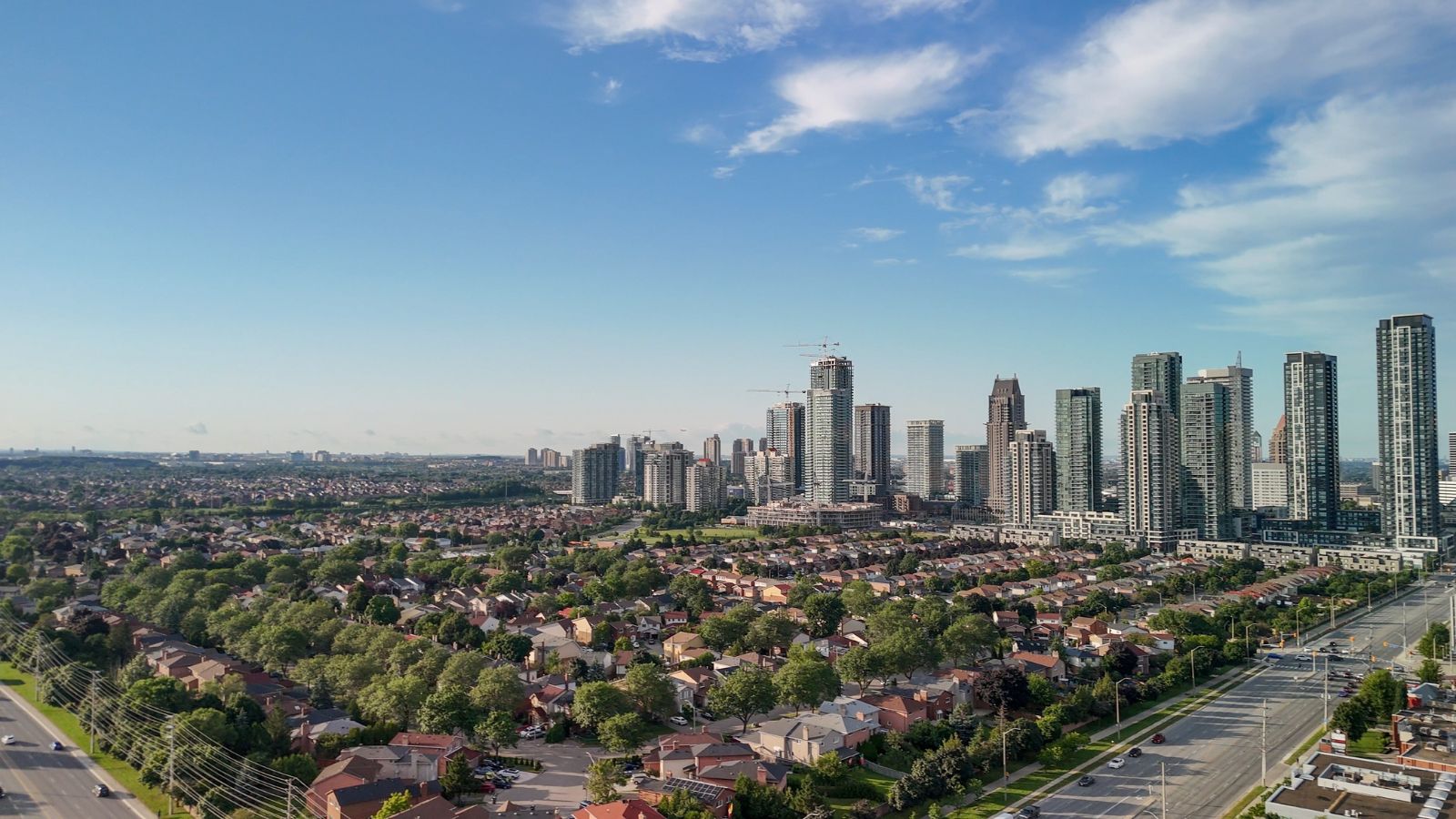
Canada is large, and cities are not identical. Vancouver has a coastal climate with mountain views and a strong outdoor culture. Toronto is more fast-paced with diverse neighborhoods and a busy downtown core. Montreal feels different with its French influence and unique architecture. Calgary has prairies, ranching history, and a strong energy sector. Each city has its own culture, food, weather, and pace. Small towns and northern communities also feel different from major cities. The assumption that everything looks or feels the same overlooks regional differences and lifestyles across the country.
We All Sound the Same When We Speak

Many assume Canadians share one accent, but accents vary across regions. Newfoundland has a distinct rhythm influenced by Irish and English roots. Quebec English has a tone shaped by French language patterns. People in British Columbia and Ontario often have accents closer to what some call “standard North American English.” Prairie and northern communities may sound different based on background and history. Immigration adds more variation, with many spoken languages shaping speech patterns. There is no single Canadian accent that applies to everyone.
Canada Is Just a Quieter Version of the United States
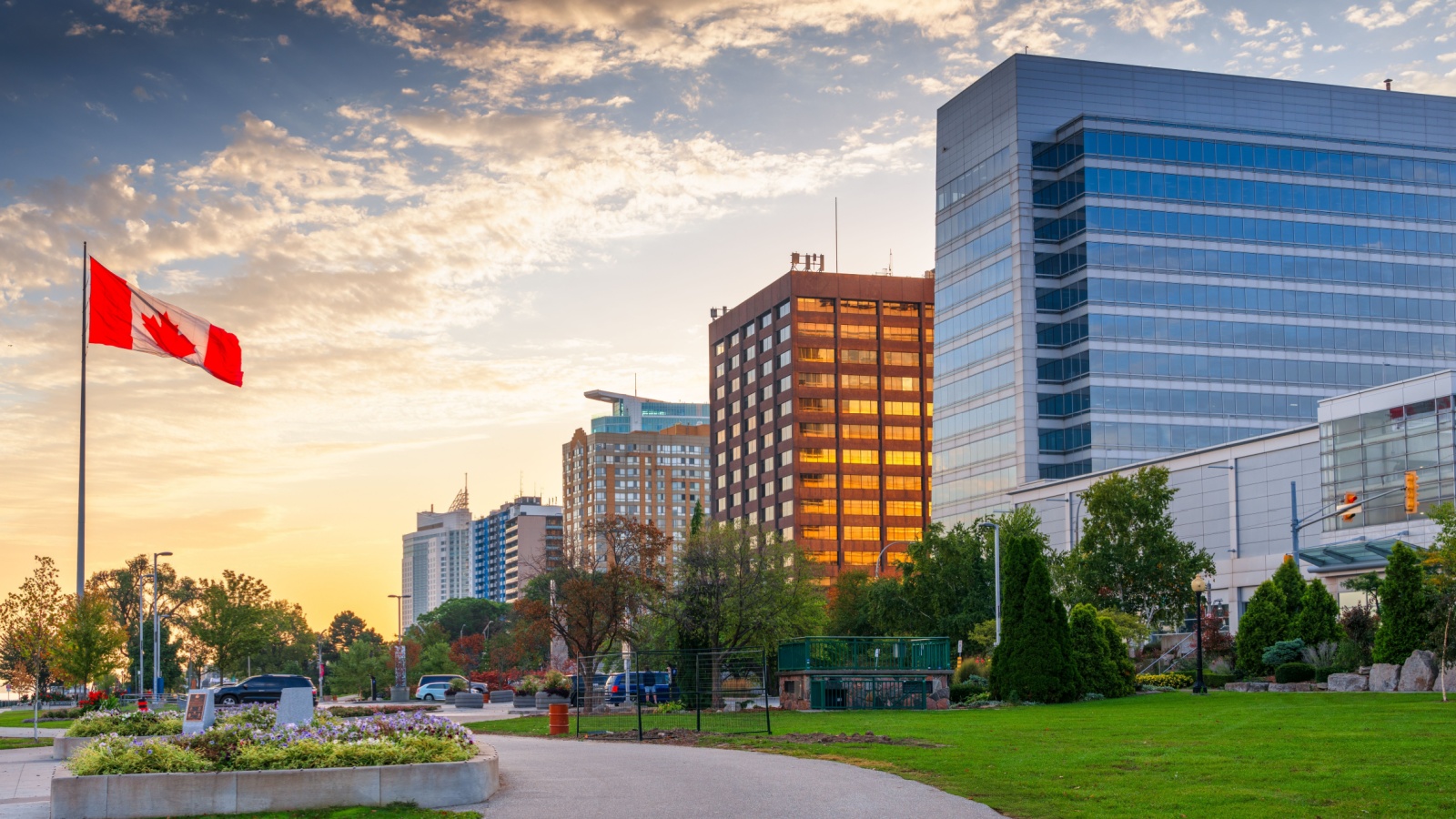
Canada and the United States share a long border, trade relationships, and some similar cultural influences, but they are not the same. Canada has different laws, healthcare structures, political systems, and national identity. Public services, social values, and immigration policies also differ. Canadian history includes Indigenous cultures, French and British influence, and multicultural growth. The United States has its own separate path and cultural identity. Comparing the two as identical or nearly identical oversimplifies both. While there are similarities, saying Canada is just a quieter version of the United States is inaccurate.
Canadian Food Is Only Maple Syrup and Poutine

Maple syrup and poutine are well known, but Canadian food is much more diverse. Dishes vary by region, history, and cultural influence. British Columbia has fresh seafood. Quebec has tourtière. The Prairies feature grains and Ukrainian-influenced pierogies. Ontario has cider mills and farm-based food traditions. Newfoundland offers salt cod, toutons, and seal flipper pie. Indigenous foods like bannock, smoked fish, bison, and wild berries are part of Canada’s roots. Immigration has added global foods, including Indian, Chinese, Filipino, and Middle Eastern dishes. Canadian food is varied and does not sit in one category.
Everyone Loves Winter
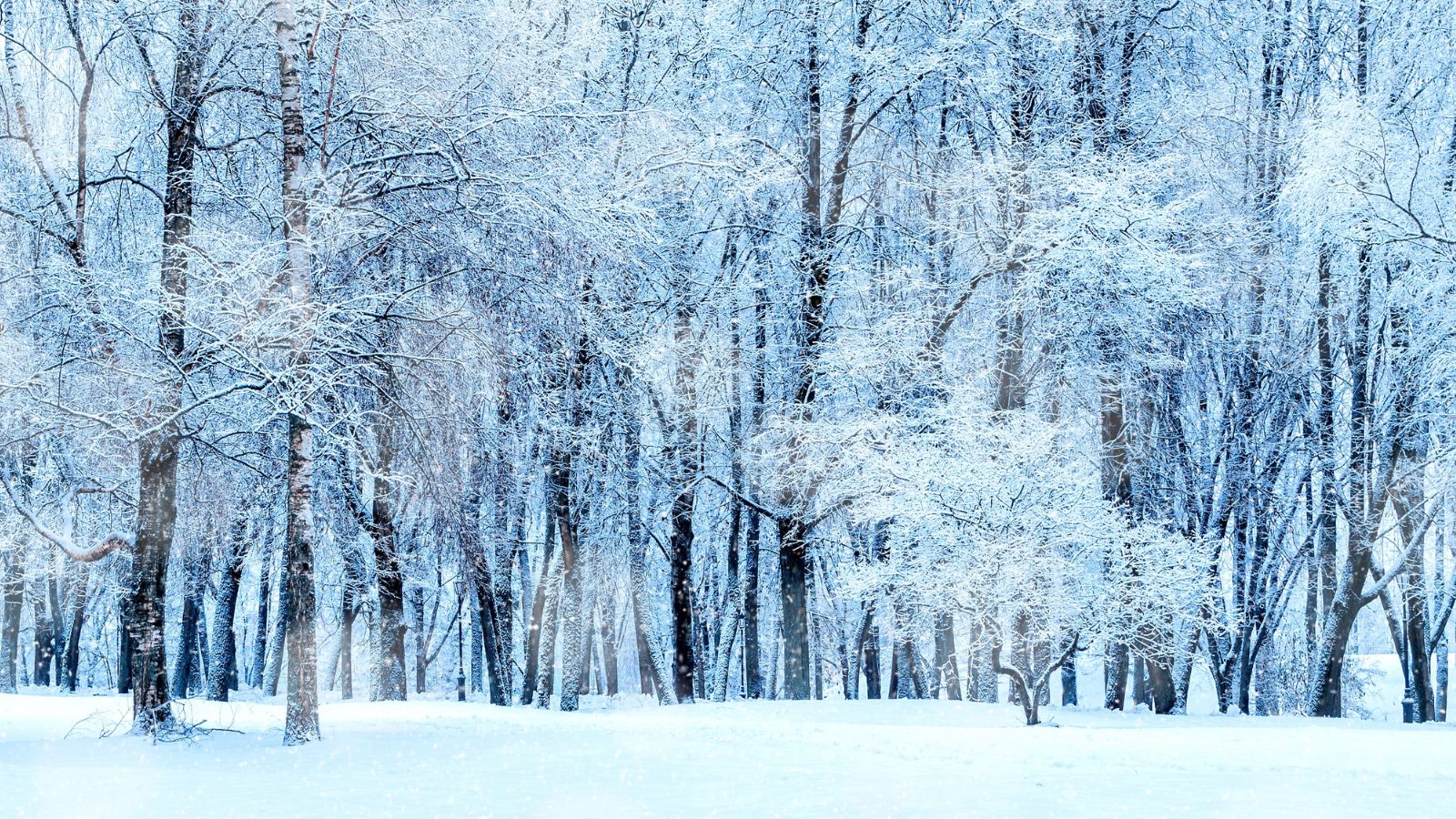
Winter can be enjoyable for many Canadians, especially with activities like skating, skiing, or winter festivals. Still, not everyone likes the lon,g cold months. Some find it challenging, especially when dealing with icy roads, shorter daylight hours, and high heating costs. People in provinces with harsher weather may feel tired of snow by February. Others enjoy winter as part of the Canadian lifestyle but still look forward to spring. There is no universal opinion about winter. Canadians have different experiences based on location and personal preference.
Nothing Bad Ever Happens in Canada
Canada often has a positive international reputation, but no country is free from challenges. Canadians experience crime, natural disasters, political disagreements, and economic pressures. Housing affordability is a concern in many cities. Wildfires, floods, and winter storms affect regions across the country. Healthcare access, climate issues, and reconciliation with Indigenous communities remain ongoing discussions. While Canada is known for safety and stability, the idea that everything is perfect or peaceful all the time does not reflect reality. Canadians face problems like any other population, even if the tone may appear calm from the outside.
Our Cost of Living Is Low

Many assume Canada is affordable, but the cost of living has increased in recent years. Housing prices in cities like Toronto, Vancouver, and Victoria are among the highest in the country. Groceries, transportation, and utilities can also be expensive depending on the region. Some smaller cities and rural communities offer lower costs, but wages and access to services may also differ. Taxes help fund healthcare and public programs, but that does not mean daily life feels cheap. Costs vary for individuals, and many Canadians budget carefully. The idea that living in Canada is always affordable is not accurate.
All Canadians Camp and Hike
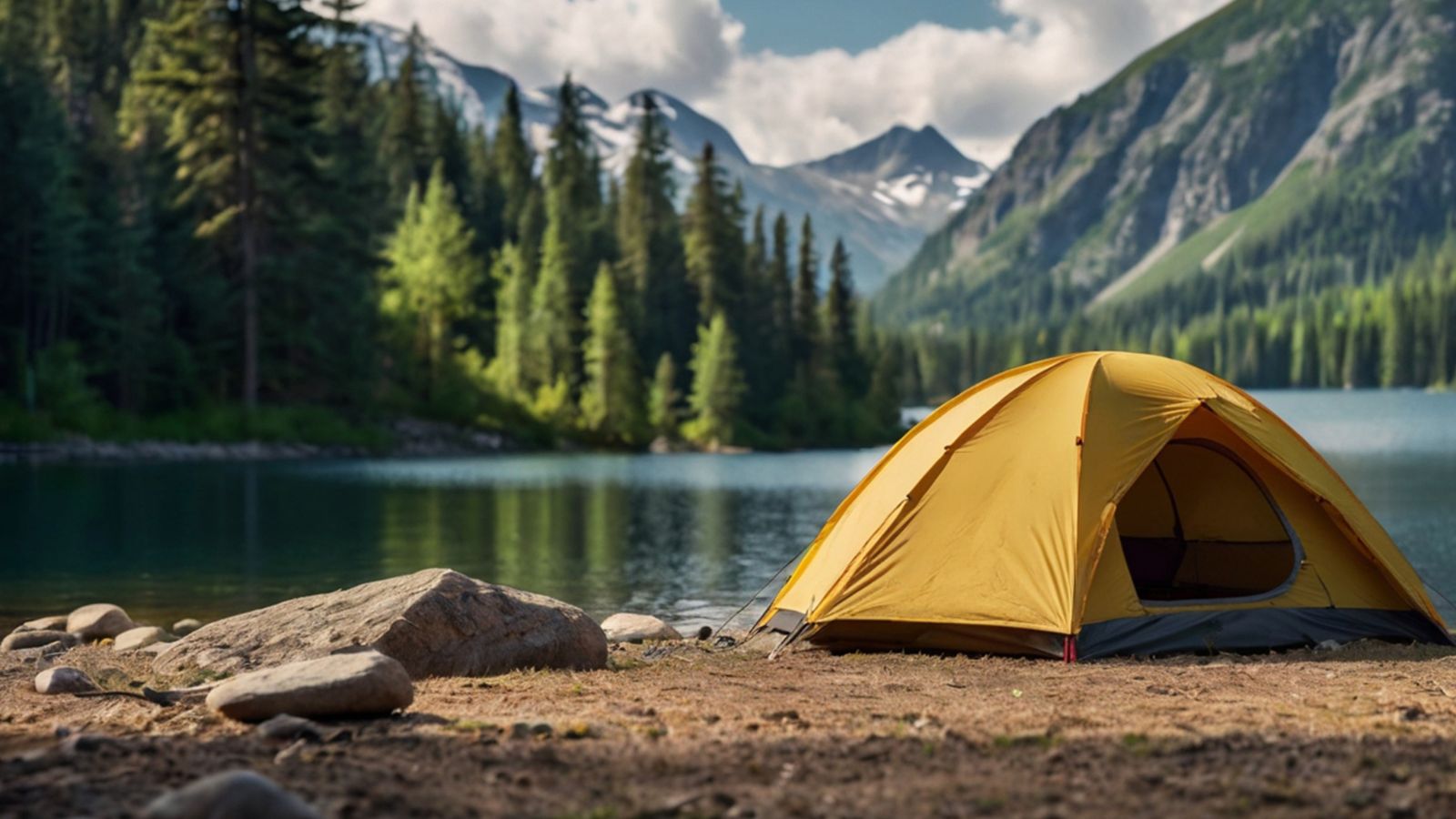
Canada has many parks, lakes, and outdoor spaces, which makes camping and hiking popular hobbies. However, not every Canadian participates. Some enjoy indoor activities, city life, or hobbies that do not involve nature. Others may not have the equipment, time, or interest in camping. Weather and distance also affect these activities since many popular outdoor areas require travel. While outdoor recreation is part of the national image, it is not something every resident does. People in Canada have a wide range of interests, and outdoor adventure is only one part of the lifestyle.
Canadians Never Get Angry

Canadians may be known for calm communication, but that does not mean they never feel anger. People experience stress from work, finances, relationships, or life changes just like anywhere else. The difference is that many Canadians express disagreement or frustration in a direct but respectful way. Anger exists, but it may not always appear loud or confrontational. Some avoid conflict publicly but still feel strong emotions privately. The stereotype comes from politeness, but politeness does not erase real feelings. Canadians can and do get angry when something feels unfair, harmful, or disrespectful.
Canada Is Mostly Untouched Wilderness
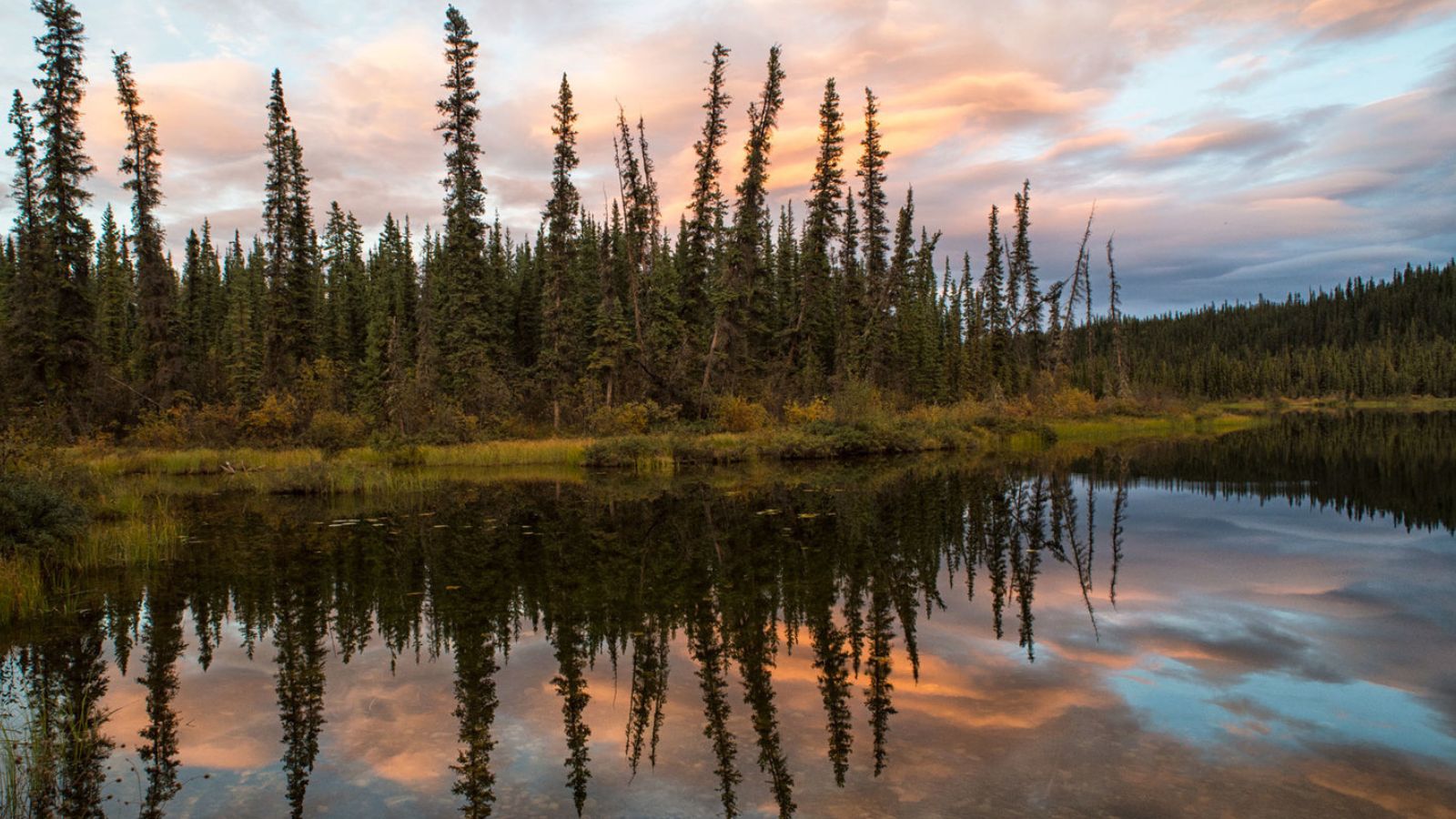
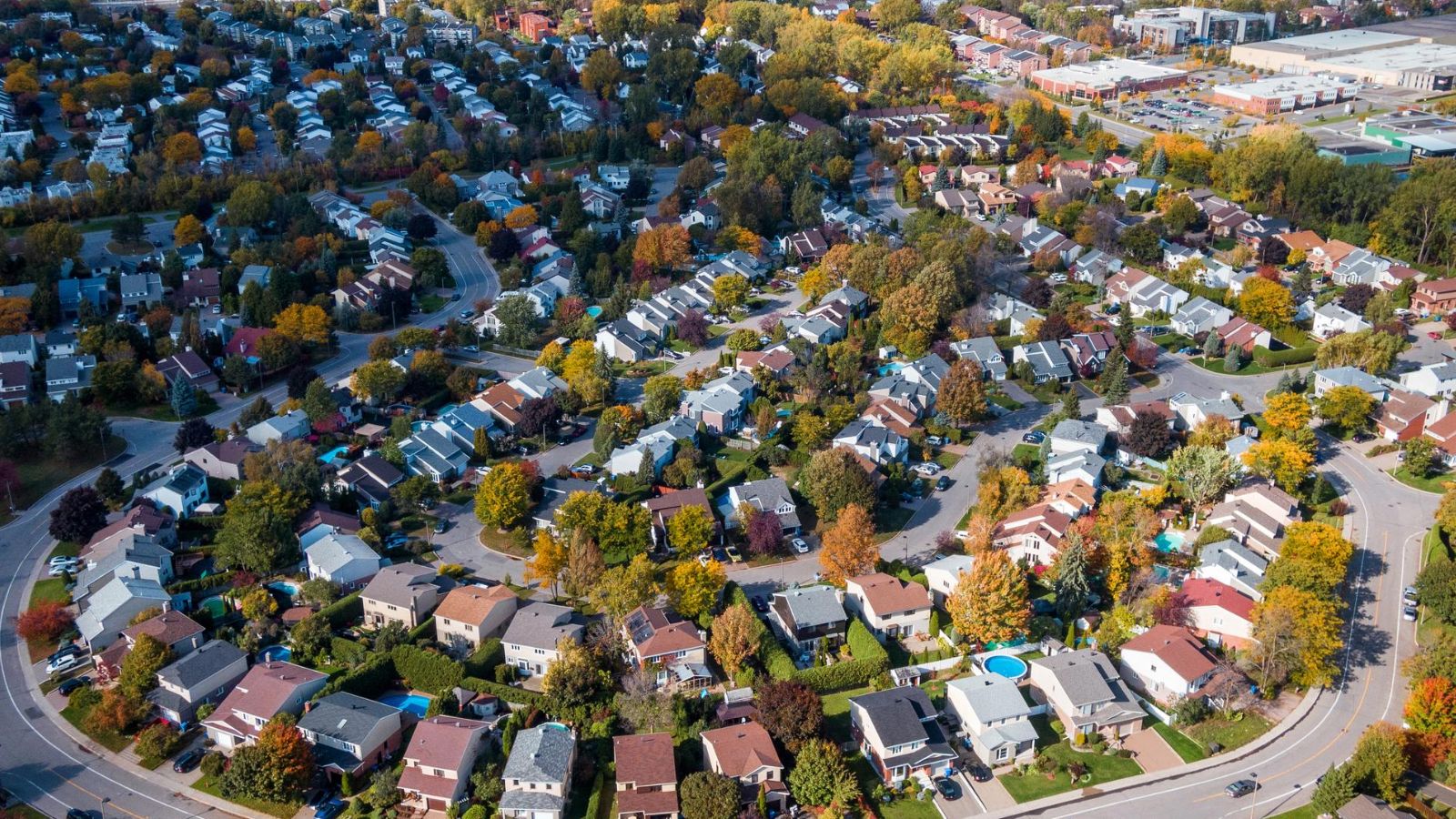
Canada has large forests, lakes, and natural spaces, but the entire country is not wilderness. Many Canadians live in cities and suburbs with modern infrastructure, public transit, and developed neighborhoods. Provinces like Ontario, Alberta, British Columbia, and Quebec have major metropolitan areas with large populations. Rural regions and national parks exist and are valued, but they do not represent the entire country. Canada balances nature and development. The wilderness stereotype comes from travel images and documentaries, but everyday life for most people happens in urban or suburban settings.
Everyone Wants To Move Here Because Life Is Easy
Canada is often viewed as a desirable country, but that does not mean life is simple or effortless. Immigrants and residents navigate job markets, housing costs, weather challenges, and adjustment to regional culture. Building a stable life takes time and planning. Opportunities exist, but they are not handed out automatically. Some people move for safety, education, or opportunity, and many find stability. Still, the idea that everything instantly falls into place is misleading. Canada is a good place to live for many, but it requires effort like anywhere else.
21 Products Canadians Should Stockpile Before Tariffs Hit

If trade tensions escalate between Canada and the U.S., everyday essentials can suddenly disappear or skyrocket in price. Products like pantry basics and tech must-haves that depend on are deeply tied to cross-border supply chains and are likely to face various kinds of disruptions
21 Products Canadians Should Stockpile Before Tariffs Hit
