Canada is moving quickly to reshape everyday consumer behavior through new bans and taxes designed to improve public health, protect the environment, and regulate safety standards. These changes affect products and services that many Americans still use freely. From single-use plastics and flavored vaping products to luxury item taxes and strict rules surrounding fireworks and firearms, Canadians are experiencing noticeable shifts in how they shop, travel, and spend. Here are the 19 things Canada is banning (or taxing) that Americans take for granted.
Single-Use Plastics

Canada is phasing out several single-use plastics to reduce environmental waste. Items such as plastic straws, cutlery, stir sticks, six-pack rings, checkout bags, and certain food packaging are restricted from manufacturing and sale. Many Canadians now use reusable options at home and in businesses. The shift is part of a nationwide commitment to reduce plastic pollution. Americans can still freely buy many of these items, but Canadian retailers face strict limits. Some provinces and cities enforce additional rules. The change affects restaurants, grocery stores, and consumers. Many households switched to paper, metal, or compostable alternatives.
Flavored Vaping Products

Canada has restricted the sale of flavored vaping products to curb youth vaping rates. Many regions allow only tobacco, mint, or menthol flavours. Fruit, dessert, and candy flavours are banned in multiple provinces and are limited under national rules. Retailers must follow strict packaging and nicotine-strength regulations. Vapes cannot be openly displayed in stores in many areas. The policy aims to reduce youth appeal and minimize health risks. Americans still have far wider flavour access. Canadian consumers now face fewer choices and higher prices. Restrictions continue to expand as governments monitor usage trends.
Sugary Drink Taxes

Some Canadian provinces introduced taxes on sugary beverages to reduce consumption and support public health spending. Newfoundland and Labrador added taxes on soda, energy drinks, and sweetened juices. Other provinces are reviewing similar plans. The tax increases retail prices and encourages healthier alternatives. Many Americans do not face national sugary beverage taxes, although a few US cities impose them. Canada reports falling soft drink sales in areas with taxes. Families have shifted to water and unsweetened drinks to manage grocery budgets. Retailers adjusted product placements and promotions due to changing demand.
Carbon Tax on Fuel

Canada applies a federal carbon tax on gasoline, diesel, natural gas, and other heating and fuel sources. The tax raises fuel prices to encourage lower emissions and energy efficiency. It applies in provinces without their own carbon pricing system. Canadians face higher transportation and home heating costs due to this policy. Americans do not pay a national carbon tax, so fuel remains cheaper in many US regions. The Canadian government provides rebates to offset some of the cost. The tax remains a major political topic and causes budget pressure for households.
Plastic Grocery Bags

Many Canadian cities and large retailers banned plastic grocery bags to cut waste and protect the environment. Shoppers must bring reusable bags or pay for paper or fabric options. Restaurants and delivery services also reduced plastic packaging. Americans still have broad access to plastic bags in many states. Canadians adapted to new daily habits and changed shopping routines. The shift reduces landfill volume and pollution. Some provinces enforce additional penalties for stores that do not follow the rules. Reusable bag sales increased as households adjusted to the change.
High-Caffeine Energy Drinks
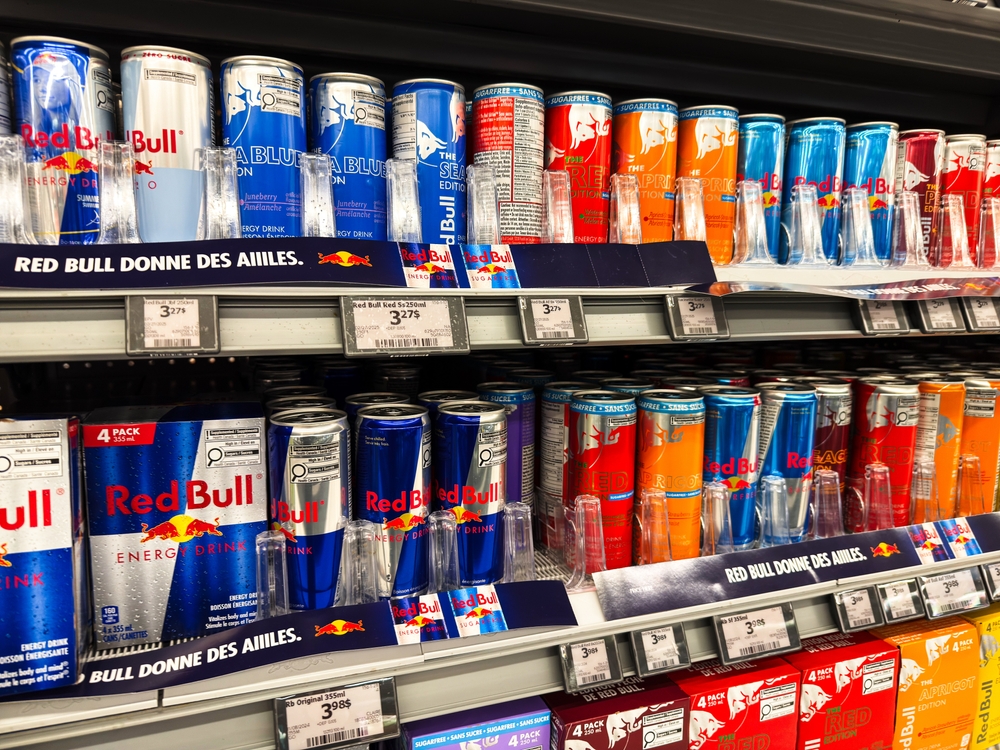
Canada restricts the sale of high-caffeine energy drinks and sets strict limits on caffeine content. Certain high-strength brands require warning labels and can only be sold to adults. Retailers cannot place them beside children’s beverages, and advertising to minors is restricted. Some products sold freely in the US are unavailable or reformulated for the Canadian market. These regulations aim to reduce health risks linked to excessive caffeine. Canadians now rely on lower-caffeine options or alternatives such as sports drinks and coffee. The rules continue to tighten as new products enter the market.
Foreign Home Purchases

Canada introduced restrictions on foreign buyers to address housing affordability and reduce speculation. Non-residents are temporarily banned from purchasing residential properties in many regions, with limited exemptions for newcomers and students. The policy aims to protect local buyers competing in overheated markets. The United States has no similar nationwide restriction, so foreign ownership is more accessible there. The rule has changed real estate activity in major cities such as Vancouver and Toronto. Many investors shifted their buying strategies or paused purchases. The policy remains under review based on market performance and housing supply needs.
Certain Pesticides and Lawn Chemicals

Canada bans or restricts several lawn and garden chemicals that are still widely available in the United States. Provinces such as Ontario and Quebec prohibit cosmetic pesticides used for lawn care to protect health and reduce environmental harm. Homeowners now turn to organic or manual lawn maintenance. Retail stores removed many conventional weed and pest control options. Americans continue using products like 2,4-D and other herbicides without the same limitations. Canadian regulations prioritize water safety and biodiversity. Some cities enforce additional fines for improper usage.
Raw Milk Sales

Raw unpasteurized milk is illegal to sell in Canada due to safety concerns, including bacterial contamination risks. Pasteurization is mandatory for commercial distribution nationwide. Americans can legally buy raw milk in many states, depending on local laws. Supporters argue for nutritional benefits, while public health officials prioritize safety standards. Canadian consumers must rely on pasteurized dairy products, including farm-direct sales. Enforcement remains strict, and raw milk distribution systems face penalties. The policy rarely changes despite advocacy groups calling for controlled sale options.
Handgun Purchases and Transfers

Canada implemented strict regulations freezing the purchase, sale, and transfer of handguns. Individuals can no longer buy, sell, or import handguns except under narrow exemptions for professionals such as security or training purposes. Many firearms commonly purchased in the United States are inaccessible to Canadians. The government aims to reduce gun violence and illegal trafficking. Existing handgun owners face stringent licensing and storage requirements. Americans continue to access handguns with fewer federal restrictions. Retailers removed inventory, and shooting ranges adjusted operations following the changes.
High-Capacity Firearm Magazines

Canada bans high-capacity firearm magazines, limiting rounds to five for most rifles and 10 for handguns. Possession of larger magazines requires modification or is considered illegal. The United States allows widespread access to high-capacity magazines depending on state laws. Canadian hunters, sport shooters, and gun owners must comply with strict rules. The measure is intended to improve public safety and reduce mass-casualty risks. Retailers restrict sales and product availability. Cross-border enforcement continues to intensify as demand and smuggling concerns grow.
Tobacco Display Restrictions

Canada prohibits visible displays of cigarettes and tobacco products in most retail locations. Stores must keep all tobacco hidden behind closed cabinetry or plain shelving. The rule aims to reduce youth exposure and marketing influence. Packaging is also standardized with plain labels and health warnings. Americans can still buy tobacco from open display cases in many states. Retail environments in Canada changed significantly due to compliance requirements. Buyers must request products directly, reducing impulse purchases and marketing visibility.
Cosmetic Animal Testing Ban

Canada banned the testing of cosmetic products on animals and the sale of cosmetics developed with animal testing data. The legislation aligns with ethical and cruelty-free standards supported by many consumers. The United States still permits animal testing for some cosmetic ingredients, depending on regulations and state policies. Canadian companies accelerated investment in alternative testing methods, such as in vitro and computer-based models. Retail labeling and certification increased to reflect compliance. The change influences development, supply chains, and brand marketing across the beauty industry.
Gas-Powered Car Phase-Out Plans

Canada announced plans to eliminate the sale of new gas-powered cars and light trucks by 2035 to reduce emissions and meet climate goals. Automakers must shift toward electric vehicles and hybrid technology. Incentive programs encourage drivers to adopt EVs with rebates and charging infrastructure. The United States has no unified federal ban, and adoption varies by state. The policy reshapes dealership inventory, manufacturing investment, and energy planning. Consumers buying new cars must prepare for the long-term EV transition. Critics raise concerns about cost and infrastructure speed, but government timelines remain firm.
Strict Airbnb and Short-Term Rental Regulations
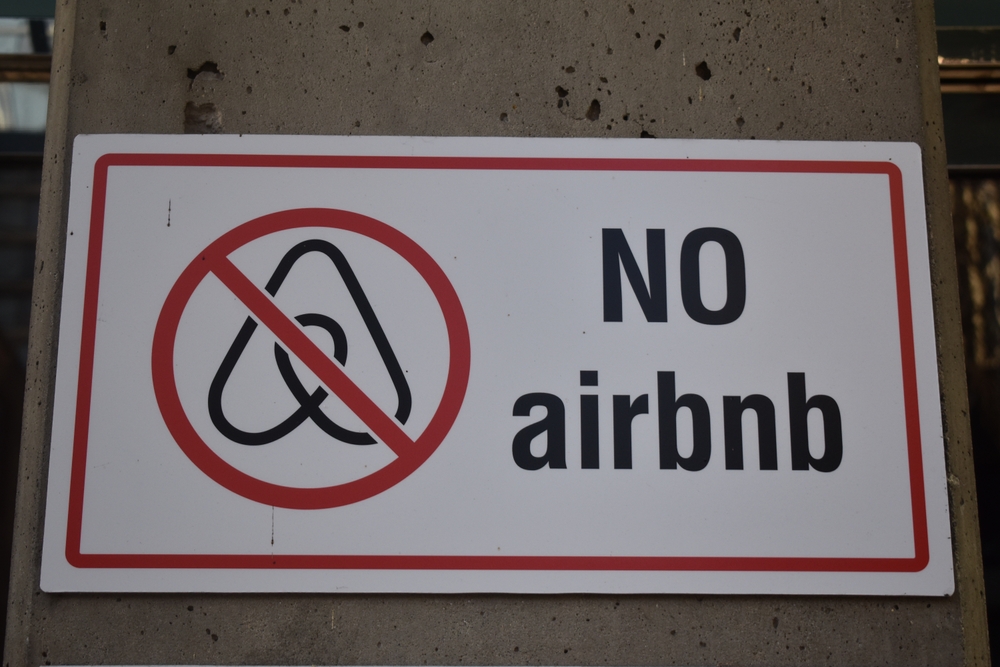
Major Canadian cities introduced strict rules limiting Airbnb and short-term rentals to address housing shortages and protect long-term affordability. Many municipalities require hosts to live on-site or register their units to operate legally. Investors relying on rental profits face reduced options. The United States generally offers looser regulations depending on city enforcement. Toronto, Montreal, and Vancouver are among the strictest, penalizing illegal listings and removing thousands of units from platforms. The policies aim to return properties to residents. Hosts must comply with licensing, tax rules, and capacity limits.
Unpasteurized Cheese Imports Limits

Canada enforces strict limits on importing unpasteurized cheeses, particularly those that have not aged for at least 60 days. Food safety regulations protect consumers from bacterial risks such as Listeria and E. coli. Specialty stores and restaurants face limited availability of artisanal cheeses commonly sold in European and American markets. The United States allows broader access depending on state and federal guidance. Canadian travelers and cheese enthusiasts often notice missing varieties. Importers must follow controlled procedures and inspection standards. The policy influences gourmet food culture, pricing, and culinary diversity.
Advertising Restrictions for Kids

Canada enforces strict rules limiting advertising directed at children, especially for unhealthy foods, toys, and digital media content. Regulations aim to protect youth from excessive marketing influence and reduce long-term health problems. Companies must adjust branding and promotional channels. The United States has lighter federal restrictions and broader commercial advertising freedom. Canadian broadcasters and digital platforms face compliance monitoring and penalties. Parents support reduced exposure to targeted messaging. Food and entertainment industries adapt messaging and sponsorship strategies. The regulations contribute to consumer protection and public health priorities.
Fireworks Restrictions in Many Cities

Fireworks use is heavily restricted or banned in many Canadian cities due to fire risk, noise concerns, and safety issues. Permits or limited holiday exemptions apply in places like Calgary, Vancouver, and Toronto. Residents often require approval for private displays, and police enforce violations. Americans typically have wider access to consumer fireworks depending on state laws. Many Canadian communities provide supervised public shows instead of private usage. Restrictions aim to reduce injuries, fires, pollution, and wildlife disruption. Retail availability remains seasonal and regulated.
Taxes on Luxury Cars, Aircraft, and Boats
Canada introduced a luxury tax on high-value vehicles, private aircraft, and boats to increase revenue and address wealth inequality. The tax applies to items exceeding price thresholds, affecting premium purchases. Manufacturers and buyers adjusted spending and production strategies. The United States does not currently apply a similar nationwide luxury goods tax. Supporters argue that the policy ensures fair contribution from higher-income consumers. Critics claim economic impact on specialized industries. Retailers and import businesses report shifting demand among buyers seeking lower-cost alternatives or delaying purchases.
22 Groceries to Grab Now—Before another Price Shock Hits Canada

Food prices in Canada have been steadily climbing, and another spike could make your grocery bill feel like a mortgage payment. According to Statistics Canada, food inflation remains about 3.7% higher than last year, with essentials like bread, dairy, and fresh produce leading the surge. Some items are expected to rise even further due to transportation costs, droughts, and import tariffs. Here are 22 groceries to grab now before another price shock hits Canada.
22 Groceries to Grab Now—Before another Price Shock Hits Canada

Alanna Rosen is an experienced content writer that focuses on many finance and educational content. Her articles are regularly published on Web3Tribe and syndicated on large publications.