Re-entering Canada involves more than showing a passport. Border officers observe details that go beyond documents alone. Travel history, purchases, and behavior all play a role. Even small items or simple answers can influence inspection. Rules cover customs, agriculture, and security concerns. Many travelers are unaware of how routine observations shape the process. Being prepared helps reduce delays and confusion. Here are 19 things CBSA officers notice immediately when you re-enter Canada.
Canada Border Services Agency Travel Documents
CBSA officers first examine passports and official travel documents. They check validity dates, photo match, and document condition. Damaged, altered, or expired documents raise concerns immediately. Officers confirm identity against entry and exit records. Visas, residency cards, or permits may also be reviewed. Missing paperwork can delay processing. Travelers should keep documents ready before reaching the booth. Inconsistent personal details may lead to further questions. These checks confirm identity and legal status. Proper documents help ensure a smoother re-entry process and reduce the chance of additional screening.
Length of Your Trip
Officers pay close attention to how long you stayed outside Canada. Trip duration affects duty-free limits and tax exemptions. Very short or unusually long trips can prompt questions. Officers compare dates with travel records and passport stamps. Extended stays may lead to questions about residency or employment. Short trips can raise concerns about frequent crossings. Clear explanations help avoid delays. Travelers should know their departure and return dates. Duration helps officers assess compliance with customs rules and residency obligations.
Your Travel History
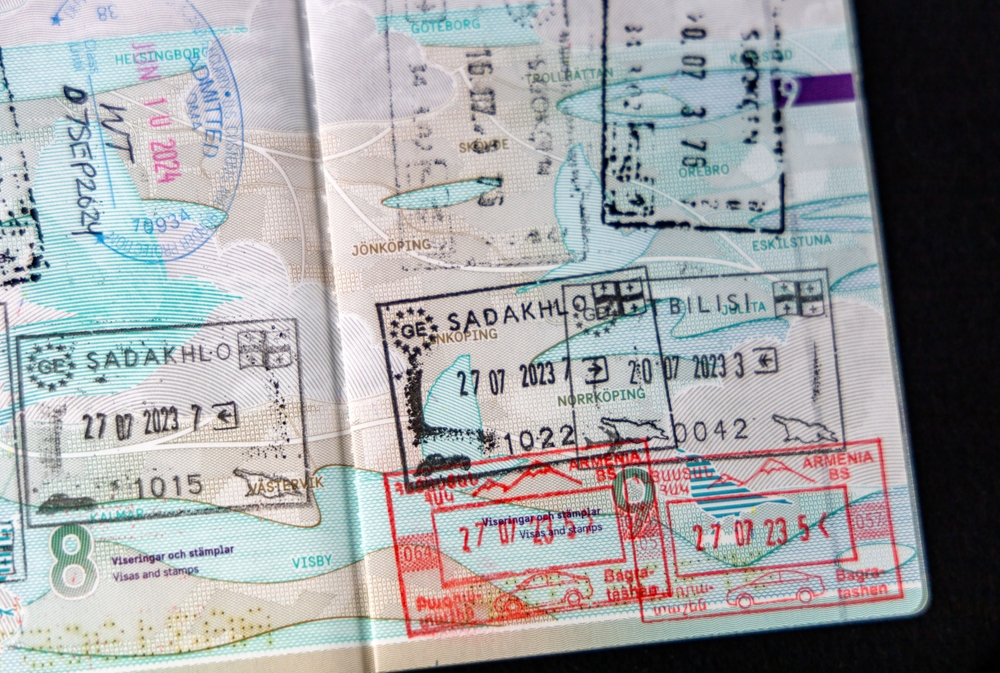
Travel history helps officers understand your crossing patterns. They review previous entries, exits, and declaration records. Frequent travel to certain regions may prompt follow-up questions. Past violations or seizures remain on file. Sudden changes in travel habits can attract attention. Consistent patterns usually pass more quickly. Officers may also look at transit routes and countries visited. Accurate answers help confirm travel details. History checks support security and customs compliance. Reliable travel records make re-entry smoother and reduce the chance of secondary inspection.
Purpose of Travel

Officers ask about your reason for leaving Canada. Tourism, business, or family visits have different implications. Clear and direct answers help move the process along. Vague explanations can lead to further questioning. Work-related travel may require supporting documents. Purpose also connects to the goods you declare. Officers check if your story matches the travel duration and purchases. Honest communication reduces complications. Purpose questions help enforce customs and immigration rules. Stating your reason confidently supports faster inspection.
Declarations of Goods
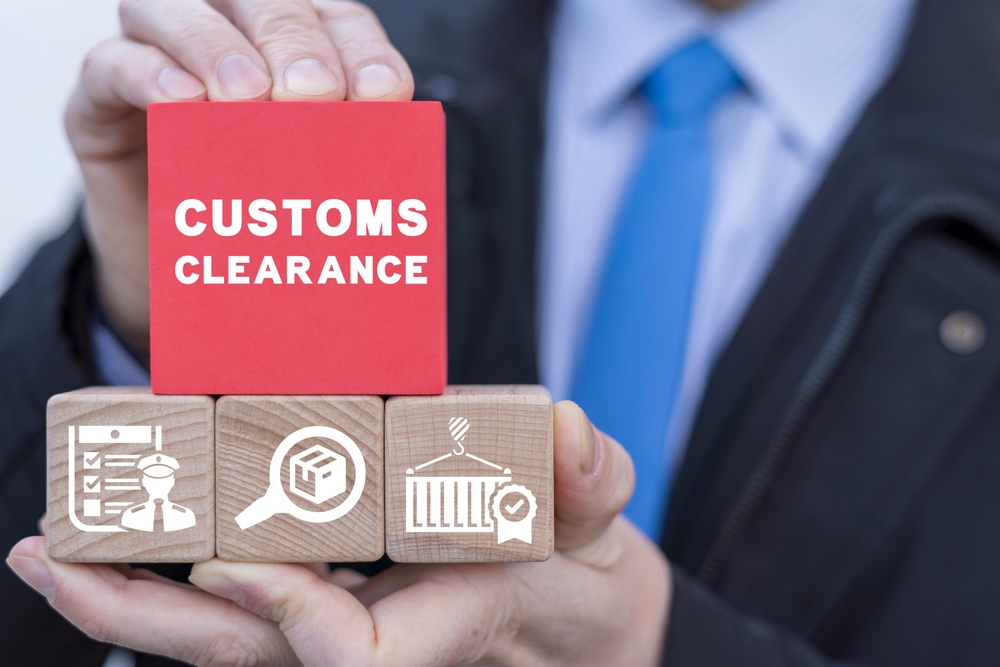
Declarations are a key part of border inspection. Officers compare your declared items with the duty-free allowances. Receipts help verify purchase values. Undeclared goods can lead to fines or seizure. Alcohol, tobacco, food, and gifts receive extra attention. Online purchases shipped to you also count. Officers may inspect luggage to confirm statements. Accurate declarations speed the process. These checks protect revenue and enforce import regulations. Being honest about purchases reduces delays and helps avoid penalties during re-entry.
Amount of Alcohol
Officers carefully review how much alcohol you bring back into Canada. Duty-free allowances depend on how long you were outside the country. Different limits apply for wine, beer, and spirits. Exceeding these limits can result in duties, taxes, or fines. Officers compare your declaration with the number of bottles and packaging. They may ask where and when the alcohol was purchased. Undeclared alcohol can be seized. Travelers sometimes misunderstand limits after short trips. Clear and honest reporting helps avoid penalties and speeds processing at the border.
Amount of Tobacco

Tobacco products fall under strict personal exemption limits at the border. Officers check the number of cigarettes, cigars, or loose tobacco. Allowances vary depending on the duration of your trip. Exceeding limits can lead to duties, taxes, or confiscation. Packaging is reviewed to confirm quantities and product type. Undeclared tobacco can trigger fines. Officers also verify that travelers meet legal age requirements. Many travelers underestimate how low limits can be. Honest declarations reduce delays. Tobacco inspections support tax collection and anti-smuggling enforcement.
Food Items in Your Bags
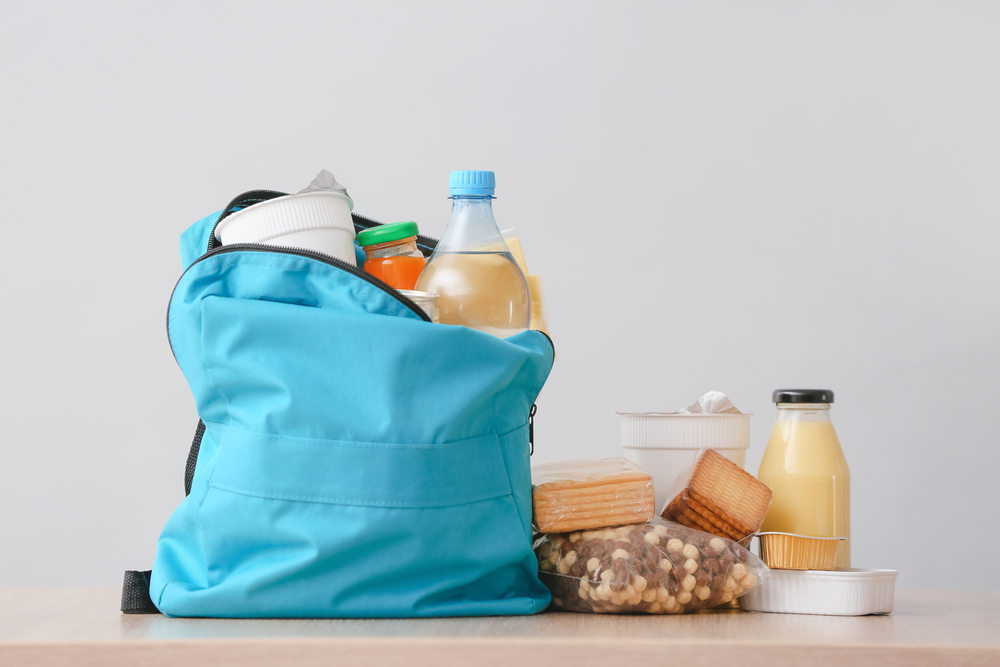
Food items often receive detailed attention during border inspections. Fresh fruits, vegetables, meat, and dairy carry agricultural risk. Even packaged snacks may require a declaration. Officers check labels, ingredients, and country of origin. Certain foods are banned during disease outbreaks. Undeclared items can be seized and fined. Travelers sometimes forget food in coolers or carry-on bags. Honest declarations help prevent penalties. These inspections protect farms, livestock, and ecosystems. Food checks remain a routine part of maintaining public health and agricultural safety.
Large Cash Amounts

Carrying large amounts of cash is legal but closely monitored. Amounts above reporting thresholds must be declared. Officers may ask about the source and purpose of funds. Undeclared cash can be seized even if legally earned. Documentation such as bank withdrawal records can help. These checks aim to prevent money laundering and illegal activity. Travelers often misunderstand reporting rules. Honest declarations prevent penalties and delays. Cash inspections form part of financial transparency and security enforcement at Canadian borders.
Receipts and Proof of Purchases
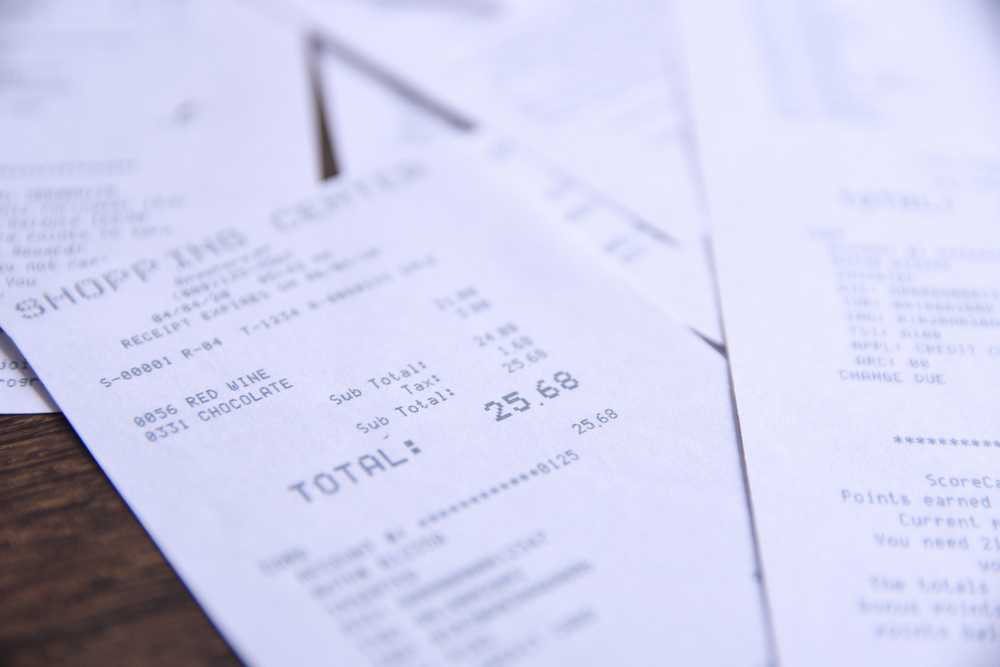
Receipts help officers verify the value of goods you bought abroad. They compare totals with your duty-free limits. Missing receipts may lead officers to estimate values. Higher estimates can increase duties owed. Digital receipts are often accepted. Organized documentation speeds processing. Travelers without proof may face delays or extra charges. Accurate records support honest declarations. These checks protect tax revenue and ensure compliance. Keeping receipts accessible makes re-entry smoother and reduces the chance of secondary inspection.
Condition of Your Luggage
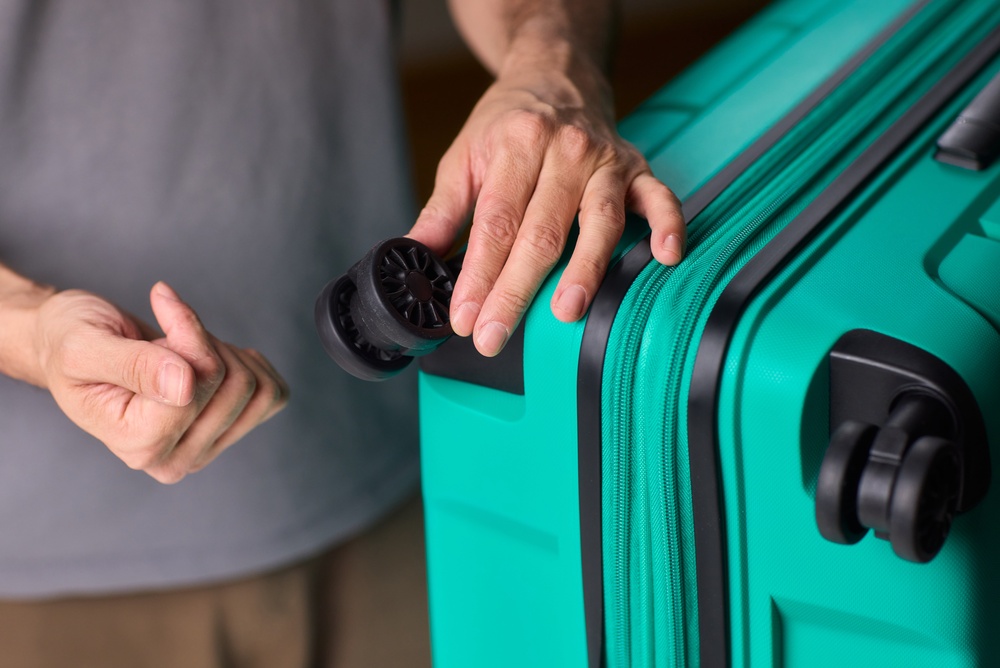
The condition of luggage can influence inspection decisions. New bags, heavy packing, or unusual shapes may attract attention. Signs of tampering, hidden compartments, or strong odors raise concerns. Officers may choose certain bags for closer screening. Luggage appearance can suggest undeclared goods. Organized packing helps officers inspect quickly. Messy or overstuffed bags can slow the process. Travelers should pack carefully and honestly. Luggage checks support security, safety, and customs enforcement during border entry.
Vehicle Contents

Officers often inspect what is inside your vehicle when you re-enter Canada. They look for undeclared goods, food, alcohol, tobacco, or restricted items. Hidden compartments, coolers, or covered boxes can draw attention. Tools, equipment, or large purchases may prompt questions about use and value. Officers compare what they see with your declaration. Messy storage can slow inspection. Clear visibility and honest answers help. Vehicle checks protect safety, agriculture, and tax rules. What you carry in your car matters just as much as what is in your luggage.
Electronic Devices

Electronic devices such as phones, laptops, and tablets are common at the border. Officers may ask about the number of devices and their purpose. Multiple new items can raise commercial import questions. Packaging, receipts, and ownership matter. Devices containing restricted material or undeclared purchases may lead to inspection. Travelers should keep devices accessible if requested. Passwords or data may be addressed under border laws. Electronics checks focus on customs compliance and security concerns. Clear declarations help avoid delays related to technology items.
Prescription Medication

Prescription medication draws attention to labeling and quantity. Officers check that the medicine is in the original pharmacy containers. Names on labels should match the traveler. Large quantities can prompt questions about personal use. Some medications that are legal abroad may be restricted in Canada. A doctor’s note or prescription copy can help. Undeclared medication may be seized. These checks protect public health and control misuse of controlled substances. Clear documentation and honest answers reduce the chance of delays when carrying medical treatments across the border.
Gifts and Packages

Gifts and packaged items count toward your total goods declaration. Officers may ask what the items are and their value. Wrapped packages can be opened for inspection. Travelers sometimes forget that gifts are not duty-free automatically. Multiple similar items may suggest commercial intent. Receipts help confirm value. Undeclared gifts can lead to duties or fines. Border rules apply even if items are presents. Declaring gifts honestly helps avoid penalties and supports fair tax collection during entry processing.
Shipping or Courier Items

Items shipped separately by mail or courier still count as imports. Officers review declared values and contents of parcels. Packages arriving near your travel date may be linked to your entry. Undervaluing goods can lead to penalties. Commercial quantities may require permits. Shipping receipts and tracking details may be requested. Travelers often overlook that mailed purchases are included in customs rules. Declaring shipped goods ensures proper processing. These checks help enforce tax collection and import regulations for goods entering Canada through delivery services.
Your Answers to Questions

Your answers during inspection matter as much as documents. Officers listen for clarity and consistency. Short, direct answers help the process move quickly. Contradictions can lead to further questioning. Officers compare answers with travel history and declarations. Hesitation or unclear explanations may prompt additional checks. Honesty is essential. Providing more information than asked can confuse. Calm, clear communication supports efficient inspection. Border interviews help officers assess compliance with customs and immigration rules.
Nervous or Inconsistent Behavior

Behavior at the border can influence inspection decisions. Officers notice body language, eye contact, and tone. Nervousness alone does not imply wrongdoing, but inconsistencies matter. Changing answers or visible anxiety may prompt further questions. Rushed or defensive behavior can slow processing. Staying calm and respectful helps. Officers are trained to observe patterns during interviews. Consistent, straightforward responses reduce attention. Behavior checks support security and customs enforcement. How you act can affect whether the inspection continues or ends quickly.
Previous Border Records
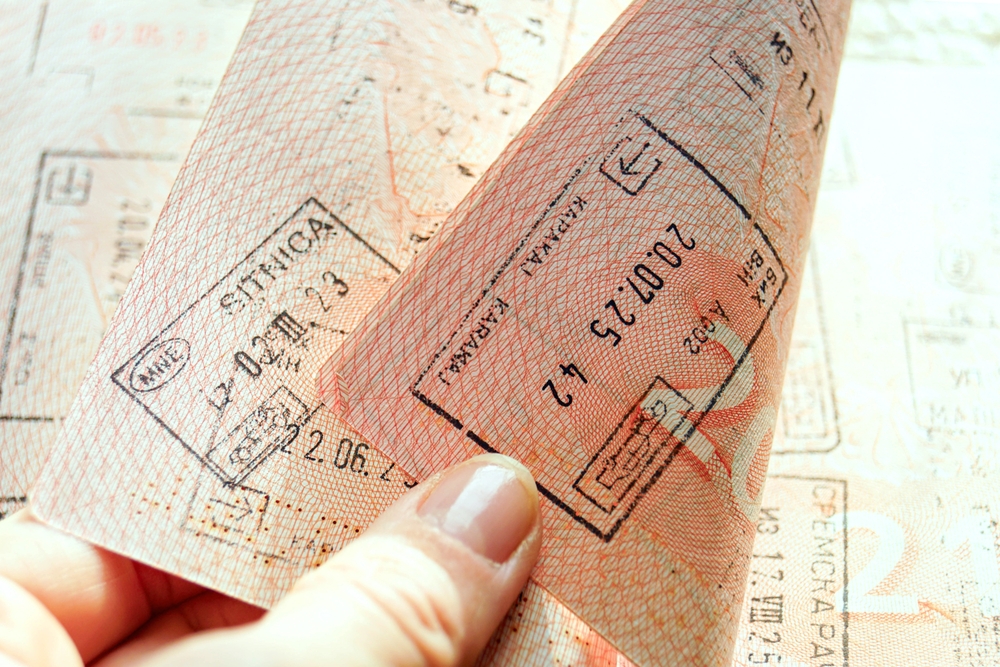
Officers have access to past border crossing records. They can see previous declarations, inspections, or violations. A history of accurate declarations supports smoother entry. Past fines or seizures may lead to closer review. Travel frequency and patterns also appear in records. Officers compare current answers with past information. Records help assess risk and compliance. Travelers cannot erase past issues, but can improve future interactions. Maintaining honest declarations over time builds a positive record that supports easier border processing.
22 Groceries to Grab Now—Before another Price Shock Hits Canada
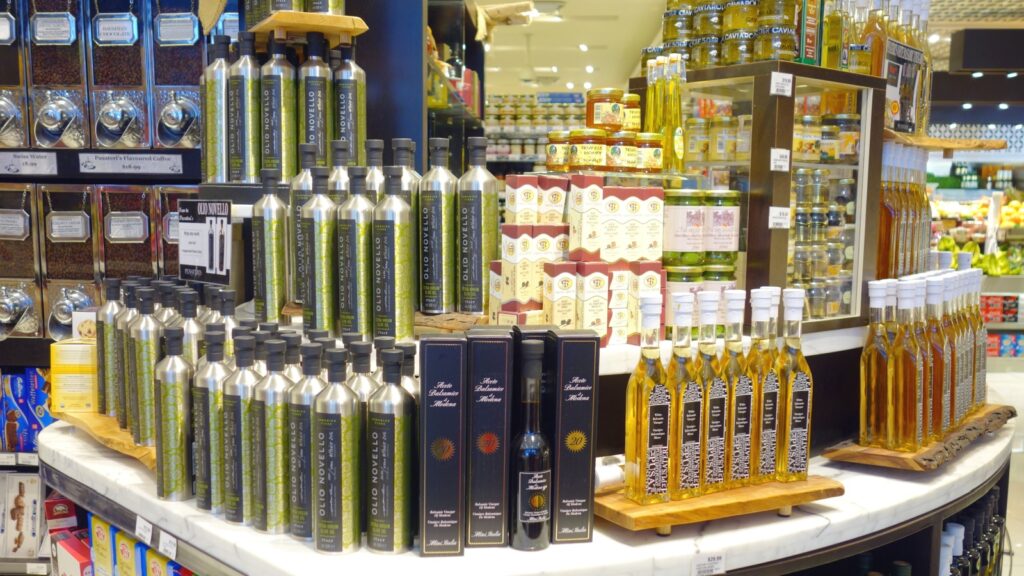
Food prices in Canada have been steadily climbing, and another spike could make your grocery bill feel like a mortgage payment. According to Statistics Canada, food inflation remains about 3.7% higher than last year, with essentials like bread, dairy, and fresh produce leading the surge. Some items are expected to rise even further due to transportation costs, droughts, and import tariffs. Here are 22 groceries to grab now before another price shock hits Canada.
22 Groceries to Grab Now—Before another Price Shock Hits Canada
