
A long timeline has shaped many of Canada’s achievements, and several major wins came from staying committed even when results were not immediate. This list looks at moments when a steady approach led to real gains for the economy, society, global reputation, and long-term opportunities. These examples cover sectors such as technology, immigration, healthcare, trade, and natural resources. Here are 19 times Canada’s patience paid off big.
The Long Wait for Free Trade Agreements Paying Off

Trade negotiations have often moved slowly, but the results have been substantial. The multi-year process to secure CETA with the European Union opened access to a market of more than 500 million consumers. Tariff reduction and predictable standards helped exporters in agriculture, seafood, and industrial goods increase sales in new markets. The patience invested in resolving regulatory issues, geographical indicators, and investment rules allowed Canadian companies to compete with fewer barriers. The agreement also strengthened the country’s position in global trade discussions. The economic impact continues as businesses expand operations and build long-term partnerships across Europe.
Gradual Expansion of the Immigration System: Strengthening the Economy

Adjusting immigration levels has required careful planning across decades. Slow increases in skilled worker admissions supported labour needs in technology, healthcare, construction, and scientific research. Rather than reacting quickly to short-term gaps, the government used long-term forecasts to set targets that match demographic challenges. The result is a workforce that offsets retirements and supports economic growth. Programs such as the Provincial Nominee Program and Express Entry created flexible pathways for regional needs. Patience in designing these systems helped small and large provinces attract talent that would have been difficult to secure with short-term planning.
The Steady Build Up of the AI Research Ecosystem

Artificial intelligence research did not grow overnight. Long-term investments in academic laboratories in Toronto, Montreal, and Edmonton created one of the strongest AI ecosystems in the world. Decades of support for neural network research gave early Canadian scientists the stability needed to continue their work when global interest was low. When the technology became commercially relevant, the country already had the talent, research institutions, and industry partnerships in place. Companies such as DeepMind, Meta AI, and Google AI built teams in the country because of this foundation. The patient approach created lasting global influence in the sector.
Slow Development of the Oil Sands Leading to Major Revenues
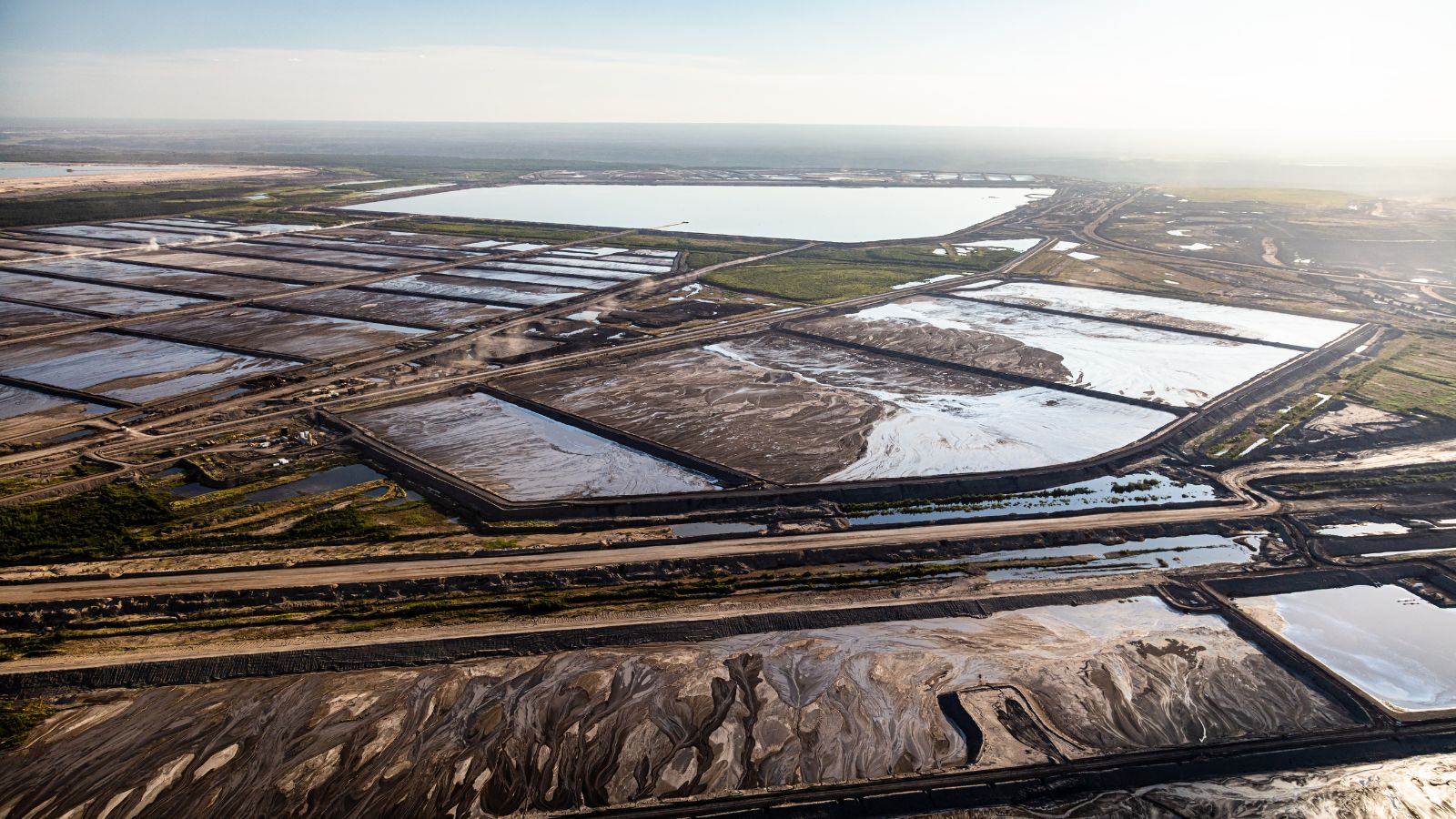
Resource development required years of testing, funding, and experimentation. Early projects in the oil sands produced small quantities and faced high costs. Continued investment in extraction methods, transportation systems, and regulatory frameworks created an industry capable of meeting international demand. By the early 2000s, long-term patience resulted in billions in annual revenues, thousands of jobs, and major contributions to federal and provincial budgets. Despite environmental challenges, the controlled pace ensured technological advances, stronger safety standards, and a more resilient sector. The long build-up remains one of the most significant economic transformations in the country’s history.
Decades of Public Healthcare Funding Delivering Long-Term Stability

Maintaining a universal healthcare system required slow, steady policy development. Provinces invested in budget adjustments, resource distribution, and long-term planning to manage rising costs. Though reforms often took years to implement, the system produced consistent outcomes in life expectancy, preventative care, and patient access. The gradual approach allowed governments to adapt to demographic changes without sudden disruption. This commitment built a model recognized internationally for its efficiency relative to spending. The payoff is seen in overall public satisfaction, lower financial barriers for families, and the resilience of the system during periods of global uncertainty.
Persistence in Arctic Sovereignty Claims Strengthening Global Standing
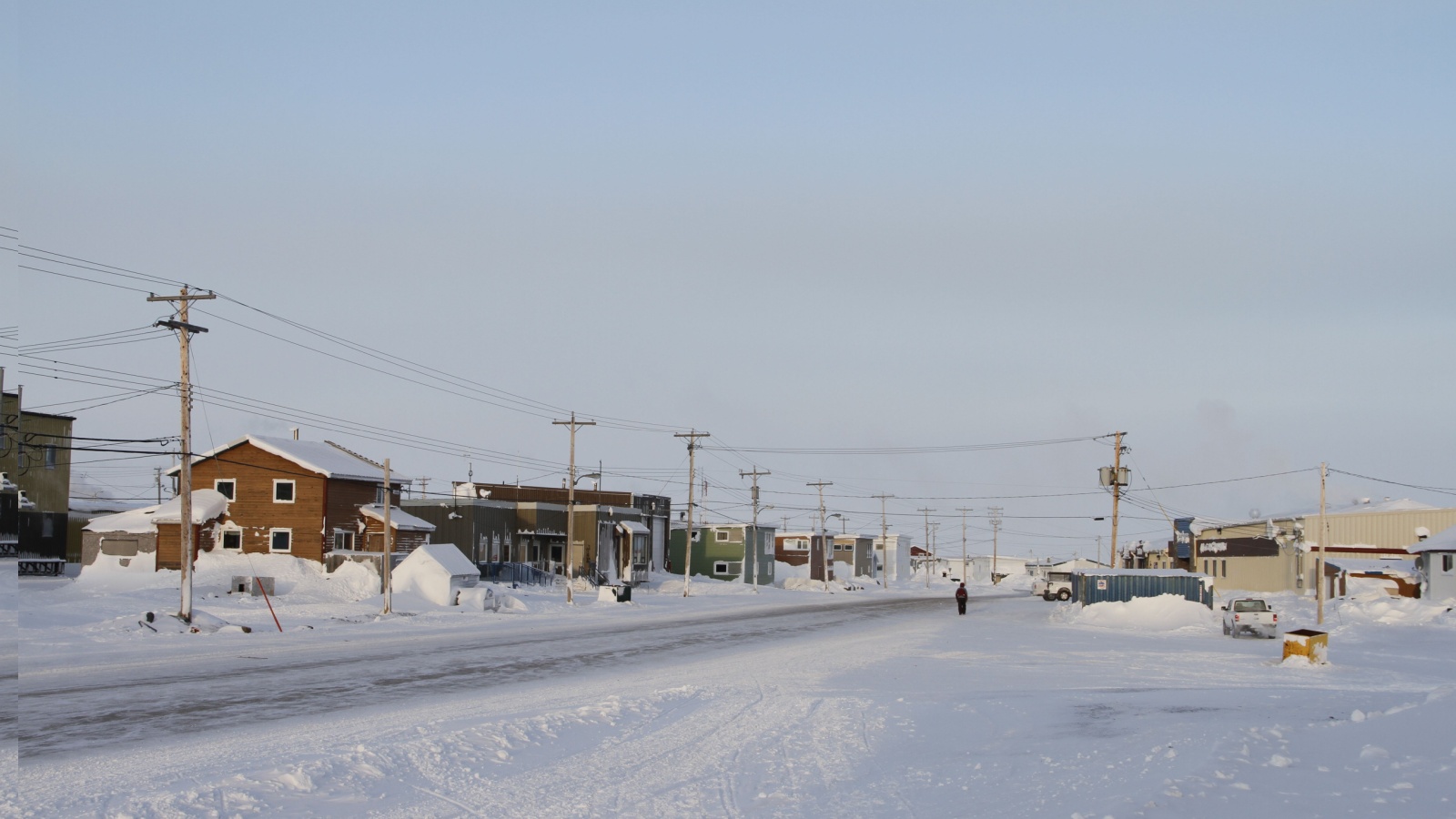
Maintaining a presence in the Arctic required decades of diplomatic and scientific work. The process involved submitting detailed geological evidence to the United Nations to support extended continental shelf claims. Establishing military outposts, scientific stations, and partnerships with northern communities demonstrated long-term commitment. While progress was slow, the patient strategy helped secure recognition of more territorial rights and increased influence in polar governance. The region’s strategic importance continues to grow due to shipping routes and potential resources. The measured approach ensured the country remained a serious participant in Arctic negotiations without unnecessary conflict.
Long-Term Support for Bilingualism: Creating Economic and Cultural Gains

Implementing bilingual policies took many years of programming, funding, and curriculum development. Federal institutions gradually expanded services, and provinces adopted education models that encouraged bilingual graduates. The patient rollout increased job opportunities, supported trade with francophone regions, and strengthened national identity. Businesses benefited from a workforce able to serve diverse markets, especially in technology, government contracting, and tourism. The payoff is also cultural, with stronger cross-provincial engagement and greater representation in international organizations. The slow adoption ensured quality standards and sustainable operations rather than rushed implementation.
The Extended Effort to Become a Leader in Peacekeeping

Peacekeeping involvement grew through long-term participation in global missions. Rather than focusing on short deployments, the country invested in specialized training, diplomatic capacity, and strategic partnerships with the United Nations. Over several decades, this patient development has built a reputation for professionalism and reliability. The credibility gained allowed diplomats to play larger roles in conflict resolution and negotiation efforts. Although modern participation levels fluctuate, the historical foundation continues to influence global perceptions and strengthen relationships with allied nations. The slow commitment laid the groundwork for lasting impact on international security efforts.
The Slow Rise of the Film and TV Production Sector

The entertainment industry expanded over many years through gradual tax incentives, skill development programs, and infrastructure growth. Cities such as Vancouver, Toronto, and Montreal attracted more productions by consistently investing in sound stages, post-production facilities, and training programs. The patient approach allowed local companies to specialize and build strong reputations. Eventually, major studios began filming large-scale projects, bringing long-term employment and significant economic contributions. The industry’s resilience is the result of steady planning rather than sudden policy shifts. This patience turned the country into a globally recognized production hub.
The Long Road to Strengthening Indigenous Self-Governance

Processes supporting Indigenous rights required extensive consultations, legislation, and treaty negotiations. Progress often moved slowly, but long-term patience produced meaningful outcomes. Self-governance agreements in nations such as Nisga’a and the frameworks in the Yukon created models that balance autonomy with cooperation. Investments in language revitalization, housing initiatives, and administrative capacity have developed over many years. This gradual approach allows communities to strengthen institutions at sustainable rates. While challenges remain, the progress achieved demonstrates how extended efforts can lead to more stable governance, improved outcomes, and meaningful partnerships between communities and governments.
The Patient Expansion of Public Pension Programs

Developing retirement systems involved careful long-term planning. The Canada Pension Plan and Old Age Security evolved through gradual adjustments aligned with demographic data and economic forecasts. Incremental contribution increases prevented sudden financial strain while maintaining the sustainability of the programs. The steady approach provided predictable income support for retirees and reduced poverty rates among seniors. Patience in evaluating investments and fund management produced strong long-term returns. These systems are now considered among the most stable public pension models, and their success reflects decades of measured decision-making rather than short-term reactions.
Long-Term Investment in Quantum Research Paying Off

Quantum science expansion occurred over many years through strategic funding for universities, laboratories, and partnerships with private companies. The patient approach allowed research teams in Waterloo, Sherbrooke, and other cities to build expertise that attracted global attention. Programs supporting quantum computing, cryptography, and advanced materials gradually developed into a recognized national strength. Companies such as D Wave benefited from the long buildup of academic talent. By avoiding rapid shifts in priorities, the research ecosystem achieved sustainable growth. Today, the country plays a key role in global quantum innovation, and many breakthroughs stem from long-term commitments.
The Slow Development of National Parks Boosting Tourism and Conservation

Establishing national parks has required lengthy processes involving land negotiations, ecological studies, and community engagement. The careful pace ensured that protected areas were created with clear conservation goals and sustainable management plans. Over time, this resulted in a highly respected national park system that attracts millions of visitors annually. Tourism revenue supports nearby communities, while slow planning protects biodiversity and natural landscapes. The patient strategy prevented rushed development that could have harmed ecosystems. The long-term payoff is a network of well-managed parks that balance environmental protection with recreation and economic opportunity.
Years of Space Research Leading to International Partnerships

Space program achievements came from long-term investment in robotics, satellite technology, and scientific missions. The creation of advanced robotics, including multiple generations of the Canadarm, was the result of sustained funding and stable research environments. This patient’s development earned major roles in international missions with NASA and global agencies. Long-term work on Earth observation, space medicine, and lunar gateway planning continues to open new opportunities. The slow but consistent strategy built a reputation for high reliability and precision in aerospace engineering, leading to decades of participation in major international projects.
Persistence in Agricultural Innovation Improving Food Security

Agricultural research progressed through long-term breeding programs, soil studies, and technological investment. Crop varieties for harsh climates were developed through years of experimentation and regional testing. Slowly expanding irrigation systems, precision agriculture tools, and sustainability programs strengthened the sector. The patient approach ensured reliable yields, greater resilience to climate challenges, and strong export performance. The advancements in canola research alone took decades, eventually becoming one of the country’s most important agricultural exports. This long buildup supports food stability at home and consistent supply chains for global partners.
The Steady Growth of Public Transit Mega Projects

Large transit systems in major cities expanded through multi-decade planning efforts. Projects such as Vancouver’s SkyTrain extensions, Toronto’s Eglinton Crosstown, and Montreal’s REM required careful timelines involving environmental approvals, engineering studies, and funding coordination. Although progress sometimes felt slow, the patient process helped avoid structural problems and ensured long-term reliability. These investments ultimately improved mobility, reduced congestion, and created economic corridors that support housing, jobs, and commercial growth. The slow build allowed systems to adapt to new technologies and future demand, strengthening urban planning outcomes across the country.
Long-Term Climate Action Strategies: Producing Measurable Results

Climate initiatives have required gradual implementation to align with economic realities and technological change. Carbon pricing, emissions standards, and renewable energy targets moved forward through phased approaches. Over time, power grids incorporated more clean energy, industrial emissions intensity declined, and energy efficiency improved. The slow rollout gave businesses room to adjust and adopt new practices. This patient pathway has been recognized internationally as a balanced model that combines economic stability with environmental progress. Long-term consistency allowed data-driven improvements and contributed to better performance compared to similarly sized economies.
Years of Investment in Broadband Infrastructure Paying Off

Connecting remote and rural areas required long-term funding and multiple phases of construction. Early programs expanded basic access, while later phases introduced higher speeds and new technologies. The patient effort helped small communities participate more fully in the digital economy. Over time, improvements supported remote healthcare, online education, and business development. This gradual strategy reduced the gap between urban and rural connectivity and created opportunities for people to remain in smaller towns while accessing national markets. The payoff continues as more regions receive upgraded fiber networks and stable long-term digital infrastructure.
The Gradual Build Up of Vaccine Research Capacity

Strengthening biomedical research took years of investment in laboratories, training, and partnerships. When global health emergencies appeared, the country’s existing infrastructure allowed faster response times in developing, testing, and manufacturing vaccines. The growth of facilities in Quebec, British Columbia, and Ontario created a stable base for domestic production. Long-term funding for infectious disease research built a pipeline of specialists who could respond to emerging challenges. This approach strengthened public health resilience and reduced reliance on external supply chains. The sustained investment continues to produce benefits for future healthcare preparedness.
21 Products Canadians Should Stockpile Before Tariffs Hit

If trade tensions escalate between Canada and the U.S., everyday essentials can suddenly disappear or skyrocket in price. Products like pantry basics and tech must-haves that depend on are deeply tied to cross-border supply chains and are likely to face various kinds of disruptions
21 Products Canadians Should Stockpile Before Tariffs Hit
