Boxing Day hype brings crowds into stores with huge red signs promising spectacular savings. People shop fast because the holiday rush makes every sale look rare. Many brands use the excitement to move old stock or products that were raised in price earlier in the month. Shoppers walk in expecting record discounts, but most deals offer little real value once the fine print is checked. Here are 20 Boxing Day “deals” that are actually scams.
“Up to 80% Off” Clothing Racks

This sign attracts instant attention, and many shoppers rush without checking individual price tags. Only a few items are marked 80 percent off, while the rest are discounted 10 or 15 percent. The rack is used to give the impression that all clothing is heavily reduced, even though only a tiny portion qualifies. The big number on the sign is the hook. The shopper walks away feeling happy about finding a bargain, but usually pays the same price that the item cost earlier in the season. It is designed to boost impulse buying, not genuine savings.
“Deal Ends in 2 Hours” Online Timers
The countdown clock creates panic and stops shoppers from comparing prices or reading reviews. These timers reset whenever the clock hits zero, and many websites run the same promotion every day of Boxing Week. The point is not urgency. The point is speed. Sites want shoppers to finish checkout before thinking. If someone revisits the same page later, the identical timer appears again. The fake deadline pressures people to act without logic. A ticking clock can feel like a threat, and many shoppers click purchase just to make the stress stop instead of evaluating whether the deal is good.
“Doorbuster” Electronics

Stores promote televisions, laptops, and speakers for unbelievably low prices, but they only stock one or two units at each location. Shoppers line up outside in freezing weather, hoping to grab the deal. By the time they get inside, the advertised item has already been purchased, often by someone who almost certainly arrived with inside information. Staff redirect customers to more expensive models and praise their features during the pitch. Most shoppers buy something to avoid leaving disappointed. Doorbusters are engineered to bring in crowds, not to reward the average buyer. The low price is bait for foot traffic.
Fake Original Prices

Some retailers secretly raise prices in December so they can display dramatic markdowns during Boxing Day. The customer sees a massive discount but is actually paying the same price the item cost earlier in the month. It looks like a win when the tag shows a huge drop, but there is no real savings when the starting price was inflated for the show. This tactic appears often with coats, boots, décor, and electronics. Taking screenshots or using price-tracking tools reveals how misleading this sale setup can be. The discount is only impressive until real numbers are compared honestly.
“Buy One, Get One 50% Off” Apparel
Shoppers think they are saving half on the second item, but the first item is often priced much higher than it was during fall clearance. The promotion pressures customers to buy two pieces even if only one is needed. Clothing stores are masters at turning matching outfits into forced purchases. When both items are scanned together, the total is usually higher than buying the exact same pieces two weeks earlier. Most buyers walk out happy because the discount looks generous on paper. The store wins because customers buy more than they intended, and those extra items drive the profit.
Cheap TVs With Downgraded Parts
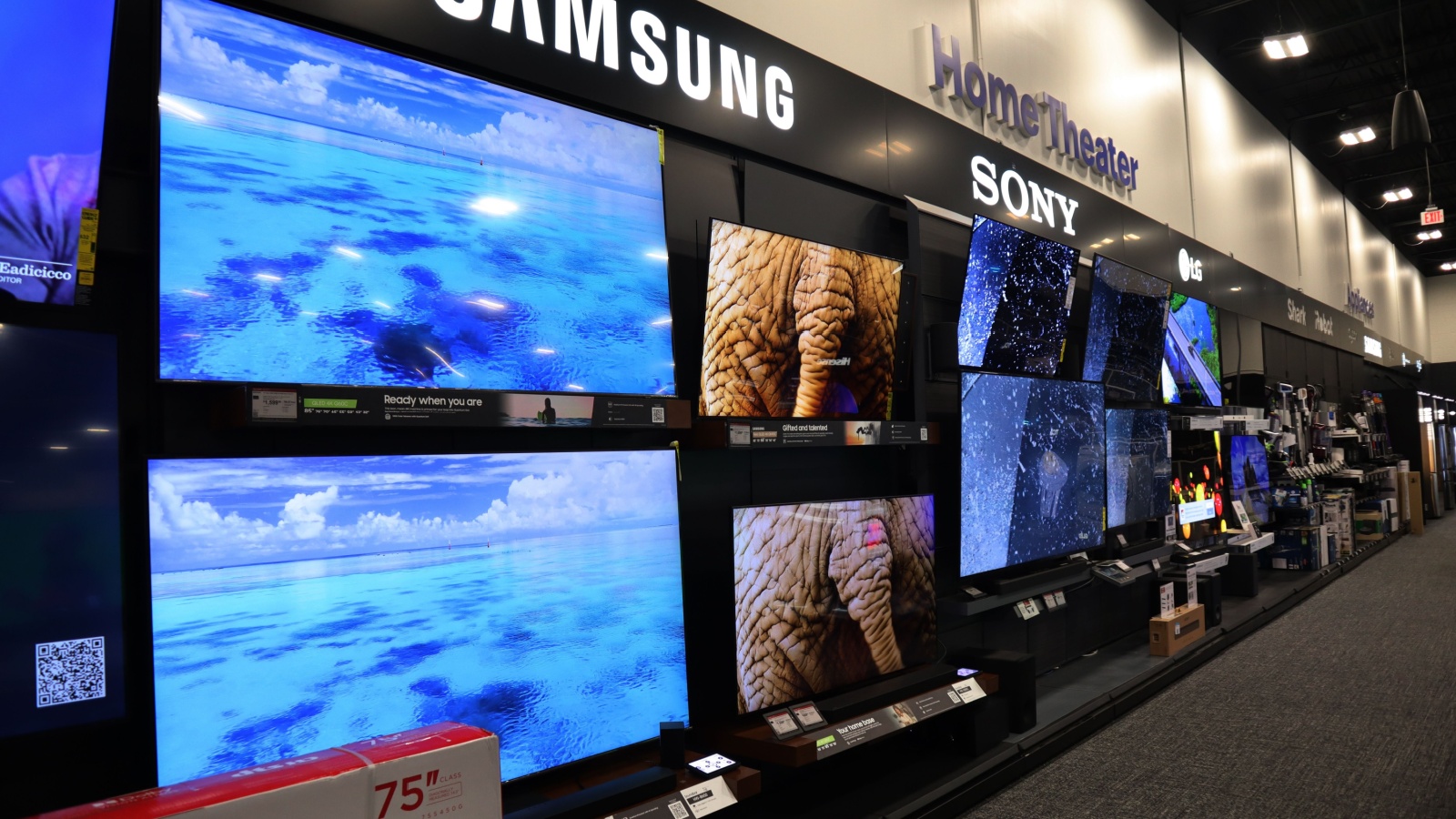
Electronics brands sometimes create special holiday versions of televisions that look identical to regular models but contain weaker components. The packaging shows premium branding and impressive numbers that suggest high performance. Reality hits later when the buyer notices dull brightness, sluggish menus, and poor sound quality. The product is technically new but built with budget parts made specifically for Boxing Day. Stores can advertise a “high-end” TV at a low price without lying because the box lists features selectively. The customer thinks they scored advanced technology for less, but they paid full price for a lower version.
“Free Gift with Purchase” Cosmetics

Cosmetics shoppers love bonus items, which makes this promotion extremely effective. The free gift usually consists of sample-sized products or inexpensive makeup bags that cost the company almost nothing. The price of the “gift” is already included in the main bundle. Customers feel rewarded and spend more than planned to qualify for the offer. Most free products end up unused, and the buyer pays premium pricing without realizing it. The psychology works by making people feel lucky rather than financially strategic. Brands count on excitement during Boxing Week to push bundles instead of single products with realistic value.
Mattress “Clearance” Pricing

Mattress stores advertise giant Boxing Day discounts, but the same prices appear again in February, April, and August. Mattress pricing is intentionally confusing, allowing retailers to adjust numbers constantly and call everything a sale. Shoppers think Boxing Day is the best time to buy because of the pressure created by limited stock messaging. Salespeople then push long-term financing, delivery fees, and mattress protection plans, which increase the final cost. Many people walk out paying much more over time than if they had waited for a slower season. Most mattress discounts are not seasonal bargains. They are recurring marketing tactics.
Furniture Sets with Hidden Shipping Fees

Furniture stores draw shoppers in with heavily reduced prices on couches, dining tables, and beds. The tagged price looks unbelievable until the customer reaches the checkout page. Shipping, assembly, and handling fees can add hundreds of dollars, sometimes more than the discount itself. Some stores refuse pickup, so customers must pay delivery fees. Once everything is added, the final total can be higher than the regular price during other months. The attractive sticker is used as bait, and shoppers do not realize the real cost until they feel mentally committed to the purchase and do not want to start over.
Video Game Console Bundles
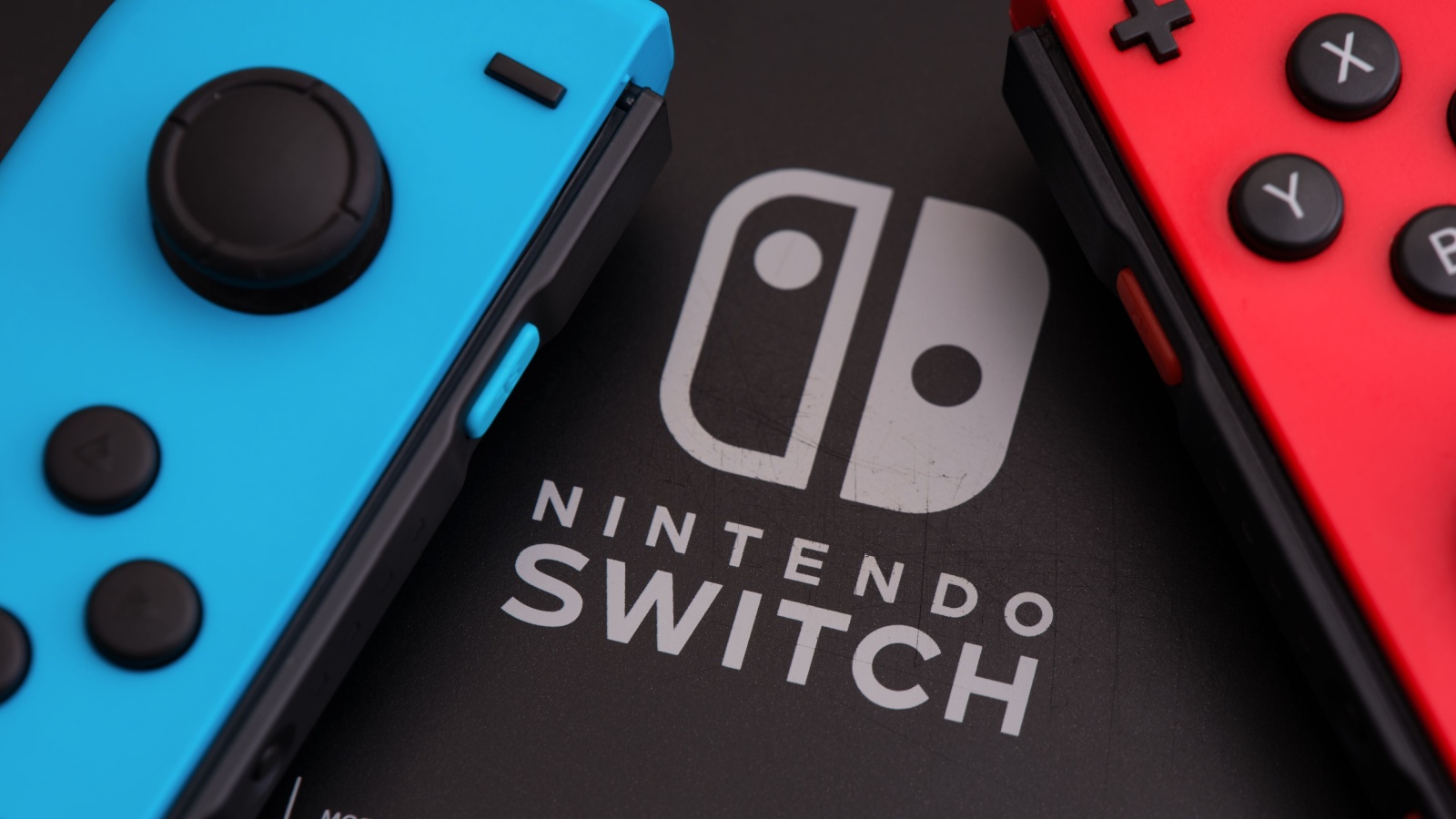
Console bundles appear attractive because they include accessories and games alongside the device. However, many bundled games have been on clearance for months and have very low resale value. The total price looks like a deal because everything is combined under one number. When buyers compare individually, the console alone usually costs less, and the extra games are not ones most customers want. The bundle plays on the fear of missing out. Shoppers think they are grabbing the last chance to save money. Instead, they pay more for items that add no joy and take up space.
Boxing Week Travel Discounts

Travel platforms push dramatic Boxing Day sales on hotels and vacation bundles. The crossed-out original price is almost always inflated from early December. The final cost looks discounted, but it often matches normal pricing found in slower travel seasons like March or May. Some packages remove free perks such as breakfast, room upgrades, or airport transfer to make the “sale price” appear lower. The shopper thinks they are securing a once-a-year deal, but they are essentially paying the usual cost with fewer benefits. The focus is urgent because travel companies want people to buy out of fear.
Small Appliances That Are Cheaper in January

Air fryers, coffee makers, and blenders appear as popular Boxing Day steals. Retailers know people feel motivated to shop during the holidays, not during January when budgets tighten. Appliance discounts are often steeper weeks after Boxing Week because companies clear inventory for spring product launches. Stores want those items purchased now rather than when they would earn less profit. Shoppers pay more by buying too early and get tricked by signs advertising rare seasonal pricing. If most deals look identical across brands and stores, it usually means the sale was planned to catch spending energy rather than provide value.
Extended Warranty Add-Ons

Salespeople paint scary pictures of electronics breaking at the worst time. Customers buy extended protection to avoid risk, even though manufacturers already include a free warranty. Many extended plans offer overlapping coverage or include restrictions that lead to denied claims. The price of the plan inflates the real cost of the product and rarely pays off for the customer. Companies push warranties because their profit margin is incredibly high. Boxing Day pressure helps because shoppers feel rushed and want peace of mind. Buying the product alone is usually smarter. Most people never use the paid plan they were convinced to purchase.
Subscriptions With “First Month Free.”
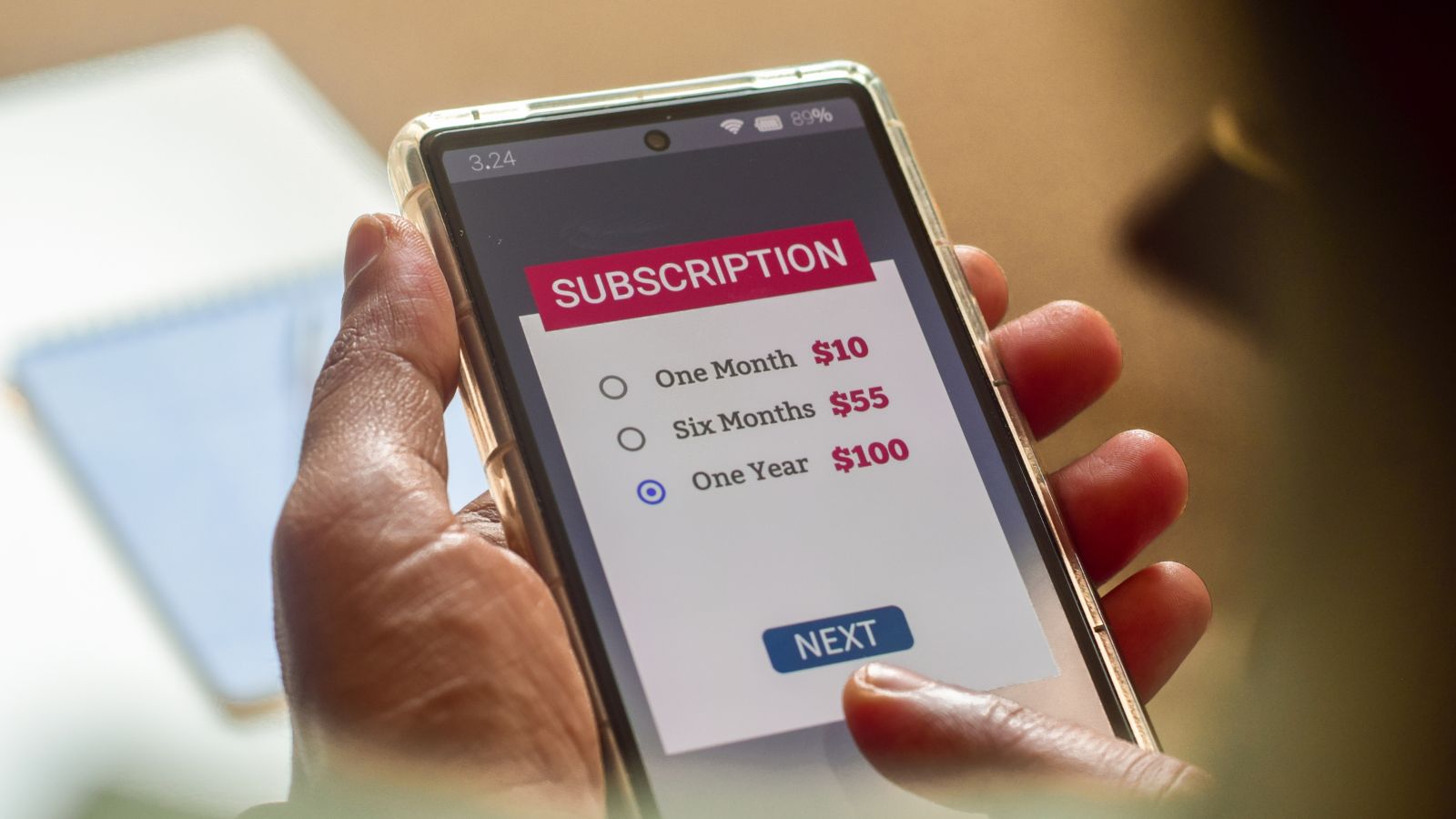
Subscription offers trick shoppers into thinking the trial is safe because nothing is charged initially. The renewal price increases sharply after the free month ends. Cancellation links are intentionally buried in menus, and email reminders blend into holiday messages. The company knows many shoppers forget to cancel because life becomes busy. One forgotten renewal can easily outweigh any holiday savings. Trials are marketed aggressively on Boxing Day because people feel optimistic about trying new services. The strategy works by turning short-term trials into expensive long-term commitments. Shoppers rarely realize how much they paid until reviewing their bank accounts later.
Home Gym Bundles

Fitness bundles include treadmills or bikes packaged with mats, resistance bands, dumbbells, and workout apps. Shoppers believe they are saving because everything is included under one price. Many accessories come from overstock and hold low value. Bundles are popular in Boxing Week because retailers expect fitness motivation right before New Year’s resolutions. Buyers pay extra for items they never planned to use. Stores advertise huge percentage discounts based on inflated accessory pricing. The result is a larger purchase driven by emotion instead of real need. Buying the equipment separately almost always results in a lower final cost.
Toys Packaged as “Limited Edition Holiday Releases.”

Parents see the words “limited edition” and panic because they want to make children happy before the holiday ends. Retailers take advantage by selling regular toys wrapped in special holiday packaging. The toy inside is identical to the non-seasonal version that was cheaper earlier in December. Scarcity sells, even when scarcity is fake. Boxing Day messaging is designed to trigger fear of disappointing a child rather than logic. Once the wrapping comes off, the higher price makes no difference. Parents often realize later that they were paying extra for cardboard, not improved quality or exclusivity.
Smartphone “Free Upgrade” Deals

Phone carriers offer “zero-dollar” upgrades that sound like huge savings. The real cost appears in multiyear contracts, device financing, and hidden add-ons. Customers pay more over two years than the device retail price because the monthly bill rises. Extra data packages, activation fees, and cancellation penalties increase the cost even further. The upgrade locks people into long-term payments when the phone could have been purchased outright for less. Boxing Day pressure helps carriers because shoppers want to leave the store with something new. The deal looks free at first glance, but the commitment is expensive and restrictive.
Flashy Jewelry “70% Off” Sales

Jewelry stores rely on dramatic markdowns to create emotional excitement. The original price is set high, so the discount number looks unbelievable. Stones and metals often hold far lower real value than the tag suggests. Customers feel proud to score a rare deal and stop questioning the price once the discount feels huge. Very few pieces are truly worth their supposed starting price. Without certified appraisals, the discount becomes meaningless. The sale is structured to make shoppers feel smart while paying more than the piece is actually worth. The savings feel real, but the financial win is an illusion.
Bedding and Towel “Mega Bundles.”

Bundles include multiple towels or sheets wrapped together with dramatic savings labels. The fabric is often thinner than the store’s regular quality and wears out quickly after washing. The bundle price looks strong when divided by the number of items. Buyers think they are stocking up smartly, but they pay more in the long run because the items need early replacement. Many brands manufacture low-grade textiles exclusively for Boxing Day to maximize profit. The bundle creates the illusion of value through quantity rather than durability. Shoppers leave thinking they saved money, but the quality proves to be disappointing.
Store Gift Cards as “Rewards.”
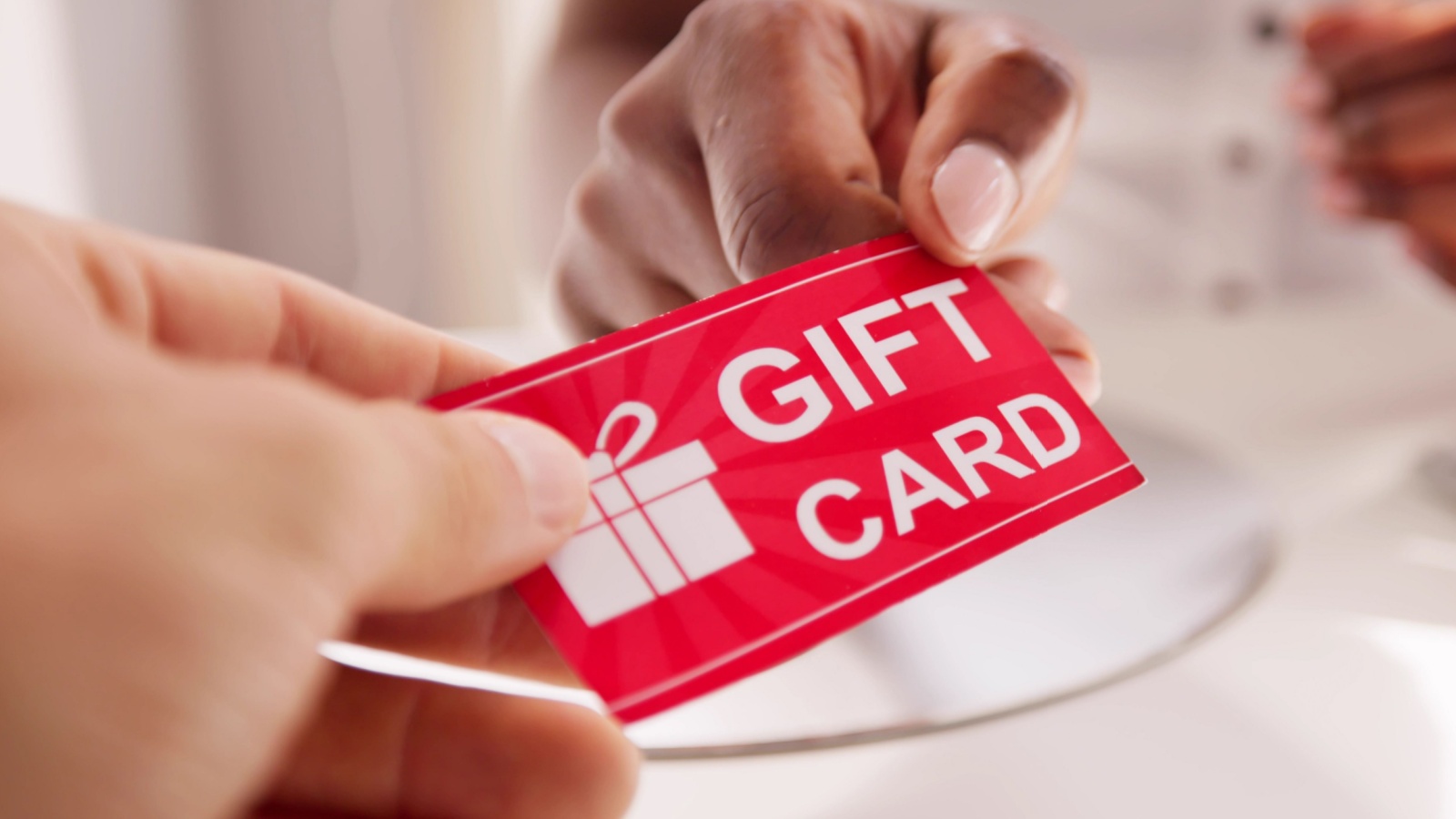
Retailers offer gift cards when shoppers spend a specific amount. The promotion forces people to exceed their original budget so they can qualify for the reward. The gift card often has blackout dates, exclusions, or expiration rules that make redemption difficult. Many customers never use it because the restrictions make it inconvenient. The store profits twice. First, when the customer overspends to qualify, and then again when the unused gift card becomes free money. The shopper leaves feeling satisfied because they earned something extra while actually losing money. Reward marketing is extremely powerful during Boxing Week shopping.
22 Groceries to Grab Now—Before another Price Shock Hits Canada

Food prices in Canada have been steadily climbing, and another spike could make your grocery bill feel like a mortgage payment. According to Statistics Canada, food inflation remains about 3.7% higher than last year, with essentials like bread, dairy, and fresh produce leading the surge. Some items are expected to rise even further due to transportation costs, droughts, and import tariffs. Here are 22 groceries to grab now before another price shock hits Canada.
22 Groceries to Grab Now—Before another Price Shock Hits Canada
