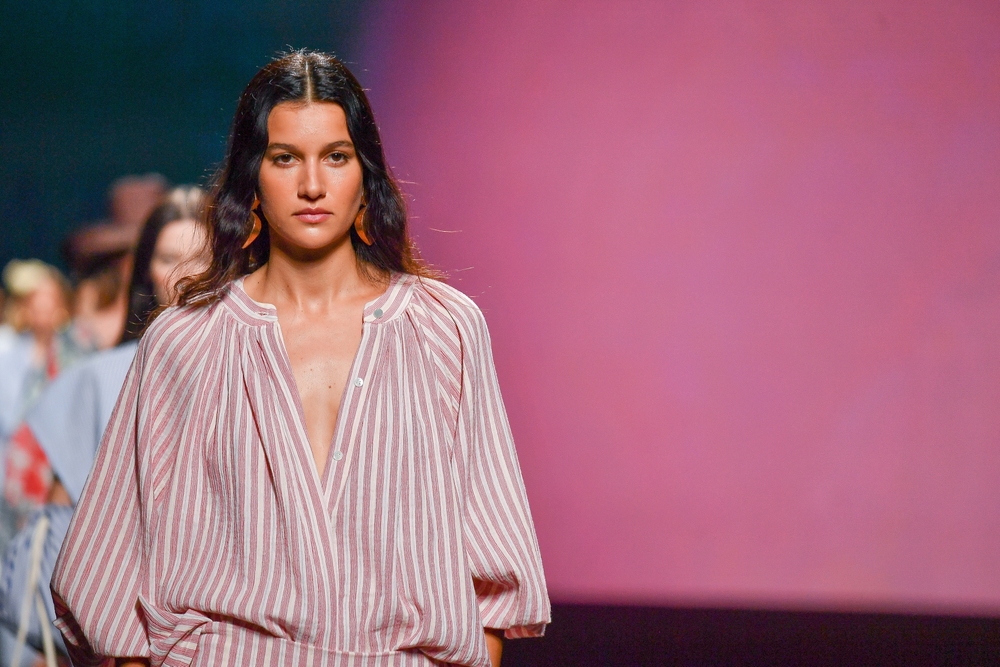
Canadian fashion weeks have produced memorable moments that continue to spark discussion years later. From dramatic runway finales to controversial design choices, these events reflect changing tastes and priorities. Some presentations were praised for creativity or cultural impact. Others drew criticism for practicality, representation, or relevance. Toronto has served as the main stage for many of these debates. Industry insiders and audiences often disagree on what defines success. These discussions reveal how fashion intersects with business, art, and identity. Here are 20 Canada Fashion Week moments people are still debating (best and worst).
World MasterCard Fashion Week Fall 2016 — Final Season at David Pecaut Square (Toronto)
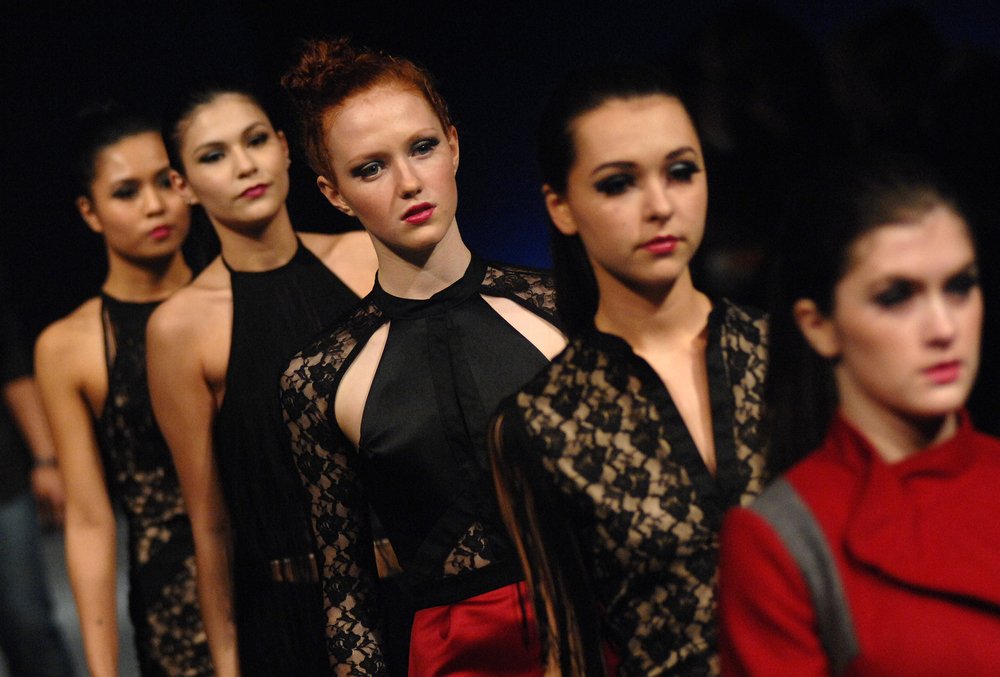
Fall 2016 marked the final World MasterCard Fashion Week at David Pecaut Square. The long-running Toronto event had defined Canadian fashion for years. Designers presented collections amid uncertainty about the platform’s future. Attendance remained high despite the looming closure. Industry professionals debated whether the traditional format still worked. Some praised the event’s legacy and organization. Others felt it no longer reflected modern fashion culture. The outdoor tent setting remained iconic for attendees. Its disappearance left a noticeable gap in the national calendar. The finale sparked ongoing discussion about the sustainability of large fashion weeks.
Toronto Fashion Week Relaunch by Fashion Art Toronto — 2018 Season
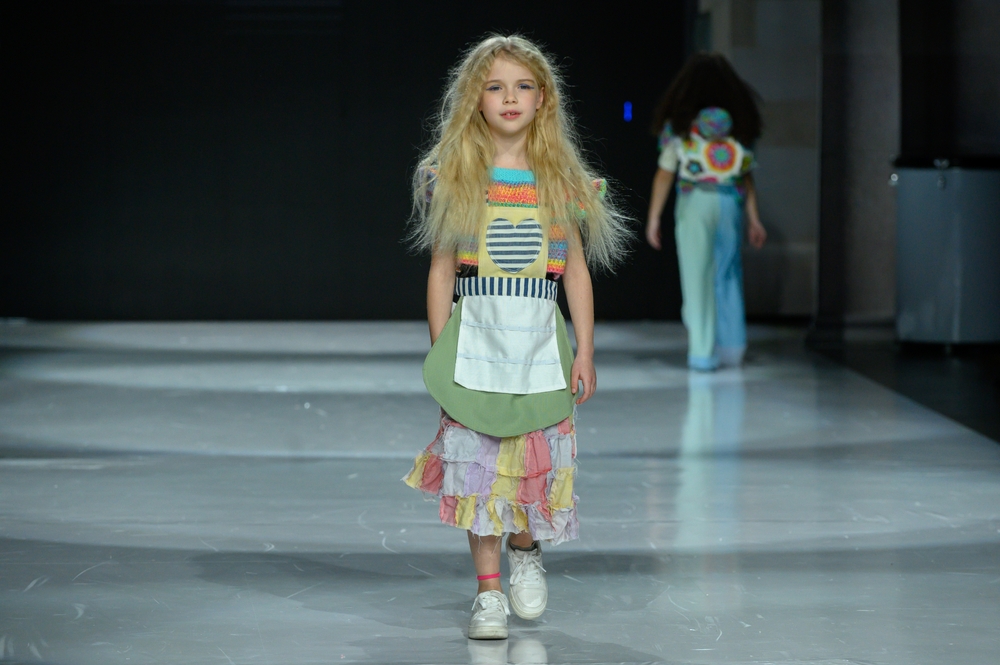
In 2018, Fashion Art Toronto revived Toronto Fashion Week after a hiatus. The new format emphasized inclusivity and experimental presentations. Shows took place across multiple venues rather than one central tent. Emerging designers received significant exposure under the revised model. Supporters welcomed the fresh approach to programming. Critics questioned whether it matched the prestige of earlier events. Attendance included both industry insiders and the public. The relaunch signaled a shift toward accessible fashion culture. Media coverage highlighted the contrast with the previous structure. Debate continues about whether the revival restored the event’s influence.
DSquared2 Toronto “Homecoming” Runway Show — Fall 2015
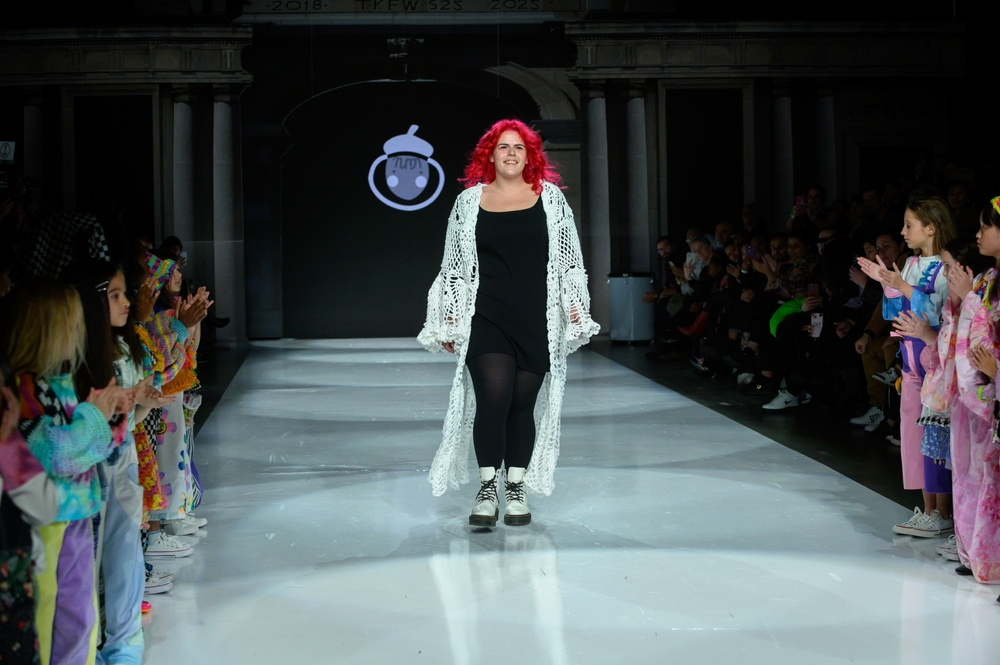
DSquared2 returned to Toronto in 2015 for a highly publicized show. Founders Dean and Dan Caten had built global success abroad. The presentation celebrated their Canadian roots with theatrical staging. Celebrity attendance amplified international attention. Bold styling reflected the brand’s signature aesthetic. Some observers praised the spectacle and energy. Others questioned whether it overshadowed local designers. The event blurred the lines between fashion show and entertainment production. It also highlighted Toronto’s ability to host major brands. The homecoming remains a memorable moment in Canadian fashion history.
Sid Neigum Architectural Collection — Fall 2014 WMCFW
Sid Neigum’s Fall 2014 collection stood out for structural precision. Garments featured geometric shapes and sculptural silhouettes. Minimal color palettes emphasized form over decoration. Critics praised the technical craftsmanship displayed on the runway. Some viewers found the designs difficult to wear daily. The presentation reinforced Neigum’s reputation for experimental tailoring. Models moved carefully due to the complex construction. Industry observers debated the balance between art and practicality. Media coverage highlighted the collection’s futuristic appearance. The show continues to be cited as a defining moment for avant-garde design in Canada.
Greta Constantine Dramatic Finale Gown — Spring 2017 WMCFW
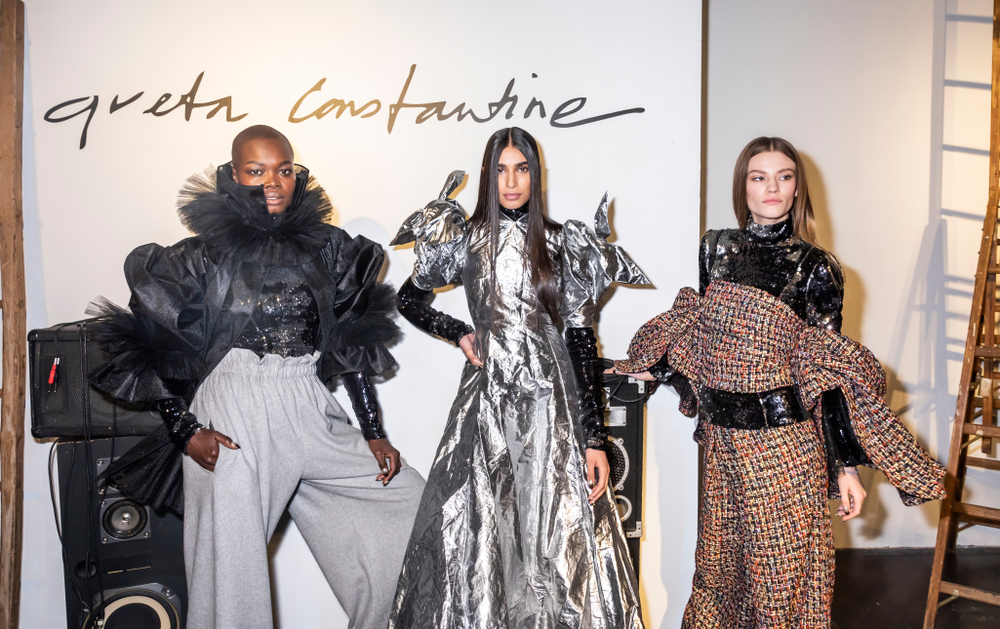
Greta Constantine closed its Spring 2017 show with a striking gown. The voluminous design dominated the runway visually. Rich fabric and bold color created a memorable silhouette. Supporters praised the theatrical impact of the finale. Critics questioned the practicality outside formal events. The brand is known for red carpet-ready pieces. This gown reinforced that reputation strongly. Photography from the moment circulated widely afterward. The dramatic ending overshadowed earlier looks for some viewers. Debate continues about whether spectacle or wearability should define runway success.
Pink Tartan 10th Anniversary Runway — Fall 2015 WMCFW
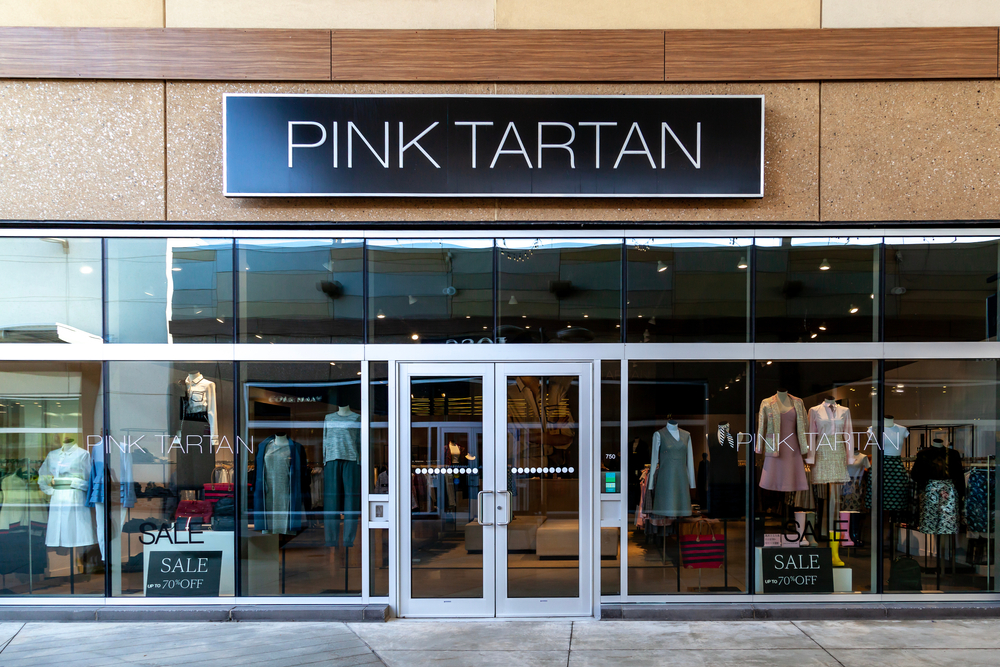
Pink Tartan celebrated its tenth anniversary with a high-profile runway show. The collection reflected the brand’s polished, work-ready aesthetic. Tailored coats and structured dresses dominated the presentation. Supporters praised the consistency and commercial appeal. Critics felt the designs were too safe for a milestone event. The anniversary framing raised expectations for innovation. Front row attendance included notable industry figures. The show emphasized longevity in a competitive market. Media coverage focused on the label’s business success. Debate continues over whether stability or risk defines long-term relevance.
Hayley Elsaesser Pop-Art Collection — Fall 2016 WMCFW
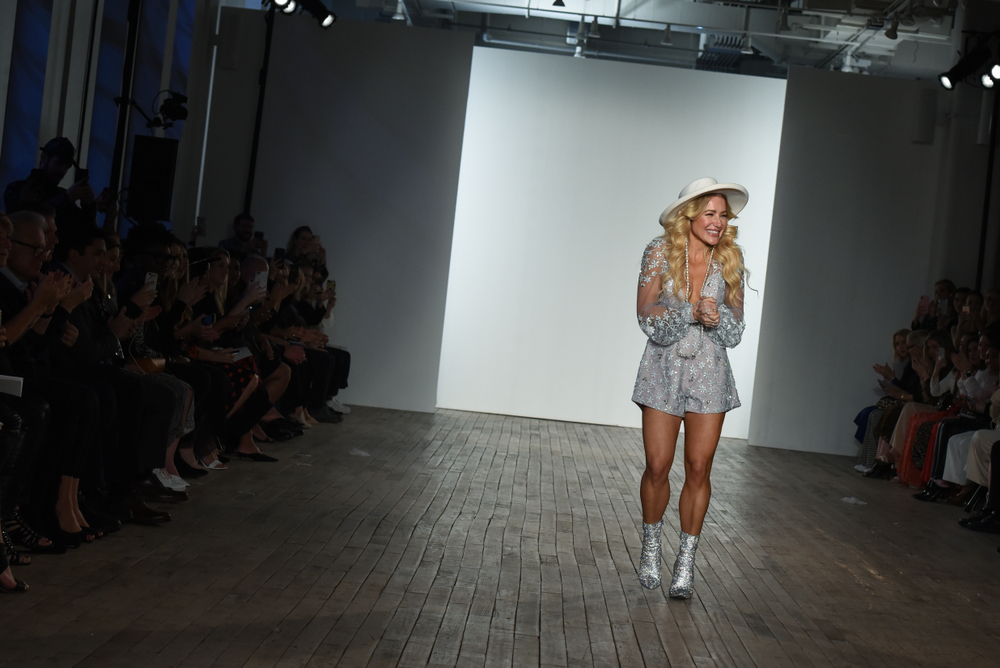
Hayley Elsaesser’s collection stood out for bright colors and graphic prints. Cartoon-inspired motifs covered dresses, suits, and accessories. The playful style contrasted sharply with minimalist trends. Supporters praised the joyful energy and accessibility. Critics argued the designs lacked sophistication. The presentation challenged traditional ideas of high fashion. Younger audiences responded positively to the bold visuals. Photography from the show circulated widely online. The collection sparked discussion about fashion as entertainment. It remains one of the most visually distinctive moments of that season.
Beaufille Minimalist Collection — Spring 2017 WMCFW
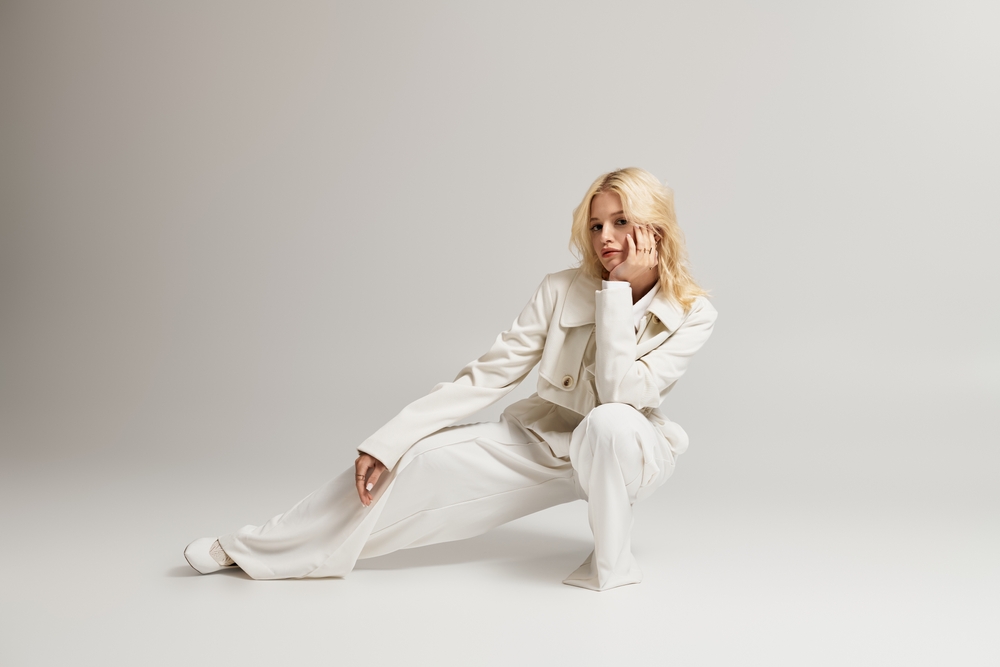
Beaufille presented a restrained collection focused on clean lines. Neutral tones and structured silhouettes defined the runway. The designs emphasized subtle detailing over embellishment. Supporters praised the refined and modern aesthetic. Critics found the palette too subdued for a fashion event. The brand’s approach reflected international minimalist trends. Styling remained understated to highlight garment construction. The show appealed strongly to buyers seeking wearable pieces. Media reviews noted the balance between elegance and restraint. Debate persists over whether minimalism risks blending into uniformity.
Rudsak Urban Leather Outerwear Show — Fall 2014 WMCFW
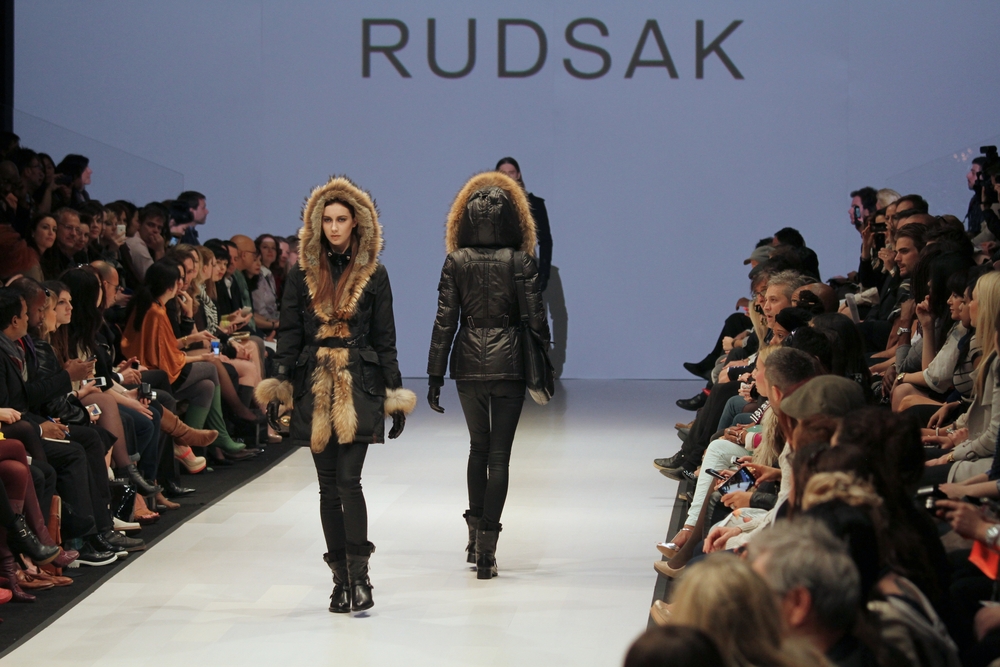
Rudsak’s presentation emphasized leather jackets and winter outerwear. The collection reflected the brand’s urban identity. Dark palettes and layered looks dominated the runway. Supporters praised the practical focus for Canadian climates. Critics questioned the limited variety in materials. The show highlighted commercial strengths over experimentation. Strong tailoring and durable fabrics appealed to retailers. Music and staging reinforced a city-inspired mood. Media coverage emphasized the label’s market presence. Discussion continues about balancing function with runway creativity.
Lesley Hampton Inclusive Runway — Toronto Fashion Week 2019
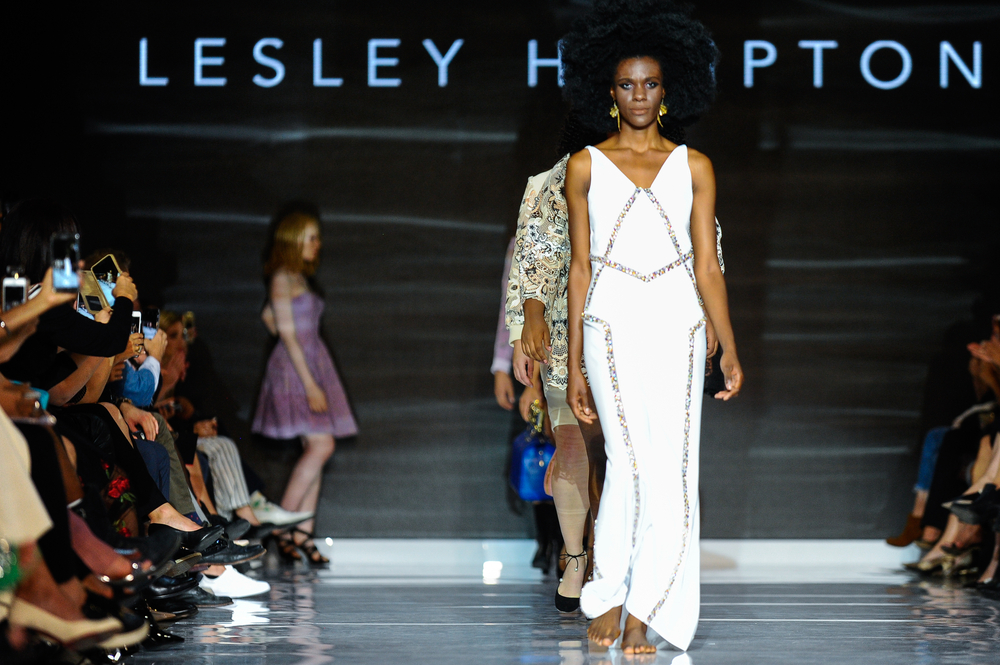
Lesley Hampton’s show gained attention for its diverse casting. Models of different body types and backgrounds participated. The presentation challenged traditional runway standards. Supporters praised the emphasis on representation and accessibility. Critics questioned whether diversity overshadowed the clothing itself. The collection featured bold colors and contemporary silhouettes. Audience response was notably enthusiastic during the event. Media coverage highlighted the social message prominently. The show reflected broader cultural conversations about inclusion. It remains a landmark moment for representation in Canadian fashion.
Narces Couture-Inspired Presentation — Fall 2016 WMCFW
Narces presented an ornate collection inspired by couture traditions. Structured gowns featured intricate embellishments and rich textures. The dramatic styling contrasted with the minimalist trends of that season. Supporters praised the craftsmanship and theatrical presence. Critics questioned the practicality for everyday wear. The show emphasized occasion dressing over commercial pieces. Bold silhouettes created striking runway images. Media coverage focused on the luxurious detailing. The presentation reinforced Narcissus’ reputation for statement designs. Debate continues about couture style relevance in contemporary markets.
Triarchy Sustainable Denim Showcase — Spring 2017 WMCFW

Triarchy highlighted environmentally conscious denim production methods. The collection emphasized reduced water use and responsible sourcing. Clean silhouettes showcased the material without heavy ornamentation. Supporters praised the focus on sustainability. Critics questioned whether messaging overshadowed design innovation. The presentation aligned with growing interest in ethical fashion. Casual pieces reflected everyday wear rather than runway drama. Industry observers noted the importance of transparency. Media attention extended beyond fashion audiences. The show helped advance conversations about environmental impact in apparel.
Joe Fresh Return to the Runway — Toronto Fashion Week 2019
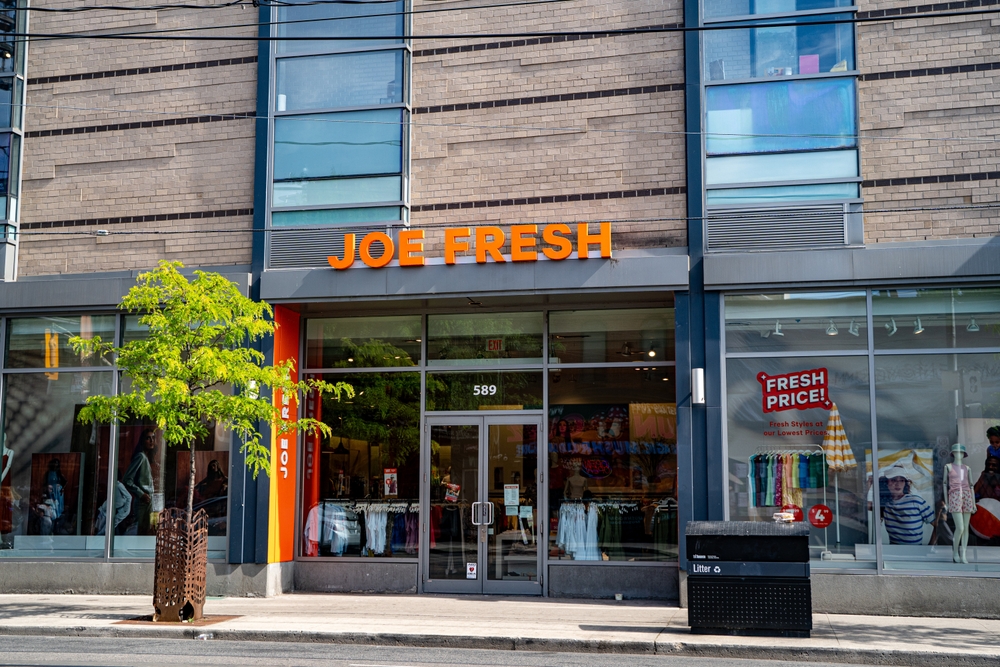
Joe Fresh returned after several seasons away from major runways. The brand emphasized affordable, accessible fashion for wide audiences. Bright colors and simple silhouettes defined the collection. Supporters welcomed the return of a major retail name. Critics argued the designs lacked high-fashion appeal. The presentation blurred the lines between runway and retail. Large-scale production values reflected corporate backing. Media coverage highlighted the brand’s market influence. The show attracted both industry insiders and consumers. Debate continues about the role of mass retailers in fashion week.
Bustle Lingerie-Inspired Runway — Fall 2015 WMCFW
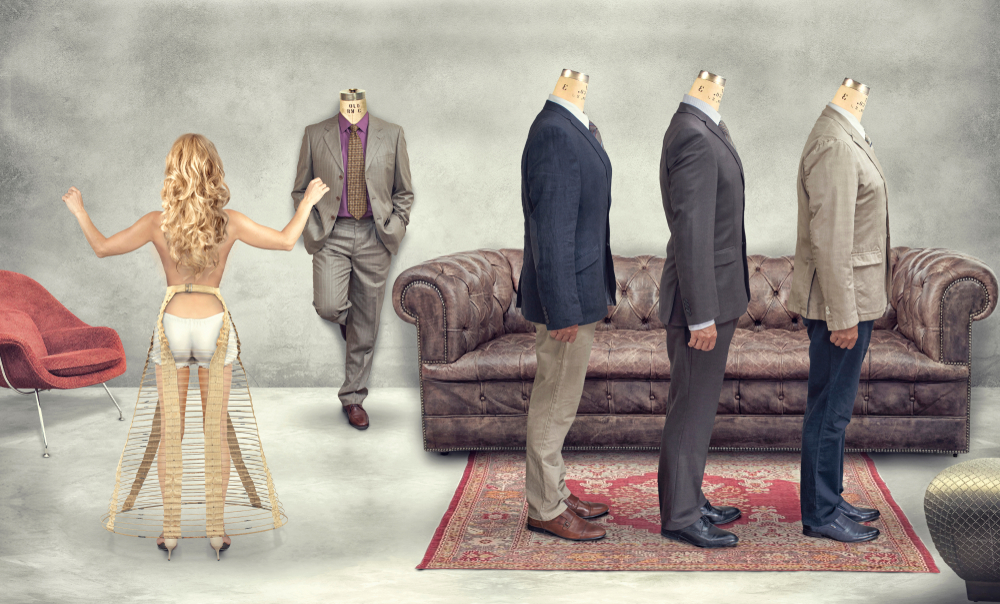
Bustle’s presentation incorporated lingerie elements into outerwear looks. Sheer fabrics and structured undergarment shapes appeared prominently. The concept generated strong reactions from audiences. Supporters praised the bold reinterpretation of intimate apparel. Critics considered some pieces overly revealing. The styling challenged conventional ideas of modesty on runways. Photographs from the show circulated widely online. The collection aligned with global trends toward boudoir-inspired fashion. Media discussion focused on balancing sensuality and wearability. The presentation remains one of the more provocative moments of the season.
Christopher Bates Menswear Collection — Fall 2016 WMCFW
Christopher Bates showcased tailored menswear with European influence. Sharp suits and clean lines defined the runway. Color accents added contrast to classic silhouettes. Supporters praised the polished and sophisticated approach. Critics felt the designs lacked experimental edge. The collection emphasized craftsmanship and fit. Menswear received less attention than womenswear at the event. Media coverage noted the brand’s international appeal. The show reinforced Bates’ reputation for refined tailoring. Debate persists about innovation within traditional menswear formats.
Mackage Statement Outerwear Presentation — Fall 2018 Toronto

Mackage presented a collection focused on premium outerwear. Structured coats and leather accents dominated the runway. The designs reflected Canadian winter needs with luxury styling. Supporters praised the balance of function and fashion. Critics argued the focus remained too narrow for a full show. Dark tones emphasized a sleek urban aesthetic. Strong tailoring reinforced the brand’s identity. Media coverage highlighted commercial success in global markets. The presentation appealed to buyers seeking practical luxury. Debate continues about specialization versus variety in runway collections.
Indigenous Fashion Arts Festival Runway — 2019 Toronto
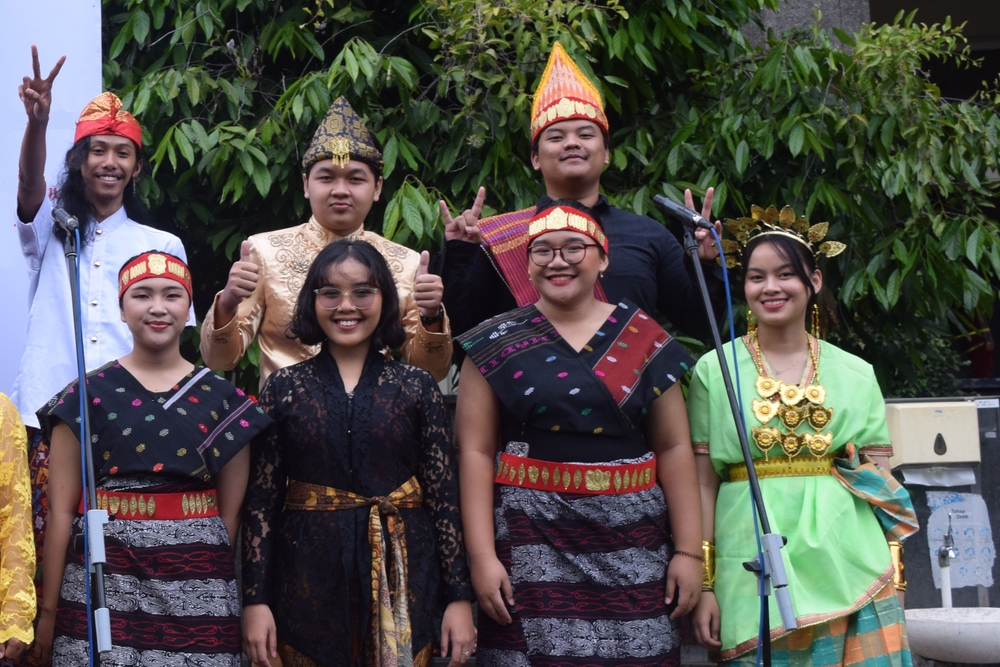
The Indigenous Fashion Arts Festival featured designers from First Nations communities. Collections incorporated cultural motifs and traditional techniques. The event aimed to highlight Indigenous creativity on a major stage. Supporters praised the platform for representation and storytelling. Critics cautioned against cultural elements being misinterpreted. Audience response was respectful and engaged. Media coverage emphasized cultural significance alongside fashion. The runway challenged mainstream definitions of Canadian style. Designers balanced heritage with contemporary aesthetics. The festival remains an important milestone for Indigenous visibility in fashion.
Fashion Art Toronto Avant-Garde Night — 2022 Edition
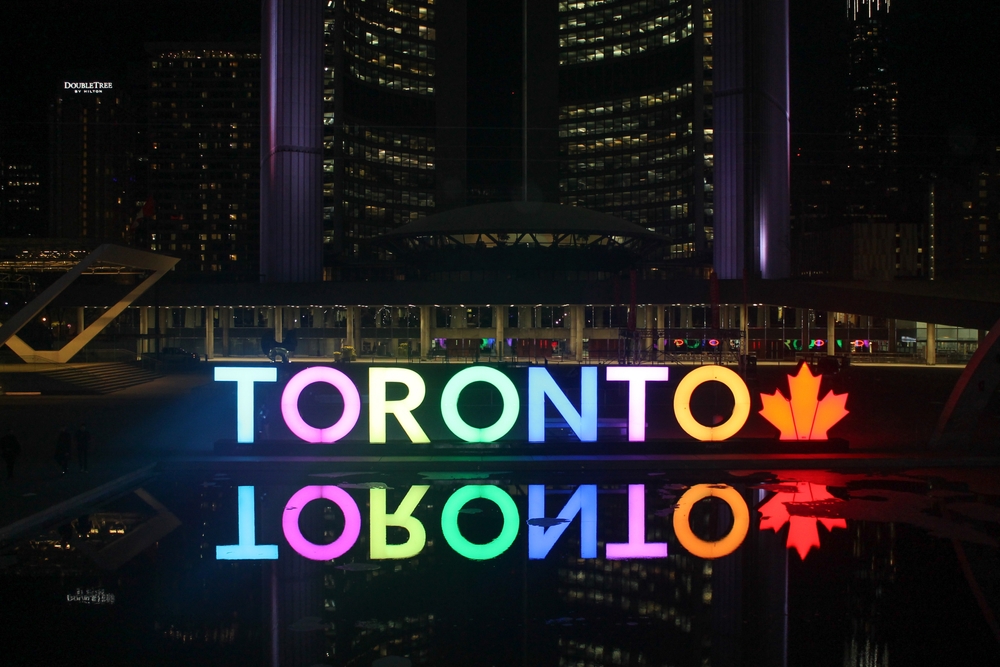
Avant-Garde Night showcased experimental designs beyond commercial fashion. Garments featured unconventional materials and dramatic silhouettes. Performative elements blurred the lines between art and runway. Supporters praised the creative freedom on display. Critics questioned wearability and accessibility. The event attracted artists as well as fashion professionals. Lighting and music intensified the theatrical atmosphere. Social media coverage highlighted the most unusual looks. The presentation reinforced Fashion Art Toronto’s alternative identity. Debate continues over the role of conceptual fashion in public events.
VFiles Made Fashion Canada Showcase — 2017 Toronto

The VFiles showcase introduced emerging designers to Canadian audiences. Streetwear influences dominated many collections presented. The event emphasized youth culture and digital trends. Supporters welcomed the focus on new talent. Critics felt the aesthetic lacked refinement. Audience demographics skewed younger than traditional shows. Social media engagement was particularly strong. The format encouraged experimentation over polish. Media coverage noted its departure from conventional runway norms. The showcase highlighted changing pathways into the fashion industry.
Toronto Men’s Fashion Week (TOM*) Breakout Shows — 2016 Season
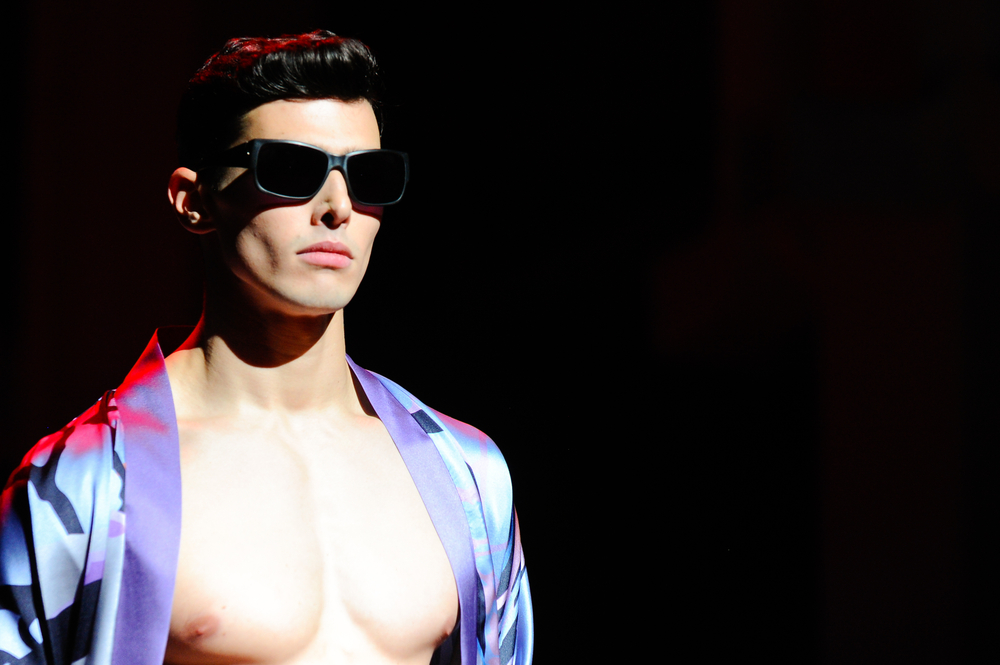
Toronto Men’s Fashion Week focused exclusively on menswear designers. The 2016 season featured several emerging labels gaining attention. Collections ranged from classic tailoring to street-inspired looks. Supporters praised the dedicated platform for men’s fashion. Critics questioned whether demand justified a separate event. Attendance included buyers seeking new brands. Media coverage highlighted Canada’s growing menswear scene. The shows helped launch the careers of several designers. Production scale was smaller than that of major mixed events. Debate continues about the long-term viability of niche fashion weeks.
22 Groceries to Grab Now—Before another Price Shock Hits Canada
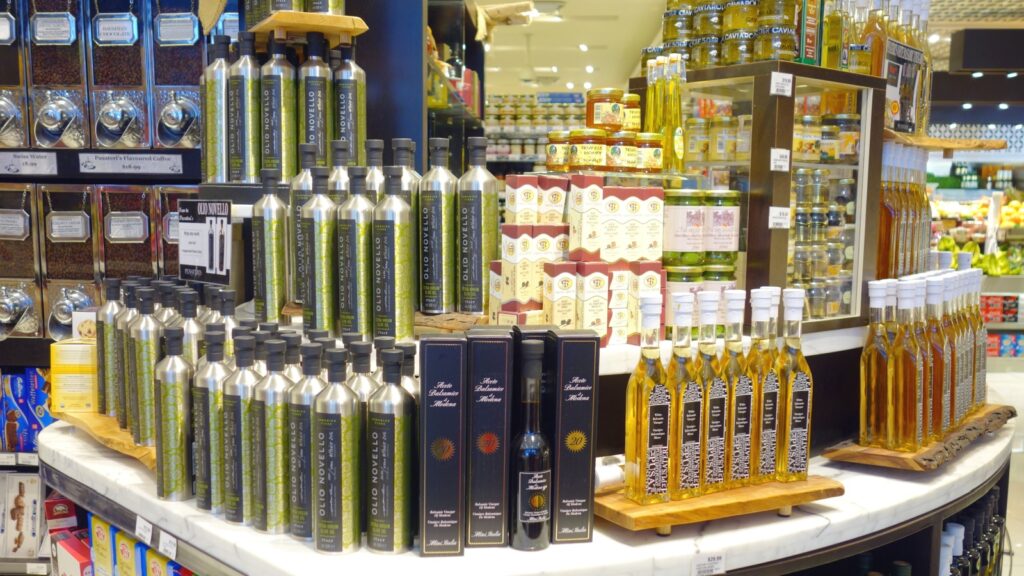
Food prices in Canada have been steadily climbing, and another spike could make your grocery bill feel like a mortgage payment. According to Statistics Canada, food inflation remains about 3.7% higher than last year, with essentials like bread, dairy, and fresh produce leading the surge. Some items are expected to rise even further due to transportation costs, droughts, and import tariffs. Here are 22 groceries to grab now before another price shock hits Canada.
22 Groceries to Grab Now—Before another Price Shock Hits Canada
