
Travel credit cards often promote valuable perks that attract frequent travelers. Over time, some of these benefits change without much attention. Adjustments may affect lounge access, insurance coverage, or reward earnings. Cardholders sometimes notice differences only during travel. Small reductions across multiple perks can reduce overall value. Annual fees may stay the same while benefits shift. Reading updated terms helps reveal changes early. Here are 20 Canadian credit card travel perks that quietly got worse in 2026.
Airport Lounge Guest Access Limits

Many Canadian credit cards once allowed free guest access in airport lounges. Some programs now restrict or remove that benefit. Cardholders may need to pay for companions or use extra passes. Families traveling together feel this change the most. Lounge policies vary by network and location. Crowding concerns often drive tighter rules. Travelers who rely on bringing guests may face unexpected costs. Checking lounge terms before travel helps avoid surprises. Some cards still offer limited guest privileges. Understanding current access rules supports better trip planning and airport comfort.
Reduced Lounge Visit Counts

Several credit cards have reduced the number of complimentary lounge visits. Cardholders who once enjoyed unlimited entries now face annual caps. Extra visits often require per-use fees. Frequent travelers notice the impact most. Lounge networks also update participating locations. Benefits may reset yearly rather than per trip. Travelers sometimes discover limits only at the entrance. Reviewing benefit guides before travel is important. Planning which airports offer alternative lounges helps manage expectations. Reduced visits mean more careful use of remaining passes during trips.
Lower Travel Insurance Coverage Limits

Travel insurance tied to credit cards has seen lower coverage limits. Emergency medical caps and baggage protection may now be reduced. This can leave travelers underinsured during major incidents. Many cardholders assume previous levels still apply. Policy wording often changes quietly. Checking updated certificates of insurance is essential. Additional private insurance may be necessary for longer trips. Lower limits may also apply to rental car coverage. Understanding coverage details helps avoid gaps and unexpected out-of-pocket expenses abroad.
Shorter Trip Cancellation Coverage Windows

Trip cancellation insurance windows have become shorter on some cards. Claims may apply only if events occur closer to departure. Earlier disruptions might not qualify. Travelers booking months ahead face more risk. Policies also tighten definitions of covered reasons. Missing documentation can void claims. Reading timelines carefully helps avoid misunderstandings. Flexible bookings may provide extra protection. Knowing cancellation windows supports smarter trip planning. Changes often appear in updated policy booklets rather than promotional material.
Higher Foreign Transaction Fees

Foreign transaction fees have increased on certain travel cards. Charges apply when purchases are processed outside Canada. Even online bookings in foreign currency may trigger fees. Cardholders sometimes assume travel cards waive these costs. A small percentage fee adds up over a trip. Reviewing card terms before travel is helpful. Using no foreign fee cards reduces expenses. Currency conversion rates may also vary. Awareness of fee structures supports better budgeting while traveling abroad.
Fewer Airline Transfer Partners

Some Canadian credit card programs now offer fewer airline transfer partners. This reduces flexibility when redeeming points for flights. Travelers may find favorite carriers removed from the list. Transfer ratios can also change without much notice. Fewer partners mean less opportunity to compare award pricing. Cardholders might need more points for the same routes. Checking current partner lists before collecting points helps. Diversifying loyalty programs can reduce risk. Understanding transfer options ensures better planning and avoids disappointment when booking award travel.
Lower Points Earning on Travel Purchases

Cards that once offered bonus points on travel purchases have reduced earn rates. Flights, hotels, and transit bookings may now earn fewer rewards. Spending thresholds for higher rates may also increase. Travelers who relied on travel category bonuses see slower point accumulation. Promotional materials do not always highlight these reductions clearly. Reviewing the rewards table helps set expectations. Using cards with stronger travel multipliers can offset losses. Monitoring earn rates supports smarter spending decisions and better value from travel-related purchases.
Hotel Status Match Restrictions

Hotel status matches tied to credit cards have become more limited. Some programs now require higher spending or fewer participating hotel brands. Automatic elite levels may be downgraded or removed. Travelers might need actual stays to keep benefits. Perks like late checkout or room upgrades may no longer be guaranteed. Checking hotel partnership terms helps avoid confusion. Diversifying hotel loyalty strategies can help maintain benefits. Understanding new eligibility rules prevents disappointment at check-in and supports better travel planning.
Rental Car Insurance Exclusions

Credit card rental car insurance now includes more exclusions. Certain vehicle types, like SUVs or luxury cars, may not qualify. Longer rental periods may exceed coverage limits. Damage to tires or windshields might be excluded. Travelers sometimes assume full protection applies automatically. Reading insurance certificates before travel is important. Purchasing additional coverage at rental counters may be necessary. Knowing coverage gaps helps avoid unexpected costs after accidents or damage during trips.
Fewer Airport Dining Credits

Airport dining credits once offered easy value for travelers. Some card programs have reduced participating restaurants or credit amounts. Limits on usage frequency have also appeared. Travelers may find credits unavailable at certain terminals. Activation steps through apps can complicate use. Credits may not combine with other offers. Checking eligible locations before travel helps avoid frustration. Reduced dining perks mean less savings during airport waits. Understanding updated rules helps cardholders plan meals and manage travel expenses better.
Expiring Travel Credits Faster

Travel credits offered by some cards now expire sooner than before. Validity periods may shrink from years to months. Cardholders who do not travel frequently can lose value. Credits sometimes apply only through specific booking portals. Missing activation steps may also void them. Expiration dates may not be clearly highlighted. Tracking credit timelines helps avoid loss. Setting reminders after issuance is useful. Shorter validity reduces flexibility for future trips. Understanding terms ensures credits are used before they disappear.
Higher Annual Fees Without Added Value

Several travel cards have raised annual fees while keeping benefits the same. Cardholders may not see improved perks or coverage. Higher costs reduce overall reward value. Travelers should reassess whether benefits still justify fees. Comparing alternative cards can reveal better options. Retention offers or fee waivers may be available. Reviewing annual statements helps track value received. Understanding cost versus benefit supports smarter credit card choices and prevents overpaying for travel rewards.
Weaker Baggage Delay Coverage

Baggage delay coverage now offers lower reimbursement limits on some cards. Waiting periods before claims apply may also increase. Essential items like clothing or toiletries may have stricter caps. Travelers sometimes expect broader protection. Documentation requirements can be more detailed. Keeping airline delay reports is necessary. Reduced coverage means more out-of-pocket spending during delays. Reading updated insurance terms helps avoid surprises. Knowing limits allows better preparation when packing essentials in carry-on bags.
Lower Emergency Medical Limits Abroad

Emergency medical coverage limits have decreased on certain cards. Serious incidents abroad can exceed these caps quickly. Travelers may assume earlier higher limits still apply. Longer trips or high-cost destinations increase risk. Supplementary travel insurance may be necessary. Policy changes often appear quietly in updated documents. Reviewing coverage before departure is essential. Lower limits can expose travelers to financial strain. Understanding insurance protection helps plan safer international travel.
Reduced Priority Boarding Partnerships
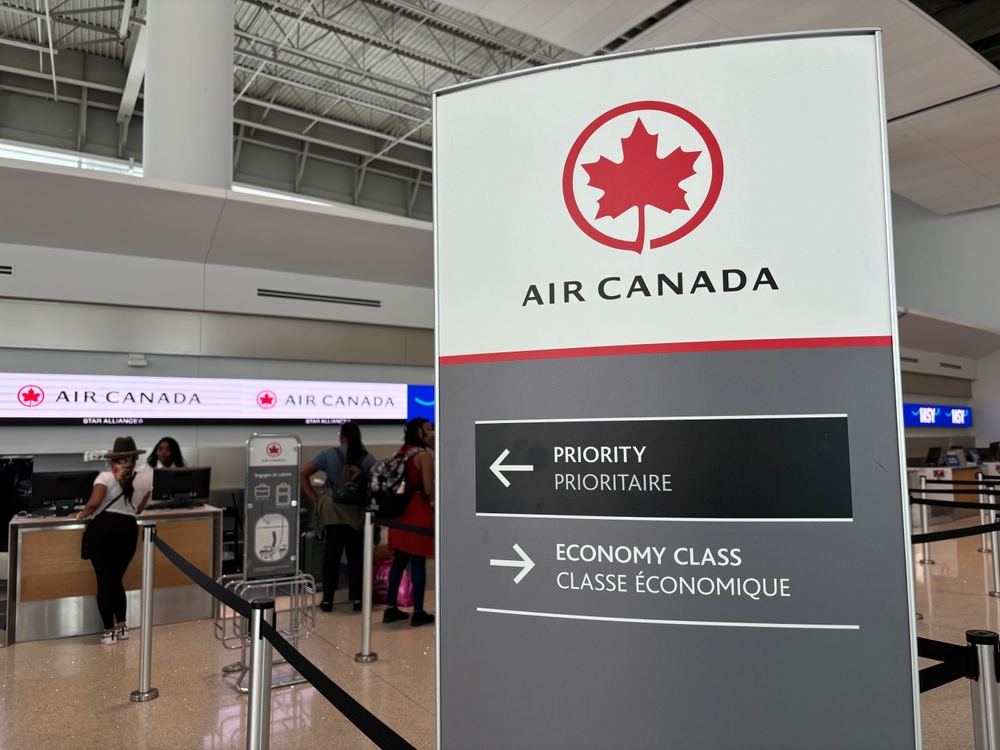
Priority boarding perks once linked to airline partnerships have narrowed. Fewer airlines may honor this benefit. Travelers may board later than expected. Cardholders sometimes discover changes at the gate. Agreements between airlines and card issuers can shift. Checking eligible carriers before travel helps manage expectations. Reduced boarding benefits affect overhead bin access. Planning an earlier arrival at the gate can help. Awareness prevents frustration during the boarding processes.
Fewer Seat Selection Benefits

Free seat selection benefits have become more limited. Some fare classes may no longer qualify. Preferred or extra legroom seats may require payment. Cardholders who once selected seats at booking now face fees. Airline policy changes often influence these benefits. Checking terms before booking flights helps. Choosing airlines that include seat selection can reduce costs. Reduced benefits mean less comfort without added expense. Understanding rules supports better travel planning.
Limited Companion Ticket Availability

Companion ticket perks once felt easy to use, yet availability has tightened. Airlines now release fewer eligible seats on popular routes and dates. Blackout periods appear more often during holidays and peak seasons. Some programs require higher fare classes, raising the total trip cost. Taxes and fees for the companion can also increase. Cardholders may need to book far in advance to secure space. Call centers sometimes handle these bookings, adding time and friction. Monitoring calendars and staying flexible with travel dates improves success. Understanding route limits and fare rules helps avoid disappointment when planning trips.
Shorter Points Expiry Timelines

Points expiry timelines have shortened across several programs. Accounts may now require activity annually rather than longer windows. Inactivity rules can reset balances to zero without warning. Transfers between partners might not count as a qualifying activity. Cardholders who save for big trips face more pressure. Email reminders are not always consistent. Small purchases, redemptions, or points transfers can keep accounts active. Setting calendar alerts helps track deadlines. Family pooling options may also change. Understanding expiry policies helps protect hard-earned points and supports better planning for future travel redemptions.
Reduced Upgrade Certificate Access

Upgrade certificates tied to premium cards have become harder to earn and use. Annual allotments may shrink or require higher spending thresholds. Eligible fare classes for upgrades can be more restrictive. Travelers may clear upgrades only at the gate, reducing certainty. Partner airlines might not honor certificates. Peak travel periods often see limited inventory. Expiration dates can also be shorter. Planning early and staying flexible with routes improves chances. Reading airline and card terms carefully prevents the issuance of unused certificates and sets clearer expectations for premium cabin travel experiences.
Stricter Eligibility for Welcome Bonuses

Welcome bonuses now come with tighter eligibility rules. Issuers may block bonuses for past cardholders within longer lookback periods. Minimum spending requirements often increase. Missing the deadline by even a day can void rewards. Some offers exclude transfers between card products. Verification checks may delay bonus posting. Applicants should review the terms before applying. Tracking spending progress carefully helps meet thresholds. Keeping screenshots of offers can help in disputes. Understanding eligibility details prevents disappointment and ensures effort leads to the promised travel rewards.
22 Groceries to Grab Now—Before another Price Shock Hits Canada

Food prices in Canada have been steadily climbing, and another spike could make your grocery bill feel like a mortgage payment. According to Statistics Canada, food inflation remains about 3.7% higher than last year, with essentials like bread, dairy, and fresh produce leading the surge. Some items are expected to rise even further due to transportation costs, droughts, and import tariffs. Here are 22 groceries to grab now before another price shock hits Canada.
22 Groceries to Grab Now—Before another Price Shock Hits Canada
