
Canada has played an important role in shaping the global economy through major trade agreements, resource partnerships, and cross-border deals that influenced international pricing, investment flows, and long-term policy decisions. These agreements affected sectors such as energy, agriculture, automotive production, aviation, and advanced manufacturing. Each deal created ripple effects that reached far beyond Canadian borders. Here are 20 Canadian deals that changed the world economy.
The 1989 Canada-United States Free Trade Agreement

The Canada-United States Free Trade Agreement reshaped global perceptions of bilateral trade partnerships. By removing tariffs and harmonizing rules, it streamlined cross-border business operations and reduced costs for integrated industries. The success of the agreement influenced international approaches to trade liberalization and encouraged other regions to explore similar frameworks. It accelerated the development of supply chains across North America and demonstrated the economic value of coordinated regulations.
The Formation of NAFTA in 1994
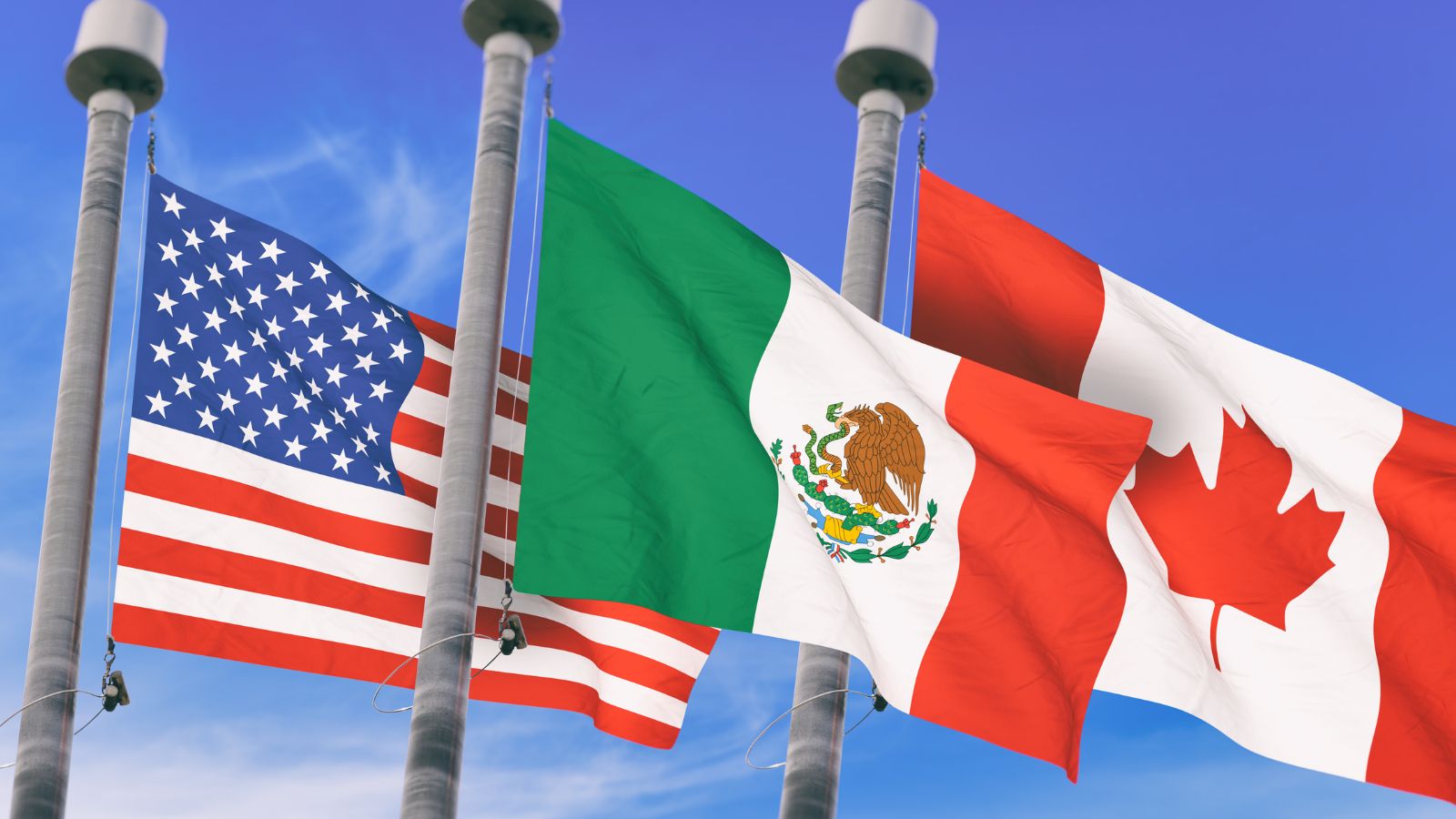
The North American Free Trade Agreement created one of the largest and most influential economic blocs of the twentieth century. It facilitated integrated production across Canada, the United States, and Mexico, reshaping global manufacturing strategies. The scale of the agreement influenced international companies to reorganize supply chains to take advantage of new efficiencies. It served as a model for other regional agreements, including those in Asia and Europe.
The 1951 Nickel Supply Agreement with Japan

The long-term nickel supply deal between Canada’s Inco and Japanese industrial leaders played a crucial role in Japan’s postwar manufacturing growth. The agreement provided stable access to a critical metal used in steel production, electronics, and heavy machinery. This stability helped Japan rebuild industrial capacity and expand exports. The deal influenced global metal markets by demonstrating how long-term contracts could reduce pricing volatility. It also strengthened Canada’s reputation as a dependable resource supplier.
The 1965 Auto Pact

The Canada-United States Automotive Products Agreement integrated automotive manufacturing across both countries. By allowing vehicles and parts to move tariff-free if production conditions were met, it enabled companies to specialize in facilities and streamline operations. This integration changed global automotive strategy and influenced later trade agreements focused on specific industries. The pact demonstrated how cross-border coordination could improve competitiveness and productivity. It encouraged automakers to adopt North American production models and influenced similar sector-based deals around the world.
The Wheat Board Grain Contracts with China

The Canadian Wheat Board negotiated long-term grain supply contracts with China during the 1960s, providing reliable access to essential food resources. These agreements helped stabilize China’s food supply during periods of limited agricultural output. The deal also showed how countries with limited diplomatic ties could still build meaningful economic relationships. The contracts influenced global agricultural trade by proving that long-term arrangements could reduce pricing volatility and encourage strategic planning. Other nations used this approach when negotiating their own crop supply deals.
The Air Canada Boeing Purchase Agreement

Air Canada’s large-scale fleet purchase in the late 1970s influenced the global aviation industry by strengthening Boeing’s competitive position. Major aircraft orders affected production planning, research funding, and international market confidence. This deal supported Boeing during a period of increased competition from Europe and influenced airlines worldwide to consider aircraft standardization for operational efficiency. The purchase also reinforced North American dominance in commercial aviation and encouraged suppliers to invest in new technologies.
The Syncrude Ownership Restructuring

The restructuring of Syncrude ownership in 1981 ensured long-term stability for one of the world’s largest oil sands projects. The deal involved government entities and private companies working together to secure funding and operational continuity. This agreement influenced global energy markets by demonstrating the viability of unconventional oil production. Countries with similar resources studied the model to plan their own extraction strategies. It also encouraged investment in new technologies that reduced production costs and expanded worldwide interest in large-scale resource partnerships.
The Canada-European Union CETA Agreement

The Comprehensive Economic and Trade Agreement between Canada and the European Union expanded market access for goods, services, and investment. It removed tariffs on key products and created new standards for cooperation. This deal influenced global discussions on regulatory alignment and investment protections. Countries negotiating with the European Union examined CETA as a benchmark for modern trade agreements. The agreement strengthened supply chains and promoted collaboration between Canadian and European firms.
The 2007 Softwood Lumber Agreement

The 2007 softwood lumber agreement between Canada and the United States stabilized a long-running trade dispute that affected global construction markets. By setting export charges and volume restrictions, it reduced uncertainty in international lumber pricing. Builders and developers worldwide benefited from more predictable market conditions. The agreement was closely monitored by countries facing resource trade conflicts and served as a reference for managing commodity tensions. It also influenced long-term forest management strategies and encouraged more sustainable harvesting practices.
The 1967 Pacific Salmon Treaty Framework

The Pacific Salmon Treaty created a cooperative system for managing shared fish stocks. Although focused on environmental stewardship, the agreement had significant economic consequences for global seafood markets. By establishing science-based quotas and conservation goals, it reduced supply volatility and supported long-term industry stability. Other nations adopted similar management models to protect valuable fish species. The treaty demonstrated that coordinated resource governance could balance ecological needs with economic priorities. Its influence extended to global discussions on fisheries sustainability and encouraged countries to pursue negotiated solutions for shared maritime resources that support stable international food markets.
The 1970s Potash Export Agreements

Canadian potash producers negotiated long-term export contracts that shaped the global fertilizer industry. These agreements provided a stable supply for countries seeking to expand agricultural output. By securing predictable pricing, they supported long-term planning for millions of farmers worldwide. The deals strengthened Canada’s position as a leading supplier of essential agricultural minerals. They also influenced global strategies for fertilizer imports and encouraged other exporters to negotiate structured contracts. Potash remains a critical input for global food production, and the foundational agreements made during this period continue to influence international market dynamics and agricultural planning decisions across several continents.
The Canada-China Investment Protection Agreement

The investment protection agreement between Canada and China created predictable rules for investors and established clear dispute resolution mechanisms. It enabled companies to expand operations with reduced risk, supporting growth in sectors such as mining, finance, and technology. The deal influenced global policy by setting standards for fair treatment and transparency in investment agreements with China. Other countries studied the framework when negotiating their own treaties. The agreement played a role in facilitating China’s growing overseas investment activity and demonstrated the advantages of structured bilateral protection systems that support long-term business development in emerging international markets.
The Trans Pacific Partnership Negotiations
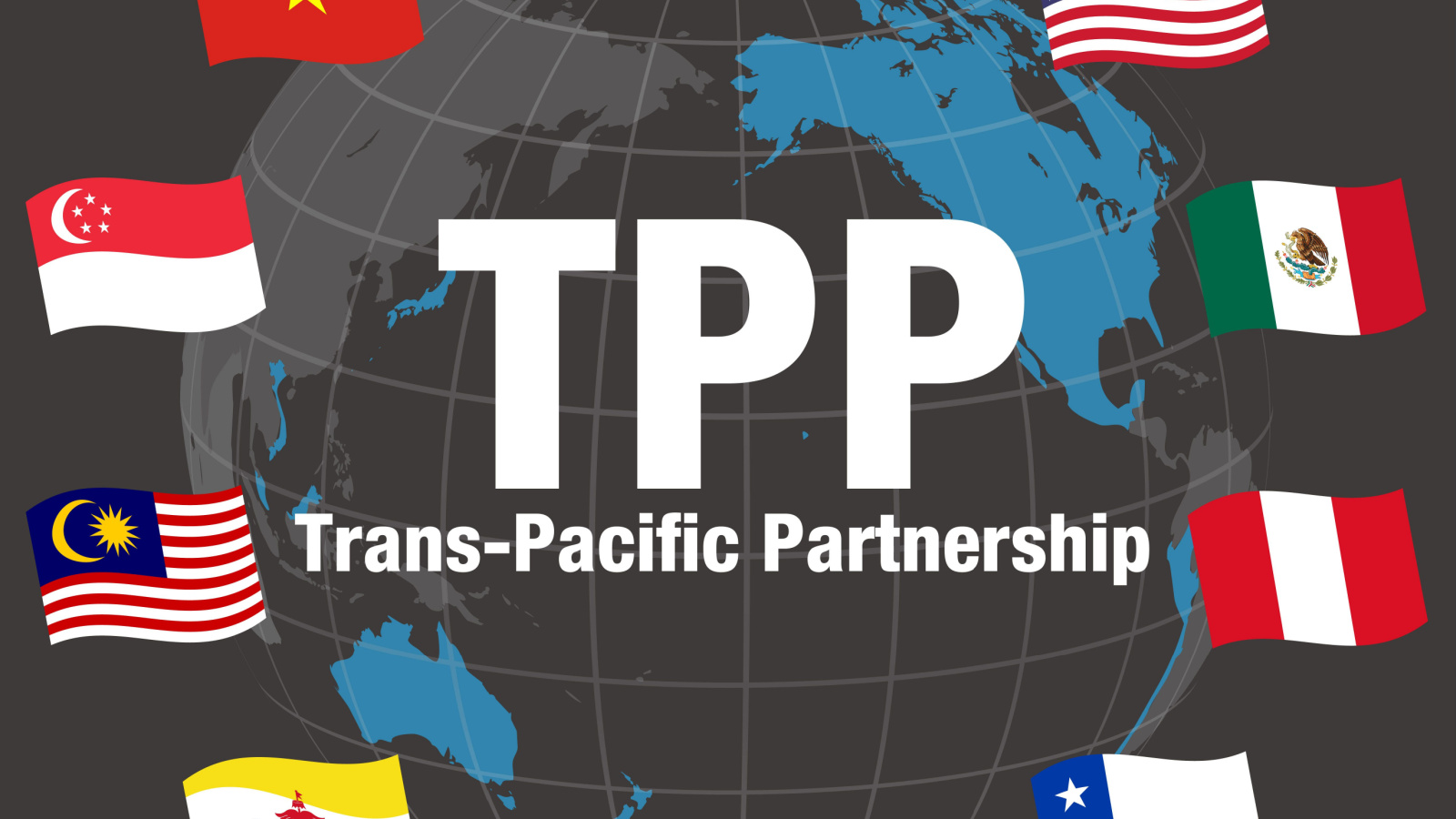
Canada’s participation in the Trans Pacific Partnership negotiations influenced global expectations for modern trade agreements. The discussions shaped rules for intellectual property, services, and regulatory cooperation across multiple economies. Even after revisions resulted in the Comprehensive and Progressive Agreement for Trans Pacific Partnership, many original principles remained intact. The negotiations showed that large multilateral trade frameworks could expand opportunities beyond traditional bilateral models. They also encouraged countries outside the region to consider similar approaches.
The 1999 Nortel China Telecom Infrastructure Deal

Nortel’s major telecommunications contract in China during the late 1990s influenced global technology competition. The deal expanded China’s network capacity and accelerated the adoption of advanced communications infrastructure. It demonstrated the scale of China’s technology ambitions and encouraged global firms to pursue major contracts in emerging markets. The agreement also influenced international research investment by showing the economic potential of large telecommunications projects. It strengthened Canada’s presence in global technology supply chains and played a role in shaping early strategies for digital expansion across several developing economies that sought rapid network modernization.
The Husky Energy Liwan Gas Project Deal

The Liwan Gas Project, developed through a partnership between Husky Energy and Chinese national companies, created one of the first major deepwater natural gas operations in the South China Sea. This agreement demonstrated how cross-border energy partnerships could accelerate offshore development in complex regions. It influenced global investment decisions in deep water exploration and encouraged countries to reassess their offshore resource potential. The project supported long-term energy supply diversification for China and strengthened Canada’s expertise in offshore engineering.
The Bombardier Transportation Europe Rail Contracts

Bombardier secured several large-scale rail contracts across Europe, influencing global transportation manufacturing. These deals supplied trains, signaling systems, and engineering expertise to multiple countries. The agreements demonstrated the competitiveness of Canadian manufacturing in advanced mobility technologies. They also encouraged European governments to invest in rail modernization programs. Bombardier’s success affected international procurement practices by showing that multinational suppliers could deliver integrated solutions. The deals strengthened Canada’s presence in global transportation markets and supported innovation in urban transit systems worldwide.
The Cameco Uranium Supply Agreements

Cameco negotiated major uranium supply agreements with utilities in Asia, Europe, and North America. These long-term contracts influenced global nuclear energy development by providing stable access to essential fuel. The deals supported national energy strategies for countries seeking low-carbon power generation. They also helped stabilize uranium markets during periods of fluctuating demand. Cameco’s agreements demonstrated how reliable supply partnerships could encourage investment in nuclear infrastructure. The deals strengthened Canada’s role in the global nuclear energy sector and contributed to international planning for the diversification of energy sources that support climate and reliability objectives.
The 1984 Canada-Australia Wheat Agreement

The long-term wheat export agreement between Canada and Australia coordinated aspects of global grain marketing. The deal influenced pricing strategies, supply management, and competition between major agricultural exporters. It demonstrated that cooperation between countries with similar resource strengths could stabilize markets and reduce volatility. Global food importers monitored the agreement to adjust their own procurement approaches. The deal encouraged longer-term planning in agricultural trade and influenced how governments supported grain producers. It also strengthened Canada’s position in global food markets and helped shape international strategies for managing competition among major agricultural exporting countries.
The Petro Canada Acquisition of Gulf Canada

Petro Canada’s acquisition of Gulf Canada in 1985 reshaped the international energy landscape by consolidating major resource assets under Canadian ownership. The deal influenced global strategies for national participation in the energy sector. Countries with significant natural resources studied the model to consider similar approaches. The acquisition expanded Canada’s influence in global oil markets and encouraged long-term investment in energy infrastructure. It also demonstrated the strategic importance of maintaining domestic control over key resource assets. The deal supported greater stability in national energy policy and influenced international views on state involvement in major resource industries.
The Shopify Partnership Ecosystem Expansion

Shopify’s global partnership agreements with payment processors, logistics networks, and digital service providers reshaped international e-commerce infrastructure. These deals created unified systems that enabled businesses worldwide to scale online operations. The partnerships influenced global retail by lowering barriers to entry and modernizing digital supply chains. They encouraged multinational companies to adopt standardized commerce technologies and accelerated the growth of small businesses in emerging markets. Shopify’s agreements strengthened Canada’s position in the digital economy and influenced global strategies for platform-based commerce systems that support rapid adaptation to shifts in consumer behavior and technology.
21 Products Canadians Should Stockpile Before Tariffs Hit

If trade tensions escalate between Canada and the U.S., everyday essentials can suddenly disappear or skyrocket in price. Products like pantry basics and tech must-haves that depend on are deeply tied to cross-border supply chains and are likely to face various kinds of disruptions
21 Products Canadians Should Stockpile Before Tariffs Hit
