
Canada has made many choices that didn’t grab headlines at the time but ended up saving huge amounts of money for taxpayers, households, and industries. Some decisions looked slow or cautious on the surface, yet the financial impact turned out big. These choices helped protect public services, protect business sectors, and prevent expensive problems before they spiraled. Here are 20 Canadian decisions that saved billions.
Regulating banks before the 2008 crisis

Canada never rushed to loosen banking rules before 2008. The decision protected local banks from risky mortgage lending that harmed other countries. Canada spent far less on bank rescues because major institutions stayed stable during the financial crash. Families also avoided huge mortgage failures seen in many places. Conservative lending rules were criticized for slowing growth, but they prevented an economic collapse. This decision is estimated to have saved Canadians and the government billions by avoiding mass bailout programs. The country entered recovery earlier because bank failures were prevented rather than repaired.
Capping credit card interchange fees

Canada pushed major card companies to reduce interchange fees charged to merchants. This step kept operating costs lower for thousands of small businesses. Lower fees prevented big price increases that would have been passed on to consumers. Retailers kept more earnings and stayed open during challenging periods. Families also saved money because service industries didn’t need to increase prices to cover card charges. Analysts estimate that reduced fees saved businesses and customers billions over the past decade.
Tax-free savings accounts instead of only pensions
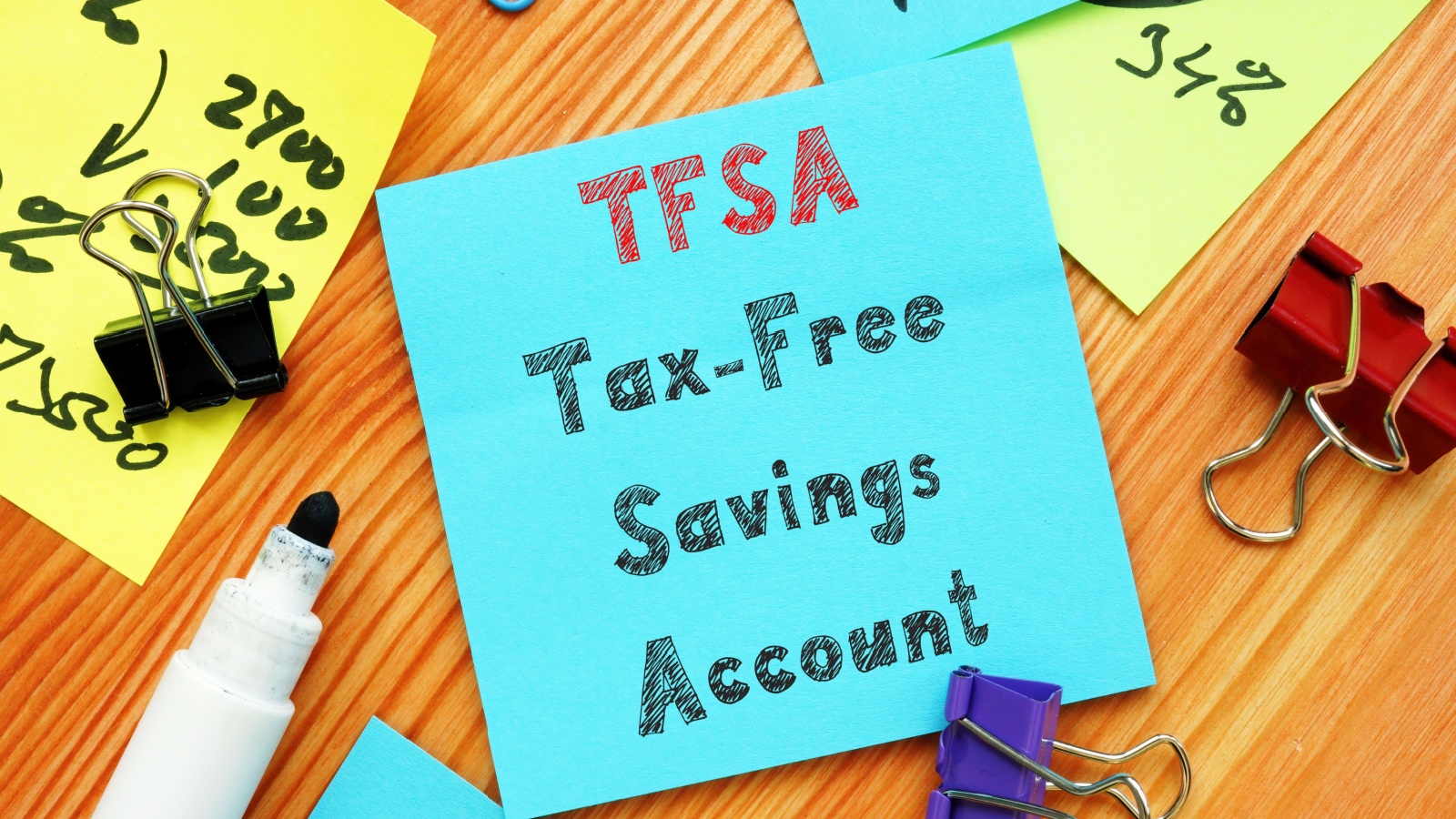
Canada introduced the TFSA so people could save without tax penalties on withdrawals. It helped families build emergency funds rather than rely only on retirement funds that charge fees for early access. Because people could withdraw without tax consequences, fewer Canadians needed government support during financial emergencies. This reduced long-term public spending on income support. The program encouraged millions of people to save small amounts regularly. Over time, the tax-free structure led to billions in retained household wealth. It also strengthened financial stability across age groups by rewarding saving over borrowing.
Pharmaceutical price negotiations

Canada decided to negotiate directly with drug companies rather than let each province set prices alone. By forming a collective buying power strategy, the country prevented soaring costs for medicine. Provinces and territories saved money while patients received affordable access. The program blocked pricing spikes seen in other countries and created predictable budgets for healthcare. Estimates say the joint approach saved billions over the past decade. Hospitals and clinics kept services steady because prescription budgets stayed under control.
The GST reduction to stimulate spending

Reducing the GST from 7 percent to 5 percent was criticized at first. Many believed the government would lose revenue. Instead, the change encouraged large-scale purchases and daily consumer spending. Extra activity generated more business revenue, which produced more tax income from other sources. The move supported small and medium businesses during periods of low growth. Households felt relieved and spent more in local markets. Economists estimate that long-term savings came from avoiding deep recessions and declining consumption. The early impact looked small, but the total financial outcome proved substantial.
Investing in early wildfire response

Canada increased funding for wildfire detection and rapid response. This approach prevented small fires from turning into devastating disasters. The cost of early detection was far lower than rebuilding entire communities. Provinces also spent less on emergency evacuations and infrastructure repairs. Research shows that every dollar spent on early response can save multiple dollars in avoided destruction. Major losses were prevented in many remote regions. The long-term financial savings reached billions because smaller emergencies replaced catastrophic events that would have needed full-scale recovery projects.
Prioritizing public healthcare access

Canada kept healthcare publicly funded rather than shifting toward a costly private model. Centralized coverage allowed better resource planning across provinces. Families avoided extreme medical debt and stayed economically active. Governments saved money because early treatment prevented expensive long-term complications. Emergency rooms avoided overcrowding from unaffordable routine care. The combined financial impact has been estimated in the billions because prevention costs less than crisis treatment. Stability in the healthcare system also protected national productivity by keeping workers healthier and able to return after treatment.
Universal child benefit instead of many smaller programs

Canada replaced scattered family programs with a direct monthly benefit. The streamlined approach simplified administration and reduced bureaucracy costs. Parents received clearer financial support and could plan expenses confidently. Childhood poverty dropped, which lowered long-term public spending on social services. Schools and community services also saw reduced strain because families had more financial stability. Analysts note that the single benefit structure saved billions by cutting administrative waste and minimizing overlap. The benefit continues to support both families and public finances.
Carbon pricing to stop expensive climate damage

A price on pollution created financial motivation to reduce emissions rather than face disasters later. Some industries complained early, but the structure helped prevent higher future losses from floods and storms. The revenue supported clean technology that lowered operating costs for many companies over time. Government studies show that climate disasters cost far more than emission reduction programs. Canada saved billions by avoiding repeated rebuilding projects and insurance payouts. The decision focused on long-term stability rather than short-term popularity.
Buying vaccines early during global shortages

Canada ordered vaccines early during the global competition. The decision was expensive upfront, but it avoided longer economic shutdowns. Countries that waited paid more later while facing extended restrictions. Canada reopened faster, which protected jobs and tax income. Businesses returned to operation and prevented widespread closures. Reports estimate that the early purchase decision prevented billions in economic losses. Spending money early saved money later because productivity returned sooner. The public also gained earlier access to protection.
Keeping telecom competition alive

Canada pushed to maintain competition in wireless services. Without that decision, a single dominant company would have controlled pricing. Consumers saved billions through lower data costs and discounted plans from rival carriers. Businesses also gained fair pricing for internet and mobile services. Affordable digital services supported economic growth because companies could operate and market online. Competition kept prices predictable and stopped dramatic increases that would have slowed the adoption of new technology. The long-term savings continue because multiple providers prevent price control.
Building energy-efficient public buildings

Canada updated construction rules for government buildings. New standards reduced heat loss and electricity waste. The upfront cost was higher than older methods, but the payback came through lower utility bills. Schools, hospitals, and administrative buildings reduced yearly energy spending. Local jobs were created through upgrades, and long-term savings reached billions through reduced operating costs. The approach brought comfort to users without raising taxes to pay for inflated energy bills. Public services stayed affordable because energy waste dropped.
Improving fraud monitoring in federal programs
The federal government invested in automated systems to catch fraudulent claims quickly. Social programs and tax refunds became protected from false filings. Billions were saved by stopping payments to illegitimate claims before they left government accounts. Faster detection reduced time and labour costs for investigations. Honest applicants received payments sooner, which increased trust in public services. The long-term financial impact came from preventing large criminal schemes that previously exploited loopholes.
Indigenous partnership agreements in resource projects

Canada created resource project agreements that shared revenue with Indigenous communities rather than fighting in court. This saved billions in legal battles and delays. Developments moved faster, and projects avoided shutdowns from conflict. Communities received lasting economic value while companies avoided risk. Governments also saved money because fewer legal disputes meant fewer taxpayer-funded court costs. The approach reduced uncertainty, which supported investment. A cooperative structure brought more stability than constant confrontation.
Electric power grid interconnection
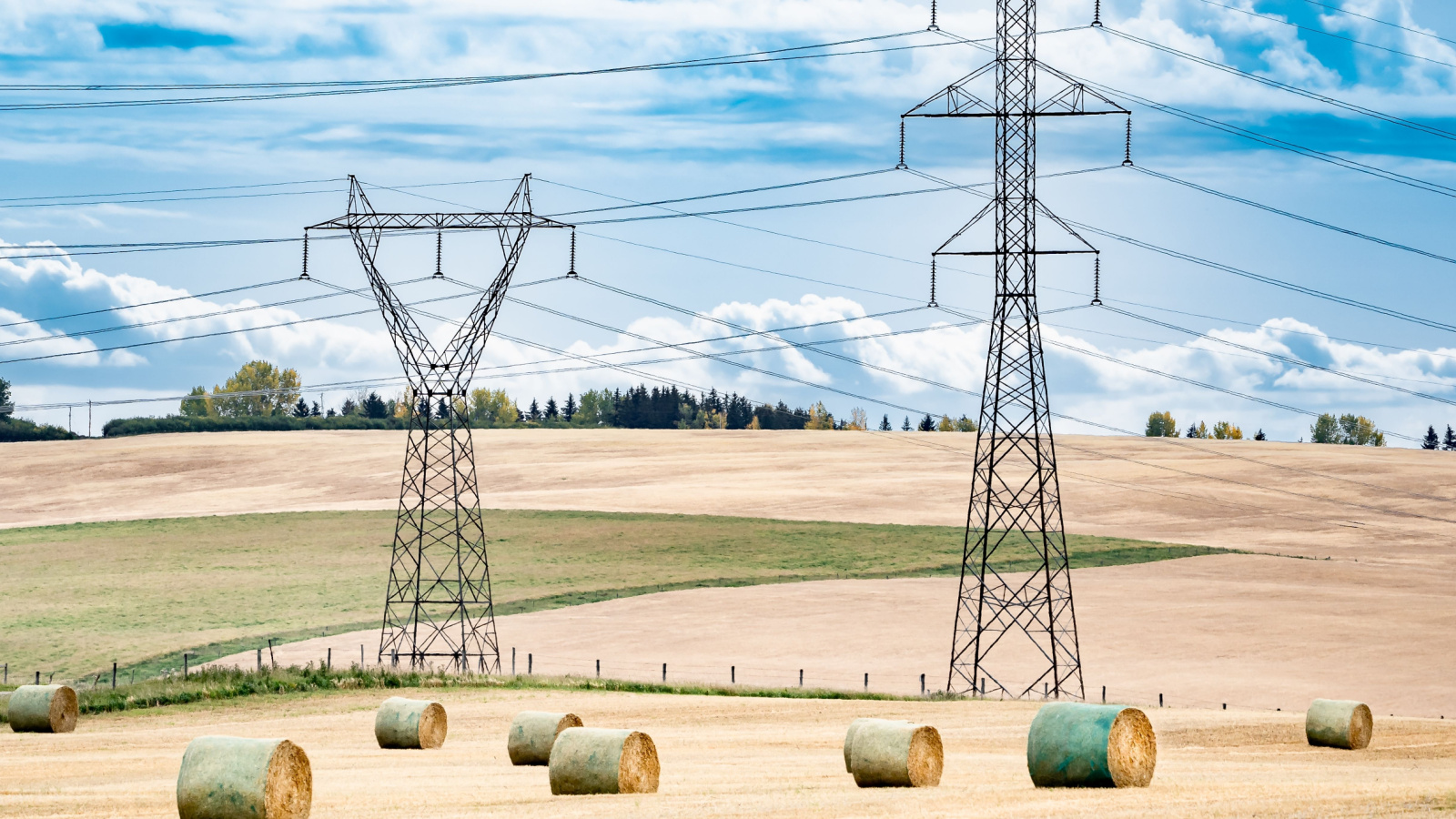
Provinces built links to share energy rather than operate in isolation. This reduced the need for duplicate power plants. When one region had excess power, others could buy at a lower cost. Households and industries benefited from lower bills and a stable supply. Grid sharing avoided billions in extra construction. The decision also prevented outages that would have harmed businesses. The shared system allowed long-term planning instead of emergency spending to fix shortages.
Early retirement incentives for public workers

Canada offered voluntary retirement packages during periods of overspending instead of cutting jobs suddenly. Workers received fair exits, and departments reduced payroll responsibly. The government avoided legal action and workplace disruption that often follows mass layoffs. Services continued without collapse because transition periods were planned. The savings came from predictable staffing reductions rather than forced dismissals. The approach protected public services and reduced long-term salary spending.
Investing in coast guard modernization

Canada upgraded coast guard ships, bases, and equipment early rather than waiting for failures. Maintaining old fleets often costs more than a modern replacement. New vessels prevented expensive search and rescue delays and protected shipping routes. The investment protected coastal economies that depend on reliable transport. Estimates show that early action saved billions by preventing shipping accidents and ecological damage. National response times also improved, which protects communities and trade.
Immigration programs tailored to workforce gaps

Canada designed immigration streams to fill labour shortages in essential fields. The move prevented industries from collapsing during staffing shortages. Employers avoided costly shutdowns and slow production. New workers supported tax revenue and public services. Analysts state this strategy saved billions compared to long-term unemployment payments and service interruptions. It also stabilized remote towns that needed workers to stay open. The decision supported long-term economic health rather than short-term reaction.
Flood prevention infrastructure

Canada invested in dikes, drainage systems, and flood mapping rather than only responding after disasters. This reduced damage to roads, farmland, and homes. Families avoided enormous losses, and insurance payouts dropped. Governments saved billions because disaster support funds were needed less often. Building prevention systems has proven far cheaper than rebuilding destroyed communities. The decision protected both rural and urban areas from repeated destruction.
Fibre internet for rural communities

Canada backed rural fiber networks to prevent digital exclusion. Small towns gained access to online services that supported schools, health, and local businesses. Businesses stayed open because they could sell and operate online. Provinces saved money because people did not need to relocate for work opportunities. The long-term value of rural connectivity is estimated in the billions because it supports a steady population and taxation. The decision helped balance economic development across regions instead of letting rural areas decline.
22 Groceries to Grab Now—Before another Price Shock Hits Canada

Food prices in Canada have been steadily climbing, and another spike could make your grocery bill feel like a mortgage payment. According to Statistics Canada, food inflation remains about 3.7% higher than last year, with essentials like bread, dairy, and fresh produce leading the surge. Some items are expected to rise even further due to transportation costs, droughts, and import tariffs. Here are 22 groceries to grab now before another price shock hits Canada.
22 Groceries to Grab Now—Before another Price Shock Hits Canada
