
American businesses use several Canadian exports as core inputs that help keep manufacturing, energy production, and food systems functioning smoothly. These exports reduce pressure on domestic producers, stabilize pricing, and offer dependable availability during seasonal or unpredictable fluctuations. Many are part of long-standing supply chains that have shaped planning strategies for both sides of the border. Here are 20 Canadian exports Americans can’t live without.
Crude Oil from Alberta

Crude oil shipments from Alberta support American refineries that depend on heavy and light blends optimized for their existing systems. Several refineries in the Midwest and Gulf Coast handle this type of crude because it fits equipment configurations, avoiding costly adjustments. The consistent flow stabilizes fuel supplies and helps control pricing during global disruptions. Deliveries move through pipelines and rail networks designed for predictable schedules, giving distributors confidence in long-term planning. Gasoline, diesel, and jet fuel production rely on these imports to meet regional needs. Without this supply, several American states would face tighter fuel markets and greater volatility.
Hydroelectric Power from Quebec and Manitoba

Hydropower exports from Quebec and Manitoba supply American utilities that require additional electricity during peak demand periods. The imported power helps maintain grid stability in the Northeast and Midwest, where seasonal changes influence consumption patterns. Utilities value these imports because they offer low-carbon energy without requiring major new infrastructure. Long-term contracts create predictable pricing that supports planning for both residential and industrial users. During extreme weather, these imports provide critical flexibility that helps prevent outages and shortages. Cross-border transmission lines allow reliable flows that form part of energy strategies used by several American states to balance their grids.
Softwood Lumber for Construction

Softwood lumber shipments from multiple provinces support American construction projects that rely on consistent grading and large volumes. Homebuilders use these imports to maintain a steady supply for framing, structural components, and renovation work. Domestic production cannot meet nationwide demand, making Canadian lumber a structural part of the industry. Shortages quickly influence homebuilding costs, and imports help moderate price spikes. Furniture makers, cabinetry manufacturers, and engineered wood producers also depend on these shipments. Established transportation routes allow reliable delivery schedules that keep projects on track. The industry’s integration ensures that American builders have access to essential materials throughout the year.
Potash for Agriculture

Potash sourced from Saskatchewan provides key nutrients needed for crop growth, supporting American farmers who rely on fertilizers to maintain soil quality. The United States has limited potash production, so imports fill most of the demand for corn, soybeans, and other staple crops. The timing of deliveries is important because planting seasons require precise fertilizer application. Disruptions could increase costs and affect yields. Rail connections allow predictable shipments that integrate easily into large farming operations. Agribusiness companies depend on these imports for consistent quality and availability. Potash remains a major agricultural input that supports productivity across important American farming regions.
Aluminum for Manufacturing

Primary aluminum produced in Quebec is widely used by American manufacturers who require high-quality metal for vehicles, construction materials, and packaging. Automakers rely on these imports to produce lightweight components that support fuel efficiency goals. Beverage can producers also use large volumes of aluminum sourced from Canada because of its consistent purity and reliability. Domestic supply alone cannot meet demand, and cross-border shipments help stabilize pricing. Transportation networks connecting Quebec to U.S. factories operate efficiently, allowing manufacturers to reduce storage needs. The strong relationship provides steady availability that supports production schedules across several major American industrial sectors.
Maple Syrup and Maple Products

Maple syrup from Quebec supplies American households, restaurants, and food manufacturers that use it in baking, beverages, and processed foods. The syrup’s strict grading system ensures consistent quality that retailers and distributors value. Imports also include maple butter, candies, and concentrates used in specialty products. A reserve system managed by producers stabilizes supply during weaker harvest years, giving American buyers confidence in long-term availability. Food companies use maple as a natural sweetener, creating steady demand beyond traditional breakfast use. These exports play an important role in grocery categories that rely on predictable flavour, quality, and volume throughout the year.
Wheat and Durum for Food Production

Wheat and durum from Prairie farms supply American mills and food processors that produce bread, pasta, and cereals. The high protein content supports strong dough performance, making it suitable for commercial baking. Pasta manufacturers rely on durum shipments to achieve consistent texture and quality. Weather variations in American harvests often create supply gaps, and Canadian grain helps maintain steady production schedules. Rail networks allow timely deliveries to U.S. milling hubs that operate year-round. Many large food companies blend Canadian grain with domestic supplies to meet specific product requirements, ensuring predictable results for consumers and reducing disruptions in manufacturing.
Vehicles and Auto Parts

Automotive production in Ontario supplies the American market with finished vehicles and essential components used in assembly plants across several states. Engines, transmissions, seating systems, and electronic modules move across the border daily, supporting highly coordinated manufacturing schedules. American factories rely on these parts because they fit long-established production designs. Any delay can hinder assembly lines for hours. Transportation routes are optimized for fast movement, allowing companies to reduce storage costs. The partnership supports North American competitiveness and ensures that American dealerships have consistent access to vehicles. This integrated system remains essential for meeting consumer demand and maintaining production efficiency.
Natural Gas for Heating and Power

Natural gas shipments from Alberta and British Columbia support American utilities that rely on steady volumes for heating, electricity generation, and industrial operations. Pipeline networks provide reliable flows that help meet winter demand peaks. Regions with limited local production use these imports to balance supply and reduce price spikes caused by seasonal fluctuations. Industrial facilities also depend on natural gas as a primary fuel for manufacturing processes. Utilities incorporate these imports into long-term planning because the supply is dependable and cost-effective. During extreme cold, additional capacity from Canada helps prevent shortages and supports stable energy availability for households and businesses.
Nickel for Batteries and Stainless Steel

Nickel mined in Ontario supplies American manufacturers that produce stainless steel, electric vehicle batteries, and specialized alloys. The metal’s purity supports performance requirements in sectors where reliability is essential. As electric vehicle production grows, nickel demand continues to increase, making secure imports important for long-term planning. Stainless steel producers rely on this supply to achieve durability standards for appliances, construction materials, and industrial equipment. Established transportation routes allow timely deliveries that match manufacturing schedules. American companies appreciate the stability of Canadian supply because shortages would disrupt production across major industries. Nickel remains a critical mineral for future technological development.
Pharmaceuticals and Medical Supplies

Pharmaceutical facilities in Ontario and Quebec manufacture medications, vaccines, diagnostic tools, and medical supplies exported to American distributors. These products support hospitals, pharmacies, and emergency response systems that depend on consistent access to essential items. Regulatory alignment between the two countries allows medical goods to move efficiently across the border. Generic medication producers help supply cost-effective options for American consumers. Some facilities manufacture components used in medical devices, including syringes, testing equipment, and protective products. During periods of increased demand, Canadian plants often expand production to support American needs. These imports provide additional stability for healthcare supply chains.
Aerospace Components

Aerospace manufacturers in Quebec, Ontario, and Manitoba export specialized components such as landing gear, avionics, composite structures, and engine parts to American aircraft producers. These components meet strict engineering and certification standards that require close collaboration between companies. Long-term contracts support joint development and predictable scheduling for commercial and defense programs. American manufacturers value these imports because they fit specific aircraft platforms and maintain consistent performance. Reliable deliveries help sustain assembly timelines for major aircraft models used by airlines and government agencies. The integrated supply chain strengthens North American aerospace competitiveness and supports high-precision manufacturing across both countries.
Steel Products

Steel mills in Ontario export flat-rolled steel, coated products, and structural materials used by American construction firms, automakers, and machinery manufacturers. These imports help fill gaps in domestic production and maintain consistent availability for projects requiring specific grades. Proximity allows for efficient delivery schedules that reduce transport time and lower logistical costs. American manufacturers rely on a stable supply to meet demand for appliances, vehicles, and industrial tools. The trade relationship also moderates market volatility by offering additional sources of high-quality steel. Reliable shipments help companies maintain production planning and avoid delays associated with shortages or inconsistent domestic output.
Petroleum Products and Refined Fuels

Refineries in Atlantic Canada and Quebec supply gasoline, diesel, and jet fuel to American markets, particularly in the Northeast. These shipments support transportation networks, airports, and distributors that require additional volumes during peak seasons or disruptions in domestic refining. The proximity of Canadian refineries enables a rapid response to changes in demand. Refined products meet regulatory standards that allow smooth integration into American systems. Importing fuels offers flexibility when local supply is tight due to maintenance or severe weather. This arrangement enhances energy security for several regions by providing stable access to essential fuels that support everyday travel and commercial activity.
Seafood from Atlantic Provinces

Seafood exports from Atlantic provinces supply American restaurants, grocery chains, and wholesalers with lobster, scallops, snow crab, and fish species. Buyers value the strict handling and quality practices followed by Canadian fisheries. Seasonal harvest cycles shape availability, and American distributors plan menus and promotions around predictable supply. Lobster exports are especially important for tourism and dining markets that depend on reliable freshness. Quick transport routes help maintain product quality for both premium dining and large-scale food service. Sustainable fishing practices support consumer trust and long-term demand. These imports remain essential for food sectors that require consistent volumes throughout the year.
Chemical Products and Plastics

Chemical plants in Alberta, Ontario, and Quebec export plastics, resins, and industrial chemicals used in American manufacturing. These materials support the production of automotive parts, electronics, medical devices, and packaging. Many American factories depend on specific formulations produced in Canadian facilities that match long-term design requirements. The cross-border supply chain operates smoothly through integrated pipelines and rail connections. Packaging manufacturers rely on these imports to produce containers for food, pharmaceuticals, and retail goods. Consistent quality and shared standards allow companies to plan production with confidence. The chemical sector provides essential materials that support a wide range of American industries.
Grains and Animal Feed

Feed grains such as oats, barley, and feed wheat exported from Western provinces support American livestock producers who require stable feed supplies throughout the year. Oats also supply American breakfast and health food manufacturers that rely on consistent quality. These imports help balance seasonal fluctuations in U.S. harvests, reducing pressure on domestic producers. Efficient rail networks link Canadian grain terminals to American mills and feedlots. The reliable supply supports nutrition standards for cattle, poultry, and other livestock. Farmers value predictable deliveries because feed availability directly affects operational stability. Canadian grain remains an important part of managing costs and maintaining production.
Pulp and Paper Products
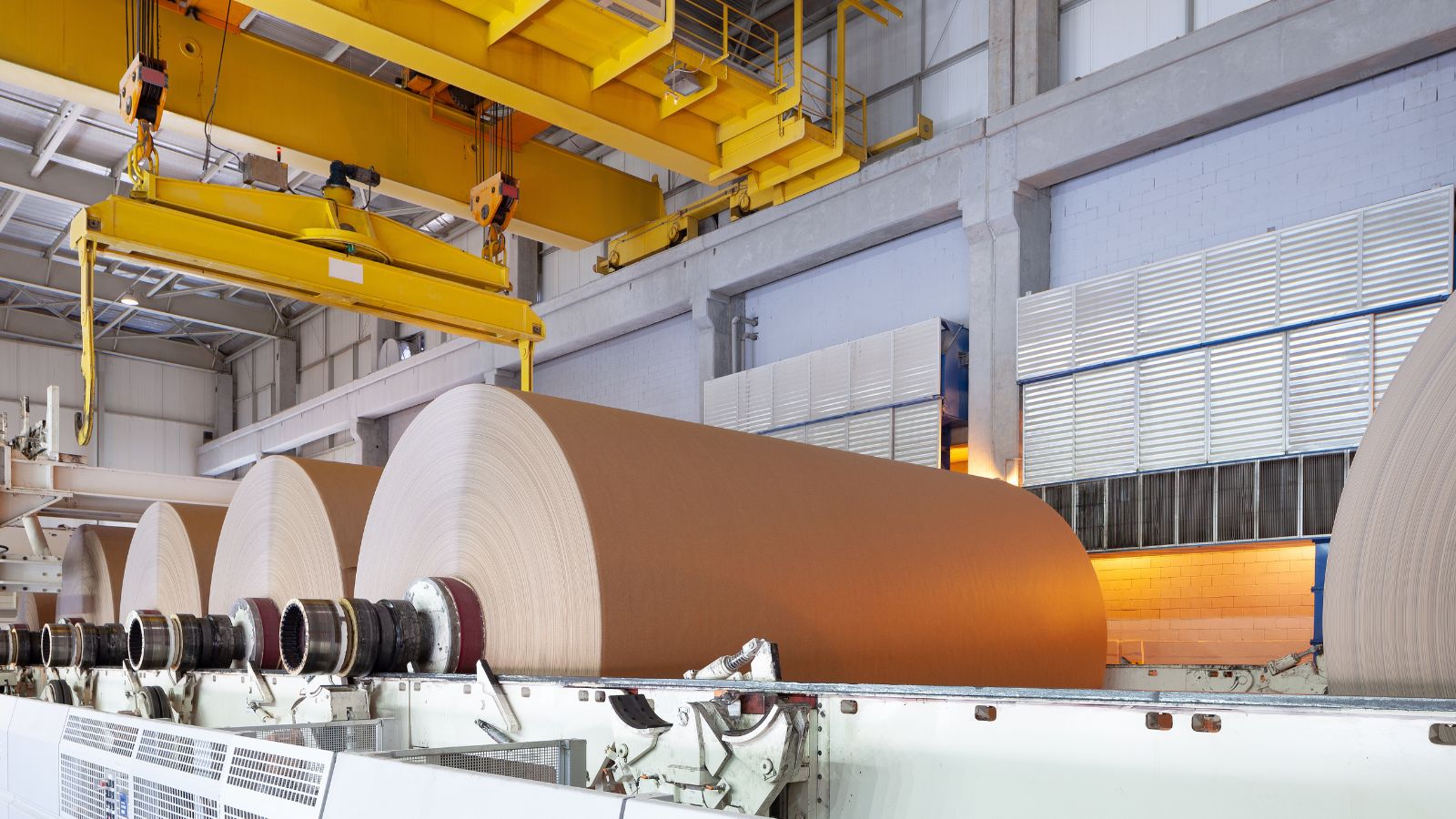
Pulp, cardboard, newsprint, and packaging materials from Canadian mills support American industries that require large volumes for printing, packaging, and shipping. E-commerce growth has increased demand for cardboard, making these imports vital for fulfillment centers. Tissue and hygiene product manufacturers rely on pulp shipments to maintain steady production. Quick transportation routes help reduce delays during periods of high demand. Specialty papers for newspapers and printing also come from Canadian mills known for consistent output. These imports support both consumer and industrial markets that require a reliable supply. The strong trade relationship ensures that American companies have access to essential paper materials.
Copper and Industrial Minerals

Copper exported from British Columbia and Quebec supports American industries that rely on the metal for wiring, motors, construction materials, and renewable energy systems. Demand continues to rise as electric vehicles and infrastructure upgrades require high-quality copper. Domestic production cannot fully meet this need, making consistent imports important. Copper shipments also support HVAC systems, electronics, and industrial machinery. Efficient transportation networks allow steady movement from mines and smelters to American buyers. Manufacturers value a predictable supply because disruptions could slow production in multiple sectors. These imports help maintain progress in construction, technology, and energy projects across the United States.
Beef and Processed Meat Products

Beef shipments from Alberta and Saskatchewan supply American processors, restaurants, and grocery chains that value consistent grading and strict safety standards. Imports help meet demand during periods when domestic production faces seasonal or weather-related challenges. Processed meat products, including specialty cuts and packaged items, also form part of the export flow. The shared inspection frameworks between the countries allow efficient movement and reliable quality control. American distributors rely on these imports to maintain variety and a steady supply for consumers. The predictable flow supports food service systems that require consistent volumes, particularly during busy seasons or periods of increased consumption.
21 Products Canadians Should Stockpile Before Tariffs Hit

If trade tensions escalate between Canada and the U.S., everyday essentials can suddenly disappear or skyrocket in price. Products like pantry basics and tech must-haves that depend on are deeply tied to cross-border supply chains and are likely to face various kinds of disruptions
21 Products Canadians Should Stockpile Before Tariffs Hit
