
Many of the biggest names in Canada did not start with comfort or money. They began with doubt, small ideas, garage desks, tiny storefronts, or simple experiments that nobody expected to work. Some of these stories came from new immigrants with no safety net. Others came from teenagers, college dropouts, and families who held onto one idea until it finally paid off. Here are 20 Canadian success stories built from nothing.
Lululemon

Lululemon began with one small Vancouver storefront that doubled as a yoga studio. The founder designed clothes to support movement rather than simply follow fashion. Early shoppers offered feedback directly in the store, which shaped new products. The first customers were passionate about feeling comfortable and confident during exercise. Word spread through yoga groups and athletic communities. The company did not rely on heavy advertising and grew mainly through loyal regulars. The stores slowly appeared in more cities. Today, Lululemon has become a worldwide retail leader with devoted fans who treat the brand as part of their lifestyle.
Shopify

Shopify came from frustration when the founders tried to launch an online snowboard shop and disliked the existing software. They built their own system in a small apartment using borrowed equipment and long nights. Few businesses cared in the beginning because online selling was still uncommon. Slowly, small stores discovered the platform and found it easier to use than anything else available. Once thousands of new sellers joined, momentum became unstoppable. Shopify continued to improve its features and support. Today, millions of businesses run on Shopify, and it stands among the most powerful technology companies built in Canada.
Tim Hortons

Tim Hortons started as a small coffee shop with uncertain direction and slow early sales. Many customers overlooked it because larger diners were already popular. The team focused on simple, affordable items that anyone could enjoy daily. They avoided complicated menus and prioritized friendly service. Workers and commuters began stopping in before their day started. Families appreciated that prices stayed predictable. Communities built habits around the brand, which led to steady growth. Restaurants opened in towns across Canada. Today, Tim Hortons has become a cultural symbol and remains one of the most recognizable Canadian brands.
Cirque du Soleil

Cirque du Soleil began with a group of street performers who traveled from town to town without money or stability. Their shows mixed theatre and acrobatics and confused many early audiences. They kept performing in public spaces and waited for a breakthrough opportunity. Everything changed when they were invited to perform at a festival, which introduced them to a broader audience. Their style suddenly made sense when viewed on a professional stage. International invitations followed and set them on a very different path. Today, Cirque du Soleil fills arenas worldwide and represents creative ambition without limits.
Aritzia

Aritzia began as a single-family boutique with small inventory and narrow margins. The focus was on clothes that made young women feel stylish every day without high fashion prices. The store connected with customers by prioritizing comfort and confidence over trends. Word spread mainly through friends rather than advertising budgets. Aritzia slowly expanded into malls across Canada and created its own product lines. The brand became known for flattering fits and calm shopping environments. Years later, the company earned a global following online. Today, Aritzia holds a major place in modern retail and continues to influence everyday fashion.
SkipTheDishes

SkipTheDishes started in a Saskatchewan basement when the founders saw that most restaurants offered no delivery options. They built early software by themselves and walked door to door to sign local restaurants. Most owners rejected the idea at first, which slowed progress. Small victories came from independent eateries hoping to attract more customers without high costs. Once regular users began ordering repeatedly, restaurants began returning calls. Growth then became steady and eventually nationwide. Today, SkipTheDishes helps people access restaurants across Canada and remains one of the country’s strongest tech success stories.
WestJet

WestJet started with three planes and minimal funding during a time when flying felt expensive and unfriendly. The founders believed travelers wanted warmth and comfort at fair prices. Early flights focused on straightforward service and friendly staff. Passengers responded positively and began recommending the airline to friends and family. Growth came from consistent goodwill rather than marketing hype. New routes were added slowly and responsibly. Eventually, WestJet expanded across Canada and then beyond. Today, it stands as a major airline that grew from a very small beginning and changed air travel expectations for many Canadians.
Dollarama

Dollarama grew from a small discount shop that stocked everyday household products at low prices. The inventory and space were limited, which meant slow early profits. Families appreciated predictability and returned because they knew what to expect. Dollarama expanded one store at a time while staying committed to simple pricing. Many shoppers from different financial backgrounds visited because it saved time and money. The chain survived economic shifts because affordability never went out of demand. Over many years, Dollarama became a staple in Canadian communities. Today, it operates hundreds of stores and remains a trusted everyday destination.
BlackBerry

BlackBerry started in a small Ontario office with a tiny budget and a goal that seemed unrealistic. They wanted secure wireless email on mobile devices during a time when phones barely supported that idea. Early products failed to attract wide interest until business users recognized the value. The company quickly became the global leader in smartphones for workplaces and governments. BlackBerry phones shaped mobile culture and sparked a new era of communication. Although the smartphone landscape changed later, the company pivoted to cybersecurity rather than disappearing. Today, BlackBerry remains an influential technology name.
Roots

Roots began in a small Toronto store selling comfortable negative heel shoes. The founders believed comfort and style could exist together. When early customers loved the feeling of the shoes, the brand expanded to clothing and bags. The natural Canadian aesthetic drew in loyal shoppers who appreciated outdoor style without extremes. Roots grew mostly through steady store openings and word of mouth. Partnerships with athletes and public figures later helped the brand gain international attention. Today, Roots continues to represent a warm and nostalgic side of Canadian fashion.
Bombardier

Bombardier began with Joseph Armand Bombardier building a snowmobile in a small Quebec workshop to help families travel in deep winter. Most people underestimated its potential until rural communities showed real demand. Production expanded to meet new needs, and the company later began designing trains and aircraft. Every phase came with risks and financial pressure. The company survived because it kept building solutions people needed. Bombardier became a giant in transportation and left a historic impact on Canada’s manufacturing identity. Today, it remains one of the most famous industrial companies to come from Canada.
Canada Goose

Canada Goose started as a small Toronto warehouse business making jackets for workers in extremely cold environments. Progress was slow because the products were functional rather than fashionable. Everything changed when expedition crews and celebrities began wearing the jackets publicly. Suddenly, people admired them for both performance and style. The company built a strong identity around authenticity and extreme warmth. Limited distribution made the jackets feel special, which helped demand rise quickly. Today, Canada Goose is a luxury symbol across the world and continues to tie its reputation to reliable cold weather protection.
Goodfood
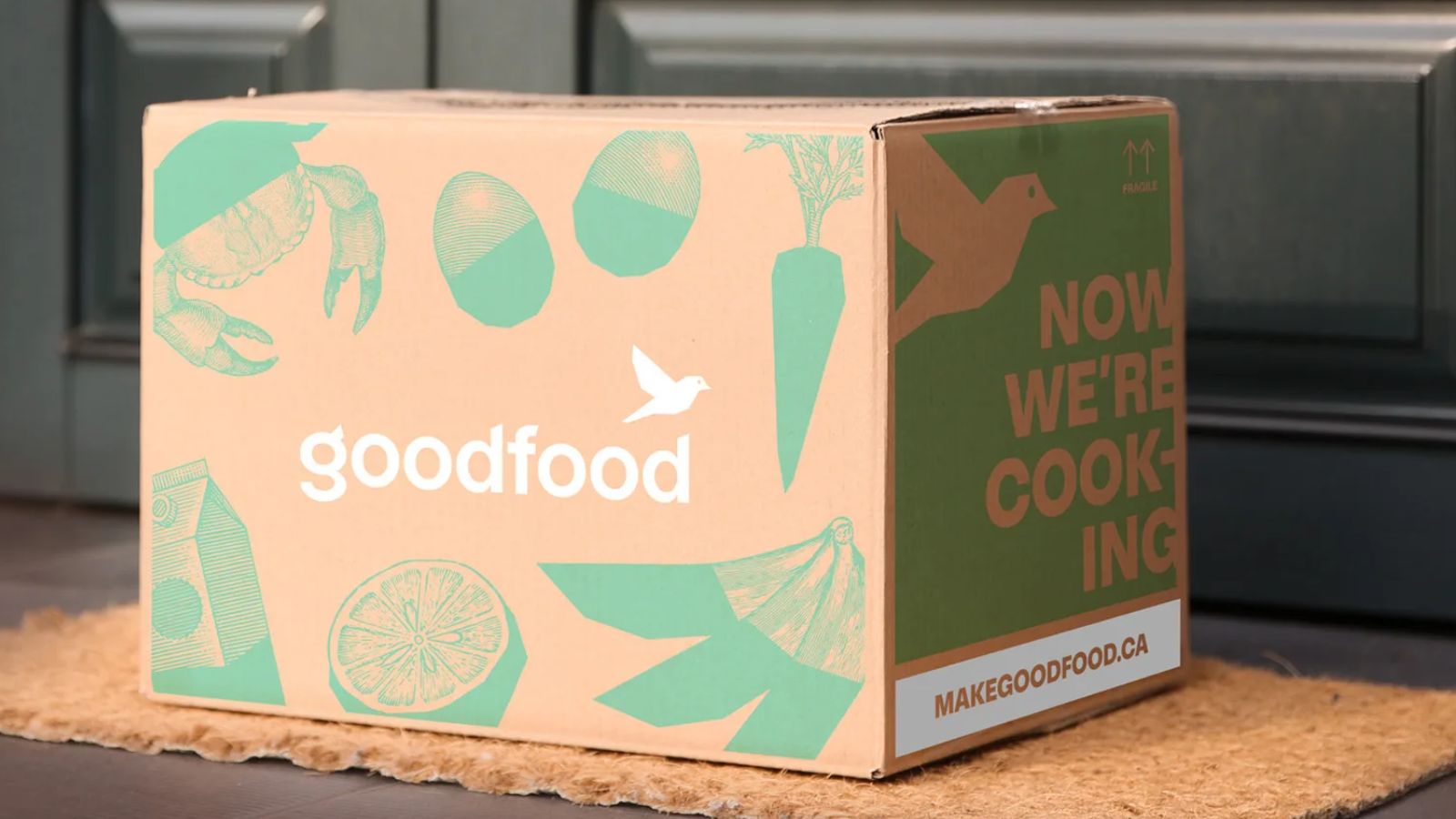
Goodfood began as a small meal kit project run from an apartment by two founders who packed boxes by hand. Deliveries were local and inconsistent at first because growth depended on subscriptions. The concept slowly gained popularity among busy families who wanted fresh ingredients without stressful grocery trips. Customers shared photos of their meals, which helped the brand spread online. Goodfood expanded into larger facilities and improved shipping networks. Today, it operates across Canada and continues helping households discover simple home cooking routines despite busy schedules.
Freshii

Freshii began with a single Toronto restaurant that offered quick meals centered on vegetables and balanced ingredients. Sales were not strong early because fast food customers were unfamiliar with healthier menus. Word spread through urban neighborhoods and offices where workers wanted fresh food during short breaks. Expansion came one location at a time while maintaining affordability. The brand developed a clear identity without chasing luxury trends. Today, Freshii operates in many cities and remains a reliable option for fast yet healthy meals that suit active lifestyles.
MEC (Mountain Equipment Company)

MEC began as a small co-op created by a group of outdoor lovers who could not access proper gear. Members shared catalogs and placed group orders that helped everyone afford equipment. The co-op grew because the community trusted that every product was chosen for real outdoor needs rather than trends. MEC developed its own items over time and kept pricing fair. Outdoor enthusiasts treated it as the natural home for their interests. Today, MEC holds deep roots in Canadian outdoor culture and continues to serve beginners and experts with the same sense of community.
DeeBee’s Organics

DeeBee’s Organics started in a mother’s kitchen when she searched for treats without artificial ingredients for her children. She tested recipes while managing a busy household. Friends encouraged her to turn the idea into a small business. The early products were sold at local markets and gained steady support from families. Retail expansion came later through persistence and sampling events. Today, DeeBee’s Organics sells across North America and continues focusing on simple ingredients that parents can feel comfortable giving their children.
Kicking Horse Coffee
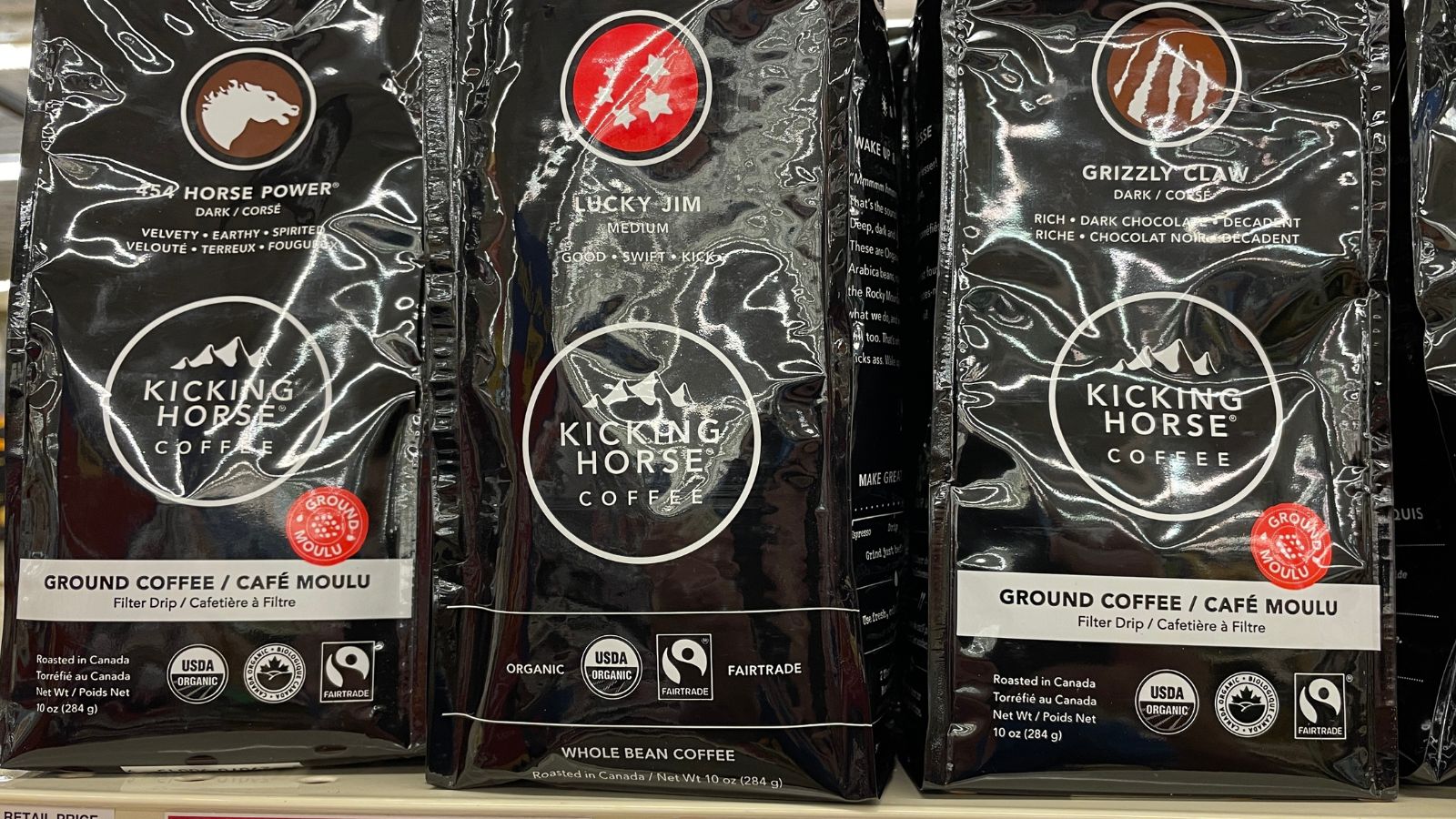
Kicking Horse Coffee began in a small garage in the Canadian Rockies, where the founders roasted beans using borrowed equipment. They sold bags to local grocery stores and mountain towns. The strong flavor quickly attracted loyal customers who valued consistency and quality. Growth happened slowly through specialty stores before national interest arrived. The company kept production in the mountains, which strengthened its identity. Today, Kicking Horse Coffee sells internationally and still represents bold flavor from a very humble beginning.
Wattpad

Wattpad began as a small online platform that gave writers a place to publish stories without judgment. The audience was tiny at first, and growth felt uncertain. Young readers began forming communities around shared story interests. Fan groups helped spread the platform across schools and social media. Eventually, some stories became viral hits and attracted film and publishing opportunities. Wattpad turned unknown writers into major names. Today, Wattpad remains one of Canada’s strongest global digital exports and continues to support storytelling at every level.
The Ordinary

The Ordinary started with a mission to make skincare simple and affordable during a time dominated by expensive marketing claims. The founder wanted transparent formulas with clear ingredient names. The brand grew mostly through customer trust rather than high advertising budgets. Social media made it explode when users shared honest reviews. Beauty retailers picked it up, and demand spread worldwide. Today, The Ordinary remains one of the most popular skincare brands in the world and continues to stand for accessibility without unnecessary cost.
Terroni

Terroni started as a small Italian restaurant in Toronto with limited seating and modest décor. Sales were steady rather than explosive. Guests loved the relaxed approach and honest food. The space felt welcoming, which turned visitors into regulars. Word spread across the city, and expansion became possible. New locations maintained the same down-to-earth feeling rather than changing with trends. Today, Terroni operates multiple locations and remains a favourite for people who want Italian food without formality or pretense.
22 Groceries to Grab Now—Before another Price Shock Hits Canada

Food prices in Canada have been steadily climbing, and another spike could make your grocery bill feel like a mortgage payment. According to Statistics Canada, food inflation remains about 3.7% higher than last year, with essentials like bread, dairy, and fresh produce leading the surge. Some items are expected to rise even further due to transportation costs, droughts, and import tariffs. Here are 22 groceries to grab now before another price shock hits Canada.
22 Groceries to Grab Now—Before another Price Shock Hits Canada
