Toronto’s rental market has been under intense pressure in recent years, leaving many residents struggling to find affordable housing. Vacancy rates are extremely low, rents continue to rise, and competition for available units often leads to bidding wars. Short-term rentals, investor purchases, and high demand for condos over houses further complicate the situation. These trends are creating instability and financial stress for tenants across the city. Here are 20 clues the Toronto rental market is completely out of control.
Rapid Increase in Average Rental Prices

Photo Credit : Shutterstock
Toronto’s rental market has seen a significant surge in average rental prices over the past few years. One-bedroom apartments in central areas are now costing well above what many would consider affordable. The growth in rental rates is outpacing wage increases, making it difficult for young professionals and students to secure suitable housing. Even smaller units in suburban areas are experiencing notable price jumps. This rapid increase reflects high demand combined with limited supply, creating pressure on renters and contributing to the city’s reputation for an increasingly unaffordable rental market.
Extremely Low Vacancy Rates

Vacancy rates in Toronto remain alarmingly low, often hovering below 2%. This limited availability means that prospective renters have fewer options and must compete aggressively for any available units. Low vacancy rates also give landlords leverage to increase rents and impose stricter lease conditions. The shortage of rental units highlights the imbalance between supply and demand, and it impacts the city’s affordability. Renters frequently find themselves settling for smaller spaces or less desirable locations due to the scarcity of options, intensifying frustration and competition across all neighborhoods.
Competition Driving Bidding Wars on Rentals

The scarcity of available rental units has led to intense competition among prospective tenants, resulting in bidding wars. Multiple applicants often vie for the same property, driving rents even higher. Landlords may select tenants based on financial readiness rather than long-term suitability, favoring those who can pay more upfront. This competitive environment disproportionately affects younger renters and newcomers to the city. Bidding wars are now a common occurrence in Toronto’s most sought-after neighborhoods, creating a high-pressure environment that makes securing a rental unit increasingly difficult for ordinary residents.
Soaring Demand for Condos Over Houses

Toronto has seen a major shift in rental demand toward condos rather than traditional single-family homes. Condos offer more modern amenities and are often located closer to transit and city centers, appealing to young professionals and students. This surge in demand has made condo rentals extremely competitive, pushing prices higher and reducing availability. Meanwhile, detached houses and townhouses are less frequently sought after for rental purposes, which concentrates rental pressure on condo developments. The focus on condos highlights the city’s growing density and the strain on the urban rental market.
Rent Increases Outpacing Inflation

Rent increases in Toronto have consistently outpaced inflation, leaving many renters struggling to keep up with costs. Even modest apartments see annual rent hikes higher than the cost-of-living adjustments, reducing disposable income for tenants. Rising utility costs often compound the financial burden. While wages grow slowly, rent spikes make it harder for residents to save or invest in long-term housing solutions. This trend emphasizes the widening gap between rental affordability and income, putting additional pressure on lower- and middle-income households and contributing to the sense that the Toronto rental market is out of control.
Short-Term Rentals Reducing Long-Term Availability

The growth of short-term rental platforms in Toronto has reduced the availability of long-term rental units. Many landlords are converting properties into Airbnb or vacation rentals, which removes homes from the traditional rental market. This practice drives up rental prices for permanent residents and limits options for families and professionals seeking stable housing. Neighborhoods with high short-term rental activity often experience increased competition and higher rent demands. The trend highlights how investment in short-term rental income contributes to Toronto’s housing crunch, making it increasingly challenging for long-term renters to secure suitable apartments.
Limited Affordable Housing Options

Toronto continues to struggle with a shortage of affordable rental units. Lower-income residents often face difficulties finding homes within their budget, especially in central neighborhoods. Subsidized housing and government programs are insufficient to meet the growing demand. As a result, many households are forced to spend a disproportionate share of their income on rent. The scarcity of affordable housing options exacerbates inequality and pushes residents further from city centers, affecting access to transit, work, and essential services. This limitation is a key factor in Toronto’s reputation for an increasingly out-of-control rental market.
Overcrowding in Some Rental Units

Due to high rents and limited availability, some Toronto renters are living in overcrowded conditions. Multiple family members or unrelated individuals may share apartments to afford the cost, often exceeding recommended occupancy limits. Overcrowding can strain infrastructure, reduce quality of life, and create health and safety concerns. This trend is most pronounced in central neighborhoods with smaller units and high demand. The combination of rising rent and limited supply forces households into these living arrangements, highlighting the severity of the city’s rental crisis.
Long Waitlists for Rental Apartments

Many Toronto rental buildings have long waitlists, leaving potential tenants without immediate housing options. Popular complexes in desirable neighborhoods may have applicants waiting months or even years for availability. These delays push renters to consider less ideal locations or temporary accommodations. Long waitlists are especially challenging for students, young professionals, and newcomers who need quick access to housing. This persistent backlog demonstrates the imbalance between rental demand and supply and contributes to the perception that Toronto’s rental market is out of control.
Younger Canadians Living with Parents Longer

Rising rents in Toronto are forcing many younger Canadians to delay moving out of their parents’ homes. Even middle-income earners often cannot afford independent living due to skyrocketing rental costs. This trend affects life milestones such as starting families or pursuing career opportunities farther from home. The financial burden of rent makes cohabitation a practical necessity for many, rather than a lifestyle choice. Younger Canadians living with parents longer reflects the broader challenges of affordability and availability in Toronto’s rental market and highlights the pressures on the city’s housing ecosystem.
Increasing Number of Renters Facing Evictions

Toronto has seen a rise in evictions, driven by landlords seeking higher-paying tenants or attempting to convert units for other uses. Evictions disproportionately affect lower-income renters and those in high-demand areas. Legal protections exist but are often slow to enforce, leaving tenants vulnerable. The rise in evictions adds stress and instability to the rental market, forcing displaced individuals to compete for the already limited available housing. This trend underscores the precarious situation many renters face and further illustrates why the Toronto rental market is increasingly difficult to navigate.
High Percentage of Income Spent on Rent

Many Toronto renters now spend a substantial portion of their income on housing. It is not uncommon for tenants to allocate 40% or more of their monthly earnings to rent alone. This leaves limited funds for necessities like food, transportation, and savings. Middle- and lower-income households feel the strain the most, often compromising on space, location, or quality. High rent-to-income ratios contribute to financial stress and can delay major life decisions, such as starting a family or buying a home. The trend highlights the ongoing affordability crisis within Toronto’s rental market.
Landlords Preferring Short-Term Leases

Some landlords are increasingly offering short-term leases instead of long-term rental agreements. This allows them to adjust rent frequently and retain flexibility for personal use or converting properties into short-term rentals. While profitable for landlords, short-term leases create uncertainty for tenants seeking stability. Many renters find it difficult to plan long-term when lease terms are limited to six months or less. This practice contributes to tenant turnover and housing instability, reinforcing the perception that Toronto’s rental market is increasingly challenging and unpredictable for residents who require consistent housing arrangements.
Rising Rent for Utilities Included Units
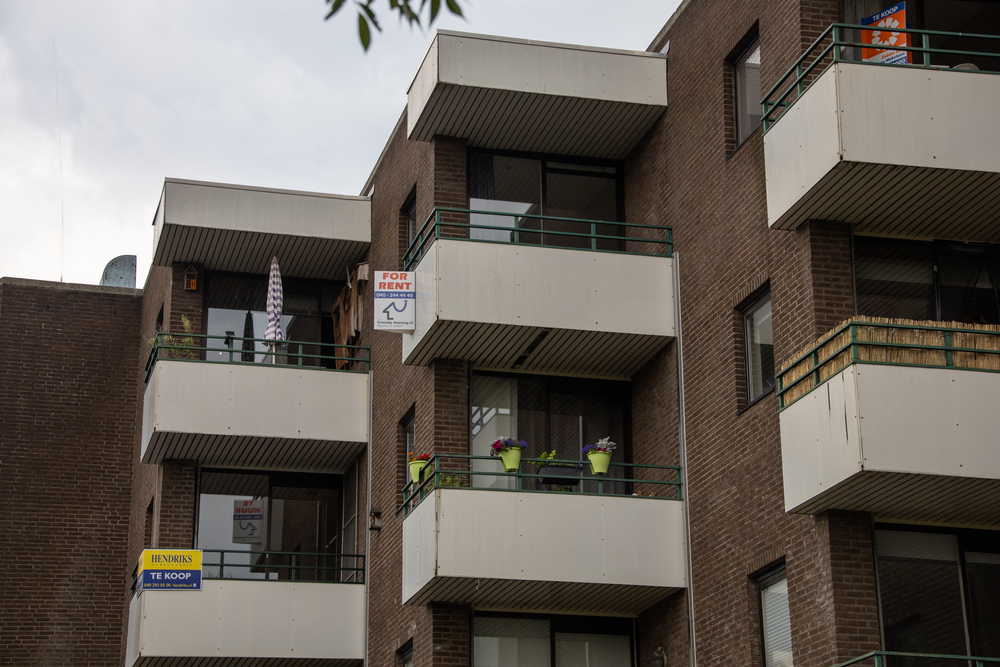
Apartments that include utilities in the rent are also experiencing price hikes in Toronto. Landlords bundle utilities such as electricity, water, and heating with rent to simplify payments, but this convenience comes at a premium. Renters often end up paying more compared to separate billing arrangements. The increases affect affordability and limit options for those who rely on bundled units for budgeting simplicity. Rising costs for utilities-included apartments reflect both the broader rent escalation trends and the market pressure to capture every possible revenue stream from tenants in Toronto.
Surge in Sublease and Room Rental Listings
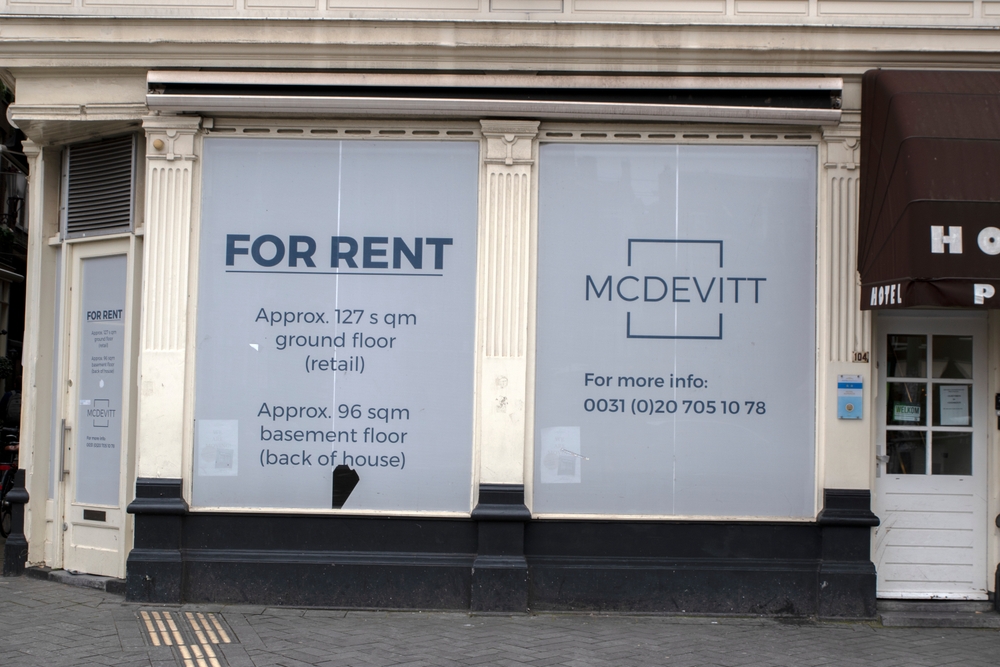
There has been a notable increase in sublease and room rental listings throughout Toronto. Tenants who cannot afford full apartments or are temporarily relocating often sublease their units, creating a fragmented rental market. This surge also caters to students, young professionals, and short-term residents, increasing competition for shared spaces. Subleasing can drive prices higher due to the limited availability of affordable full apartments. While providing temporary solutions, the proliferation of subleases highlights the pressure on the rental market and reinforces how difficult it is for long-term renters to secure stable, reasonably priced housing.
Growing Popularity of Co-Living Spaces

Co-living arrangements are becoming increasingly common in Toronto, driven by high rent and limited housing options. These setups involve multiple tenants sharing common areas while having individual bedrooms. Co-living provides a cost-effective alternative for young professionals and newcomers but also underscores the scarcity of affordable apartments. The trend points to innovative responses to the rental crisis, yet it also reflects that traditional housing options are largely inaccessible for many. Co-living growth is a direct response to rising demand and constrained supply in Toronto, emphasizing the city’s out-of-control rental environment.
Investors Buying Up Rental Properties Rapidly
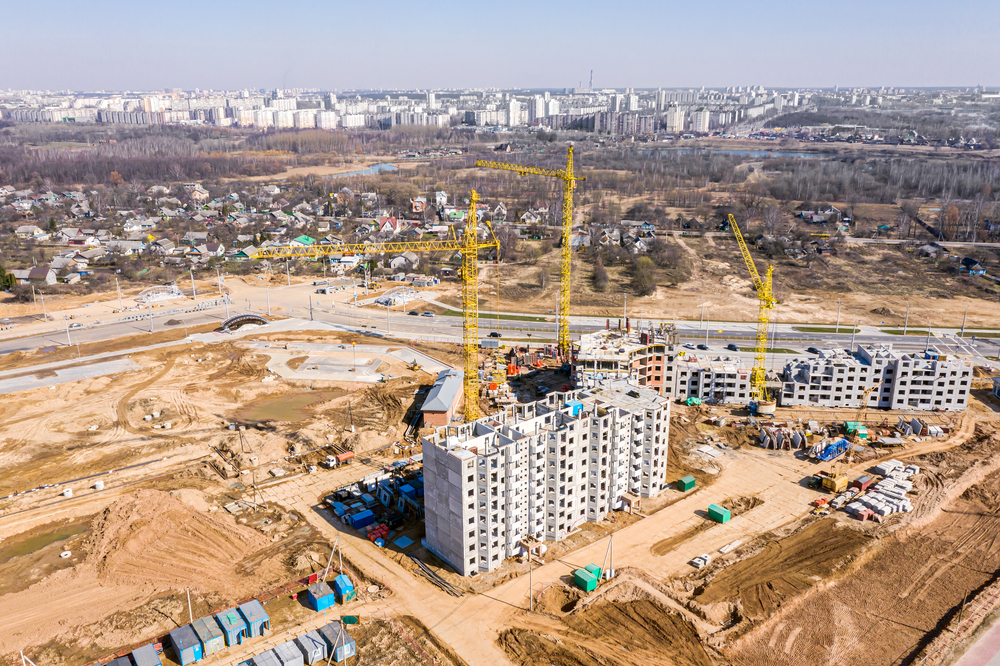
Investors are actively purchasing rental properties in Toronto, often driving up market prices. Many units are bought not for personal use but as investment assets, reducing availability for regular renters. Investor activity inflates housing costs and encourages speculation, creating additional competition in an already tight rental market. This trend can price out first-time renters and families seeking affordable units. Rapid investor acquisition reinforces the cycle of rising rents, contributing to the instability and unpredictability of Toronto’s rental landscape. It also highlights the role of investment-driven demand in shaping the city’s challenging rental market.
Delays in New Rental Construction
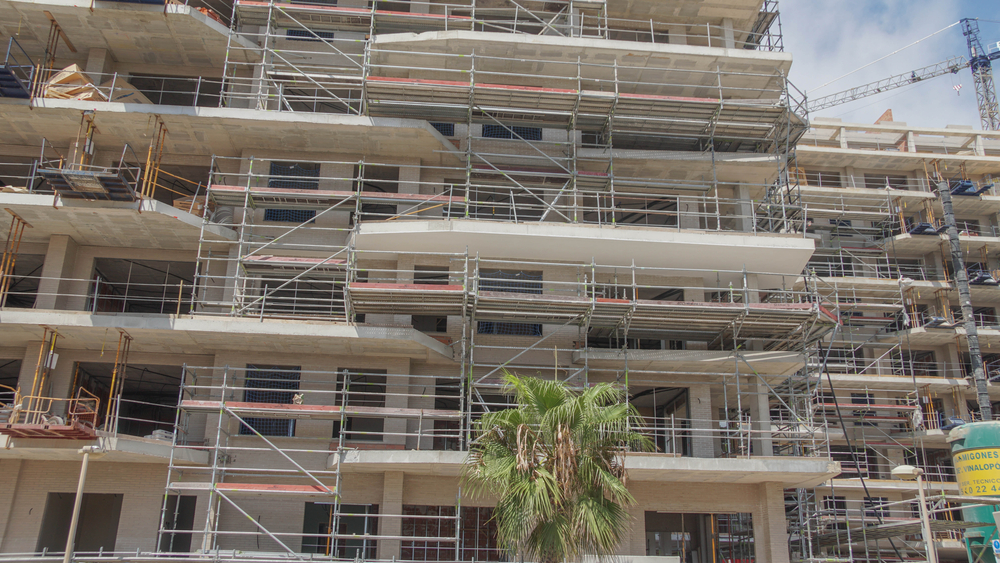
Toronto has experienced significant delays in the construction of new rental properties. Regulatory approvals, zoning issues, and labor shortages often extend project timelines. These delays reduce the flow of new units into the market, keeping supply tight while demand continues to grow. As a result, existing rental units remain highly competitive, driving up prices and limiting options for renters. Developers face additional costs, which are frequently passed on to tenants. The slow pace of construction exacerbates the affordability crisis and reinforces the perception that Toronto’s rental market is increasingly out of control.
Rent Control Policies Struggling to Keep Up

While rent control policies exist in Toronto to protect tenants from rapid rent increases, they are struggling to keep pace with market pressures. Landlords often find loopholes or implement renovations to bypass limits, and new construction units may not fall under rent control regulations. Inflation and rising operating costs also make it difficult to maintain stable rental prices. As a result, tenants continue to face significant rent increases despite protections, highlighting the limitations of current policies in controlling the city’s rapidly escalating rental market.
Toronto’s Rental Market Becoming a National Talking Point
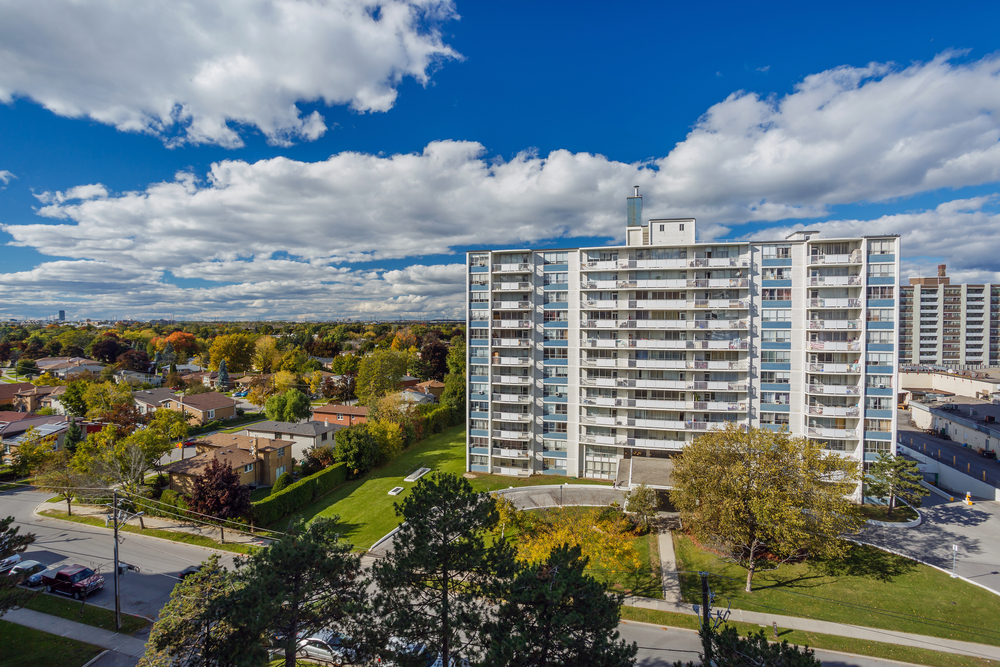
Toronto’s rental crisis has gained national attention due to skyrocketing rents and limited availability. Media outlets, policymakers, and economists frequently cite the city as an example of housing market imbalance. The challenges faced by renters—from bidding wars to eviction risks—spark broader conversations about housing affordability across Canada. Toronto’s situation has become a benchmark for other cities experiencing similar pressures, illustrating the national significance of rental market trends. The growing scrutiny underscores the urgent need for sustainable solutions to address affordability, supply shortages, and tenant protection in Canada’s largest city.
22 Groceries to Grab Now—Before another Price Shock Hits Canada

Food prices in Canada have been steadily climbing, and another spike could make your grocery bill feel like a mortgage payment. According to Statistics Canada, food inflation remains about 3.7% higher than last year, with essentials like bread, dairy, and fresh produce leading the surge. Some items are expected to rise even further due to transportation costs, droughts, and import tariffs. Here are 22 groceries to grab now before another price shock hits Canada.
22 Groceries to Grab Now—Before another Price Shock Hits Canada
