
Canada is known for its politeness, natural beauty, and vibrant multiculturalism, but beyond the obvious, there are smaller cultural quirks that truly define the nation. From the way Canadians sprinkle “eh” at the end of sentences to their love for hockey, double-doubles, and cottage life, these habits and traditions are deeply ingrained in daily life. Some may seem strange to outsiders, yet they reflect values, history, and a shared sense of community across provinces. Here are 20 cultural quirks that make us, us.
Saying “Eh” at the End of Sentences

Canadians are famous for ending sentences with “eh,” a linguistic quirk that turns statements into conversational invitations. This simple word encourages agreement or confirms understanding while softening the tone of a sentence. It appears in both casual and formal settings, from small talk with neighbours to professional discussions. While often stereotyped in popular culture, “eh” reflects Canada’s friendly and inclusive communication style. Linguists note its versatility, as it can express curiosity, politeness, or camaraderie. Using it properly often signals that someone is approachable and open to dialogue, a trait deeply embedded in Canadian identity.
Apologizing Excessively, Even When Not at Fault

Canadians have a reputation for apologizing frequently, even when they are not at fault. Saying “sorry” is a cultural marker of politeness and consideration for others’ feelings. It often smooths social interactions and reduces tension in public spaces or workplaces. This habit extends to minor incidents, such as accidentally bumping into someone or holding up a line. While some outsiders may find it excessive, apologizing in Canada is seen as courteous and respectful, reflecting a broader societal value of empathy. The practice highlights Canadians’ desire to maintain harmony and demonstrate social awareness in everyday encounters.
Celebrating Thanksgiving in October

Unlike the United States, Canadians celebrate Thanksgiving on the second Monday of October. The earlier timing corresponds to the country’s shorter growing season and harvest period. This holiday emphasizes gratitude for the harvest, family gatherings, and community connections. Traditional meals often include turkey, stuffing, and seasonal vegetables, reflecting regional culinary influences. Canadians use this time not only for personal reflection but also to support local farmers and produce. Thanksgiving in October distinguishes Canada culturally from its southern neighbour, reinforcing national identity while highlighting a connection to seasonal cycles and regional agricultural patterns.
Love for Double-Double Coffee from Tim Hortons

Tim Hortons’ double-double coffee, meaning coffee with two creams and two sugars, is a cultural icon in Canada. It represents convenience, comfort, and a shared national experience. Many Canadians begin their day with this ritual or grab a cup during work breaks, sporting events, or road trips. The double-double has become more than a beverage—it’s a symbol of community and everyday life. Its ubiquity transcends provincial boundaries, creating a unifying ritual across Canada. This obsession with coffee culture also reflects broader Canadian values: practicality, warmth, and a sense of shared identity through small daily routines.
Standing in Line Politely, No Pushing

Canadians are known for patiently queuing and respecting personal space while waiting in lines. Whether at a coffee shop, bus stop, or sporting event, cutting ahead is socially unacceptable. This habit emphasizes fairness, order, and consideration for others, reinforcing community cohesion. People often use polite gestures or apologies if accidental contact occurs. The cultural importance of lining up reflects Canadian values of respect and civility in daily life. Outsiders may be struck by the consistency and patience displayed, but for Canadians, queuing politely is an expected social norm, quietly reinforcing societal harmony in public spaces.
Observing Hockey as a National Obsession

Hockey is more than a sport in Canada—it’s a cultural institution. From small-town rinks to major professional arenas, Canadians of all ages follow and participate in hockey. The sport influences social gatherings, media coverage, and national pride, especially during international competitions like the Olympics or Stanley Cup playoffs. Hockey fosters a sense of community and intergenerational connection, teaching teamwork and resilience. It also shapes conversations, fashion, and local economies, creating shared experiences across the country. The passion for hockey reflects Canada’s climate, history, and social fabric, making it a defining national pastime.
Celebrating Victoria Day With Fireworks and BBQs

Victoria Day, marking Queen Victoria’s birthday, is a cherished Canadian holiday celebrated on the Monday preceding May 25. Canadians use the long weekend to welcome spring with fireworks, outdoor barbecues, and family gatherings. Many cities host public events, parades, and ceremonies, making it a festive occasion. The holiday also signifies the unofficial start of cottage season and warmer outdoor activities. Victoria Day blends historical recognition with contemporary leisure, illustrating Canadians’ love for community events and seasonal celebrations. Its combination of patriotism, socializing, and outdoor enjoyment reflects broader cultural priorities, including family, tradition, and national pride.
Celebrating Victoria Day With Fireworks and BBQs

Victoria Day is a national holiday in Canada celebrated on the Monday before May 25. It honors Queen Victoria’s birthday and marks the unofficial start of the summer season. Canadians celebrate with fireworks, barbecues, parades, and family gatherings. Many use the long weekend to enjoy cottages, parks, and outdoor activities. Victoria Day blends history with modern leisure, offering a mix of patriotic pride and seasonal fun. It also serves as a signal that warmer weather has arrived, giving communities a reason to come together. This holiday reflects Canada’s unique combination of tradition and outdoor lifestyle.
Using “Loonie” and “Toonie” for Coins

Canadians affectionately refer to their one-dollar and two-dollar coins as the “loonie” and “toonie.” The names derive from the loon depicted on the one-dollar coin and the playful rhyming for the two-dollar coin. These nicknames have become a staple of Canadian culture, appearing in conversations, media, and everyday transactions. They reflect a casual, friendly approach to language and currency. Using these terms signals familiarity with Canadian norms and adds a sense of national identity to simple monetary exchanges. Outsiders often find these nicknames charming, but for Canadians, they are second nature and widely understood.
Wearing Winter Jackets Months in Advance

In many parts of Canada, residents start wearing winter jackets well before the first official snowfall. Canadians are accustomed to long, harsh winters and prepare early for cold temperatures, snow, and wind. This proactive approach helps prevent discomfort and frostbite while making daily commutes manageable. It is common to see winter jackets on people as early as September in northern regions. Wearing warm layers early demonstrates practical foresight, a hallmark of Canadian life. This cultural habit highlights adaptability and preparation, traits deeply ingrained in Canadian society due to the challenging climate.
Ice Fishing and Outdoor Winter Sports Traditions

Ice fishing and other winter sports, like snowshoeing, skating, and curling, are integral to Canadian culture. Communities across the country embrace frozen lakes and snowy landscapes for recreation. Ice fishing often involves social gatherings, combining sport with camaraderie. Outdoor winter activities encourage resilience, physical fitness, and connection with nature. Many Canadians start these traditions at a young age, making them lifelong hobbies. Participating in these activities reinforces local identity and strengthens community bonds. Winter sports are more than leisure—they reflect Canadians’ respect for seasonal rhythms and the enjoyment of natural environments, even in extreme weather.
Saying “Sorry, but…” as a Conversation Starter

Canadians are known for beginning conversations with “sorry, but…” even when they are not at fault. This polite phrasing softens statements, expresses empathy, and helps maintain social harmony. It’s commonly used to politely interrupt, ask for clarification, or correct someone. This habit underscores Canadians’ emphasis on respect, consideration, and non-confrontational communication. Outsiders often notice this excessive politeness, but in Canada, it is seen as courteous and socially savvy. The phrase reflects broader cultural values of inclusivity, kindness, and diplomacy, shaping interactions in workplaces, schools, and public spaces alike.
Attending Community Events Like Local Fairs

Participating in local fairs, festivals, and community events is a hallmark of Canadian culture. From agricultural fairs to craft shows and seasonal celebrations, Canadians value opportunities to gather, socialize, and support local businesses. These events strengthen communal bonds, celebrate regional traditions, and offer entertainment for all ages. Attendance often includes trying local foods, watching performances, and engaging in family-friendly activities. Community events reflect Canadians’ focus on inclusivity, civic pride, and cultural diversity. They also serve as a way to pass down traditions and build lasting connections within neighborhoods and towns across the country.
Driving on the Right but Talking About the “Left Lane”

In Canada, drivers keep to the right side of the road, but the passing lane is commonly referred to as the “left lane.” Canadians emphasize using this lane primarily for overtaking slower traffic, and staying in the right lane when driving at a normal pace. This practice is enforced on highways and reflects courteous driving etiquette, reducing congestion and promoting safety. Outsiders often misinterpret this terminology, but it is standard across the country. Talking about the “left lane” while driving on the right highlights Canadians’ attention to traffic rules, patience, and respect for fellow motorists.
Embracing Poutine and Regional Food Staples

Poutine, the iconic dish of fries topped with cheese curds and gravy, is celebrated nationwide. Beyond poutine, Canadians cherish regional specialties like butter tarts, Nanaimo bars, tourtière, and smoked meat sandwiches. Food habits vary by province but emphasize local ingredients and culinary traditions. These dishes are tied to identity, gatherings, and community pride. Canadians enthusiastically embrace both homegrown and regional cuisine as an expression of culture. Sharing these staples during celebrations, festivals, and family meals strengthens bonds and provides a taste of local heritage. Culinary traditions define Canada as much as its landscapes.
Supporting Local Craft Breweries and Maple Products

Canadians actively support local craft breweries, cideries, and maple syrup producers. From tasting rooms to farmers’ markets, there is a strong focus on artisanal and locally sourced products. Maple syrup, in particular, is a national symbol, with traditions dating back centuries. Supporting these businesses reflects community loyalty, environmental consciousness, and pride in local craftsmanship. Many Canadians take these products home as gifts or souvenirs. This habit underlines an appreciation for small-scale production, economic sustainability, and uniquely Canadian flavors that outsiders may not fully grasp.
Celebrating Civic Holidays Regionally

Canada has numerous civic holidays that vary by province, such as St. Jean Baptiste Day in Quebec or Natal Day in Nova Scotia. These celebrations include parades, cultural events, fireworks, and local traditions. Canadians embrace these holidays with pride, often tying them to historical or regional significance. While some holidays are federally recognized, many reflect provincial identity and community values. Participating in these events strengthens civic engagement and local heritage awareness. Outsiders may find the variety and specificity surprising, but for Canadians, these regional holidays are important opportunities for celebration and cultural connection.
Enjoying Cottage Life and Seasonal Escapes

Cottage life is a cherished Canadian tradition, particularly in Ontario, Quebec, and British Columbia. Families and friends retreat to lakes, rivers, and cabins during warmer months. Activities include boating, fishing, barbecuing, and relaxing in nature. Seasonal escapes provide a break from urban life and foster strong community and familial ties. For many Canadians, cottages are passed down through generations, reinforcing memories and cultural continuity. This lifestyle reflects a deep connection to nature, outdoor recreation, and leisure that is central to Canadian identity and often surprises those unfamiliar with this seasonal migration pattern.
Participating in Polar Bear Plunges for Charity
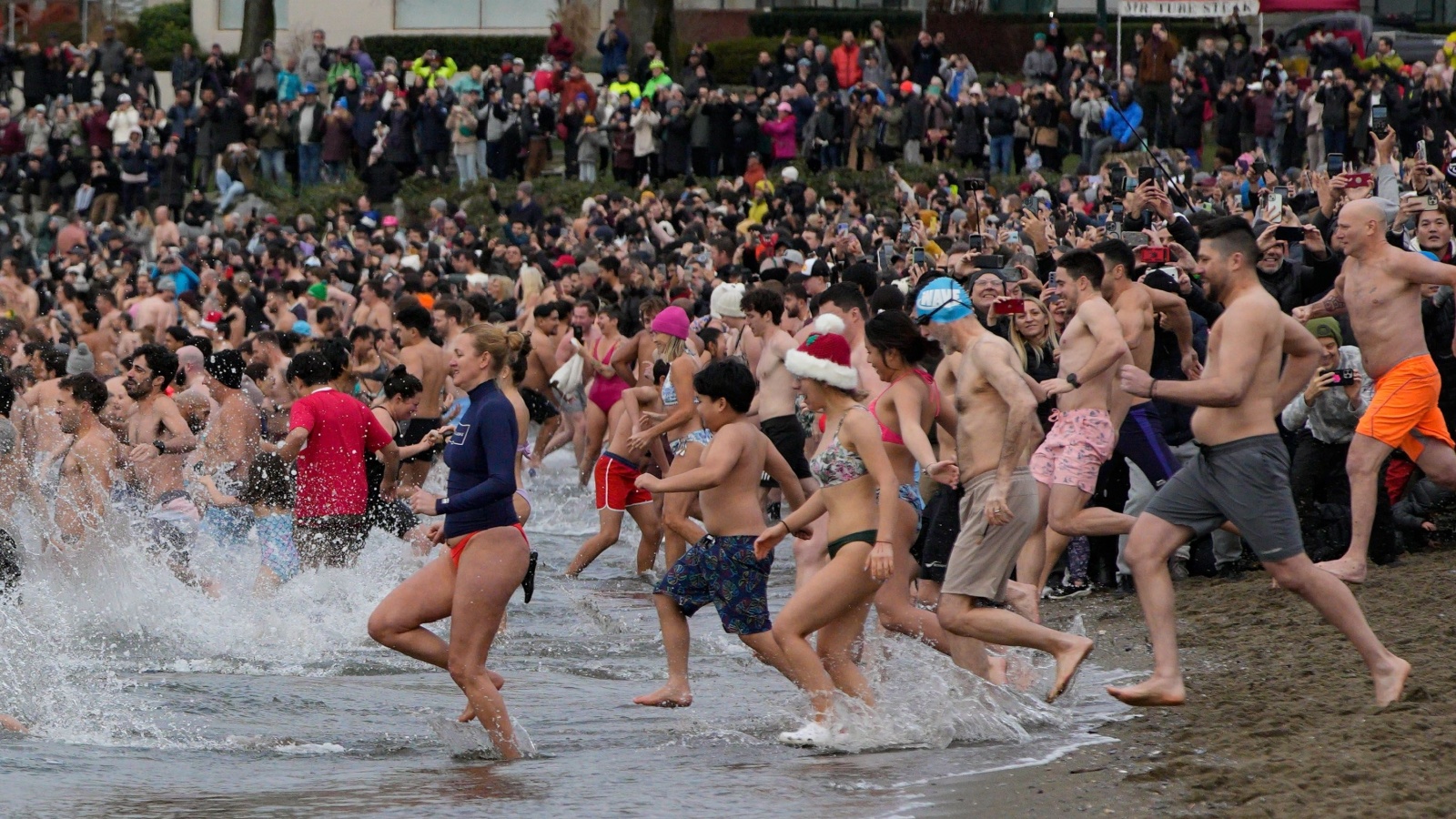
Polar Bear Plunges, held across Canada, involve jumping into icy waters during winter to raise money for charity. These events combine thrill-seeking, community spirit, and philanthropy. Participants often train for weeks and gather with friends, family, and local supporters. Plunges are highly publicized in small towns and cities alike, attracting crowds and media attention. This tradition highlights Canadians’ resilience, sense of fun, and commitment to charitable causes. Outsiders may see it as extreme or unusual, but it embodies Canadian values of community engagement, adventure, and support for local organizations.
Watching the Northern Lights in the Territories

The aurora borealis is a natural spectacle in Yukon, Northwest Territories, and Nunavut. Canadians in these regions, and visitors alike, often plan trips to view this phenomenon, combining tourism with outdoor adventure. Winter months are ideal for optimal viewing conditions. Witnessing the Northern Lights is considered a cultural and natural experience, inspiring art, photography, and storytelling. Locals take pride in sharing this unique aspect of Canadian geography. Observing the aurora fosters environmental appreciation and a connection to the country’s vast northern landscapes, a point of fascination for both residents and outsiders.
Pride in Multiculturalism and Bilingualism

Canada’s multicultural society and official bilingual status in English and French are central to its identity. Canadians celebrate cultural diversity through festivals, food, arts, and civic engagement. French-English bilingualism is taught in schools and reflected in public signage, government services, and media. Embracing this diversity fosters inclusion, tolerance, and a sense of shared community. Canadians are proud of their ability to coexist peacefully across cultures, languages, and traditions. This practice shapes daily interactions and social norms, distinguishing Canada on the global stage. Respect for multiculturalism and bilingualism remains a defining feature of Canadian society.
22 Groceries to Grab Now—Before another Price Shock Hits Canada

Food prices in Canada have been steadily climbing, and another spike could make your grocery bill feel like a mortgage payment. According to Statistics Canada, food inflation remains about 3.7% higher than last year, with essentials like bread, dairy, and fresh produce leading the surge. Some items are expected to rise even further due to transportation costs, droughts, and import tariffs. Here are 22 groceries to grab now before another price shock hits Canada.
22 Groceries to Grab Now—Before another Price Shock Hits Canada
