
Canadian cuisine is rich with regional history, Indigenous roots, and multicultural influences that make it distinct from what many outside the country assume. Yet Americans often misunderstand or oversimplify some of our most iconic foods. Dishes that carry deep cultural meaning and strong local identity often get compared to American versions that are nowhere near the same. Here are the 20 Foods Americans Always Get Wrong About Us in Canada.
Poutine Is Not Just Fries with Gravy
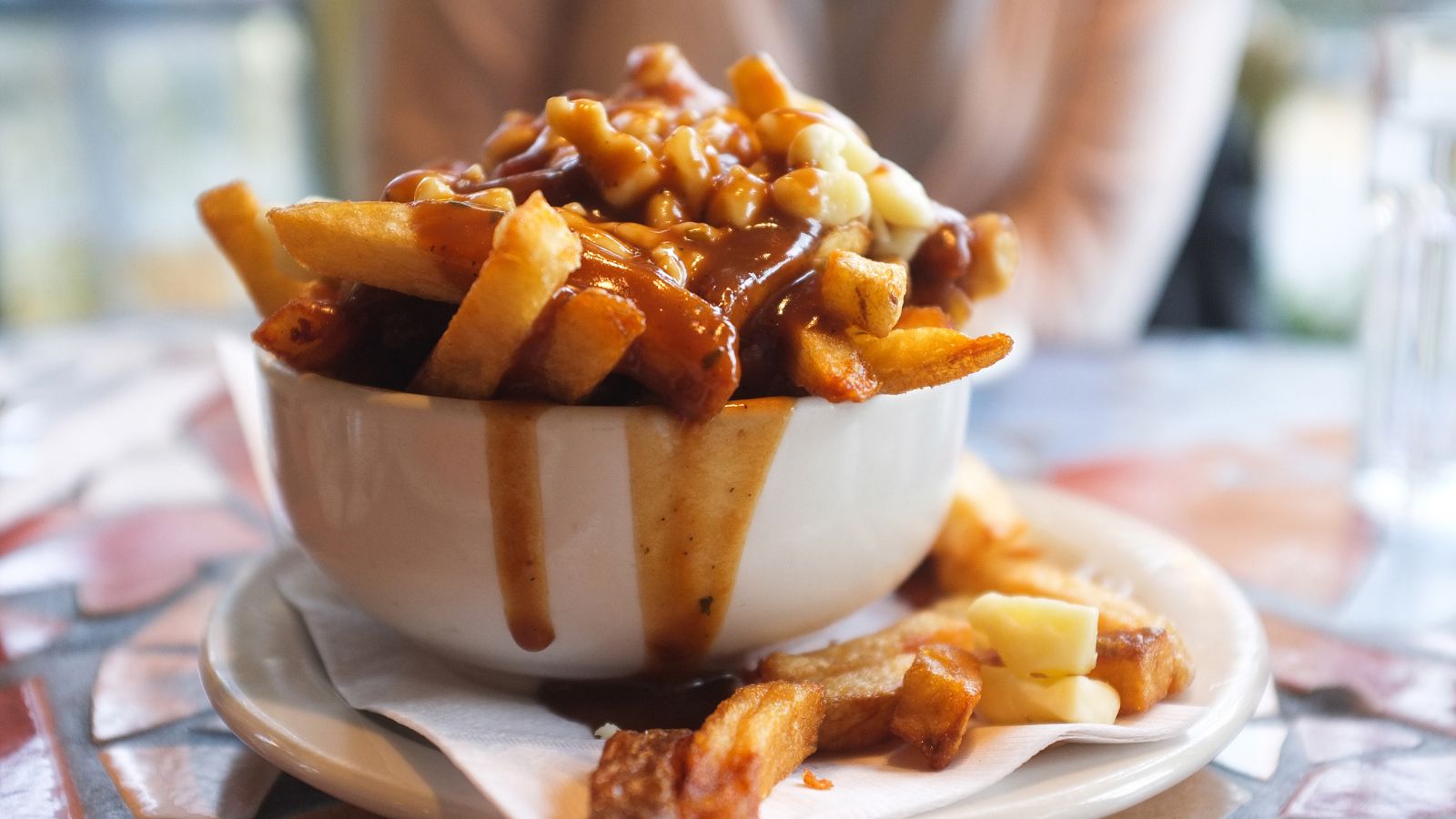
Many people outside Canada think poutine is just fries topped with gravy, but the authentic version is far more specific. Traditional poutine uses fresh cheese curds that create a noticeable squeak when bitten. The gravy is typically light brown and thicker than standard sauces used on fries. The dish began in rural Quebec in the 1950s and quickly spread across the country. Today, Canadians enjoy both classic and gourmet versions, featuring additions such as smoked meat, pulled pork, or mushrooms. The key remains a balance between hot fries, warming gravy, and curds that soften without disappearing.
Canadian Bacon Is Not the Same as Peameal Bacon
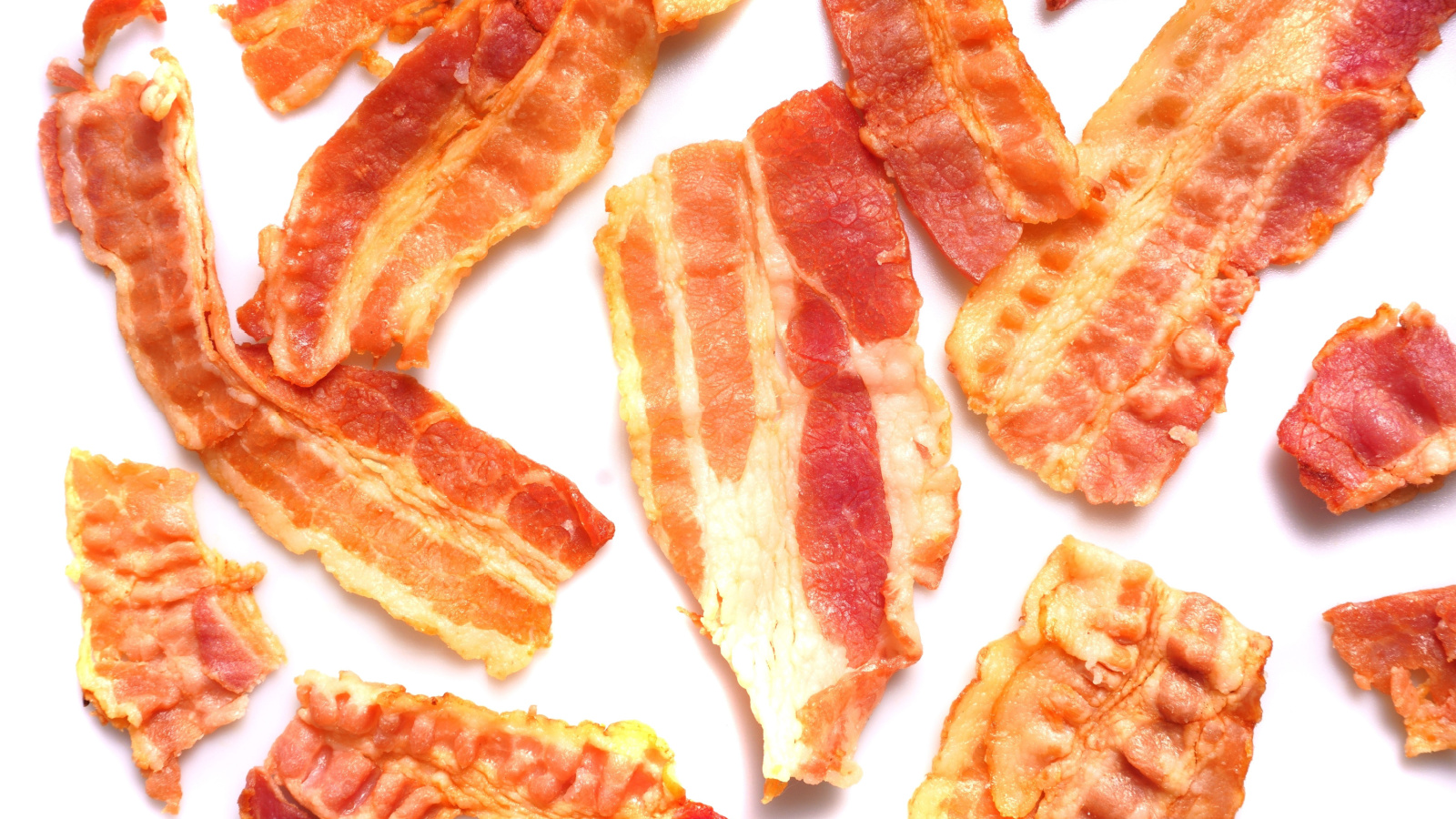
Many Americans believe Canadian bacon means thin, round slices similar to cooked ham. In Canada, the real version is peameal bacon, which comes from pork loin and is wet-cured, then rolled in cornmeal. It is thicker, tender, and cooked in slices on a griddle or pan. Peameal bacon originated in Toronto during the late 1800s and became popular across the country. It remains a favourite breakfast item in Ontario diners and markets, especially at St. Lawrence Market in Toronto. People enjoy it in sandwiches or served alongside eggs.
Maple Syrup Comes from More Than Just Quebec

Quebec produces the majority of Canada’s maple syrup, but it is not the only maple-producing region. Sugaring season spans several provinces, including Ontario, New Brunswick, and Nova Scotia. Maple syrup harvest usually takes place from late February to April when temperatures shift between freezing nights and warmer days. Canada produces around 75% of the world’s maple syrup supply, with sugar shacks welcoming visitors each spring. Varieties include golden, amber, dark, and very dark syrups, each offering different flavours. Many Canadians buy locally from small producers.
Butter Tarts Are Not Mini Pies
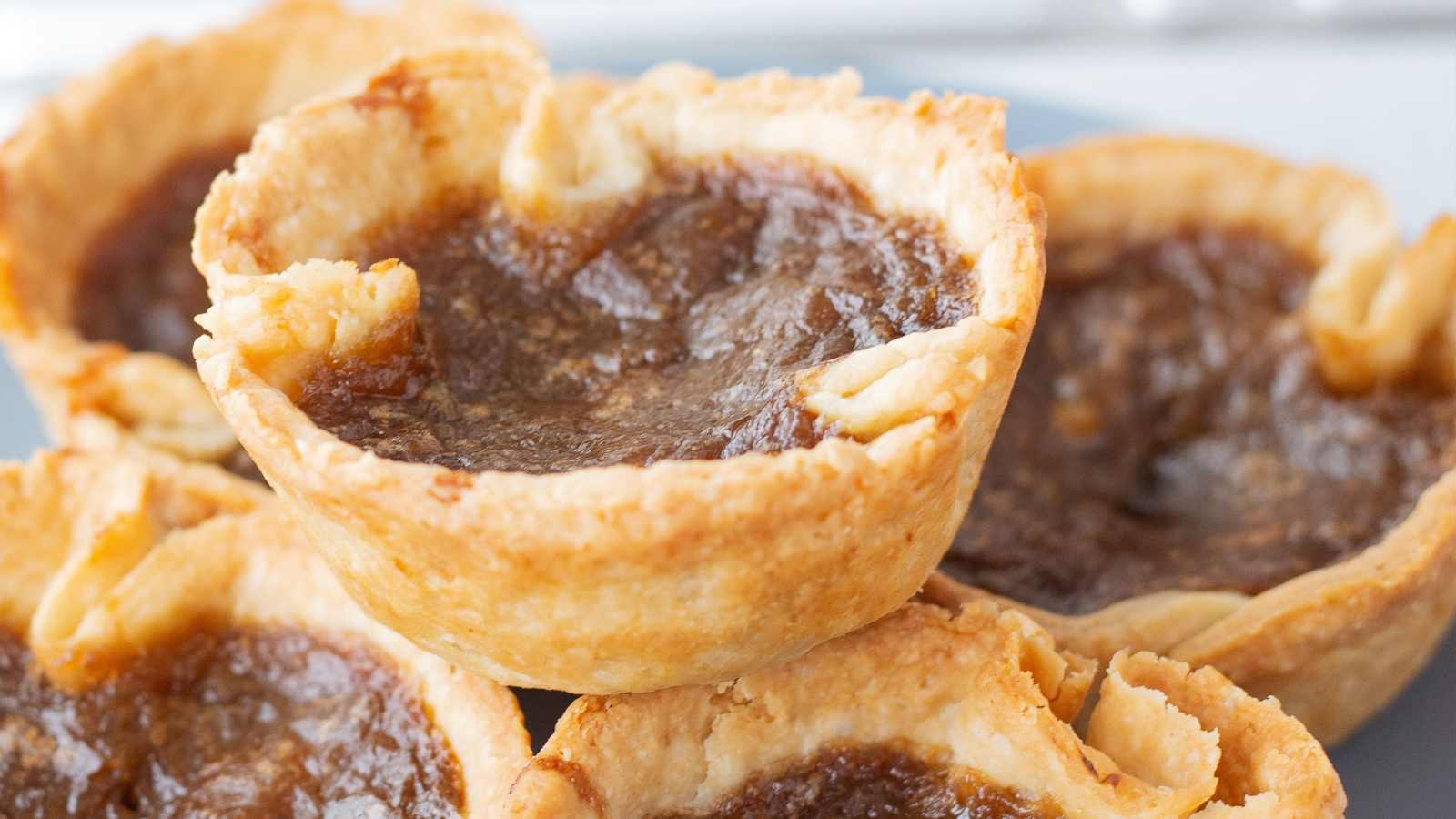
Butter tarts are a uniquely Canadian dessert often mistaken for small pies by visitors. They feature a flaky pastry shell filled with a sweet, gooey centre made from butter, sugar, and eggs. Some versions include raisins or pecans, though Canadians debate which option is better. Butter tarts originated in Ontario during the early 1900s and remain strongly associated with cottage country bakeries and local food festivals. Their filling is richer and softer than pie filling, sometimes slightly runny depending on the recipe. Each bakery puts its own spin on texture and sweetness.
Nanaimo Bars Are Not Cheesecake Squares
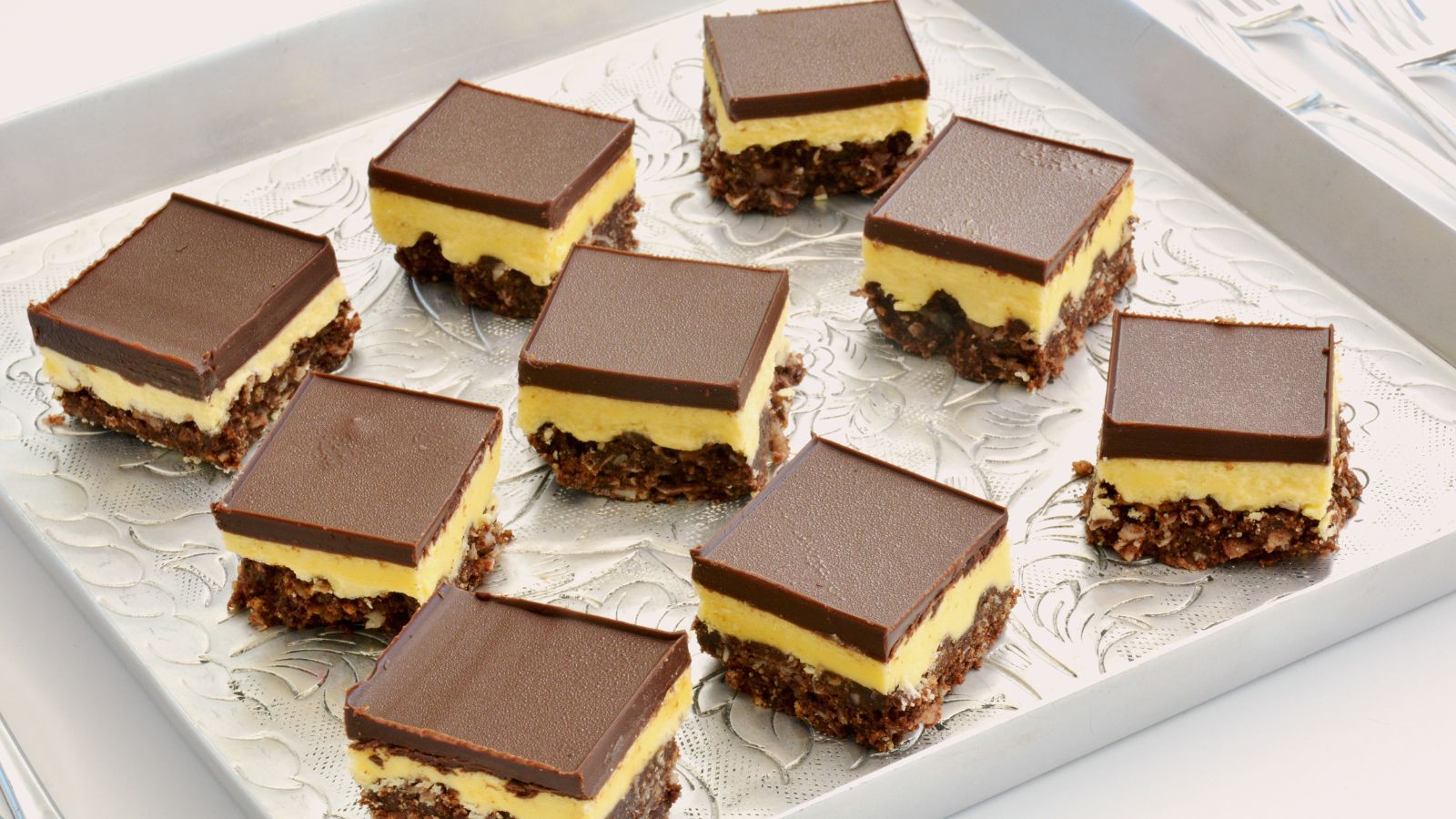
Nanaimo bars are often mistaken for cheesecake squares, but the texture and layers are completely different. This classic Canadian dessert contains three distinct layers: a crumbly base made of coconut, cocoa, and graham crumbs, a creamy custard filling, and a chocolate topping. The bar takes its name from the city of Nanaimo in British Columbia, where recipes appeared publicly during the 1950s. It requires no baking and is known for its sweetness and rich consistency. The middle layer is custard-flavoured, not cream cheese, which sets it apart from cheesecake bars.
Ketchup Chips Are Not the Same as BBQ Chips
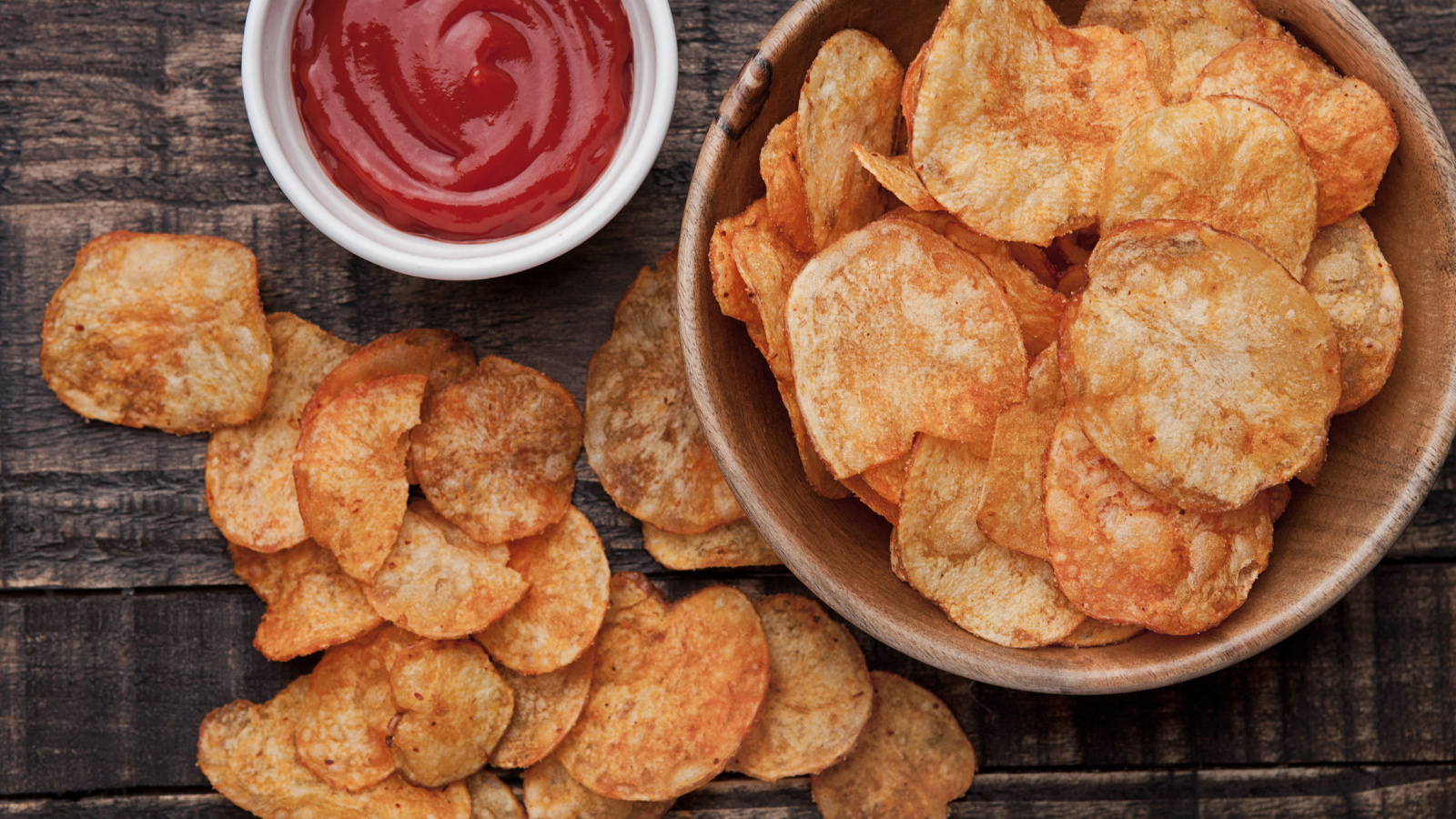
Ketchup chips are uniquely Canadian, offering a tangy, sweet, and slightly acidic flavor profile that is completely different from BBQ chips. While BBQ chips lean smoky and savory, ketchup chips deliver a sharp tomato-vinegar taste that instantly stands out. They’re a nostalgic staple found in lunchboxes, road-trip snacks, and gatherings across Canada. Many Americans try to compare them to BBQ or tomato-flavored chips sold in the U.S., but the seasoning, texture, and intensity are truly distinct. Brands like Lay’s and Old Dutch have made them a cultural favorite that Canadians proudly claim as their own snack identity.
Tourtière Is Not Simply Meat Pie
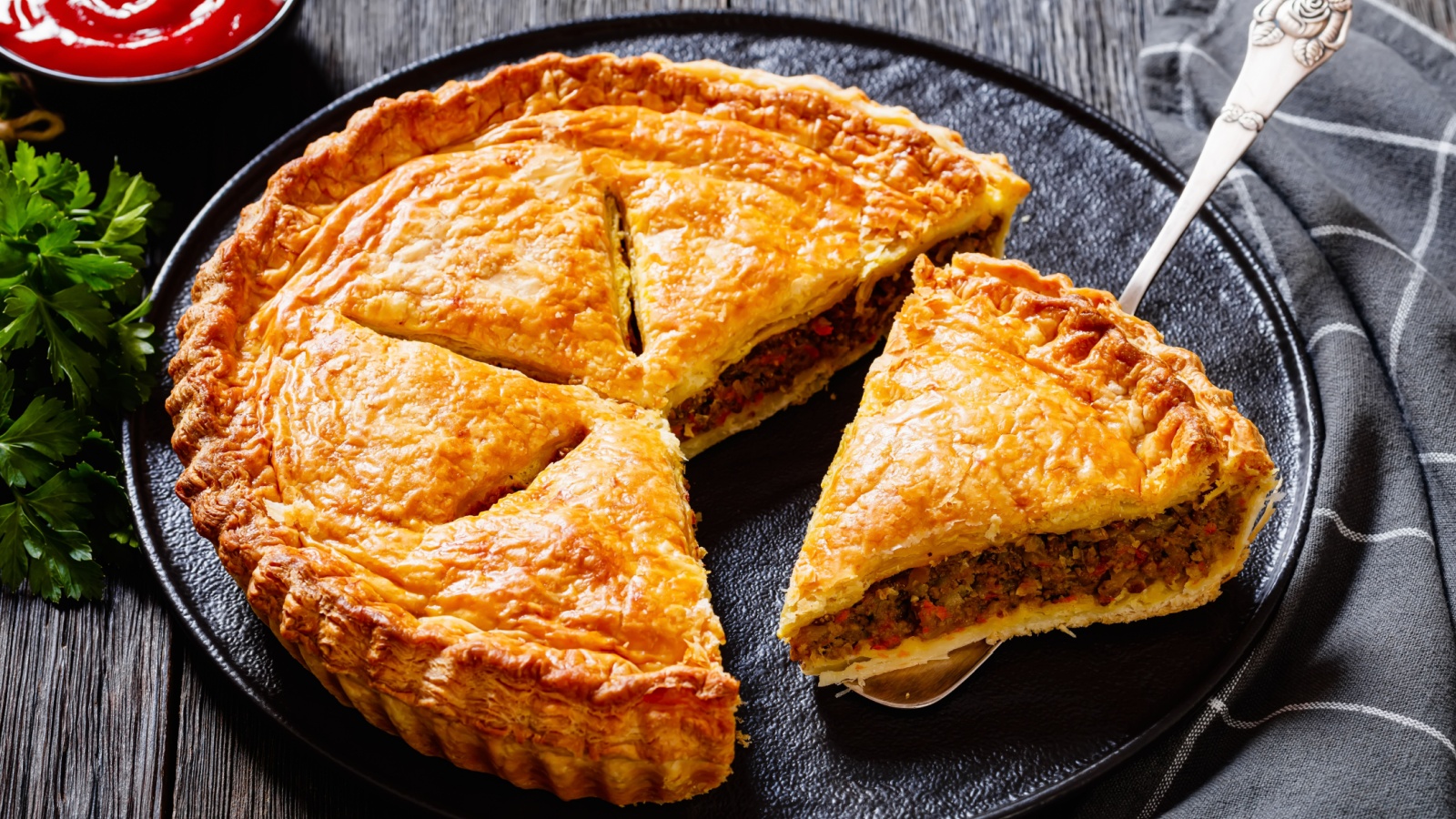
Tourtière is a traditional French-Canadian dish deeply rooted in Quebec culture, not just a generic meat pie. Made from finely ground pork, veal, or a blend of meats and seasoned with warm spices such as cinnamon, cloves, and allspice, its flavor is aromatic and festive. Served especially during Christmas and New Year celebrations, it represents family traditions passed down for generations. Unlike typical meat pies found in the U.S., which focus mainly on beef and gravy, tourtière highlights delicately spiced fillings and a flaky crust.
Montreal Bagels Are Not New York Bagels
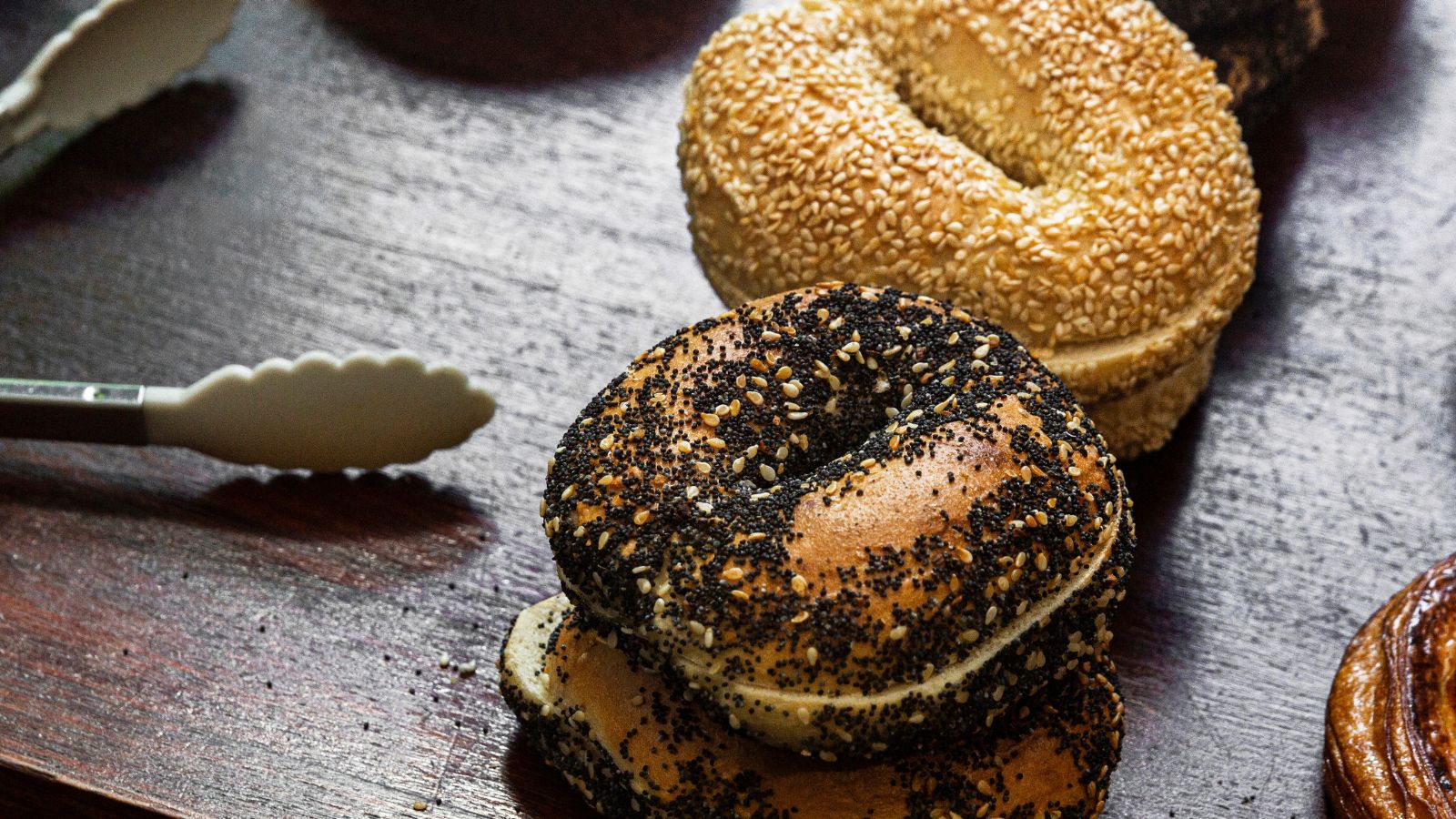
Montreal bagels stand apart from New York bagels in both taste and texture. They’re smaller, denser, hand-rolled, and always baked in wood-fired ovens, giving them a distinctive smoky and slightly crispy exterior. Before baking, they’re boiled in honey-sweetened water, resulting in a subtly sweet flavor and shiny finish. New York bagels are larger, fluffier, and have a more bread-like texture. Famous Montreal shops like St-Viateur and Fairmount have turned these bagels into iconic Canadian foods with cult followings.
Caesar Cocktails Are Not Bloody Marys
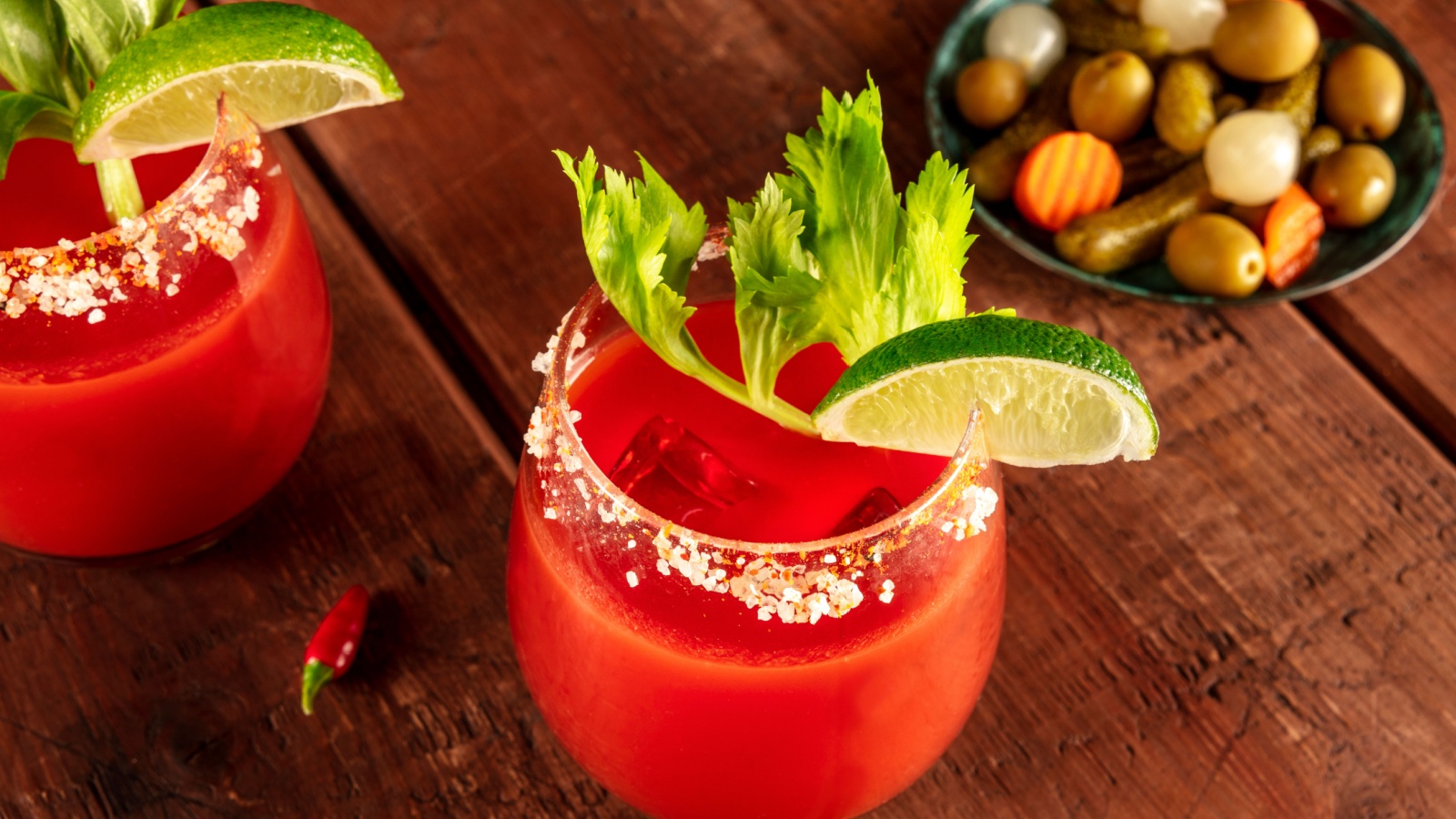
Many Americans assume a Caesar is simply a Bloody Mary, but the difference is significant. A Caesar uses Clamato juice, a blend of tomato and clam broth, giving it a lighter, brinier, and more refreshing flavour compared to the heavy, spicy tomato base of a Bloody Mary. Caesars typically include vodka, Worcestershire sauce, hot sauce, and a celery salt rim, and they’re often dressed with extravagant garnishes like pickles, shrimp, or bacon. The Caesar is a Canadian invention from Calgary in 1969 and has become a national favorite.
Bannock Is Not Just Fry Bread
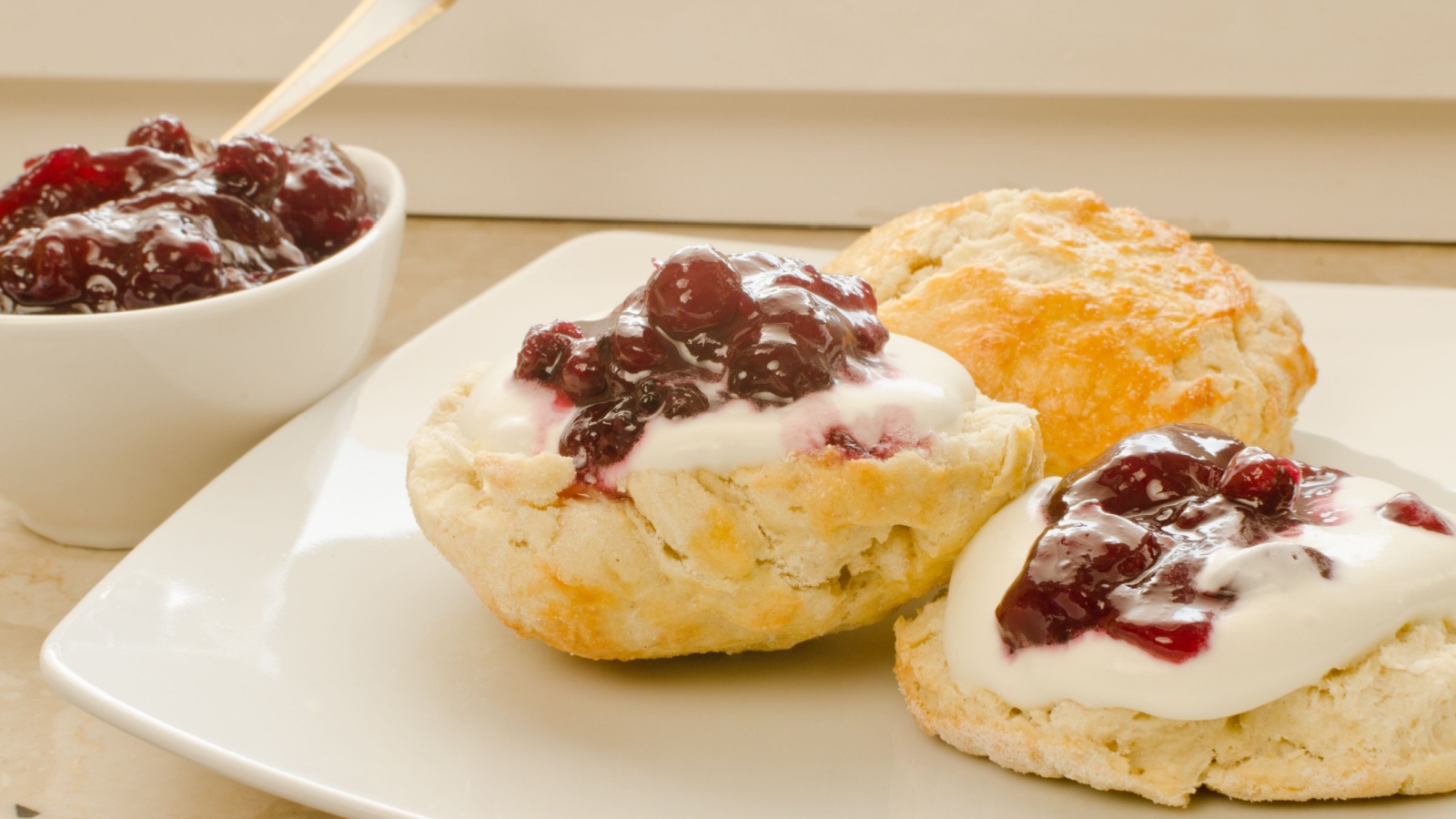
Bannock holds deep Indigenous roots in Canada and should not be reduced to simply “fry bread.” While it can be fried, baked, or cooked over an open fire, bannock varies widely across First Nations, Métis, and Inuit communities. Its preparation reflects cultural traditions, resilience, and survival through history. Some recipes are dense and hearty, while others are soft and fluffy. Bannock can be eaten plain, served with stews, or topped with jam or butter. Calling it just fry bread diminishes its importance and diversity. Bannock represents heritage, identity, and community, and remains a meaningful food across Canada today.
Beavertails Are Not Donuts
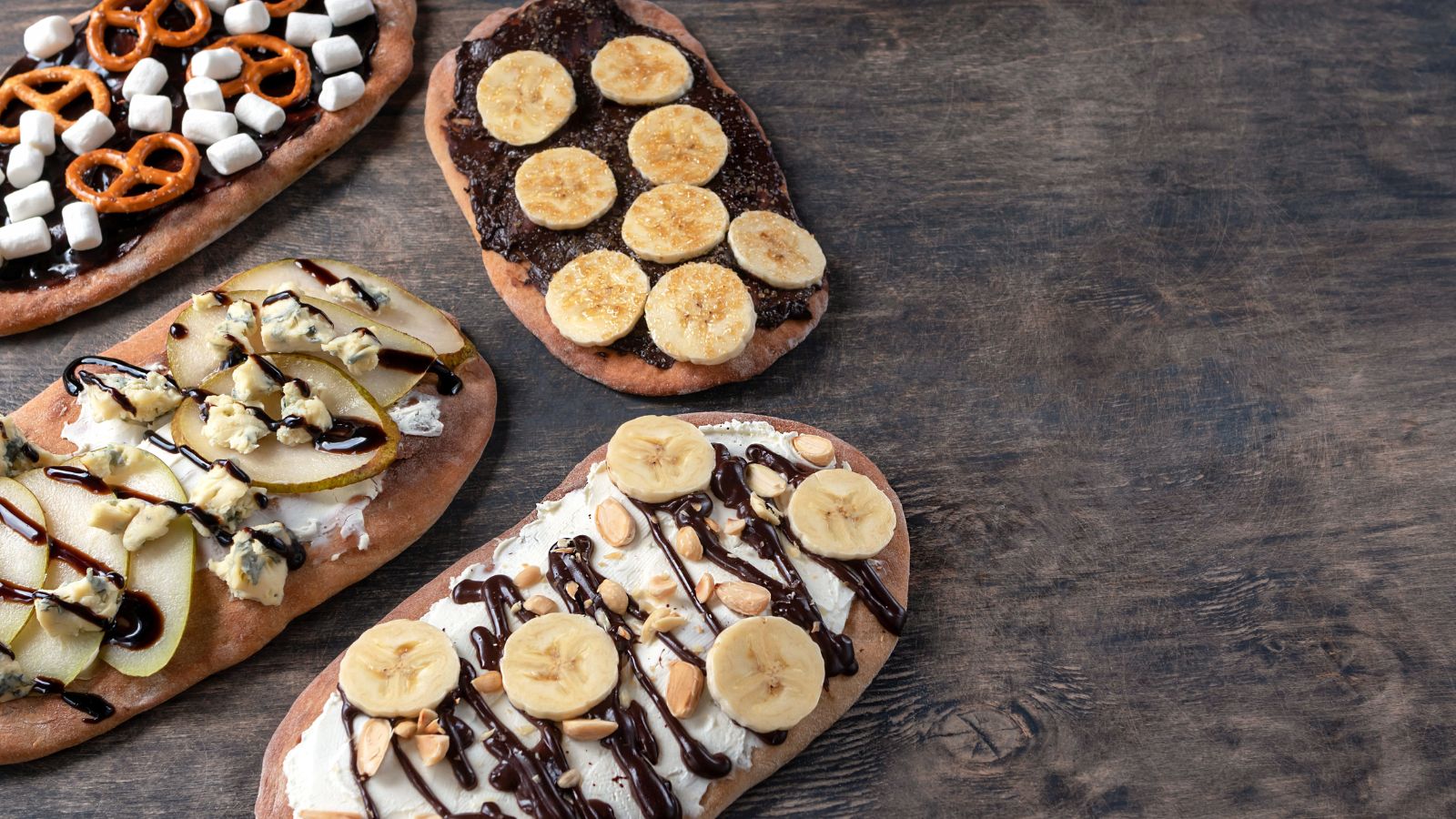
Beavertails are a beloved Canadian treat, but they are not the same as donuts. Instead of a round, fluffy ring, a Beavertail is a stretched piece of fried dough shaped like a beaver’s tail and coated with toppings such as cinnamon sugar, chocolate, maple spread, or fruit. The dough is flatter and chewier than a donut, offering a different texture and more surface area for toppings. Originating in Ottawa in the late 1970s, they quickly became a winter and festival favorite, especially at skating events like the Rideau Canal. They’re uniquely Canadian and a must-try for visitors.
Split Pea Soup Differs Nationwide
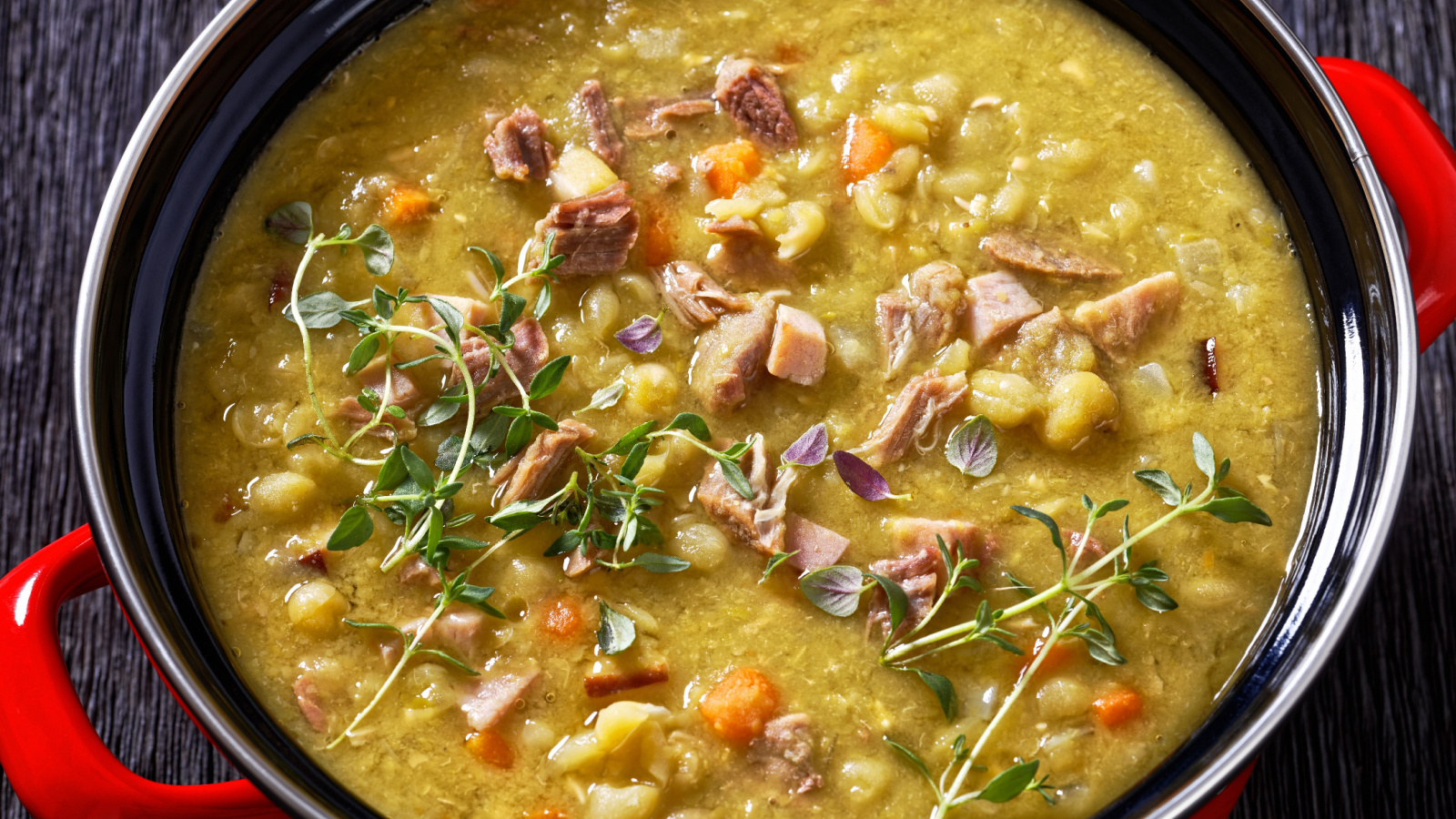
Split pea soup in Canada varies widely by region, and it’s far more diverse than what many Americans expect. In Quebec, it’s often made with yellow peas and salted pork, producing a hearty, rustic texture. Newfoundland versions may include doughboys (dumplings) or scrunchions—fried pork fat for added flavour. Western Canada versions are milder and smoother, reflecting prairie comfort food traditions. Unlike the thick, uniform green pea soup common in the U.S., Canadian split pea soup changes dramatically depending on geography and heritage.
Saskatoon Berry Pie Is Not Blueberry Pie
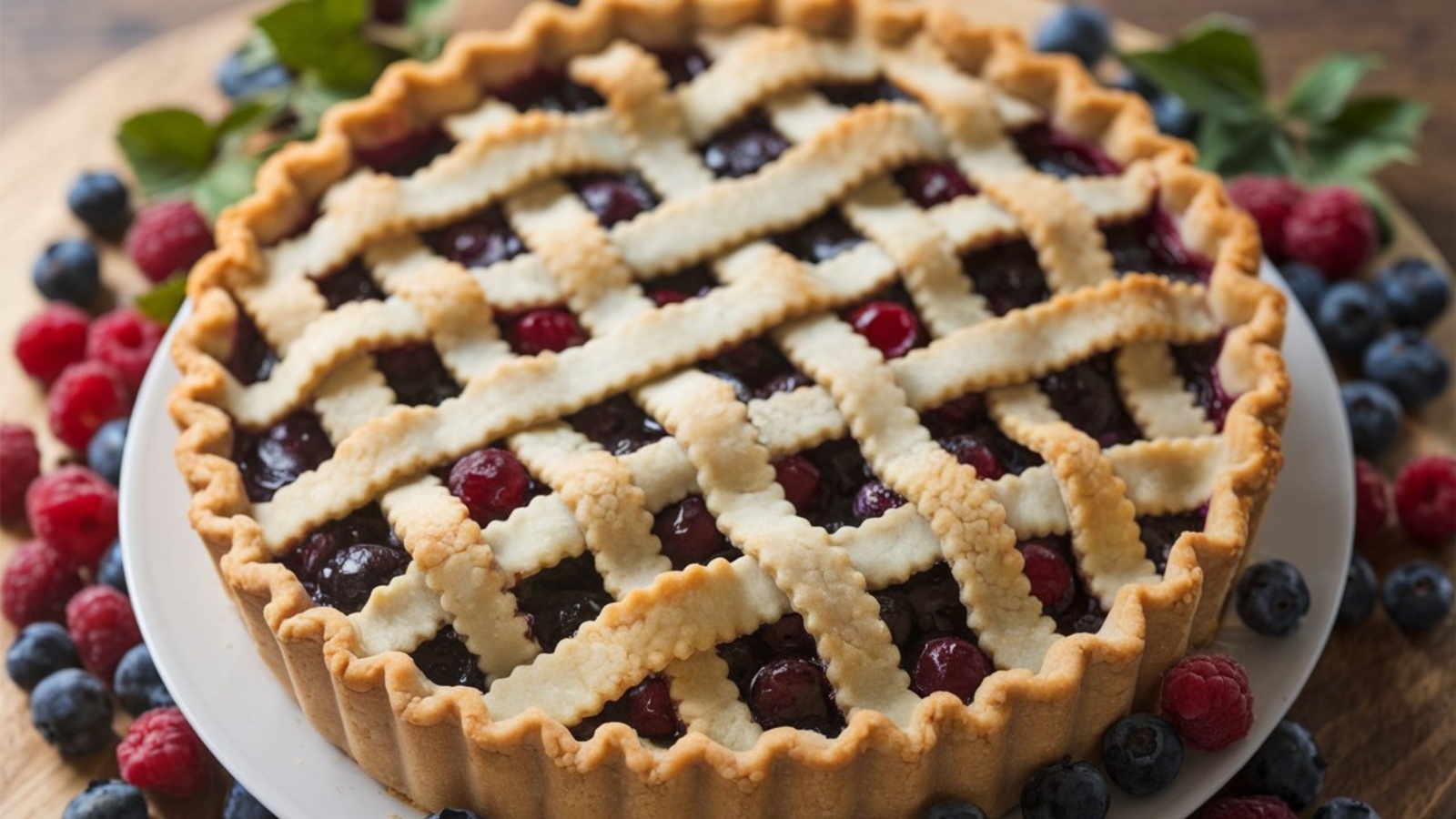
Saskatoon berry pie is a Prairie classic often mistaken for blueberry pie, but the two have very different flavours. Saskatoon berries are smaller and firmer, with a sweet, nutty taste that resembles almonds rather than the bright tartness of blueberries. Found primarily in Alberta, Saskatchewan, and Manitoba, they grow on shrubs and ripen in early summer, making the pie a seasonal favourite. The filling is typically thicker and richer than blueberry pie, and its flavour is deeper and more earthy. Calling it blueberry pie oversimplifies a cherished regional dessert tied closely to Prairie identity and Indigenous culinary heritage.
Donair Is Not the Same as a Gyro
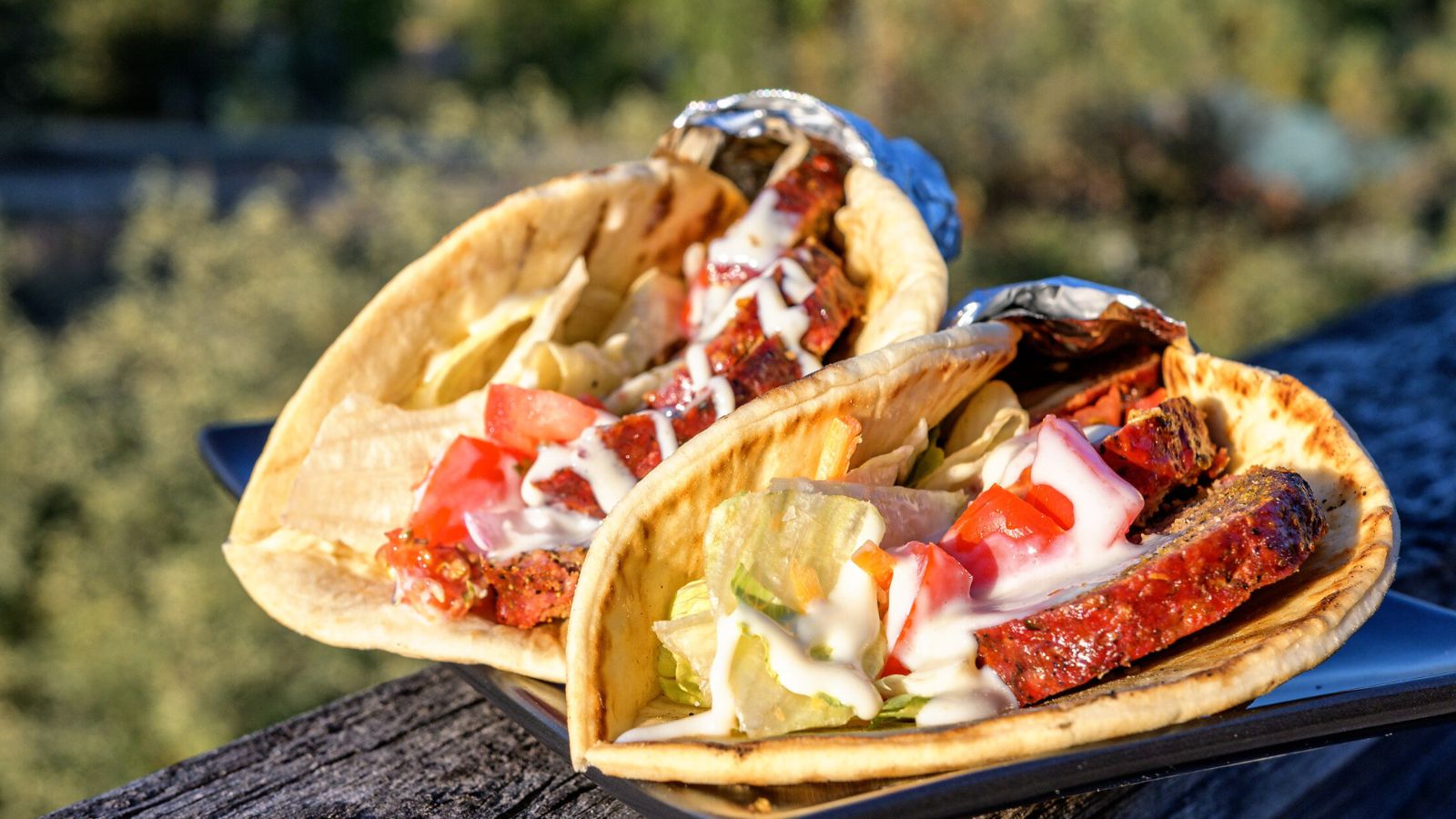
The Halifax donair may look similar to a gyro, but the similarities end quickly. Instead of the traditional lamb with tzatziki found in Greek gyros, a donair uses spiced ground beef cooked on a vertical rotisserie and is served with a sweet, creamy sauce made from evaporated milk, sugar, and garlic. It’s typically wrapped in a soft pita with diced onions and tomatoes. This unique combination originated in Halifax in the 1970s and has become a Maritime icon with its own late-night culture. Comparing it to a gyro misses the distinct sweetness, texture, and regional pride behind the dish.
Smoked Meat Sandwiches Are Not Pastrami
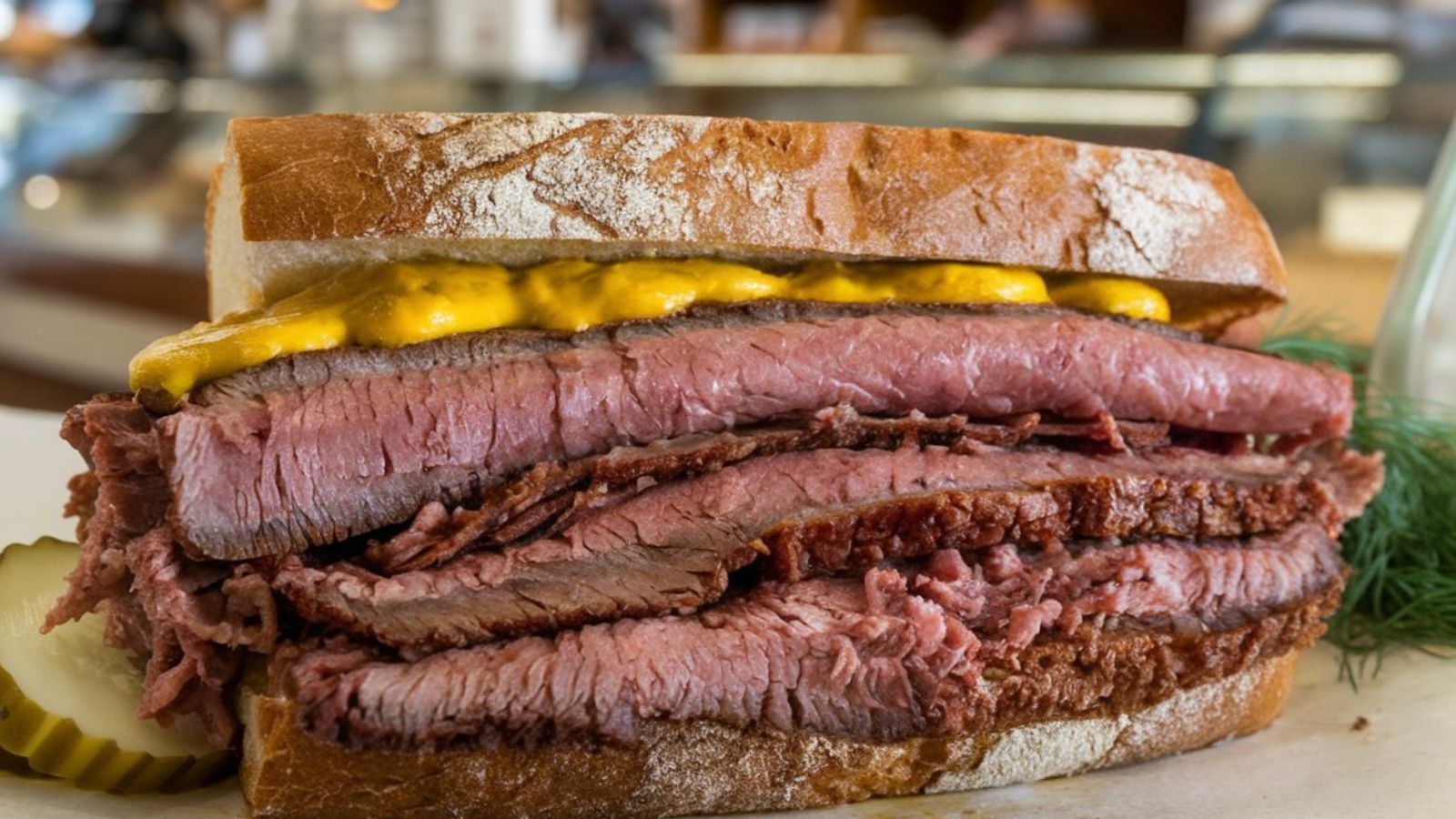
Montreal smoked meat sandwiches are often compared to pastrami, but they differ in preparation, flavour, and texture. Smoked meat is cured with a peppery spice blend, smoked, and then steamed to achieve its tender, pull-apart texture. Pastrami, by contrast, is typically rubbed with heavier seasonings and tends to be denser and fattier. Montreal smoked meat is sliced by hand and piled high on rye bread with yellow mustard—simple but iconic. Schwartz’s Deli is the most famous example, drawing locals and tourists alike.
22 Groceries to Grab Now—Before another Price Shock Hits Canada
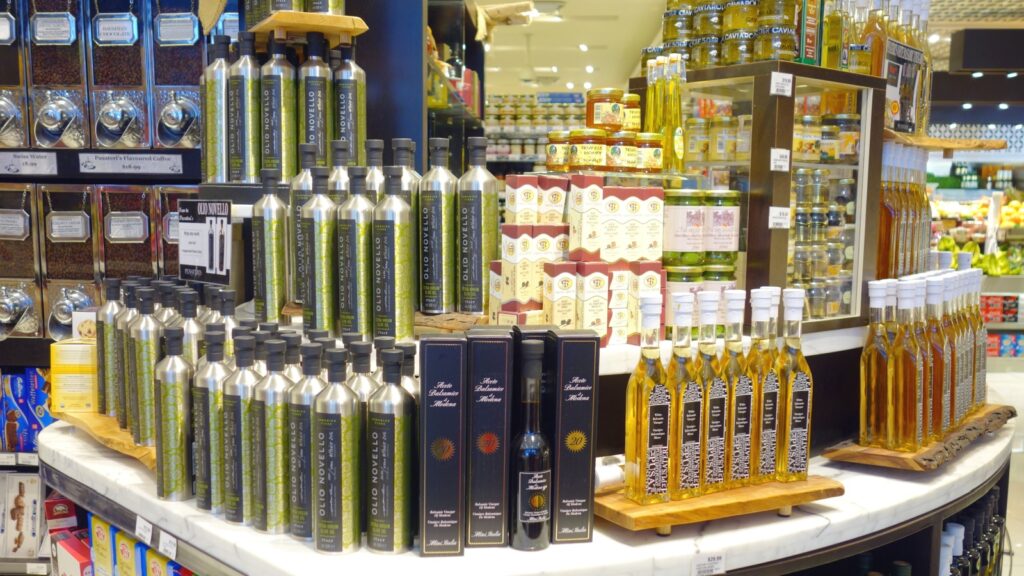
Food prices in Canada have been steadily climbing, and another spike could make your grocery bill feel like a mortgage payment. According to Statistics Canada, food inflation remains about 3.7% higher than last year, with essentials like bread, dairy, and fresh produce leading the surge. Some items are expected to rise even further due to transportation costs, droughts, and import tariffs. Here are 22 groceries to grab now before another price shock hits Canada.
22 Groceries to Grab Now—Before another Price Shock Hits Canada
