
Owning a home in Canada comes with more than just mortgage payments. Many homeowners underestimate the hidden costs that can quickly strain their budgets. From rising property taxes to unexpected maintenance, these expenses add up and create financial pressure. Additional fees such as insurance increases, utility surges, and municipal levies can surprise even the most prepared homeowners. Private lender charges, prepayment penalties, and ongoing maintenance costs further complicate the financial picture. Here are 20 hidden costs pushing Canadian mortgage holders to the brink.
Rising Property Taxes

Property taxes in Canada have been steadily increasing in many municipalities. Homeowners face higher annual payments that often exceed inflation rates. These taxes are typically calculated based on assessed property values, meaning as home prices rise, so do tax bills. For many mortgage holders, this adds a significant monthly financial burden. Rising taxes can affect affordability and strain household budgets, especially for first-time homeowners or those on fixed incomes. Unexpected spikes can force some to reconsider their living arrangements or defer other essential expenses. Managing property taxes is now a critical part of Canadian mortgage planning.
Strata or Condo Fees

Condo and strata fees are mandatory for homeowners in multi-unit properties. These fees cover building maintenance, shared amenities, and sometimes utilities. While necessary for upkeep, they can increase annually due to rising operational costs or major repairs. Unexpected hikes can put pressure on mortgage holders, adding hundreds of dollars to monthly housing expenses. Many buyers underestimate these costs when budgeting for a condo purchase. Strata fees are especially impactful in high-demand urban areas where luxury buildings offer numerous amenities, making careful financial planning essential to avoid being stretched too thin by combined mortgage and fee payments.
Home Insurance Premium Increases

Home insurance premiums in Canada have been rising due to factors like climate change, natural disasters, and property value increases. Mortgage lenders require insurance coverage, making it a non-negotiable cost for homeowners. Higher premiums can significantly affect monthly budgets, especially if claims or policy adjustments occur. Certain areas with higher flood, wildfire, or storm risk face the steepest increases. Homeowners may need to shop for competitive rates or adjust coverage levels to manage expenses. Ignoring insurance costs can lead to financial strain, leaving mortgage holders vulnerable to both higher monthly obligations and potential underinsurance in emergencies.
Utility Bill Surges

Utility costs, including electricity, gas, and water, have risen across Canada in recent years. Homeowners often face unexpected increases due to rate hikes or seasonal usage spikes. For mortgage holders, this can create financial stress when combined with monthly mortgage payments and other home-related expenses. Older homes with inefficient systems can exacerbate costs, forcing additional spending on heating, cooling, and water management. Budgeting for utilities is increasingly complex, as unpredictable weather patterns and infrastructure updates affect rates. Managing consumption, upgrading appliances, and monitoring bills have become essential strategies to avoid being pushed to the brink financially.
Unexpected Maintenance and Repairs

Home maintenance and repairs are a major hidden cost for Canadian mortgage holders. Issues such as roof replacements, plumbing failures, and HVAC repairs can arise suddenly and require immediate funding. Many homeowners underestimate these expenses when budgeting for a mortgage, leaving little financial buffer. Older homes are particularly susceptible to costly repairs, and even new builds may encounter warranty gaps. Ignoring maintenance can lead to further damage and escalating costs. Being prepared with a dedicated repair fund is crucial, as unexpected expenses can quickly strain monthly budgets and increase stress for those already managing high mortgage payments.
Mortgage Default Insurance Costs

Mortgage default insurance is mandatory for Canadian homebuyers who make a down payment of less than 20%. While it protects lenders, it adds a significant upfront or rolled-in cost to the mortgage. The premiums can amount to thousands of dollars, depending on the size of the loan and down payment. Many homeowners underestimate this expense during the buying process. As home prices rise, so do insurance costs, further straining monthly budgets. For mortgage holders already managing other hidden costs, default insurance can push finances closer to the edge. Proper planning is essential to avoid surprises.
Home Inspection and Appraisal Fees

Before finalizing a mortgage, home inspections and appraisals are usually required. These fees, while often considered minor, can cost several hundred to over a thousand dollars. Inspections identify structural issues, while appraisals ensure lenders the home’s value justifies the loan. Unexpected findings may require repairs or renegotiation, adding extra costs. For first-time buyers, these fees are frequently overlooked in budgeting. Even routine appraisals or inspections for refinancing add to financial pressure. Ignoring these hidden costs can leave homeowners unprepared for closing day, creating additional strain alongside mortgage payments.
Legal and Closing Costs

Purchasing a home in Canada involves legal and closing fees that are often underestimated. These include lawyer or notary fees, title insurance, land transfer taxes, and administrative charges. Combined, they can total several thousand dollars, depending on property value and province. For mortgage holders, these costs are unavoidable and must be paid upfront or rolled into the mortgage. Failing to plan for them can reduce financial flexibility and increase stress during closing. Proper budgeting and consultation with professionals help homeowners avoid surprises, ensuring the purchase process does not push them to the brink financially.
Moving and Renovation Expenses

Moving into a new home involves hidden costs beyond the mortgage. Hiring movers, transporting belongings, and setting up services can quickly add up. Additionally, renovations or upgrades, such as painting, flooring, or kitchen updates, often exceed initial estimates. Mortgage holders may not anticipate these costs when purchasing a property, creating budgetary stress. Even minor renovations can require thousands of dollars, especially in older homes needing immediate attention. Planning ahead for moving and renovation expenses is crucial, as they directly affect cash flow and financial stability during the first months of homeownership.
Property Assessment Revaluations

Municipal property assessments determine tax bills for homeowners and are conducted periodically. Increases in assessed value can significantly raise annual property taxes, even if the mortgage remains the same. Homeowners may face substantial unplanned costs, particularly in high-demand real estate markets. Revaluations can also influence insurance premiums, further impacting household budgets. For mortgage holders already managing multiple hidden costs, higher taxes from revaluations can intensify financial pressure. Understanding local assessment cycles and preparing for potential increases is critical to avoid unexpected financial strain.
Interest Rate Hikes

Interest rates in Canada directly affect mortgage payments, especially for variable-rate loans or renewals. Even small increases can add hundreds of dollars per month, stretching household budgets. Mortgage holders with high debt or tight margins are particularly vulnerable. Interest rate hikes often coincide with broader economic pressures, compounding other hidden costs like property taxes or utilities. Homeowners may be forced to adjust spending, refinance, or extend repayment periods to manage payments. Monitoring rate trends and planning for potential increases is essential to maintain financial stability and prevent mortgage stress from becoming overwhelming.
Private Lender Fees

Some homeowners in Canada turn to private lenders for mortgages or bridge financing. These loans often come with higher fees and interest rates than traditional bank mortgages. Fees may include administration charges, loan origination costs, or early repayment penalties. For mortgage holders, these extra expenses can significantly increase monthly obligations. Those using private financing must carefully review contracts to avoid unexpected costs. Miscalculating these fees can push homeowners close to financial limits, especially when combined with property taxes, maintenance, and other hidden homeownership costs. Planning and professional advice are essential when considering private lenders.
Prepayment Penalties

Prepayment penalties apply when homeowners pay off their mortgage early, refinance, or make extra payments beyond the allowed limit. Canadian mortgages often include such clauses to protect lenders. Penalties can be substantial, sometimes amounting to thousands of dollars. Homeowners who underestimate this cost may face financial strain if they attempt to adjust their mortgage. Understanding the terms of the mortgage, including potential penalties, is essential to avoid surprises. Strategic planning for extra payments or early refinancing can help minimize costs while maintaining budget stability. Ignoring prepayment penalties can push mortgage holders dangerously close to the brink.
Property Management Fees

Homeowners renting out properties often use property management companies to handle tenant relations, maintenance, and rent collection. These services come with monthly or annual fees, typically ranging from 5% to 10% of rental income. While they save time, they add significant costs for mortgage holders relying on rental income. Unexpected increases in fees or additional charges for repairs can further impact cash flow. Careful consideration of management contracts and budgeting for these fees is necessary to maintain profitability. Without proper planning, property management fees can significantly reduce disposable income for homeowners.
Landscaping and Yard Maintenance

Maintaining a property’s exterior can be expensive, especially in larger homes or seasonal climates. Lawn care, gardening, tree trimming, and snow removal are ongoing costs. Many homeowners underestimate these expenses when calculating monthly housing budgets. Hiring professional services can quickly cost hundreds of dollars per month, adding hidden financial pressure for mortgage holders. Seasonal fluctuations, storm damage, and emergency maintenance further increase costs. Planning ahead for landscaping and yard maintenance ensures that homeowners do not face unexpected bills that strain finances while keeping their property well-maintained and in compliance with municipal regulations.
Pest Control and Extermination
Pest control is a necessary but often overlooked expense for homeowners. Infestations of insects, rodents, or other wildlife require professional extermination services, which can be costly. Regular preventive treatments may be necessary to maintain property value and comply with local regulations. Unanticipated pest problems can emerge suddenly, forcing homeowners to pay for urgent solutions. For mortgage holders already managing high monthly payments, these expenses can add financial pressure. Budgeting for pest control and proactive maintenance is critical to avoid emergency costs that disrupt household finances and potentially threaten the livability of the property.
Water and Sewer Charges

Municipal water and sewer services in Canada are usually billed separately from property taxes. Rates vary by city and can increase without much notice. Homeowners may face high bills due to usage spikes, seasonal changes, or municipal rate hikes. These hidden costs often catch mortgage holders off guard, especially in larger homes or properties with extensive landscaping. Failing to plan for water and sewer charges can significantly affect monthly budgets. Monitoring consumption, conserving water, and anticipating rate changes are essential strategies to prevent unexpected financial strain on homeowners already managing mortgage and related costs.
Energy Efficiency Upgrades
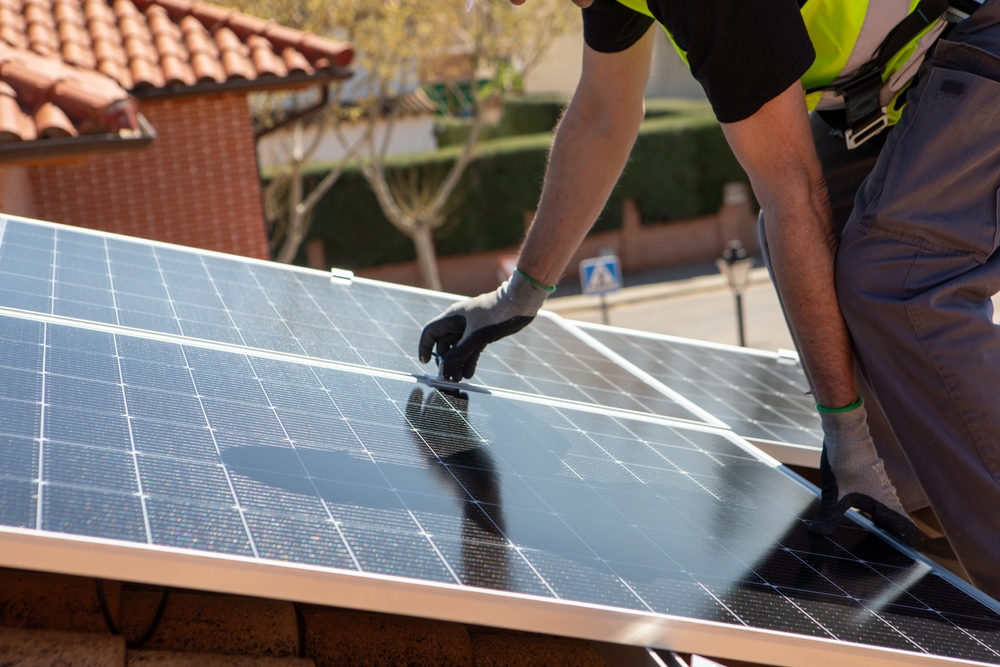
Upgrading a home to improve energy efficiency is increasingly common but expensive. Installing insulation, high-efficiency heating systems, solar panels, or energy-saving windows requires substantial upfront investment. While these upgrades can reduce long-term utility costs, the initial outlay can strain homeowners’ finances. Some mortgage holders may need to borrow or tap into savings to cover these improvements. Unexpected repairs or required upgrades to comply with local energy codes can further increase costs. Planning for energy efficiency investments and understanding available rebates or incentives is essential to avoid financial stress while enhancing a home’s sustainability and lowering future utility expenses.
Unexpected Municipal Levies

Municipalities in Canada sometimes impose special levies or local charges beyond property taxes. These can include infrastructure fees, development charges, or emergency service surcharges. Homeowners often do not anticipate these costs when budgeting, leading to financial surprises. Such levies can total thousands of dollars annually, depending on the city and property type. Ignoring them can strain monthly cash flow, especially for mortgage holders already managing high payments. Staying informed about local municipal policies and planning for potential levies is essential. Proactive budgeting ensures these unexpected charges do not create financial hardship.
Inflation Impact on Household Budgets

Inflation affects every aspect of homeownership, from utilities and groceries to maintenance and insurance. Rising costs reduce the real value of household income, making mortgage payments feel heavier. Even small increases in daily expenses can accumulate, significantly impacting monthly budgets. Homeowners may find it harder to save or cover unexpected costs during periods of high inflation. Those with fixed-rate mortgages still face pressure from rising living expenses. Planning for inflation, adjusting spending habits, and maintaining an emergency fund are crucial strategies. Without preparation, inflation can push mortgage holders closer to financial limits.
22 Groceries to Grab Now—Before another Price Shock Hits Canada

Food prices in Canada have been steadily climbing, and another spike could make your grocery bill feel like a mortgage payment. According to Statistics Canada, food inflation remains about 3.7% higher than last year, with essentials like bread, dairy, and fresh produce leading the surge. Some items are expected to rise even further due to transportation costs, droughts, and import tariffs. Here are 22 groceries to grab now before another price shock hits Canada.
22 Groceries to Grab Now—Before another Price Shock Hits Canada
