
Canada has achieved numerous groundbreaking milestones that often go unnoticed in the broader narrative of history. From political firsts to scientific innovations, sports triumphs, and cultural breakthroughs, Canadians have paved the way in diverse fields. Many of these historic moments occurred quietly, without fanfare or celebration, yet they shaped the nation’s identity and inspired generations. Here are 20 historic firsts we never took a victory lap for.
First Female Prime Minister Elected: Kim Campbell, 1993

Kim Campbell made history in 1993 by becoming Canada’s first female Prime Minister. She assumed office following Brian Mulroney’s resignation and led the Progressive Conservative Party during a pivotal federal election. Although her term was brief, Campbell’s leadership broke gender barriers in Canadian politics, inspiring women to pursue public office. Her rise highlighted the evolving role of women in national leadership and encouraged discussions on gender equality in government. Her legacy is remembered not only for political milestones but also for opening doors for future female leaders across Canada.
First Canadian to Walk in Space: Marc Garneau, 1984

Marc Garneau became the first Canadian to venture into space in 1984, marking a defining moment for Canada’s presence in global space exploration. As a payload specialist aboard the Space Shuttle Challenger, Garneau conducted experiments and gained invaluable experience that paved the way for future Canadian astronauts. His journey symbolized Canada’s scientific achievements and inspired generations to explore careers in aerospace, engineering, and STEM fields. Garneau’s pioneering flight underscored the nation’s contribution to space research and strengthened Canada’s role within international space programs.
First Successful Heart Transplant in Canada: Dr. John Callaghan, 1968

In 1968, Dr. John Callaghan performed Canada’s first successful heart transplant at Toronto General Hospital, achieving a landmark in medical history. This operation demonstrated Canadian expertise in advanced surgical techniques and critical care. The success encouraged the growth of organ transplant programs across the country, saving countless lives and advancing cardiovascular medicine. Dr. Callaghan’s achievement placed Canada at the forefront of surgical innovation, showcasing the nation’s ability to undertake complex medical procedures. This milestone also inspired future generations of Canadian surgeons and medical researchers to push the boundaries of healthcare.
First Commercial Jet Flight Operated by Air Canada: 1953

Air Canada launched its first commercial jet flight in 1953, revolutionizing air travel in the country. This milestone improved travel efficiency, connecting major Canadian cities and international destinations faster than ever before. The introduction of jet aircraft transformed passenger experiences, boosted tourism, and strengthened economic links across provinces. Air Canada’s pioneering flight marked Canada’s commitment to modernizing aviation and keeping pace with global innovations. This historic achievement reflected the country’s focus on infrastructure and connectivity, establishing a foundation for the modern, world-class airline services Canadians rely on today.
First Indigenous Member of Parliament: Leonard Marchand, 1968

Leonard Marchand became Canada’s first Indigenous Member of Parliament in 1968, representing Kamloops, British Columbia. His election marked a significant step toward Indigenous political representation and advocacy at the federal level. Marchand focused on education, social justice, and Indigenous rights, setting a precedent for future leaders. His work helped amplify Indigenous voices in government, contributing to policy development and reconciliation efforts. Marchand’s historic role symbolized progress in Canadian democracy, emphasizing inclusion and the importance of diverse perspectives in shaping national legislation and public policy.
First Canadian Olympic Gold in Figure Skating: Barbara Ann Scott, 1948

Barbara Ann Scott earned Canada’s first Olympic gold medal in figure skating at the 1948 Winter Olympics in St. Moritz, Switzerland. Known as “Canada’s Sweetheart,” Scott captivated audiences with her elegance, precision, and athleticism. Her victory elevated Canadian figure skating on the international stage and inspired countless young athletes nationwide. Beyond her competitive achievements, Scott promoted figure skating across the country, encouraging broader participation in winter sports. Her legacy remains a symbol of Canadian excellence in athletics, demonstrating how determination and talent can bring national pride to the world stage.
First Canadian Woman to Earn a Medical Degree: Emily Stowe, 1867
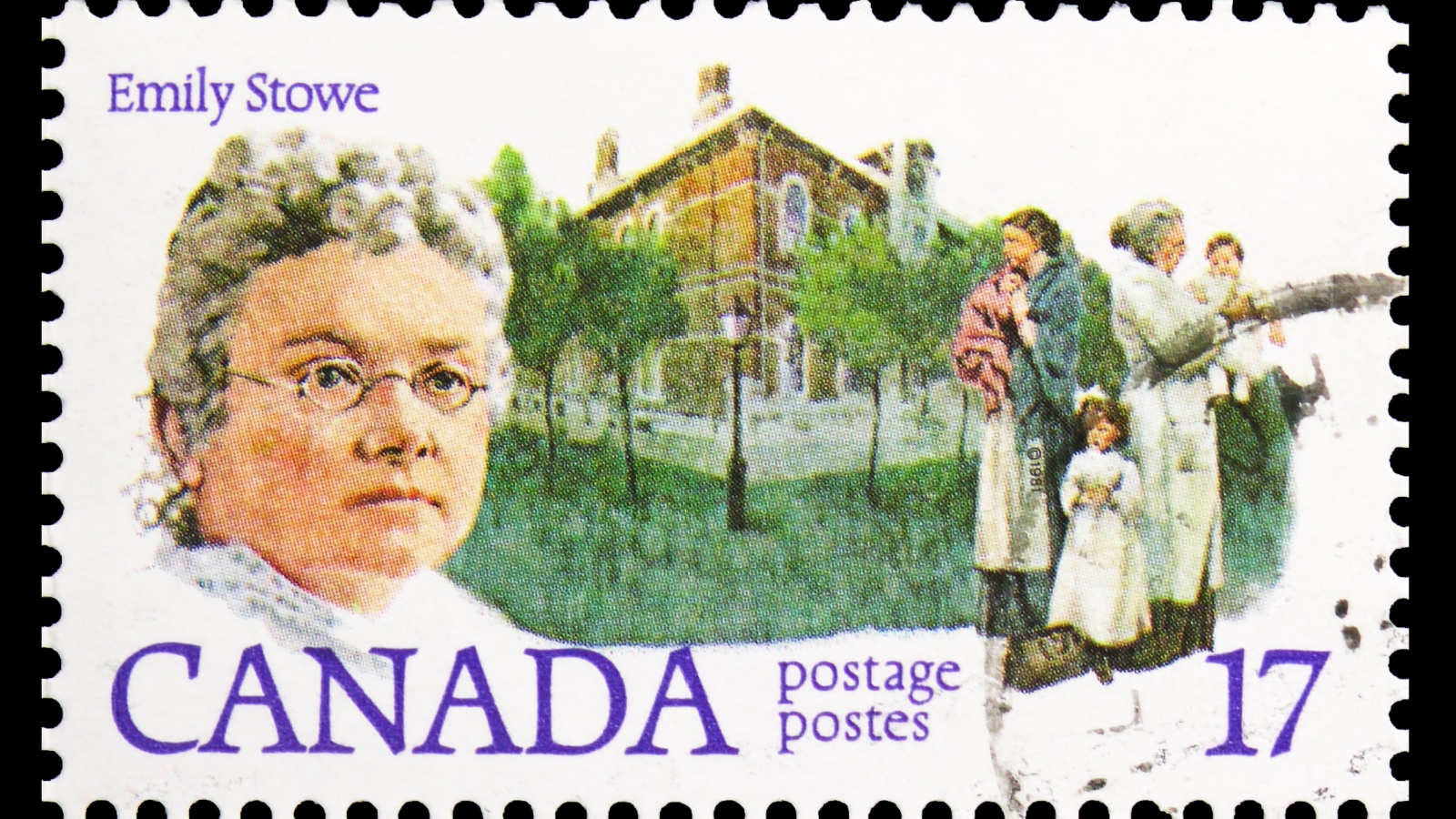
Emily Stowe became the first Canadian woman to earn a medical degree in 1867, breaking gender barriers in a male-dominated profession. She advocated for women’s education and healthcare access, founding organizations to support female medical students. Stowe’s achievements paved the way for future generations of Canadian women in medicine. Her dedication extended beyond her practice as she campaigned for suffrage and equality, leaving a lasting legacy on Canada’s social and professional landscape. Stowe is remembered not only as a physician but also as a pioneering leader in women’s rights.
First Domestically Designed Canadian Car: McLaughlin-Buick, 1907

In 1907, the McLaughlin-Buick became the first car designed and manufactured in Canada, marking a turning point in the country’s automotive industry. This innovation showcased Canadian engineering talent and helped establish a domestic automotive sector. The McLaughlin Motor Car Company, based in Oshawa, Ontario, combined craftsmanship and industrial vision to compete with international brands. The success of the McLaughlin-Buick fostered economic growth, created jobs, and contributed to Canada’s industrial development. It remains a historic symbol of Canadian ingenuity and the beginnings of a thriving automotive tradition.
First Canadian to Summit Mount Everest: Laurie Skreslet, 1982

Laurie Skreslet became the first Canadian to reach the summit of Mount Everest in 1982, achieving a monumental feat in mountaineering. His expedition demonstrated resilience, skill, and determination, highlighting Canada’s presence in extreme adventure sports. Skreslet’s climb inspired future Canadian climbers and elevated the country’s profile in the global mountaineering community. His achievement symbolized the spirit of exploration and the pursuit of personal and national milestones. Skreslet’s success continues to encourage Canadians to embrace outdoor challenges, adventure tourism, and the legacy of perseverance in the world of extreme sports.
First Canadian Astronaut to Command a Space Shuttle: Chris Hadfield, 2013

In 2013, Chris Hadfield became the first Canadian astronaut to command a Space Shuttle mission aboard the International Space Station. His leadership showcased Canada’s contribution to international space exploration and strengthened national pride in scientific achievement. Hadfield became a global ambassador for STEM education, sharing insights about spaceflight and inspiring young Canadians to pursue careers in science and technology. His mission included public engagement through social media, music, and live demonstrations, bridging the gap between space research and everyday life. Hadfield’s role symbolized Canada’s leadership in space exploration and innovation.
First Canadian Nobel Prize Winner: Frederick Banting, 1923
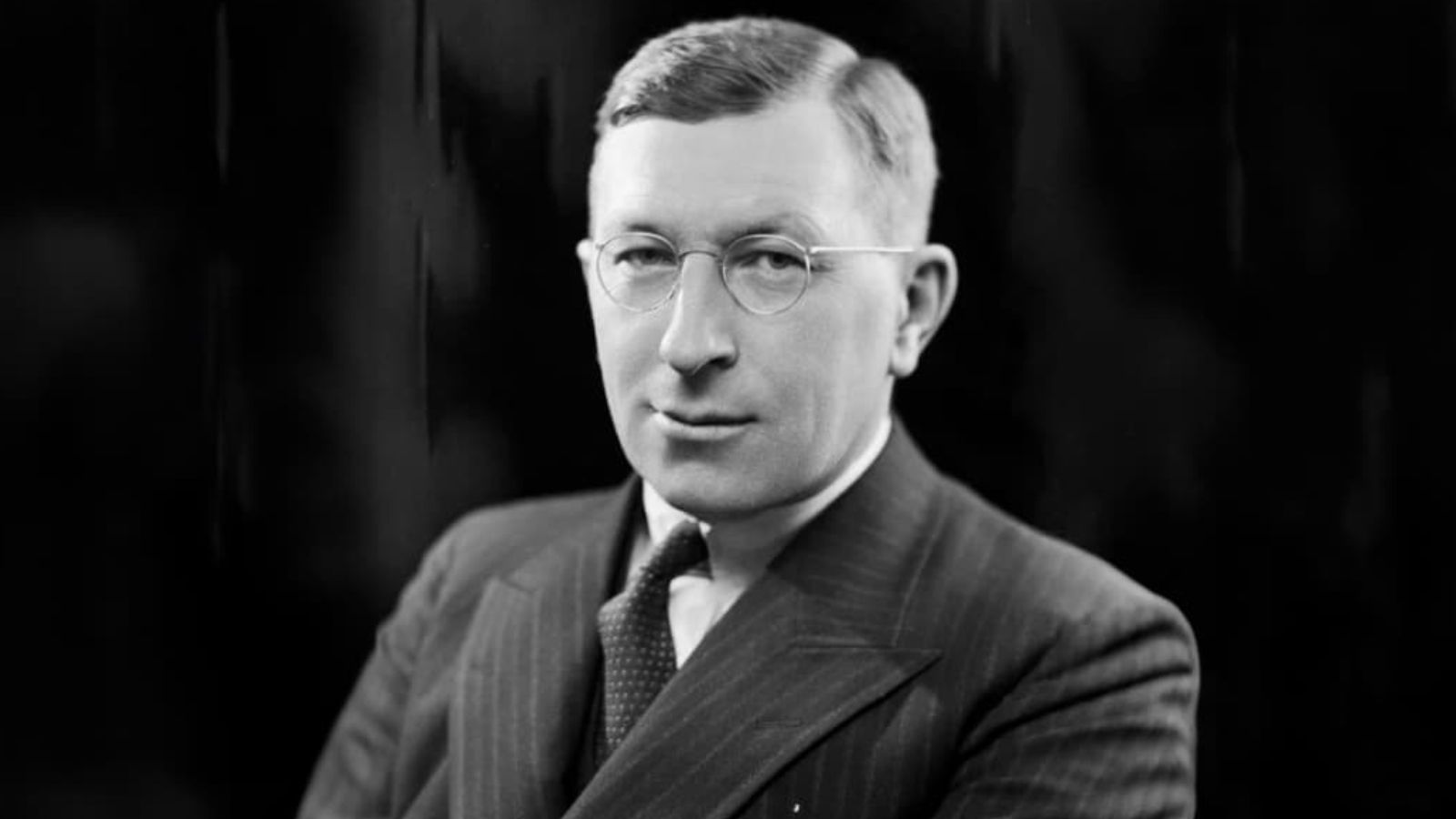
Frederick Banting became Canada’s first Nobel Prize winner in 1923 for the discovery of insulin, revolutionizing diabetes treatment worldwide. His breakthrough medical research saved millions of lives and placed Canada at the forefront of medical innovation. Banting’s work exemplified the importance of scientific curiosity, perseverance, and collaboration. Beyond the Nobel Prize, his legacy inspired ongoing medical research in Canada and globally. Banting’s achievement continues to highlight the country’s commitment to advancing healthcare, education, and innovation, serving as a benchmark for Canadian excellence in scientific discovery.
First Canadian Woman in the House of Commons: Agnes Macphail, 1921
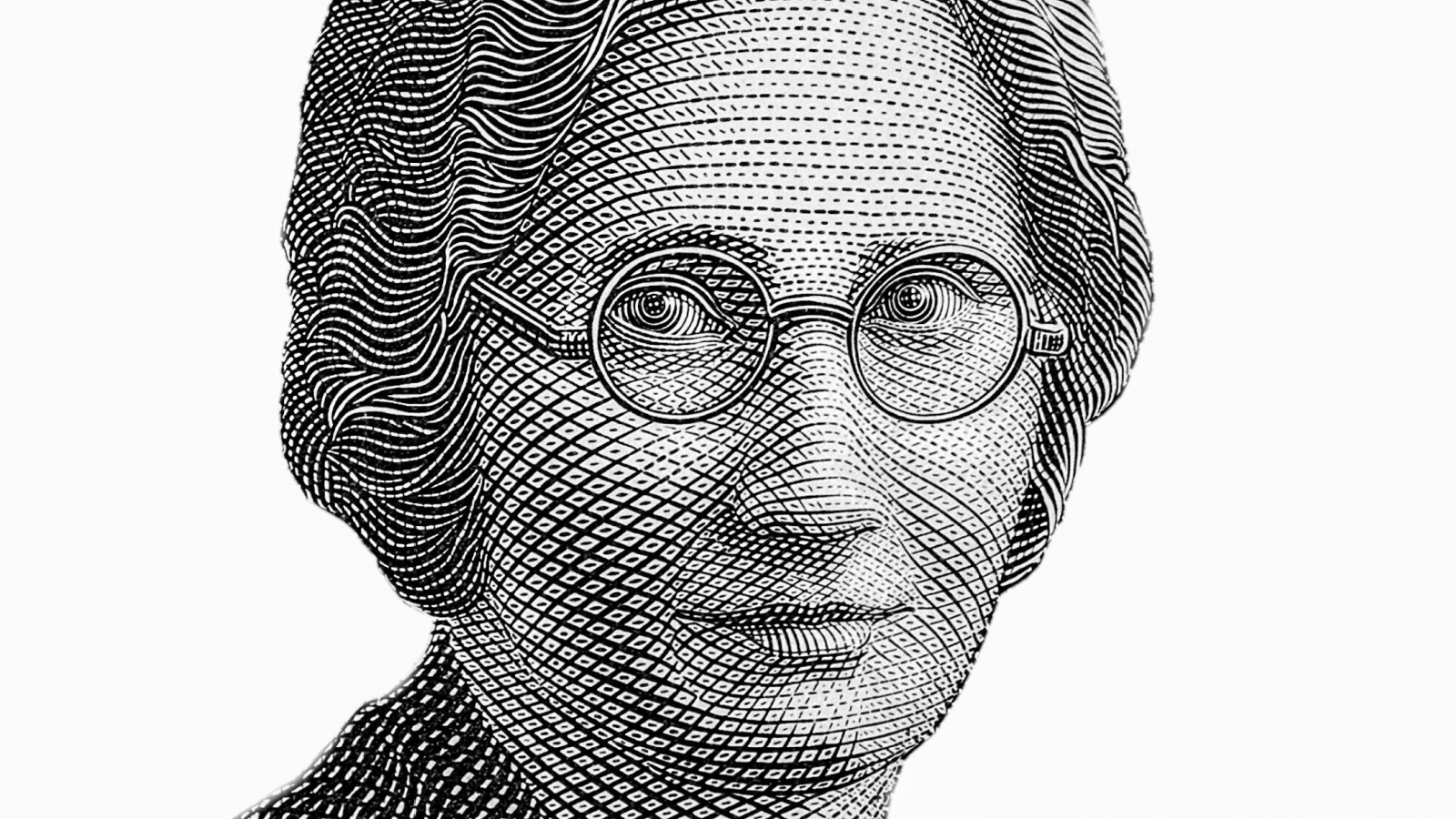
Agnes Macphail became the first Canadian woman elected to the House of Commons in 1921, breaking political barriers and advancing women’s representation in government. She advocated for social justice, prison reform, and rural development, leaving a lasting impact on national legislation. Macphail’s election symbolized the progress of women’s suffrage in Canada and inspired future female politicians. Her tireless work in Parliament and dedication to public service emphasized the importance of diverse voices in shaping policy. Macphail’s pioneering role remains a cornerstone of Canadian political history and women’s rights.
First Canadian to Cross the North Pole: Ralph Plaisted, 1968

Ralph Plaisted became the first verified Canadian to reach the North Pole in 1968, completing the journey via snowmobile. His expedition demonstrated innovative techniques in Arctic travel and highlighted Canada’s expertise in polar exploration. Plaisted’s achievement contributed to the scientific understanding of northern environments and emphasized the challenges of extreme northern expeditions. His success inspired future explorers and underscored Canada’s historical and ongoing connection to the Arctic. Plaisted’s journey remains a symbol of determination, innovation, and the adventurous spirit that defines Canada’s approach to exploration and discovery.
First Canadian Radio Broadcast: Reginald Fessenden, 1901

In 1901, Reginald Fessenden conducted the first Canadian radio broadcast, transmitting voice and music over the airwaves. This pioneering event marked the beginning of radio communication in Canada, connecting communities in unprecedented ways. Fessenden’s work laid the foundation for Canadian broadcasting, influencing public information, entertainment, and culture. Early radio inspired national programming and brought distant regions closer together, fostering shared experiences across the country. His innovation paved the way for future technological advances and set Canada on the path to becoming a leader in communication and media.
First Canadian City to Host the Olympics: Montreal, 1976

Montreal became the first Canadian city to host the Olympic Games in 1976, welcoming athletes and spectators from around the world. The event highlighted Canada’s commitment to international sports and urban development. Montreal invested in infrastructure, venues, and cultural programming, leaving a lasting legacy for future events. Hosting the Olympics fostered national pride, inspired athletes, and showcased Canadian hospitality on a global stage. Despite financial challenges, the 1976 Games marked a milestone in Canada’s sporting history, demonstrating the country’s capacity to organize world-class events and celebrate athletic achievement.
First Canadian Passenger Railway Service: Champlain and St. Lawrence Railroad, 1836

The Champlain and St. Lawrence Railroad, inaugurated in 1836, was Canada’s first passenger railway service, revolutionizing transportation and commerce. Connecting Montreal and La Prairie, it enabled faster movement of people and goods, fostering economic growth. Rail travel transformed daily life, opening access to new towns and resources while inspiring further railway development nationwide. The innovation contributed to Canada’s industrialization and integration of regions. The Champlain and St. Lawrence Railroad represents a pivotal moment in Canadian transportation history, highlighting the nation’s early adoption of technology to improve connectivity, trade, and mobility.
First Canadian to Win a Grammy Award: Anne Murray, 1979

Anne Murray became the first Canadian to win a Grammy Award in 1979, celebrated for her country and pop music achievements. Her win brought international recognition to Canadian artists and elevated the country’s music industry. Murray’s success demonstrated that Canadian talent could compete on a global scale, inspiring future musicians. Her career bridged genres and generations, promoting Canadian culture worldwide. The Grammy Award highlighted the artistic contributions of Canada and paved the way for subsequent artists to gain international acclaim, reinforcing the nation’s presence in the global music scene.
First Canadian NHL Team to Win the Stanley Cup: Montreal Canadiens, 1916

The Montreal Canadiens became the first Canadian NHL team to win the Stanley Cup in 1916, cementing their place in hockey history. This victory symbolized Canada’s deep connection to the sport and inspired national pride. The Canadiens’ achievement helped establish professional hockey as a major Canadian pastime and strengthened fan culture across the country. Winning the Stanley Cup contributed to the NHL’s growth and showcased Canadian talent on a professional stage. The 1916 triumph remains a milestone in Canadian sports history, representing the enduring passion and legacy of hockey in the nation.
First Official Canadian Flag Unveiling: 1965

Canada unveiled its first official national flag in 1965, replacing previous symbols and marking a significant moment in national identity. The red and white maple leaf flag became a unifying emblem, representing Canadian values, heritage, and pride. Its introduction followed years of debate and signified Canada’s independence and cultural maturity on the global stage. The flag fostered national unity and became a symbol of Canada’s distinct identity separate from colonial influences. Its design and symbolism continue to evoke patriotism and recognition internationally, highlighting a key milestone in the country’s history and identity.
First Canadian Woman Astronaut in Space: Roberta Bondar, 1992

Roberta Bondar became the first Canadian woman astronaut in space in 1992, joining the Space Shuttle mission Discovery. Her journey broke gender barriers in Canadian space exploration and showcased Canada’s scientific contributions internationally. Bondar’s achievement inspired women and girls to pursue STEM careers and reinforced the importance of diversity in aerospace fields. Her mission included scientific experiments, Earth observation, and public outreach, highlighting Canada’s role in global space research. Bondar’s pioneering flight represents a historic milestone in Canadian exploration, scientific advancement, and the empowerment of women in traditionally male-dominated disciplines.
22 Groceries to Grab Now—Before another Price Shock Hits Canada

Food prices in Canada have been steadily climbing, and another spike could make your grocery bill feel like a mortgage payment. According to Statistics Canada, food inflation remains about 3.7% higher than last year, with essentials like bread, dairy, and fresh produce leading the surge. Some items are expected to rise even further due to transportation costs, droughts, and import tariffs. Here are 22 groceries to grab now before another price shock hits Canada.
22 Groceries to Grab Now—Before another Price Shock Hits Canada
