More Canadians are paying closer attention to everyday household spending. Store brands now offer better quality than many remember. Price differences between name and store brands stand out more. Packaging may look simpler, but function often stays the same. Many households use these products daily. Small savings on each item add up over months. Advertising plays a smaller role in store brand pricing. Shoppers compare unit prices more carefully now. Here are 20 household products Canadians are switching to store brands for (and not looking back).
Paper Towels
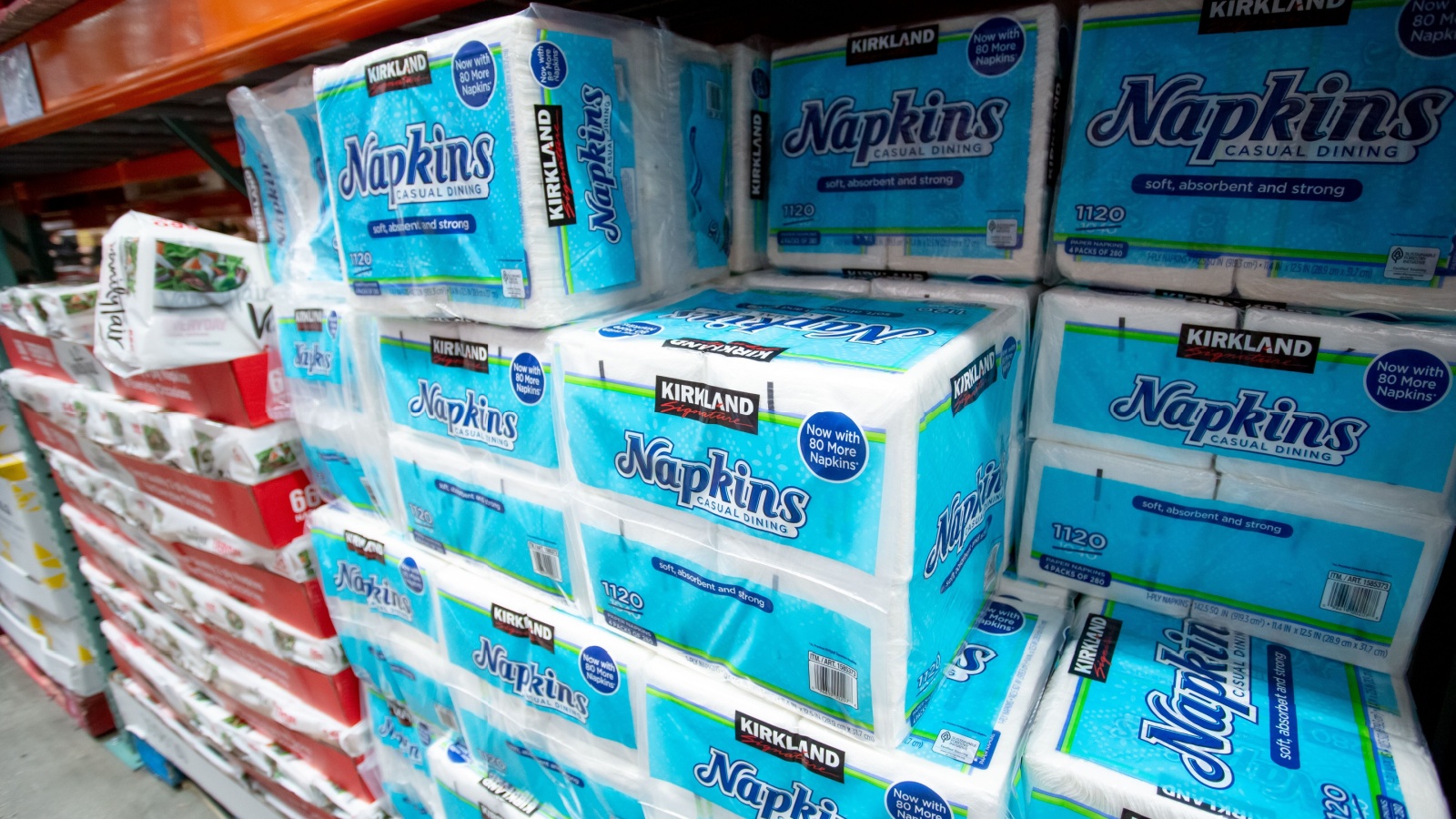
Many Canadians now choose store-brand paper towels over name brands. Price differences per roll can be noticeable. Quality has improved in absorbency and strength. Store options often match thickness and sheet size. Multi-roll packs lower the cost per sheet. Households that use towels daily see savings quickly. Name brands rely on marketing and packaging. Store brands focus more on value. Performance for spills and cleaning remains similar. Comparing unit price per sheet shows clear differences. Frequent buyers see long-term savings. Switching is practical without sacrificing core quality.
Toilet Paper
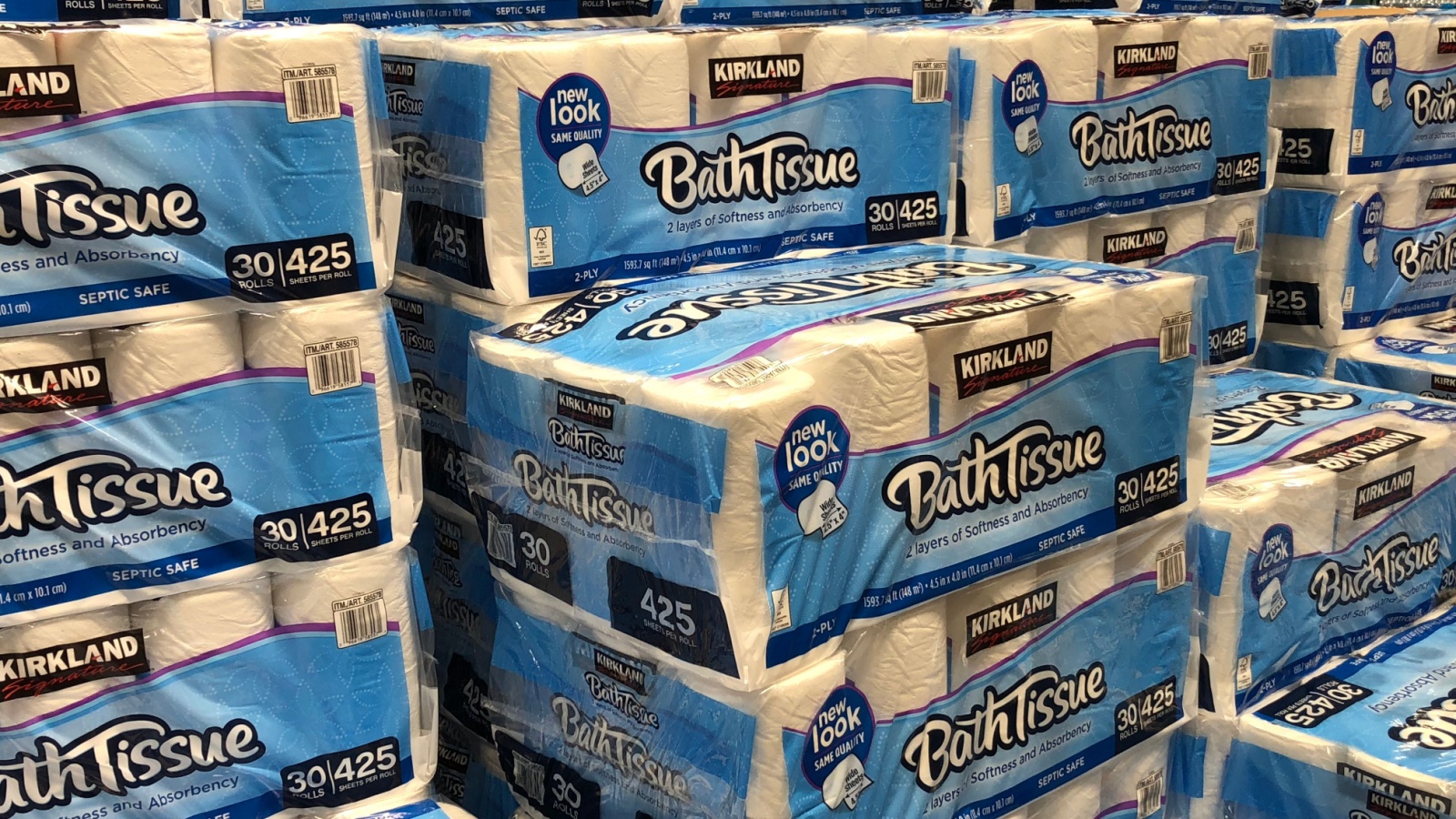
Store brand toilet paper has become a common switch. Price per roll often beats major brands. Softness and ply count now compare closely. The packaging may look simpler, but the functionality remains similar. Large packs reduce cost per sheet. Households go through rolls quickly each month. Name brands charge more for branding. Store brands focus on everyday use. Performance in strength and comfort meets expectations. Unit price comparisons show the value gap. Savings add up across a year. Many shoppers no longer see a reason to pay extra.
Dishwashing Liquid
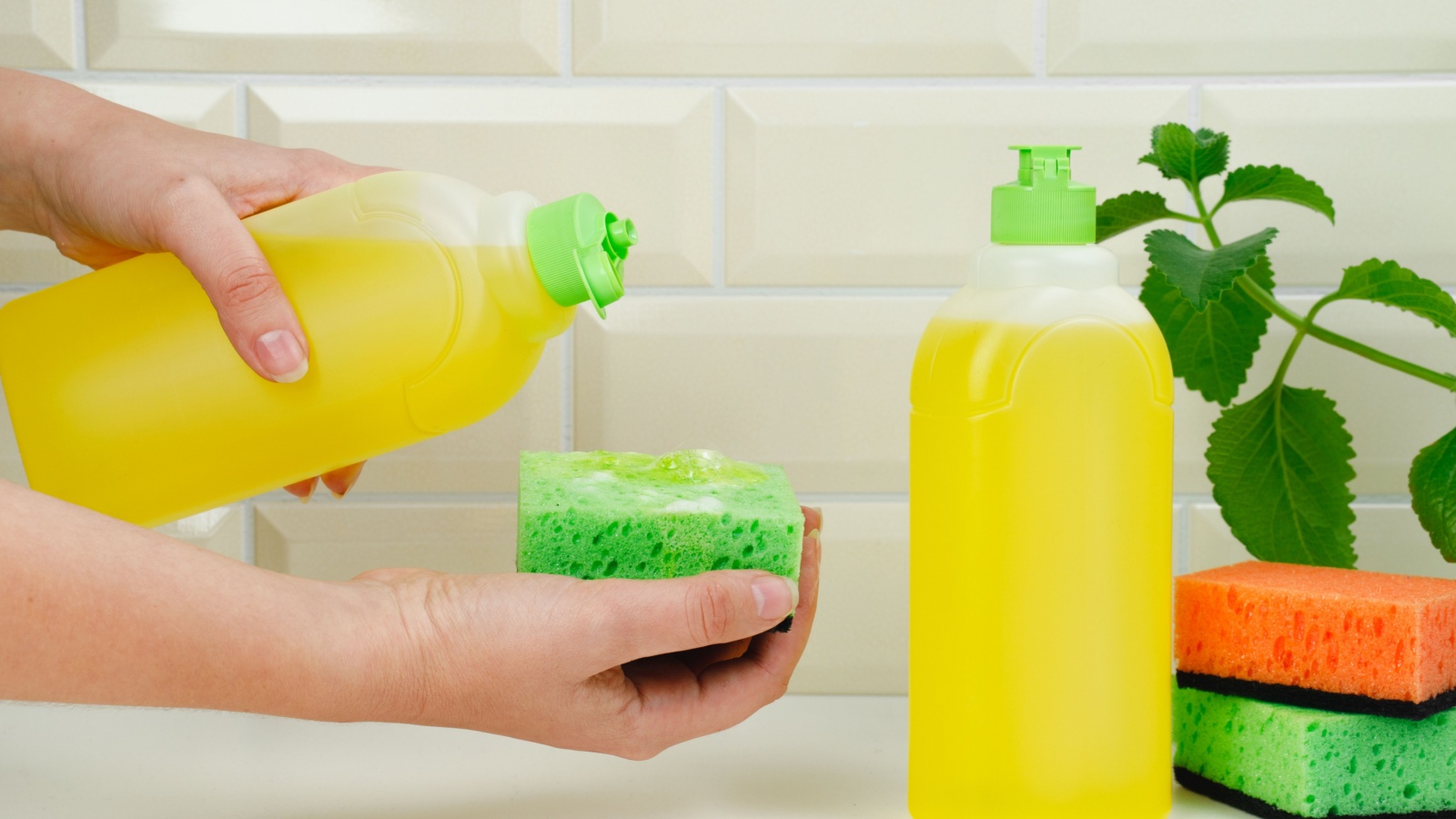
Store brand dishwashing liquid now competes well in performance. Price per bottle is usually lower. Concentration levels often match name brands. A small amount is still sufficient for greasy dishes. Packaging may be basic but functional. Households washing dishes daily notice savings. Large refill sizes lower the cost per use. Scent options may be limited, but they remain effective. Comparing the cost per millilitre shows the difference. Name brands invest more in advertising. Store brands focus on cleaning ability. Many shoppers find similar results at a lower cost.
Laundry Detergent
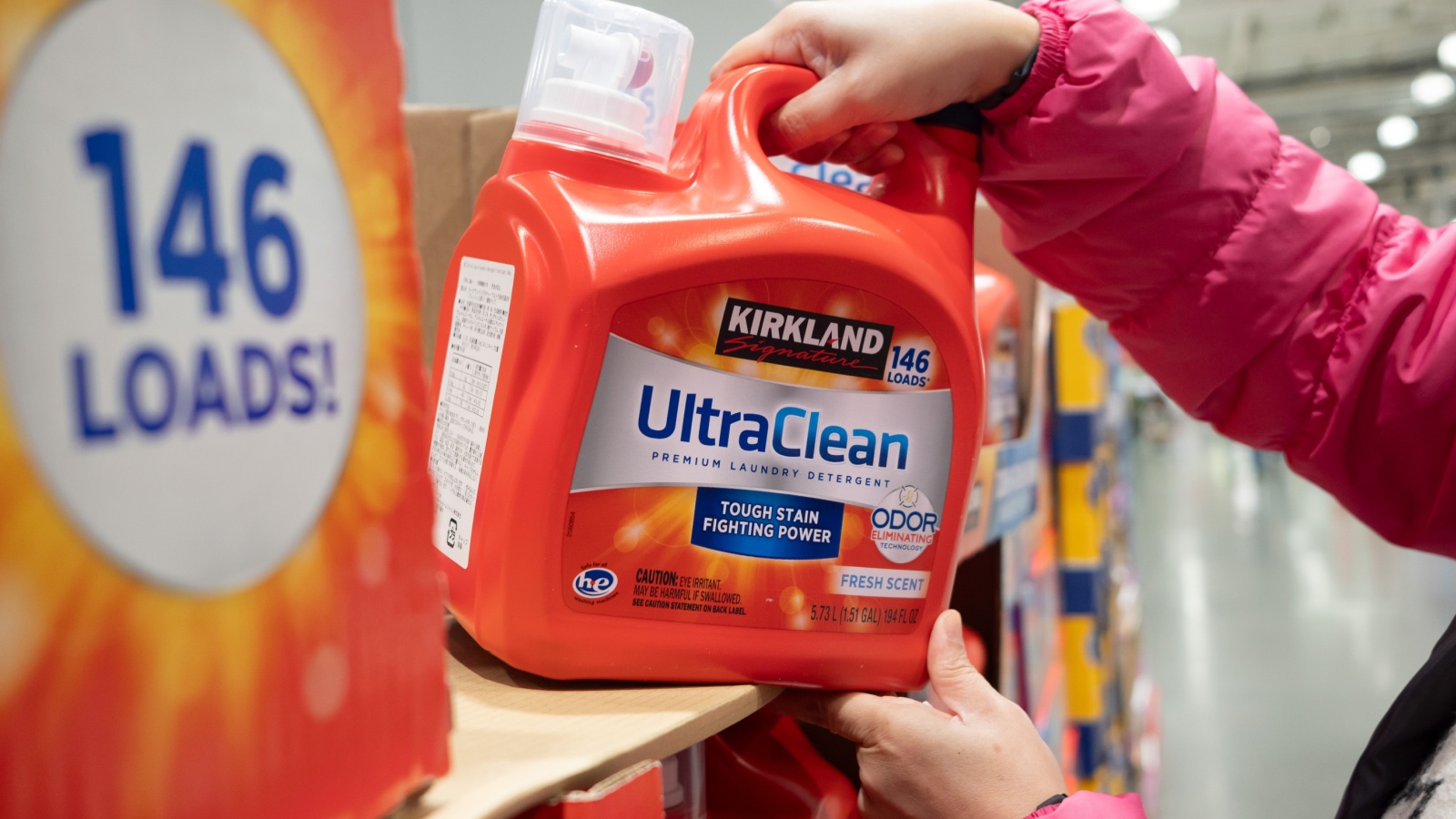
Store-brand laundry detergent has improved cleaning performance. Prices per load often undercut name brands. Both liquid and powder versions offer value. Performance on everyday stains feels similar. Large containers reduce cost per wash. Packaging may look simple, but it is effective. Households doing frequent loads benefit most. Scent choices may be limited but acceptable. Comparing prices per load clearly shows savings. Name brands spend more on marketing. Store options focus on basic performance. Many Canadians now switch without noticing a difference.
All-Purpose Cleaning Spray

Store brand all-purpose cleaning sprays now match brand performance. Prices per bottle remain lower. These sprays handle kitchen and bathroom surfaces well. Ingredients often resemble name-brand formulas. Packaging may be less decorative. Households using spray cleaners daily save over time. Refill bottles further reduce cost. Scent options remain simple but effective. Comparing the price per millilitre shows clear value. Brand loyalty matters less when results feel similar. Store brands focus on function. Many shoppers switch and continue buying them regularly.
Garbage Bags

Store brand garbage bags now offer similar strength at a lower cost. The price per bag is usually much lower. Thickness and tear resistance have improved over time. Large value packs reduce cost per use. Households replacing bags weekly feel savings quickly. Name brands charge more for branding and scent options. Store versions still handle everyday waste well. Drawstring closures often match performance. Comparing the unit price per bag shows a clear value. Heavy-duty versions also come in store lines. Many shoppers no longer see a difference in durability.
Aluminum Foil

Store brand aluminum foil now matches name brands in thickness. Price per metre is often lower. Rolls handle cooking and storage needs well. Heavy-duty options also exist at the store level. Packaging may be simpler, but function remains. Households using foil regularly notice savings. Name brands rely on reputation and advertising. Store versions focus on basic performance. Comparing the cost per metre shows the difference clearly. Tearing and heat resistance feel similar. Switching reduces kitchen supply expenses over time.
Plastic Food Wrap

Store brand plastic food wrap offers similar cling and stretch. Price per metre is usually lower. Rolls cover bowls and leftovers effectively. Performance in sealing food stays reliable. Packaging design may look basic. Households using wrap often save steadily. Name brands emphasize branding and claims. Store versions focus on everyday use. Comparing unit prices per metre shows better value. Rolls may even be longer than brand options. Switching does not reduce convenience. Many shoppers continue buying store versions without issues.
Sandwich Bags

Store brand sandwich bags now compare closely in quality. Price per bag remains lower in large packs. Seal closures often work just as well. Thickness handles snacks and lunches reliably. Households packing meals daily benefit most. Name brands charge more for familiar labels. Store versions still prevent leaks and spills. Comparing cost per bag highlights savings. Bulk boxes stretch across many weeks. Design differences remain minimal. Many shoppers find no reason to pay more.
Baking Soda
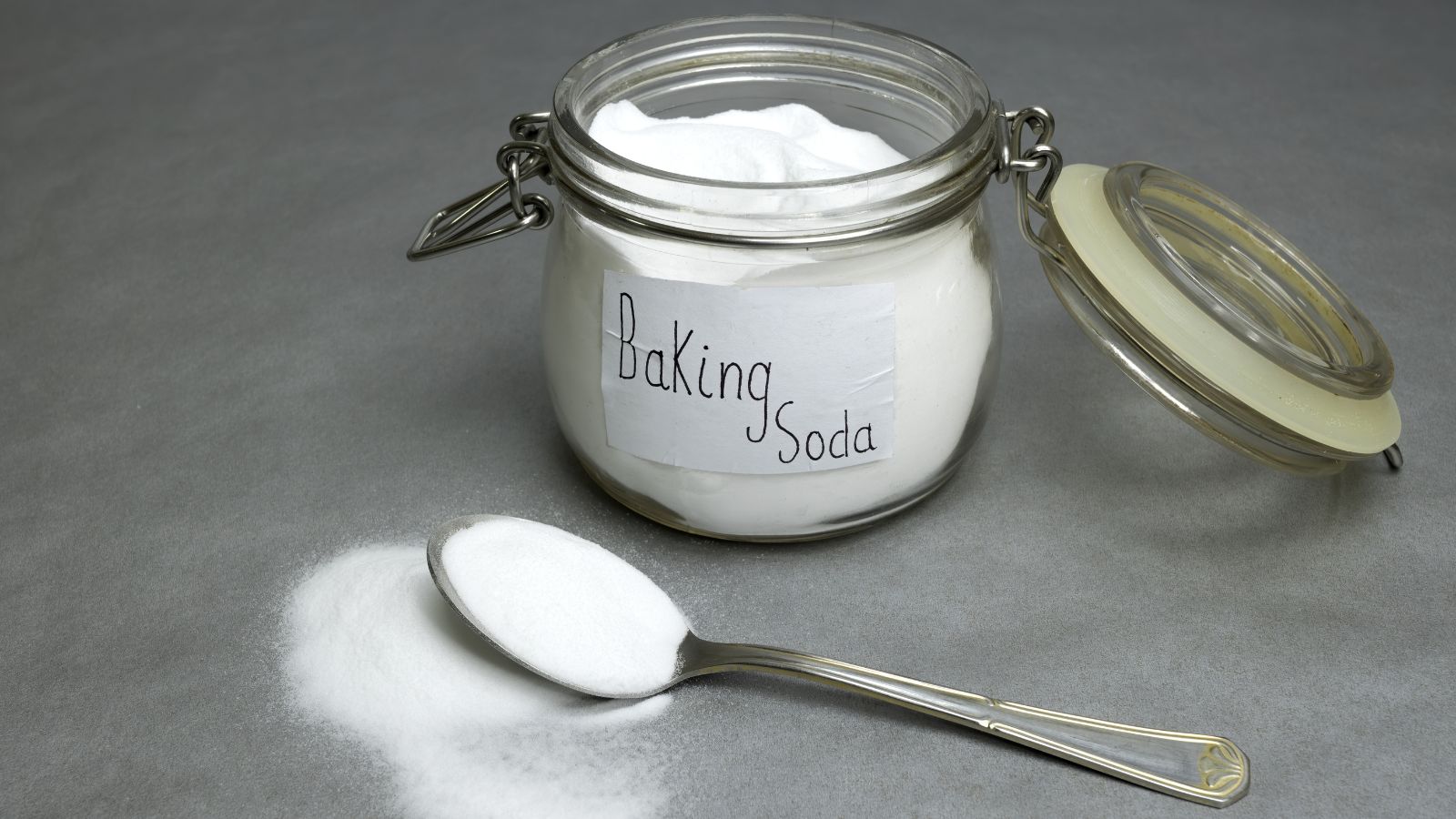
Store-brand baking soda performs the same function at a lower cost. It works for baking, cleaning, and deodorizing. Price per gram is usually much cheaper. Packaging may be simple cardboard boxes. Households use baking soda in many ways. Name brands focus on recognition rather than formula changes. Store versions contain the same basic ingredient. Comparing unit prices clearly shows value. Larger boxes extend use over time. Switching reduces spending on pantry staples. Most shoppers notice no difference in performance.
White Vinegar

Store-brand white vinegar performs as well as name brands. Price per litre is usually lower. It works for cooking, cleaning, and deodorizing. Packaging differences do not affect use. Households using vinegar often see savings. Name brands rely on brand trust and labels. Store versions contain the same acidity level. Comparing unit prices highlights the gap. Larger bottles stretch further for cleaning tasks. Switching helps cut grocery and household costs. Many Canadians now buy store brands regularly.
Hand Soap

Store brand hand soap now competes well on price and performance. Bottles usually cost less than name brands. Liquid formulas still remove dirt effectively. Scent options may be simpler but pleasant. Refill pouches have a lower cost per use. Households using soap frequently see savings quickly. Packaging may look basic, but it is functional. Name brands spend more on marketing. Store versions focus on cleaning ability. Comparing the price per millilitre shows a clear value. Foam and liquid types are both available. Many shoppers switch without noticing a difference.
Shampoo

Store brand shampoo has improved in quality over time. Prices per bottle are usually lower. Basic cleansing performance feels similar. Scent and texture options remain varied enough. Packaging may look less premium. Households buying regularly notice savings. Name brands highlight special formulas and claims. Store versions cover everyday hair care needs. Comparing the cost per millilitre shows a gap. Large bottles stretch further. Many Canadians now use store brands comfortably. Switching often reduces spending without major changes.
Body Wash

Store brand body wash now matches brand options in cleaning. Prices per bottle remain lower. Formulas still create good lather. Scent choices may be limited but effective. Packaging tends to be simple. Households using body wash daily see savings. Name brands invest in advertising and packaging. Store versions focus on basic performance. Comparing unit prices reveals better value. Larger bottles have a lower cost per use. Many shoppers report similar results. Switching becomes an easy way to reduce costs.
Toothpaste

Store-brand toothpaste often contains similar active ingredients. Prices per tube are usually lower. Cleaning and cavity protection remain effective. Packaging may look less branded. Households replacing toothpaste often save over time. Name brands focus on specialized claims. Store versions handle everyday oral care. Comparing cost per gram shows clear value. Flavor choices may be fewer, but adequate. Many shoppers see little difference in use. Switching supports steady savings.
Facial Tissues

Store brand facial tissues now match softness and strength. Prices per box remain lower than name brands. Packaging may be simpler. Tissue count per box often stays high. Households using tissues daily benefit most. Name brands charge more for design and branding. Store versions still handle everyday needs well. Comparing cost per tissue highlights savings. Bulk packs stretch further. Many shoppers continue buying store options. Performance differences feel minimal.
Air Fresheners

Store-brand air fresheners now offer comparable scent performance. Prices per unit are usually lower. Spray and plug-in versions both exist. Fragrance duration may be slightly shorter. Packaging remains basic but functional. Households using them often save steadily. Name brands emphasize scent variety and branding. Store versions focus on value. Comparing unit prices shows a noticeable gap. Refills cost less in store lines. Many shoppers find the results acceptable. Switching helps reduce routine household spending.
Light Bulbs

Store-brand light bulbs now offer comparable brightness and lifespan. LED options dominate shelves in most stores. Prices per bulb are usually lower than those of name brands. Energy efficiency ratings often match closely. Packaging may look simpler, but performance stays steady. Households replacing multiple bulbs see savings quickly. Wattage and colour temperature options remain available. Name brands charge more for reputation. Store versions focus on everyday lighting needs. Comparing price per bulb highlights value. Long lifespans reduce replacement frequency. Many Canadians now switch without noticing a difference.
Batteries
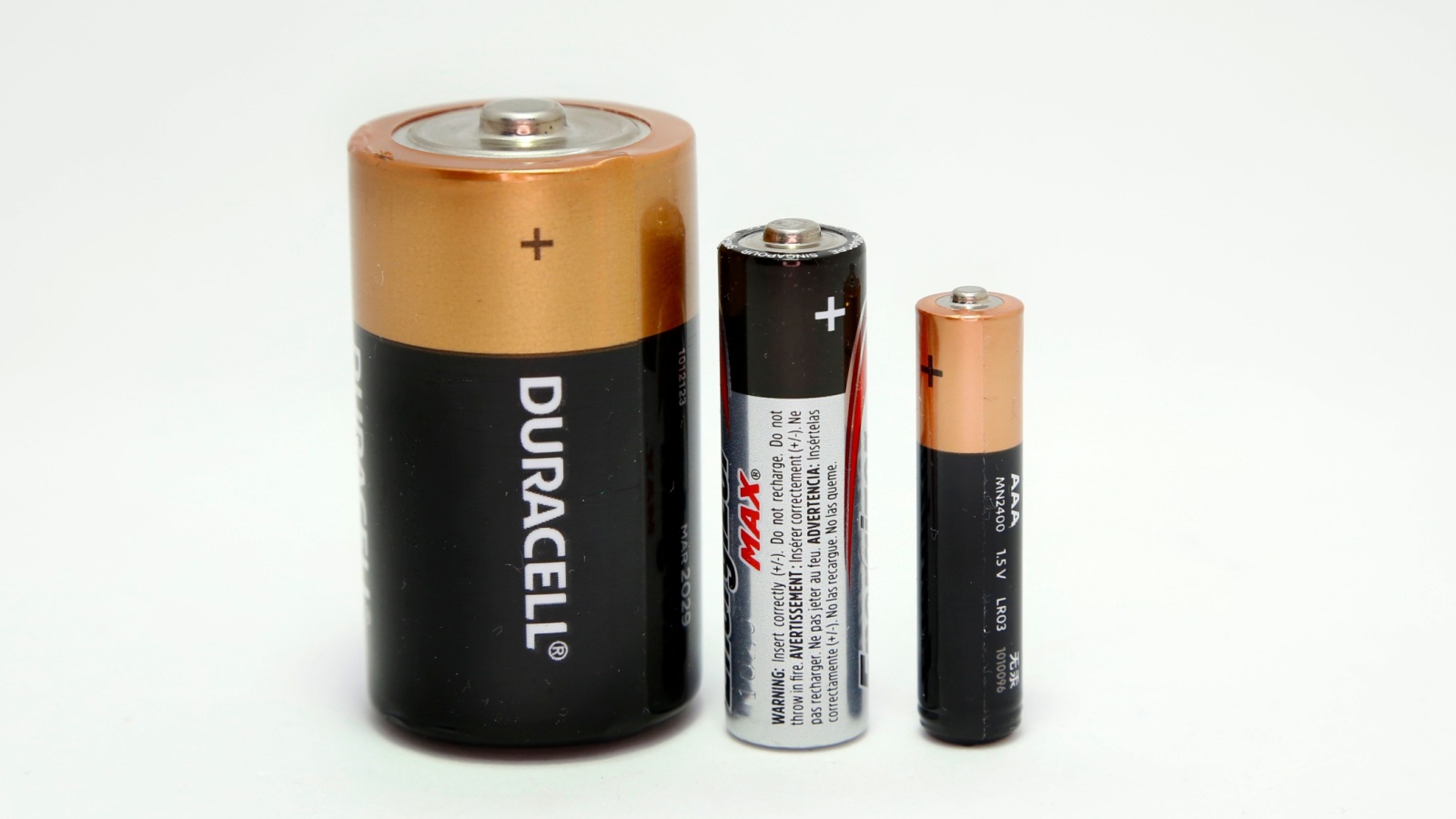
Store brand batteries have improved in reliability and shelf life. Prices per pack remain lower than name brands. Performance in low-drain devices feels similar. Bulk packs further reduce the cost per battery. Households using remotes and toys benefit most. Packaging may be less flashy but practical. Name brands rely on strong brand recognition. Store versions focus on basic power needs. Comparing costs per battery clearly shows savings. Rechargeable store options also exist. Many shoppers now buy store brands regularly.
Kitchen Sponges

Store-brand kitchen sponges now match cleaning performance. Prices per pack are usually lower. Scrubbing surfaces still feels durable. Multi-packs reduce the cost per sponge. Households replacing sponges often notice savings. Packaging remains simple and functional. Name brands charge more for recognition. Store versions still handle dishes and surfaces effectively. Comparing unit prices shows a better value. Texture and absorbency feel similar. Many shoppers switch without issue. Choosing store brands helps lower routine kitchen costs.
22 Groceries to Grab Now—Before another Price Shock Hits Canada

Food prices in Canada have been steadily climbing, and another spike could make your grocery bill feel like a mortgage payment. According to Statistics Canada, food inflation remains about 3.7% higher than last year, with essentials like bread, dairy, and fresh produce leading the surge. Some items are expected to rise even further due to transportation costs, droughts, and import tariffs. Here are 22 groceries to grab now before another price shock hits Canada.
22 Groceries to Grab Now—Before another Price Shock Hits Canada
