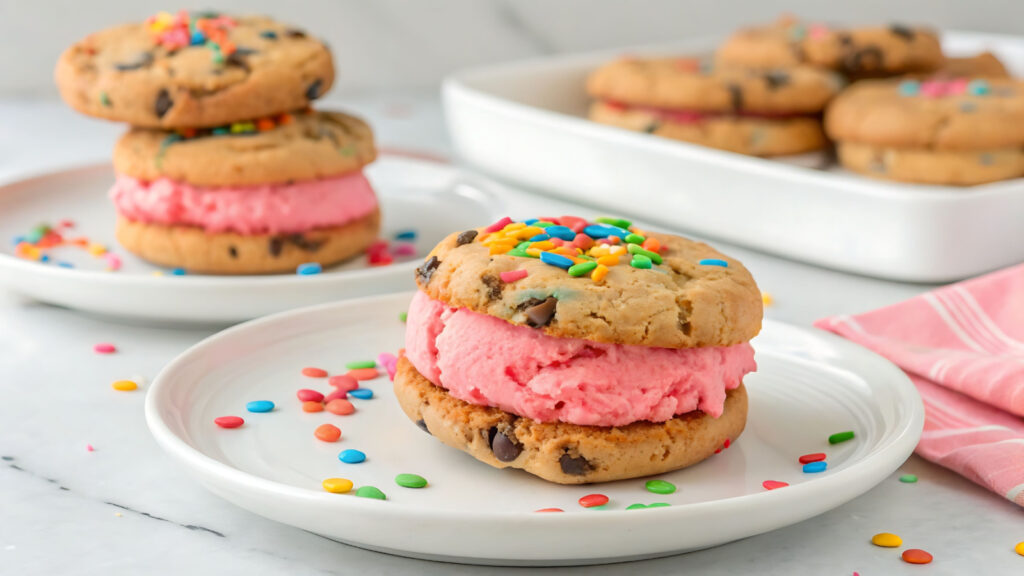
Food trends move quickly, especially with social media shaping what people try next. In Canada, many once-popular dishes focused more on appearance than taste. Towering portions, flashy colors, and dramatic presentations filled menus. At first, the novelty attracted attention and photos. Over time, diners began wanting meals that felt practical and enjoyable. Balance, flavor, and portion size started to matter more. Restaurants noticed these shifts in preferences. Some eye-catching trends slowly faded from menus. Here are 20 “overrated” food trends Canadians are done with (finally).
Overloaded Freakshakes
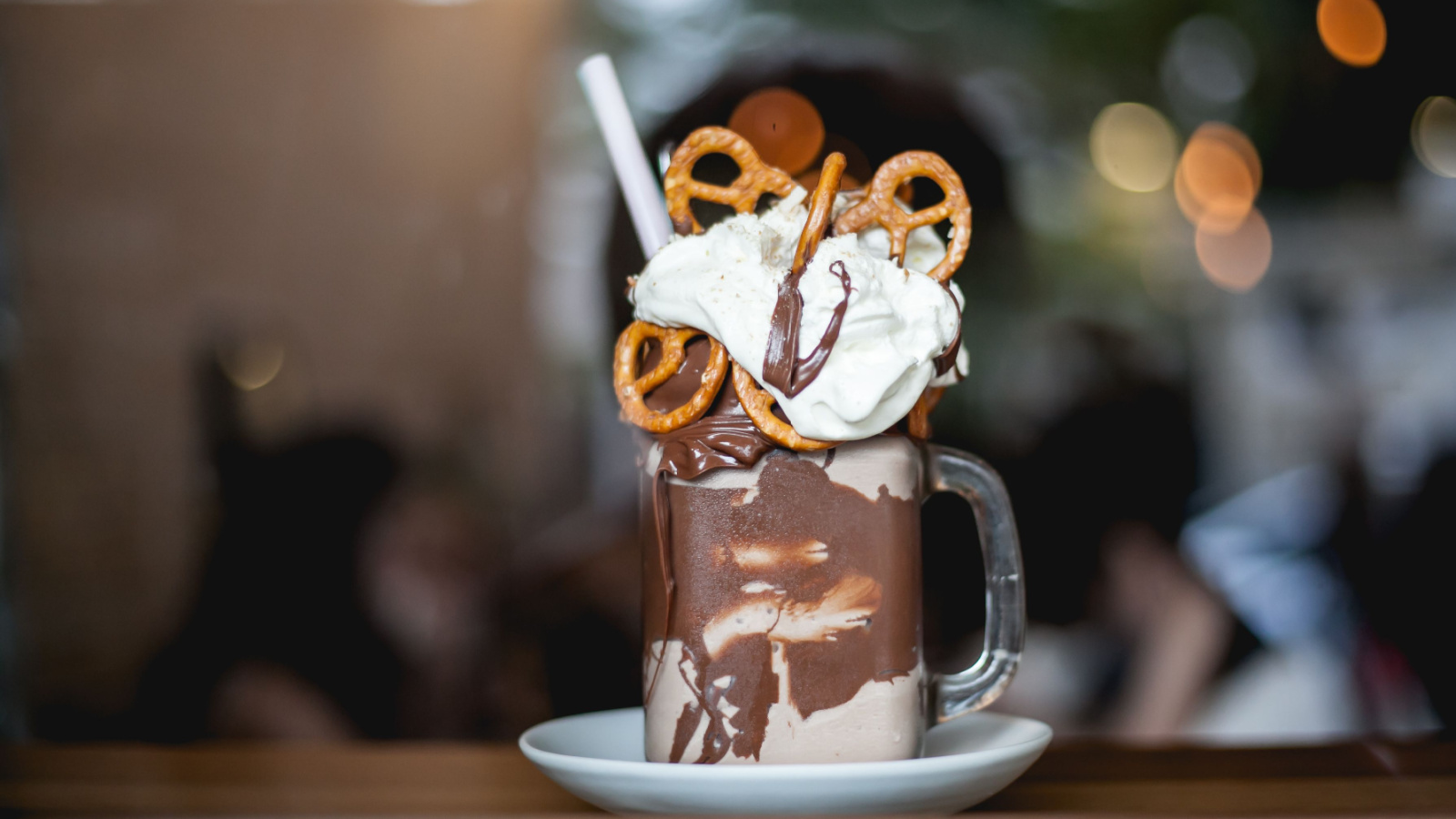
Freakshakes once drew crowds with towering toppings and oversized glasses. Many Canadians now see them as more of a spectacle than a dessert. These drinks often include candy, cookies, and heavy sauces. The portions can feel overwhelming to finish. Price also became a concern. Customers began choosing simpler sweets instead. The trend focused more on photos than flavor balance. Cleanup and practicality also played a role. Carrying such drinks can be messy. Restaurants are shifting toward smaller, better-balanced treats. Visual appeal still matters, yet taste and portion control are getting more attention than extreme presentations.
Rainbow Colored Foods
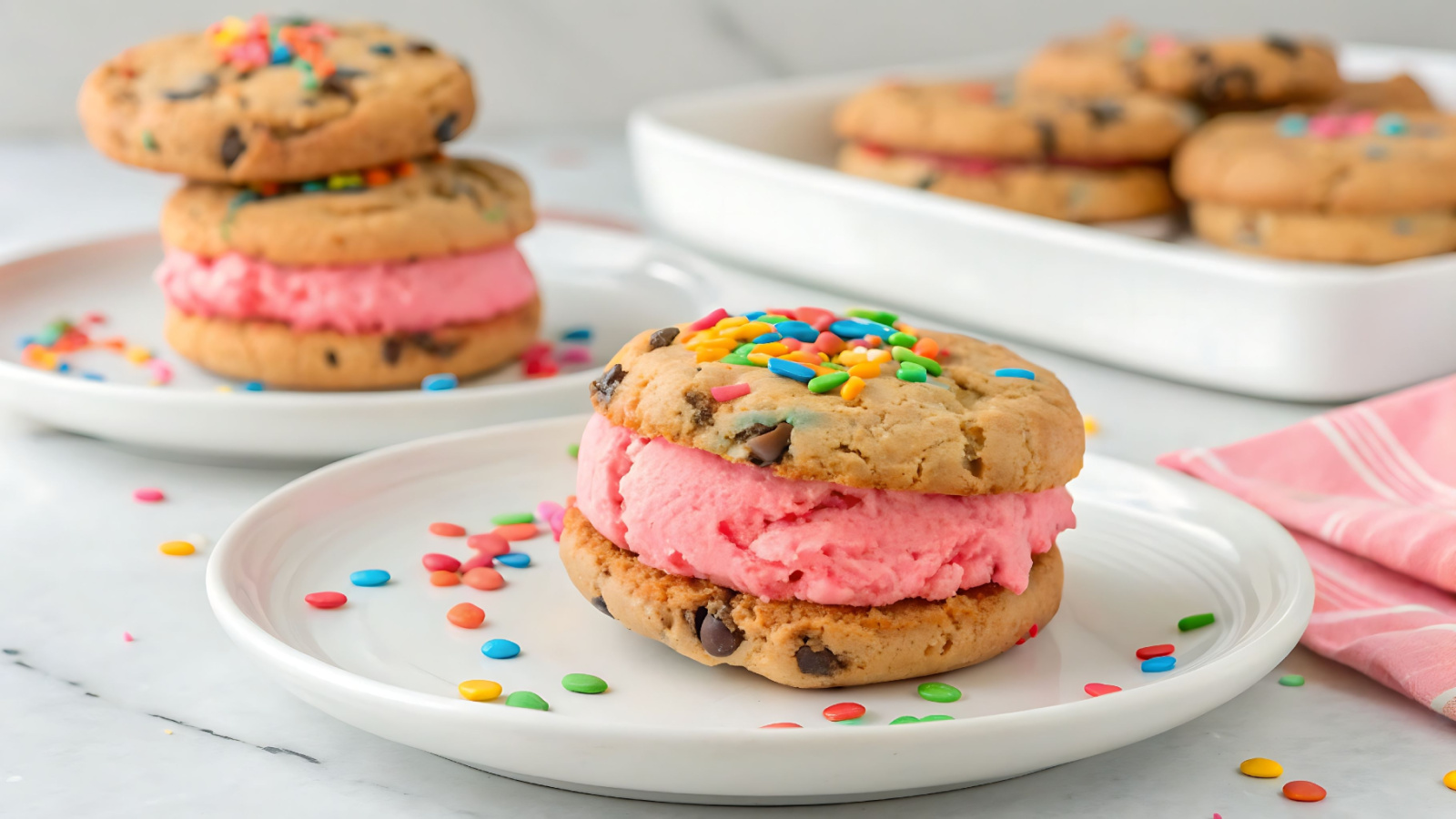
Rainbow colored foods became popular through social media visuals. Bright layers appeared in cakes, drinks, and grilled cheese. Many Canadians enjoyed the novelty at first. Over time, the focus on color felt less interesting. Artificial coloring raised questions for some diners. The taste often stayed similar despite dramatic looks. Visual trends can fade quickly once the surprise is gone. Restaurants noticed a decline in demand for such items. Natural ingredients and simpler presentations are gaining ground. Diners now lean toward flavor-driven choices. Colorful foods still appear occasionally, but they no longer dominate menus as they did before.
Over the Top Milkshakes
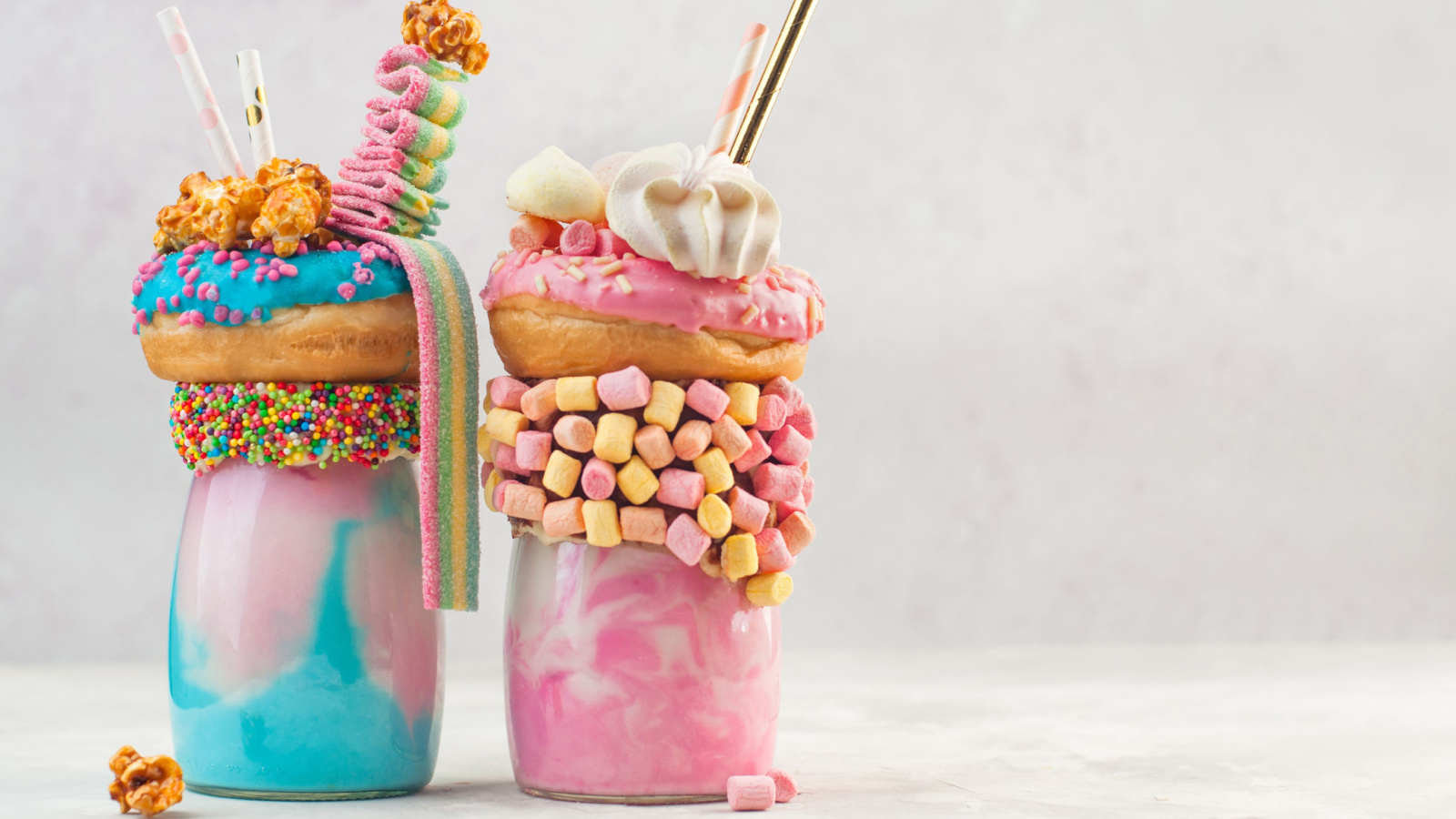
Over-the-top milkshakes once filled menus with whipped cream towers and candy bars. These drinks looked impressive on camera. Many Canadians later found them too heavy to enjoy fully. High sugar levels also became a concern. Drinking such large portions can feel overwhelming. The novelty wore off after repeated exposure. Restaurants shifted toward classic or smaller versions. Customers began preferring balanced flavors. Simpler milkshakes often cost less as well. Practical enjoyment started to matter more than visual size. The focus has moved from excess to taste and portion comfort.
Activated Charcoal Everything

Activated charcoal appeared in foods like ice cream, drinks, and baked goods. The dark color made items stand out visually. Many Canadians tried it for novelty. Interest declined as questions about benefits arose. The flavor difference often felt minimal. Some people worried about charcoal interacting with medications. Health claims around detox effects lacked strong support. Restaurants reduced these items over time. Diners shifted back to familiar flavors. The trend showed how visual appeal can drive short-term interest. Now, charcoal foods appear less often as people focus more on taste and trusted ingredients.
Extreme Spicy Food Challenges
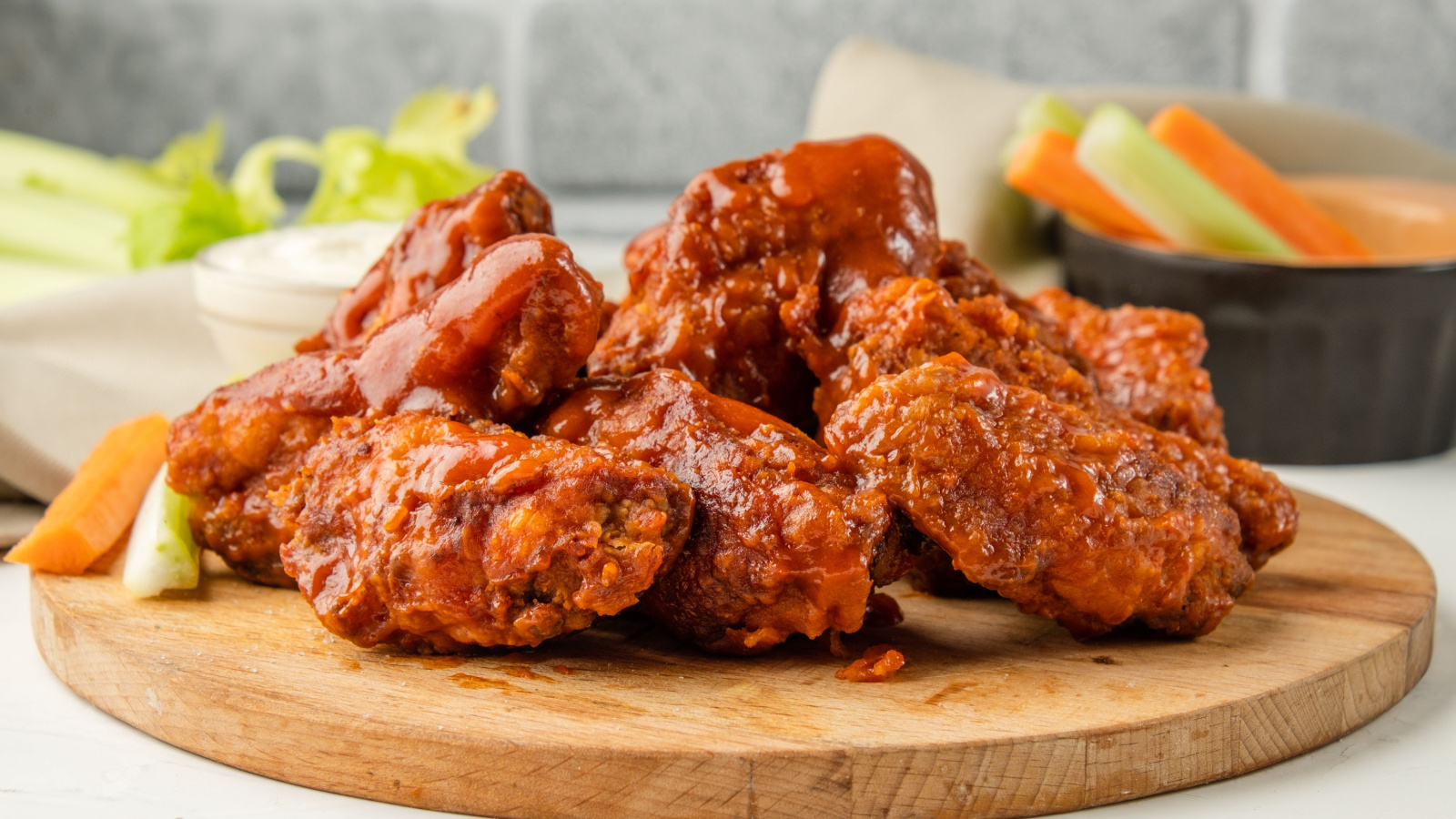
Extreme spicy food challenges once attracted attention online. Restaurants offered very hot wings or sauces for daring customers. Many Canadians tried them for the experience. Over time, the focus on pain over flavor felt less appealing. Some diners experienced discomfort rather than enjoyment. Challenges often centered on reaction videos. Restaurants began moving toward balanced spice levels. Flavorful heat is still popular. Extreme versions now draw smaller interest. Diners prefer dishes where spice supports taste rather than overpowering it. The shift reflects a move from shock value toward more enjoyable eating experiences.
Gold Leaf Toppings on Desserts

Gold leaf desserts once signaled luxury and exclusivity. Shiny toppings appeared on cakes, chocolates, and drinks. Many Canadians tried them for the visual appeal. Over time, people questioned the value behind the price. Gold leaf adds appearance rather than flavor. Diners began focusing more on taste and ingredients. The trend often felt like decoration without purpose. The photos looked impressive, yet the eating experience stayed the same. Restaurants started returning to simpler presentations. Customers now prefer desserts that highlight texture and balance. Visual shine alone no longer justifies high prices for many diners across Canada.
Overstuffed Burgers That Fall Apart
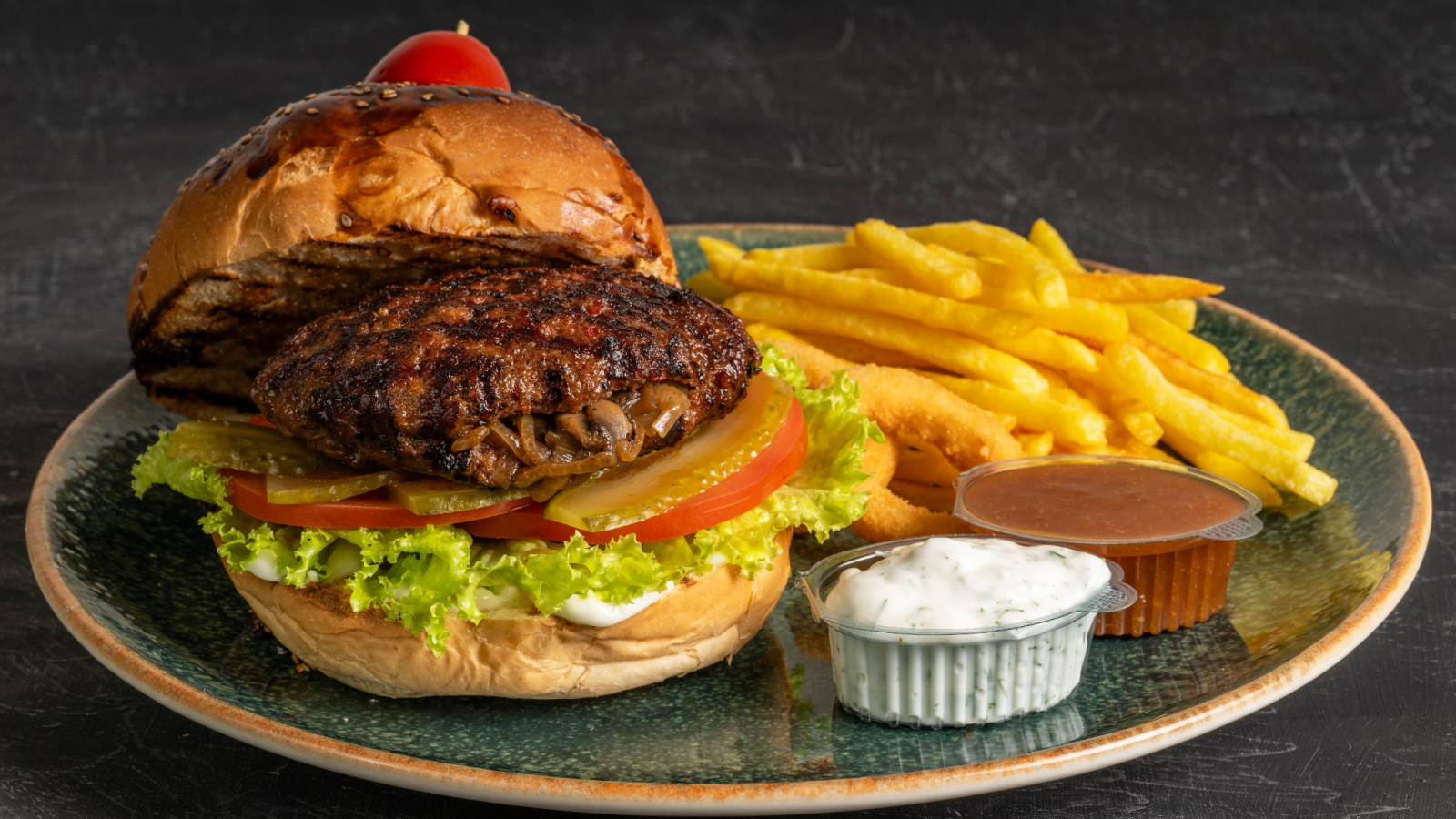
Large burgers packed with layers of toppings became a social media trend. Many Canadians found it difficult to eat neatly. Ingredients often slipped out with each bite. The focus on size sometimes reduced balance. Too many toppings can hide the patty flavor. Messy presentation also made dining less enjoyable. Restaurants noticed a shift toward practical builds. Burgers now aim for better structure and proportion. Flavor balance matters more than height. Customers prefer meals that feel satisfying and manageable. The move away from overloaded burgers reflects interest in comfort and ease rather than extreme presentation.
Deconstructed Dishes
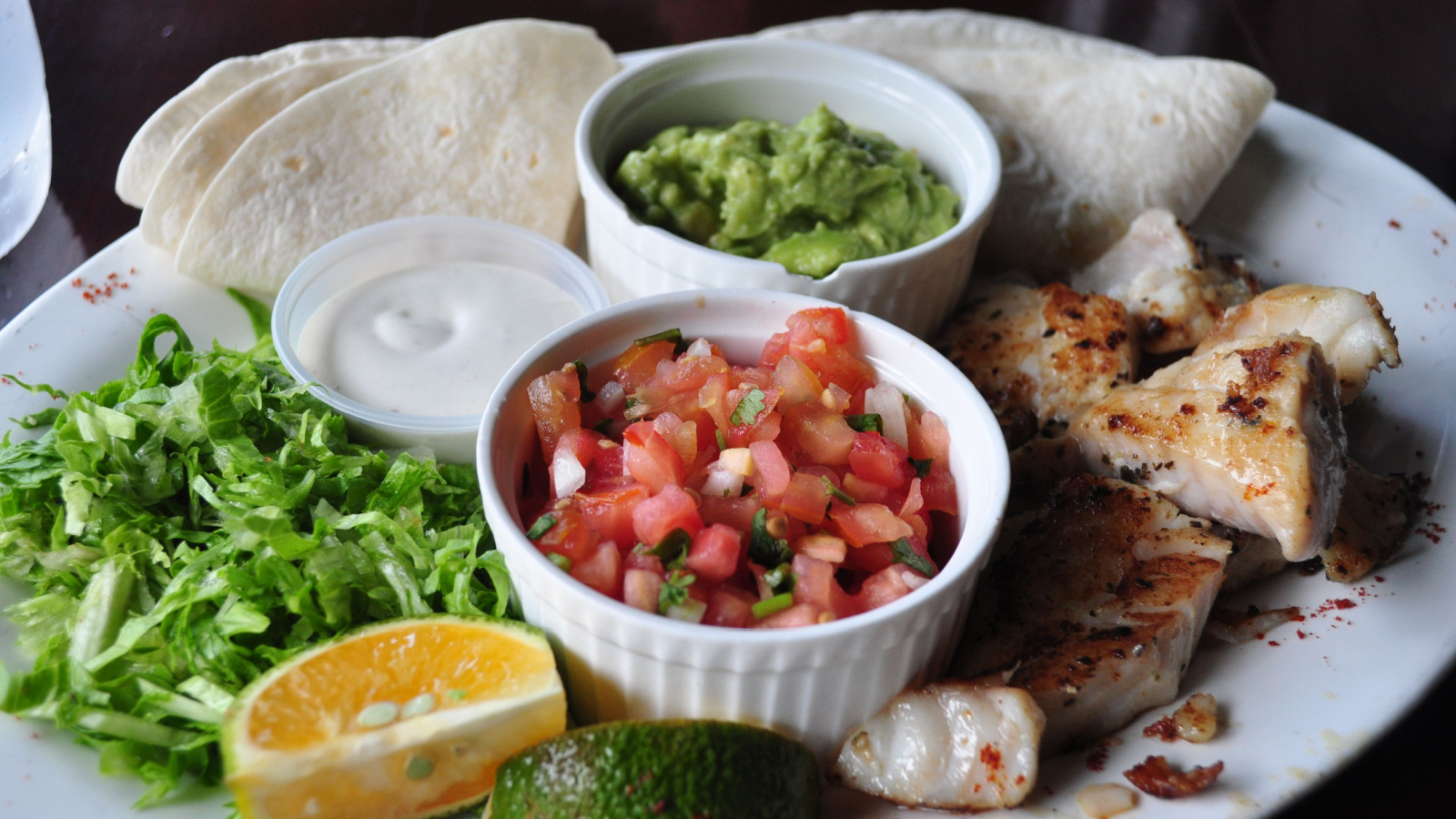
Deconstructed dishes once appeared as artistic menu items. Ingredients arrived separated rather than combined. The idea aimed to show components individually. Many Canadians felt confused by this style over time. Guests often had to mix the dish themselves. Temperature and texture could change before eating. The approach sometimes reduced convenience. Restaurants began returning to traditional plating. Diners value meals that arrive ready to enjoy. Presentation still matters, yet clarity and ease are more important. The shift suggests that creativity works best when it supports, rather than complicates, the eating experience.
Food Served on Non-Plates
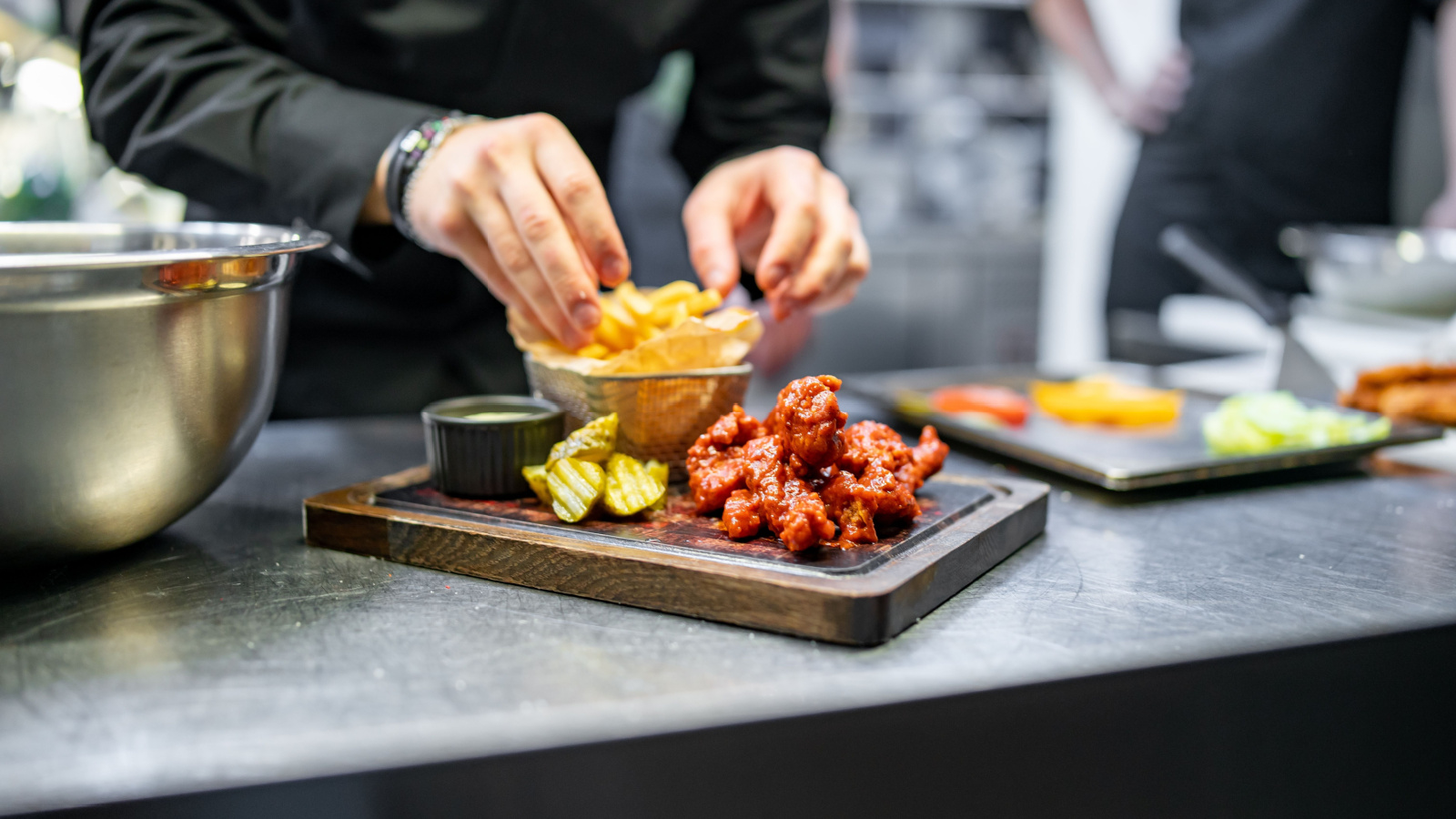
Serving food on boards, slates, or other surfaces became a visual trend. Some dishes arrived on wooden boards or metal trays. Many Canadians enjoyed the novelty at first. Practical issues appeared over time. Surfaces could be harder to clean or hold sauces. Guests sometimes felt unsure how to eat comfortably. Plates offer a familiar structure and ease. Restaurants noticed a growing preference for standard serving ware. Clean presentation and convenience gained priority. The novelty of unusual surfaces faded. Dining spaces now focus more on function alongside design.
Excessively Tall Burgers
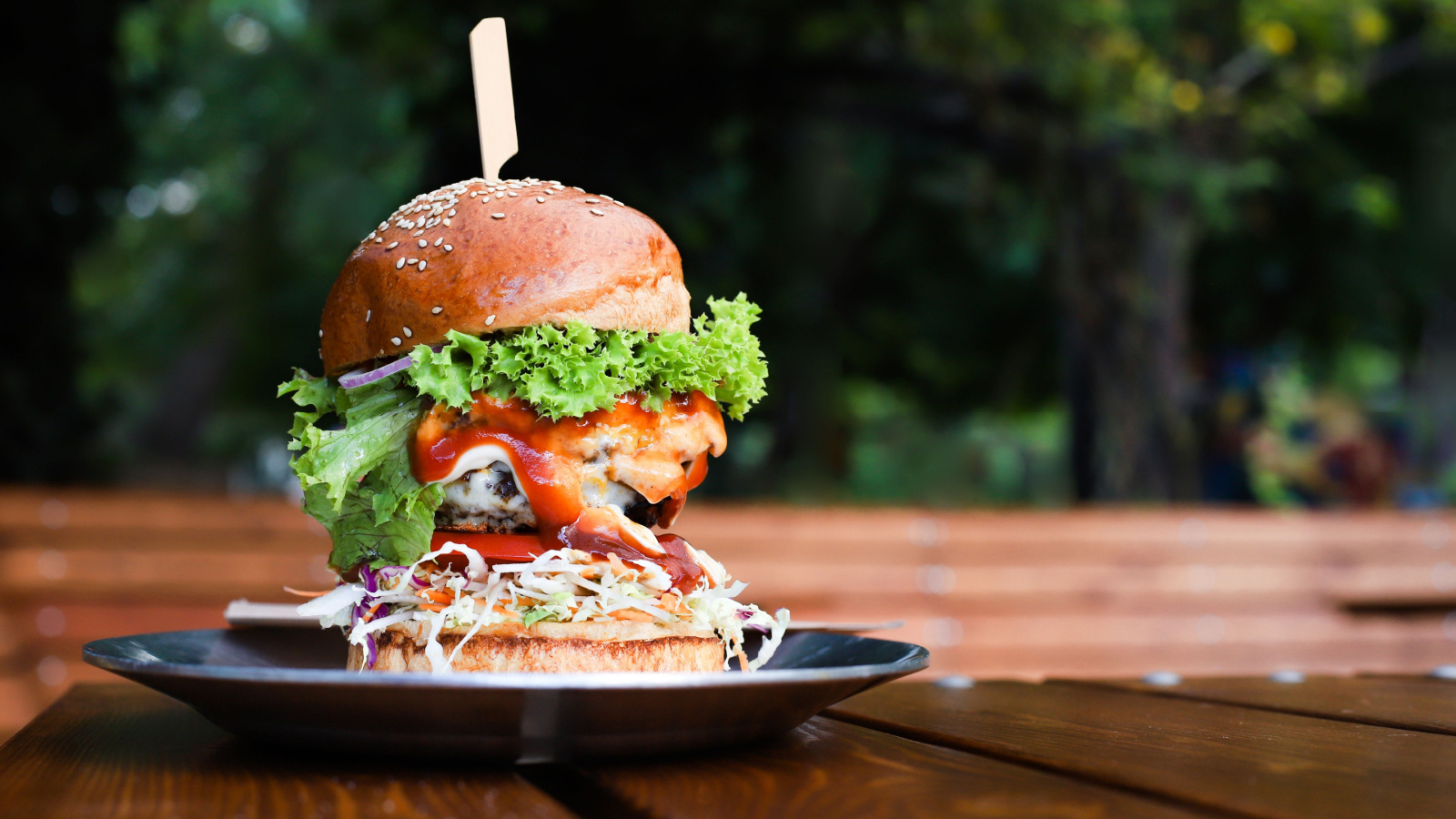
Extremely tall burgers once symbolized indulgence and abundance. Stacks included multiple patties, sauces, and toppings. Many Canadians struggled to take a proper bite. The height often affected stability and flavor balance. Meals became more about challenge than enjoyment. Diners started choosing burgers that fit comfortably in their hand. Restaurants adjusted portion structure. Flavor and texture balance now guide menu design. Excess height can distract from quality ingredients. Customers prefer meals that feel satisfying without being difficult to handle. The shift shows interest in practicality and overall eating experience.
Edible Glitter in Drinks
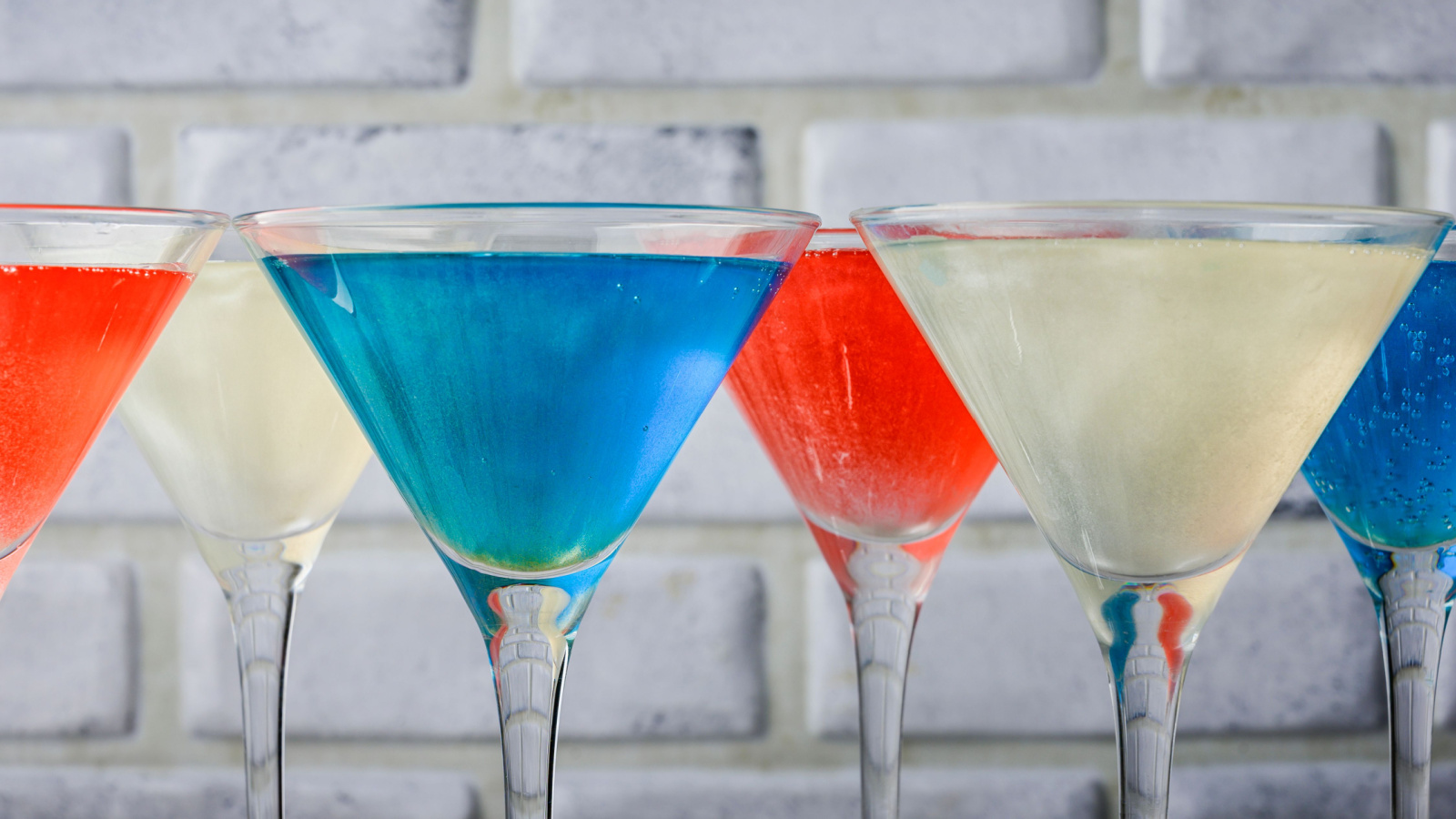
Edible glitter once turned drinks into sparkling centerpieces. The shimmer looked striking under restaurant lighting. Many Canadians ordered these beverages for photos. Over time, the novelty began to fade. The glitter rarely changed the flavor. Some guests questioned the purpose beyond appearance. Cleanup could also be messy. Bars began shifting focus back to balance and ingredients. Presentation still matters, yet it now supports taste rather than distracting from it. Customers increasingly value well-crafted drinks over visual effects. Glitter drinks appear less often as diners look for flavor-driven experiences instead of decorative additions.
Overpriced Avocado Everything
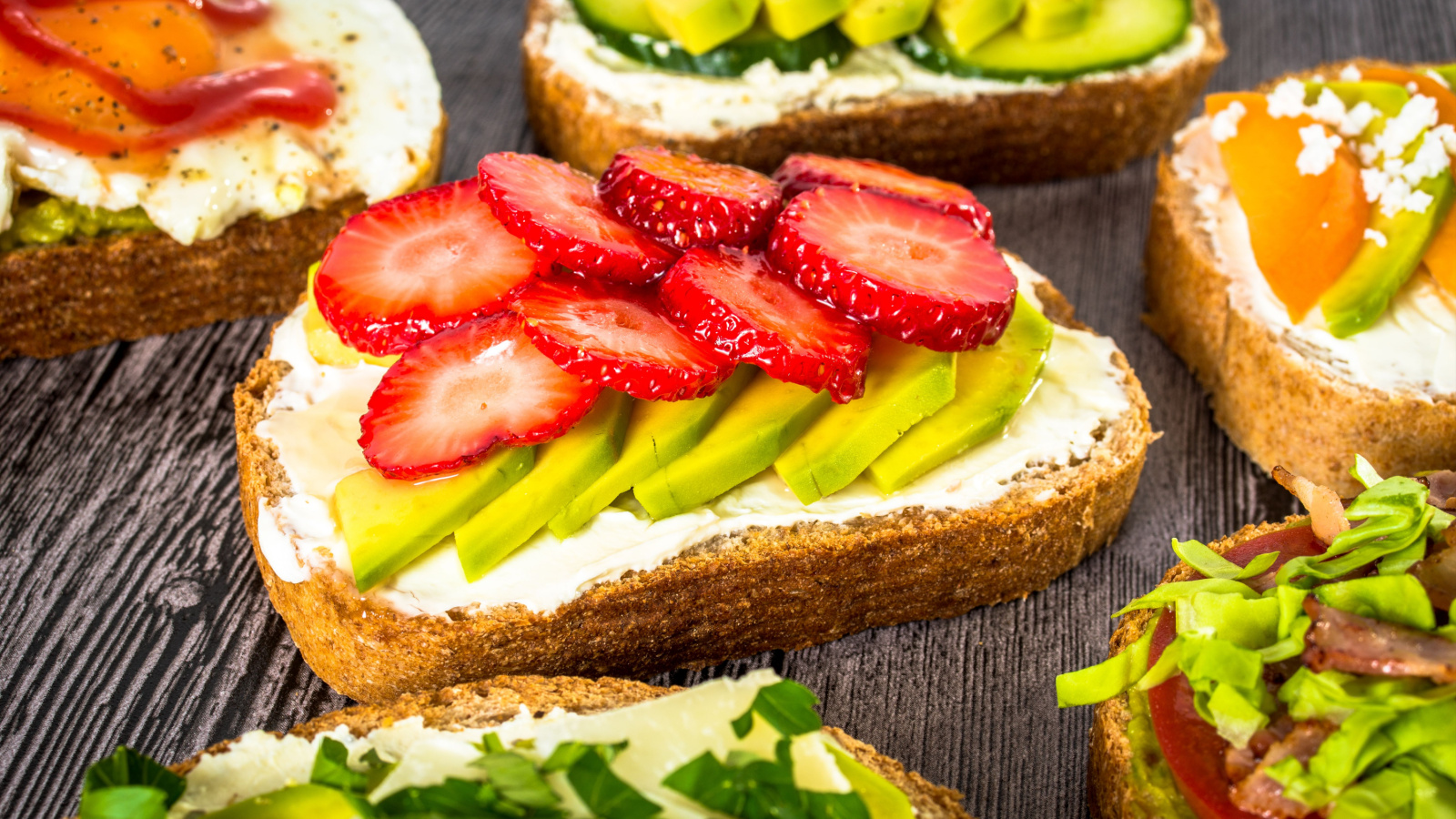
Avocado dishes expanded quickly across Canadian menus. Toast, burgers, salads, and even desserts featured it. Prices often rose once the avocado appeared in the description. Diners began noticing the markup. While avocado remains popular, not every dish benefits from it. The trend felt repetitive after years of heavy use. Some customers now prefer variety over automatic additions. Restaurants are balancing menus with other ingredients. Avocado still holds value, yet it no longer guarantees excitement. Canadians seem more selective, choosing dishes for overall flavor rather than following a once-dominant ingredient trend.
Giant Portion Sharing Platters
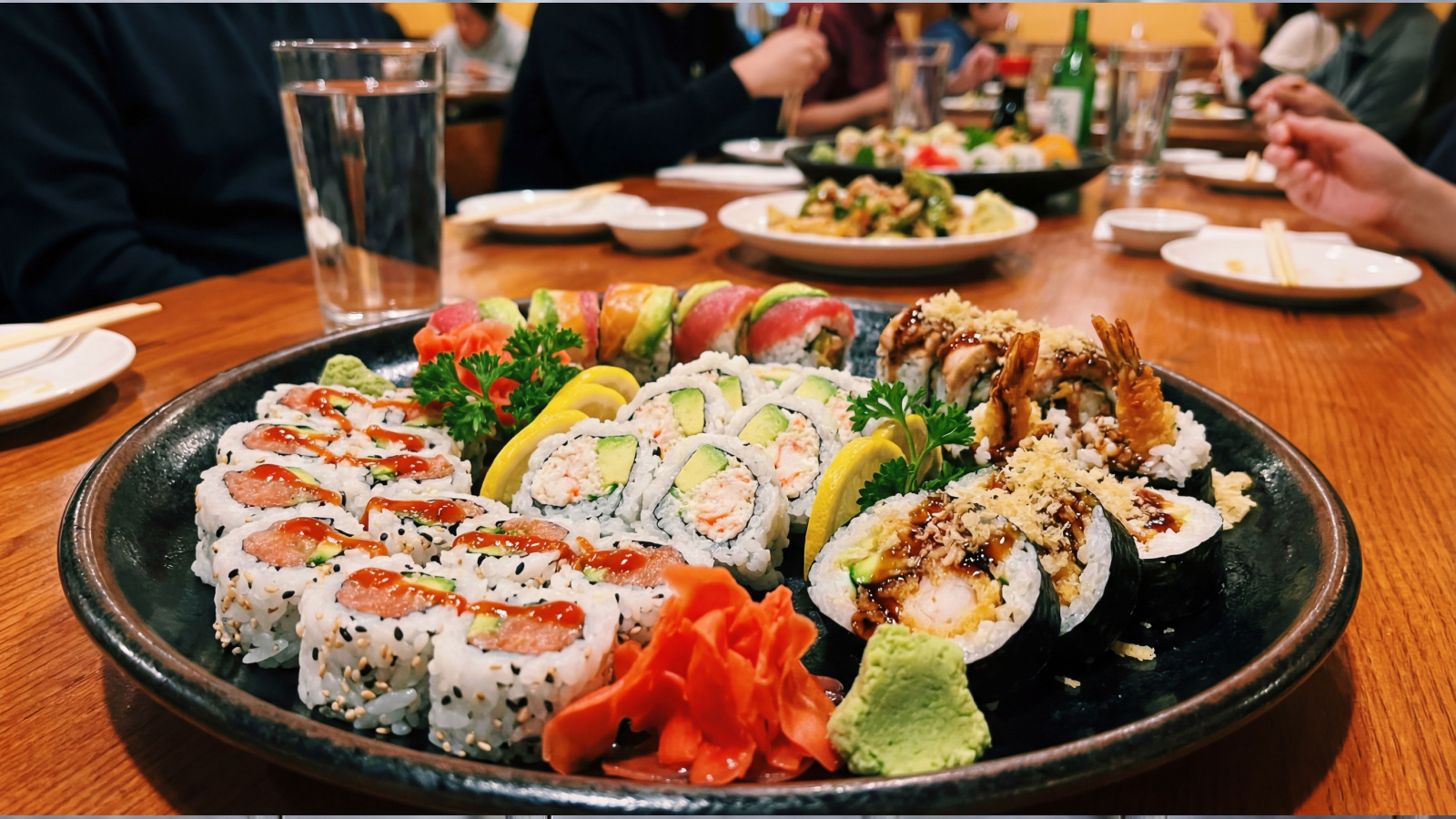
Large sharing platters once promised value and spectacle. Tables filled with oversized boards and trays became common. Many Canadians enjoyed the abundance at first. Over time, practicality became a concern. Excess food often led to waste. Dishes could cool quickly before being finished. Sharing also became less appealing for some diners. Restaurants are moving toward moderate portions. Smaller shared plates now offer better balance. Guests can still try a variety without overload. The focus is shifting from quantity to quality. Oversized platters appear less often as diners prefer manageable portions and less excess.
Unnecessary Foams on Savory Dishes
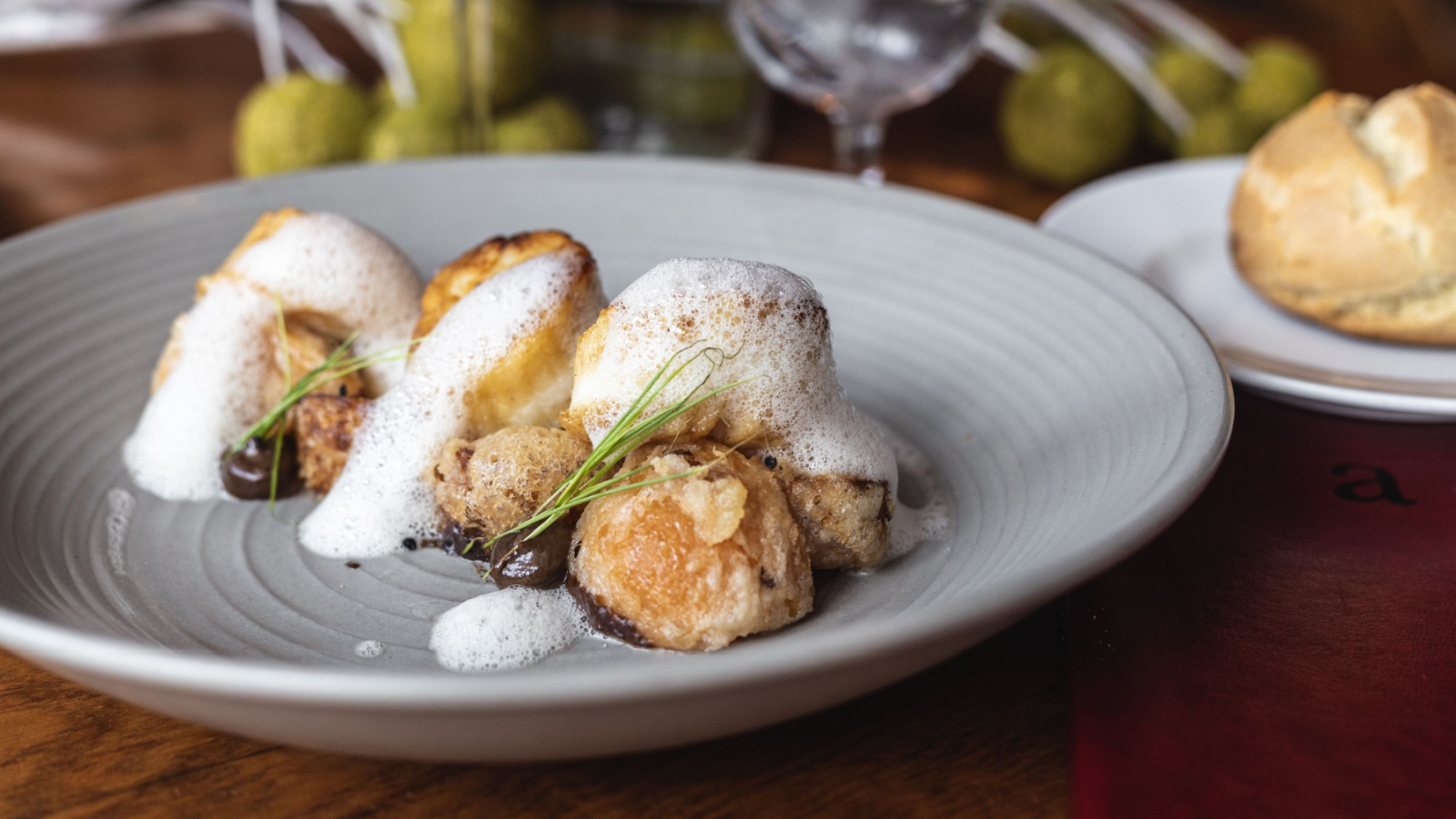
Foams once symbolized modern presentation in restaurants. Light layers of flavored foam topped savory dishes. The technique aimed to add texture. Many Canadians felt the addition did not improve the taste. Foams sometimes dissolved quickly before eating. Guests questioned the purpose of simple meals. Chefs now use them more selectively. The trend has moved away from automatic application. Flavor and clarity have become more important than decorative touches. Presentation still plays a role, yet it supports the dish rather than complicating it. Foams now appear less frequently on everyday menus.
Dessert Charcuterie Boards
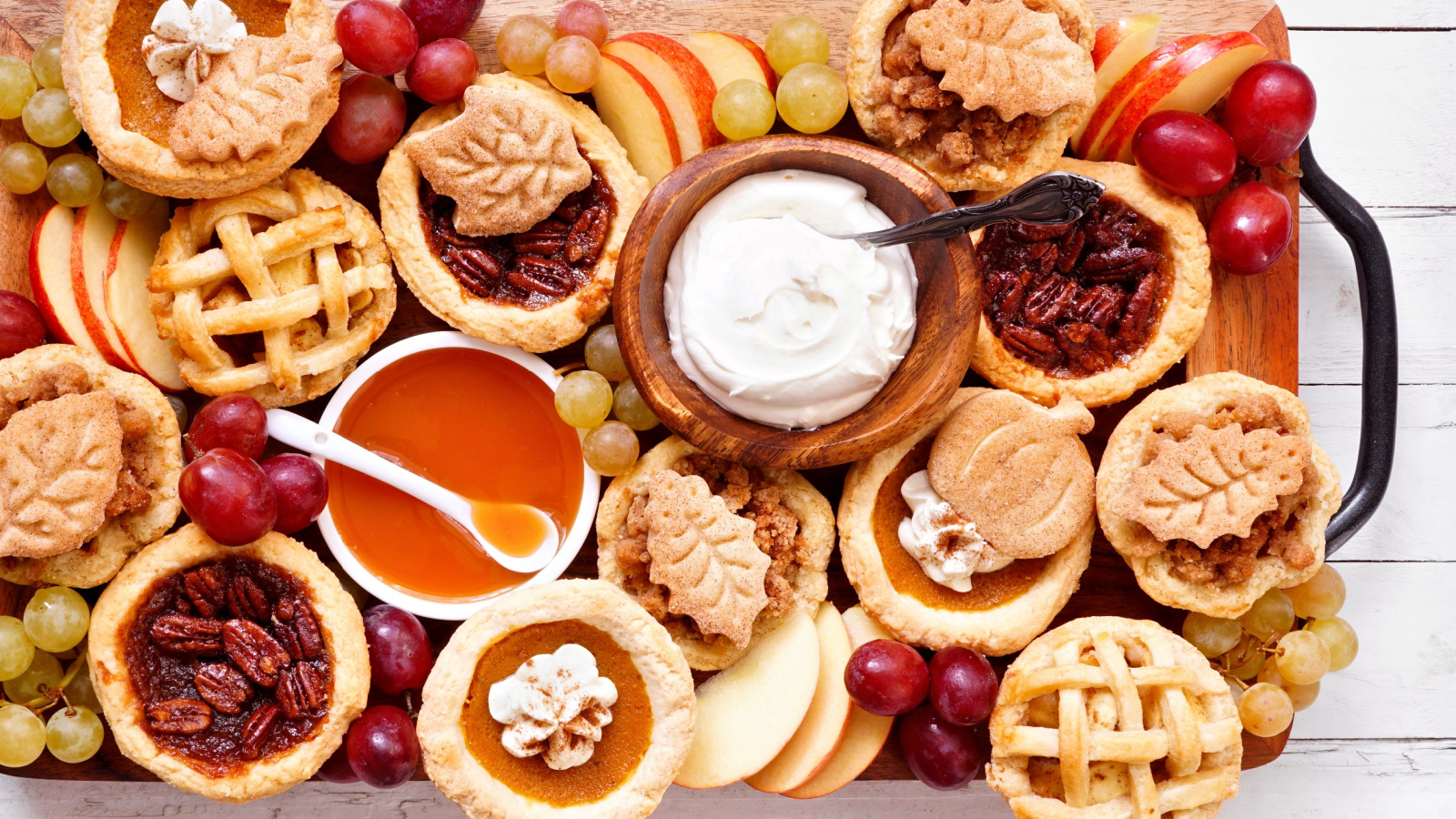
Dessert charcuterie boards filled tables with cookies, fruit, and sweets. The format mirrored savory boards. Many Canadians enjoyed the shareable look at first. Over time, repetition reduced excitement. Boards often felt crowded and overly sweet. Portions could be excessive for smaller groups. Restaurants noticed interest shifting back to plated desserts. Individual servings allow better balance and presentation. Guests now prefer quality over quantity in sweets. Dessert boards still appear for events, yet they no longer dominate menus. The trend shows how visual abundance can fade once practicality and taste take priority.
Over the Top Cheese Pull Dishes
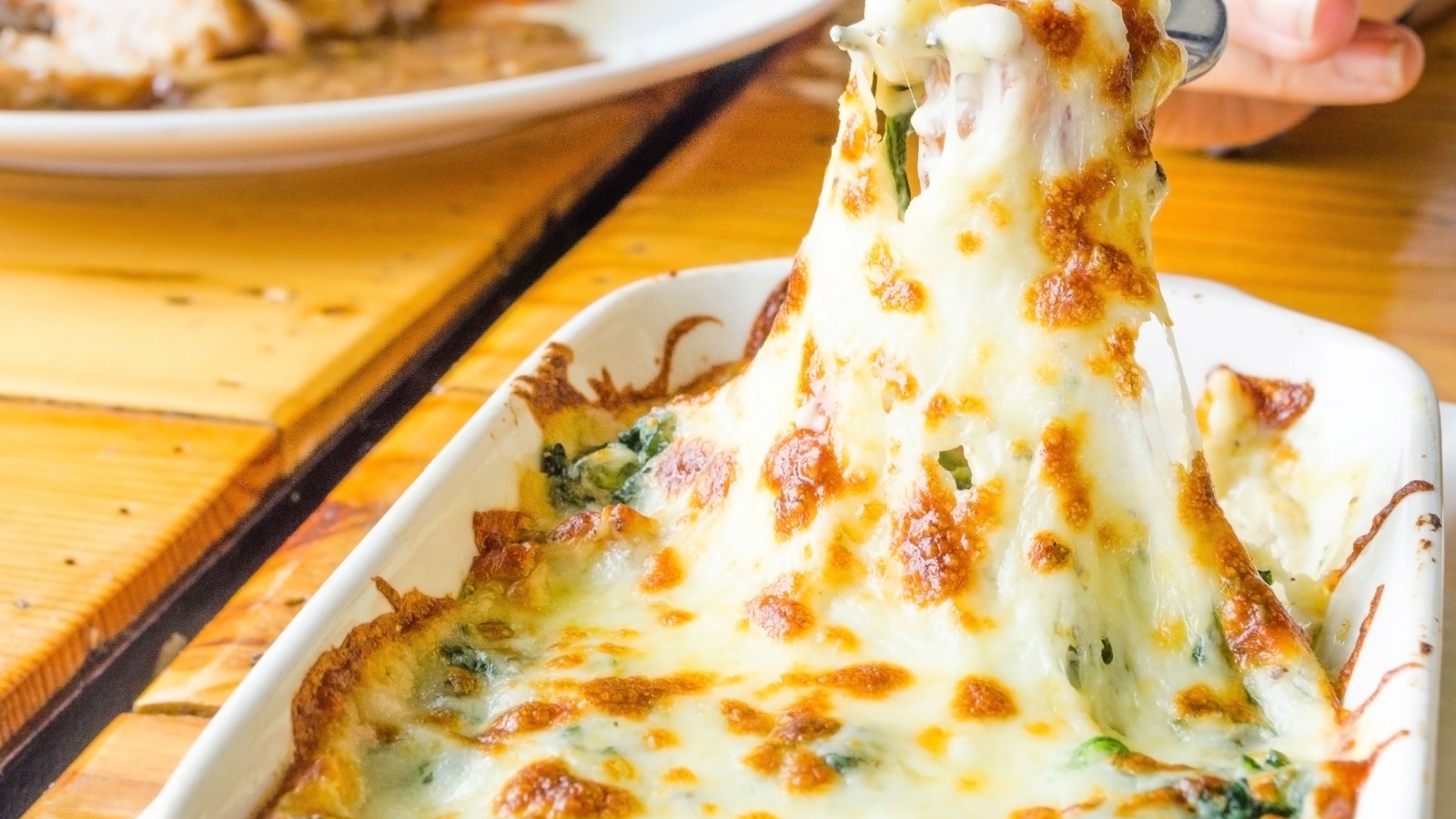
Cheese pull dishes once dominated food videos with long, stretchy strands. Many Canadians ordered them to capture the moment on camera. Over time, the novelty felt repetitive. Large amounts of melted cheese can overpower other flavors. Texture sometimes turned heavy rather than balanced. Restaurants began reducing excess and focusing on taste. Cheese still plays an important role, yet moderation matters more now. Diners want dishes that feel satisfying without being overwhelming. Visual appeal remains part of presentation, but it no longer drives menu design the same way it once did.
Too Many Fusion Ingredients in One Dish
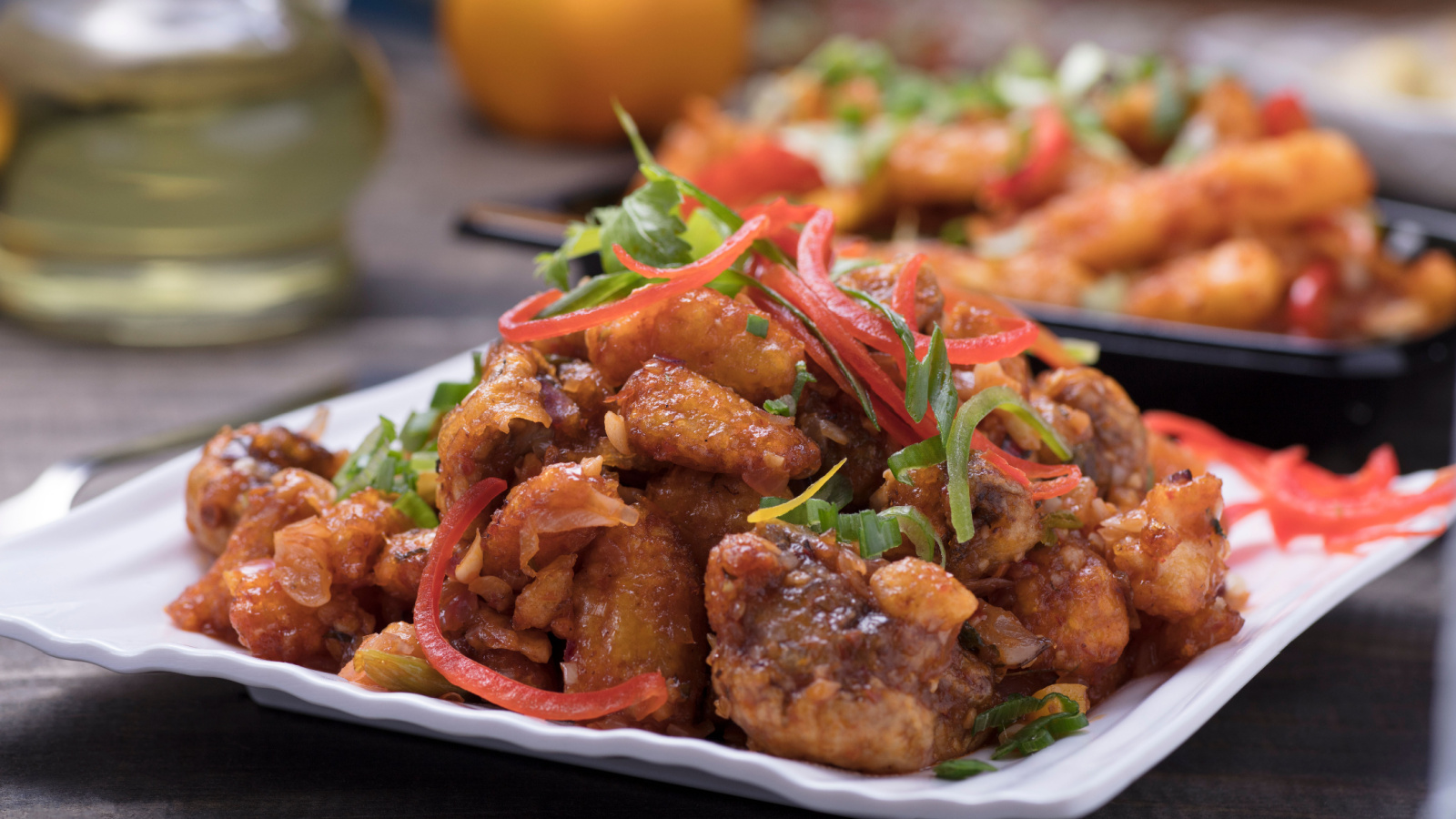
Fusion cooking brought creative combinations to Canadian menus. At its peak, some dishes mixed too many cuisines at once. Flavors could clash instead of complementing each other. Diners began seeking clearer taste profiles. Overcomplicated blends sometimes felt confusing. Chefs are now using fusion with more focus. Fewer elements help ingredients stand out. The goal has shifted toward balance and clarity. Guests appreciate dishes where inspiration is noticeable but controlled. Fusion still thrives, yet it works best when flavors connect naturally rather than competing for attention.
Overly Complicated Coffee Orders

Specialty coffee drinks expanded with long ingredient lists. Some orders included syrups, toppings, and multiple milk options. Many Canadians enjoyed customization at first. Over time, preparation slowed service in busy cafés. The drinks could taste overly sweet or unbalanced. Customers began returning to simpler options. Classic lattes and brewed coffee regained popularity. Baristas also prefer streamlined menus for efficiency. The trend shows a move toward clarity and flavor rather than excess additions. Coffee culture still values creativity, yet practicality and taste now guide choices more often.
Novelty Cereal Toppings on Desserts
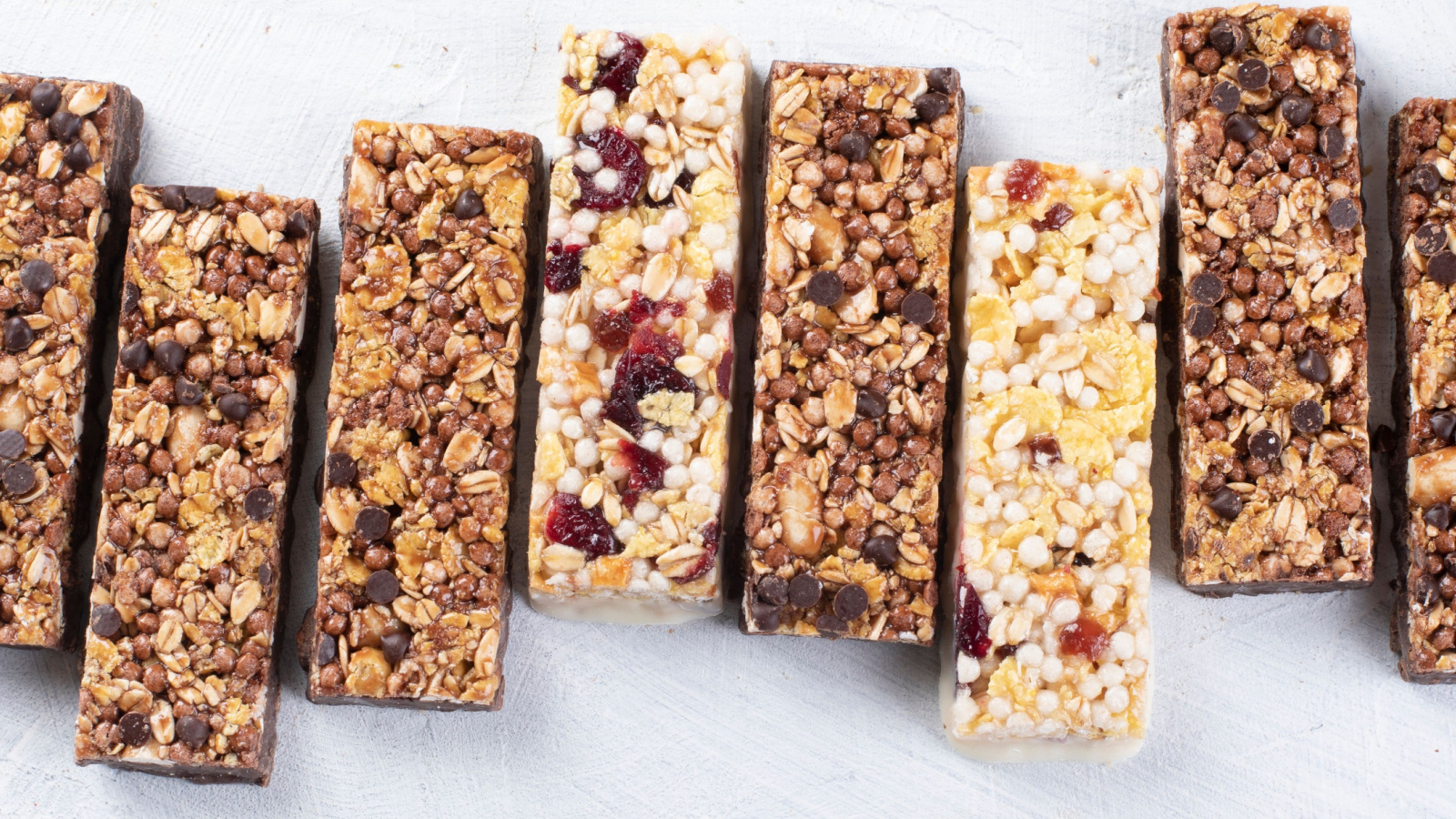
Colorful cereal once topped milkshakes, donuts, and ice cream. The bright look drew attention online. Many Canadians tried these treats for the visual effect. Over time, the novelty wore off. The cereal often became soggy quickly. Flavor did not always match the dessert base. Restaurants started shifting toward toppings with better texture. Guests now prefer ingredients that add both flavor and crunch. Visual trends fade faster when they do not improve eating quality. Cereal toppings now appear less often as menus return to more balanced dessert combinations.
Excessive Dry Ice Presentation

Dry ice once created dramatic smoke effects for drinks and dishes. The visual impact made a strong first impression. Many Canadians found it interesting at first. Over time, the effect felt more theatrical than useful. Safety and handling also became considerations. Diners often preferred focusing on flavor instead of presentation tricks. Restaurants now use such effects sparingly. The atmosphere still matters, but it should not distract from the meal itself. The trend reflects a broader shift toward experiences that prioritize taste and comfort rather than spectacle alone.
22 Groceries to Grab Now—Before another Price Shock Hits Canada

Food prices in Canada have been steadily climbing, and another spike could make your grocery bill feel like a mortgage payment. According to Statistics Canada, food inflation remains about 3.7% higher than last year, with essentials like bread, dairy, and fresh produce leading the surge. Some items are expected to rise even further due to transportation costs, droughts, and import tariffs. Here are 22 groceries to grab now before another price shock hits Canada.
22 Groceries to Grab Now—Before another Price Shock Hits Canada
