
Canada’s rise has been slow and steady rather than loud and dramatic. Many countries struggle with division, and uncertainty blocks growth. Canada is gaining strength from stability, resources, education, technology, and global demand for trustworthy partners. Countries looking for safe investment and reliable governance are turning toward Canada. Growth is coming from energy, agriculture, immigration, and manufacturing. Even defense spending and trade strategy are showing major changes. Here are 20 Reasons Canada Might Be the World’s Next Superpower.
Energy security backed by long-term demand

Canada holds an enormous supply of oil and natural gas that the world depends on during unstable periods. Countries across Europe and Asia are signing multi-year agreements with Canadian producers because they trust supply continuity. LNG projects are expanding, and pipeline infrastructure is scaling to match global demand. Nations want fuel sources that align with climate regulations and business certainty. Revenue from energy funds research, development, and public programs. Canada has become a low-risk anchor in worldwide supply chains as energy insecurity rises elsewhere.
Critical minerals that fuel future technology

The world needs lithium, nickel, cobalt, rare earth metals, and copper for electric vehicles, solar panels, and electronics. Canada has major deposits and the potential to refine and process them domestically. Automakers and battery firms are securing contracts to reduce dependence on politically unstable regions. Investment in mining towns is creating new transportation networks and research initiatives. Governments see mineral access as national security. Companies do not want fragile supply chains anymore. Canada can dominate through reliability, volume, and long-term agreements tied to resource abundance.
Agricultural strength that feeds the global population

Canada exports wheat, canola, barley, and lentils to countries that struggle to meet their own needs. Climate shifts are making harvests unpredictable in many parts of the world, while Canadian farmland remains large and productive. New technology supports higher yields and reduces waste. Food production helps build international partnerships and trade leverage. Buyers value stability and long-term contracts. Farmers benefit from access to foreign markets. Global food insecurity increases Canada’s influence because every nation depends on a predictable supply for economic and social stability.
Immigration that attracts global skilled workers

Canada welcomes students, researchers, engineers, and entrepreneurs who value long-term opportunities and reliable rules. Many build careers and permanent lives rather than temporary, short stays. Businesses benefit from large talent pools that support expansion and innovation. Countries facing aging populations and shrinking workforces do not have this advantage. Population growth supports tax revenues, consumer spending, and infrastructure development. Tech companies thrive because hiring is not limited by narrow borders. Newcomers strengthen cultural diversity and economic resilience, and that becomes long-term national power.
A banking system trusted worldwide
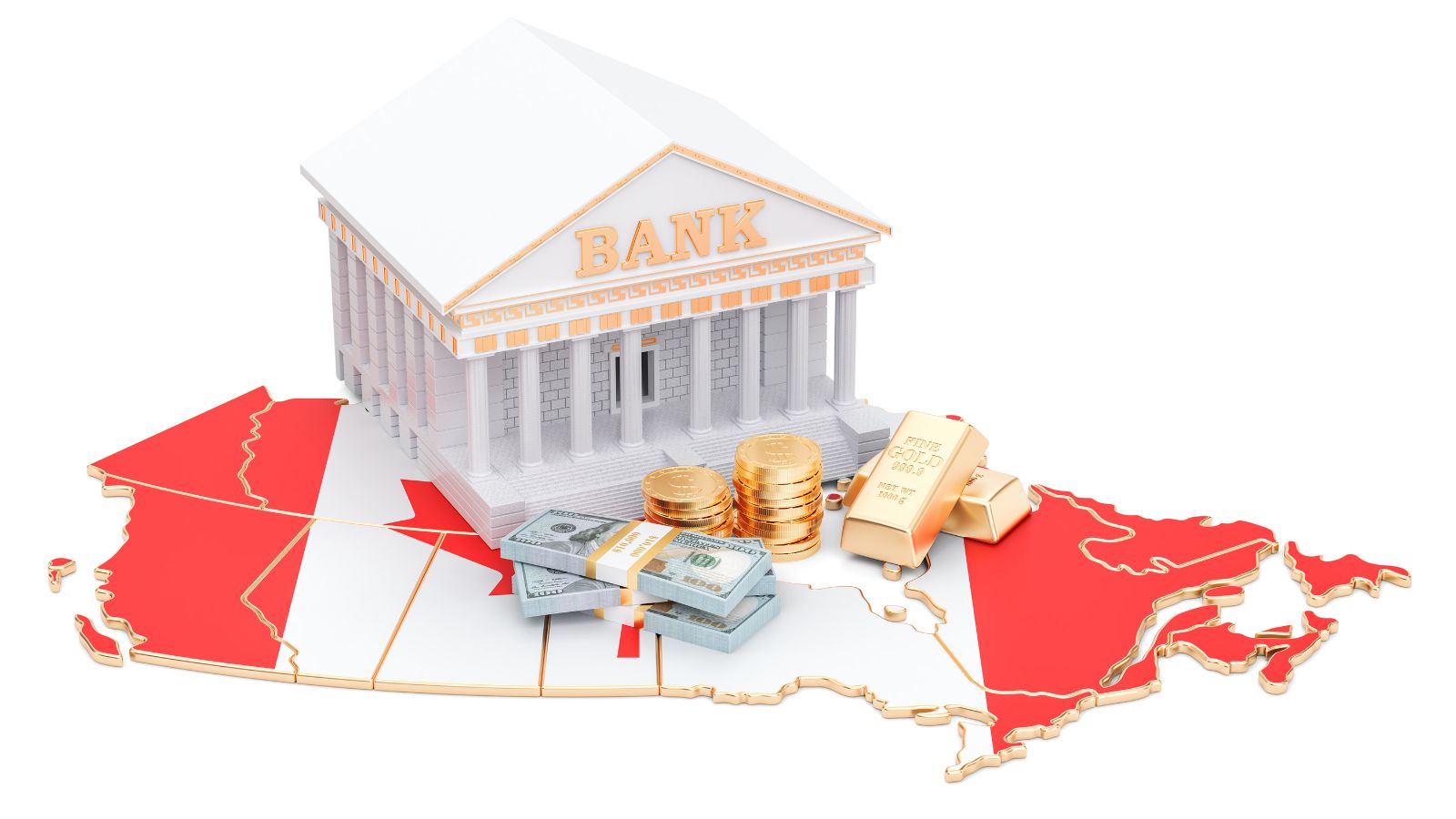
Canada’s banking sector remains stable through recessions and financial crises. Investors view Canadian financial institutions as predictable and reliable. Capital inflow strengthens infrastructure, construction, and government capacity for major projects. Global markets respond positively to reduced risk. Pension funds and sovereign wealth funds often increase holdings in Canada during uncertain periods. A strong financial foundation supports job creation, business expansion, and currency stability. Trust from global investors becomes an influence that multiplies across industries.
A tech industry gaining international weight

Innovation clusters have formed in Toronto, Vancouver, Montreal, Waterloo, and Calgary with support from universities and private investment. Global companies establish research facilities in Canada to access top talent and supportive networks. Canadian researchers contribute to breakthroughs in artificial intelligence, biotech, and quantum computing. High-paying jobs draw workers from around the world and stimulate local economies. Tech growth leads to new startups, export revenue, and collaboration with global institutions. A rising tech sector creates long-term strategic value for national development.
A manufacturing revival built on supply chain security

Electric vehicle plants, battery factories, aerospace facilities, and steel production are expanding across Canada due to demand for secure supply chains. Countries want manufacturing closer to stable partners rather than expensive distant markets. Automakers are investing billions in Ontario to build electric vehicle infrastructure. Shipyards and aviation hubs are receiving new contracts after years of limited development. Manufacturing growth supports small businesses, skilled trades, and transportation networks. A modern manufacturing base creates durable economic growth and positions Canada as a reliable production hub.
Diplomatic influence without hostility

Many nations trust Canada to negotiate peace agreements and support humanitarian missions without aggressive political pressure. The world sees Canada as a consistent and respectful mediator rather than a dominant power broker. Diplomatic credibility builds over decades and becomes valuable during global conflict. Countries invite Canada to participate in international committees because decisions are grounded in fairness and collaboration. Influence through diplomacy creates international respect and expands economic opportunities without military tension.
Freshwater reserves that shape future geopolitics

Canada possesses one of the largest freshwater supplies on Earth. Water scarcity is increasing worldwide due to climate change, pollution, and overuse. Agriculture, energy production, and daily life depend on long-term access to clean water. Countries are strengthening trade and research relationships with water-secure nations. Water becomes an advantage that influences migration, investment, and industry. Canada controls a resource that many nations consider essential for survival and economic development in the coming century.
Global students who strengthen the talent pipeline

International students choose Canada for safety, strong education, and pathways to long-term residency. Many stay after graduation and support high-skilled sectors. Universities maintain partnerships with businesses that use research to develop new industries. Growing alumni networks abroad build Canada’s reputation across continents. This education model attracts companies seeking skilled workers and dependable training programs. A steady flow of students becomes a renewable talent engine for the workforce and economy.
The Arctic is becoming a strategic trade corridor
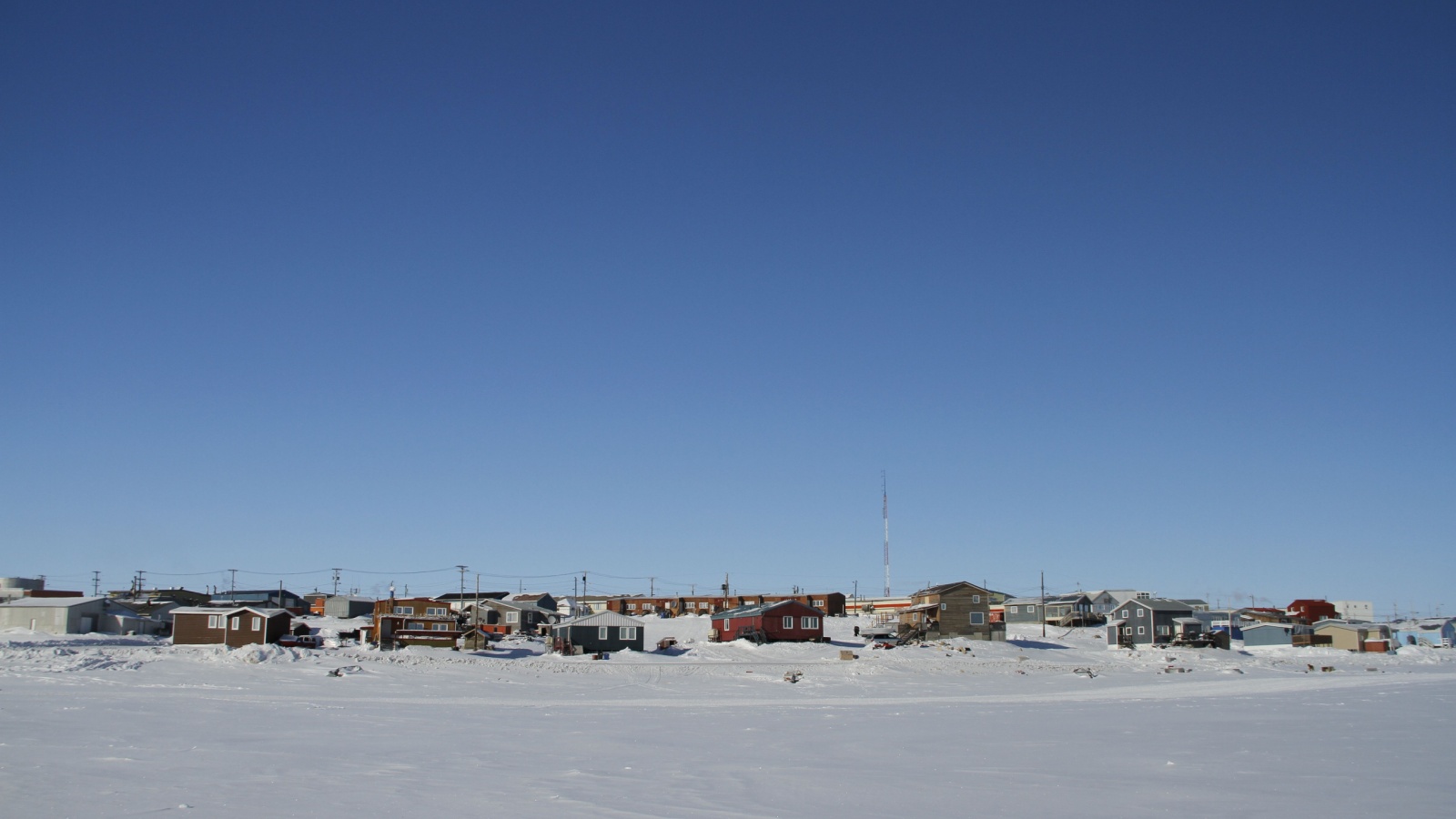
Melting ice is increasing access to northern shipping routes, which can significantly reduce travel time between continents. The Arctic contains major reserves of minerals, fisheries, and energy resources. Canada controls extensive territory and maritime routes in the region. Countries want scientific and commercial partnerships to gain access without political tensions. The Arctic Council plays a key role in setting development rules, and Canada has influence within it. Northern ports, research stations, and security operations give Canada geopolitical power.
Mega cities that drive economic expansion

Toronto, Vancouver, Montreal, Calgary, and Ottawa are growing into globally competitive mega city regions with strong transit, business districts, and research institutions. Corporate headquarters, tech companies, film studios, and universities gather in these regions because they benefit from high population density and education networks. Large cities attract events, conferences, and foreign investment. Surrounding communities gain jobs and housing projects due to economic spillover. Urban development becomes a foundation for long-term national growth.
A climate transition approach that aligns with global demand

Countries want energy without volatile political conditions, and Canada provides a long-term supply with increasing environmental accountability. Carbon capture projects, hydrogen development, and renewable power programs allow energy exports to stay competitive without sudden shutdowns. Buyers appreciate predictable policies rather than abrupt bans or weak regulations. Oil companies are investing heavily in cleaner extraction technology because long-term success depends on compliance with global standards. Canada gains influence by balancing energy production with climate responsibility.
A defense strategy shifting toward capability growth

Canada is increasing defense spending to match NATO expectations after decades of slower development. Submarine programs, fighter jet procurement, and cyber defense upgrades are underway to protect northern routes and maritime trade. A peaceful country with stronger defense capabilities becomes a more valuable partner for military alliances. Readiness supports national security and reinforces diplomatic influence. Defense growth signals that Canada wants strategic protection during an era of global power competition.
Entrepreneurship driven by immigrant founders

Immigrants create a large share of Canada’s new businesses across technology, retail, logistics, and medical services. Many founders arrive with experience from highly competitive global markets and build companies that expand quickly. Growing businesses support job creation and increase community investment. Entrepreneur success drives tax revenue and strengthens export performance. Cities benefit from new industries that attract workers and students. Entrepreneurship becomes a cycle of population growth, business growth, and economic diversification.
Trade relationships built on predictability

Canada is known for stable economic rules, long-term agreements, and fair dispute processes. Countries choose Canadian trade partnerships when they want reduced risk and dependable suppliers. Goods move through secure supply chains linked to the United States, Europe, and Asia. Businesses expand exports through Canada because access to new markets increases profitability. Predictable trade policy becomes a competitive advantage during global uncertainty.
Housing construction that fuels long-term development

Rapid population growth is driving an increase in housing projects across cities and suburbs. New construction supports skilled trades, manufacturing, and infrastructure expansion. Affordable housing strategies encourage workers and students to settle permanently rather than relocate. A large residential market builds strong consumer demand for goods and services. Community development supports schools, transit, and health programs. Housing growth reinforces long-term population stability that every powerful nation depends on.
Cultural exports shaping global perception

Canadian artists, writers, filmmakers, athletes, and game developers succeed worldwide. Cultural presence builds emotional connection with younger generations around the world. Global audiences associate Canada with creativity, multicultural identity, and social stability. Cultural exports support tourism, investment, and education interests. Influence becomes a soft power advantage that strengthens foreign relationships and reinforces credibility on the world stage.
Tourism that leads to lasting economic relationships

Visitors travel to Canada for nature, safety, festivals, and entertainment districts. Many return for education, work, or business opportunities after initial visits. Tourism supports restaurants, hotels, airlines, and creative industries. International events attract investors who explore long-term ventures. Visitor loyalty builds multi-year relationships that expand beyond travel. Tourism becomes a gateway to sustained economic activity and population growth rather than only seasonal spending.
A global shift toward stability benefits Canada

The world is facing economic uncertainty, energy insecurity, and geopolitical competition. Countries, companies, and migrants are searching for safe destinations with long-term opportunities. Canada grows because it offers predictable policies, strong institutions, and steady governance. Investment flows toward stability when international markets fluctuate. Every trade deal, business project, and immigration wave strengthens Canada’s position in the global system.
22 Groceries to Grab Now—Before another Price Shock Hits Canada

Food prices in Canada have been steadily climbing, and another spike could make your grocery bill feel like a mortgage payment. According to Statistics Canada, food inflation remains about 3.7% higher than last year, with essentials like bread, dairy, and fresh produce leading the surge. Some items are expected to rise even further due to transportation costs, droughts, and import tariffs. Here are 22 groceries to grab now before another price shock hits Canada.
22 Groceries to Grab Now—Before another Price Shock Hits Canada
