
The dream of homeownership in Canada is becoming increasingly difficult for young Canadians. Skyrocketing home prices, limited housing supply, and rising mortgage rates create financial barriers that many cannot overcome. Additional challenges, including high property taxes, competition from foreign investors, and bidding wars, make entering the market even more daunting. Here are 20 reasons young Canadians are giving up on ever owning a home.
Skyrocketing Home Prices in Major Cities

Home prices in major Canadian cities like Toronto, Vancouver, and Montreal have increased dramatically over the past decade. Young Canadians are finding it increasingly difficult to save for down payments while keeping up with rising costs. The average price for a condo or detached home often exceeds what many can realistically afford, even with dual incomes. Rising property values have pushed many potential first-time buyers out of the market. The gap between income growth and home prices continues to widen, leaving young Canadians frustrated and reconsidering whether homeownership in these urban centers is achievable at all.
Limited Housing Supply vs. High Demand

Canada faces a persistent shortage of available housing, particularly in urban areas. High demand from buyers far exceeds the number of new and existing homes on the market. This limited supply drives up prices and forces competition for every listing. Young Canadians often struggle to find properties that meet their budget and lifestyle needs. The imbalance between supply and demand creates bidding wars and frequent market pressure, discouraging first-time buyers. Even smaller cities with growing populations experience tight inventory, making it difficult for young people to enter the housing market without significant financial sacrifice or compromise.
Competition from International Buyers

International buyers have increasingly entered Canadian real estate markets, particularly in cities like Vancouver and Toronto. Foreign investment can drive up home prices, making it harder for young Canadians to compete. High-profile properties often sell quickly to overseas buyers with substantial financial resources. This competition adds pressure to already expensive markets, reducing the chances for first-time local buyers. Some regions have implemented taxes or restrictions to curb foreign investment, but its influence remains significant. Young Canadians face a market where demand is fueled not only domestically but globally, creating frustration and financial barriers to achieving homeownership.
Condos Replacing Single-Family Homes

Urban development trends show a shift from single-family homes to high-density condos. While condos are often more affordable than detached homes, they bring challenges such as higher maintenance fees, limited space, and less privacy. Young buyers may struggle with smaller living areas that do not meet family or lifestyle needs. Condos dominate city skylines, further reducing the availability of traditional homes. For many young Canadians, this shift limits options and reduces the sense of long-term investment security. While condos provide a solution for some, the changing landscape leaves many first-time buyers unsure if homeownership is realistically achievable.
Long Waitlists for Rental Apartments
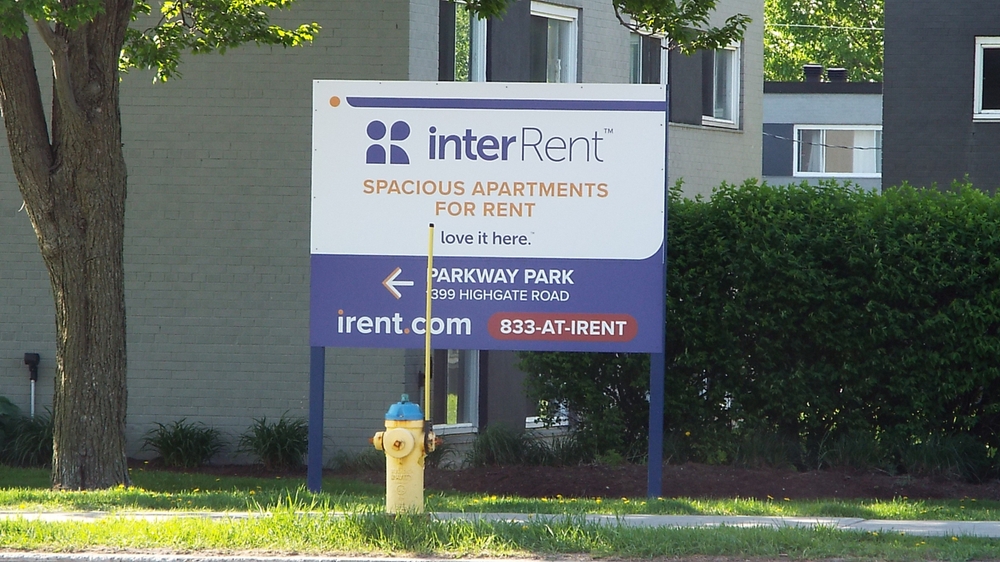
Before even attempting to buy, young Canadians often face challenges finding rental housing. Long waitlists for apartments in popular cities delay their ability to save for a down payment. Rising rent prices consume a significant portion of monthly income, making it difficult to accumulate savings. Limited rental availability also forces individuals to accept smaller or less desirable units. This cycle of high rents and limited options further discourages young Canadians from entering the housing market. Many feel trapped in a situation where they cannot save effectively, creating a perception that homeownership is out of reach.
Struggle for First-Time Homebuyers

First-time homebuyers in Canada face significant challenges, including high prices, low inventory, and rising interest rates. Many lack sufficient savings for a down payment, while stricter mortgage rules add additional barriers. Competition with experienced buyers and investors further limits opportunities for newcomers to the market. Government programs exist to assist first-time buyers, but they often fall short of addressing rapid price increases. Young Canadians frequently feel financially unprepared to enter the housing market. The combination of high costs, limited support, and strong competition leaves many first-time buyers reconsidering whether homeownership is attainable in the near future.
Record-Breaking Mortgage Rates

Mortgage rates in Canada have reached levels not seen in years, creating further obstacles for young buyers. Higher rates increase monthly payments, making homes less affordable for those on tight budgets. Many potential buyers who were previously considering a purchase are now delaying or abandoning their plans. Rising interest costs also limit borrowing capacity, reducing the range of homes accessible to first-time buyers. The financial pressure caused by record-breaking rates discourages younger Canadians from entering the market. Even those with savings may struggle to qualify for mortgages, making homeownership appear increasingly unattainable in many regions.
Worsening Housing Affordability Index

The housing affordability index measures the balance between home prices, income, and mortgage costs. In Canada, this index has worsened significantly, particularly in major cities. Young Canadians find that median incomes no longer align with median home prices. The result is agrowing perception that buying a home is financially impossible. Even households with dual incomes struggle to save enough for down payments or qualify for mortgages. This trend contributes to anxiety and discouragement among potential buyers. As affordability continues to decline, many young Canadians are reconsidering the traditional goal of homeownership as a realistic financial objective.
Rising Property Taxes

Property taxes in Canada have steadily increased, adding another financial burden for potential homeowners. For young buyers, higher taxes mean additional monthly or annual costs that must be accounted for alongside mortgage payments. Rising taxes often correlate with increased home valuations, amplifying affordability challenges. This extra expense can deter first-time buyers from entering the market or force them to compromise on location or property size. Even after purchasing, ongoing taxes impact household budgets. Young Canadians see property tax hikes as a significant obstacle, contributing to the sense that homeownership is increasingly out of reach.
Short-Term Rentals Affecting Availability

The rise of short-term rental platforms has impacted housing availability in many Canadian cities. Properties that might otherwise be available for long-term residents are often listed on vacation rental platforms. This reduces supply for potential first-time buyers and renters, driving up prices further. Young Canadians seeking to buy a home face competition not only from other buyers but also from the rental market’s shift toward short-term accommodations. This trend limits options, increases costs, and heightens frustration for those hoping to enter the housing market. It contributes to a perception that homeownership is out of reach in high-demand areas.
Impact of Foreign Investment

Foreign investment continues to influence Canadian real estate markets, particularly in cities like Toronto and Vancouver. Overseas buyers often purchase properties as investment assets, driving up demand and home prices. This creates intense competition for local buyers, especially young Canadians trying to enter the market. Policies aimed at limiting foreign ownership exist, but prices remain elevated in many areas. The impact of international investment reduces the supply of affordable homes, forcing first-time buyers to reconsider where and when they can purchase. Many young Canadians feel disadvantaged, as global capital inflates home values beyond what local incomes can support.
Urban Sprawl in Growing Cities

Rapid urban expansion in Canadian cities has led to urban sprawl, spreading residential areas into previously undeveloped land. While this increases housing availability, it often results in longer commutes, higher transportation costs, and reduced access to amenities. Young Canadians may struggle to find affordable homes near work or city centers. Sprawl also increases infrastructure demands and can push development into environmentally sensitive areas. For first-time buyers, navigating these extended urban zones adds complexity and expense. The growth pattern can make homeownership feel less practical, as buyers must balance affordability with convenience and lifestyle needs in sprawling metropolitan regions.
High Cost of Renovations and Repairs

Home renovation and repair costs in Canada continue to rise, creating additional financial pressure for buyers. Many young Canadians avoid older properties due to the potential expenses of updates, maintenance, or code compliance. Even minor repairs can strain monthly budgets and reduce savings for mortgage payments. Contractors and materials often face supply constraints, pushing prices higher. These costs contribute to hesitation among first-time buyers, making newer or pre-renovated homes more appealing but often more expensive. The cumulative financial burden of potential renovations discourages young Canadians from entering the housing market, adding to the perception that homeownership is financially unattainable.
Younger Canadians Living with Parents Longer

High housing costs force many young Canadians to remain in their parents’ homes well into adulthood. Delayed independence limits their ability to save for a down payment or build financial stability. Living at home reduces exposure to household management responsibilities and homeownership preparation. Social and cultural factors may also affect timelines, but economic pressure remains the primary driver. This trend reflects the broader housing affordability crisis and its impact on younger generations. Extended periods of living with parents can delay life milestones, such as family formation, and reinforce the perception that owning a home may never be achievable in expensive urban markets.
Bidding Wars Becoming Normal

Bidding wars have become a common feature of the Canadian housing market. Limited supply and high demand force buyers to compete aggressively for available homes. Properties often sell above asking price, pricing out many young Canadians. Bidding wars create emotional and financial stress, making it harder to plan purchases confidently. First-time buyers may feel discouraged when multiple offers are required, as they typically cannot match the resources of investors or wealthier buyers. The normalization of bidding wars contributes to the perception that entering the housing market is nearly impossible for younger Canadians, reducing both hope and motivation.
Pre-Sales of Condos Outpacing Completion

Pre-construction condo sales are booming in major Canadian cities, often outpacing the completion of units. Buyers commit significant deposits long before moving in, creating financial risk if projects are delayed or costs rise. Young Canadians may struggle to save enough for initial down payments while waiting years for possession. Market volatility can further affect pricing and availability. While pre-sales can be an investment opportunity, they are also a barrier for first-time buyers seeking immediate housing. The gap between commitment and occupancy adds uncertainty, making homeownership a challenging and unpredictable process for younger Canadians.
Limited Land for New Development

Urban growth in Canada faces constraints due to limited available land for new construction. Zoning laws, environmental protections, and urban boundaries restrict expansion in high-demand cities. As a result, housing supply cannot keep pace with population growth. Young Canadians find themselves competing for a shrinking pool of properties, which drives up prices and reduces options. Limited land availability forces builders to prioritize high-density developments, such as condos, leaving fewer traditional homes on the market. This scarcity impacts affordability, delays purchases, and contributes to the feeling among young buyers that homeownership may remain out of reach in the foreseeable future.
Government Programs Not Meeting Demand

Various government programs exist to support first-time homebuyers, including tax incentives and down payment assistance. However, these programs often fail to keep pace with market demands or address regional disparities. Funding limits, eligibility criteria, and bureaucratic processes reduce effectiveness. Young Canadians relying on these initiatives may still face affordability challenges or long wait times. While the intent is to support homeownership, the actual impact on easing financial barriers is limited. The gap between program offerings and market realities leaves many young Canadians feeling unsupported and skeptical about the possibility of achieving homeownership in a timely and financially feasible manner.
Regional Disparities Across Provinces

Housing challenges vary significantly across Canada’s provinces and cities. Major urban centers face higher prices and tighter supply, while smaller towns may offer more affordability but fewer economic opportunities. Young Canadians moving for work or education encounter regional disparities that complicate their housing plans. Differences in property taxes, mortgage regulations, and local policies further influence affordability. These variations make it difficult to establish a standard path to homeownership nationwide. Young buyers must navigate a complex landscape, balancing costs, employment prospects, and lifestyle, which reinforces the perception that owning a home is increasingly unattainable in many regions.
Housing Stress Affecting Mental Health

The financial and emotional pressures of the Canadian housing market are impacting mental health. Young Canadians face stress from rising prices, competition, debt, and uncertainty about future housing. Anxiety, frustration, and feelings of helplessness are common among first-time buyers. Housing-related stress can affect personal relationships, career decisions, and overall well-being. The perception of an unattainable goal exacerbates mental strain. Without adequate support or realistic solutions, young Canadians may delay or abandon homeownership plans. The mental health impact underscores the broader consequences of the housing crisis beyond finances, highlighting the urgent need for accessible and affordable housing options.
22 Groceries to Grab Now—Before another Price Shock Hits Canada

Food prices in Canada have been steadily climbing, and another spike could make your grocery bill feel like a mortgage payment. According to Statistics Canada, food inflation remains about 3.7% higher than last year, with essentials like bread, dairy, and fresh produce leading the surge. Some items are expected to rise even further due to transportation costs, droughts, and import tariffs. Here are 22 groceries to grab now before another price shock hits Canada.
22 Groceries to Grab Now—Before another Price Shock Hits Canada
