
Canadian rental markets are under growing pressure, and landlords across the country are facing unprecedented financial challenges. Rising interest rates, declining rental income, increased expenses, and regulatory changes are creating cash flow strains. Many property owners are struggling with mortgage arrears, maintenance costs, higher insurance premiums, and legal disputes, while market values decline and competition rises. Here are 20 Red flags your Canadian landlord could be forced to sell soon.
Increasing Mortgage Arreacrs Among Landlords

Many Canadian landlords are falling behind on mortgage payments due to rising expenses and reduced rental income. Missed payments are becoming more common as landlords struggle to keep up with higher interest rates and unexpected costs. Mortgage arrears increase the risk of lenders taking action, including foreclosure or forced sales. Landlords with multiple properties are particularly vulnerable, as missed payments on one property can cascade into broader financial stress. The rise in arrears signals that even experienced investors are facing pressure, highlighting potential instability in the rental market and warning tenants of possible ownership changes.
Rising Interest Rates Are Driving Up Monthly Payments

Interest rate hikes are putting significant pressure on landlords across Canada. Those with variable-rate mortgages are experiencing sharp increases in monthly payments, while even fixed-rate mortgages are affected upon renewal. Higher interest costs reduce net income and strain cash flow, forcing some landlords to reconsider their investment portfolios. Landlords who cannot offset increased payments through higher rents or personal funds may face financial stress, potentially triggering property sales. Rising rates are a primary driver behind many landlords’ financial challenges, directly impacting their ability to maintain ownership and affecting overall rental market stability.
High Vacancy Rates in Rental Properties

Vacancy rates are climbing in many Canadian rental markets, creating financial pressure for landlords. Properties that previously had near-full occupancy are now sitting empty for longer periods. High vacancies reduce rental income, making it harder to cover mortgages, taxes and maintenance costs. Landlords experiencing extended vacancies may be forced to lower rents or offer incentives, further reducing profitability. Persistent vacancies can lead to cash flow shortages and increase the likelihood of owners selling properties. Rising vacancy rates indicate a shift in market conditions, signaling potential challenges for landlords and instability for tenants who rely on steady rental supply.
Declining Rental Income Due to Market Softening

Rental income is declining in several Canadian cities as demand softens and affordability pressures increase. Landlords are finding it harder to raise rents or maintain previous income levels. The slowdown affects both multi-unit buildings and single-family rental homes. Lower rental income directly impacts cash flow, making it difficult for landlords to meet mortgage obligations, maintenance costs, and other financial commitments. In some cases, landlords may be forced to sell underperforming properties. The decline in rental income reflects broader market trends, including increased supply, reduced investor activity, and tenants’ growing sensitivity to rising housing costs.
Property Taxes Are Rising Faster Than Rent Increases

Property taxes in many Canadian municipalities are increasing at rates that outpace rental income growth. Landlords face higher annual tax bills while rent ceilings, tenant affordability, and market conditions limit how much they can pass on to tenants. The resulting gap reduces profitability and puts additional pressure on landlords’ finances. For some, this imbalance can make it unsustainable to hold onto properties, leading to forced sales or portfolio downsizing. Rising taxes relative to rent income are a key warning sign that the cost of ownership is escalating faster than revenue, highlighting financial vulnerability for landlords.
Landlords Facing Difficulty Renewing Financing

Many Canadian landlords are struggling to renew mortgages or secure new financing as banks tighten lending standards. Lenders are increasingly cautious, especially for investment properties with higher risk profiles or negative cash flow. Those with large portfolios or properties in markets experiencing price declines may face higher interest rates or limited borrowing options. Difficulty obtaining financing can force landlords to sell properties or downsize portfolios to reduce debt. The challenge in renewing loans signals growing stress in the rental sector and raises the risk of forced sales, particularly for investors who rely on debt to maintain ownership.
Maintenance Costs Are Outpacing Cash Flow

Maintenance expenses are rising faster than rental income for many landlords, creating financial strain. Aging properties require frequent repairs, while inflation drives up labour and material costs. Routine upkeep, emergency repairs, and capital improvements can quickly exceed cash flow from rent, especially in older buildings or multi-unit complexes. Landlords struggling to cover maintenance may delay necessary work, affecting property value and tenant satisfaction. In severe cases, cash flow pressures can force landlords to sell. Increasing maintenance costs highlight the hidden expenses of property ownership and underscore the financial vulnerability of rental property investors.
Insurance Premiums Have Surged Significantly

Insurance costs for rental properties have escalated sharply in recent years. Rising premiums for fire, liability, flood, and natural disaster coverage are straining landlord budgets. Properties in high-risk areas face the largest increases, and some insurers are reducing coverage availability. Higher insurance expenses reduce profitability and cash reserves, making it harder for landlords to sustain long-term ownership. For some, the added financial burden may trigger sales to avoid further risk. Escalating insurance costs represent a critical pressure point, demonstrating how external factors beyond rent collection and mortgage obligations are affecting landlords’ ability to hold property.
Legal Disputes With Tenants Are Escalating

Disputes between landlords and tenants are increasing across Canada, adding financial and operational pressure. Issues such as unpaid rent, eviction proceedings, maintenance obligations, and tenant complaints can lead to lengthy legal processes and costly settlements. Legal battles drain time and resources while adding uncertainty to property income. Landlords facing repeated disputes may struggle to maintain cash flow or attract reliable tenants. Escalating conflicts can also discourage investors and contribute to portfolio downsizing. Rising legal challenges highlight the growing complexity and risk of property management, creating additional factors that could force landlords to sell.
Landlords Are Selling Off Smaller Portfolios First
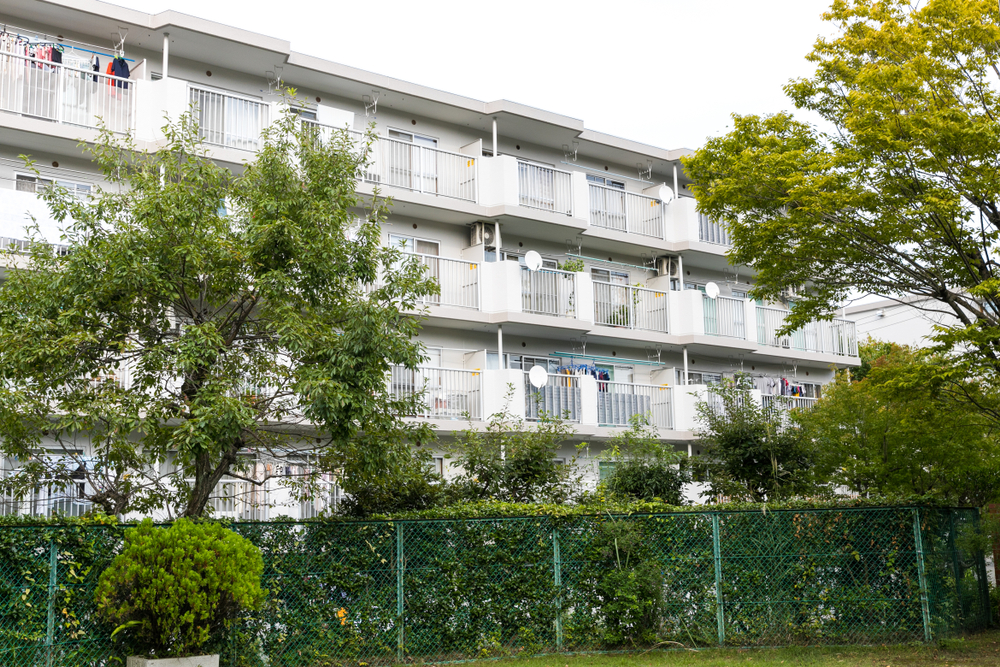
Some landlords are strategically selling smaller property portfolios to reduce financial risk and free up capital. These sales are often the first step in downsizing to manage debt or respond to declining rental income. Selling smaller holdings allows owners to maintain cash flow from larger, more profitable assets while addressing immediate financial pressures. This trend reflects growing caution among property investors and may foreshadow broader portfolio liquidation if market conditions worsen. Buyers may see opportunities, but the pattern signals increasing stress among landlords, with smaller portfolios being the first to leave the market under financial strain.
Overleveraged Investors Are Struggling to Meet Payments

Investors carrying high levels of debt are particularly vulnerable in the current market. Rising interest rates and reduced rental income make it difficult for overleveraged landlords to meet mortgage and operating payments. Negative cash flow properties increase reliance on personal funds, creating financial strain and potential default risk. Some investors are being forced to sell underperforming units or entire portfolios to reduce leverage. The struggles of highly indebted investors indicate broader vulnerabilities in the rental market, as debt-laden landlords face higher exposure to economic shifts and changing market conditions, increasing the likelihood of forced sales.
Negative Cash Flow Properties Are Becoming Common

Properties generating negative cash flow are increasingly prevalent in Canada’s rental market. Rising expenses such as mortgage payments, maintenance, taxes, and insurance are outpacing rental income for many landlords. Negative cash flow limits the ability to reinvest in properties or cover unexpected costs, increasing financial stress. Landlords may be forced to sell units to stop losses, creating downward pressure on market values. The growing frequency of loss-making rental properties signals that ownership is becoming more challenging, and financial pressures may lead to an uptick in sales, portfolio downsizing, or investor exit from the rental market.
Market Values Are Falling Below Purchase Prices

Many Canadian rental properties are now valued below their original purchase prices. Falling market values are driven by rising interest rates, slowing demand, and affordability pressures. Landlords who purchased at peak prices may face negative equity, making it difficult to refinance or sell without taking losses. This situation creates financial strain, especially for investors with high leverage. Declining property values also reduce the potential return on investment, forcing some owners to consider selling to avoid further depreciation. Falling market values are a clear warning sign that some landlords may be compelled to exit the market under challenging conditions.
Investors Are Exiting Due to Regulatory Pressure

Government regulations, including rent control, taxation changes, and stricter mortgage rules, are discouraging investors from holding rental properties. Compliance costs, reduced profitability, and uncertainty over future policies have prompted some landlords to sell or scale back investments. Regulatory pressures can make properties less attractive and limit potential returns, causing market exits. This trend impacts rental availability and can contribute to increased inventory for sale. Investor departures signal growing stress in the rental market and highlight how external rules and policy changes directly influence landlord decisions and the likelihood of forced sales.
Increasing Competition From New Rental Supply

An influx of new rental units is increasing competition in many Canadian cities. Developers are adding condominiums and purpose-built rentals, leading to higher vacancy rates and downward pressure on rents. Landlords with older or less desirable properties struggle to attract tenants without offering incentives or discounts. Increased supply reduces cash flow and profitability, particularly for those relying on rental income to cover mortgages. This competition can push financially stretched landlords to consider selling, especially if they cannot maintain occupancy levels. Growing rental supply is reshaping market dynamics and putting pressure on property owners to adapt or exit.
Personal Financial Strains Are Affecting Investment Decisions

Many landlords face personal financial pressures that influence their ability to retain rental properties. Household expenses, debt obligations, and unexpected costs can make it difficult to cover mortgage payments and operational expenses. For overleveraged investors, even minor income disruptions may trigger forced sales. Personal financial strain often forces owners to prioritize liquidity and reduce risk, leading to portfolio downsizing or property liquidation. The combination of market stress and individual financial challenges highlights the vulnerability of landlords and explains why some may be compelled to sell despite long-term investment goals.
Landlords Are Relying on Short-Term Loans to Cover Gaps

Some landlords are using short-term loans or lines of credit to cover mortgage and operating expenses. Reliance on temporary financing indicates cash flow challenges and can increase financial risk. Short-term debt often carries higher interest rates, compounding costs and making it harder to maintain profitability. If rental income does not improve or market conditions worsen, these lenders may be forced to sell properties to repay borrowed funds. The use of short-term loans reflects the pressure on landlords to manage financial gaps and underscores how vulnerable property owners are to market fluctuations and rising costs.
Rising Property Management Fees Are Reducing Profitability

Property management costs are increasing, further reducing net income for landlords. Management firms are charging higher fees due to inflation, regulatory compliance, and added responsibilities in handling tenant issues. For smaller landlords, these rising costs significantly impact profitability, especially when combined with declining rents or increased vacancies. Reduced profits make it more challenging to cover mortgage payments, maintenance, and other operational costs. Many landlords may consider selling underperforming properties to protect their financial position. Higher property management fees represent a growing expense that adds to the pressures already facing Canadian landlords.
Unforeseen Municipal Levies Are Adding to Costs

New or unexpected municipal levies, such as development charges, utility fees, or property tax reassessments, are increasing costs for landlords. These levies can significantly reduce cash flow, particularly for small-scale investors. Unlike rent, which may be capped or slow to increase, levies represent unavoidable expenses that erode profitability. Accumulating municipal costs creates financial stress and may force landlords to sell properties to avoid ongoing losses. Unforeseen levies highlight how external, unpredictable expenses can affect property owners’ ability to maintain investments and increase the likelihood of market exits.
Experts Warn of a Growing Wave of Forced Sales

Industry analysts are warning that a wave of forced sales among Canadian landlords is likely. Rising interest rates, high expenses, negative cash flow, and declining property values combine to create financial pressure. Landlords unable to cover mortgages or operational costs may be compelled to liquidate assets. The trend is particularly concerning for overleveraged investors and those with smaller portfolios. Experts caution that market adjustments may continue for years, leading to increased inventory and potential price corrections. Awareness of this risk helps investors, buyers, and tenants understand the challenges facing landlords and the potential for significant market shifts.
22 Groceries to Grab Now—Before another Price Shock Hits Canada

Food prices in Canada have been steadily climbing, and another spike could make your grocery bill feel like a mortgage payment. According to Statistics Canada, food inflation remains about 3.7% higher than last year, with essentials like bread, dairy, and fresh produce leading the surge. Some items are expected to rise even further due to transportation costs, droughts, and import tariffs. Here are 22 groceries to grab now before another price shock hits Canada.
22 Groceries to Grab Now—Before another Price Shock Hits Canada
