
Interest rate increases have created serious financial strain for millions of Canadians. Mortgage payments, rent and everyday debt costs have surged far faster than incomes. Families are stretched thin. Many are using credit to cover basic needs. Businesses are closing. Savings are disappearing. People are delaying major life decisions because they cannot afford them. The pressure has reshaped daily life across the country. The impact is severe and ongoing. Here are 20 shocking facts about how much interest rates have broken Canadians.
Mortgage Payments Have Doubled for Thousands of Canadian Households

Mortgage payments have increased sharply in Canada as interest rates rose from historic lows during the pandemic to multi-year highs. Many households that are locked in low fixed rates are now renewing at significantly higher rates. Their monthly payments have doubled compared to what they paid before. Families are redirecting money from savings, retirement planning, and education funds just to cover mortgage costs. Many are cutting essentials to avoid falling behind. Some are borrowing from lines of credit to manage shortfalls. The financial pressure is growing and many homeowners feel trapped and worried about the next increase.
Over 60% of Income Now Goes Toward Housing Costs for Many Families

A growing number of Canadian families now spend more than 60 percent of their income on housing. This includes mortgage payments, utilities, insurance, and property taxes. When such a large portion of income goes to housing, families struggle to manage basic expenses. These include food, transportation, childcare, and healthcare. Savings plans are collapsing and emergency funds are disappearing. Many households are forced to take on credit debt to survive. Financial stress is rising and households fear being pushed into insolvency. Affordability challenges are worsening across cities and smaller regions, creating serious long term economic concerns.
Variable Mortgage Holders Are Facing Unprecedented Payment Shocks

Variable-rate mortgage holders are experiencing some of the most sudden and severe financial pressure. Each rate increase directly increases their monthly payments. Many signed mortgages during record-low rates and expected small payment changes. Instead, they faced rapid cost jumps that were larger than expected. Some households reached trigger rates where payments no longer covered interest. That forced payments higher with little warning. Many families are now paying hundreds more each month. They cannot predict what they will owe in the future. This uncertainty has created rising stress and fear of losing their homes.
Fixed Rate Renewals Are Increasing Monthly Payments by $1,000 or More

Fixed-rate borrowers are facing a major shock when their terms end. Renewals today come with much higher interest rates. For many families, that means monthly mortgage increases of $1,000 or more. The jump is immediate and leaves little time to prepare. Many borrowers who qualified easily before can barely meet new income requirements. Renewal stress is becoming one of the most common financial issues for homeowners. Families are refinancing other debt to manage payments and some are extending amortizations to lower costs. Others are selling homes because they cannot manage the new financial burden.
Household Debt Has Reached the Highest Level in Canadian History

Household debt in Canada is now at the highest level ever recorded. Mortgage debt represents the majority of this total. The ratio of household debt to disposable income has reached historic levels. This means many families owe more than they earn each year. Rising interest costs make this debt harder to manage. Credit card balances and personal loans are also increasing as families try to fill gaps. Many experts warn that even small financial shocks can lead to serious consequences. Higher debt increases pressure on families and raises concerns about long-term economic stability.
Mortgage Delinquencies and Defaults Are Rising at the Fastest Pace in a Decade

A growing number of Canadian homeowners are falling behind on mortgage payments. Recent data show a sharp uptick in delinquencies and defaults — the fastest rise in over ten years. Many mortgages became unaffordable as rates jumped, especially for those on variable or renewing fixed-rate terms. As missed payments accumulate, some homeowners are receiving notices of default or facing foreclosure proceedings. The rise in delinquencies reflects broader economic stress. For many families, it is not just a temporary setback but a path toward serious financial instability and possible home loss.
Forced Home Sales Are Increasing as Owners Cannot Keep Up

Because mortgage payments and overall debt costs have surged, many Canadian homeowners are being forced to sell their properties. They simply cannot keep up with monthly payments, especially after rate hikes and rising living expenses. Some are selling under pressure, accepting prices lower than expected just to escape debt. Others risk foreclosure and are trying to sell before the bank seizes the property. This increase in forced sales is adding downward pressure on housing markets and increasing uncertainty for homeowners. It is a growing sign that many people simply cannot weather the new financial reality.
HELOC Borrowing Has Surged to Record Levels

As regular income and savings get stretched thin, many Canadians are turning to Home Equity Lines of Credit (HELOCs) to make ends meet. Borrowers are using home equity to pay for mortgage costs, bills, daily expenses or other debt. The amount of HELOC borrowing has risen to record levels — a clear sign that households are relying on credit to survive mounting interest costs. This borrowing adds another layer of debt on top of existing mortgages. With interest rates still high, many families may struggle to repay, increasing the risk of deeper financial distress in the future.
Credit Card Interest Is at the Highest Point Ever Recorded

For many Canadians, high-interest debt beyond mortgages is compounding the financial squeeze. Credit card interest rates, already elevated in recent years, have reached their highest levels in history. As a result, carrying a balance month to month has become increasingly expensive. Households using credit cards for everyday expenses — groceries, utilities, or emergencies — are being hit with soaring interest charges. Over time these costs accumulate, making it harder to pay down the balance — locking many in a cycle of debt. High credit card interest is amplifying financial hardship at a time when many are already stretched thin.
Small Businesses Are Closing Due to Unsustainable Debt Costs

Rising interest rates and increased debt burdens are not only affecting households — many small businesses are suffering too. Owners who borrowed to start or expand their businesses face higher repayment costs. Loan interest, line-of-credit payments, and rising operational expenses have squeezed profit margins. Some businesses are unable to cover these costs and are closing down or downsizing operations. For entrepreneurs and their employees, this means lost income, shrinking opportunities, and growing financial insecurity. The economic ripple effects are spreading beyond individual families into communities.
Younger Canadians Are Delaying Homeownership and Major Life Milestones

Many younger Canadians are pushing homeownership out of reach because of rising interest rates and high housing costs. Saving for a down payment has become extremely difficult as wages have not kept up with inflation. Many are delaying milestones such as marriage, starting families, or moving out on their own. Renting is also becoming less affordable, making it harder to save. Some are choosing to live with parents well into adulthood. The dream of owning a home feels unrealistic for many under 40. This delay affects long-term financial stability and changes traditional paths to building wealth in Canada.
Retirees on Fixed Income Are Being Forced Back Into the Workforce

Rising borrowing costs, inflation, and shrinking investment returns are forcing many retirees to return to work. Fixed income sources such as pensions and government benefits no longer cover essential living costs. Many seniors are now dealing with increased mortgage or rent payments that were manageable before rate increases. Savings they expected to rely on are not lasting, and some are taking on debt for the first time in years. Returning to the workforce is not always easy due to health limits or limited job options. The financial pressures are redefining what retirement looks like for many Canadians.
Bankruptcies and Consumer Proposals Are Climbing Sharply

A growing number of Canadians are turning to insolvency filings because they cannot keep up with debt payments. Bankruptcies and consumer proposals have risen sharply as interest charges have increased on mortgages, credit cards, loans and lines of credit. Many people have reached a point where they cannot manage minimum payments. Insolvency trustees are reporting more families seeking help each month. A consumer proposal or bankruptcy can offer relief, but it also brings long-term consequences such as damaged credit and difficulty securing future financing. The rising rate reflects the severe financial strain affecting households across the country.
Canadians Are Cutting Essential Spending to Afford Interest Payments

To manage increasing interest and debt costs, many Canadians are reducing spending on basic needs. Families are buying less food, delaying medical care, reducing transportation and cutting household essentials to keep up with mortgage and loan payments. Many are cancelling insurance, dropping subscriptions, and postponing necessary repairs. These cuts show that people are sacrificing quality of life to avoid falling behind. For many households, there is nothing left to cut. The pressure to stay current on debt has taken priority over everyday living needs. This shift highlights how interest costs are reshaping family budget decisions nationwide.
Rent Inflation Has Pushed Affordability Beyond Crisis Levels
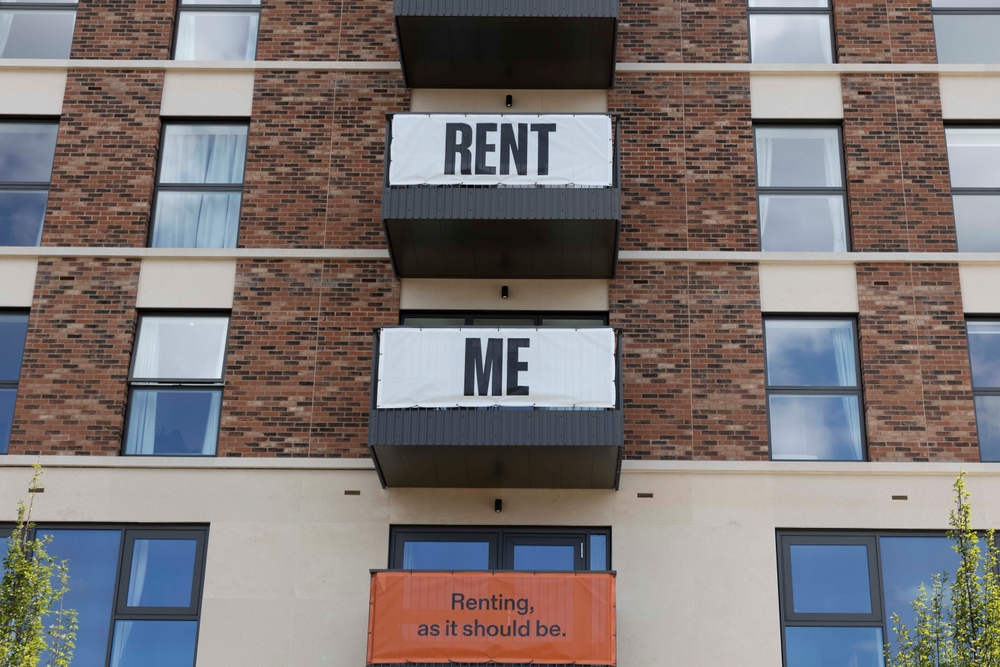
Rent costs in many Canadian cities have surged to the highest levels on record. With more people unable to qualify for mortgages or choosing not to buy, rental demand continues to rise. Limited supply has worsened the problem. In many regions, renters spend more than half of their income on housing. This leaves little room for savings and forces families to live with financial insecurity. Some renters are relocating farther from work or moving into smaller spaces and shared housing. Others face eviction when they cannot afford the increases. The rental crisis is deepening the country’s affordability emergency.
Financial Stress and Mental Health Struggles Are Escalating Nationally

Rising interest rates and household debt pressures are contributing to widespread stress and mental health challenges. Many Canadians are experiencing anxiety, sleep problems and emotional strain because they feel trapped in a cycle of unaffordable payments. Financial uncertainty affects relationships and family stability. Some individuals report feeling hopeless about their financial future. Mental health organizations and counseling services are seeing higher demand. The pressure of choosing between debt payments and essential needs is pushing stress to dangerous levels. The effects are spreading across age groups and income brackets. The financial crisis is becoming a significant well-being crisis.
Banks Are Reporting Record Profits Driven by Interest Revenue

Canadian banks are reporting strong profit growth fuelled by higher interest revenue. As rates increased, the cost of borrowing rose across mortgages, credit cards and business loans. Banks earn more from interest charges, while customers struggle to keep up with payments. Although some banks have seen slower growth in other areas, interest income has reached record highs. This contrast between bank profits and consumer hardship is raising questions about fairness and financial stability. Many Canadians feel that banks are benefiting while households face severe pressure. The widening gap is shaping conversations about regulation, transparency and support for borrowers.
More Full Time Workers Are Living Paycheque to Paycheque

The number of employed Canadians living paycheque to paycheque has reached alarming levels. Even full-time workers with steady jobs are struggling to cover rising mortgage payments, rent, food, and other essentials. Interest rate increases have reduced disposable income, leaving many with little or no financial cushion. Unexpected expenses like car repairs or medical needs push households into debt quickly. Savings rates continue to decline, increasing vulnerability to financial shocks. Many workers feel they are doing everything right but still falling behind. The growing reliance on credit highlights the sharp disconnect between wages, living costs and debt pressures.
Government Policies Have Failed to Provide Meaningful Relief

Many Canadians feel government efforts have not provided effective solutions to rising housing and debt costs. Programs meant to support affordability often fail to reach those who need them most or do not address the core issues driving financial strain. Mortgage relief programs are limited and short-term. Housing supply increases are slow. Policies have not significantly eased interest rate impacts or lowered the cost of living. For many families, the support available is too little or too late. The lack of meaningful relief has led to frustration and uncertainty. People want long-term measures that deliver real results.
Experts Warn That Interest Rate Pressure May Continue Into 2026

Economists and financial experts caution that the current financial strain may not end soon. Even if interest rates eventually stabilize, borrowers renewing mortgages in the next few years may face significant payment increases. Analysts warn that high rates could continue into 2026 before easing. This means more households and businesses may experience financial hardship. Delinquencies, forced sales and insolvencies could continue to rise. The possibility of prolonged pressure is creating widespread concern about economic stability and long-term affordability. Many Canadians are preparing for challenging years ahead, without clear signs of relief.
22 Groceries to Grab Now—Before another Price Shock Hits Canada

Food prices in Canada have been steadily climbing, and another spike could make your grocery bill feel like a mortgage payment. According to Statistics Canada, food inflation remains about 3.7% higher than last year, with essentials like bread, dairy, and fresh produce leading the surge. Some items are expected to rise even further due to transportation costs, droughts, and import tariffs. Here are 22 groceries to grab now before another price shock hits Canada.
22 Groceries to Grab Now—Before another Price Shock Hits Canada
