
The phrase “soft life” has taken over Canadian feeds in 2026. It pops up on TikTok, Reddit threads, and group chats. For some, it means calm routines and steady paycheques. For others, it means saying no without guilt. The internet has turned it into a lifestyle badge. Canadians have added their own twist, shaped by rising costs and long winters. A soft life here looks practical, not flashy. Here are 20 signs you’re a ‘Soft Life’ Canadian in 2026 (According to the Internet).
You Protect Your Evenings Like Paid Time Off

You treat weeknights like sacred ground. Work notifications stay off after dinner. You ignore emails that arrive at 9 p.m. You stopped apologizing for slow replies. Friends know you prefer low-key plans over loud bars. You cook simple meals instead of ordering late. Evenings mean a walk, a show, or a long shower. You value quiet more than networking. The internet calls this boundary setting. You call it basic survival. A soft life Canadian sees rest as part of the schedule. Downtime is no longer a reward. It is built into the day.
You Budget Without Feeling Ashamed

You track spending in a spreadsheet or app. You know how much groceries cost this week. Rising prices forced you to pay attention. You skip trends that strain your account. You compare phone plans before renewing. You pack lunch more often than not. Saving money feels steady, not restrictive. The internet frames this as financial softness. It means fewer money surprises. You plan for winter heating bills. You build small emergency funds over time. A soft life, Canadian sees stability as attractive. Flashy spending does not impress you anymore.
You Choose Walkable Neighbourhoods Over Bigger Houses

You would rather live near transit than own extra rooms. Commutes under thirty minutes feel luxurious. You walk to grab coffee instead of driving everywhere. Local parks matter more than square footage. You trade storage space for convenience. Your rent may be high, but your stress feels lower. The internet says proximity equals peace. You agree after years of traffic. A soft life, Canadian values time over space. You prefer knowing your barista’s name. Long drives in snowstorms no longer feel worth it. Comfort now means shorter distances.
You Take Mental Health Days Without Drama

You book a day off before burnout hits. You do not wait for a crisis. Employers talk more about wellness now. You use that language to your advantage. A weekday off means errands and a long nap. You log off without posting about it. Therapy is a normal expense in your budget. You talk openly about stress with friends. The internet praises this self-awareness. You simply call it maintenance. A soft life, Canadian treats mental health like dental care. Regular checkups prevent bigger problems later.
You Curate Your Social Media Feed

You mute accounts that make you anxious. You unfollow people who trigger comparison. Your feed feels calm and useful. You save recipes and budgeting tips. Doom scrolling gets cut short. You set screen time limits without announcing them. Viral arguments do not pull you in. The internet calls this digital hygiene. You see it as basic self-control. A soft life, Canadian values online peace. Your phone no longer dictates your mood. Logging off early feels better than winning debates. Silence can be satisfying.
You Say No to Hustle Culture

Side gigs used to feel mandatory. Now you question that pressure. You keep one main job and protect your energy. Overtime only happens when necessary. You stopped glorifying exhaustion. Promotions matter less than balance. The internet debates ambition versus comfort. You quietly pick comfort. A soft life, Canadian rejects constant grind. You prefer predictable income over risky leaps. Free weekends beat networking events. Success looks like manageable stress. You measure wealth in hours, not titles. Slower growth feels safer in uncertain times.
You Invest in Quality Basics

You buy one good winter coat instead of three cheap ones. Durable boots outlast fast fashion. You read reviews before spending. Higher upfront costs make sense long term. You repair items instead of tossing them. The internet frames this as intentional living. You call it practical math. A soft life Canadian avoids constant replacements. Quality feels calmer than clutter. You keep wardrobes simple and functional. Neutral colors dominate your closet. Buying less reduces daily decisions. Fewer choices mean fewer small stresses.
You Prefer Small Gatherings to Big Events

House dinners beat packed festivals. You invite four friends, not fourteen. Conversations feel easier in quiet rooms. You leave parties early without excuses. Hosting at home saves money, too. Potlucks replace pricey restaurant bills. The internet labels this introverted luxury. You see it as comfort. A soft life, Canadian values depth over crowd size. Fewer people mean fewer obligations. You choose connection over spectacle. Late nights feel optional, not required. Social energy gets rationed carefully.
You Build Routines Around the Seasons

Canadian winters shape your habits. You schedule workouts before sunset. You take vitamin D without shame. Cozy routines start in October. Summer brings earlier mornings and patio time. You accept seasonal shifts instead of fighting them. The internet romanticizes slow mornings with snow outside. You simply prepare for long dark months. A soft life Canadian plans ahead. Comfort foods rotate with the weather. You store blankets within reach. Seasonal living feels grounded, not dramatic. Adaptation reduces stress.
You Choose Government Benefits Without Guilt

You apply for rebates and tax credits. You check eligibility for childcare support. You understand employment insurance rules. Public programs exist for a reason. The internet debates pride and assistance. You focus on fairness. A soft life Canadian uses available resources wisely. You keep records organized for tax season. Filing on time avoids last-minute panic. You see civic systems as tools. Accepting help feels practical. Stability often involves paperwork. You no longer avoid forms out of pride.
You Prioritize Health Appointments

You schedule dental cleanings ahead of time and treat them as fixed commitments. Annual checkups go straight into your calendar at the start of each year. You refill prescriptions early to avoid last-minute stress. Preventive care feels smarter than emergency visits and long waits. The internet links this habit to grown-up energy. You see it as common sense. A soft life, Canadian respects public healthcare timelines. Booking early avoids frustration later. Routine visits bring peace of mind. Feeling physically steady supports everything else.
You Value Work From Home Flexibility

Remote days feel like breathing room during busy weeks. You structure mornings without rushing for transit. Laundry runs quietly between meetings. You step outside for fresh air at lunch. Productivity rises when distractions fall. The internet debates office culture daily. You quietly prefer flexibility over prestige. A soft life, Canadian negotiates hybrid schedules where possible. Time saved becomes energy gained. Fewer delays mean fewer headaches. You create a tidy workspace at home. Comfort blends with focus. Balance feels realistic with shorter commutes.
You Cook More Than You Order

Restaurant prices climbed, and you adjusted without drama. Learning simple recipes became practical, not trendy. Grocery lists guide the week and cut impulse spending. Batch cooking saves time on hectic evenings. You still plan occasional dinners out. Eating out feels intentional now. The internet romanticizes homemade meals with soft lighting. You appreciate the savings first. A soft life Canadian treats cooking as a basic skill-building. Leftovers reduce weekday stress. Freezer meals wait for busy nights. Familiar food offers steady comfort.
You Track Your Energy, Not Just Your Calendar

You notice when packed schedules leave you drained. Busy days get spaced out more carefully. Quiet mornings follow louder evenings. Rest becomes scheduled instead of accidental. The internet talks about protecting your vibe. You call it energy management. A soft life Canadian pays attention to internal signals. You cancel plans when overwhelm creeps in. Guilt fades with practice. Boundaries grow stronger over time. Early fatigue signs no longer get ignored. Small adjustments prevent burnout. Listening to yourself feels grounded and practical.
You Choose Stability Over Flashy Risk

You prefer steady investments over viral tips. Retirement savings matter more than sudden wins. Research happens before major financial decisions. The internet loves dramatic stories about overnight gains. You lean toward slower growth. A soft life Canadian appreciates predictable returns. Debt stays within reasonable limits. Mortgage payments fit your income comfortably. Risk still exists, but it remains measured. Long-term security guides choices. Slow progress feels sustainable. Financial calm reduces daily anxiety. Stability offers quiet confidence.
You Protect Weekends From Work Creep

Saturday mornings stay free from inbox checks. You resist opening work apps casually. Sunday evenings remain calm instead of rushed. Errands get planned earlier in the weekend. Monday feels lighter without unfinished tasks. The internet praises weekend resets constantly. You keep yours simple and quiet. A soft life, Canadian respects time off. Two days matter more than extra output. Chores get handled, then rest follows. Leisure becomes intentional. Work remains contained within boundaries. Recovery improves focus for the week ahead.
You Limit News Consumption
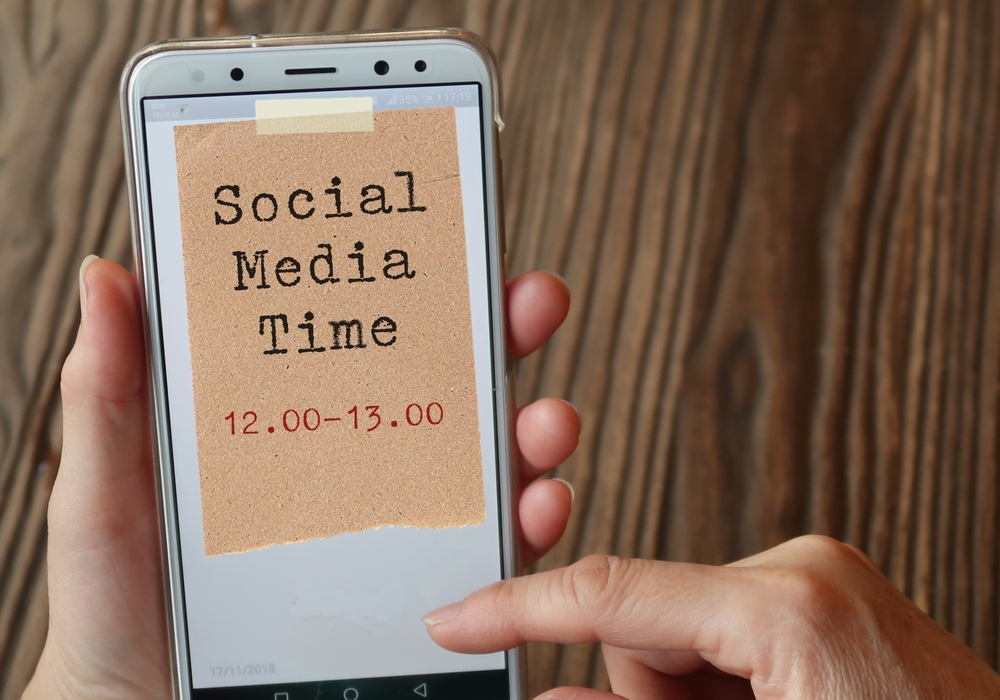
You read headlines once a day and stop there. Endless updates feel overwhelming and repetitive. Push notifications stay muted on your phone. Reliable sources replace constant scrolling. The internet cycles through outrage daily. You choose the distance from that pace. A soft life Canadian manages information intake carefully. Staying informed does not require constant exposure. Discussions happen calmly with trusted people. Background noise gets filtered out. Peace sometimes needs limits. Clear thinking improves when input shrinks.
You Redefine Success Quietly

You stopped chasing visible milestones for approval. Promotions still matter, but not at any cost. Owning a modest home feels sufficient. Paid time off actually gets used. The internet debates lifestyle goals loudly. You shift priorities without announcing it. A soft life, Canadian measures success by ease and stability. Daily calm outweighs public recognition. Status symbols lose their appeal. Personal benchmarks replace comparison. Satisfaction grows in small, steady ways. Contentment feels earned through balance.
You Invest in Local Community
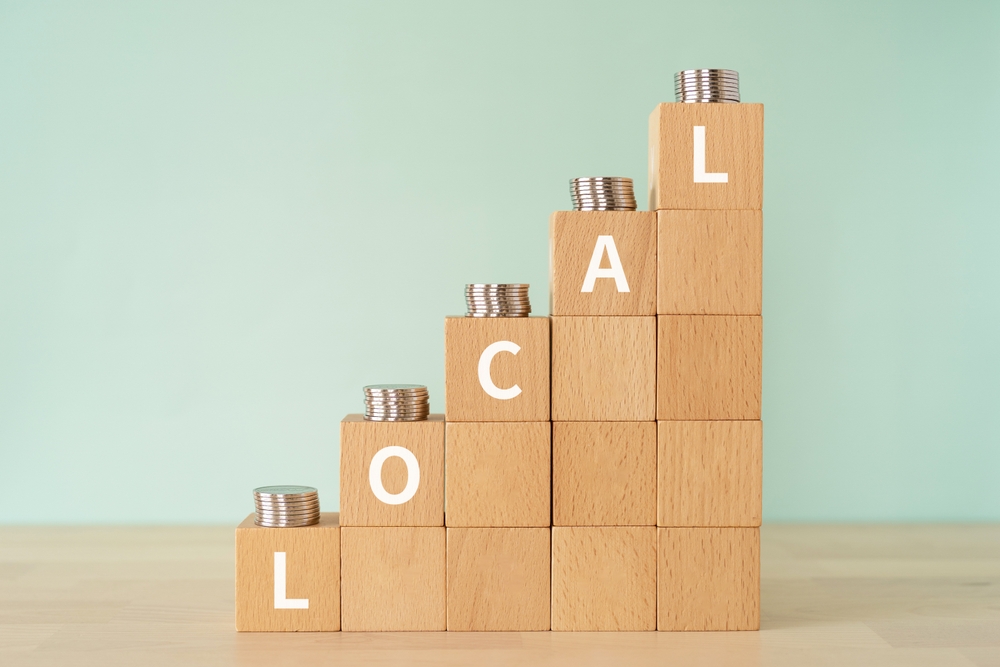
You support nearby shops when budgets allow. Farmers’ markets replace large chains occasionally. Community events draw you out more often. The internet highlights slow-living trends. You value familiarity first. A soft life Canadian builds local ties intentionally. Short distances simplify daily routines. Greeting neighbours becomes normal. Shared spaces feel comfortable and safe. Community brings subtle reassurance. Knowing people nearby reduces isolation. Small connections create steady belonging.
You Accept That Softness Is Practical

You no longer mock the phrase soft life. It feels grounded rather than indulgent. Comfort and stability matter more than image. The internet may exaggerate aesthetics, but you ignore that noise. Your version looks ordinary and functional. A soft life Canadian chooses ease intentionally. You focus on reducing daily friction. Calm routines replace dramatic overhauls. Small habits build steady comfort. Life remains busy, yet manageable. Softness becomes realistic, not excessive.
22 Groceries to Grab Now—Before another Price Shock Hits Canada

Food prices in Canada have been steadily climbing, and another spike could make your grocery bill feel like a mortgage payment. According to Statistics Canada, food inflation remains about 3.7% higher than last year, with essentials like bread, dairy, and fresh produce leading the surge. Some items are expected to rise even further due to transportation costs, droughts, and import tariffs. Here are 22 groceries to grab now before another price shock hits Canada.
22 Groceries to Grab Now—Before another Price Shock Hits Canada
