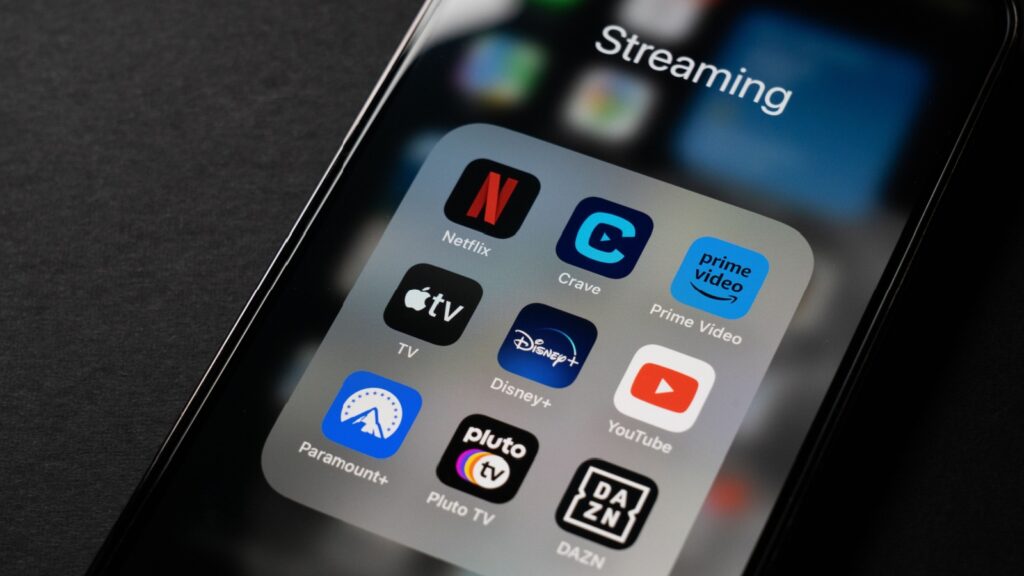
Subscription services have become a normal part of everyday spending in Canada, often starting as small monthly charges that quietly continue long after their usefulness fades. Many renew automatically, making them easy to overlook in bank statements. While some subscriptions provide consistent value, others become unnecessary expenses that go unnoticed. Canadians often sign up for trials, seasonal services, or convenience-based platforms and forget to cancel them on time. Here are 20 sneaky subscription renewals Canadians forget to cancel.
Streaming Video Services
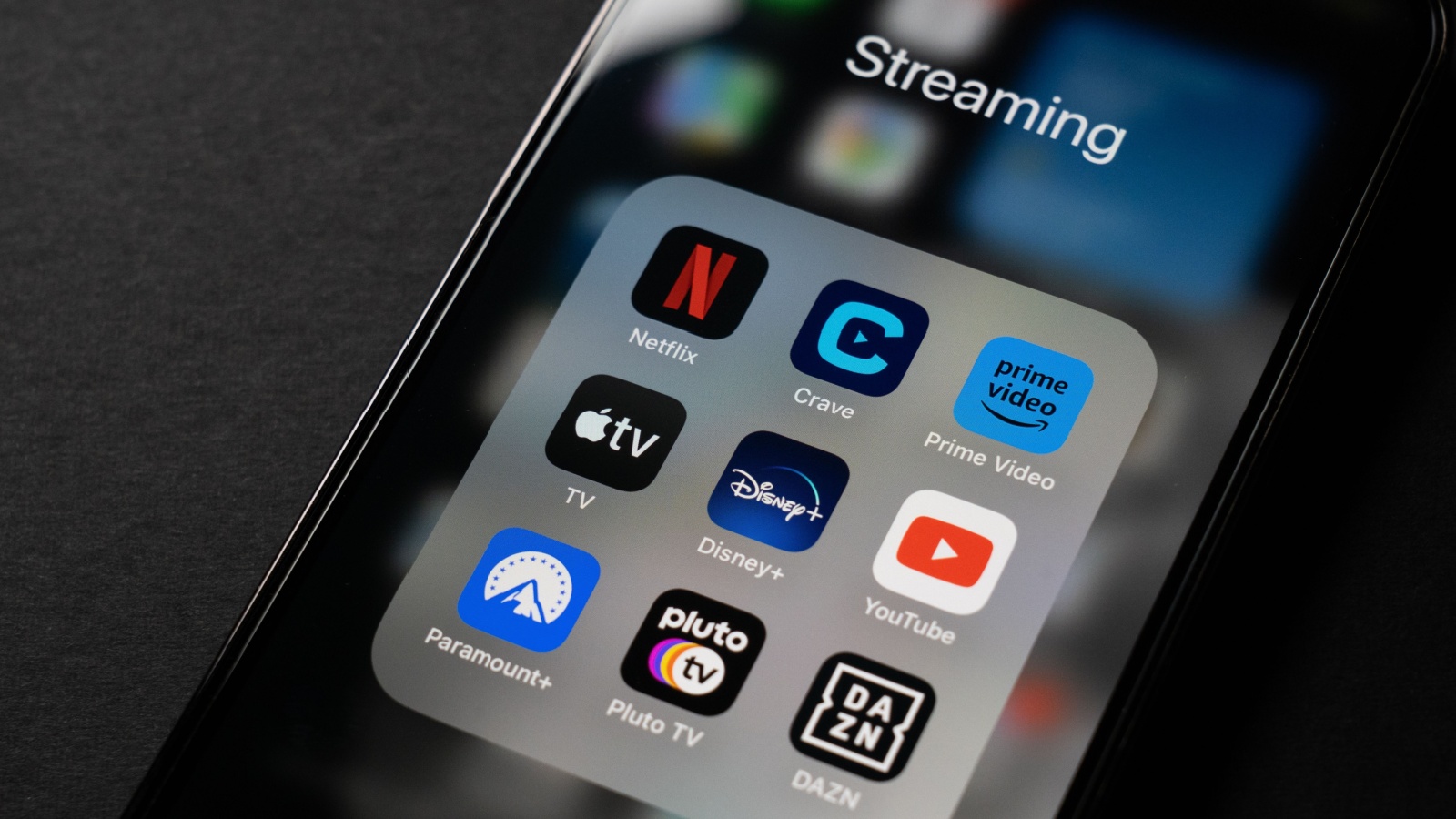
Streaming platforms are one of the most commonly forgotten subscriptions in Canada, especially as households subscribe to multiple services at the same time. Canadians often sign up for a platform to watch a specific show or movie, then forget to cancel after they finish. Monthly charges may seem small individually, but they add up quickly when multiple subscriptions are active. Some platforms also auto-renew annually at higher rates, catching users off guard. While these services can offer good value when used regularly, they become unnecessary when usage drops.
Music Streaming Apps

Music streaming subscriptions are often kept running without much thought, even when usage declines. Canadians may continue paying monthly fees simply out of habit, especially if the charge is small and recurring. Many users also forget they signed up for premium versions after free trials ended. While these services provide convenience and ad-free listening, they may not be necessary for everyone. Some users could switch to free versions or alternative platforms without significantly affecting their experience. Reviewing listening habits can help determine whether the subscription is still worth keeping.
Cloud Storage Plans

Cloud storage subscriptions often renew automatically, even when users no longer need additional space. Canadians frequently upgrade storage for specific needs, such as backing up photos or work files, but forget to downgrade later. These plans can remain active for years without review. While cloud storage is useful, many users pay for more capacity than they actually use. Regularly checking storage usage can help determine whether a lower plan is sufficient. Keeping only necessary storage reduces ongoing costs without affecting functionality.
Fitness App Subscriptions

Fitness apps gained popularity in recent years, but many Canadians continue paying for them long after they stop using them regularly. These subscriptions often renew automatically, making them easy to overlook. Users may sign up with good intentions but gradually lose interest, while the charges continue. Some apps also switch from monthly to annual billing, increasing the cost without clear reminders. While these services can be valuable for consistent users, they are often unnecessary for those who no longer engage with them. Reviewing activity levels and canceling unused subscriptions can help reduce wasted spending.
Online News Subscriptions

Online news subscriptions are often purchased during promotional periods or for access to specific articles, then forgotten over time. Canadians may continue paying even if they rarely read the content. Auto-renewals make it easy for these subscriptions to remain active without regular review. While quality journalism can provide value, not all subscriptions are used consistently. Evaluating reading habits can help determine whether the subscription is worth keeping. Canceling unused services or switching to free alternatives can reduce costs while still staying informed.
Gaming Memberships

Gaming memberships, including online play services and premium access features, often renew automatically. Canadians may subscribe to specific games or features but forget to cancel when they stop playing. These subscriptions can remain active even during periods of inactivity. While they provide value for active gamers, they are unnecessary when not in use. Reviewing gaming habits and canceling unused memberships can help reduce ongoing costs. This is a common example of a subscription that depends heavily on consistent usage to remain worthwhile.
Meal Kit Services

Meal kit subscriptions are often started for convenience but may continue even when usage declines. Canadians may skip deliveries occasionally but forget to cancel entirely. Weekly or monthly charges can add up quickly, especially if meals are not being used. While these services can be helpful for busy schedules, they are not always necessary long-term. Reviewing usage and canceling when not needed can prevent unnecessary spending. Keeping the subscription only during periods of regular use ensures better value.
Language Learning Apps

Language learning apps often rely on annual subscriptions, which can be easy to forget once purchased. Canadians may start using these apps with enthusiasm, but gradually stop while the subscription remains active. Auto-renewals can lead to unexpected charges if not monitored. While these apps can be valuable for consistent learners, they provide little benefit when unused. Reviewing progress and canceling inactive subscriptions can help reduce unnecessary expenses. Restarting the subscription later is always an option when needed.
VPN Services

VPN subscriptions are often purchased for privacy or travel purposes, but may remain active even when no longer needed. Canadians may forget about these services, especially if they are billed annually. While VPNs provide security benefits, they may not be necessary for all users. Reviewing usage and canceling unnecessary subscriptions can reduce costs. Keeping the service only when it is actively used ensures better value and avoids wasted spending.
Photo Editing Apps

Photo editing apps often operate on subscription models, which can be easy to overlook after initial use. Canadians may subscribe to a specific project, then forget to cancel once it is completed. Monthly charges continue even when the app is no longer used. While these tools can be valuable for frequent users, they are unnecessary for occasional editing. Reviewing app usage and canceling unused subscriptions can help reduce ongoing expenses. This is a common example of a subscription that should be kept only when actively needed.
Online Shopping Memberships

Online shopping memberships often renew automatically, especially those offering free shipping, exclusive deals, or faster delivery. Canadians frequently sign up during promotional periods or peak shopping seasons, then forget about the subscription afterward. While the benefits can be useful for frequent shoppers, they provide little value if purchases become occasional. The cost may seem small annually, but it adds up when not actively used. Many users overlook renewal notices or assume they will cancel later, which leads to continued charges.
Antivirus Software Subscriptions

Antivirus software subscriptions are often set to auto-renew annually, which can catch Canadians off guard if they forget about them. Many users install security software for a specific purpose and then stop monitoring the subscription. Over time, built-in security features on devices have improved, reducing the need for separate paid services in some cases. Despite this, subscriptions continue to renew without review. Canadians may also have overlapping protection through multiple devices or services, making additional subscriptions unnecessary. Reviewing current security needs can help determine whether the subscription is still required.
Digital Magazine Subscriptions
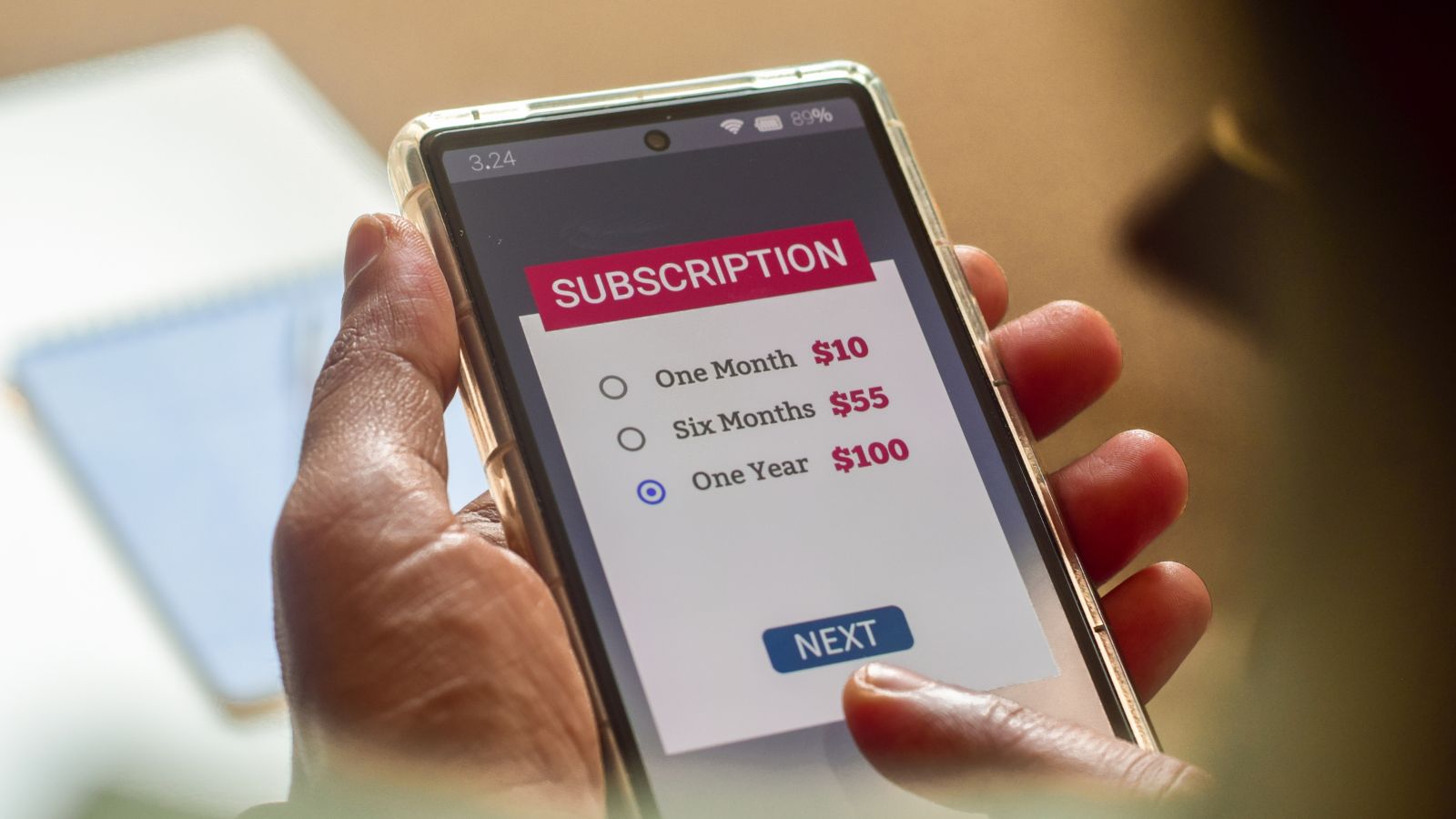
Digital magazine subscriptions often start with low introductory rates, which later increase upon renewal. Canadians may sign up for specific content or limited-time access, then forget to cancel before the renewal date. These subscriptions can continue for months or years without regular use. While they may offer value for consistent readers, they become unnecessary when reading habits change. Many users overlook renewal notifications or ignore small recurring charges.
Meditation and Wellness Apps

Meditation and wellness apps often rely on subscription models that renew automatically, even when usage declines. Canadians may sign up during periods of stress or lifestyle changes, but gradually stop using the service. Despite this, the subscription continues to renew, often annually. While these apps can provide meaningful benefits for consistent users, they offer little value when not actively used. Many users forget about these subscriptions because they are tied to personal goals that may change over time. Reviewing usage and engagement helps determine whether the subscription is still beneficial. Canceling unused services can reduce unnecessary spending.
Software Productivity Tools

Productivity tools such as document editors, project management apps, or design platforms often operate on subscription models. Canadians may subscribe to work or personal projects, then continue paying even after their needs change. These subscriptions can become redundant if alternative tools are available or if usage decreases. Many users forget to cancel because the services are tied to ongoing tasks or accounts. Reviewing how often the tools are used helps determine whether they remain necessary. If the software is essential for daily work, it may be worth keeping. Otherwise, canceling or downgrading plans can reduce costs.
Kids’ Educational Apps

Educational apps for children are often subscribed to with good intentions, but may continue long after they are actively used. Canadians may sign up for learning programs during school breaks or developmental phases, then forget to cancel when usage declines. These subscriptions often renew automatically, sometimes annually, leading to unnoticed charges. While they can provide value when actively used, they become unnecessary when children lose interest or move on to other activities. Reviewing engagement levels helps determine whether the subscription is still beneficial.
Car Navigation or Connected Services

Many modern vehicles include subscription-based services such as navigation, remote access, or connectivity features. Canadians may activate these services during a trial period and forget to cancel when the free period ends. These subscriptions often renew automatically and can go unnoticed for long periods. While some features may be useful, others may duplicate functions already available on smartphones. Reviewing usage helps determine whether the subscription provides real value. If the features are rarely used, canceling them can reduce ongoing costs. Keeping only essential services ensures better alignment with actual needs. This is a growing category of subscriptions that requires regular review as vehicle technology evolves.
Online Course Platforms

Online course platforms often offer subscriptions that provide access to a wide range of content. Canadians may sign up to learn a specific skill but stop using the platform after completing a course. Despite this, subscriptions continue to renew automatically. While these platforms can be valuable for continuous learning, they offer little benefit when not actively used. Reviewing course activity helps determine whether the subscription is still worthwhile. Canceling unused memberships prevents unnecessary spending while allowing reactivation when needed. This is a common example of a subscription that depends on consistent engagement to provide value.
Dating Apps

Dating app subscriptions often renew automatically, even after users stop actively using the platform. Canadians may subscribe to premium features during active periods, then forget to cancel once their circumstances change. These subscriptions can continue unnoticed, especially if billed monthly. While they may provide value during active use, they become unnecessary when no longer needed. Reviewing account status and canceling inactive subscriptions helps avoid wasted spending. This is a category where usage can change quickly, making regular review important. Keeping subscriptions only during active use ensures better financial control.
Gym Membership Add-Ons

Gym memberships often include add-ons such as premium classes, app access, or personal training subscriptions that renew automatically. Canadians may sign up for these extras with good intentions, but stop using them over time. Despite this, charges continue alongside the main membership. Reviewing usage helps identify which add-ons are still valuable. Canceling unused extras reduces overall costs without affecting core access. This is a common area where small charges accumulate unnoticed. Regularly reviewing gym billing ensures that spending aligns with actual fitness habits and prevents unnecessary expenses from continuing long-term.
19 Things Canadians Don’t Realize the CRA Can See About Their Online Income

Earning money online feels simple and informal for many Canadians. Freelancing, selling products, and digital services often start as side projects. The problem appears at tax time. Many people underestimate how much information the CRA can access. Online platforms, banks, and payment processors create detailed records automatically. These records do not disappear once money hits an account. Small gaps in reporting add up quickly.
Here are 19 things Canadians don’t realize the CRA can see about their online income.
