
Across Canada, housing markets have been in the spotlight for years, but not all cities are experiencing the same trends. While major urban centers like Toronto and Vancouver still see high prices, several smaller and mid-sized cities are quietly facing declining home values. From the Atlantic provinces to the Prairies and parts of British Columbia, factors like rising interest rates, slowing demand, and increasing inventory are impacting local markets. Here are 20 surprising cities where Canadian home prices are quietly crashing.
St. John’s, Newfoundland and Labrador
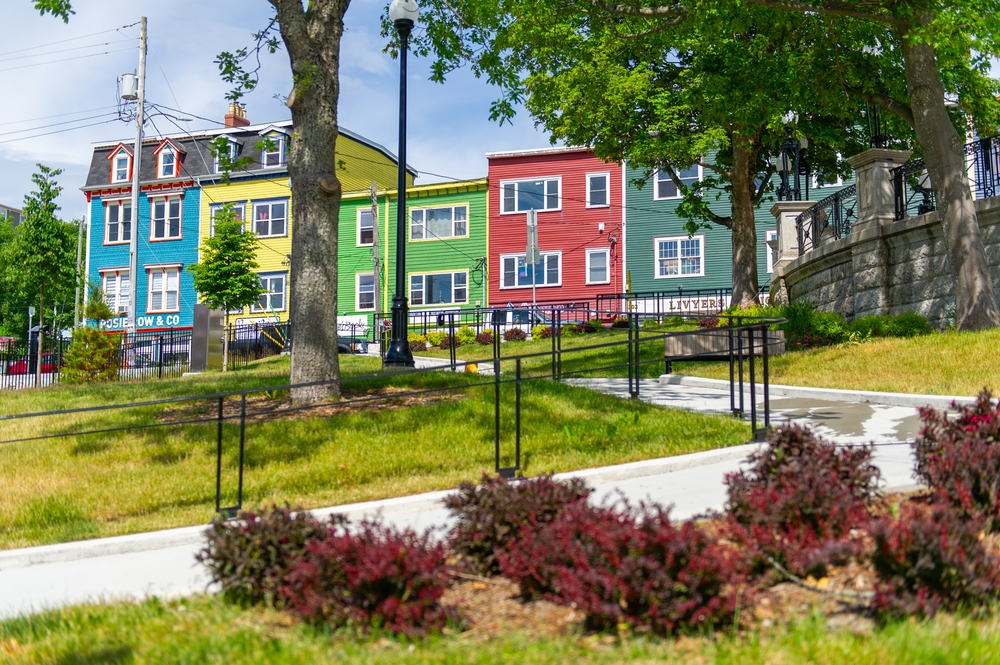
St. John’s has seen a noticeable decline in home prices recently. Economic shifts, including oil sector slowdowns, have reduced buyer demand. Many properties are spending longer on the market, giving potential buyers more negotiating power. This slowdown is affecting both single-family homes and condos. Local real estate agents note that while the market is not collapsing, price growth has reversed. Affordable housing options are now more accessible to first-time buyers. St. John’s example shows how regional economic changes can influence housing demand and prices, even in historically stable markets.
Moncton, New Brunswick

Moncton’s housing market is experiencing a softening in home values. After years of rapid growth, inventory has increased, giving buyers more options. Economic factors and slower population growth are contributing to the price drop. Single-family homes in suburban areas are particularly affected. Sellers are adjusting expectations, and some are accepting offers below asking prices. This cooling trend is creating opportunities for local buyers. Moncton illustrates how smaller Canadian cities can see housing corrections earlier than larger urban markets due to localized economic and demographic changes.
Fredericton, New Brunswick
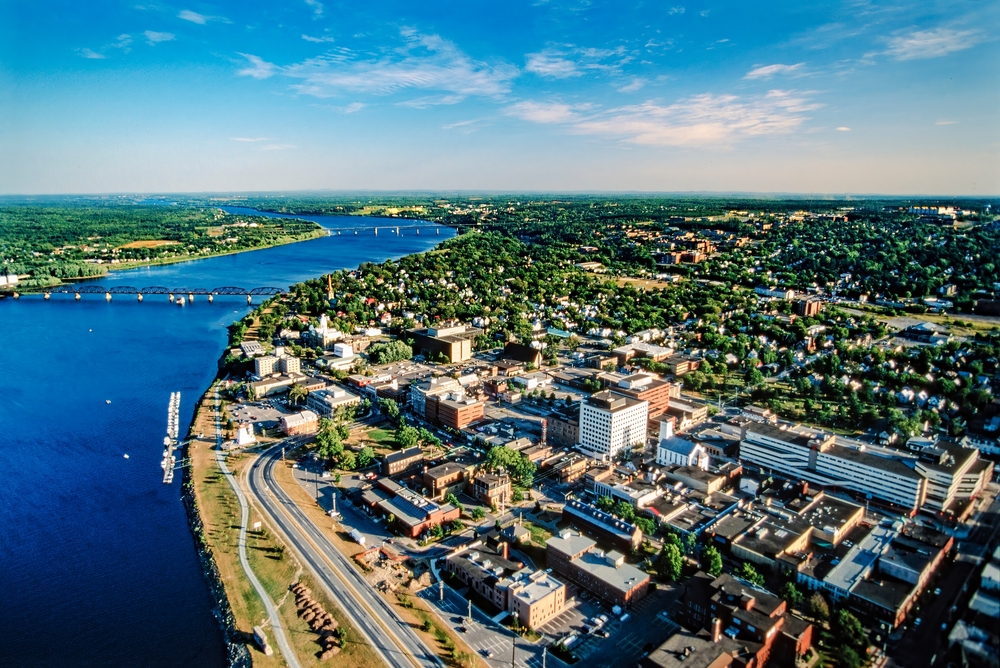
Fredericton is experiencing a quiet decline in property values. Increased housing supply and slower demand have led to longer selling times. The market shift is most evident in single-family homes, though condos are also affected. Buyers now have more leverage during negotiations. Economic stability in the area is causing some sellers to reconsider listing strategies. This trend allows first-time homebuyers to enter the market at more reasonable prices. Fredericton shows that even provincial capitals outside major metropolitan areas are susceptible to price corrections in Canada’s housing market.
Halifax, Nova Scotia
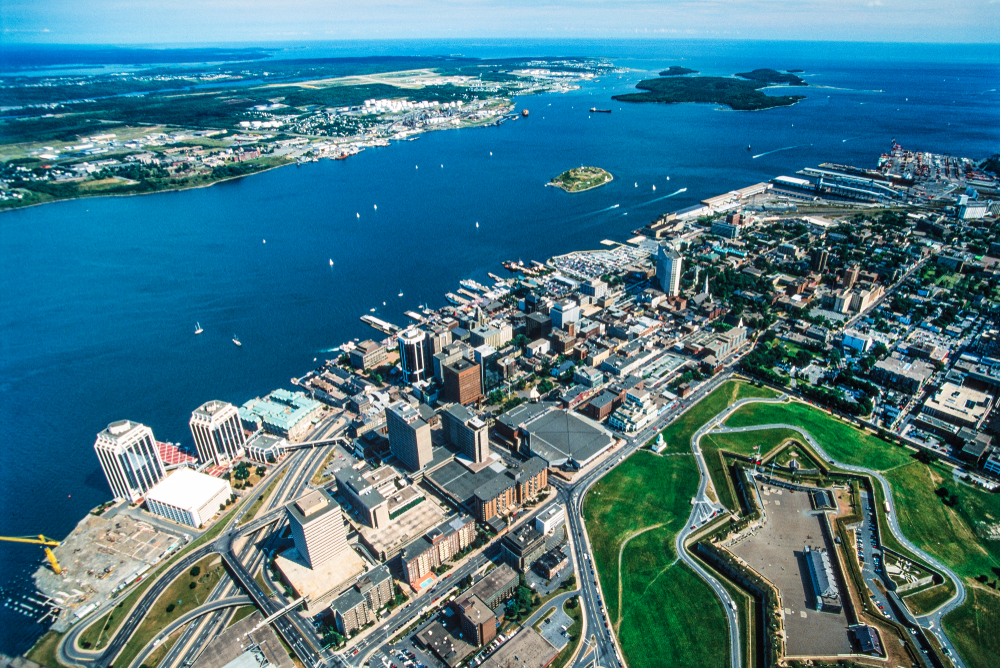
Halifax’s housing market is cooling after years of rapid growth. Rising interest rates and slower population influx have reduced buyer competition. Home prices, especially in suburban neighborhoods, have begun to decline. Condominiums in urban areas are also seeing price adjustments. Sellers are more flexible on terms and conditions. The slowdown is allowing more balanced negotiations between buyers and sellers. Halifax demonstrates that regional urban centers in Atlantic Canada are not immune to housing corrections, highlighting the impact of broader economic trends on local markets.
Charlottetown, Prince Edward Island

Charlottetown is seeing a decline in property prices, particularly in single-family homes. The influx of buyers during previous years has slowed, increasing available inventory. Economic factors, such as limited job growth, are contributing to reduced demand. Buyers now have more options and negotiation leverage. The shift has created opportunities for first-time homeowners to purchase at lower prices. Charlottetown exemplifies how smaller provincial capitals can experience housing market adjustments quietly, without the dramatic headlines seen in larger Canadian cities.
Saint John, New Brunswick

Saint John is experiencing a subtle decline in home prices. Economic challenges and slower migration into the city have decreased competition. Properties are spending more time on the market, which benefits buyers. Single-family homes and townhouses are particularly affected, though some condos are also impacted. Real estate agents note a shift toward more realistic pricing expectations. Saint John shows that even historically affordable cities can see housing price corrections, providing potential opportunities for local buyers seeking value.
Windsor, Ontario

Windsor’s housing market has cooled after rapid increases in recent years. Rising interest rates and limited demand from new buyers have led to lower home prices. Detached homes and condos are now staying longer on the market. Sellers are adjusting expectations, and buyers are negotiating more favorable deals. Windsor demonstrates that mid-sized Ontario cities are susceptible to market corrections, particularly when growth slows, and affordability issues reduce competition.
London, Ontario

London is experiencing a slowdown in property prices, with inventory gradually increasing. Buyer demand has softened due to rising interest rates and affordability constraints. Homes are taking longer to sell, giving buyers more negotiating power. Both single-family residences and condominiums are affected. Local real estate agents report more cautious selling strategies as market conditions evolve. London highlights how mid-sized Ontario cities are quietly seeing price adjustments, offering opportunities for buyers to purchase without the intense competition previously seen.
Thunder Bay, Ontario
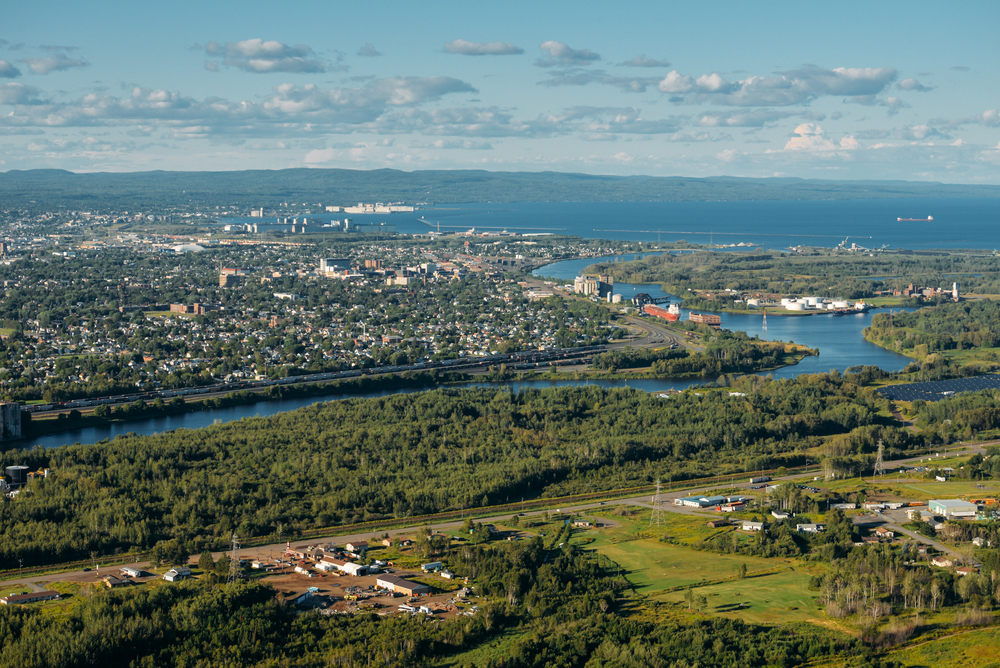
Thunder Bay’s housing market is quietly softening, with home prices showing modest declines. Limited new buyer activity and rising inventory have slowed sales. Single-family homes in suburban areas are particularly affected. Buyers now have more negotiating power, and some sellers are lowering asking prices to attract offers. This cooling trend is giving first-time buyers better access to the market. Thunder Bay demonstrates how smaller Ontario cities outside the Greater Toronto Area are experiencing subtle corrections in housing prices while remaining stable overall.
Sudbury, Ontario
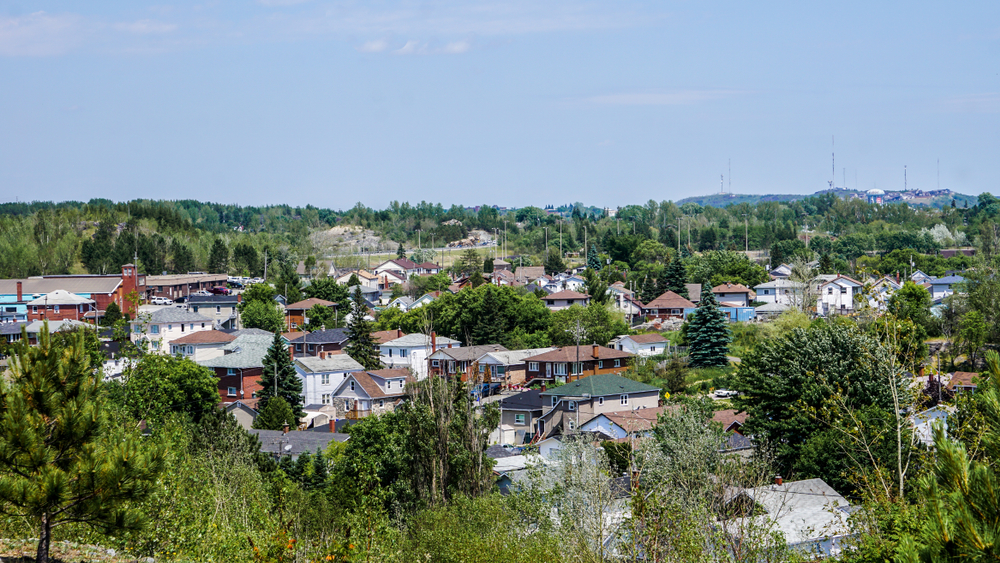
Sudbury is experiencing a mild decline in home values after years of steady growth. Inventory levels are rising, and properties are taking longer to sell. Detached homes and townhouses are particularly impacted. Buyers are negotiating more aggressively, and some homes are selling below asking prices. Economic factors and slower population growth are contributing to the slowdown. Sudbury’s market shows that regional Ontario cities are not immune to price adjustments, offering opportunities for buyers to enter previously competitive markets.
Regina, Saskatchewan

Regina’s housing market is experiencing softening home prices. Increased inventory and slower buyer demand are leading to longer market times for properties. Single-family homes are particularly affected, while condos are adjusting more gradually. Rising interest rates and economic factors are influencing buyer behavior. Sellers are recalibrating price expectations to attract offers. Regina demonstrates how provincial capitals in the Prairies can see gradual housing corrections even when overall market conditions in larger cities remain strong.
Saskatoon, Saskatchewan

Saskatoon is seeing modest declines in property prices, especially in suburban neighborhoods. Economic shifts and increased housing supply have created more options for buyers. Single-family homes and townhouses are taking longer to sell, giving buyers stronger negotiating leverage. Real estate agents note that while the market remains stable, price growth has slowed significantly. Saskatoon exemplifies how Prairie cities are quietly adjusting after rapid growth periods, providing opportunities for new homeowners to purchase at more reasonable prices.
Winnipeg, Manitoba

Winnipeg’s housing market is experiencing a soft correction, with prices stabilizing after years of rapid growth. Inventory has increased, particularly for single-family homes in suburban areas. Buyers are negotiating more favorable terms, and properties are spending longer on the market. Economic conditions and slower migration into the city contribute to the reduced demand. Winnipeg shows that even major provincial cities outside Ontario and British Columbia can experience subtle market cooling, creating opportunities for first-time buyers.
Brandon, Manitoba
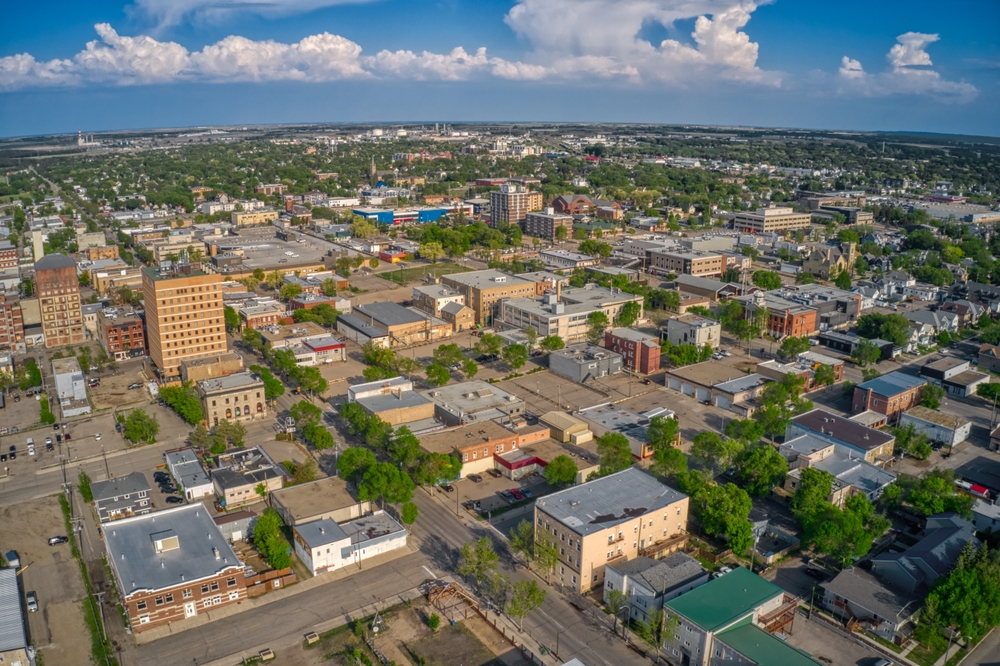
Brandon’s real estate market is quietly cooling, with home prices seeing minor declines. Rising inventory and slower buyer activity are contributing factors. Single-family homes are more affected than condos. Buyers now have more leverage during negotiations, and sellers are adjusting price expectations. The city’s affordable housing and smaller market size make the adjustments noticeable but manageable. Brandon illustrates how smaller Manitoba cities are experiencing gradual housing corrections while remaining attractive for new buyers seeking value and more stable property investments.
St. Catharines, Ontario
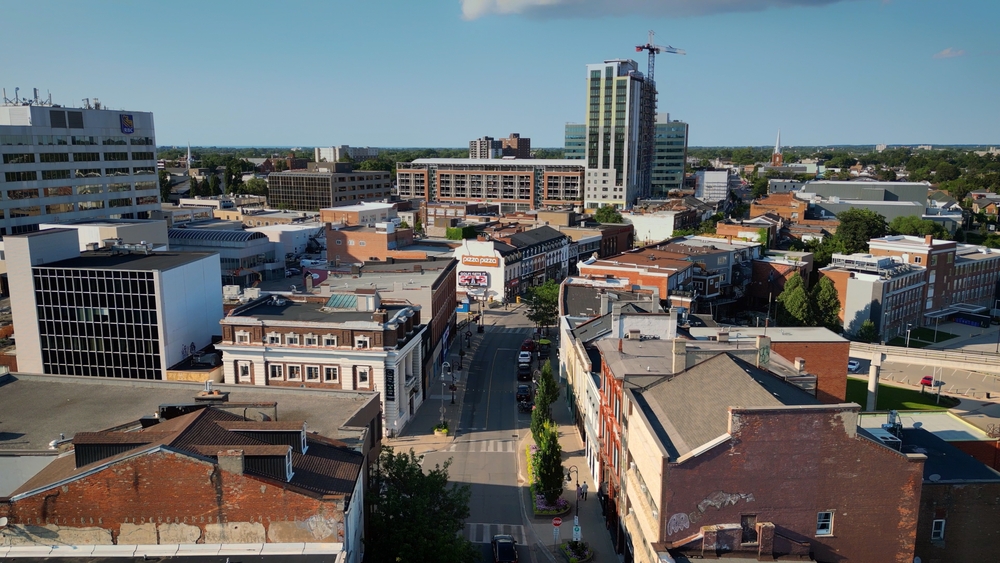
St. Catharines is seeing a subtle decline in home prices after years of strong growth. Rising inventory and slower demand are extending the time homes spend on the market. Detached homes and townhouses are particularly affected. Buyers are negotiating more favorable deals, and some properties are selling below asking prices. Economic factors and affordability concerns contribute to the market slowdown. St. Catharines highlights how smaller Ontario cities near the Greater Toronto Area can experience quiet corrections, providing opportunities for first-time buyers to enter the market at more reasonable prices.
Kelowna, British Columbia

Kelowna’s housing market is cooling after years of rapid appreciation. Inventory has increased, and buyer demand is moderating due to rising interest rates and affordability constraints. Luxury and single-family homes are taking longer to sell, giving buyers stronger negotiating power. Real estate agents report that the market is still active but far less competitive than in previous years. Kelowna demonstrates how popular resort and mid-sized cities in British Columbia are experiencing subtle price corrections while maintaining long-term appeal for homeowners and investors.
Abbotsford, British Columbia

Abbotsford is experiencing a slowdown in home prices after a period of high demand. Increased listings and longer selling times are giving buyers more leverage. Single-family homes are particularly affected, while condominiums remain stable. Rising mortgage rates and affordability challenges are influencing buyer decisions. Sellers are adjusting price expectations to attract offers. Abbotsford highlights how mid-sized cities in British Columbia outside Vancouver are quietly seeing housing market adjustments without dramatic disruptions.
Nanaimo, British Columbia

Nanaimo’s housing market is softening, with modest declines in home prices. Inventory levels have increased, and properties are staying longer on the market. Single-family homes in suburban areas are most affected. Buyer demand is slowing due to rising interest rates and economic considerations. Sellers are recalibrating pricing strategies to attract offers. Nanaimo illustrates how Vancouver Island cities are experiencing subtle market corrections, creating opportunities for buyers to purchase homes without the intense competition seen in larger urban centers.
Barrie, Ontario

Barrie’s real estate market is cooling after rapid growth in previous years. Increasing inventory and slowing buyer activity have led to longer market times for homes. Detached houses are taking longer to sell, and buyers are negotiating more favorable deals. Rising interest rates and affordability concerns are influencing market conditions. Barrie highlights how smaller Ontario cities near Toronto are quietly seeing housing price adjustments, providing more accessible opportunities for first-time and local buyers.
Peterborough, Ontario
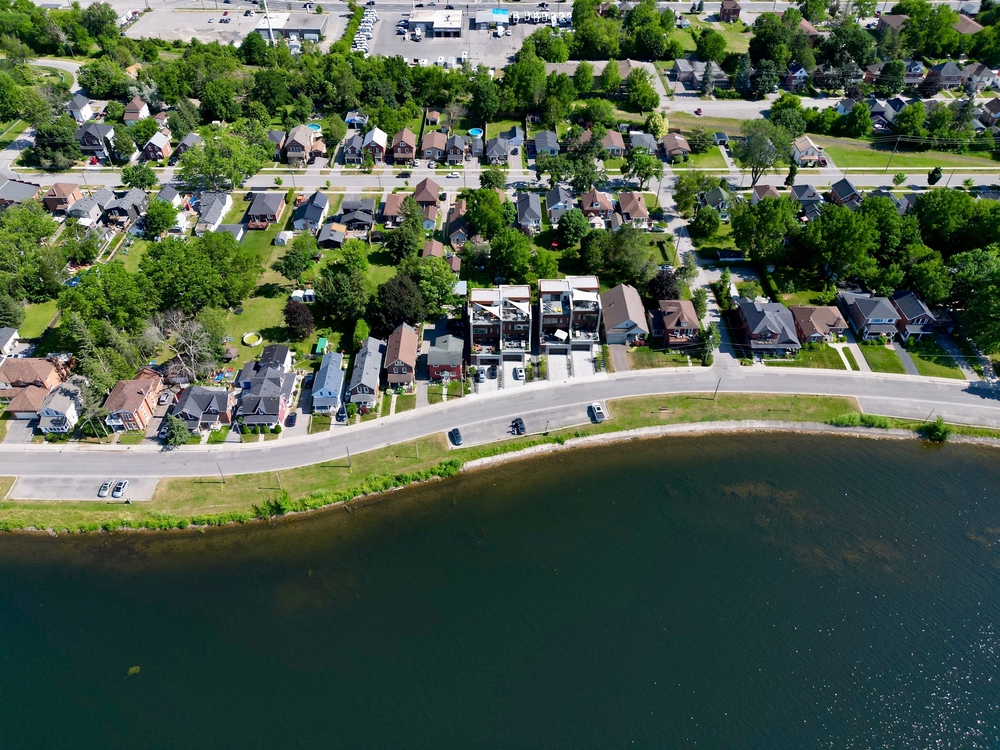
Peterborough is experiencing a subtle decline in property values. Slower buyer demand and increased inventory are extending the time homes spend on the market. Single-family residences and townhouses are most affected. Buyers have more leverage in negotiations, and some properties are selling below asking prices. Economic and demographic factors contribute to the softening trend. Peterborough demonstrates how mid-sized Ontario cities outside major metropolitan areas can experience quiet housing market corrections, offering opportunities for buyers seeking affordable options without competing in overheated markets.
22 Groceries to Grab Now—Before another Price Shock Hits Canada

Food prices in Canada have been steadily climbing, and another spike could make your grocery bill feel like a mortgage payment. According to Statistics Canada, food inflation remains about 3.7% higher than last year, with essentials like bread, dairy, and fresh produce leading the surge. Some items are expected to rise even further due to transportation costs, droughts, and import tariffs. Here are 22 groceries to grab now before another price shock hits Canada.
22 Groceries to Grab Now—Before another Price Shock Hits Canada
