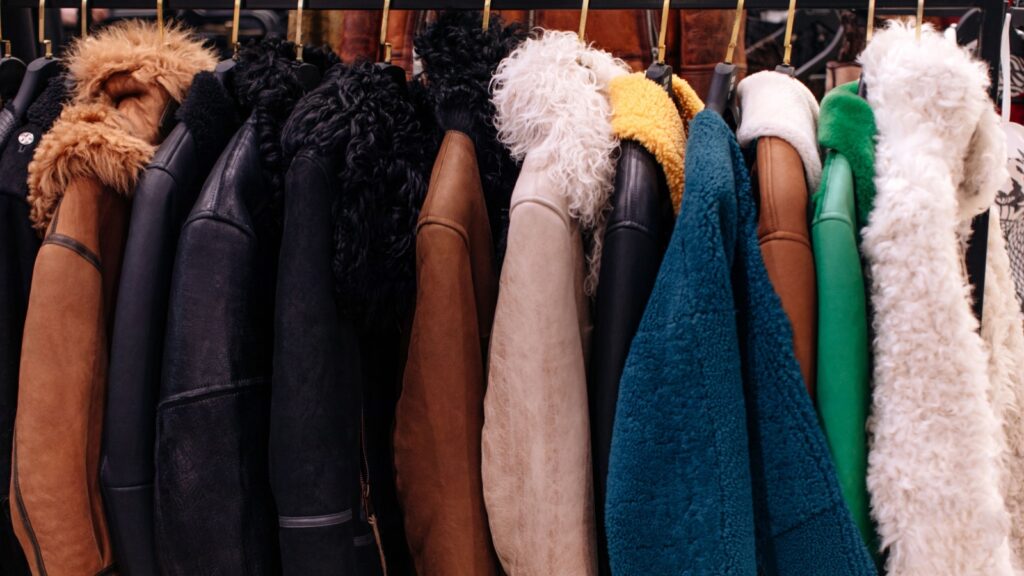
Packing for spring travel can be surprisingly difficult, especially in Canada, where the weather changes quickly. Many travellers prepare for only one type of condition and end up uncomfortable later. Warm afternoons, chilly evenings, rain, and strong sun can all occur in a single day. Without a thoughtful approach, luggage fills with bulky, impractical, or rarely used items. The key to spring packing is flexibility, not volume. Clothing that layers easily performs far better than heavy single pieces. Here are 20 things Canadians pack wrong for spring trips and why layers matter.
Packing Only Heavy Winter Coats
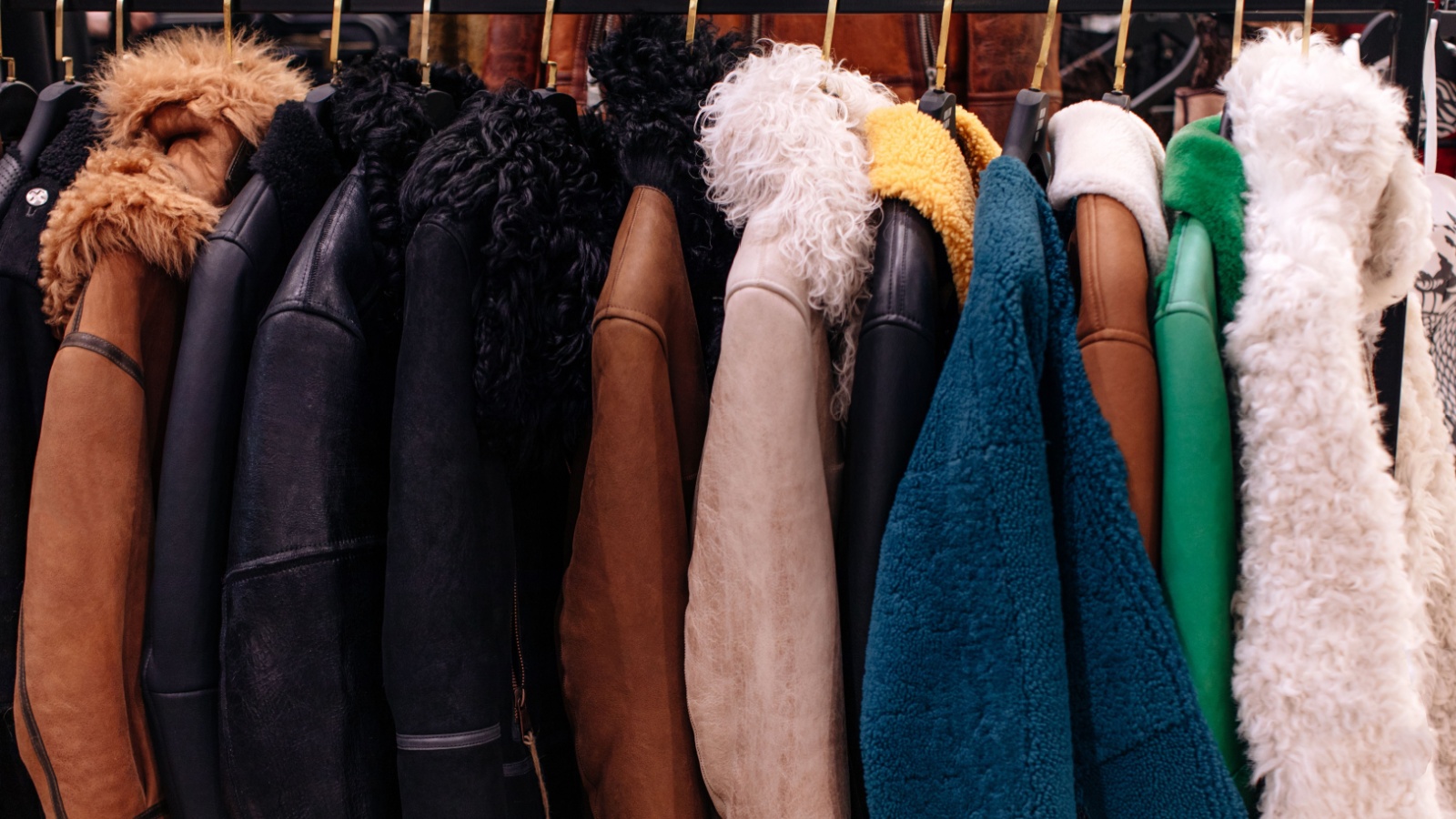
Many Canadians assume spring travel still requires full winter protection. As a result, they pack thick coats that feel excessive once temperatures rise. Spring weather often changes throughout the day, making heavy outerwear uncomfortable by afternoon. Bulky coats also take up valuable luggage space. Travellers may end up carrying them instead of wearing them. A lighter jacket combined with layers usually works better. This approach allows adjustment as conditions shift. Heavy coats are useful only in colder regions. Packing them without checking forecasts creates unnecessary inconvenience. Choosing adaptable outerwear keeps mobility high and packing manageable during unpredictable spring conditions.
Forgetting Lightweight Layering Pieces

Spring temperatures can swing dramatically between morning and evening. Travellers who skip lightweight layers often struggle to stay comfortable. Thin long-sleeve tops, light sweaters, and breathable base layers allow gradual adjustment. Without them, options become limited to too hot or too cold. Layering also reduces the need for bulky clothing. Lightweight pieces pack easily and dry quickly if washed. They can be combined in different ways to suit changing conditions. Canadians travelling from colder climates may underestimate mild daytime warmth. Packing several thin layers provides flexibility across destinations. This strategy prevents discomfort while keeping luggage efficient and organized.
Bringing Bulky Sweaters Instead of Thin Knits
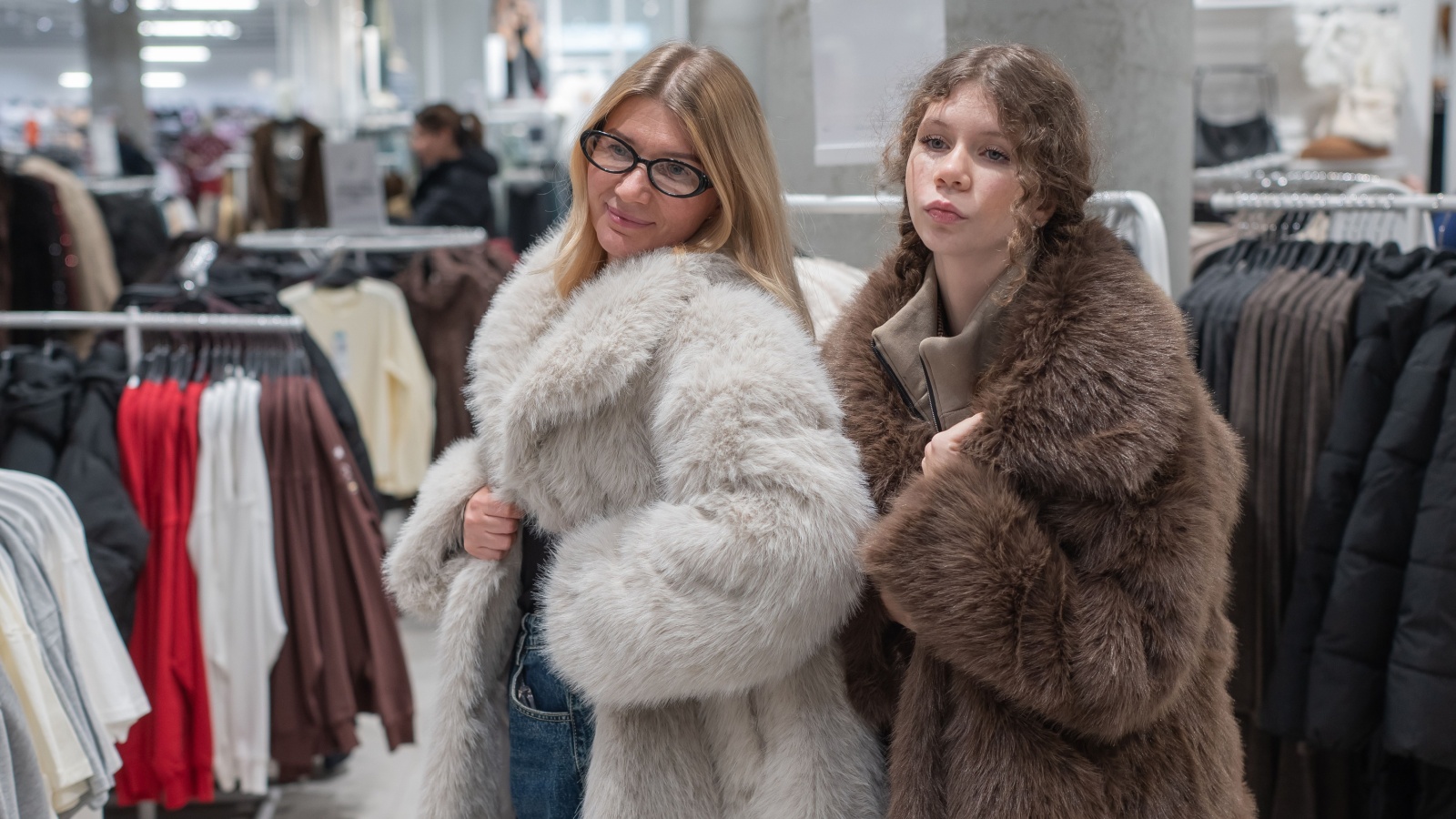
Bulky sweaters seem practical, but often become inconvenient during travel. Thick materials trap heat and restrict movement indoors. They also occupy significant suitcase space. Thin knit sweaters provide warmth without excessive weight. Multiple light knits can be layered for colder moments. This offers greater adaptability than a single heavy garment. Thin fabrics also fold compactly, leaving room for other essentials. Travellers appreciate clothing that transitions easily between environments. Bulky sweaters may remain unused once temperatures rise. Choosing slimmer knits supports comfort throughout varied spring conditions. The result is a more versatile wardrobe without overpacking.
Underpacking Waterproof Outerwear
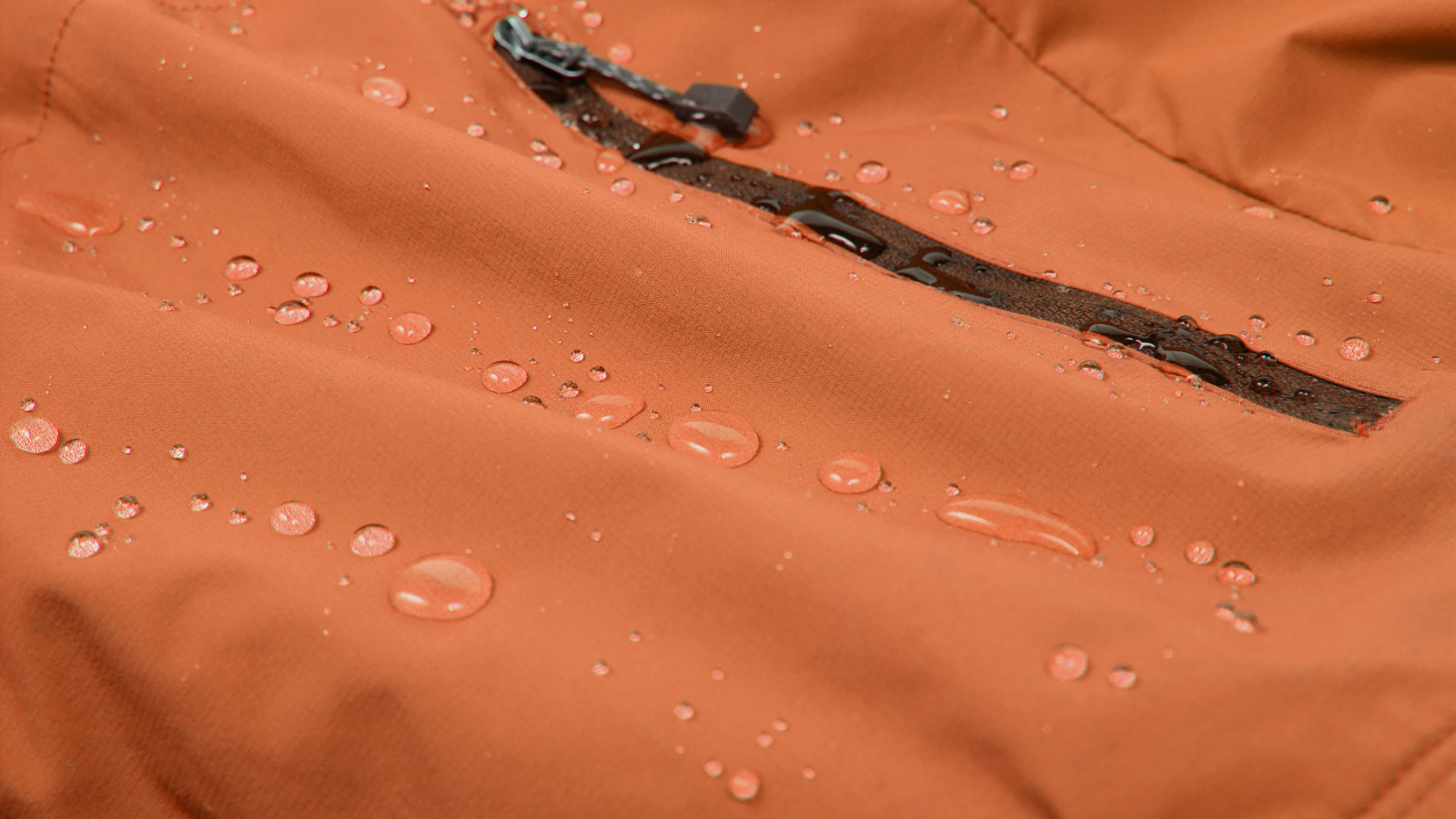
Spring frequently brings rain, especially in coastal or temperate regions. Travellers who neglect waterproof gear risk discomfort and disrupted plans. Light rain jackets protect clothing while remaining easy to carry. Waterproof layers also block wind, which can feel colder than expected. Compact designs fold into small pouches when not in use. Without proper outerwear, travellers may rely on umbrellas alone. This limits mobility during windy conditions. Canadians accustomed to snow may underestimate spring rainfall. Packing reliable waterproof protection allows for outdoor activities regardless of the weather. Prepared travellers can continue exploring instead of seeking shelter.
Choosing Fashion Over Weather-Ready Shoes

Stylish footwear often lacks the support or protection needed for travel. Spring conditions may include wet surfaces, uneven paths, or long walking distances. Shoes without grip or cushioning increase fatigue and risk of slips. Fashion-focused options may also absorb water easily. Once wet, they become uncomfortable for extended wear. Weather-ready shoes balance appearance with practicality. Waterproof materials and sturdy soles improve reliability. Neutral designs can still look presentable. Canadians travelling between climates benefit from versatile footwear. Choosing function first helps prevent discomfort and unexpected problems during busy itineraries.
Skipping Comfortable Walking Footwear

Spring trips often involve more walking than expected. Airports, city exploration, and outdoor sites require sustained mobility. Travellers who pack only casual or formal shoes may experience discomfort quickly. Blisters and fatigue can limit activities. Supportive walking shoes protect joints and maintain energy levels. Breathable materials prevent overheating indoors. Lightweight designs reduce luggage weight while remaining functional. Canadians used to winter boots may overlook spring footwear needs. Including at least one reliable pair of walking shoes improves the overall experience. Comfort directly affects how much travellers can enjoy each destination. Proper footwear makes extended exploration possible without unnecessary strain.
Packing Too Many Single-Use Outfits
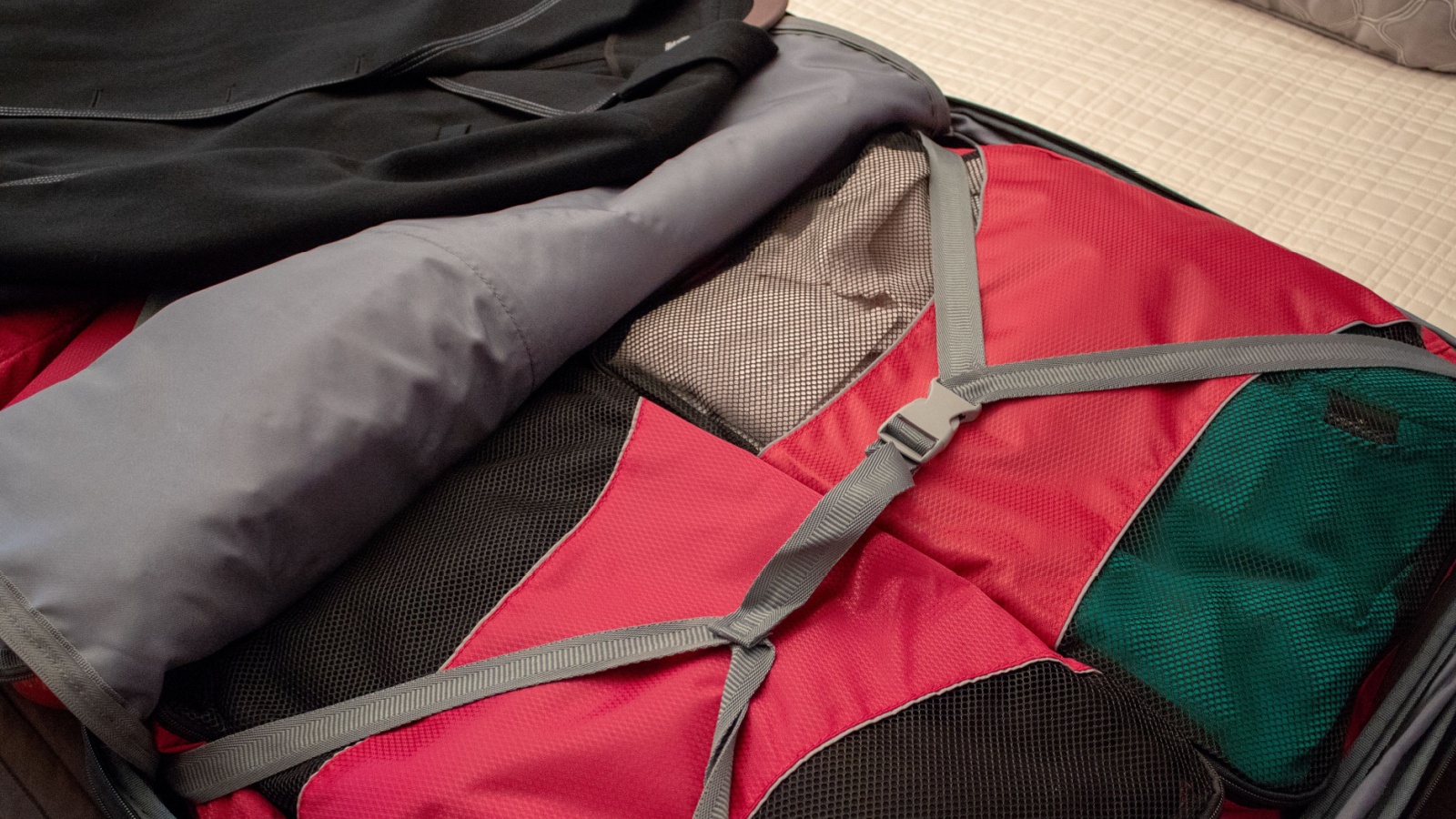
Many travellers pack complete outfits intended for specific occasions only. This approach quickly fills luggage without adding flexibility. Spring trips often involve changing plans, making rigid outfit choices impractical. Clothing that mixes and matches works far better. Neutral pieces can be worn in multiple combinations across days. Fabrics that resist wrinkles extend usability. Packing fewer but more versatile items reduces weight and stress. Canadians travelling between climates benefit from adaptable wardrobes. Single-use outfits may remain unworn if the weather shifts. Choosing interchangeable clothing supports both comfort and efficiency. This strategy also leaves space for items acquired during the trip.
Ignoring Temperature Swings Between Day and Night

Spring weather frequently changes between warm afternoons and cool evenings. Travellers who plan only for daytime conditions often feel unprepared later. Lightweight layers can be added or removed as temperatures shift. Without them, options become limited and uncomfortable. Outdoor dining, evening events, or late transport may expose travellers to cooler air. Canadians leaving colder regions sometimes underestimate mild daytime warmth. Conversely, those visiting warmer areas may overlook nighttime chill. Checking forecast ranges rather than single temperatures helps planning. Packing adaptable clothing prevents discomfort throughout the day. This awareness improves the overall travel experience.
Forgetting Compact Umbrellas or Rain Gear

Spring showers can appear suddenly, disrupting outdoor plans. Travellers without rain protection may need to purchase items at inflated prices. Compact umbrellas fold easily into small spaces. Lightweight rain ponchos provide hands-free coverage when needed. Waterproof jackets offer more durable protection in windy conditions. Canadians accustomed to snow may overlook rainfall preparation. Wet clothing can lead to discomfort for the rest of the day. Reliable rain gear allows activities to continue despite weather changes. Packing it in advance avoids unnecessary inconvenience. Prepared travellers can explore confidently regardless of conditions.
Not Packing Sunglasses for Bright Spring Days

Spring sunlight can be intense, especially after months of lower winter light. Snowmelt and water surfaces reflect glare strongly. Travellers without sunglasses may experience eye strain and discomfort. Polarized lenses reduce reflection and improve visibility. Sunglasses also protect the eyes from ultraviolet exposure. Canadians heading south often underestimate brightness differences. Compact cases prevent damage to luggage. This small item adds significant comfort during outdoor activities. Driving, sightseeing, and walking become easier with proper eye protection. Packing sunglasses requires minimal space yet offers substantial benefits throughout the trip.
Bringing Thick Scarves Instead of Light Ones

Thick winter scarves often prove too warm for spring conditions. Once temperatures rise, they become inconvenient to wear or carry. Lightweight scarves provide flexibility without excessive insulation. They can be wrapped loosely for comfort or folded away easily. Thin fabrics also serve as light blankets on planes. Neutral designs coordinate with multiple outfits. Canadians leaving colder regions may pack winter accessories automatically. Choosing lighter options improves versatility. A thin scarf adapts to both cool mornings and mild afternoons. This small adjustment supports comfort without adding bulk to luggage.
Overpacking Heavy Denim
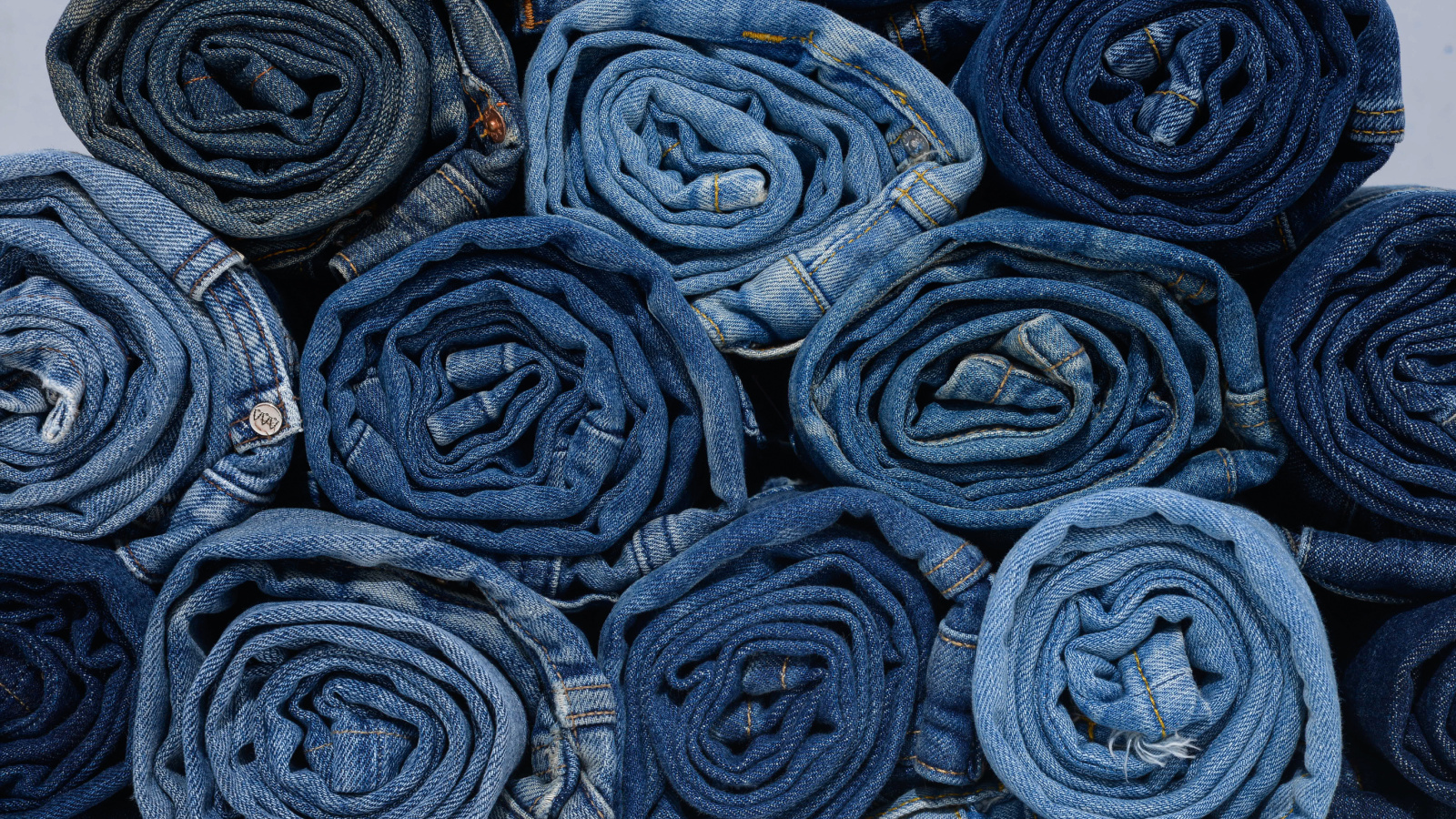
Heavy denim garments take up significant suitcase space and add weight. They also dry slowly if exposed to rain or washing. Thick fabric can feel uncomfortable during warm periods. Lighter alternatives provide similar durability without bulk. Stretch fabrics improve mobility during travel. Denim may be useful, but multiple pieces are rarely necessary. Canadians often default to jeans as everyday wear. Selecting one versatile pair is usually sufficient. Replacing additional items with lighter clothing increases packing efficiency. This approach leaves room for other essentials while maintaining practicality.
Forgetting Breathable Base Layers

Base layers regulate temperature and moisture close to the skin. Travellers who omit them may struggle with discomfort during activity changes. Breathable fabrics wick perspiration and dry quickly. This prevents feeling cold after sweating in warmer conditions. Thin base layers add warmth without noticeable bulk. They can be worn under various outfits discreetly. Canadians accustomed to winter layering sometimes forget spring variations. Lightweight versions work across different climates. Packing a few versatile base pieces improves adaptability. This foundation supports comfort regardless of weather fluctuations throughout the trip.
Packing Too Many Accessories

Accessories can seem small, but they accumulate quickly in luggage. Multiple belts, scarves, hats, and jewelry pieces add weight without improving versatility. Many travellers use only a few favourites throughout the trip. Excess items create clutter when unpacking in hotel rooms. Small accessories are also easier to misplace. Choosing neutral pieces that match several outfits works better. Canadians travelling in spring often need practicality over decoration. Limiting accessories simplifies daily decisions. It also leaves space for useful items instead. Packing selectively keeps luggage organized and manageable. Fewer accessories often lead to a smoother travel experience overall.
Ignoring Hotel Laundry Options

Many travellers pack extra clothing without checking laundry availability. Hotels often provide washing services or self-service facilities. Nearby laundromats are also common in urban areas. Planning to wash items reduces the need for excessive packing. This approach is especially helpful for longer trips. Lightweight fabrics dry faster and return to use quickly. Canadians travelling between climates benefit from flexible wardrobes. Laundry access allows repeating favourite pieces comfortably. Ignoring this option leads to heavier luggage and less mobility. Researching facilities in advance supports smarter packing decisions. Knowing clothing can be refreshed during the trip reduces unnecessary preparation.
Not Leaving Space for Layers Bought on the Trip

Travellers sometimes pack bags to full capacity before departure. This leaves no room for items purchased during the trip. Spring destinations often sell useful layers suited to local conditions. Souvenirs, gifts, or seasonal clothing can accumulate quickly. Without extra space, travellers may need additional bags. This creates inconvenience during the return travel. Canadians visiting different climates often buy items for comfort. Leaving intentional space prevents last-minute stress. Flexible packing also allows reorganizing as needs change. Planning for return capacity is just as important as packing for departure. Extra room supports a smoother journey home.
Bringing Only One Jacket Option

Relying on a single jacket limits adaptability to changing weather. Spring conditions can vary widely between locations and times of day. A lightweight jacket may be insufficient in colder moments. A heavier coat may feel excessive when temperatures rise. Packing two versatile options provides flexibility. Layering with inner garments expands the usefulness further. Canadians travelling across regions especially benefit from choices. Jackets designed for wind and rain offer additional protection. Having alternatives prevents discomfort when forecasts prove inaccurate. Multiple outerwear options improve preparedness without requiring excessive space.
Packing Fragile Fabrics That Wrinkle Easily
Delicate fabrics often crease during travel, leaving garments looking untidy. They may also require special care unavailable in hotels. Wrinkled clothing can limit outfit options unexpectedly. Durable materials maintain appearance despite folding and movement. Fabrics with stretch or texture hide creases effectively. Canadians travelling with carry-on luggage benefit from low-maintenance clothing. Choosing resilient textiles reduces preparation time each day. Fragile garments also risk damage from spills or handling. Practical fabrics support both comfort and convenience. Selecting travel-friendly materials ensures clothing remains wearable upon arrival.
Forgetting Travel-Size Laundry Supplies
Small laundry items can solve unexpected clothing issues quickly. Travel-size detergent packets allow washing in sinks when needed. Stain remover wipes address minor spills before they set. Compact supplies take minimal space yet offer significant usefulness. Canadians travelling between climates may need to refresh items frequently. Access to facilities is not always guaranteed. Having basic supplies provides independence. Quick washing also reduces the number of clothes required. This preparation prevents minor problems from becoming major inconveniences. Including small laundry tools supports a more adaptable packing strategy.
Overstuffing the Suitcase Without Planning Outfits

Packing without a clear plan often leads to overfilled luggage. Travellers include items that do not coordinate or get worn. Overstuffed bags are harder to close, lift, and transport. Searching for specific clothing becomes frustrating. Planning outfits in advance reduces unnecessary pieces. This approach ensures each item serves a purpose. Canadians travelling in the spring benefit from organized packing due to variable weather. Structured preparation also prevents forgetting essentials. Lighter luggage improves mobility throughout the journey. Thoughtful packing supports both comfort and efficiency from departure to return.
22 Groceries to Grab Now—Before another Price Shock Hits Canada

Food prices in Canada have been steadily climbing, and another spike could make your grocery bill feel like a mortgage payment. According to Statistics Canada, food inflation remains about 3.7% higher than last year, with essentials like bread, dairy, and fresh produce leading the surge. Some items are expected to rise even further due to transportation costs, droughts, and import tariffs. Here are 22 groceries to grab now before another price shock hits Canada.
22 Groceries to Grab Now—Before another Price Shock Hits Canada
