
Many people think Canada and the United States face the same challenges. That is not always true. Over the years, Canada has quietly fixed problems the U.S. is still struggling with today. Some of these solutions came through policy. Others came from long-term planning. Some came from simple decisions that did not create a cultural battle. These choices shaped daily life in powerful ways. Here are 20 Times Canada Solved Problems the U.S. Still Has.
Universal Healthcare Without Constant Political Fights

Canada created universal healthcare that covers doctor visits and hospital stays without forcing people to compare insurance plans or avoid appointments due to fear of debt. Taxes fund the system, and people receive essential treatment without exhausting their savings. Canadians rarely link health coverage to employment or income. Public discussion focuses on reducing wait times rather than deciding whether healthcare should exist. In the United States, families keep navigating insurance forms, copays, out of network charges, and medical bills long after emergencies. The Canadian approach shields everyday life from constant stress about affordability and survival.
Student Loans That Don’t Trap Graduates for Decades

Canada uses income-based repayment and has removed interest on federal student loans. Monthly payments stop when someone earns below a threshold rather than forcing impossible sacrifices. Graduates can save money for homes, children, and careers instead of delaying adulthood due to debt pressure. Bankruptcy does not erase loans, but balances shrink when payments actually fit income. The United States continues to debate forgiveness programs while graduates pay for decades. Canadians face debt, but do not carry it as a lifelong burden. The Canadian model treats repayment as manageable rather than a punishment for getting educated.
Legal Same-Sex Marriage Without Endless Court Battles

Canada legalized same sex marriage nationwide in 2005 and did not reopen the debate every election cycle. Couples do not worry that their marriages will become invalid due to shifting state politics. The law and social conversation settled, letting families live without fear of legal reversal. Policy changes happened through a straightforward national decision instead of ongoing regional fights. The United States continues to face lawsuits, proposed rollbacks, and state-level tensions that add emotional stress. Canada avoided that cycle and maintained marriage equality as a stable and accepted part of daily life.
Banning Prescription Drug Advertising to Protect Consumers

Canada restricts pharmaceutical advertising, so medical decisions remain conversations between patients and doctors instead of marketing campaigns. People do not arrive at clinics demanding brand-name drugs because of commercials shown during sports or talk shows. Companies cannot pitch products directly to consumers to push demand. This reduces pressure on doctors who would otherwise be expected to prescribe medications based on advertising. The United States still permits aggressive campaigns that promote pills on television and online. Canada shields public health from corporate marketing by keeping medication requests based on need rather than hype.
Lower Mobile Data Costs Through National Regulation

Canada forced wireless companies to reduce data prices and introduce competitive plans across regions. Consumers now buy packages with predictable costs instead of hidden usage fees. Families choose carriers based on service rather than confusing multi-year bill structures. People do not return from travel to find surprise roaming charges. The United States still faces inconsistent pricing and contract penalties that vary widely among states. Canadians complain about phone bills sometimes, but standards prevent extreme charges. National guidelines removed pressure and allowed people to stay connected without worrying about financial surprises.
Automatic Vacation Days for Every Worker

Canada legally guarantees paid vacation days, so every full-time employee receives time off without negotiation. Leave increases with years of service, which helps workers rest rather than feel guilty for stepping away. People spend holidays with their families without fearing job loss or income loss. Companies can reward high performers, but they cannot erase the basic rights. In the United States, many people start new jobs with zero paid vacation and must bargain for rest. Canada treats time away as part of a healthy work-life balance rather than a luxury.
Background Checks for Firearms Without Cultural Warfare

Canada uses national licensing for firearm ownership with background checks, safety courses, and renewals. Hunters and sport shooters participate while supporting rules that protect public safety. Policy discussions rarely turn into identity-based conflict. People can disagree about details without hostility. The United States struggles to update gun laws because conversations instantly become political battles that divide communities. Canada keeps gun safety practical rather than emotional. The licensing system creates predictability without portraying responsible owners as enemies.
Nationwide Parental Leave That Lets Families Recover

Canada offers paid parental leave funded by employment insurance, so new parents can stay home without draining savings. Workplaces plan for absences instead of forcing employees to choose between income and bonding time. This strengthens childcare and reduces stress during the first year of life. The United States has no guaranteed paid leave, which pushes many parents back to work while still recovering physically and emotionally. The Canadian structure gives families space to adjust, sleep, and focus on early development rather than rushing back to full responsibilities.
Modern Chip-and-PIN Banking Adoption Before Fraud Surged

Canada adopted chip and PIN technology early, which reduced credit card fraud across stores and restaurants. Contactless tap payments became normal without confusion or delays. Customers rarely swipe magnetic stripes today. Banks responded quickly to fraud claims and protected consumers instead of placing blame. The United States still runs many magnetic stripe systems that are easier to clone, which keeps fraud cases higher. Canadians moved smoothly to newer banking technology because updates happened before criminal tactics scaled.
A Nationwide Ban on Hidden Airfare Fees

Canada requires airlines to show full ticket prices up front, including taxes and extra charges. Customers compare flights based on total cost instead of tricky price breakdowns. People do not reach checkout only to discover mandatory add-ons. This saves time and lowers frustration during travel planning. In the United States, airlines continue adding new fees for seating, carry-on bags, and early boarding. Booking a flight can feel like solving a puzzle instead of purchasing a product. Canadians avoid that stressful and confusing experience.
Clean Tap Water Without Reliance on Bottled Brands

Canada invests in water treatment systems that provide safe drinking water in most major regions. People fill reusable bottles without fear of contamination. Schools and public buildings include fountains because trust remains high. Bottled water companies exist, but they do not replace public infrastructure. The United States still has cities where tap water is unsafe, leaving families dependent on bottled water for months or years. Canada treats clean water as a basic requirement rather than a market product.
National Parks Protected from Real Estate Pressure

Canada protects large national parks from commercial construction, mining, and resorts. Visitors enjoy forests, lakes, and mountains without losing access to private development. Wildlife habitats remain intact across generations. Tourism grows while land remains public instead of being sold. The United States faces ongoing disputes as companies push to build inside valuable areas. Canada created boundaries that remove temptation for profit-driven projects. Parks stay preserved for children, students, travelers, and researchers.
Boring Elections That Avoid Endless Campaign Seasons
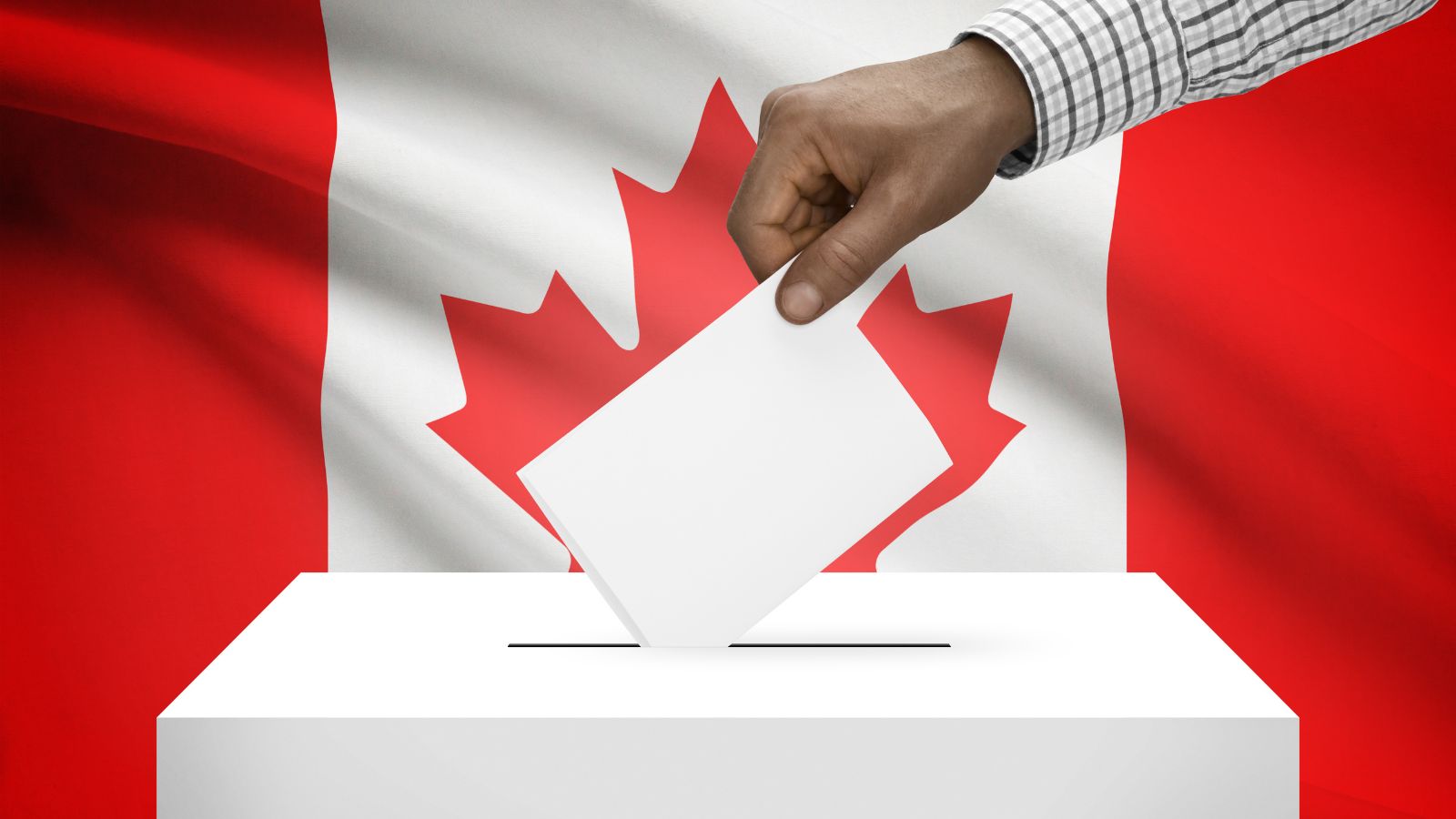
Canada runs short election campaigns that last weeks instead of years. Once results arrive, the country returns to daily life without a long post-election media cycle. Fundraising does not dominate television and radio. Political energy does not consume every month of the year. The United States operates nearly continuous campaigns that add stress and division. Canada avoids exhaustion by limiting campaign length and reminding citizens that elections should not overpower everyday living.
No Surprise Medical Bills After Emergency Care

Canada treats emergency patients without sending long lists of itemized charges for routine supplies, specialist visits, or facility usage. People recover without budgeting for medical debt. There is no sudden invoice based on hospital coding errors. Bills do not arrive months later with new fees. The United States still allows surprise billing that forces families into negotiations with insurance companies after life-threatening events. Canada prevents confusion by covering essential emergency treatment through its healthcare system.
Nationwide Credit Score Access Without Gatekeepers
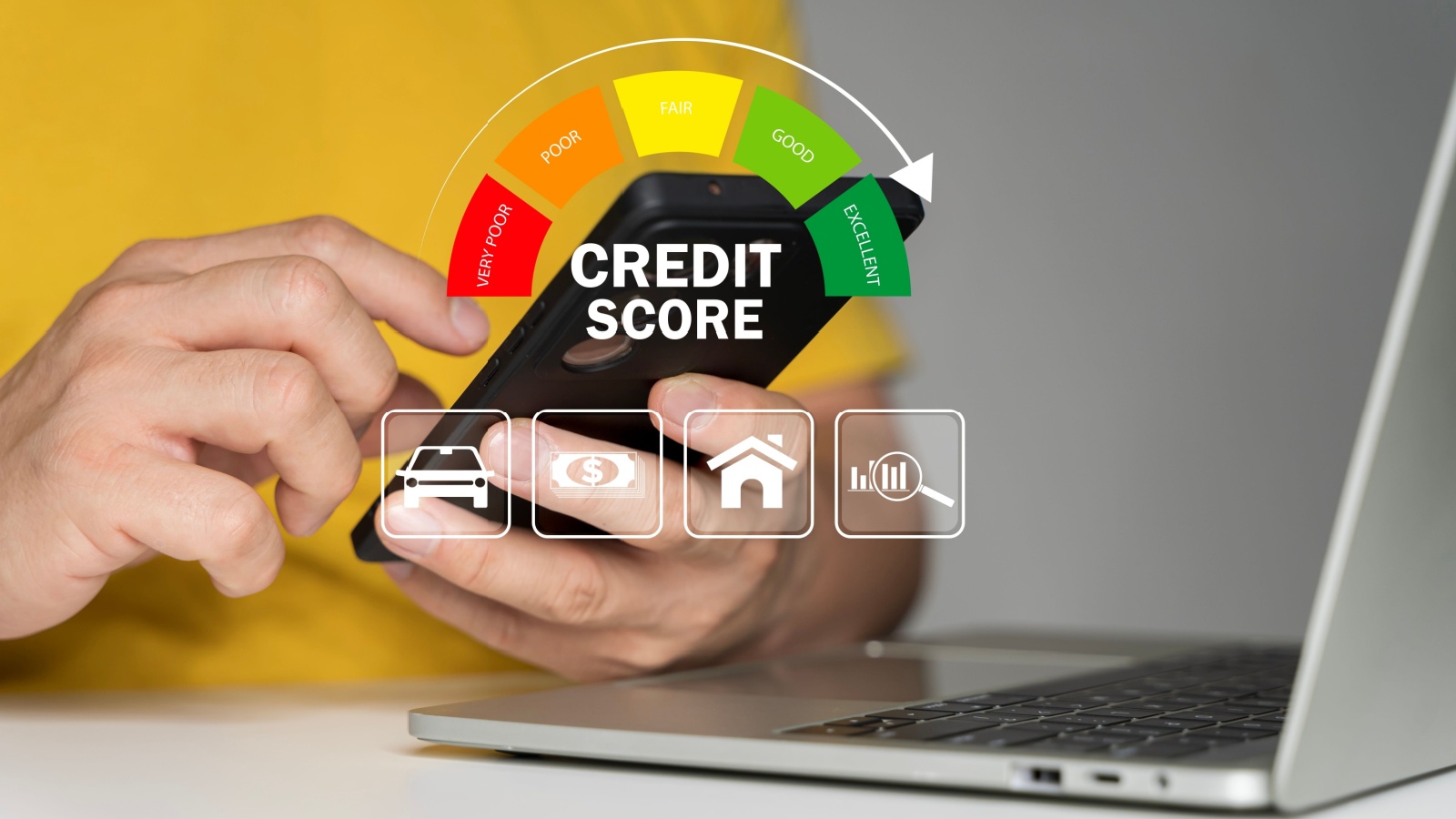
Canada provides free access to personal credit reports through multiple services so people can monitor their financial standing without paying subscriptions or hidden upgrade charges. Individuals check their scores before renting homes, applying for jobs, or planning loans. Transparency removes fear of unknown mistakes. The United States locks credit information behind paywalls and recurring fees that make financial visibility expensive. Canada gives people the tools to correct errors and control borrowing without facing access barriers.
National Identity Without Culture Wars About Flags
Canada treats the national flag as a symbol of shared identity rather than a political allegiance test. People display it during holidays, school events, and international travel without implying hostility toward anyone. Patriotism stays calm and steady. The United States often experiences conflict when the flag becomes part of cultural arguments. Canada avoids this battle by keeping the flag neutral and welcoming rather than a tool for division.
Public Transit That Encourages Buses Outside Big Cities

Canada invests in bus networks for small and mid-sized towns, which support students, seniors, and workers who cannot or do not want to drive. Schedules continue even without heavy tourism or major downtown centers. Public transportation remains a community service rather than a luxury. The United States focuses transit spending mostly on major cities, which leaves other regions dependent on cars. Canada preserves mobility and community access across regions.
Online Voting for Local Elections and Universities

Canada has tested secure online voting systems for municipal elections and universities, allowing voters to participate without long lines or weather challenges. Digital access increases turnout among students and busy workers. This does not replace in-person voting but supports accessibility. The United States still debates whether online voting should exist at all. Canada shows that responsible technology can improve civic participation without chaos.
Nationwide Debit Preference to Prevent Credit Debt

Canada encourages debit cards for daily spending, which limits credit card dependence. People pay with money they actually have, reducing personal debt and financial anxiety. Credit cards exist for rewards and travel, but do not replace debit as the default. The United States relies heavily on credit, which leads to interest charges and overspending on basic items. Canadian banking culture reduces the temptation to accumulate debt through small daily purchases.
Strong Tenant Rights to Stop Sudden Evictions

Canada uses tenancy boards and dispute systems to prevent landlords from removing renters without process. Rent increases follow rules, and hearing panels review disagreements. Students, families, and seniors avoid abrupt displacement. This does not eliminate rent challenges, but it protects stability. The United States allows fast eviction timelines that threaten housing security. Canada treats rental housing as a space where fairness should stay consistent regardless of who owns the building.
22 Groceries to Grab Now—Before another Price Shock Hits Canada

Food prices in Canada have been steadily climbing, and another spike could make your grocery bill feel like a mortgage payment. According to Statistics Canada, food inflation remains about 3.7% higher than last year, with essentials like bread, dairy, and fresh produce leading the surge. Some items are expected to rise even further due to transportation costs, droughts, and import tariffs. Here are 22 groceries to grab now before another price shock hits Canada.
22 Groceries to Grab Now—Before another Price Shock Hits Canada
