
Canadian winters can feel long, dark, and difficult, especially during deep freeze periods that push temperatures far below seasonal norms. Many households plan winter escapes to avoid the cold and seek sunshine, warmer water, and easier outdoor living. Popular destinations now include parts of the United States, Latin America, the Caribbean, Europe, Africa, Asia, and Oceania, reflecting the increasing accessibility of global travel for Canadians across different age groups. Here are 20 warm-weather escapes Canadians are fleeing to during this year’s deep freeze.
Mexico’s Riviera Maya and Cancun
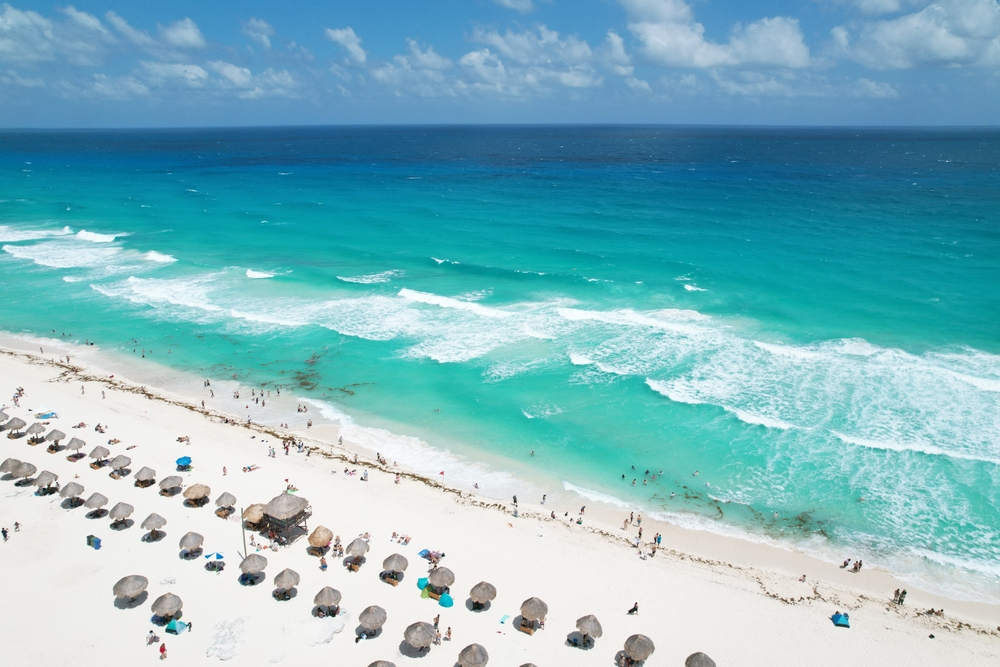
Canadians continue to flock to Riviera Maya and Cancun during winter because the region delivers consistent warm weather, direct flights, and resort options across many budgets. January and February temperatures average around 28°C. Beaches remain the major draw, but Canadians also book trips for cenote swimming, Mayan archaeological parks, and all-inclusive food packages. Cancun International Airport offers many direct flights from Toronto, Montreal, Vancouver, Calgary, and Winnipeg. Many resorts also promote multi-night discounts. The Canadian dollar holds reasonable value against the Mexican peso compared to the peak US destinations. Travelers often stay in Playa del Carmen, Tulum, or Cancun’s resort zone.
Florida’s Gulf Coast Beaches
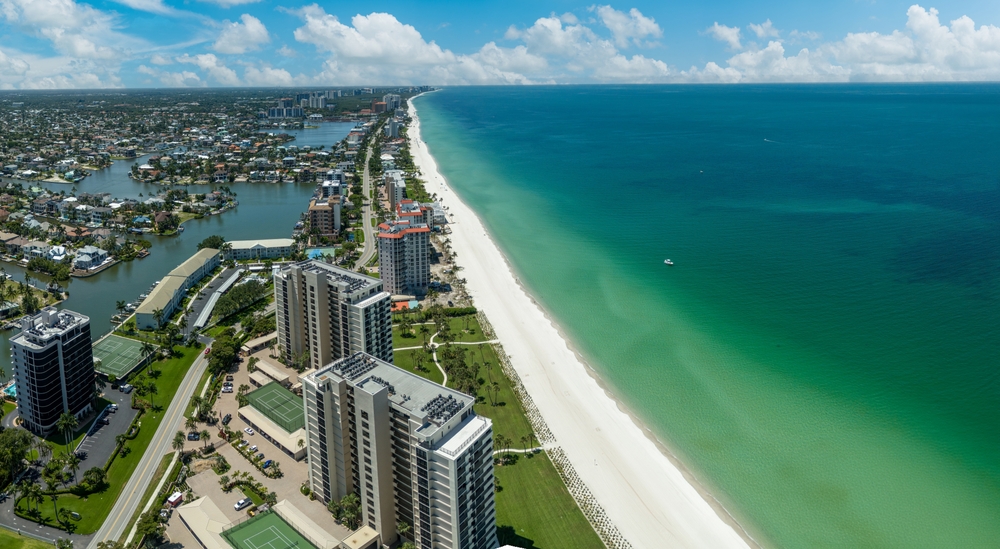
Florida’s Gulf Coast remains one of the easiest winter escapes for Canadians because of its mild weather, calm waters, and strong travel infrastructure. Direct flights land in Tampa, Fort Myers, and Sarasota from several Canadian cities. Snowbirds often rent condos in Naples, St. Petersburg, Clearwater, and Siesta Key for multiple weeks. Day temperatures range from 22°C to 26°C during the Canadian winter months. Beaches are walkable and family-friendly. Rental cars are widely available at competitive rates. Canadians also benefit from familiarity with grocery chains, health services, and restaurants. The Gulf Coast is quieter than Miami, which appeals to long-stay guests.
Southern California’s Mild Coastal Cities

Southern California gives Canadians warm, dry winters without overwhelming humidity. Cities like San Diego, Laguna Beach, and Santa Monica are top picks for year-round outdoor activity. Winter highs sit around 18°C to 22°C, which is comfortable for beach walks, hiking, and patio dining. Direct flights from Vancouver, Calgary, Edmonton, and Toronto are frequent. Canadians often book extended stays in furnished rentals to escape sub-zero temperatures. The Pacific Coast Highway offers scenic drives and access to coastal parks. Travelers also enjoy museums, breweries, and food markets. Although US$ pricing is higher than in Mexico, the climate reliability keeps Canadians returning.
Hawaii’s Oahu and Maui Islands
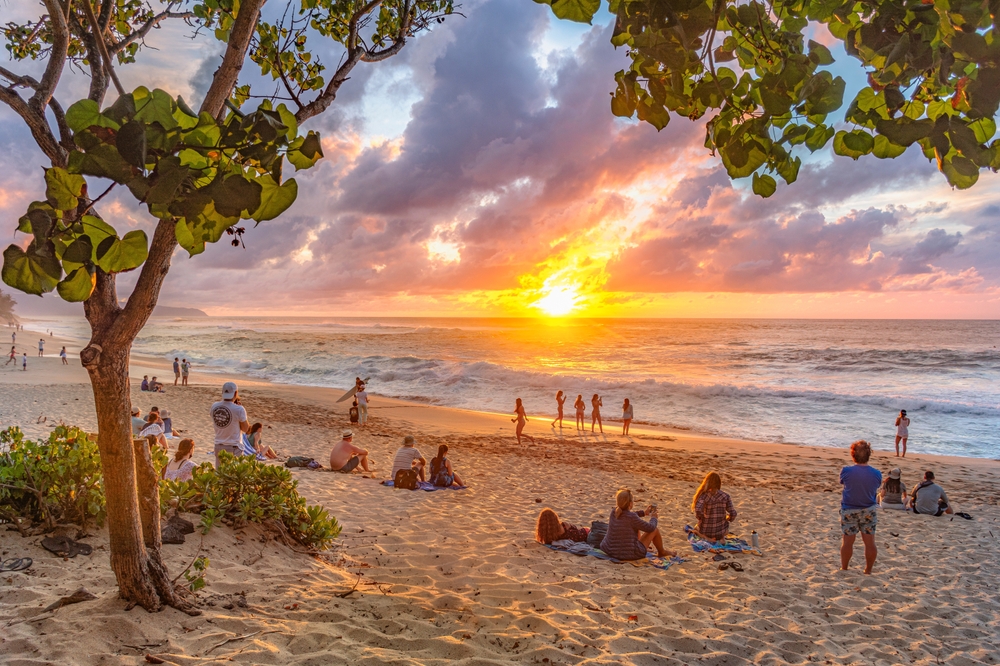
Hawaii appeals to Canadians who want warmth in winter with strong safety, nature, and cultural attractions. Oahu and Maui see heavy Canadian arrivals from Vancouver and Calgary due to direct flights. Daytime temperatures in winter hover between 24°C and 27°C. Travelers split time between beaches, hiking trails, and scenic drives like the Road to Hana. Canadians choose Hawaii for whale watching, snorkel tours, farmers’ markets, and food trucks. Hawaii is pricier in US$, yet long-term visitors use condo kitchens to reduce costs. Popular stay areas include Waikiki, Ko Olina, Lahaina, Kihei, and Kapalua. Many Canadians return annually.
Arizona Desert Resorts and Golf Retreats

Arizona’s dry winter climate attracts Canadians looking for warmth without humidity. Scottsdale, Phoenix, and Tucson remain the most booked destinations. Winter temperatures often reach 20°C to 24°C, which is ideal for golf trips, spa resorts, and desert hiking. Direct flights operate from Vancouver, Calgary, Edmonton, Toronto, and Winnipeg during the peak winter season. Canadians often rent cars for day trips to Sedona or the Grand Canyon. Resorts promote golf packages and shoulder-season deals in January. Canadians staying longer often choose condo rentals in Mesa and Chandler due to lower monthly rates. The consistent sunshine makes Arizona a reliable escape for winter.
Costa Rica’s Pacific Coast Towns
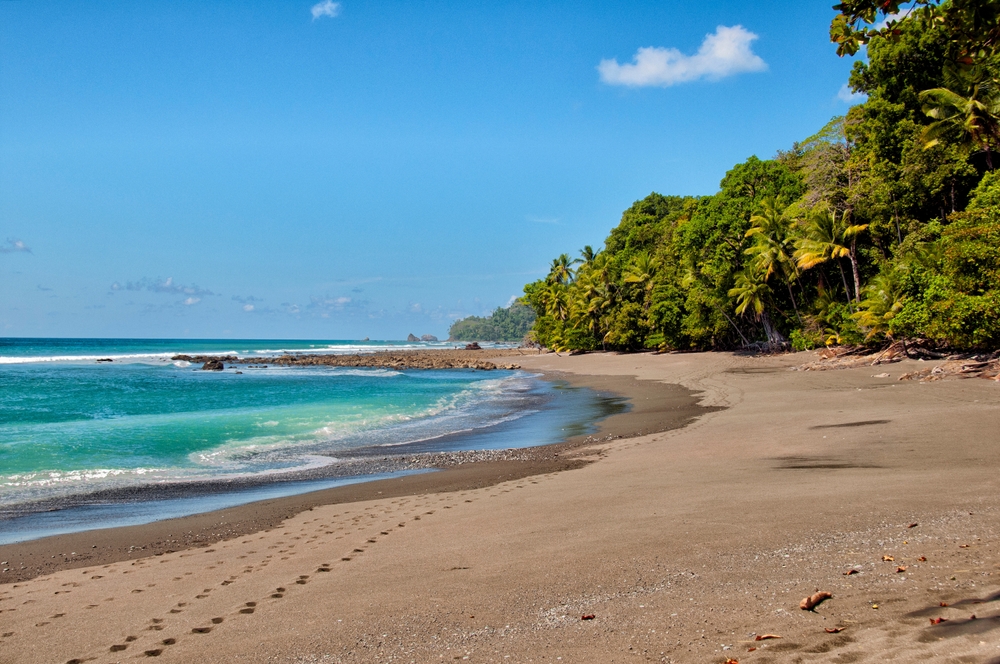
Costa Rica draws Canadians who want heat, beaches, and wildlife access during winter. Towns like Tamarindo, Samara, Nosara, and Manuel Antonio remain popular. Winter highs range from 28°C to 33°C with very little rain on the Pacific side. Canadians can fly into Liberia Airport with seasonal direct routes from Toronto and Calgary. Many resorts offer all-inclusive or adventure-focused stays with surf schools, national parks, and canopy tours. Canadians like the mix of nature and English-friendly service. Long-term visitors rent beach houses for multiple weeks. The Costa Rican colón offers reasonable value, and the Pacific Coast caters well to families.
Dominican Republic All-Inclusive Resorts
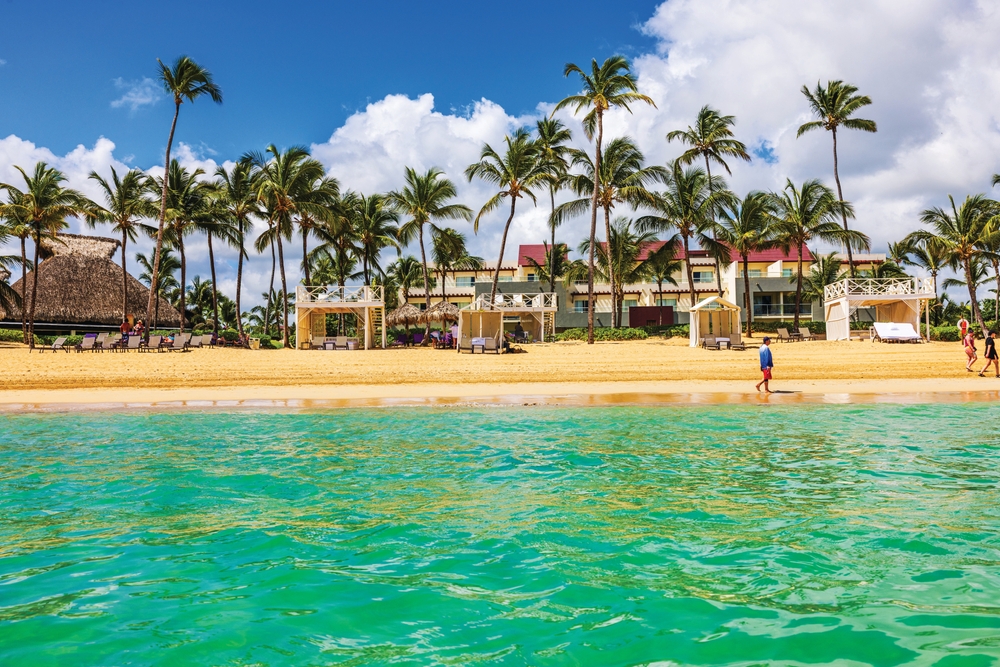
The Dominican Republic remains one of the top warm-weather escapes for Canadians because of its all-inclusive model and competitive pricing. Punta Cana sees the highest Canadian arrivals. Direct winter flights depart from Toronto, Ottawa, Montreal, Halifax, Winnipeg, and Calgary. Average highs reach 28°C in winter. Canadians choose DR for resort packages that include food, drinks, and activities at one fixed price. Many families and retirees book during January and February. Beaches are wide and walkable, and resorts promote snorkel tours and golf add-ons. The Dominican peso offers favorable pricing for optional excursions. Punta Cana is the most common pick.
Cuba’s Varadero and Cayo Destinations
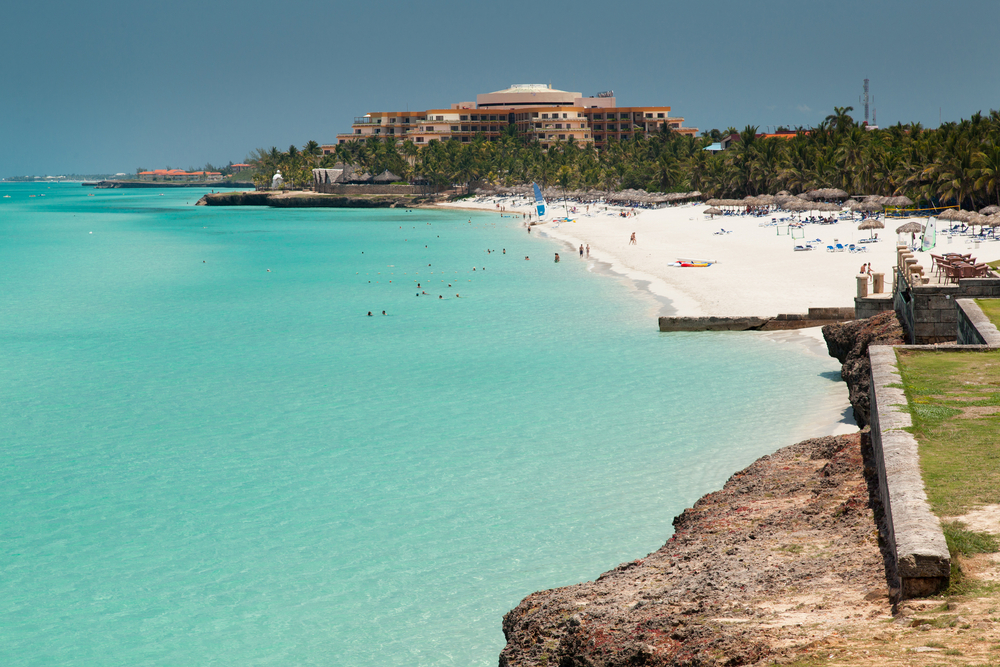
Cuba has been a long-standing winter escape for Canadians because of value, beaches, and direct flight availability. Varadero, Cayo Coco, and Cayo Santa Maria remain top choices. Winter temperatures usually range from 24°C to 27°C. Canadians often book package holidays that include flights, accommodation, meals, and transfers at competitive prices. Even with modest resort infrastructure, the beaches and climate continue to draw repeat travelers. Many Canadians return for cultural reasons, including music, history, and Havana day trips. Charter flights operate from many Canadian cities in winter, which simplifies travel. Canadians make up a large share of Cuba’s tourism.
Jamaica’s Montego Bay and Negril
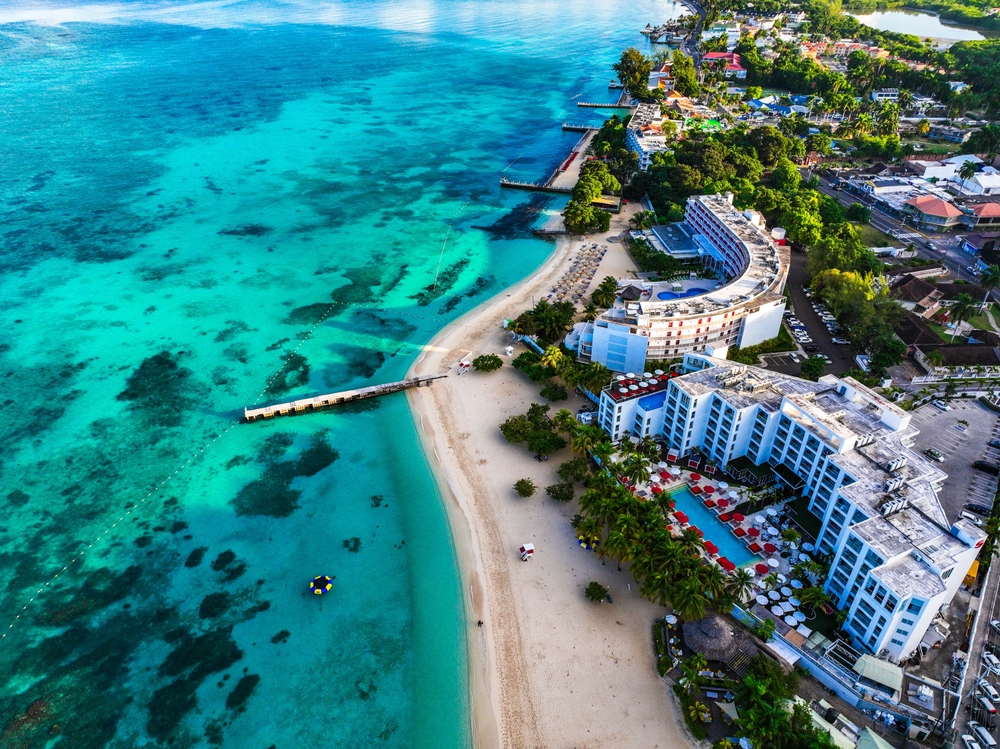
Jamaica appeals to Canadians who want warm weather with music, food, and resort relaxation. Montego Bay and Negril attract most arrivals due to resort clusters and airport access. Winter highs sit around 28 °C, and beaches stay swimmable year-round. Canadians book all-inclusive packages, villa rentals, or boutique hotels along Seven Mile Beach. Direct winter flights operate from Toronto, Ottawa, Montreal, Calgary, and Winnipeg. Canadians book snorkel tours, catamaran cruises, and waterfalls near Negril and Ocho Rios. Resort packages often include entertainment and dining, which helps with budgeting in US$. Jamaica remains a consistent choice when escaping the deep Canadian cold.
New Zealand’s North Island Summers
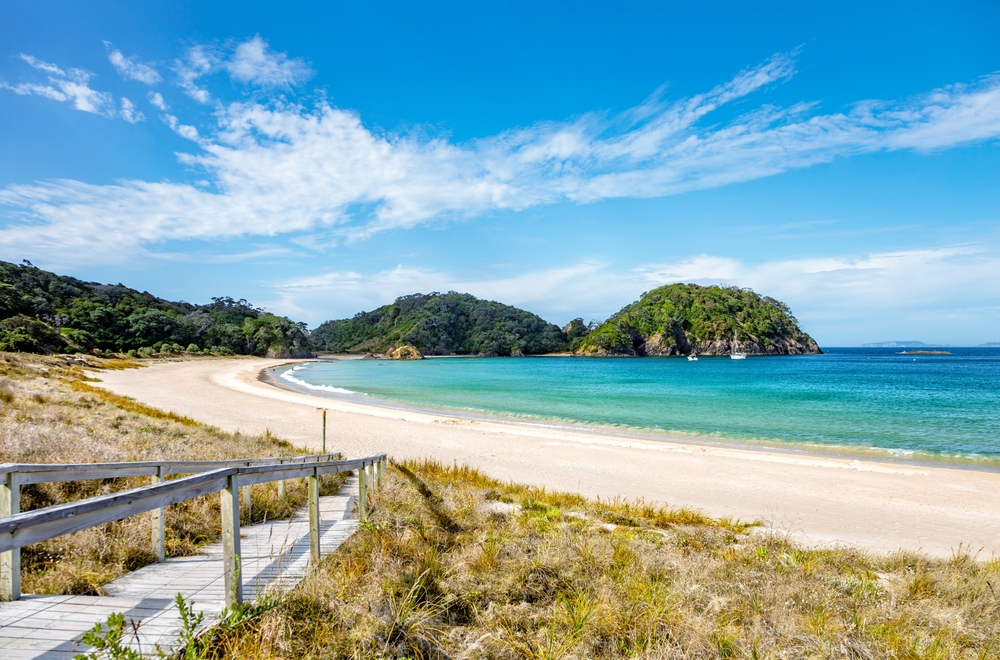
New Zealand’s North Island is appealing to Canadian travelers who want mild summer weather, scenic coastlines, and structured services during winter. Auckland and coastal towns such as Tauranga and Napier offer marinas, beaches, wineries, and healthcare facilities suitable for longer stays. Canadians appreciate the ease of communication and reliable transportation infrastructure. Costs for accommodations and dining are moderate to high, reflecting New Zealand’s economic profile. The region focuses on outdoor living, including hiking, sailing, and cultural tourism. Seasonal stays are more common among active retirees who value safety, English-speaking environments, and natural landscapes over tropical beach resort settings.
Morocco’s Warm Atlantic Coast Cities
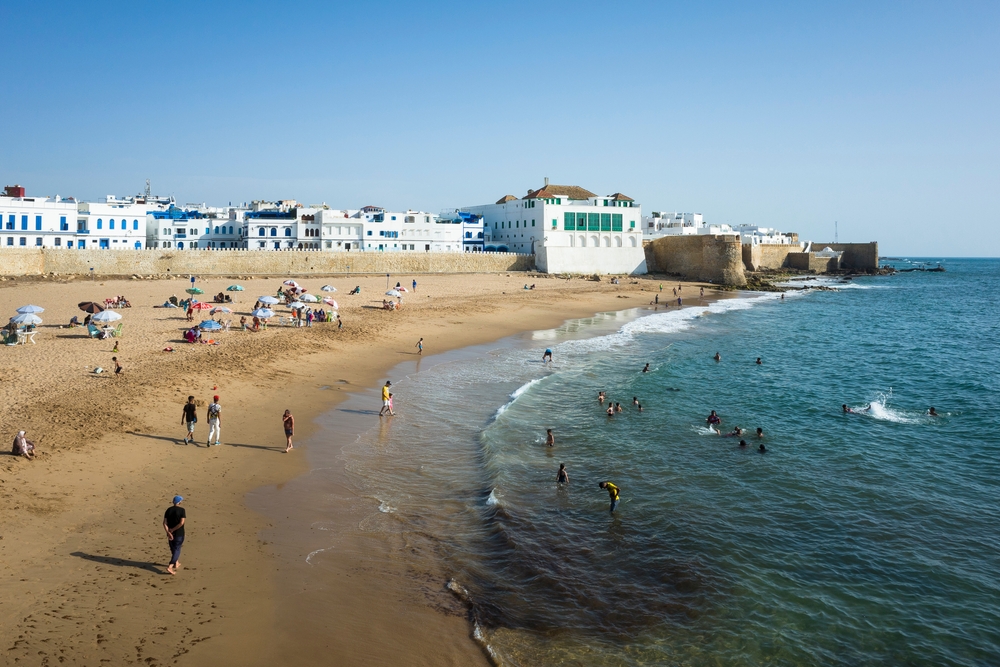
Morocco’s Atlantic cities, including Agadir and Essaouira, are gaining interest among Canadian snowbirds seeking warm winter climates with lower living costs. Coastal areas offer long beaches, walkable districts, and emerging medical tourism services. French and English are spoken in tourism zones, helping with daily interactions. Rental pricing is competitive compared to Europe, and fresh food markets support affordable day-to-day living. Cultural experiences are highlighted through local crafts, food, and music scenes. While Morocco lacks large expat retirement concentrations, infrastructure continues to develop. Snowbirds choosing Morocco often prioritize climate value and cultural exploration over resort-driven experiences.
South Africa’s Cape Town and Garden Route Beaches
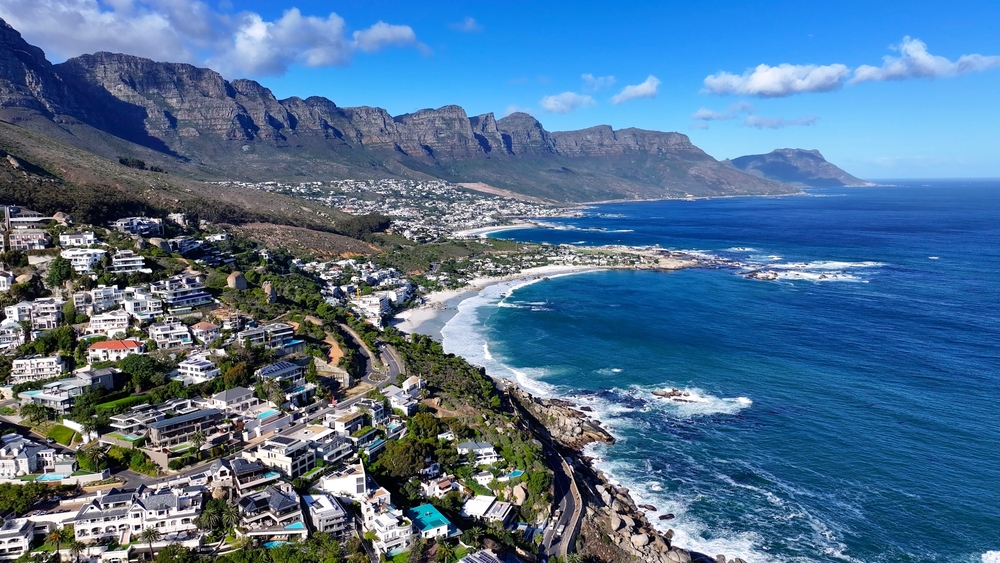
Cape Town and the Garden Route attract Canadian snowbirds with warm summers, dramatic coastlines, outdoor recreation, and modern services. Neighborhoods around Cape Town offer beaches, hiking, dining, and healthcare facilities suited for seasonal stays. Towns such as Knysna and George along the Garden Route provide quieter environments with coastal scenery and golf amenities. Costs for food, housing, and services remain favorable for long-term visitors. English-speaking communities simplify logistics, and rental markets are accustomed to foreign travelers. Safety varies by district, requiring research, but many Canadians return annually for climate advantages and value-driven living during the Canadian winter season.
Panama City and Pacific Beach Getaways
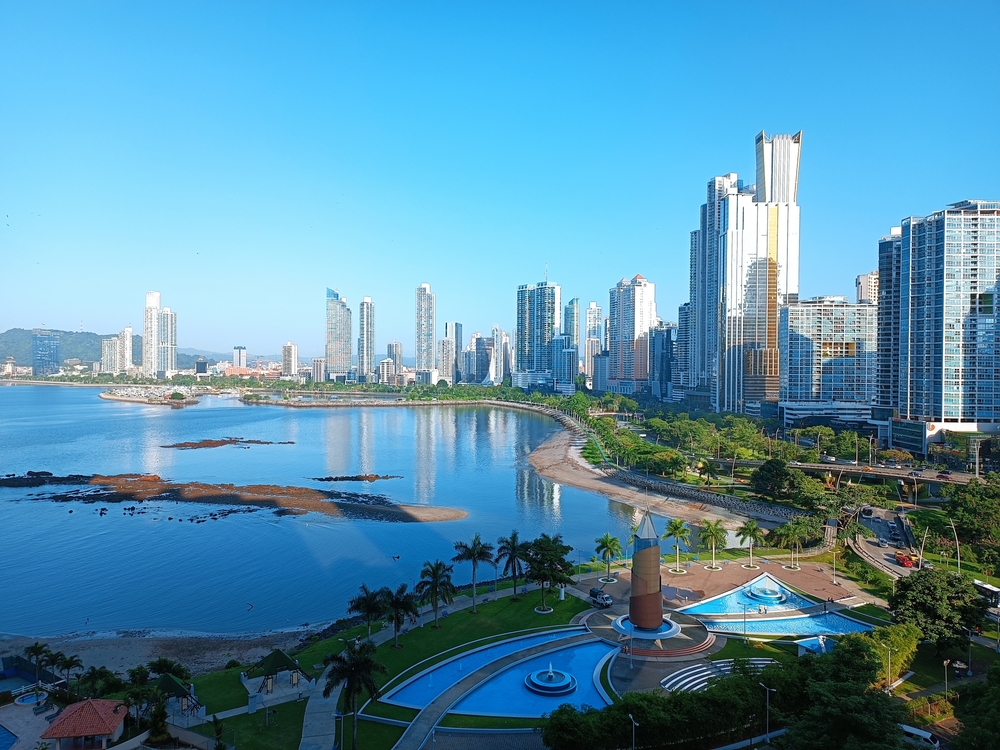
Panama City and the nearby Pacific coastline are warm-weather favorites for Canadian snowbirds seeking long stays with modern conveniences. The city offers reliable healthcare, established expat neighborhoods, and a cost of living that is lower than in major Canadian cities. Beach spots like Coronado, Santa Clara, and Playa Blanca are within easy driving distance, giving retirees access to sandy coastlines without isolation. Many Canadians appreciate how Panama uses the US$ for day-to-day purchases, which reduces currency complexity. Long-term rental options are common, and immigration policies have historically been friendly to foreign residents.
Puerto Rico for Beaches and Culture
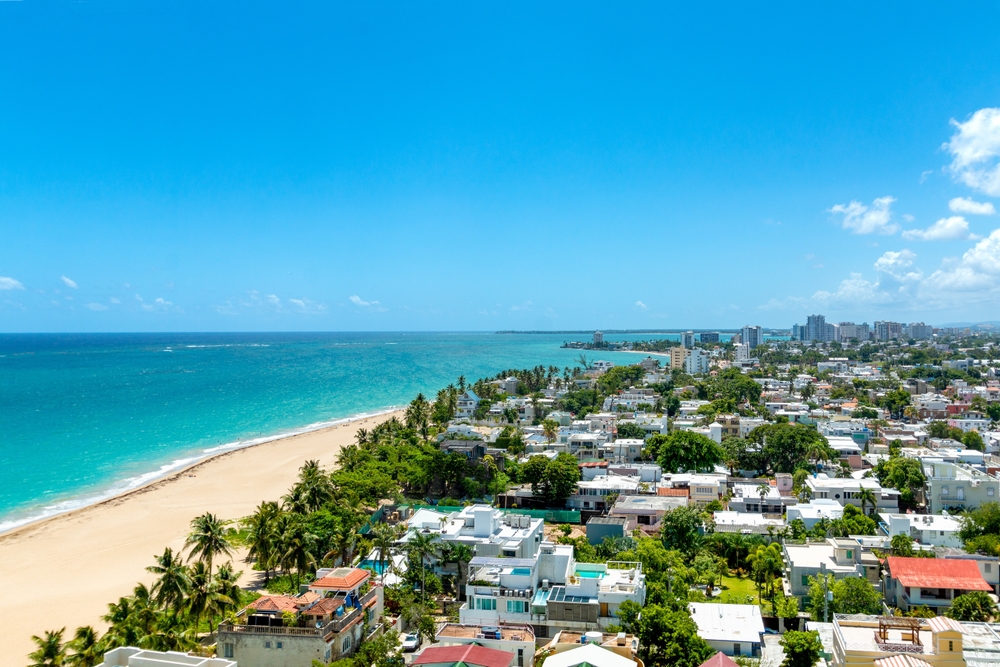
Puerto Rico blends Caribbean beaches with urban vibrancy, creating an appealing escape for seasonal Canadian visitors. Long stretches of coastline near San Juan and Condado provide beach access, dining, and healthcare services, making it practical for extended stays. Inland, Old San Juan, and various cultural districts give snowbirds more than just a beach town experience. While Puerto Rico is a US territory, travel for Canadians remains straightforward, and infrastructure is generally strong. Many appreciate the mix of bilingual services, familiar brands, and historic architecture. Rental markets in coastal neighborhoods accommodate longer stays, especially during peak winter months.
Belize Barrier Reef and Island Cays
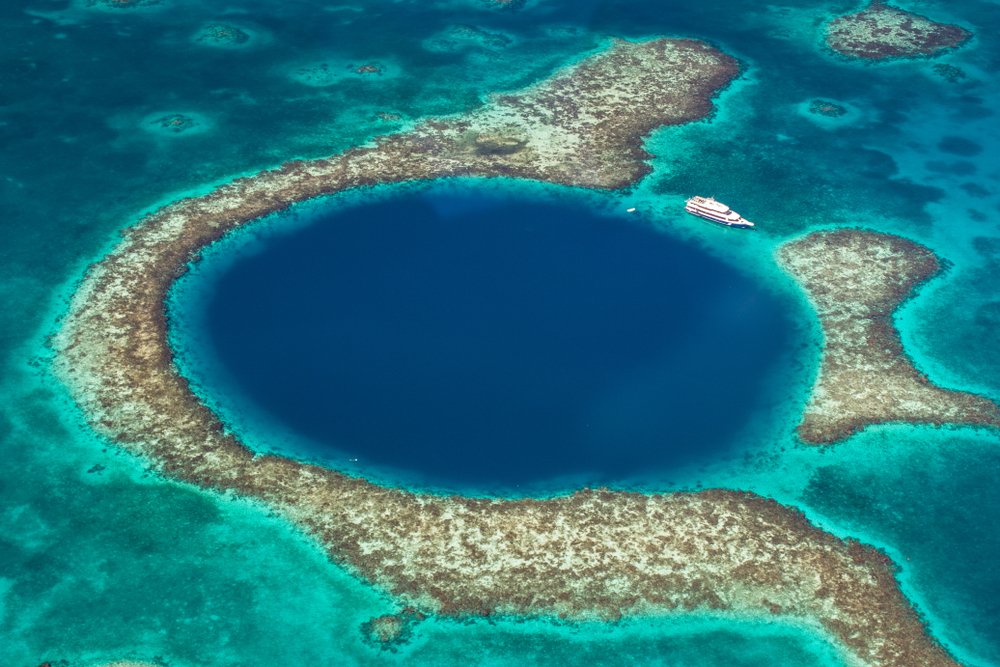
Belize attracts Canadians with its English-speaking population, warm climate, and iconic reef system. Towns like San Pedro on Ambergris Caye and Placencia on the mainland are seasonal hubs for long-term winter visitors. The Belize Barrier Reef offers world-class diving and snorkeling, while inland preserves attract nature-oriented retirees. Cost of living varies widely depending on island or mainland choices, but long-stay rentals are easier to secure than in more developed Caribbean destinations. Healthcare access is improving, and residency pathways exist for foreigners who stay longer. Belize remains a slower-paced alternative for snowbirds seeking natural scenery rather than resort infrastructure.
Portugal’s Algarve Coastal Region

The Algarve in southern Portugal has become a popular wintering destination for Canadian retirees due to its mild climate, reliable healthcare, and strong infrastructure. Coastal cities like Lagos, Faro, and Albufeira offer walkable neighborhoods and well-developed rental markets. Living costs are lower than in most Western European regions, and English is widely spoken. The region’s beaches and golf courses attract active retirees, while Portugal’s residency programs continue to draw long-term foreign residents. Winter temperatures are cooler than the Caribbean but significantly warmer than Canada. The Algarve’s food culture and transportation networks give snowbirds a balanced lifestyle during extended stays.
Spain’s Canary Islands
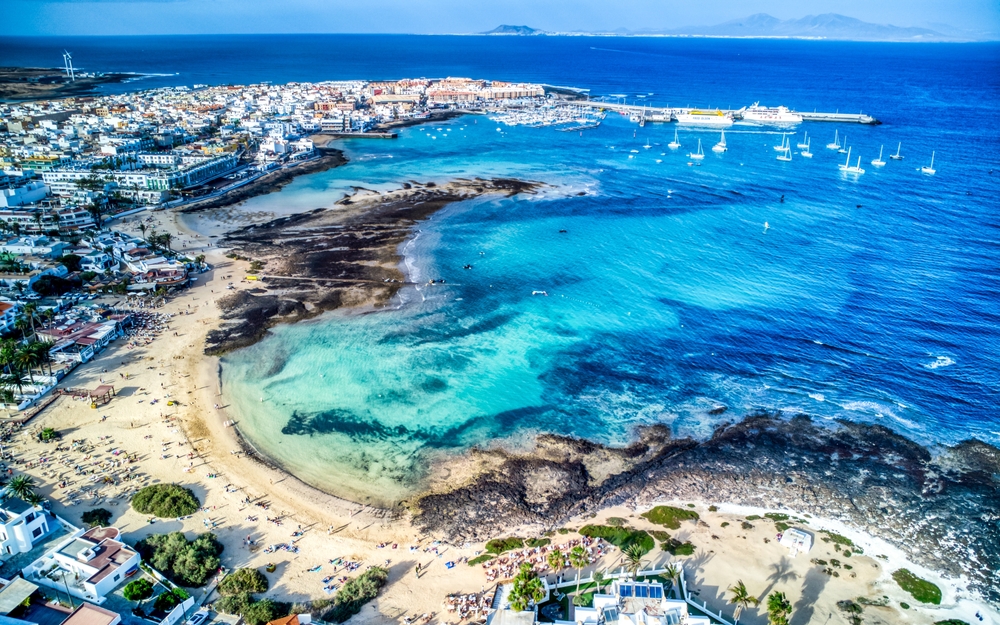
Spain’s Canary Islands provide a subtropical environment that appeals to snowbirds seeking warm winters without long-haul tropical humidity. Tenerife, Gran Canaria, and Lanzarote are established hubs with medical services, international airports, and well-developed tourism infrastructure. Canadians appreciate walkable beach towns, stable rental markets, and outdoor recreation options ranging from volcanic hiking to coastal swimming. Costs vary by island, but long-stay rentals are common outside peak holiday months. The islands operate on Spanish systems, offering reliable public services and a slower pace of living. The region remains a European alternative for snowbirds wanting culture, climate stability, and practical amenities.
Thailand’s Phuket and Krabi

Phuket and Krabi attract Canadian snowbirds with warm weather, long sandy beaches, and affordable living costs. Seasonal visitors settle in areas like Patong, Kata, and Ao Nang, where long-stay rentals are common, and tourism services operate year-round. Healthcare is modern and accessible, with international hospitals serving expat communities. Dining, transportation, and daily expenses are lower than in North America, allowing retirees to extend their stays without budget pressure. Canadians also enjoy Thailand’s friendly visa policies and English signage in tourist zones. The region blends outdoor recreation with cultural experiences, creating an appealing alternative to Western winter destinations.
Vietnam’s South Coast Resorts
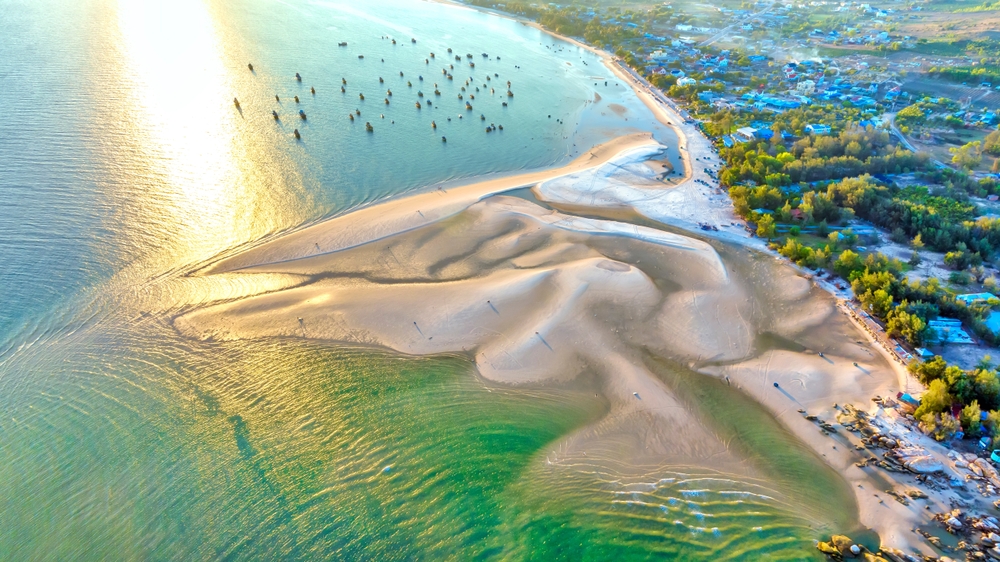
Vietnam’s southern coastal corridor has become a quieter snowbird option for Canadians looking for affordability and warm temperatures. Cities like Nha Trang and Phan Thiet offer long beachfront areas with modern condos, hotels, and emerging retirement communities. Healthcare quality varies by location but continues to improve as private international clinics expand. The cost of dining, services, and transportation remains low compared to other Asian destinations. Canadians choose Vietnam for longer winter trips that combine relaxation with cultural exploration. Seasonal rental markets are less formal than in Thailand, but availability is growing as tourism investment increases, particularly along the country’s southern coastline.
Australia’s Queensland Beaches
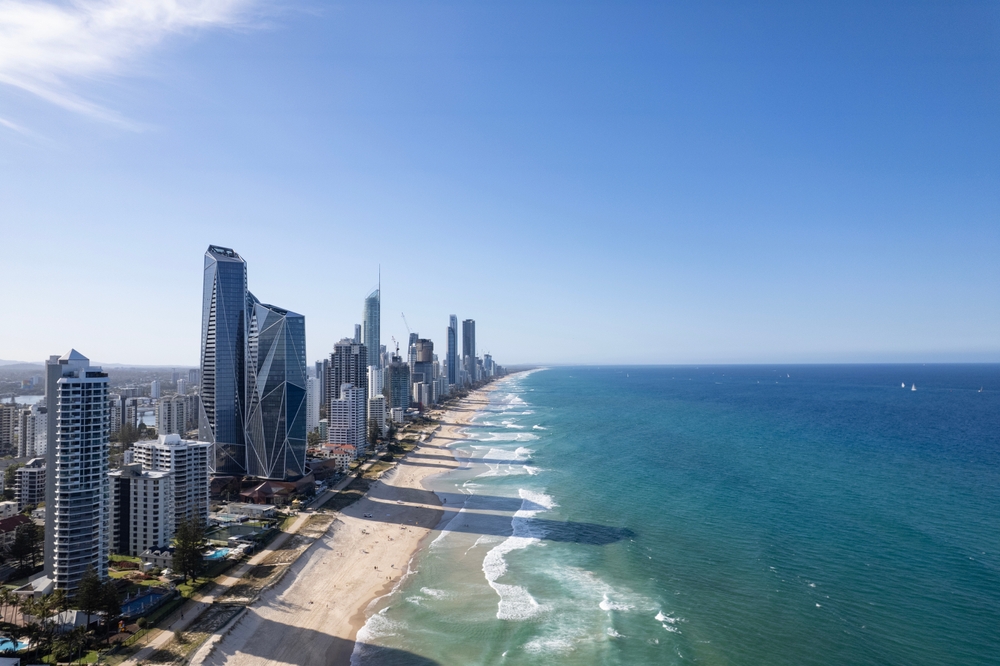
Queensland’s coastal cities offer hot summers, modern infrastructure, and healthcare standards familiar to Canadians. Snowbirds favor destinations such as the Gold Coast, Sunshine Coast, and Cairns for beach access and outdoor recreation. Golf, marine activities, and walkable neighborhoods appeal to active retirees spending multiple months abroad. Costs are higher than in Southeast Asia but comparable to Canadian urban standards. Long-stay rental markets are well developed, and English-speaking services reduce logistics challenges. The region’s climate provides reliable warmth during Canadian winter months, while transportation and emergency systems meet high standards. Lifestyle amenities make Queensland a premium yet practical snowbird destination.
22 Groceries to Grab Now—Before another Price Shock Hits Canada

Food prices in Canada have been steadily climbing, and another spike could make your grocery bill feel like a mortgage payment. According to Statistics Canada, food inflation remains about 3.7% higher than last year, with essentials like bread, dairy, and fresh produce leading the surge. Some items are expected to rise even further due to transportation costs, droughts, and import tariffs. Here are 22 groceries to grab now before another price shock hits Canada.
22 Groceries to Grab Now—Before another Price Shock Hits Canada
